Alchemy art: ten ways into the emblems of Atalanta Fugiens
alchemy art: ten ways into the emblems of Atalanta Fugiens.
Alchemy art rewards a slower kind of looking. A title may sound plain while the image asks you to connect a body, an object and a process that do not ordinarily belong together. Fable's Atalanta Fugiens series follows Michael Maier's 1618 emblem book, with source records held by the Science History Institute. These ten entries introduce its opening plates without treating the pictures as practical recipes or pretending that one short caption exhausts their meaning. Follow each work to compare its source and available edition, and use the holding library's record for the complete historical page and its text.
1. The wind carries him: begin with the title
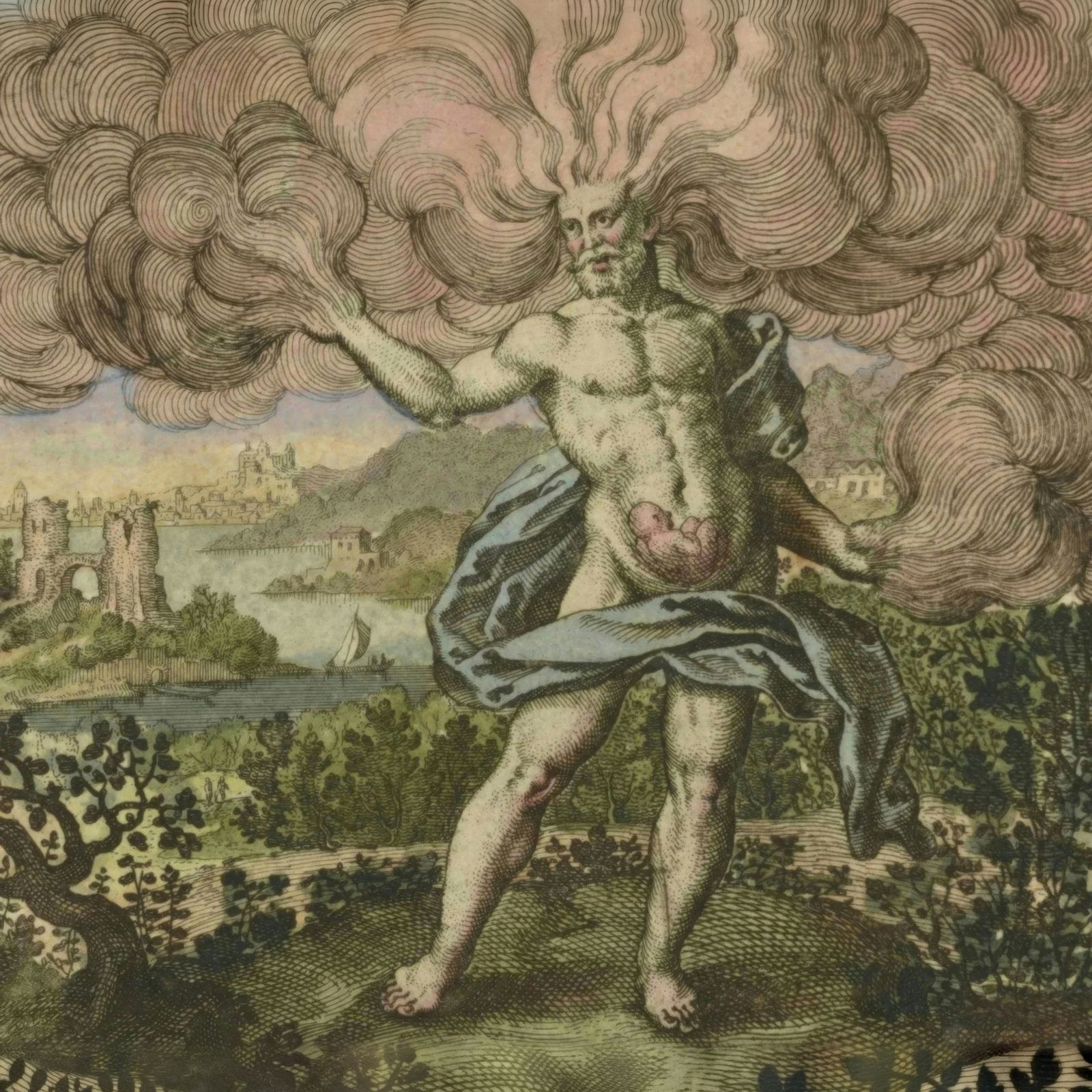
The Wind Carries Him · Matthäus Merian the Elder, after Michael Maier · 1618 · Science History Institute, Roy G. Neville Historical Chemical Library
Read the title before trying to solve the image. The phrase asks you to think about carrying, movement and something that cannot be held in a hand. Keep that as a question rather than declaring a single secret meaning. The source record places this picture within emblem one and preserves the surrounding historical page.
2. The earth as nurse: a relation rather than a portrait
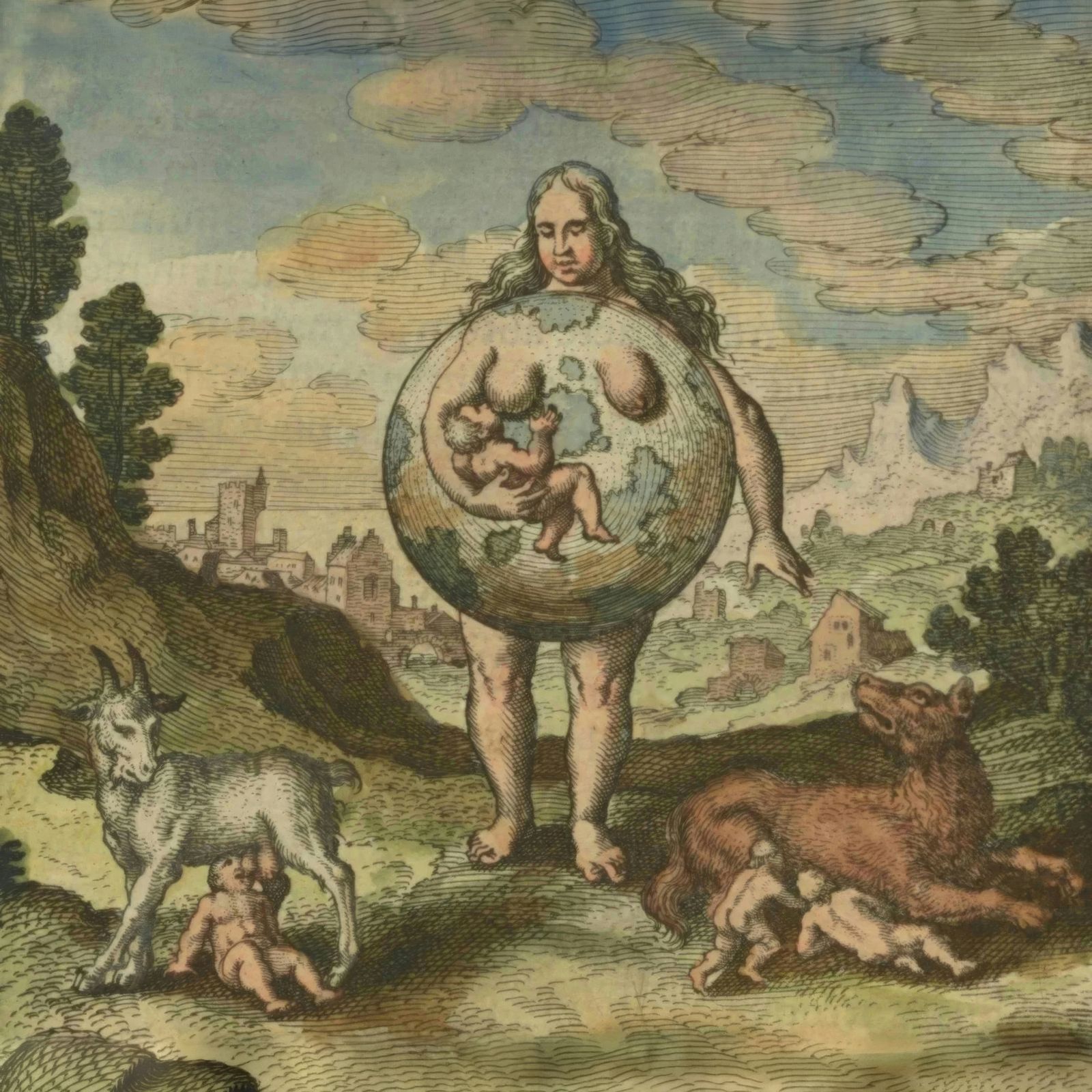
The Earth as Nurse · Matthäus Merian the Elder, after Michael Maier · 1618 · Science History Institute, Roy G. Neville Historical Chemical Library
The title proposes a relationship between earth and nourishment. Treat the figure as part of that proposition, rather than reading the image as an ordinary scene of family life. Look at the museum source and accompanying text before deciding how a modern personal interpretation connects to the historical purpose of the emblem.
3. The washerwoman: everyday labour in an unfamiliar setting
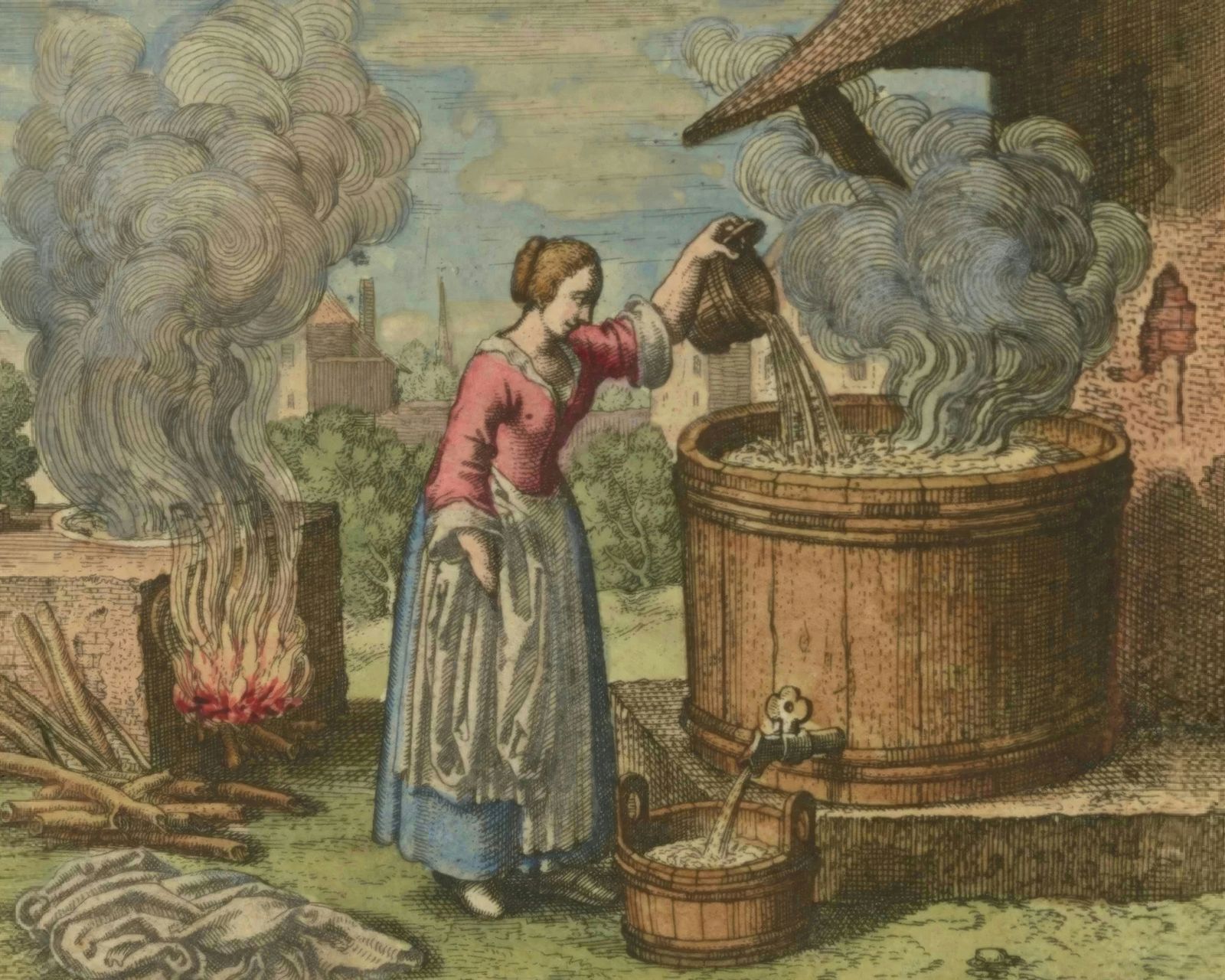
The Washerwoman · Matthäus Merian the Elder, after Michael Maier · 1618 · Science History Institute, Roy G. Neville Historical Chemical Library
A familiar occupation can make an emblem seem easier to read than it is. Begin with what the title names, then ask why that action belongs in an alchemical book. The historical page is the appropriate place to pursue the question; a decorative edition on a wall does not replace the written context.
4. The cup of love: do not settle for a romantic slogan
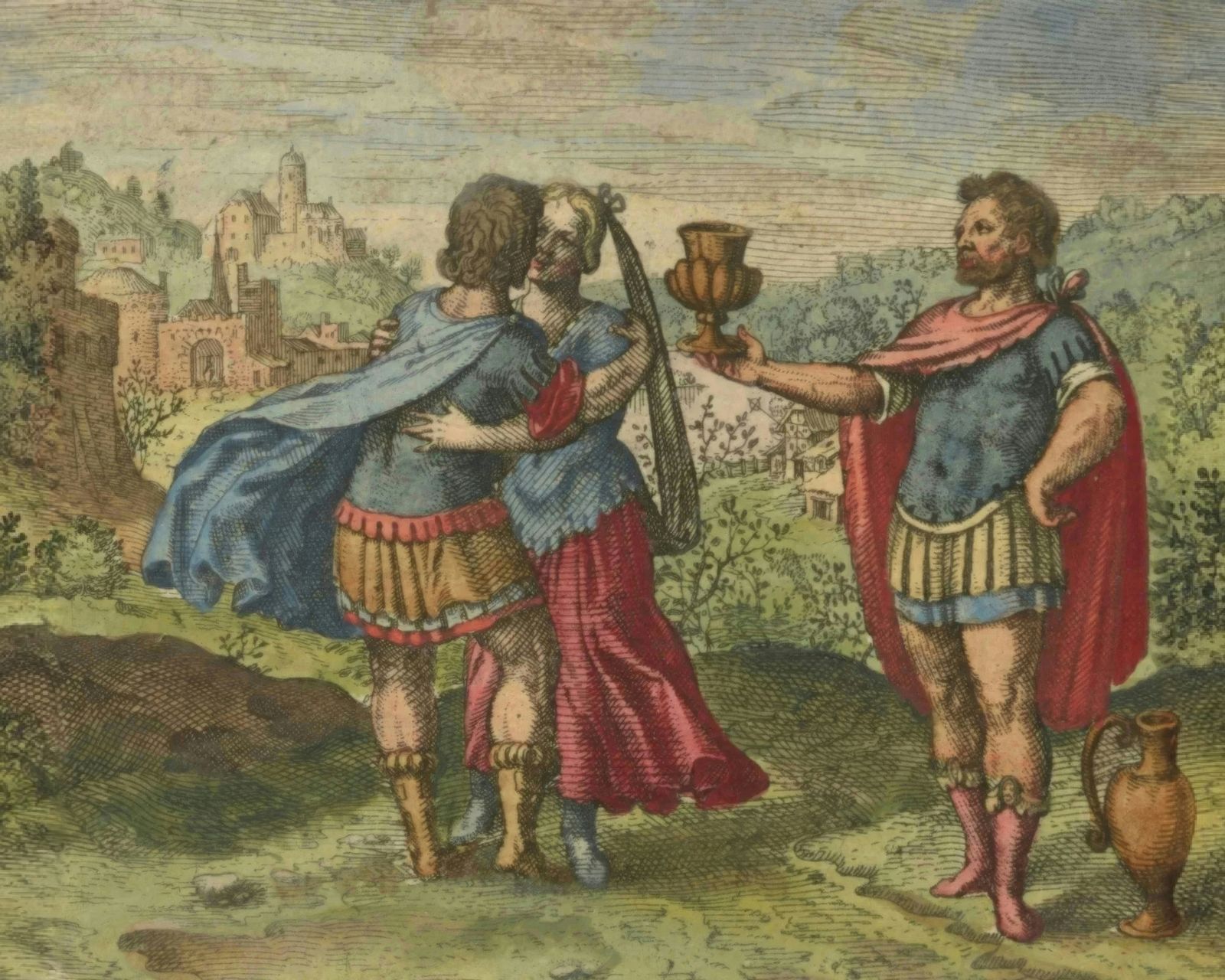
The Cup of Love · Matthäus Merian the Elder, after Michael Maier · 1618 · Science History Institute, Roy G. Neville Historical Chemical Library
The word love can invite an immediate modern association, but an emblem's title works within its own book and argument. Resist turning the picture into a universal message about relationships. If the work appeals as a print, you can enjoy its visual form while keeping the historical question open.
5. The toad at the breast: let discomfort slow the reading
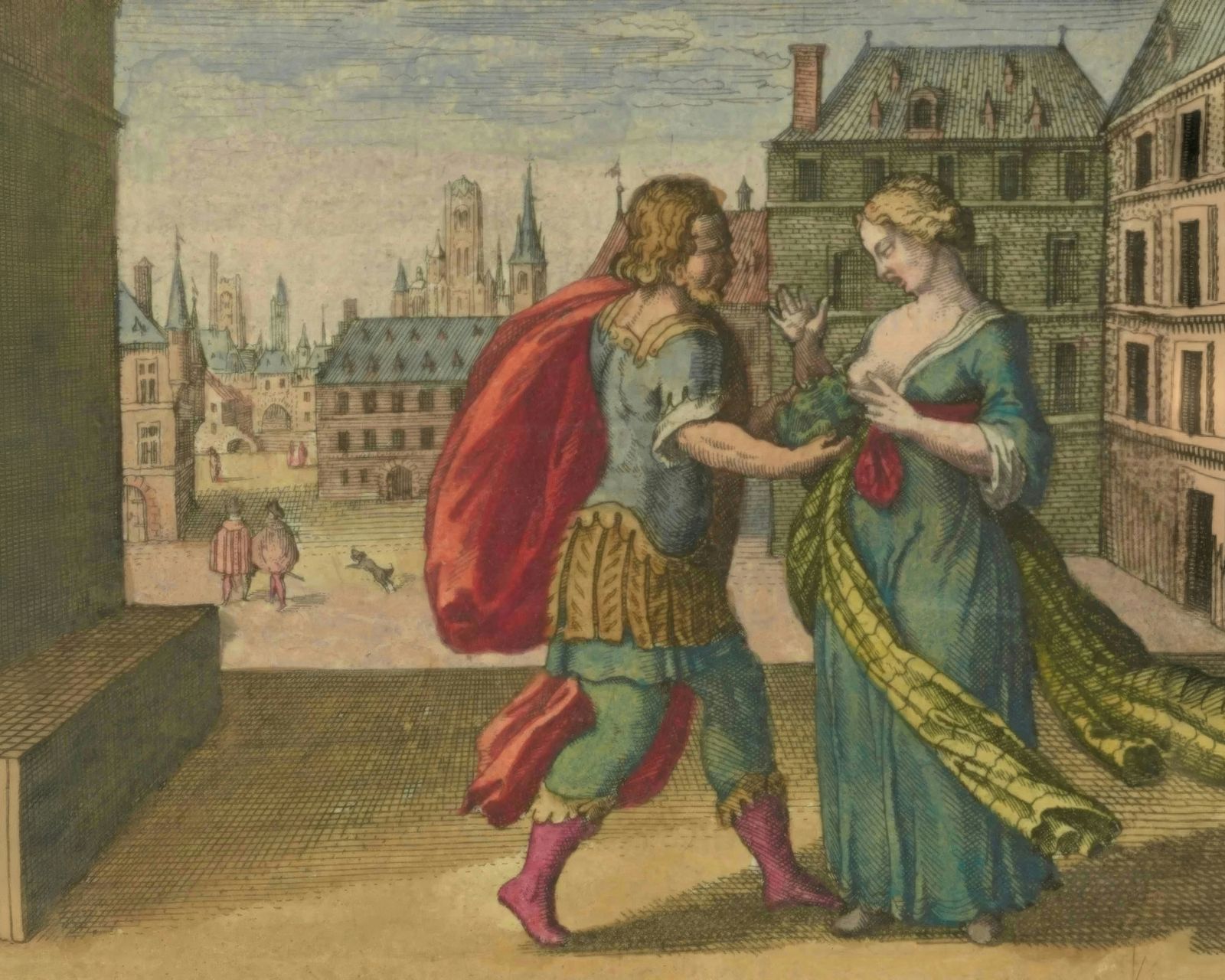
The Toad at the Breast · Matthäus Merian the Elder, after Michael Maier · 1618 · Science History Institute, Roy G. Neville Historical Chemical Library
An unsettling title can be part of an emblem's method of making an idea memorable. It is not a reason to treat the picture as medical advice or an instruction for an actual experiment. Follow the source record and its explanatory context before attaching a confident modern claim to the scene.
6. The sower of gold: a process pictured through another
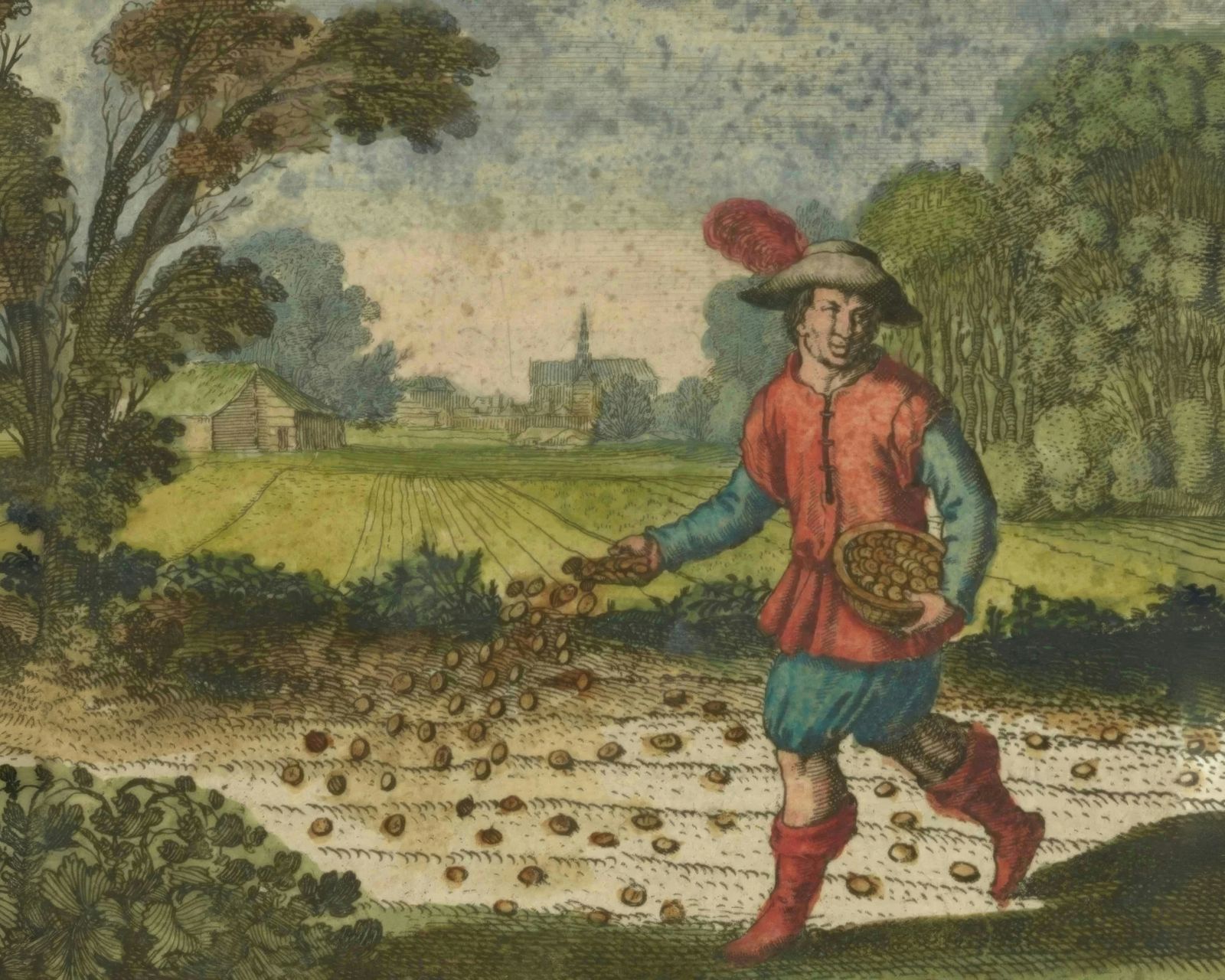
The Sower of Gold · Matthäus Merian the Elder, after Michael Maier · 1618 · Science History Institute, Roy G. Neville Historical Chemical Library
The title joins a familiar act with an unexpected material. Ask what changes when a substance is described through sowing, growth or cultivation. That question opens the picture without requiring a quick answer. Keep the original page nearby when comparing editions, so the illustration does not become detached from its textual setting.
7. The nest on the rock: things placed in relation
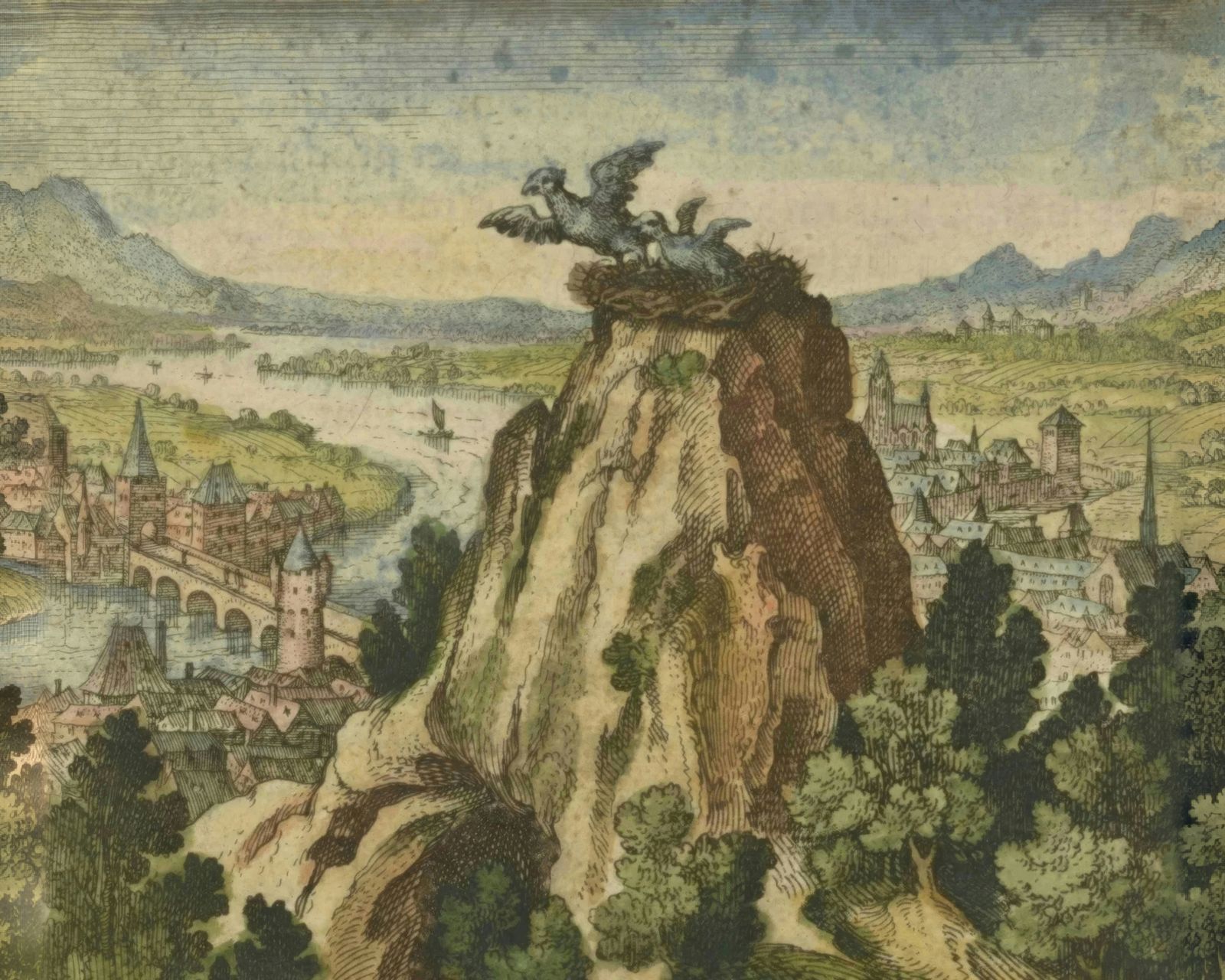
The Nest on the Rock · Matthäus Merian the Elder, after Michael Maier · 1618 · Science History Institute, Roy G. Neville Historical Chemical Library
An emblem often asks you to consider how objects relate rather than naming them one by one. Start with the connection proposed by the title. Do not assign a fixed meaning to each object from an unrelated symbol dictionary; the source page and the sequence of the book are more useful guides.
8. The egg and the sword: a deliberate collision
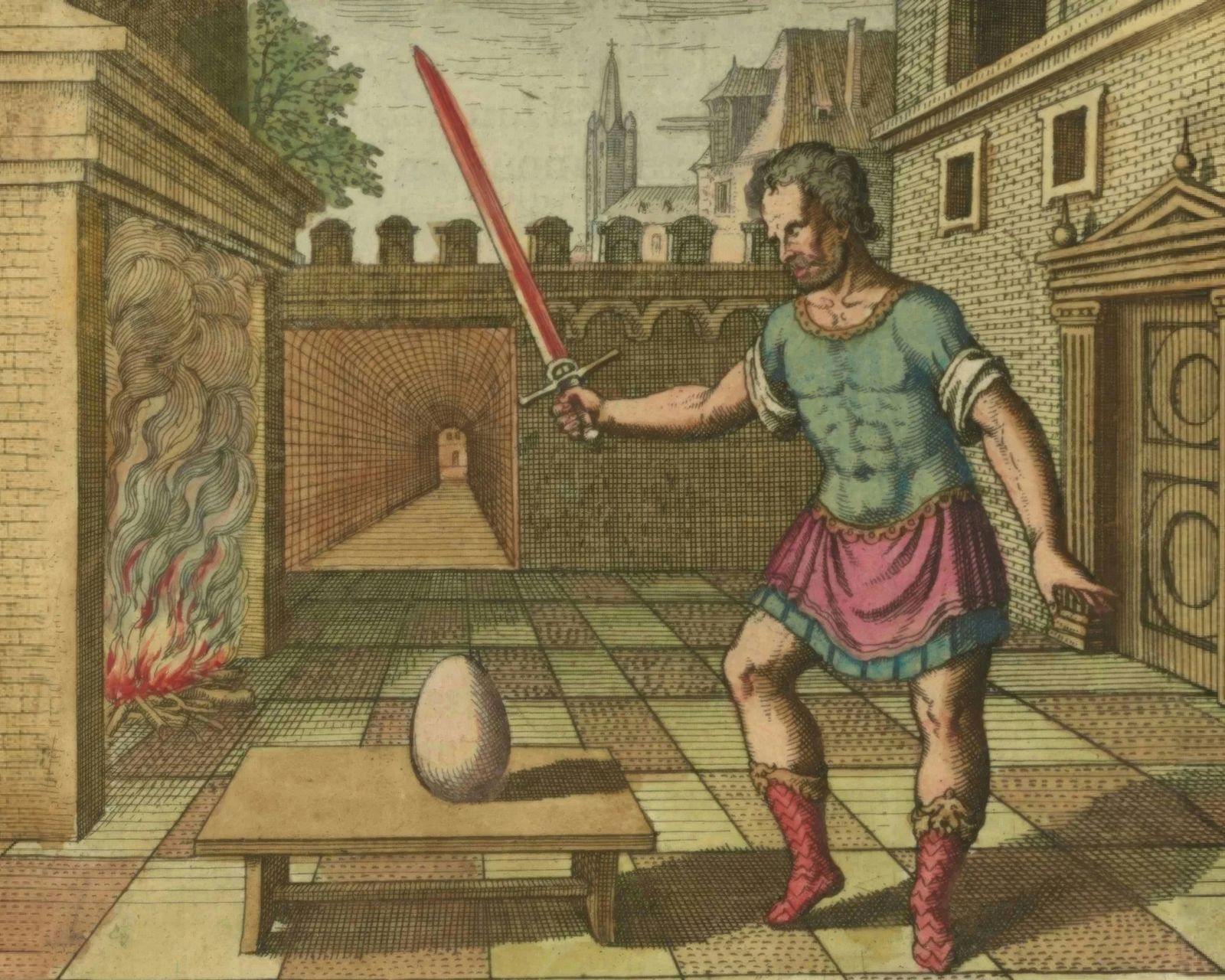
The Egg and the Sword · Matthäus Merian the Elder, after Michael Maier · 1618 · Science History Institute, Roy G. Neville Historical Chemical Library
Two ordinary objects can form an extraordinary proposition when placed together. Before calling either one a universal symbol, look at the historical record and the words that accompany the plate. The image's power can remain visible even while its argument requires study, which is part of the attraction of an emblem print.
9. The old man made young: transformation as a question
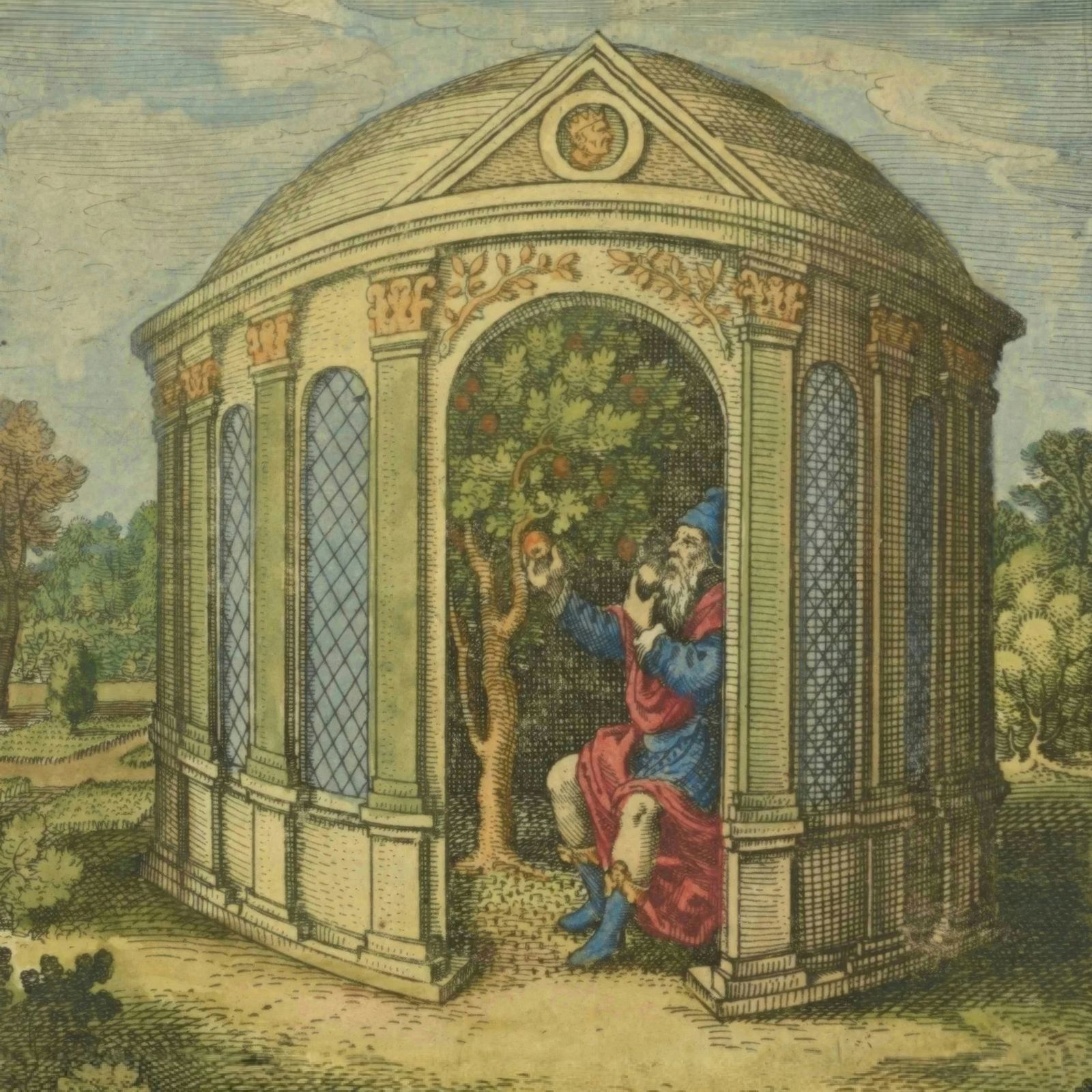
The Old Man Made Young · Matthäus Merian the Elder, after Michael Maier · 1618 · Science History Institute, Roy G. Neville Historical Chemical Library
The title names a change that alchemy can frame symbolically. Do not read it as a promise that a substance or practice can reverse ageing. Use it to consider how the book represents transformation, and distinguish that historical imagery from any modern claim about health, bodies or what a print can do.
10. Like to like: read it beside its neighbours
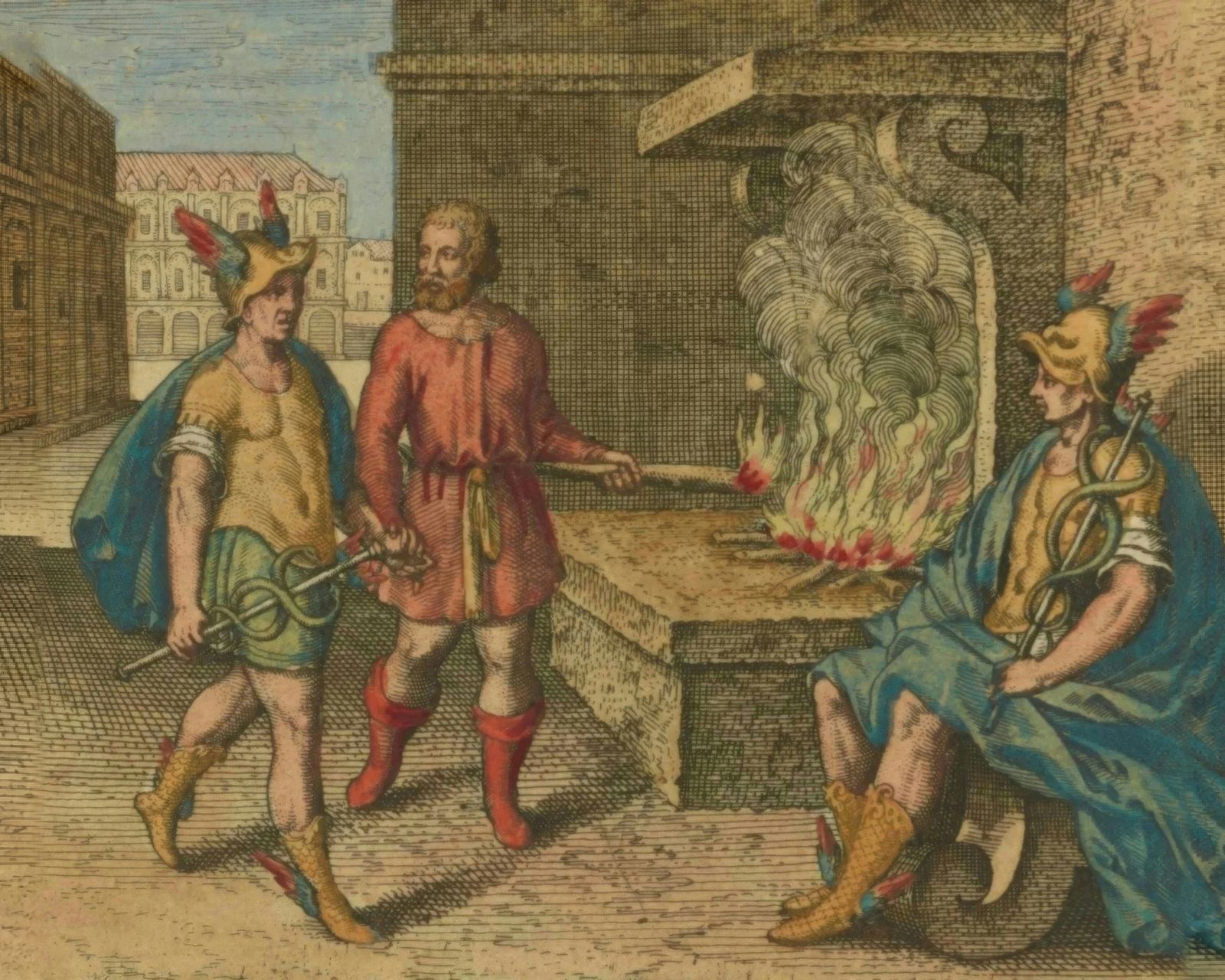
Like to Like · Matthäus Merian the Elder, after Michael Maier · 1618 · Science History Institute, Roy G. Neville Historical Chemical Library
A short title can seem self-explanatory until you place it in the sequence. Compare this plate with the earlier ones and notice what questions recur. The complete source book provides more than an isolated illustration can offer. If you select a print, keep a note of the plate and source so you can return to that context.
Begin with one plate that keeps asking you a question, rather than trying to buy an entire system of meanings at once. Open its masterwork page to inspect the source comparison and the current print options. Where Fable labels a contemporary colour interpretation, treat those colours as choices of the modern edition, not evidence of the historical print's palette. The Atalanta series page lets you continue through the larger sequence. The Science History Institute records remain the place to read the complete historical page and follow the argument beyond a short introduction.
For display, consider how much of the sequence you actually want to live with. One plate can sustain attention on its own, while a group asks for a wall and a deliberate order. Do not buy a set merely because the book has a complete sequence. Follow the work pages to inspect the actual available editions and formats, then choose according to the pictures that interest you. Keep their titles and plate references in a note. That simple record gives you a route back to the source and prevents the images becoming anonymous decorative symbols whose historical context has been lost.
Explore the Atalanta Fugiens series
- Is alchemy art a set of practical instructions?
- This article approaches the emblems as historical visual culture. Do not treat an image or a short interpretation as a recipe, medical advice or evidence of a substance's effects.
- Where can I see the source pages?
- The linked masterwork records cite the Science History Institute. Its digital records preserve the complete historical pages and their context.
- Are all the colours historical?
- Check the work's caption and comparison. A Fable contemporary colour interpretation is a modern edition, and its colours should not be presented as the historical print's original palette.