Celestial art prints, from a zodiac to a moonlit room
celestial art prints: Ten catalogue works to compare, with historical sources and modern colour versions clearly identified.
Celestial art prints can show the sky as a diagram, a myth, a symbol or simply a light in a landscape. Those subjects create different kinds of pictures. A zodiac image makes the celestial theme explicit; a moonrise may be quieter and easier to place among other art. Begin with the kind of looking you want the room to invite, then choose the individual work.
These ten catalogue images move between historical celestial subjects and landscapes touched by the moon. The captions identify the displayed versions. Some alchemical and mythological works are presented as contemporary colour interpretations of historical sources; those colours should not be mistaken for the original printmakers' colours. Follow each masterwork page to inspect the complete image and its current print options. A celestial picture can reward attention without pretending to predict anything about the person who owns it.
1. Zodiac: an explicit celestial subject
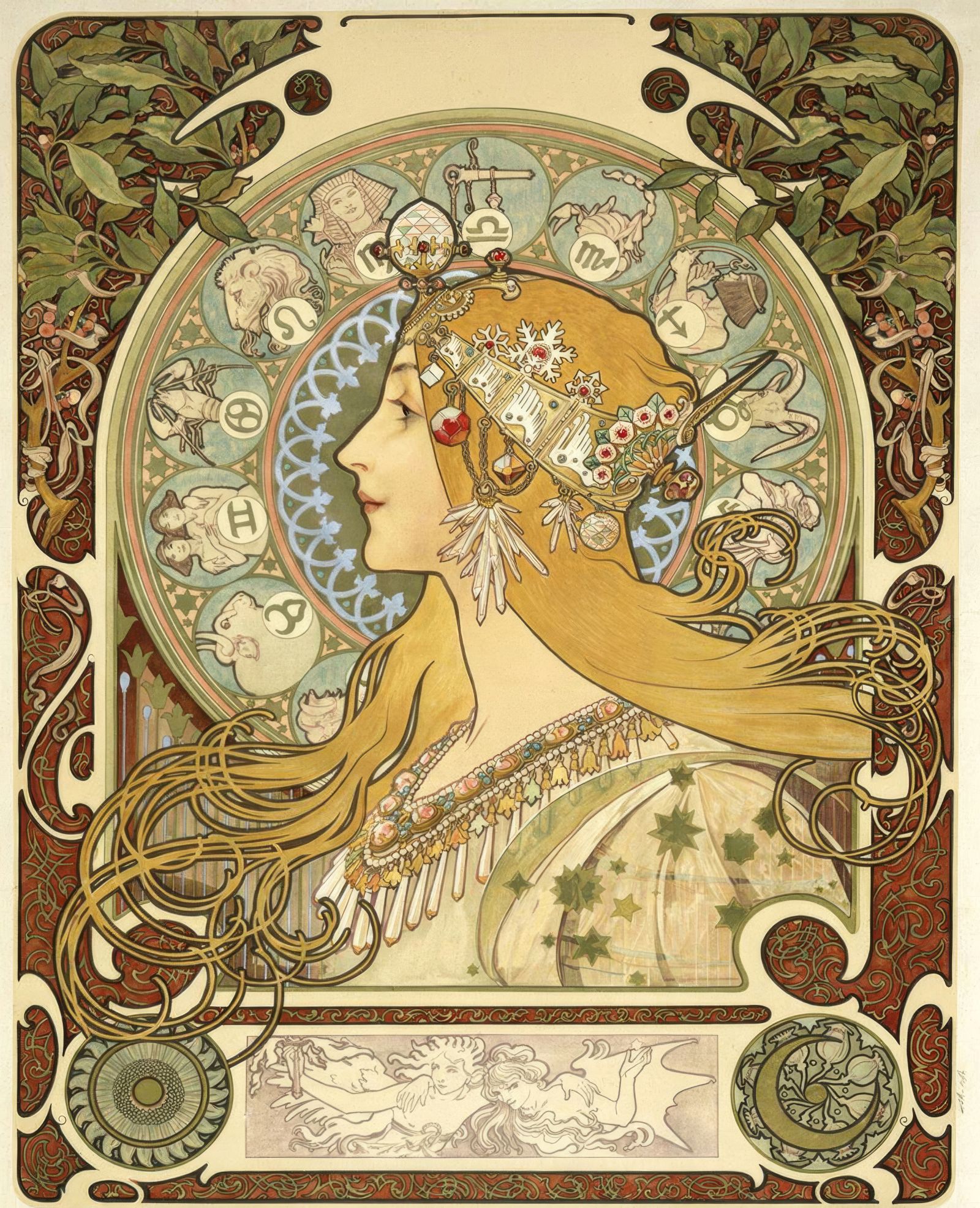
Zodiac · Mucha · 1896 · Victoria and Albert Museum
Mucha's Zodiac is a direct starting point when you want the theme to be recognisable. Look at the complete image before judging how it will share a wall with other work. Check the catalogue attribution, version and offered dimensions. A zodiac print need not become a personalised chart: choose it as the named historical artwork it is, and keep any personal birthday association in a note rather than changing its identity.
2. Orion: the sky through a myth
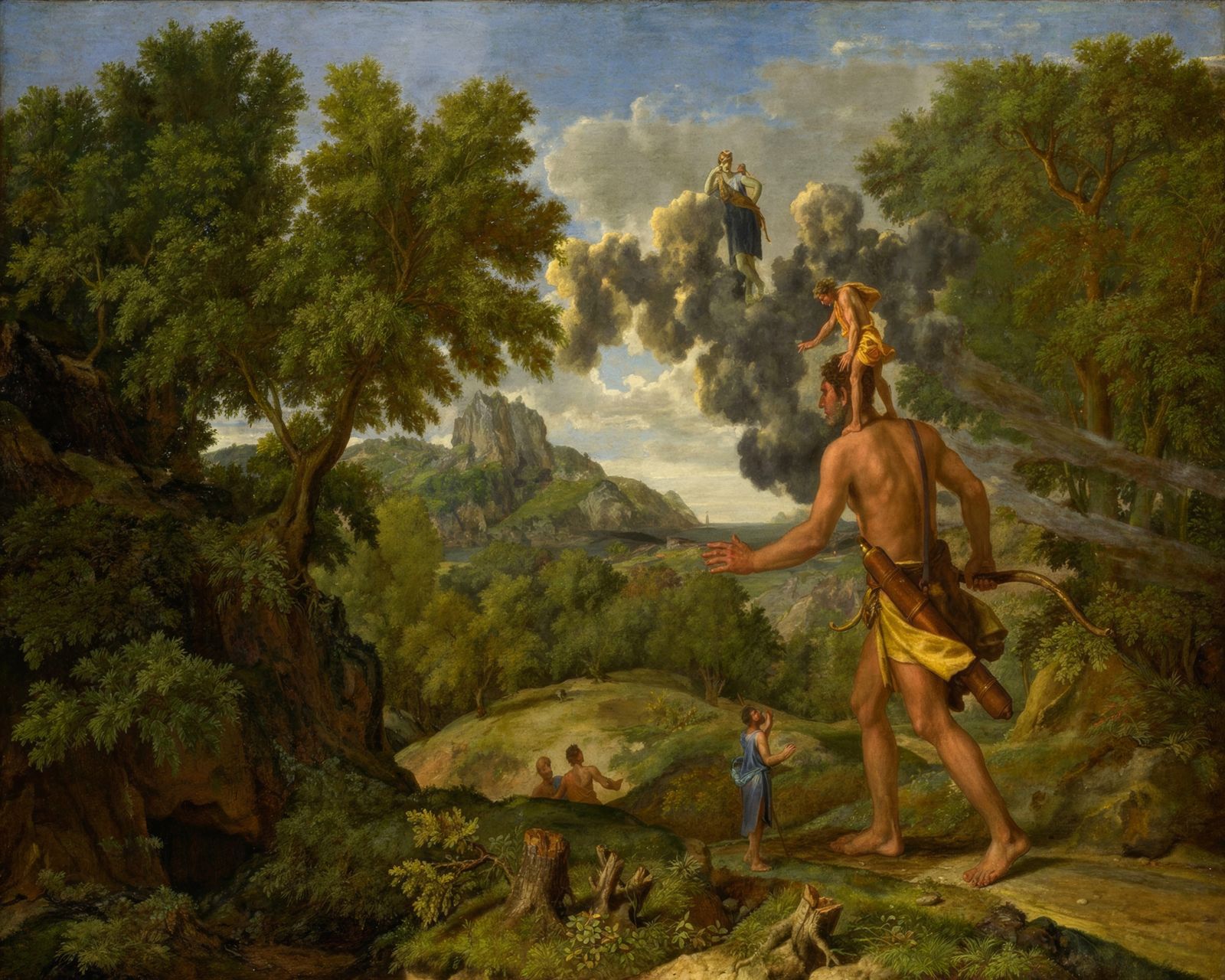
Blind Orion Searching for the Rising Sun · Nicolas Poussin · 1658 · The Metropolitan Museum of Art
Blind Orion Searching for the Rising Sun gives celestial wall art a narrative route. It may suit a room where viewers can spend time with figures as well as landscape. Choose a size that allows the whole composition to remain readable, using the actual dimensions on the work's page. The print is a reproduction of a named artwork; it does not require an astrological interpretation to earn its place on the wall.
3. Chaos: an image of a beginning
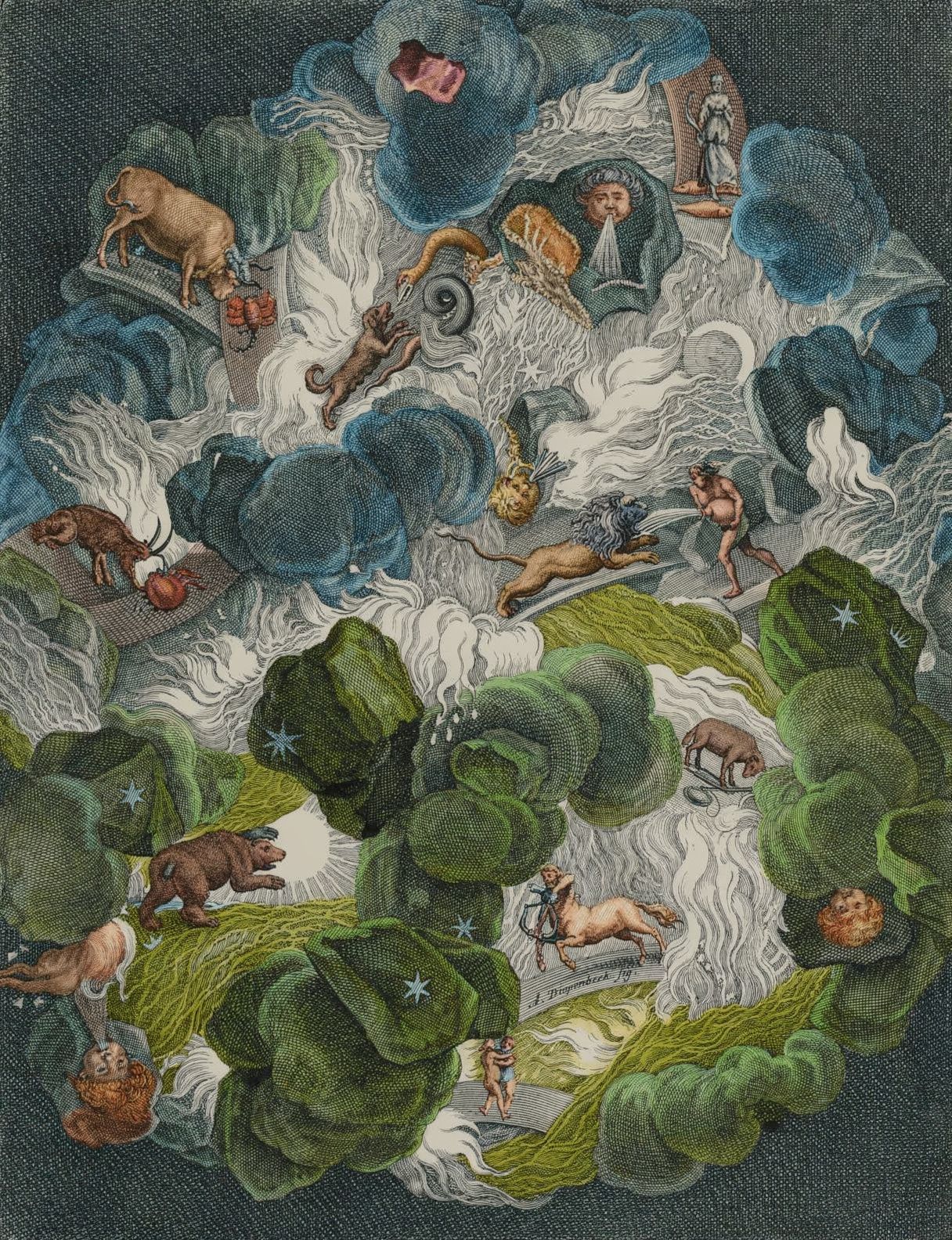
Chaos, or the Origin of the World · Bernard Picart and other engravers, Le Temple des Muses (1749 edition) · 1749 (publication) · Getty Research Institute · Fable contemporary colour interpretation after the historical work
Chaos, or the Origin of the World asks a different kind of attention from a quiet night view. Inspect the full image and the catalogue's version label, which identifies contemporary colour where applicable. Choose the display because you like that particular interpretation. A historical source and its modern colour treatment are related works of visual presentation, and a print buyer should be clear about which one is being offered.
4. Sun and Moon: an emblematic pairing
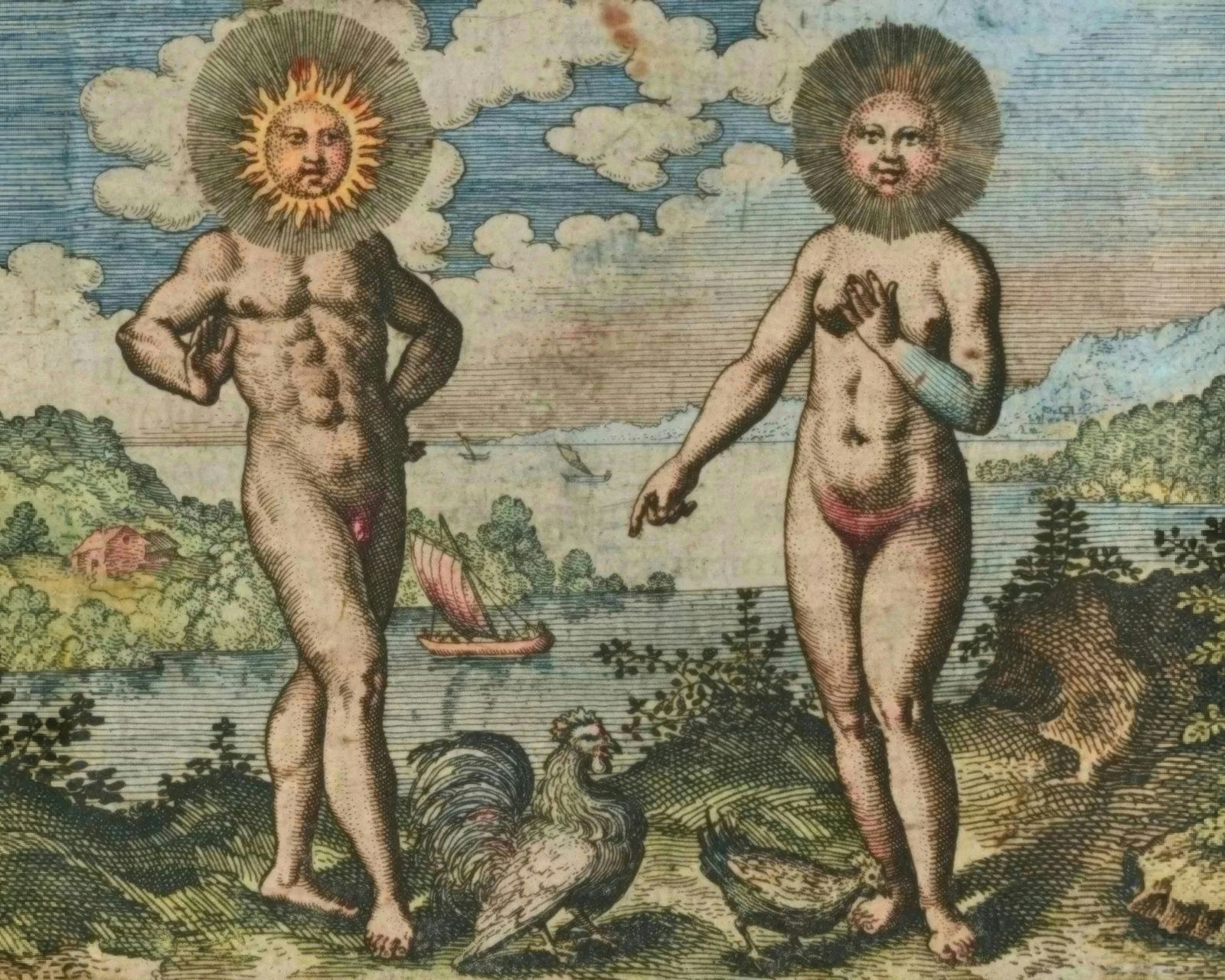
Sun and Moon · Matthäus Merian the Elder, after Michael Maier · 1618 · Science History Institute, Roy G. Neville Historical Chemical Library · Fable contemporary colour interpretation after the historical work
An alchemical emblem can make a compact celestial statement. The title Sun and Moon supplies a starting point, while the catalogue page gives the work's source context and version information. Do not read it as a scientific diagram or a universal symbol with one fixed meaning. For a small wall, check the offered print sizes closely; fine linework should remain enjoyable at the distance from which you will view it.
5. The Sun and its Shadow: a second look
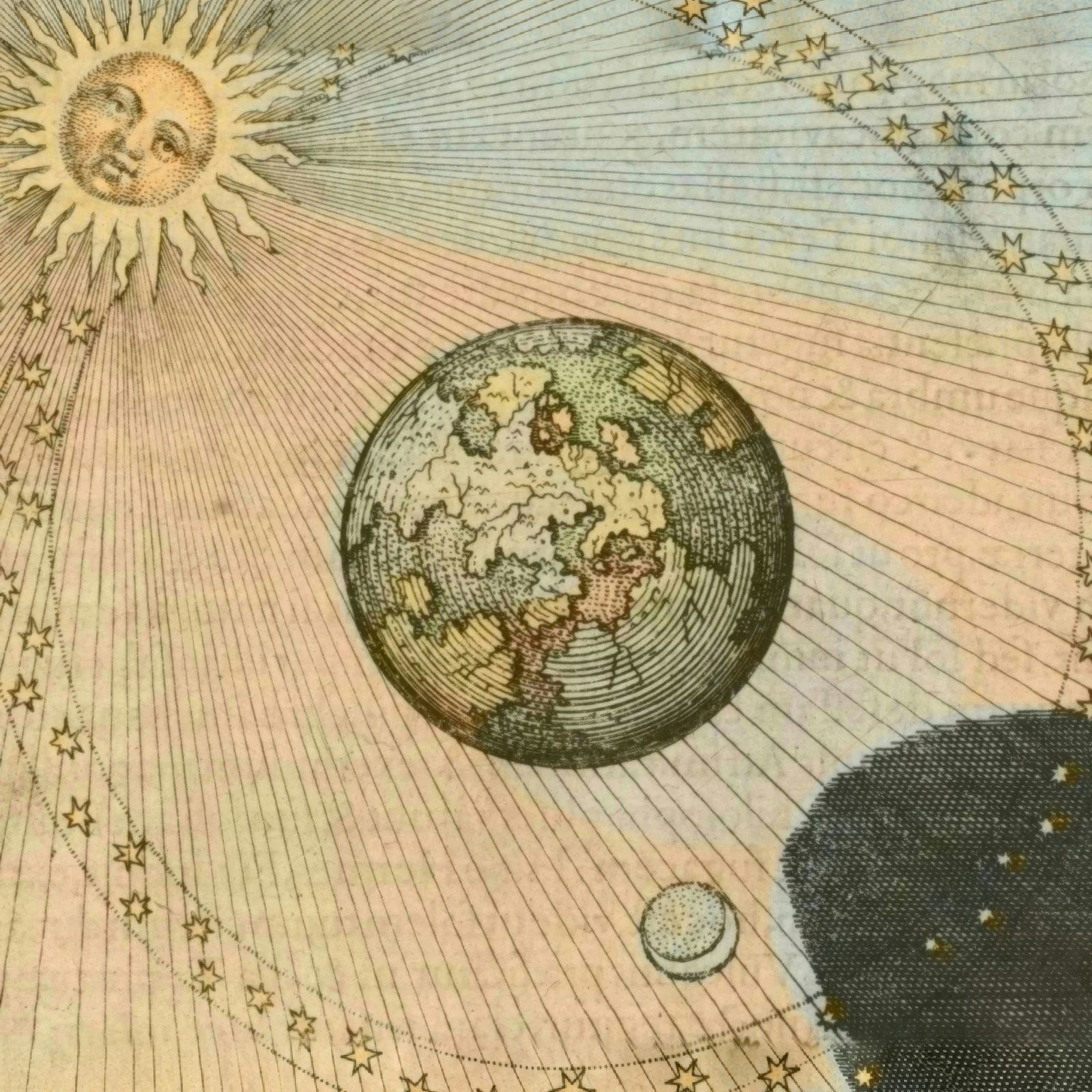
The Sun and its Shadow · Matthäus Merian the Elder, after Michael Maier · 1618 · Science History Institute, Roy G. Neville Historical Chemical Library · Fable contemporary colour interpretation after the historical work
This work offers a related symbolic subject with its own title and composition. Consider whether you want it as a single picture or alongside another emblem, and compare the exact image proportions before planning frames. The displayed colour interpretation is identified in the caption when relevant. Matching subjects do not automatically mean matching outer dimensions, so use the current catalogue options to plan the pair accurately.
6. The Moon and Endymion: a story rather than a chart
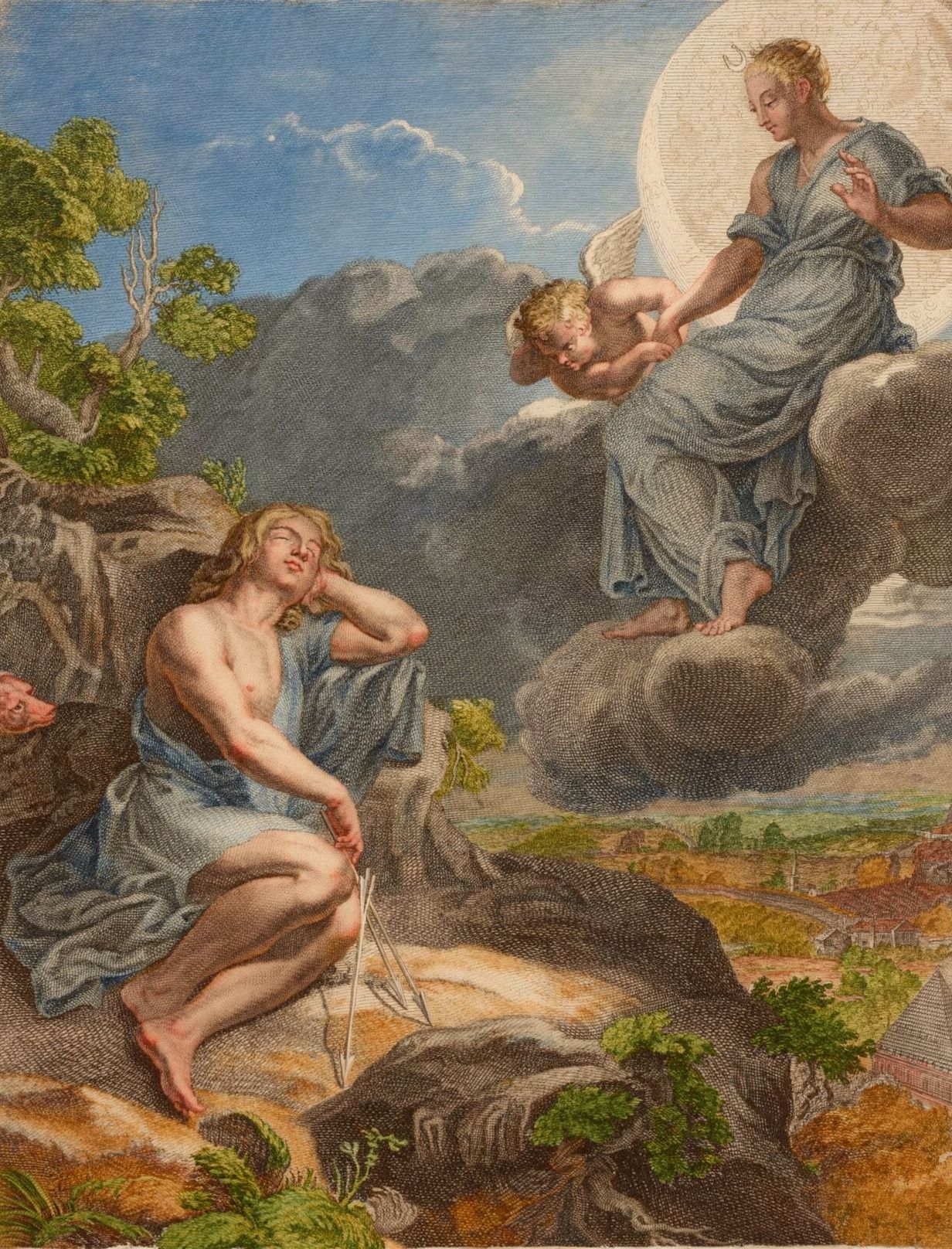
The Moon and Endymion · Bernard Picart and other engravers, Le Temple des Muses (1749 edition) · 1749 (publication) · Getty Research Institute · Fable contemporary colour interpretation after the historical work
A mythological moon picture can be an alternative to literal constellation imagery. Read the catalogue description and inspect the displayed version before buying. Its narrative belongs to the historical source, while any contemporary colour is labelled separately. Choose the complete work because its scene and atmosphere appeal to you. A moon-themed print need not be assigned to a Moon sign or used to explain a personal chart.
7. Moon at Ishiyama-dera: a view organised around looking
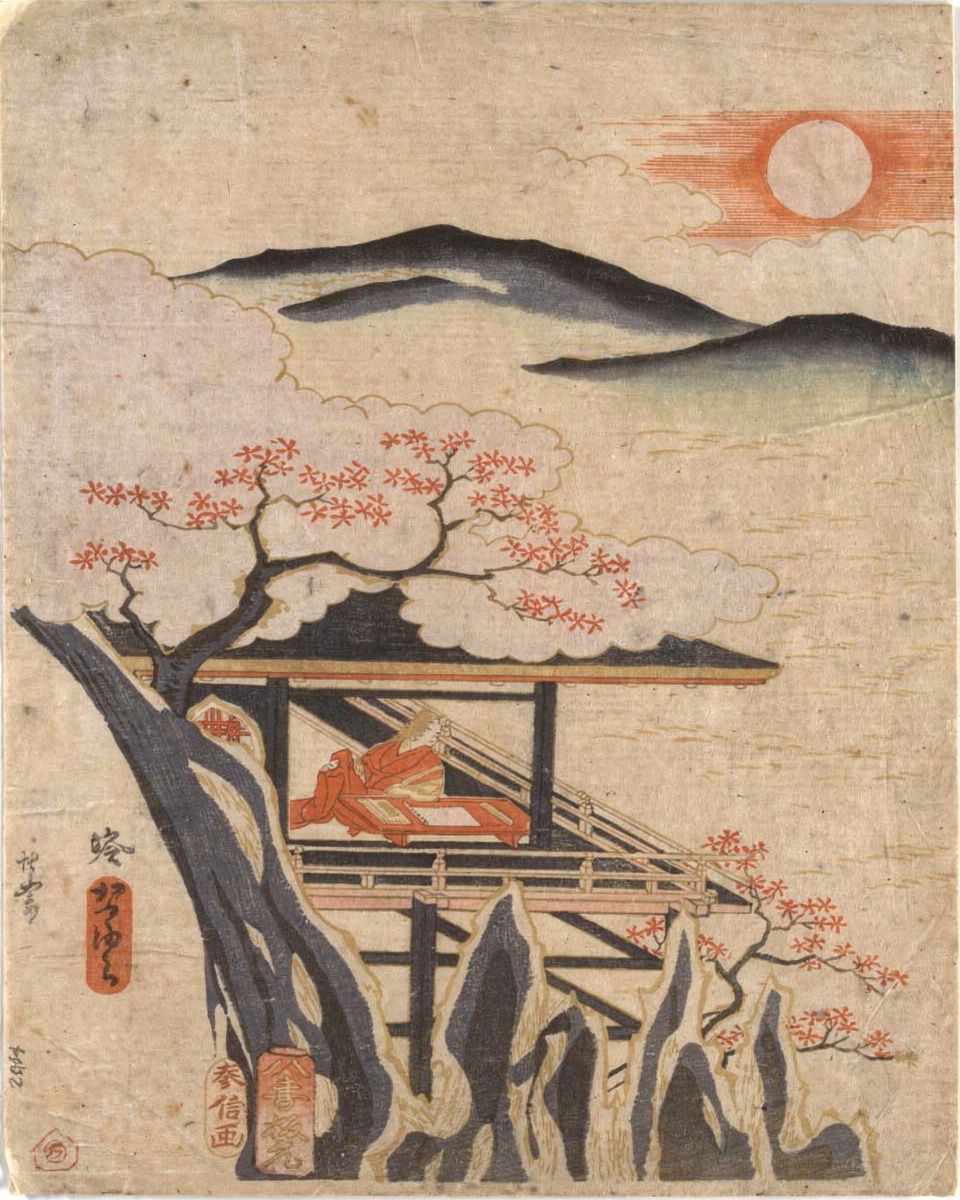
Moon at Ishiyama-dera · Suzuki Harunobu 鈴木春信 · Edo period, circa 1762–1764 (Hōreki 12-Meiwa 1) · Harvard Art Museums
A moon-viewing subject offers a quieter way to bring the celestial theme into a room. Consider the relationship between the image's figures, setting and surrounding space. A narrow or tall work should retain its complete proportions when framed. Follow its catalogue page for the current version and print formats, and give the picture enough physical room that its quieter details are not lost beside a much louder neighbour.
8. Moonrise: the sky as part of a landscape
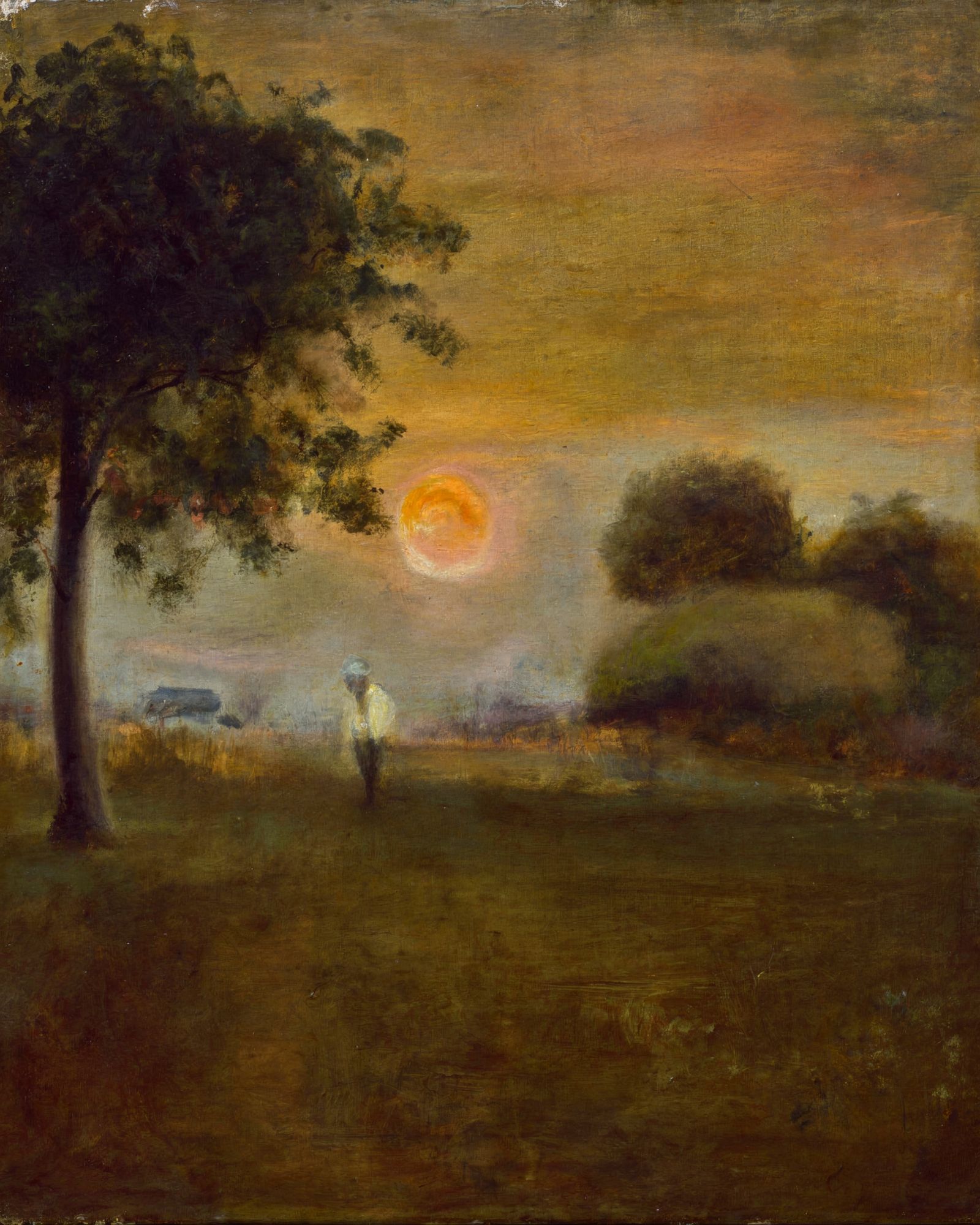
Moonrise · George Inness · 1891 · Art Institute of Chicago
Moonrise can be chosen by someone who wants a celestial connection without a diagram or an emblem. Look at the whole landscape rather than treating the moon as a detachable symbol. Consider how the image will read in your room's evening light. The masterwork page supplies the actual print options; use those to compare size and presentation instead of assuming every work is available in the same format.
9. Schloss Milkel: a building under moonlight
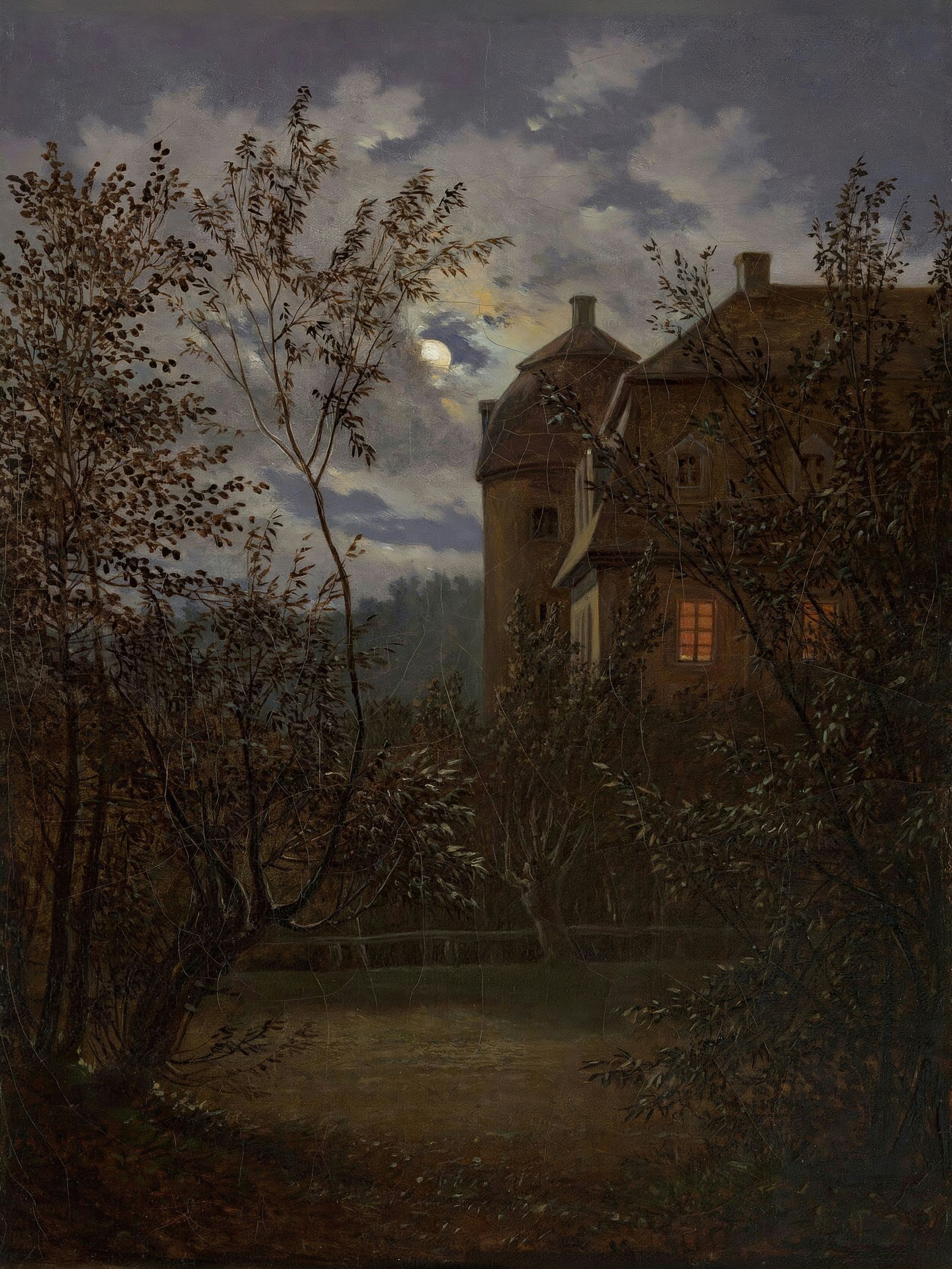
Schloss Milkel in Moonlight · Carl Gustav Carus · 1833–35 · Metropolitan Museum of Art
A moonlit architectural subject can connect celestial art with an interest in houses or places. Choose it if the building and its setting matter to you as much as the sky. A print should preserve the full work, not crop the scene to isolate a bright feature. Check the image proportions and the available dimensions before deciding whether it belongs as a quiet single work or within a wider group.
10. Primordial Chaos: another visual language
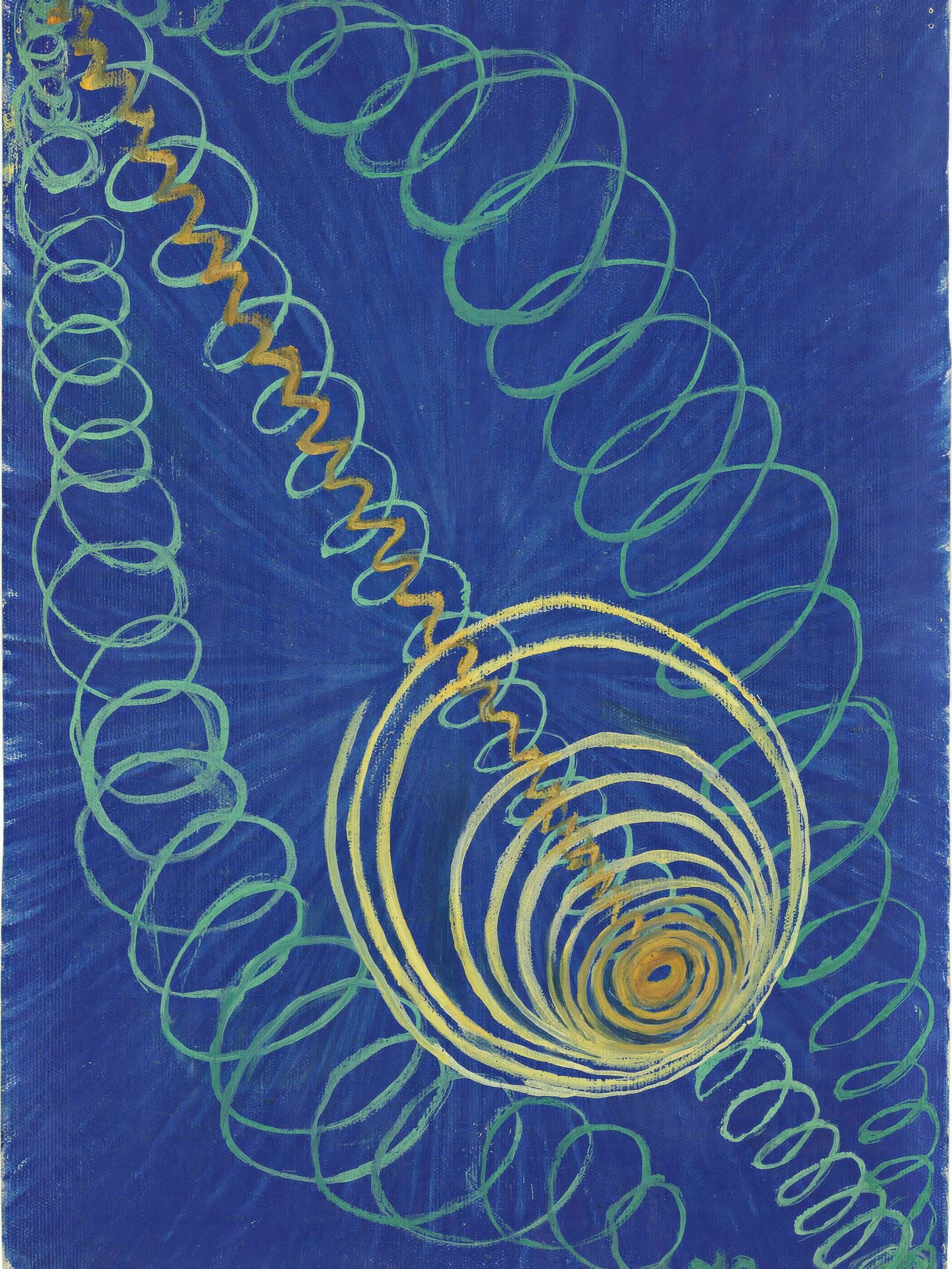
Primordial Chaos, No. 16 · Hilma af Klint · 1906–1907 · Hilma af Klint Foundation, Stockholm
Hilma af Klint's named work offers an abstract comparison with the figurative and emblematic images above. Choose it on the strength of the complete image and its catalogue attribution. It need not be treated as a map of specific stars to belong in a celestial group. If you combine it with older work, let the different visual languages remain distinct while using scale and spacing to give the wall coherence.
Choose the work first, then plan its place. Compare the full images at their own proportions, use the current catalogue dimensions and avoid a frame that cuts into the artwork. If a displayed version is a contemporary colour interpretation, choose it knowingly and keep that description with the work. A celestial wall can mix a myth, an emblem and a quiet moonlit landscape without making them mean the same thing. Begin with the picture you would enjoy looking at even if its sky connection were never explained.
- Are celestial art prints the same as birth-chart prints?
- No. Celestial art can include myths, emblems, night landscapes and zodiac imagery. A personalised birth chart has a different purpose and uses a particular birth’s details. Read the work’s catalogue identity rather than assuming every sky image is a chart.
- Are all the colours historical?
- No. The catalogue identifies contemporary colour interpretations where they are shown. These should not be described as the original printmaker’s colours. Inspect the version label and full image before choosing the print you want.
- Can I arrange different celestial subjects together?
- Yes. Keep each work whole and respect its proportions. Compare actual print dimensions, then use spacing and presentation to connect the group. Related subject matter does not require the pictures to share one era, medium or meaning.