10 thoughtful ways to give a personalised pet cushion this Christmas
Ten ideas for giving a personalised dog or cat cushion at Christmas, with historical animal paintings for inspiration and links to the actual cushion designs.
A personalised pet cushion can be a Christmas gift that stays in the room throughout the year. Start with the dog or cat the recipient loves, then choose a clear photograph and a pattern that belongs with their sofa. These ten ideas help you choose the subject, photograph and setting for a gift that feels personal.
Fable Home cushions are 43 × 46 cm, woven on both sides in a cotton and polyester blend. Each uses one pet, optionally with a companion photo. The historical animal paintings below introduce subjects and ways of thinking about a cushion; they are not cushion photographs or textile design proofs. Browse the live cushion designs for the actual patterns, including options in the style of William Morris.
1. Choose the pet before the seasonal colour
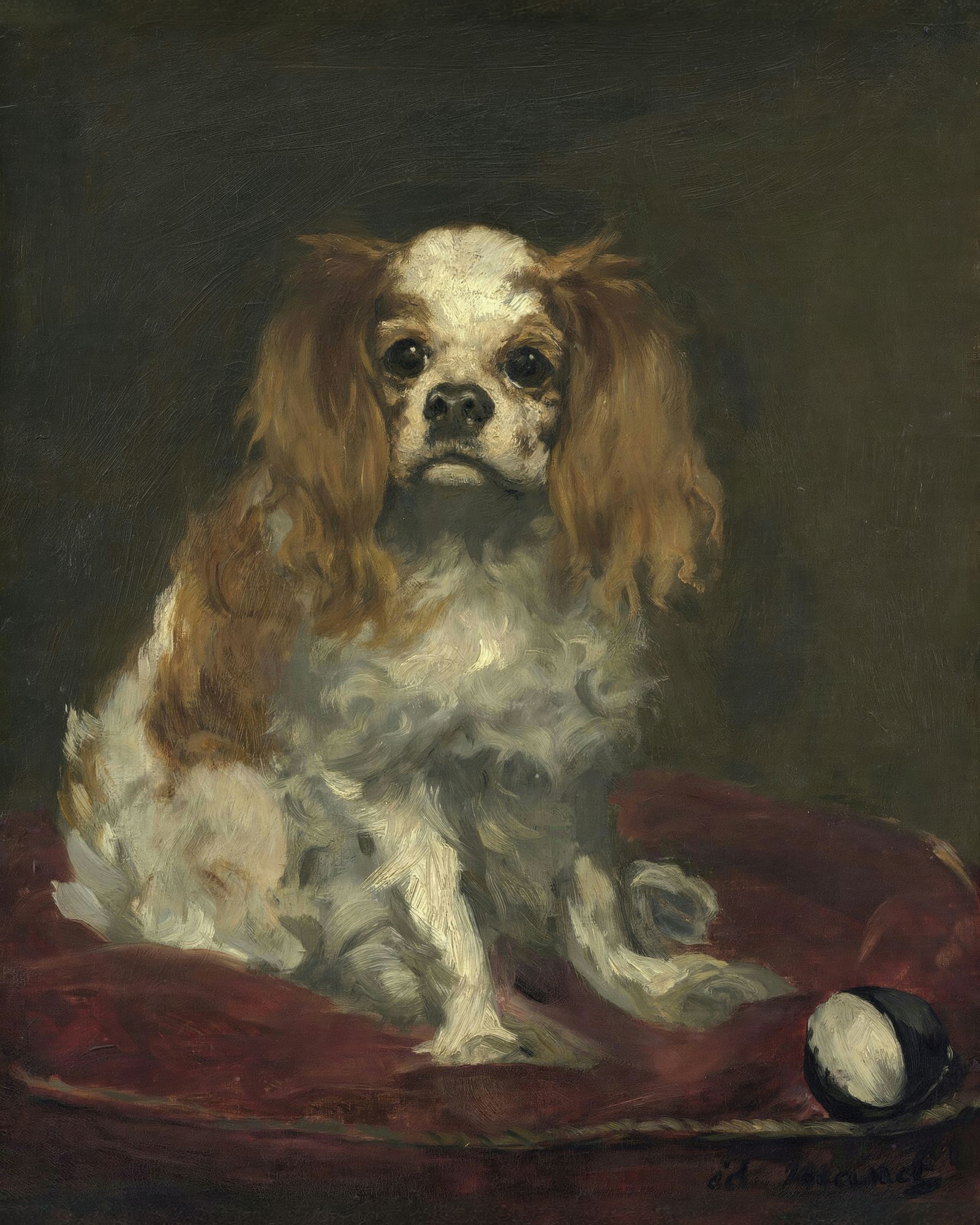
A King Charles Spaniel · Édouard Manet · c. 1866 · National Gallery of Art, Washington
Start with the animal the recipient knows, then choose a design that gives its face a clear place. A Christmas colour scheme can change from year to year, while the pet remains the point of the cushion. Compare the current design previews in the cushion flow instead of assuming the historical dog illustrated here describes the exact textile treatment.
Choose your pet cushion · Explore this artwork
2. For a room that already has pattern
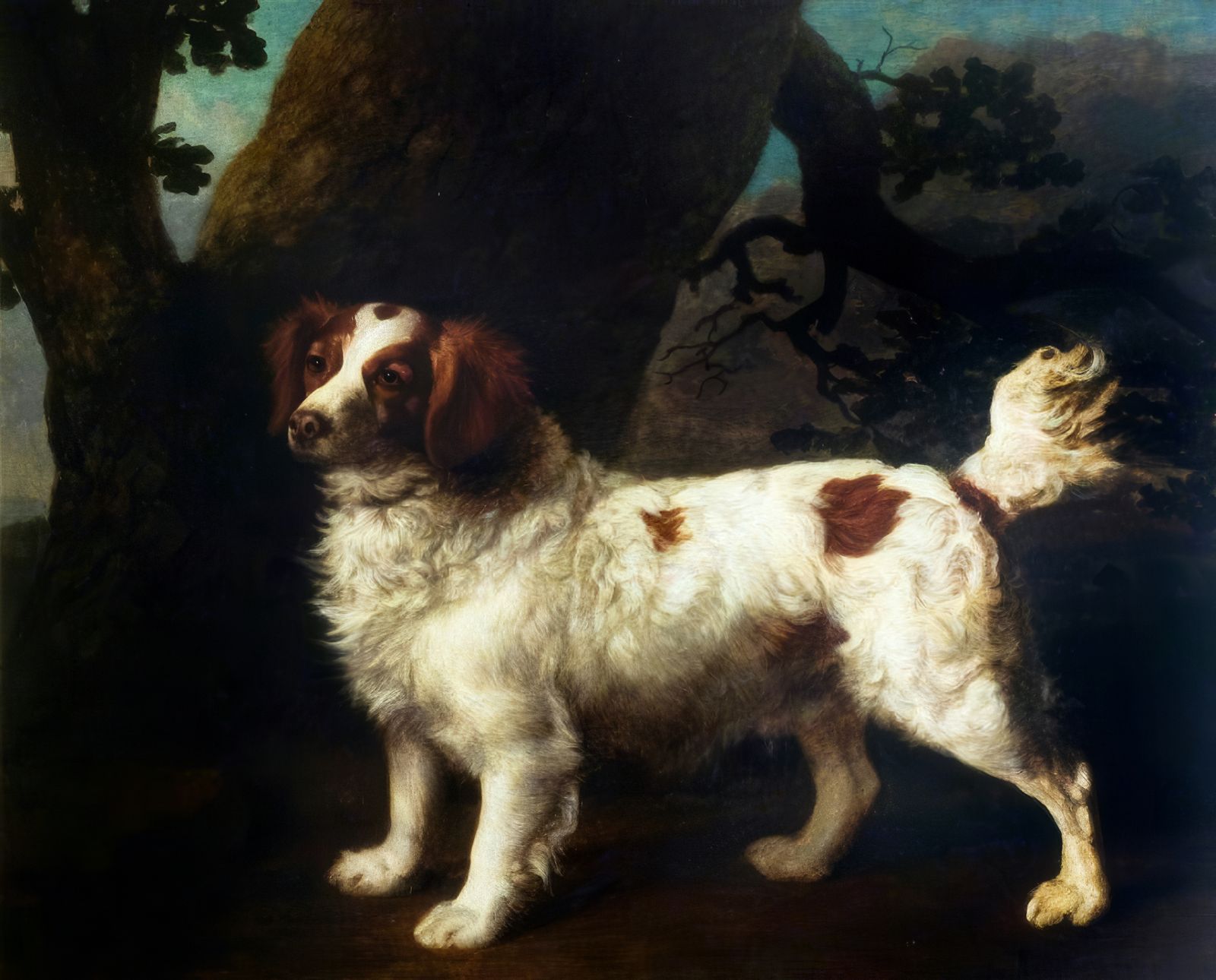
A Clumber Spaniel · George Stubbs · 1784 · Usher Gallery, Lincoln
Look at the sofa, curtains and other cushions before adding another pattern. Choose a current design whose scale and colours can sit comfortably with what is already there. The product page, rather than the historical reference, shows the available textile choices. A pet cushion works best when the animal can be recognised without the surrounding room competing for all the attention.
Compare the cushion designs · Explore this artwork
3. For the armchair the dog has claimed
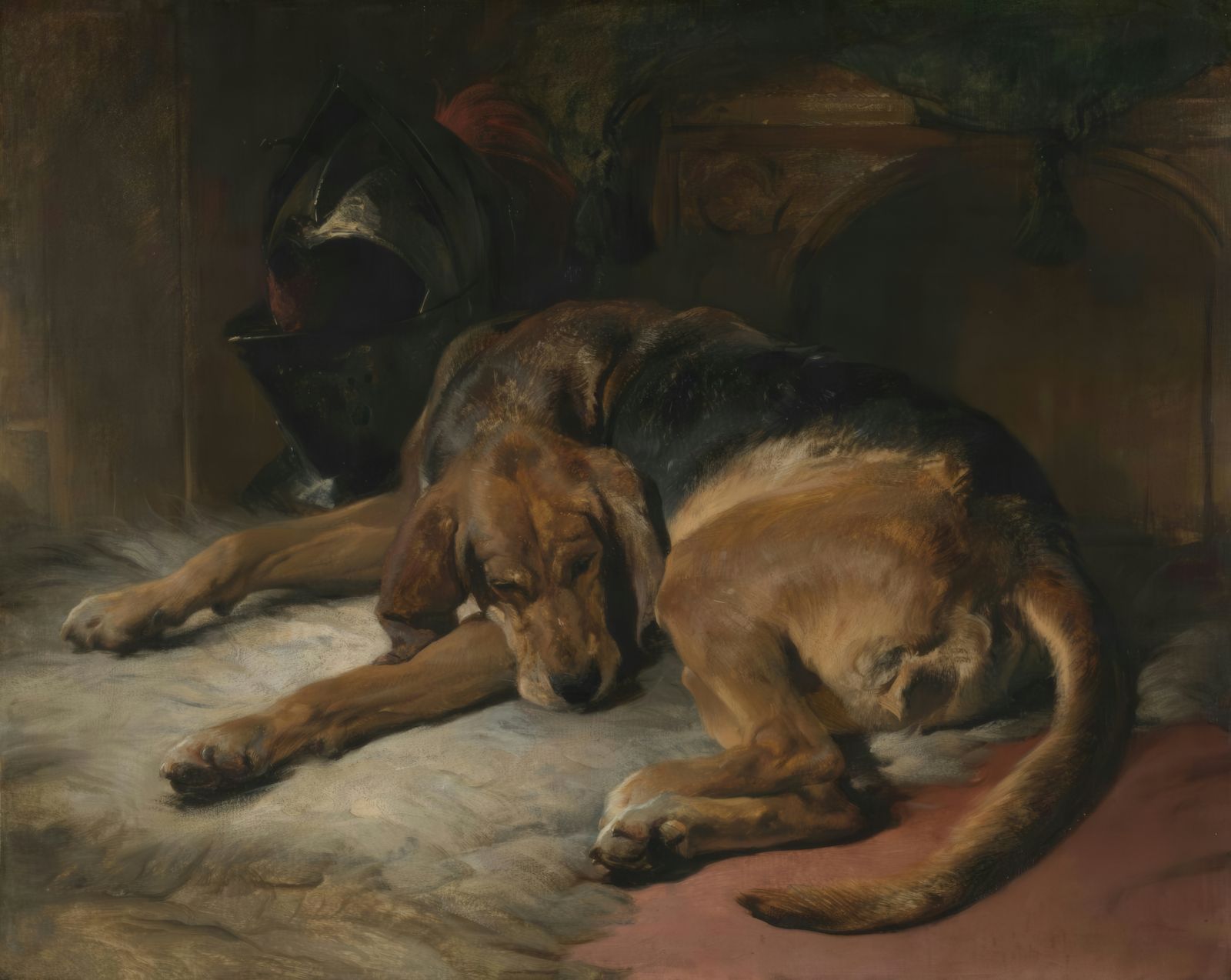
Sleeping Bloodhound · Edwin Landseer · 1835 · Tate, London
An armchair with an established canine companion is a natural place to think about a pet cushion. Consider how the chair is actually used and check the stated cushion dimensions against its seat. Do not infer wear or cleaning guarantees from an image. The current product information is the place for practical care and ordering details before you make the choice.
Plan a woven dog cushion · Explore this artwork
4. For a quiet winter room
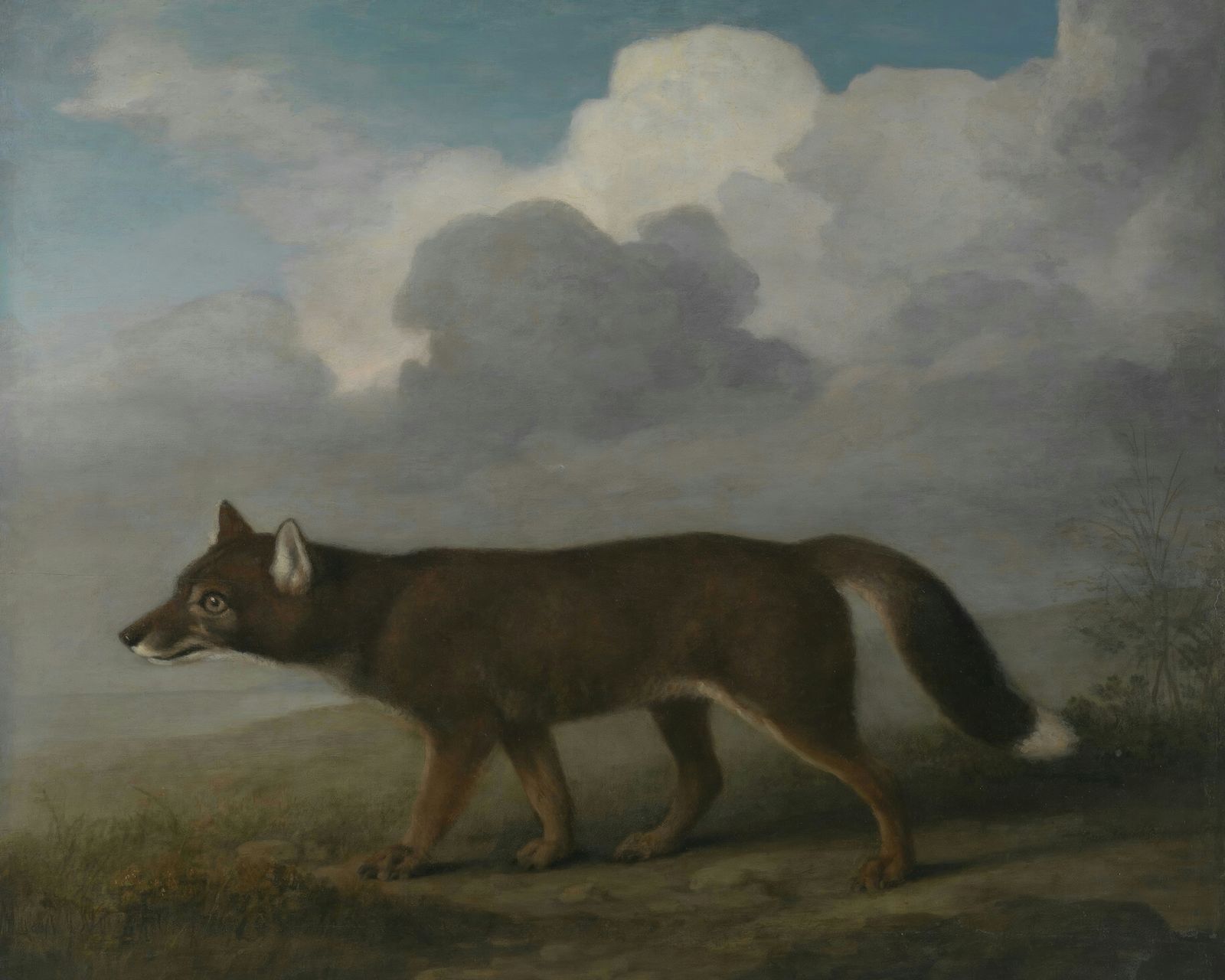
Portrait of a Large Dog · George Stubbs · 1772 · National Maritime Museum, Greenwich
A Christmas room can be seasonal without every object carrying a festive motif. Choose a cushion design that belongs with the room’s usual colours, then add a temporary throw or decoration around it. The animal gives the object its personal meaning. Review the actual design preview before deciding that a dark or light coat will read well against a particular pattern.
Explore year-round cushion designs · Explore this artwork
5. For someone drawn to Morris-like pattern
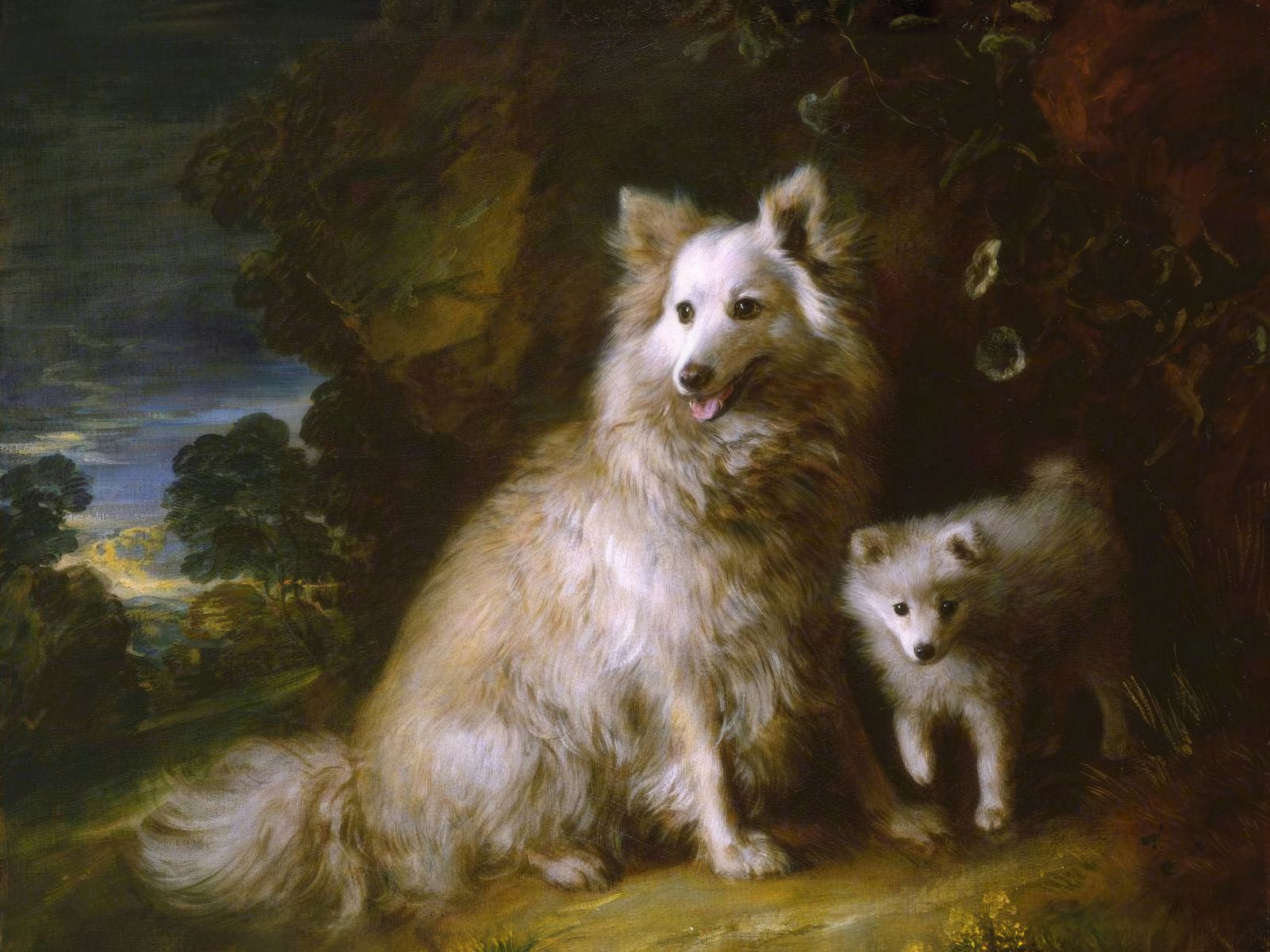
Pomeranian Bitch and Puppy · Thomas Gainsborough · 1777 · Tate, London
Fable offers designs in the style of William Morris; that wording matters. These are contemporary pet cushion designs, not original Morris textiles or historic objects. Use the current cushion gallery to compare the available patterns. The animal painting here is a historical reference for the subject, so keep it distinct from any claim about the cushion’s actual pattern or manufacture.
Explore Morris-inspired cushions · Explore this artwork
6. For two pets, give each a place
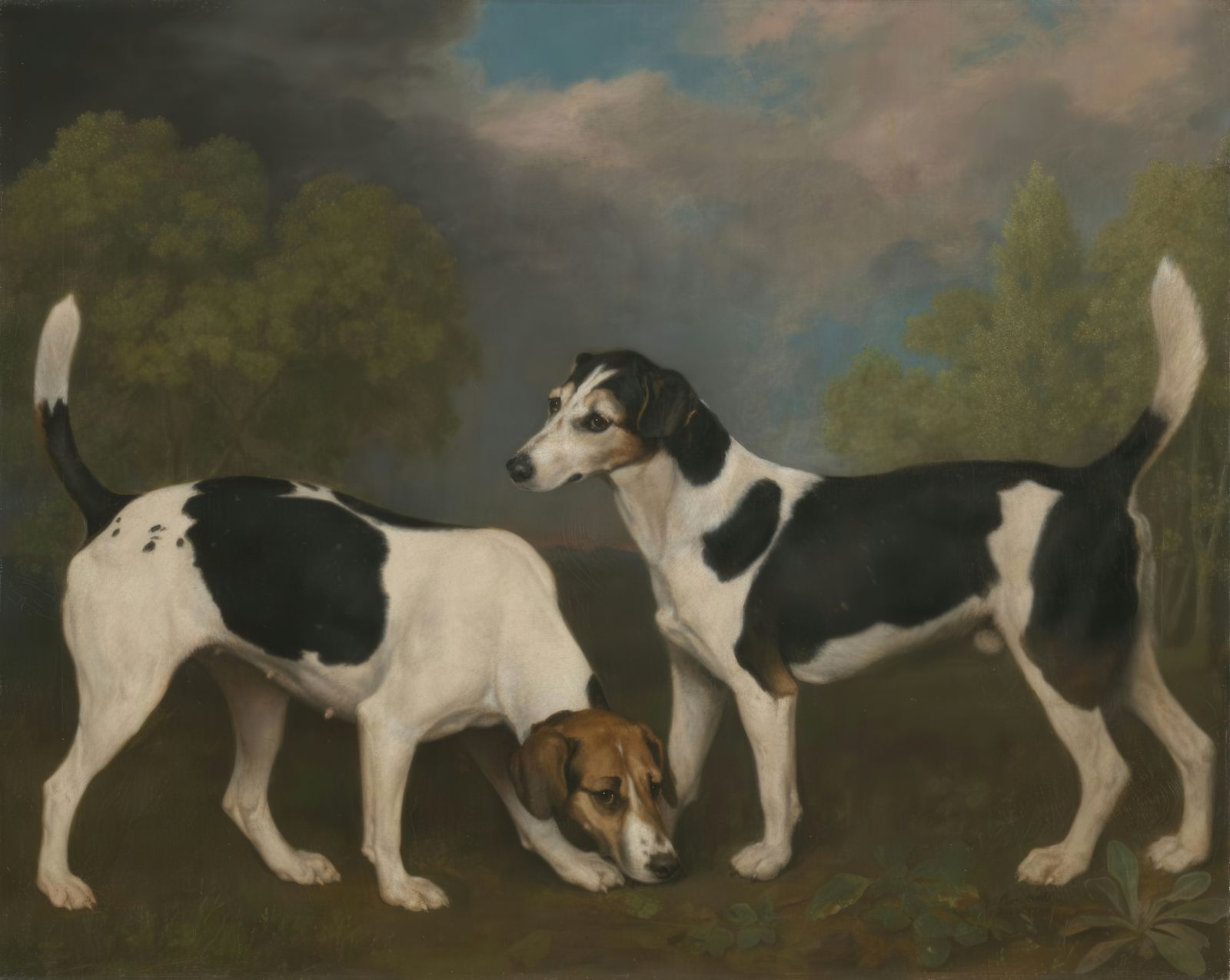
A Couple of Foxhounds · George Stubbs · 1792 · Tate, London
When the household has two much-loved animals, separate cushions can give each one a clear subject. Fable Home uses one pet per cushion, optionally with a companion photo. Choose designs that work together in the room rather than assuming both animals can share a single product. The historical pair shown here suggests the relationship, not a supported multi-pet cushion configuration.
Choose cushions for individual pets · Explore this artwork
7. For a cat-centred sofa
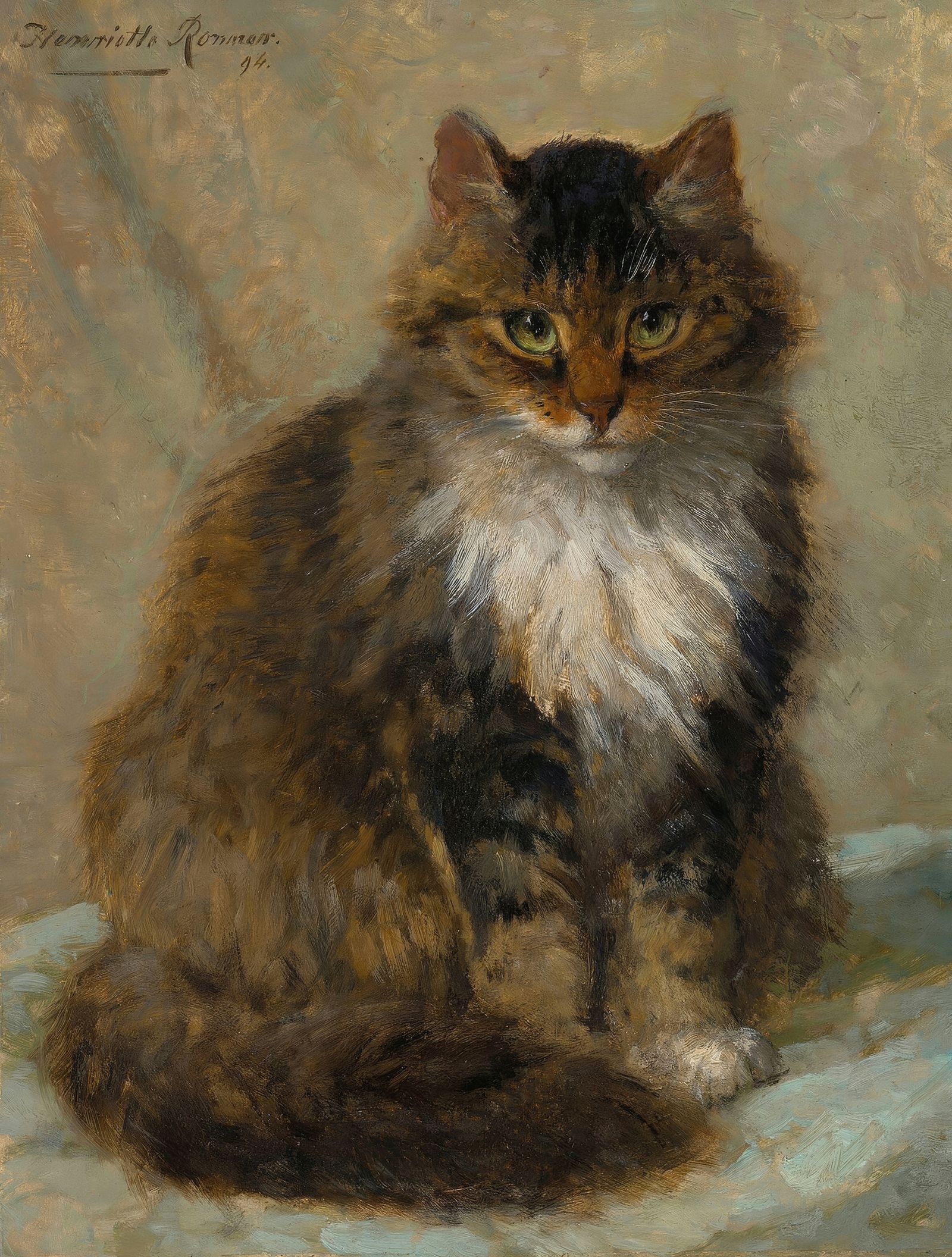
The Maine Coon · Henriëtte Ronner-Knip · Late 19th century
A cat household may prefer the current cat views and design choices, which you can open directly in the cushion flow. Bring a clear source photograph showing the face and distinctive markings. A familiar resting expression can be more useful than an entertaining but blurred action shot. Choose the pattern from the product page, keeping the historical illustration separate from the finished textile.
Explore woven cat cushions · Explore this artwork
8. For a small companion with a distinctive face
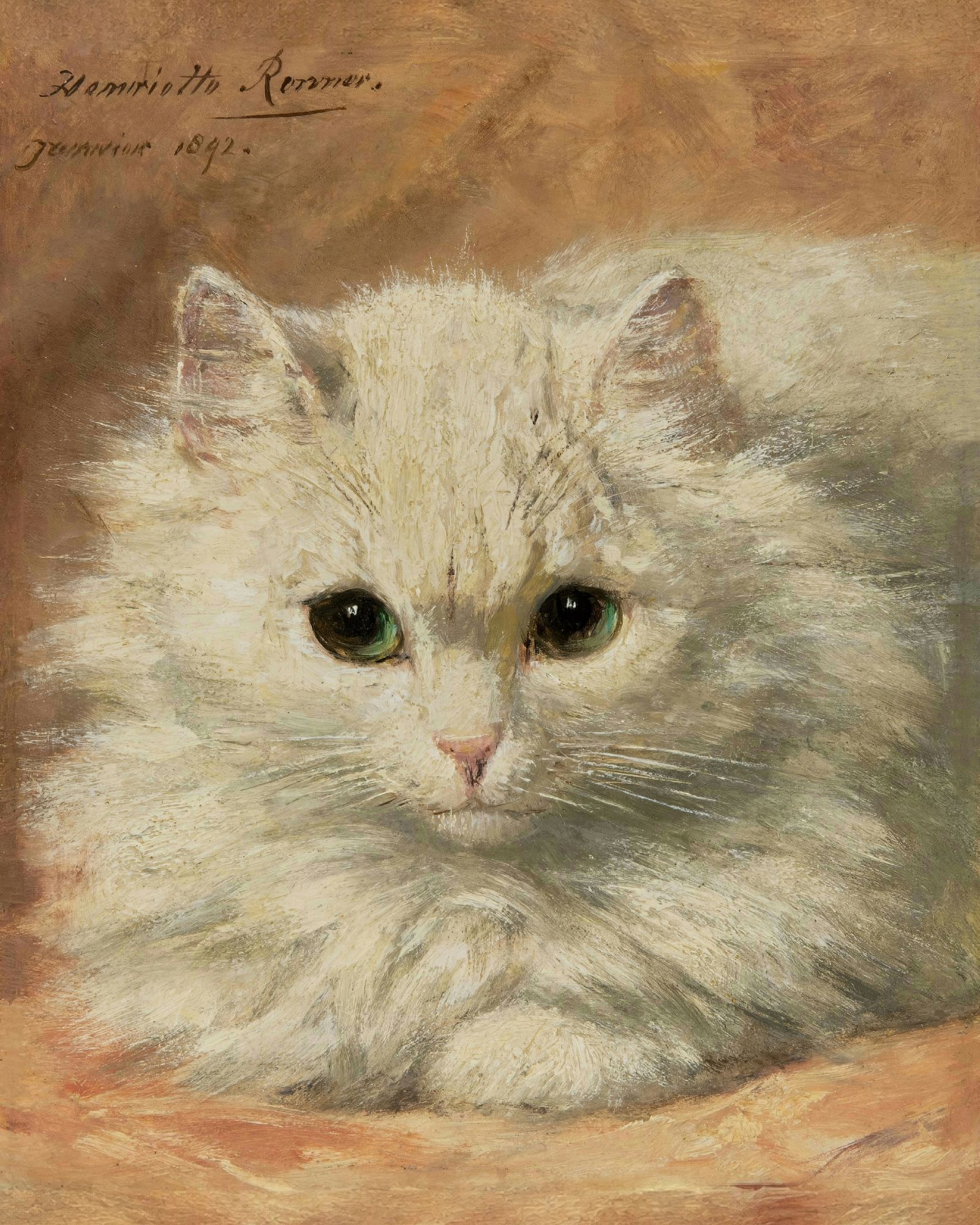
Head of a White Angora Kitten · Henriëtte Ronner-Knip · 1892
A smaller animal does not need to disappear inside an elaborate design. Compare the live previews and consider the clarity of the pet’s face. Check the source-photo guidance before beginning, particularly where a pale coat or dark background makes details difficult to see. The gift becomes personal through the animal’s identity, not through adding as many decorative elements as possible.
Create an individual cat cushion · Explore this artwork
9. For a person and their companion
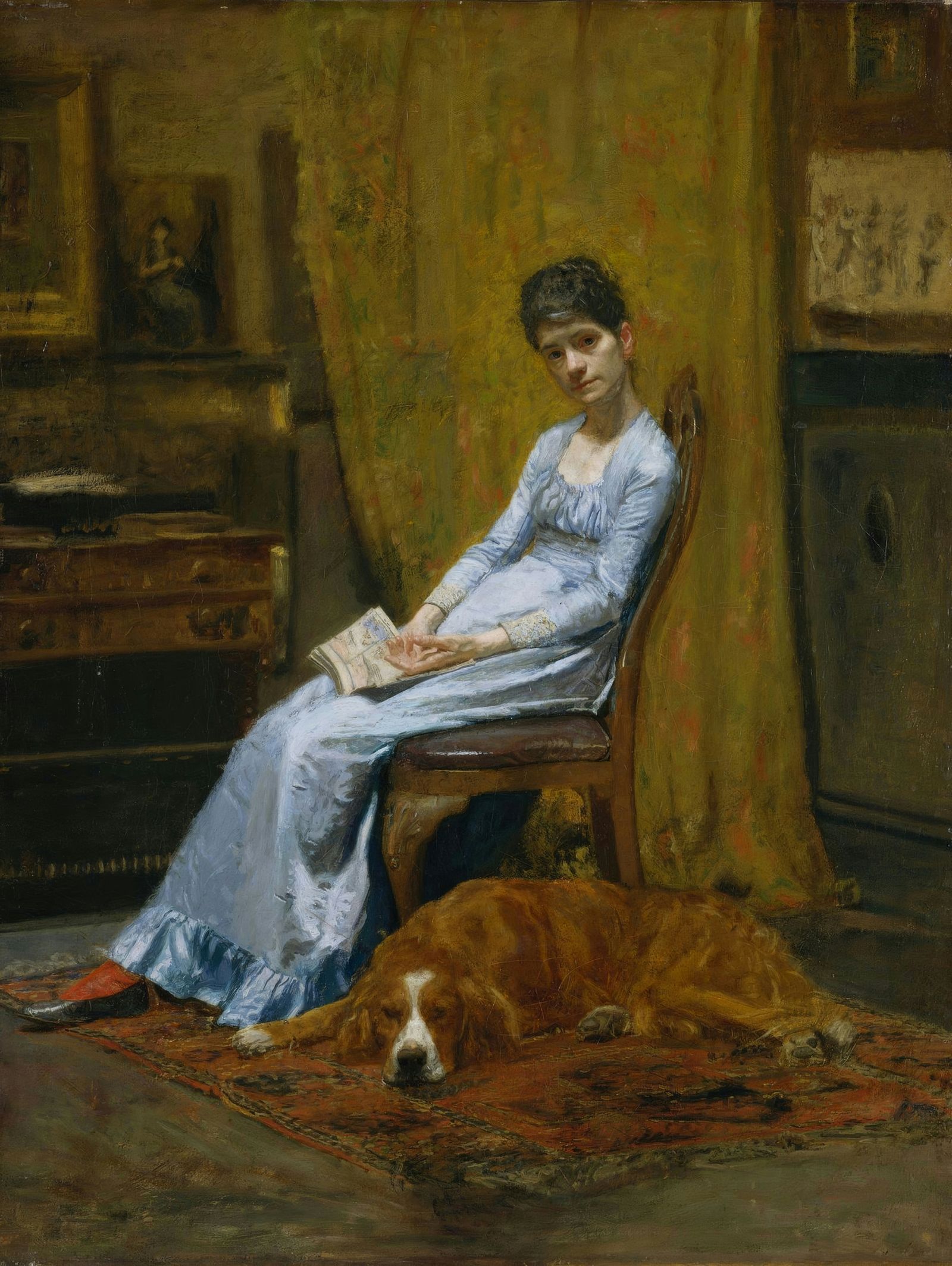
The Artist's Wife and His Setter Dog · Thomas Eakins · 1884 · Metropolitan Museum of Art, New York
If a companion photo belongs in the gift, review the current cushion flow’s instructions for using it with the pet. Keep the animal the individual subject and choose source photographs with readable faces. The historical painting introduces a person-and-dog relationship; it is not a promise that every complex historical group composition transfers to the cushion product.
Review the companion-photo option · Explore this artwork
10. For a gift the owner can help choose
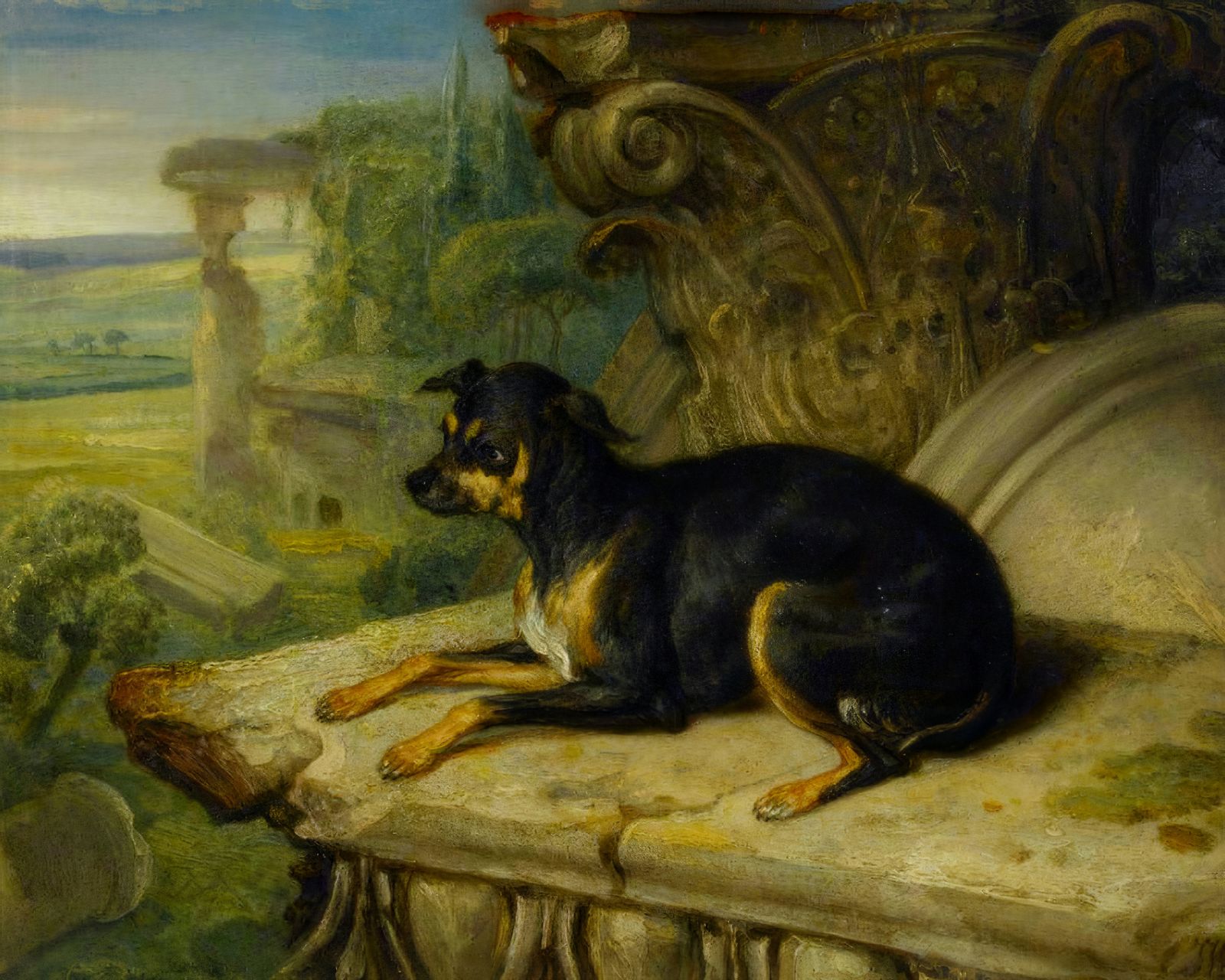
'Fanny', a Favourite Dog · James Ward · 1822 · Sir John Soane's Museum, London
Give the cushion idea with a clear invitation to choose the photograph and design. This can be especially thoughtful when the owner has strong ideas about their room or a favourite image of an older animal. Let them decide the timing and source. A Christmas gift can be complete as a considered invitation without every visual decision being made in secret.
Choose the cushion together · Explore this artwork
Open the cushion gallery to see the actual designs, then choose a clear photograph of one pet. Compare the stated size with the intended chair or sofa and review the current ordering information. If the pattern belongs to the room throughout the year, Christmas can be the occasion for giving it rather than a restriction on when it is used. The animal, rather than a seasonal slogan, keeps the gift particular.
- Are these conventional Christmas pillows?
- The focus here is a woven pet cushion that can stay in the room after December. Use other seasonal objects if you want a stronger Christmas setting. The live cushion gallery shows the actual designs rather than the historical animal illustrations in this guide.
- What is a Fable Home cushion made from?
- The stated material is a cotton and polyester blend. The cushion measures 43 × 46 cm and is woven on both sides. Review the current product information for ordering and care details; this guide does not add durability or lifespan promises.
- Can I put two dogs or two cats on one cushion?
- Fable Home uses one pet per cushion, optionally with a companion photo. Choose separate cushions for separate animals and compare designs that work together in the room. A historical painting showing several animals does not change the product requirement.
- Are the Morris-style patterns original William Morris designs?
- Describe them as designs in the style of William Morris. They are contemporary Fable pet cushion choices, not original historic textiles. The current gallery establishes the actual available patterns and previews.