Christmas cards without a photo can still feel personal
Ten directions for Christmas cards without photo uploads, using historical art, a considered greeting and the names that matter.
Choosing Christmas cards without photo uploads does not mean choosing an anonymous greeting. An artwork you love, a carefully written message and the names of the people sending it can establish a very particular voice. It is also a practical choice when somebody dislikes being photographed or when you simply prefer to keep family images private.
These ten historical works suggest different directions, from winter to sacred art and domestic celebration. The live masterwork card gallery shows the current available selection and layouts; the story illustrations are references rather than a promise that every picture can be ordered in every format. Choose the image first, then write a greeting for one real recipient before deciding whether the same words fit the rest of your list.
1. A sacred subject with a personal greeting
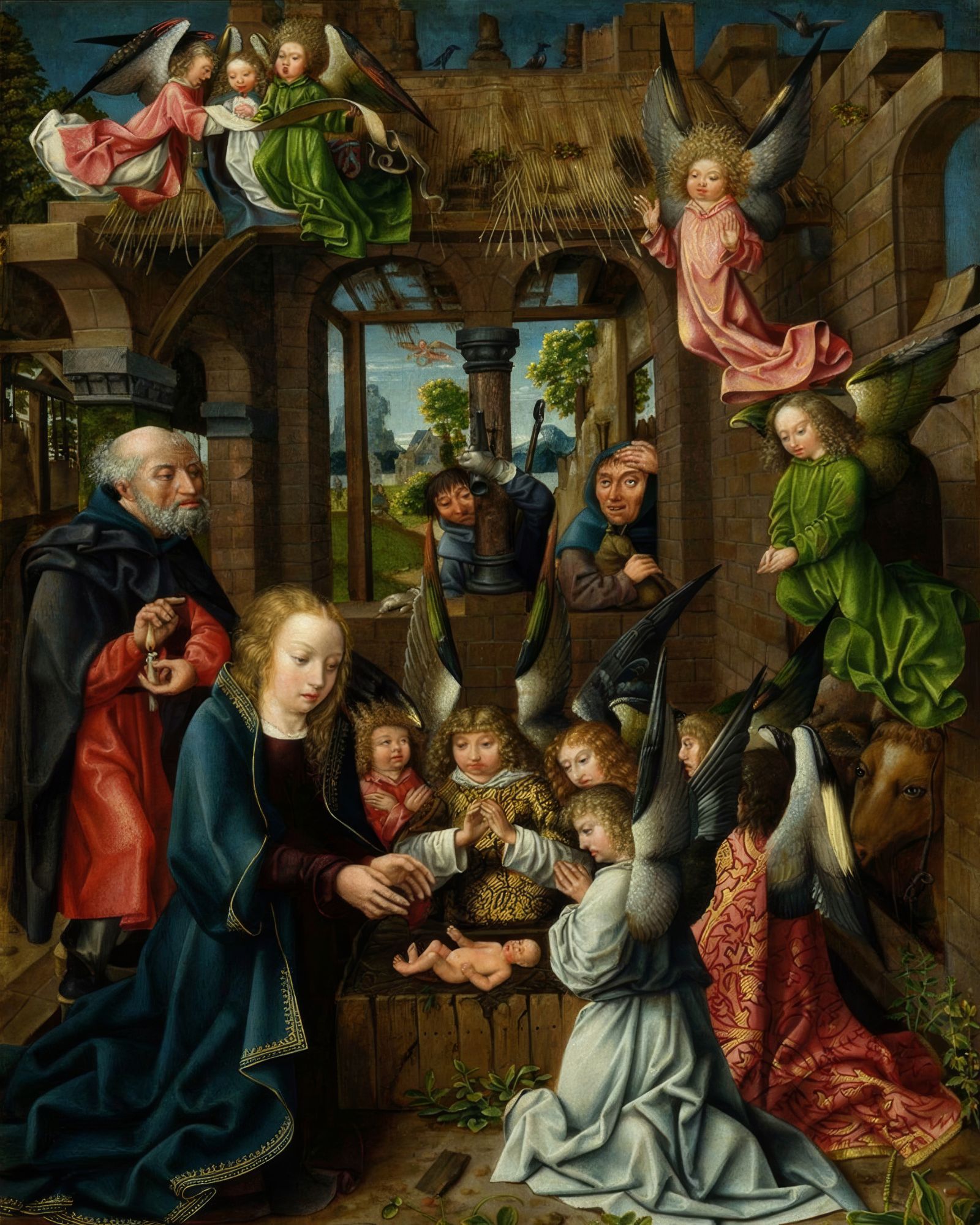
The Adoration of the Christ Child · Master of Frankfurt · possibly 1496–1502 · The Metropolitan Museum of Art
Choose a sacred work when it reflects your own celebration and will be welcome to the recipient. The image already carries a clear subject, so a straightforward greeting can be enough. Add one sentence addressed to the person receiving it. This is what makes the card personal; you do not need a portrait photograph to establish a genuine relationship.
Choose a sacred masterwork card · Explore this artwork
2. A Nativity rather than a family portrait
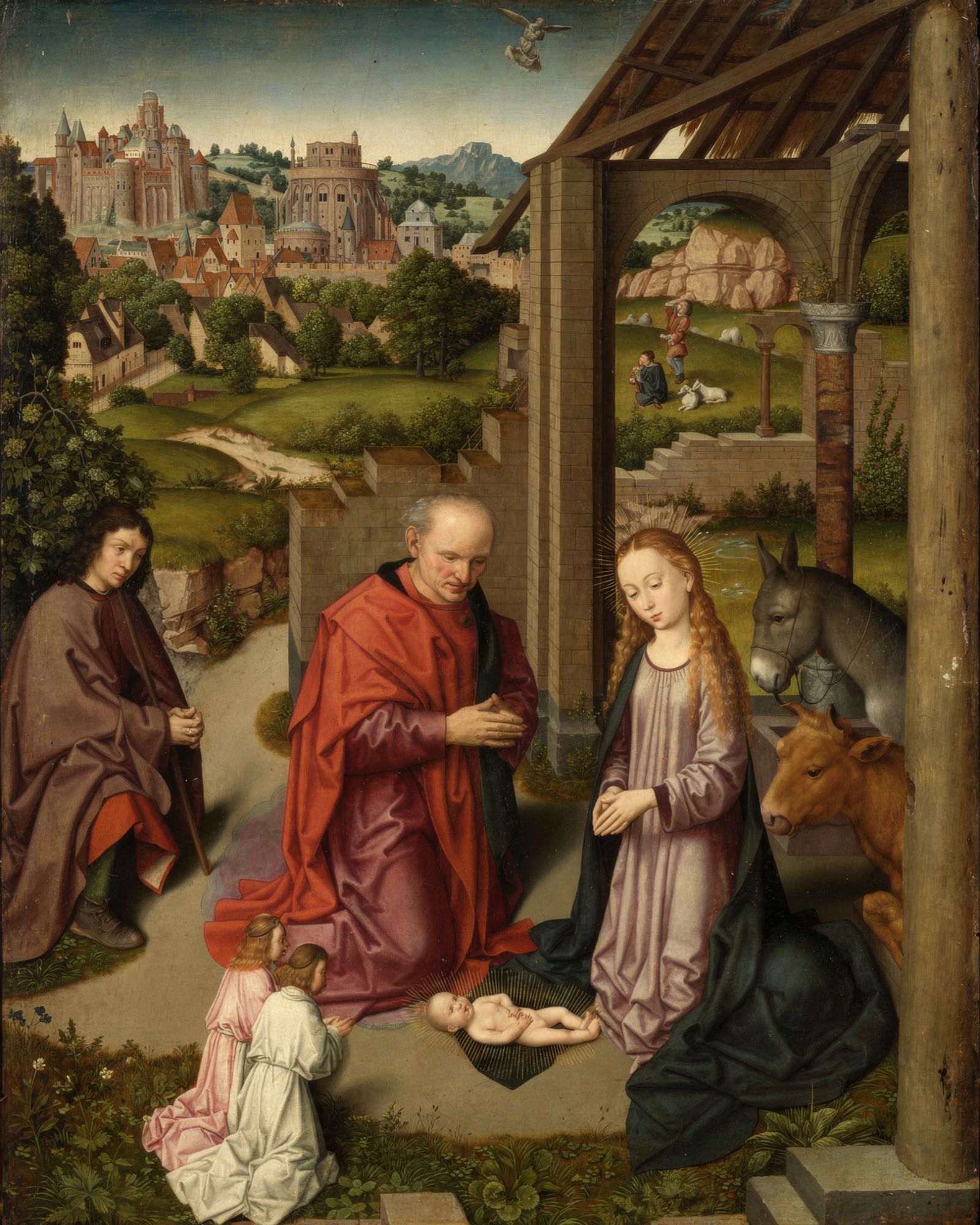
The Nativity · Gerard David · c. 1485–90 · Cleveland Museum of Art
A Nativity offers a recognisable Christmas subject without showing your own household. Review the available card layouts to make sure the work is shown whole and the lettering remains easy to read. If you want to include a quotation, check its exact wording. A short message you understand is better than an impressive line copied without thought.
Explore Nativity card choices · Explore this artwork
3. A winter landscape for a broad recipient list
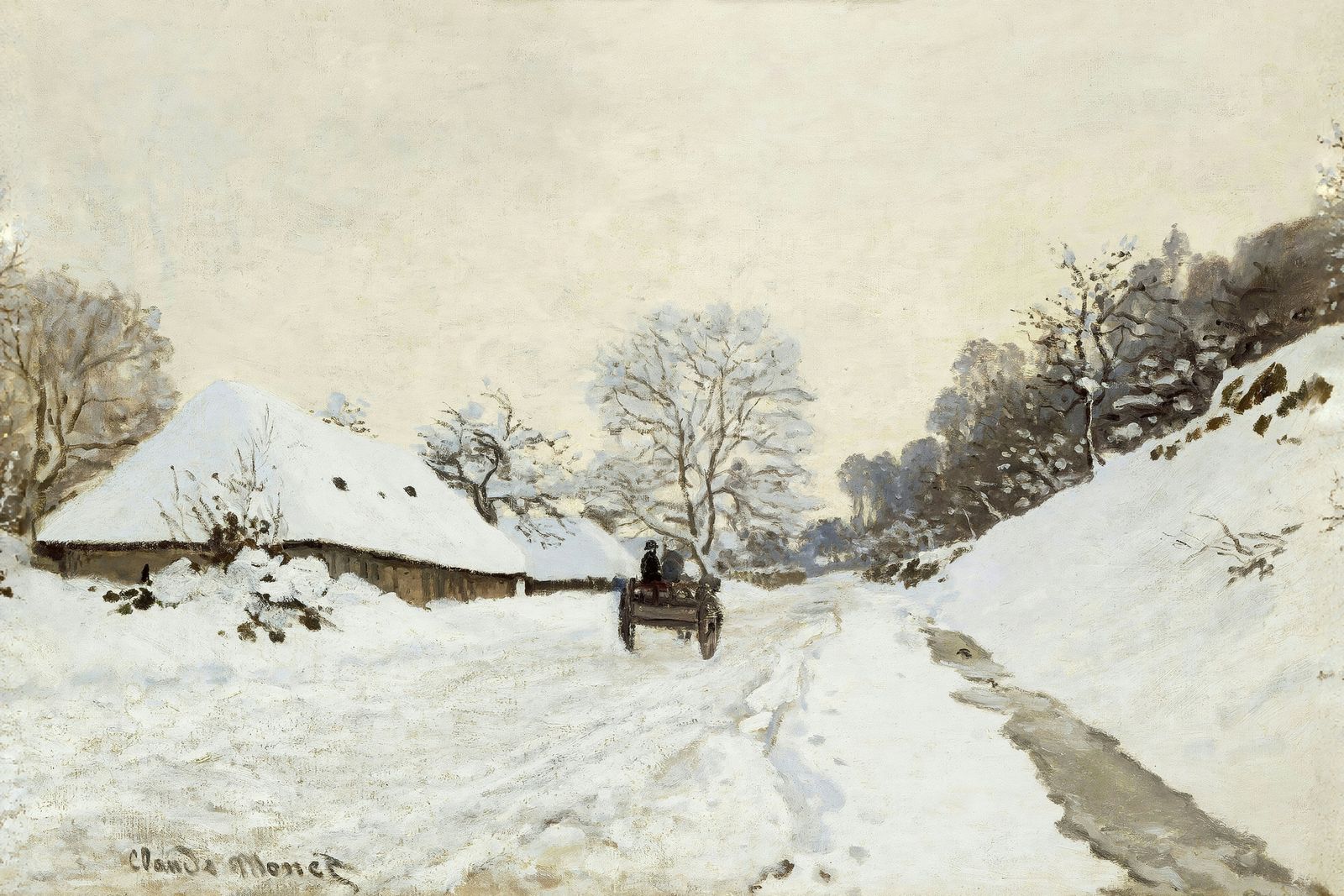
A Cart on the Snowy Road at Honfleur · Claude Monet · c. 1867 · Musée d’Orsay, Paris
A winter work can suit recipients with different relationships to Christmas. Let the image establish the season, then choose words appropriate to each person. You might mention a visit, thank them for their welcome or simply wish them well. An artwork card becomes thoughtful through those small decisions rather than through a personal photograph alone.
Browse winter masterwork cards · Explore this artwork
4. A household scene with a human scale
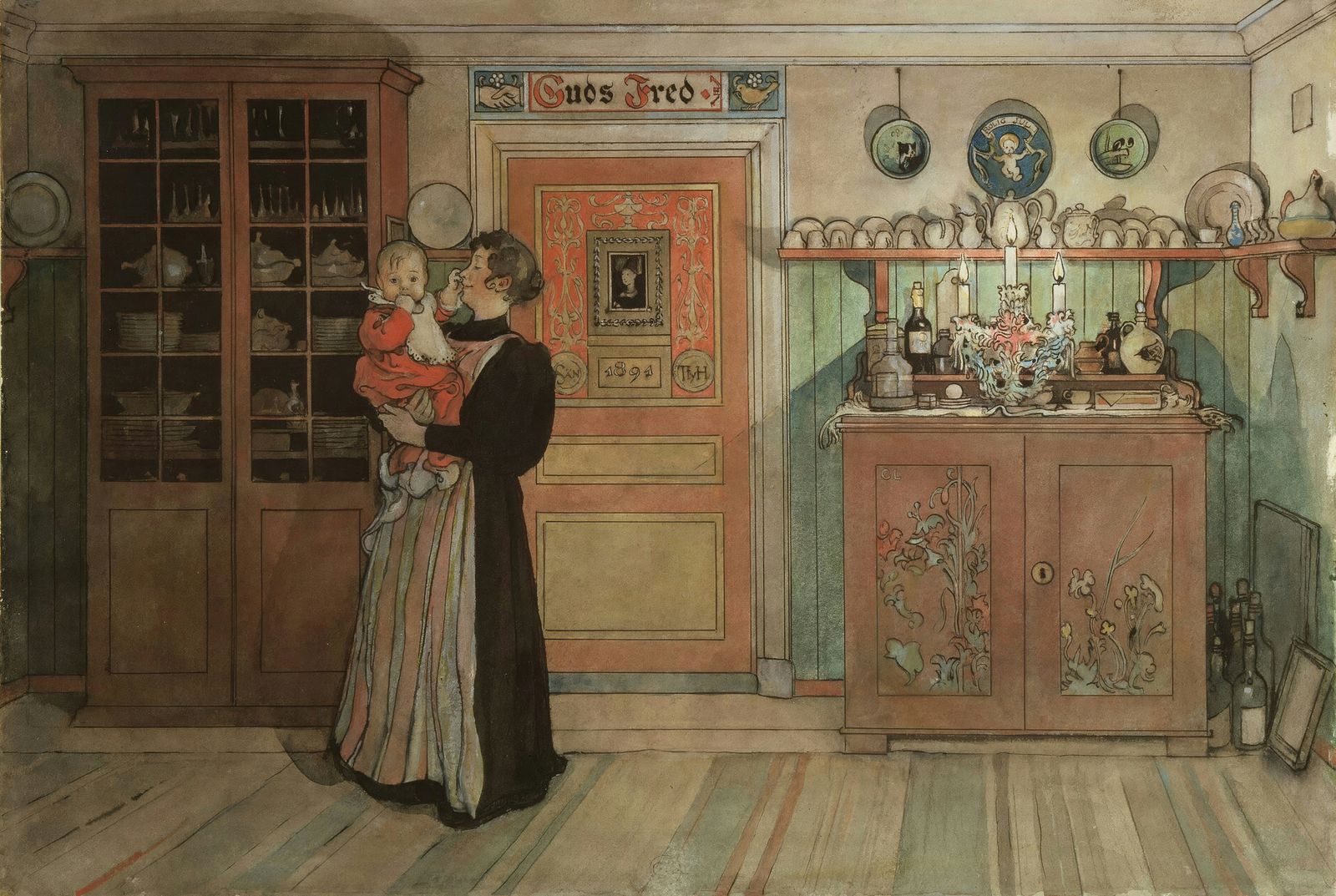
Between Christmas and New Year (A Home) · Carl Larsson · 1899 · Nationalmuseum, Stockholm
A domestic picture may be the right direction if you want the warmth of a family card without publishing family faces. Choose the work for what you enjoy about it and keep the catalogue attribution accurate. The live gallery determines current card availability; if the exact picture is absent, use it to guide your choice of another suitable domestic subject.
Choose an artwork for your greeting · Explore this artwork
5. A historic Christmas tree
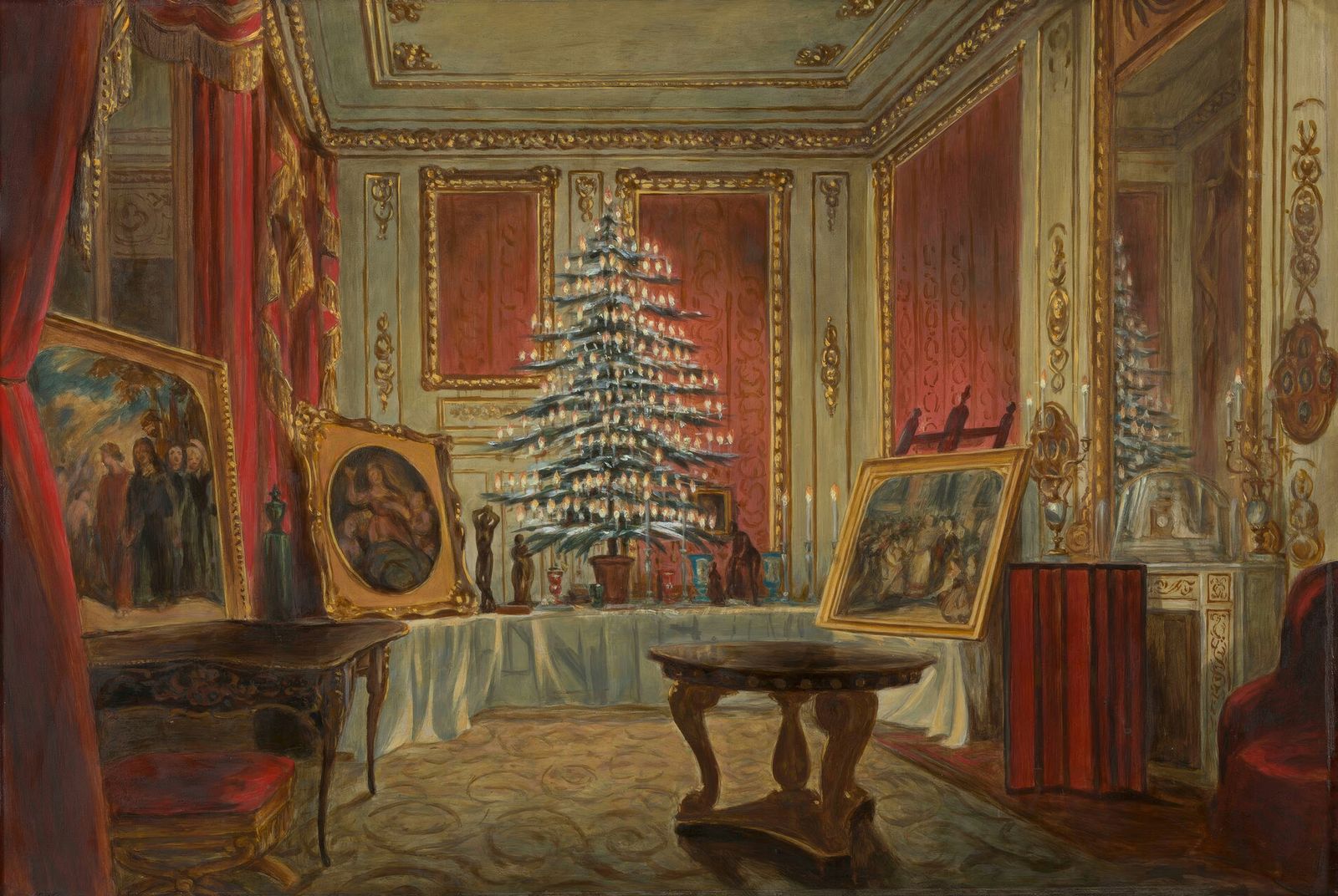
Queen Victoria's Christmas Tree · William Corden the Younger · 1850–51 · Royal Collection (RCIN 402566)
A Christmas tree subject can signal the occasion without making the card a record of your own home. You can keep your message simple or connect it to a shared seasonal tradition. Avoid adding a long account of the historical image unless the recipient would enjoy it. The picture’s correct caption and a personal greeting serve different purposes.
Explore festive masterwork cards · Explore this artwork
6. A gathering you do not have to organise
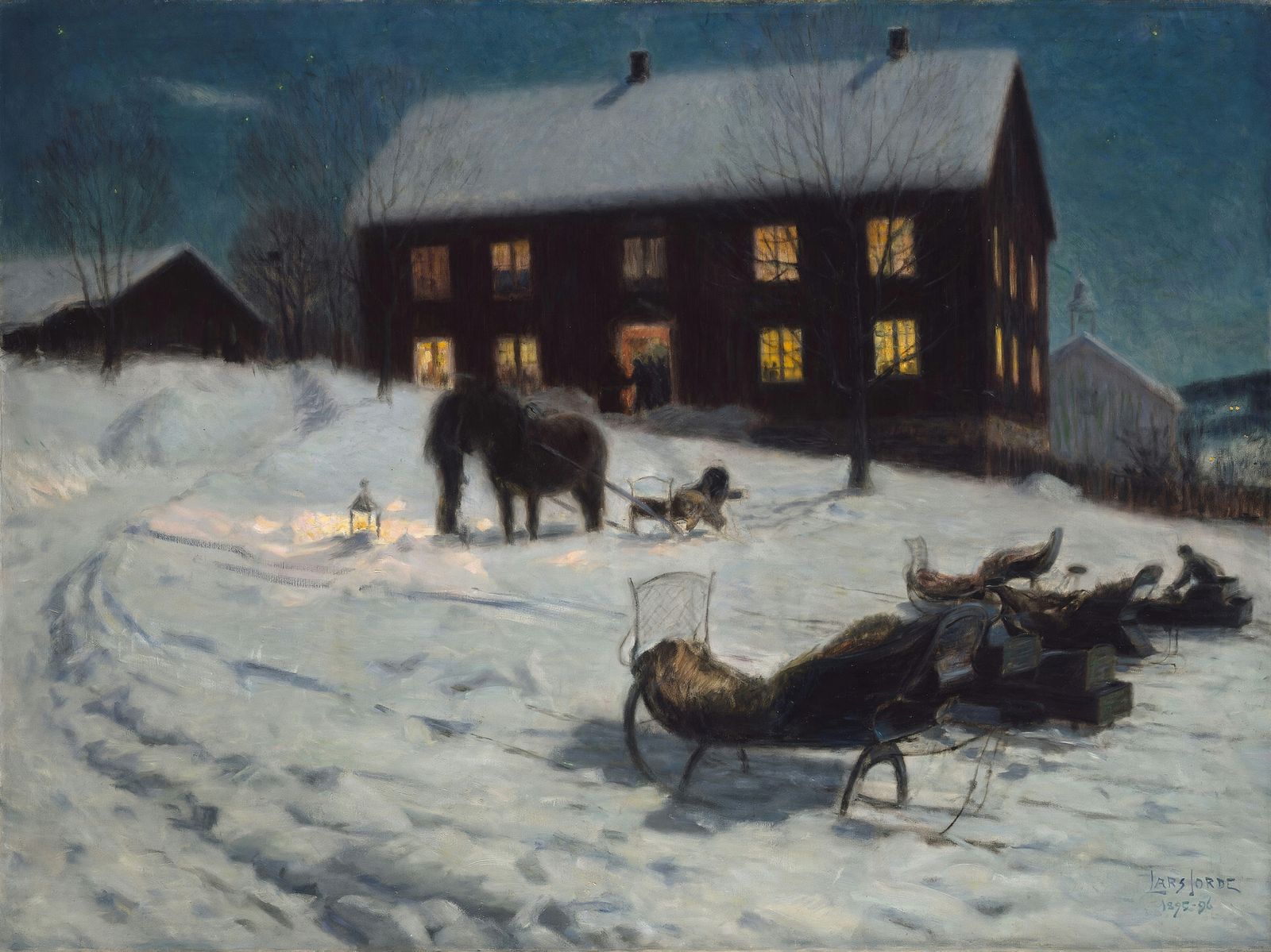
Christmas Party · Lars Jorde · 1895–96 · Nasjonalmuseet, Oslo (NG.M.00475)
An artwork showing celebration can carry the convivial mood when arranging a new family photograph is impractical. That makes it useful in a busy year or for a household spread across several places. Your greeting can acknowledge the distance plainly. A warm invitation to see each other is more personal than pretending the historical figures represent your actual Christmas guests.
Start an artwork Christmas card · Explore this artwork
7. A pet subject for an animal-loving household
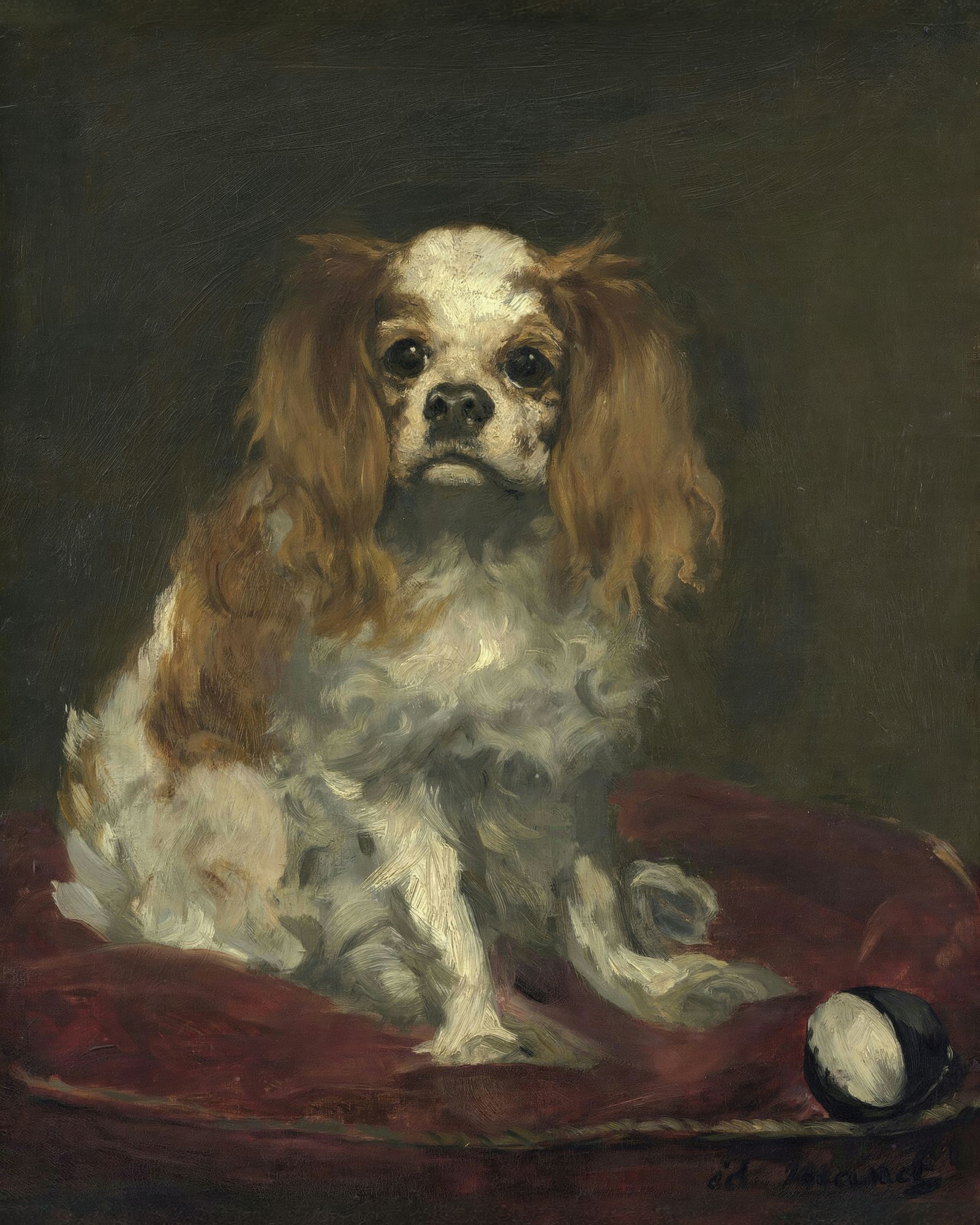
A King Charles Spaniel · Édouard Manet · c. 1866 · National Gallery of Art, Washington
A historical animal portrait can be a pleasing choice for recipients who know your household through its dog. It remains a historical work, so do not caption it as a portrait of your own animal. Check the current masterwork card selection, then write your own greeting. The connection can be affectionate without pretending the illustrated dog belongs to you.
Browse masterwork card subjects · Explore this artwork
8. A floral work when you want less seasonal imagery
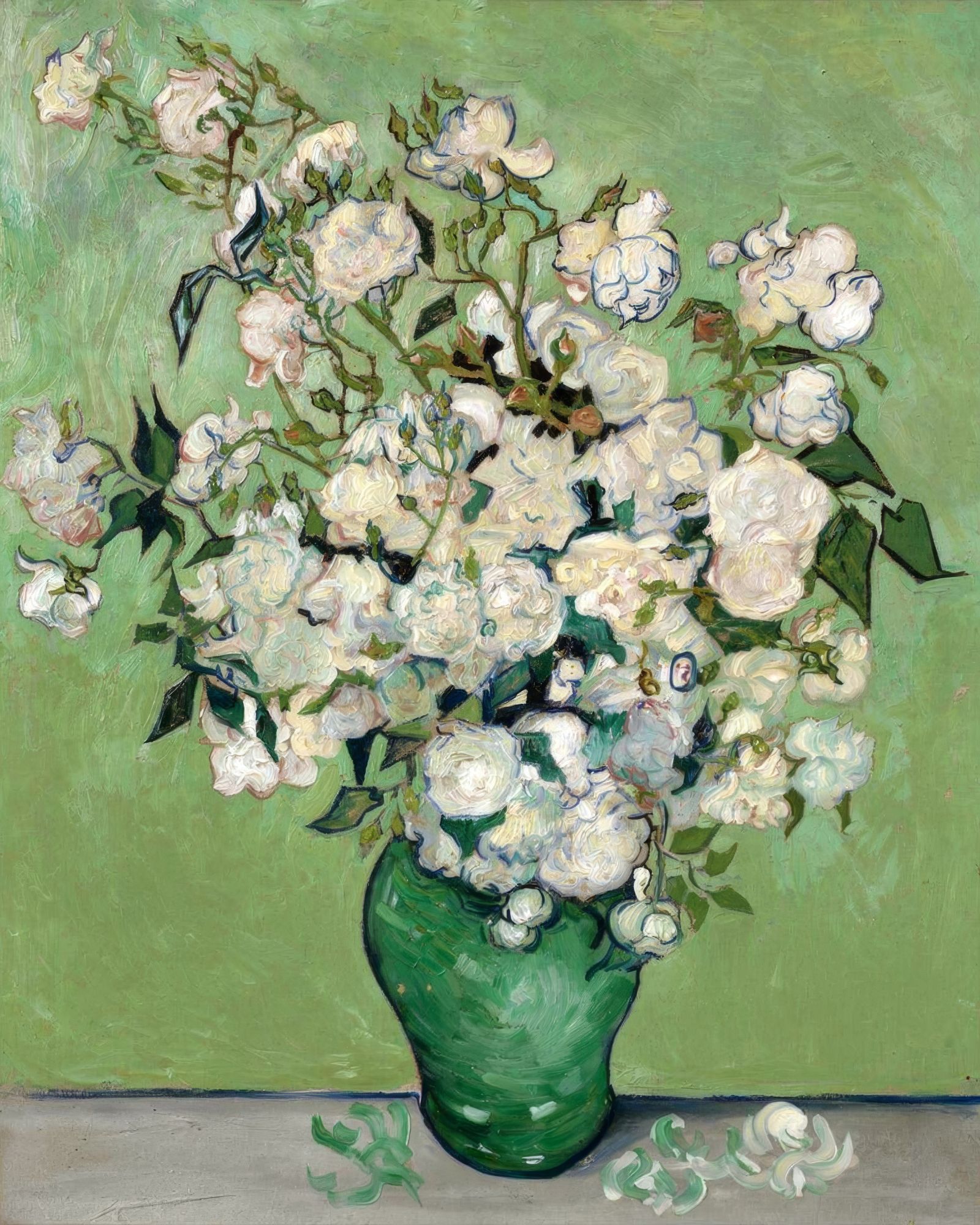
Roses · Vincent van Gogh · 1890 · The Metropolitan Museum of Art
A floral artwork can be a good direction for someone who keeps cards on display after Christmas. The seasonal wording does not require every part of the image to be festive. Choose a message that suits the recipient and check the available design. If your preferred work is not offered as a card, its artwork page may still make it a useful print choice.
Explore art-led card choices · Explore this artwork
9. A card for someone who enjoys a quieter picture
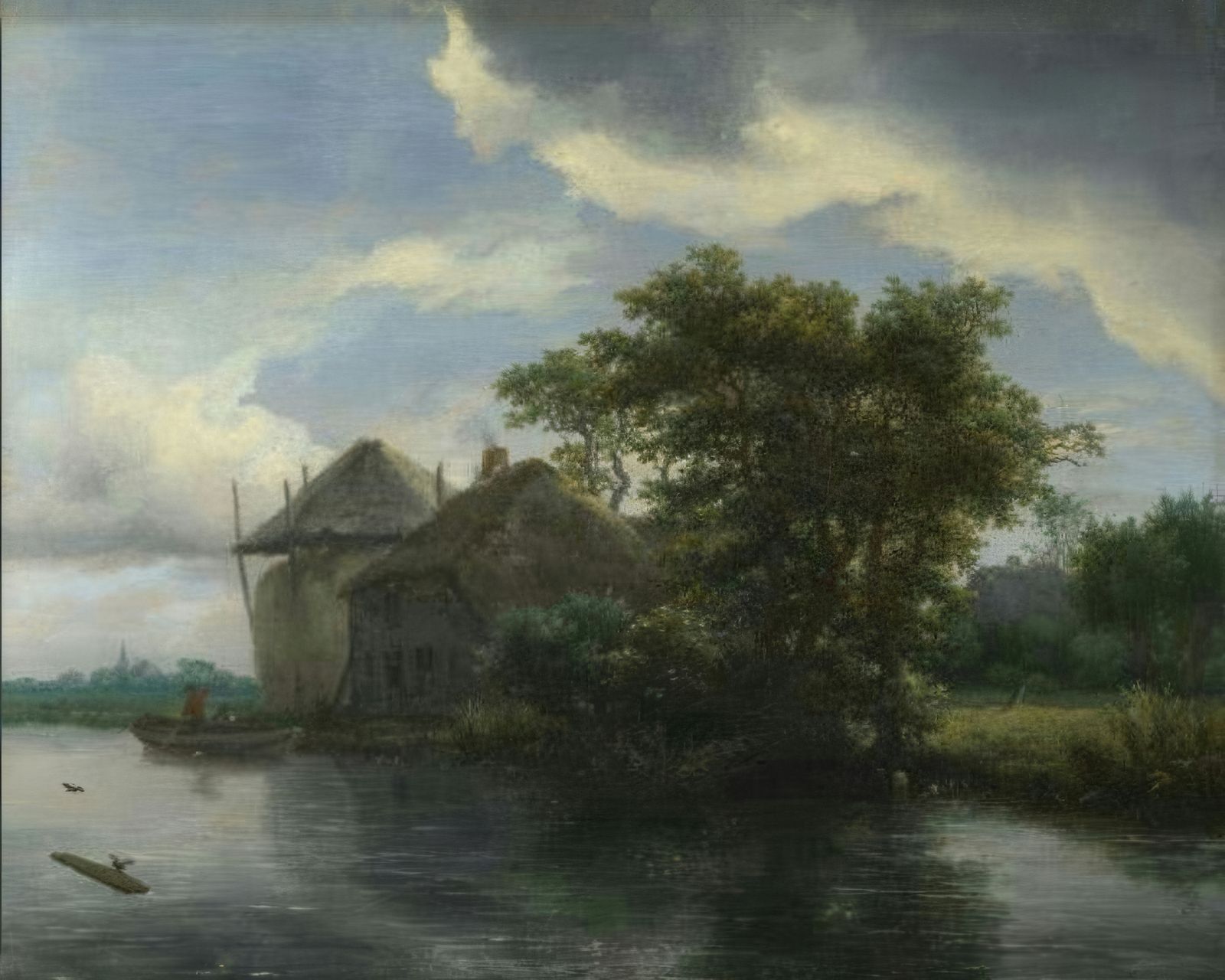
A Cottage and a Hayrick by a River · Jacob van Ruisdael · about 1646–1650 · National Gallery, London
A landscape offers an alternative when a sacred or overtly festive subject is not appropriate. Think about the recipient’s taste in art and places, rather than choosing a neutral picture simply to finish the list. Add the specific words that connect the greeting to them. A considered landscape and a thoughtful note can be more memorable than a staged photograph.
Choose a landscape card direction · Explore this artwork
10. A decorative emblem instead of a photograph
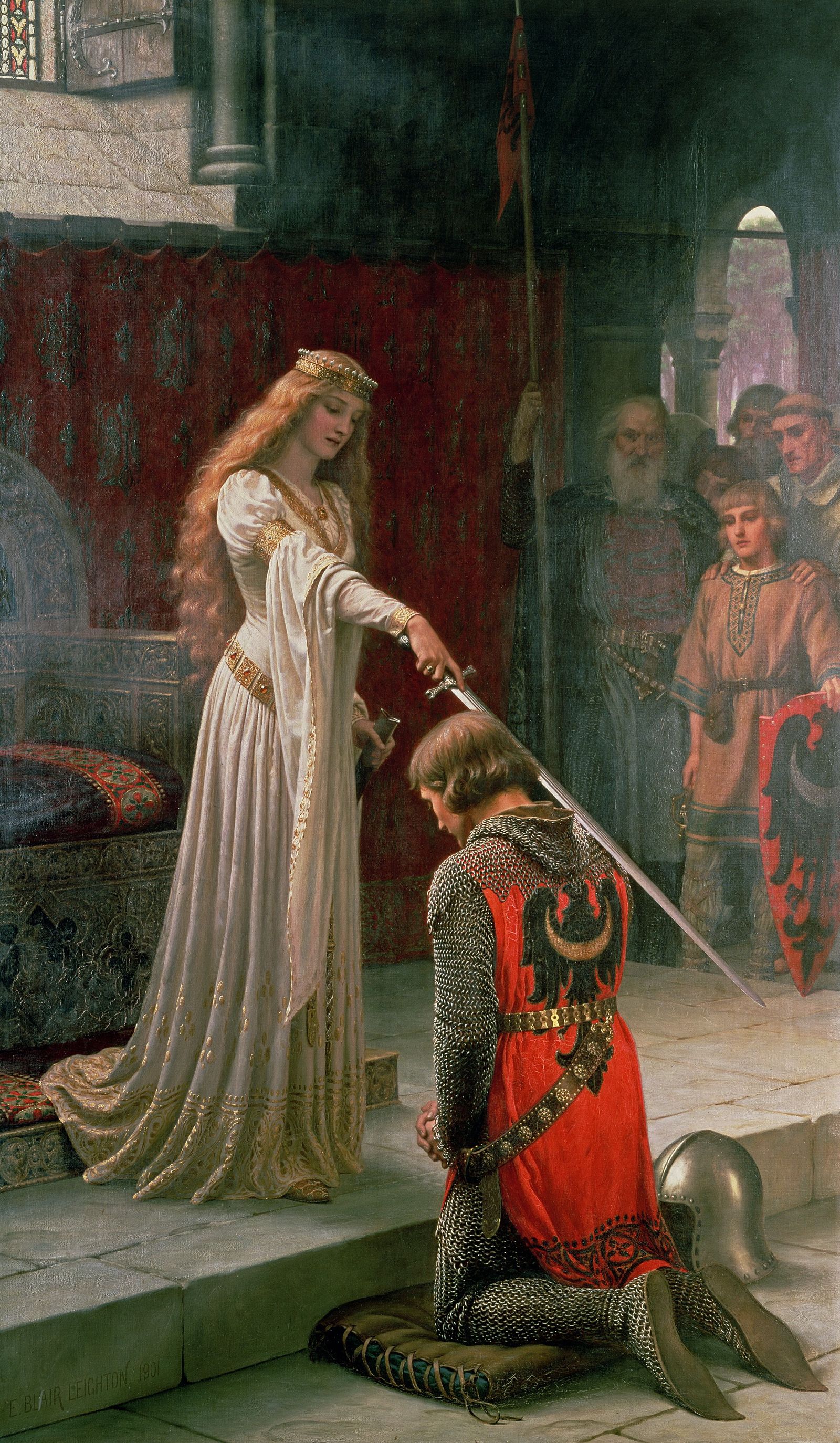
The Accolade · Edmund Blair Leighton · 1901 · Private collection
A family crest or monogram offers another route when you want symbols rather than faces. Fable Heraldry creates decorative emblems, not official grants of arms. The historical reference here introduces a ceremonial mood only. Explore the actual design and card options in their own flows before assuming a particular emblem can be ordered in the Christmas format you have in mind.
Explore a decorative family emblem · Explore this artwork
Begin in the masterwork Christmas card gallery, select an available image and write the greeting in your own voice. Keep the preview legible, the artwork complete and the names correct. If you choose an emblem instead, complete the design step and check the currently supported card route. A photograph is one way to make a card yours; careful attention to image, words and recipient is another.
Create a Christmas card without a photo
- Can a Christmas card be personal without a photograph?
- Yes. Choose an artwork for a reason, write a message suited to the recipient and sign with the names you actually use. These choices can express a household’s character without showing anyone’s face.
- Which art works well for mixed beliefs?
- A winter landscape, animal portrait or floral work may suit a broader list than a devotional image. Consider the actual recipients rather than assuming one subject is universally appropriate. You can choose different designs or messages for different people.
- Can I use any image shown in this article on a card?
- The illustrations introduce possible artistic directions. The live card gallery establishes which works and layouts are currently available. Use the individual artwork page when you want to explore a print instead.
- Are family crests official heraldry?
- Fable designs are decorative emblems. They should not be described as grants of arms or proof of inherited heraldic rights. Choose the symbols for the story you want to tell now, with an honest description of what the design is.