Luxury Christmas cards: what to look for before you order
Ten decisions behind luxury Christmas cards, from a well-chosen masterwork to clear lettering and the right printed format.
The useful test for luxury Christmas cards is not how many decorative effects fit on the front. It is whether the artwork is treated well, the message is readable and the physical product suits the way you intend to send it. A considered card can be restrained, especially when a strong historical picture already gives it presence.
These ten works introduce practical decisions rather than a catalogue of finished card products. Begin in the public masterwork card flow to see current designs and purchase choices. The route labelled printed cards in an account area is for managing orders; it is not the place to start a new design. Review the live preview and current product information before assuming a particular paper, finish or pack configuration is available.
1. Choose a picture with its own reason
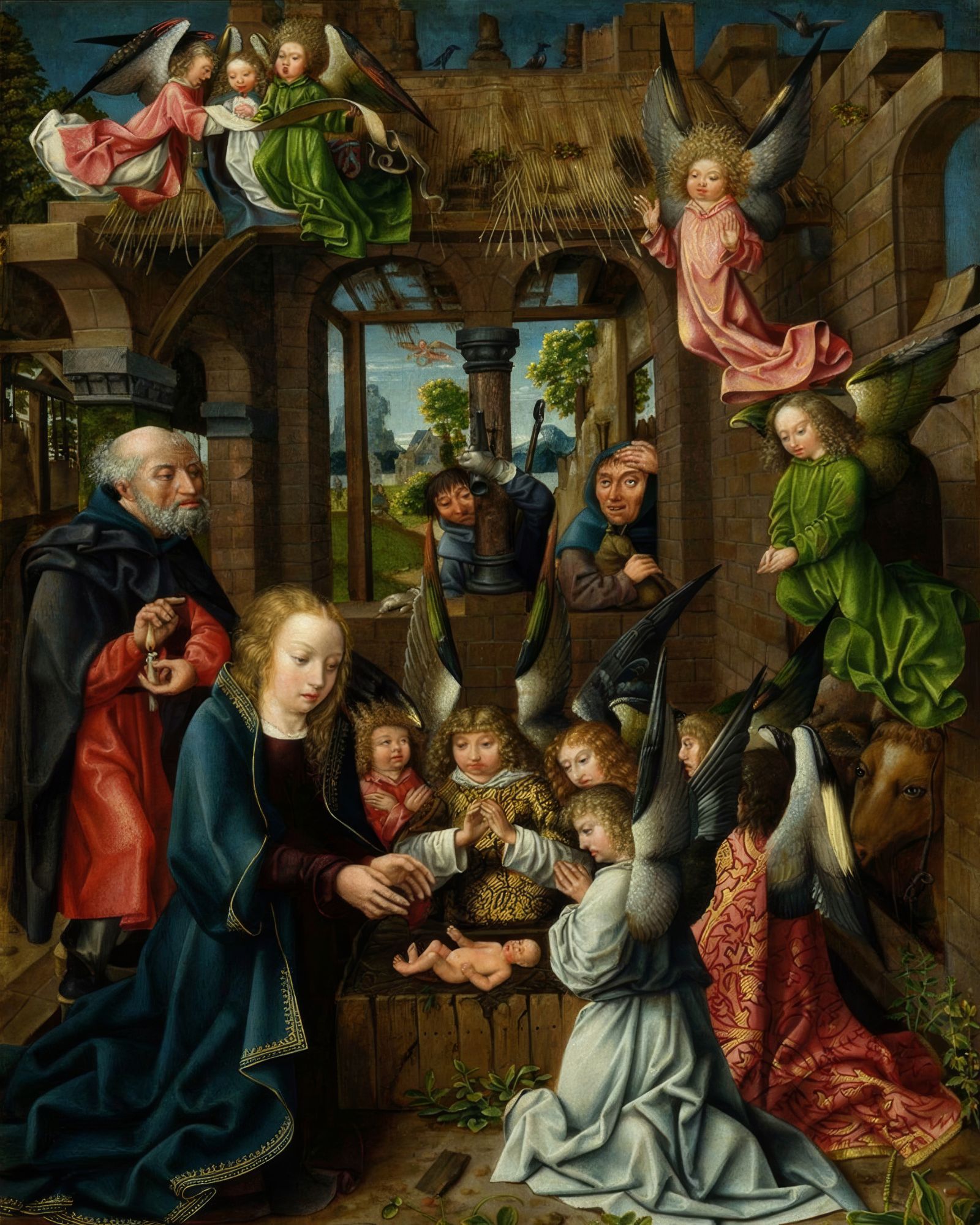
The Adoration of the Christ Child · Master of Frankfurt · possibly 1496–1502 · The Metropolitan Museum of Art
A sacred artwork can give a Christmas card a clear subject when it suits the sender and recipient. Choose it for that relationship, rather than because it looks impressive. The message can be spare. Use the live gallery to establish available designs, then make sure the preview shows the entire artwork comfortably with the chosen lettering.
Start with a masterwork · Explore this artwork
2. Let the artwork remain whole
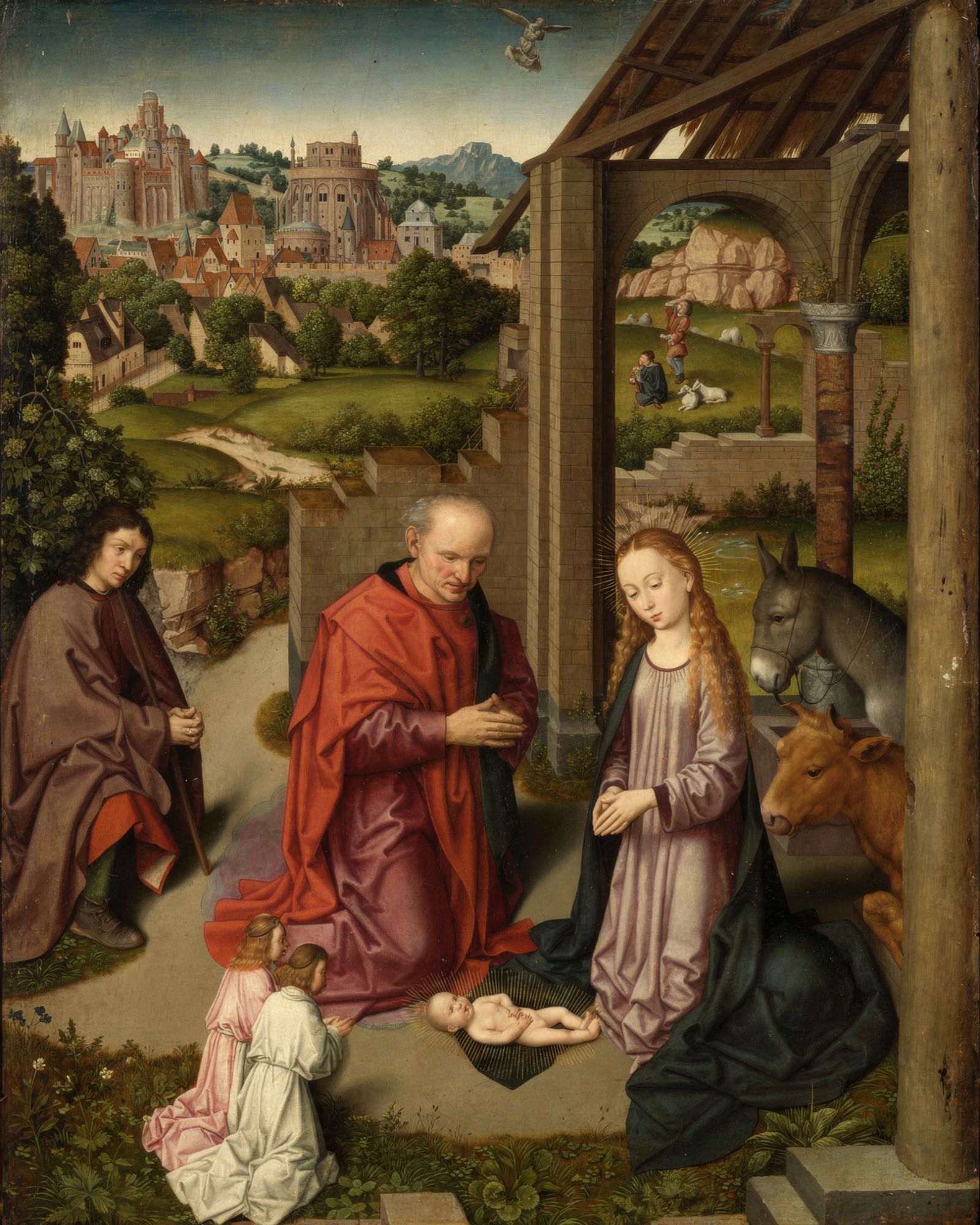
The Nativity · Gerard David · c. 1485–90 · Cleveland Museum of Art
An intricate historical work should not lose important details simply to fill a card shape. Examine the actual design preview and choose a layout that respects the image’s proportions. The card’s border or surrounding space can help a picture sit naturally. Avoid equating a larger crop with a more luxurious result when the complete composition is what gives the work meaning.
Review the card designs · Explore this artwork
3. Give the lettering a clear job
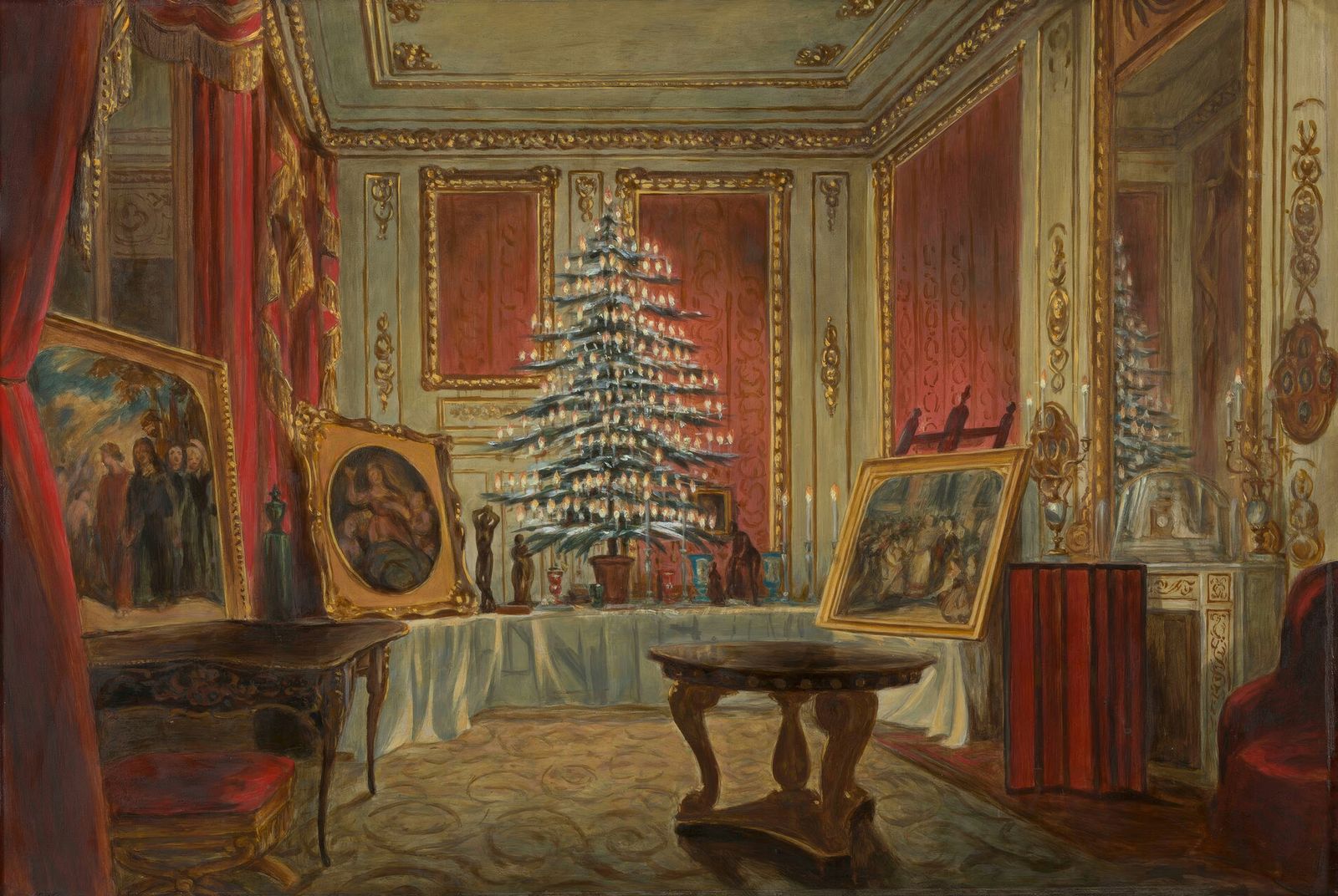
Queen Victoria's Christmas Tree · William Corden the Younger · 1850–51 · Royal Collection (RCIN 402566)
A Christmas card usually needs a greeting and the sender names, not several competing headlines. Choose the wording before deciding how prominent it should be. A historical Christmas subject can establish the occasion on its own, leaving the type to identify the people sending it. Read long names in the preview rather than trusting how the sample text looked.
Choose your greeting layout · Explore this artwork
4. Consider a quieter winter work
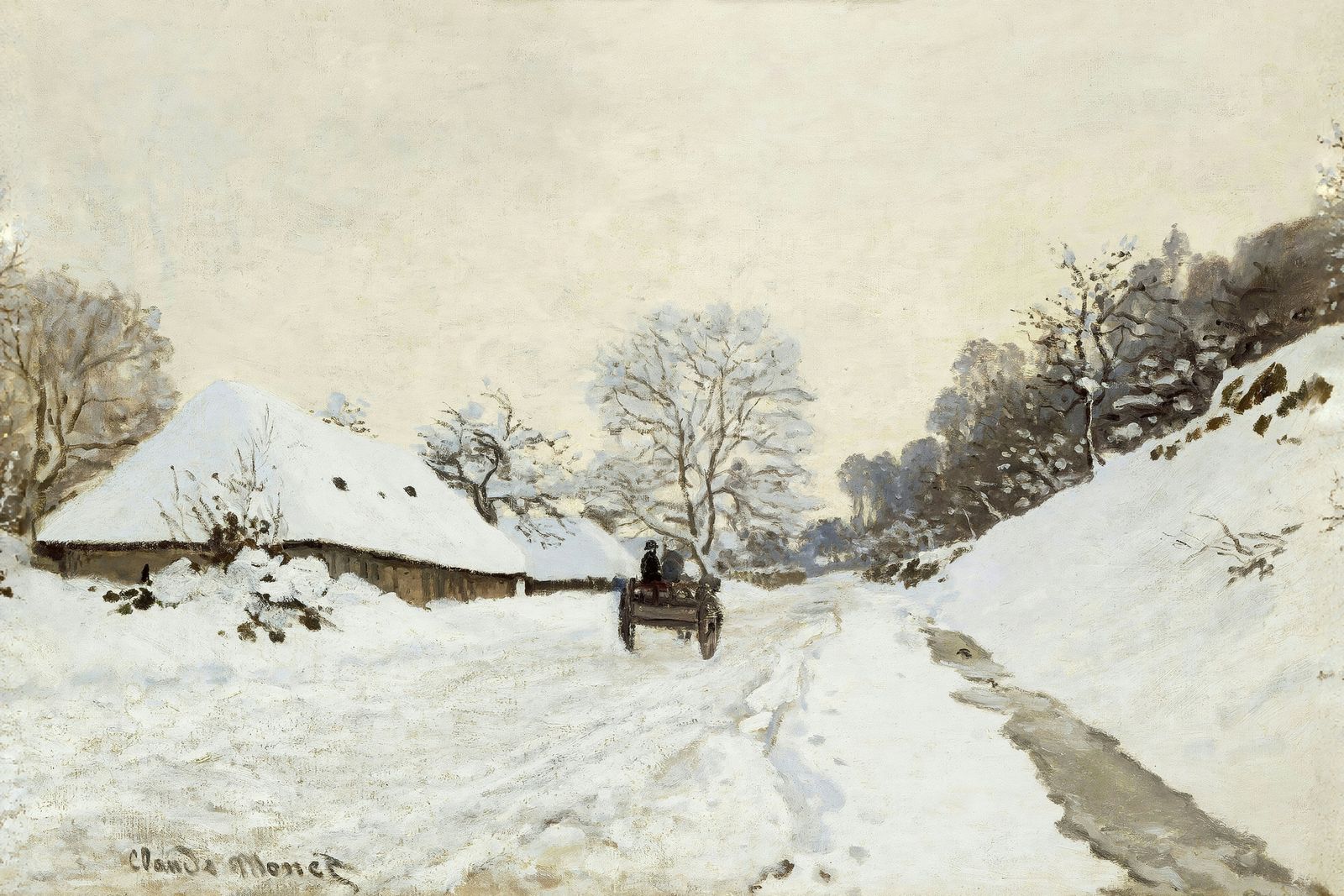
A Cart on the Snowy Road at Honfleur · Claude Monet · c. 1867 · Musée d’Orsay, Paris
A winter landscape may suit someone who prefers art to overt seasonal decoration. The picture should remain the main reason to keep looking. Check how the current card layouts handle the artwork and resist adding effects simply because they are offered. A calm image with a personal sentence can be a more considered choice than an elaborate design with generic words.
Browse winter card art · Explore this artwork
5. Check colour as part of the whole design
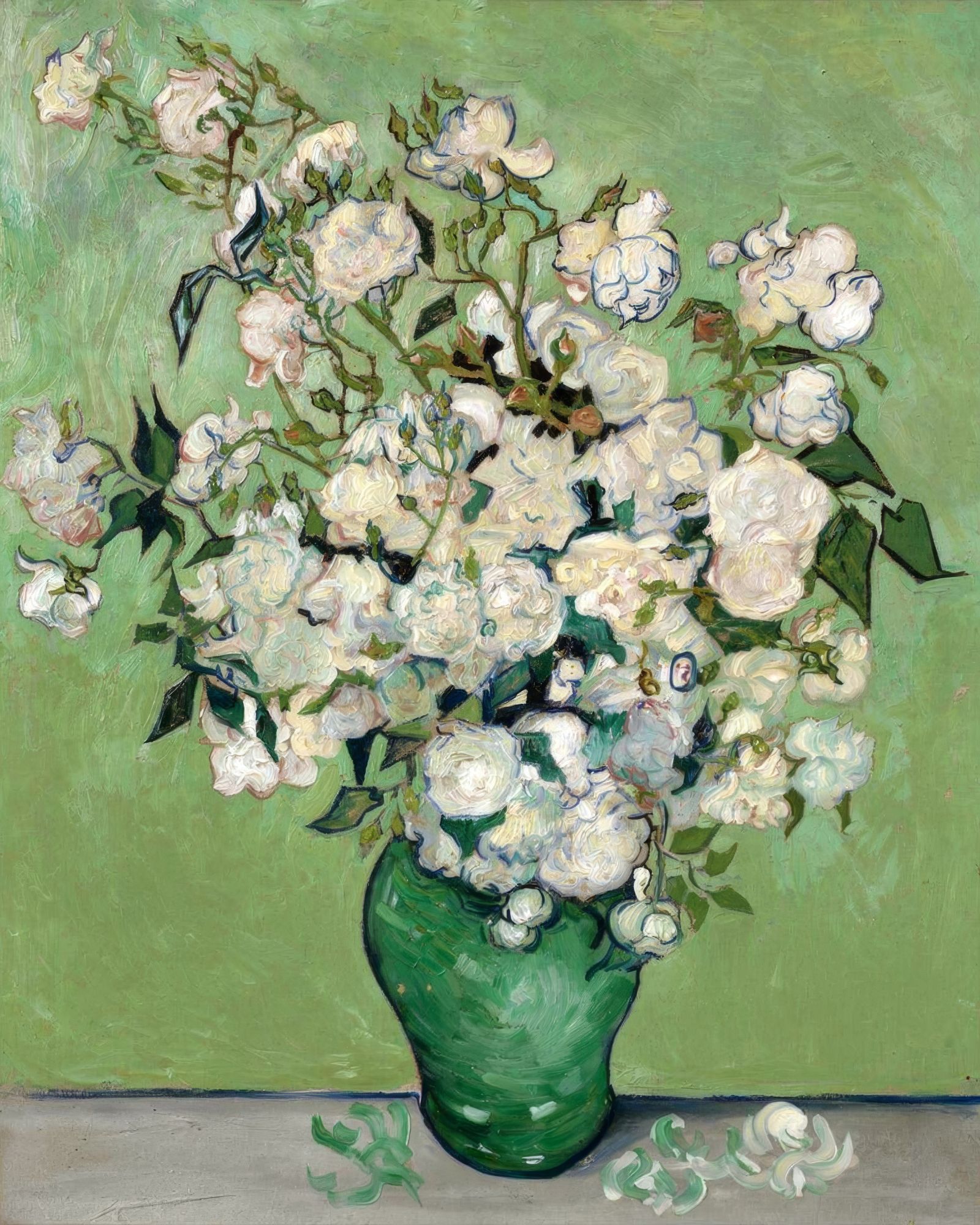
Roses · Vincent van Gogh · 1890 · The Metropolitan Museum of Art
A floral direction can be striking without depending on festive symbols. Choose the artwork for its own colours, then review the lettering and layout together. This guide does not promise that a screen preview is an exact print proof. Use the current product information for the printed process and avoid assuming a metallic-looking screen effect establishes a particular physical finish.
Explore artwork card choices · Explore this artwork
6. Read the actual product description
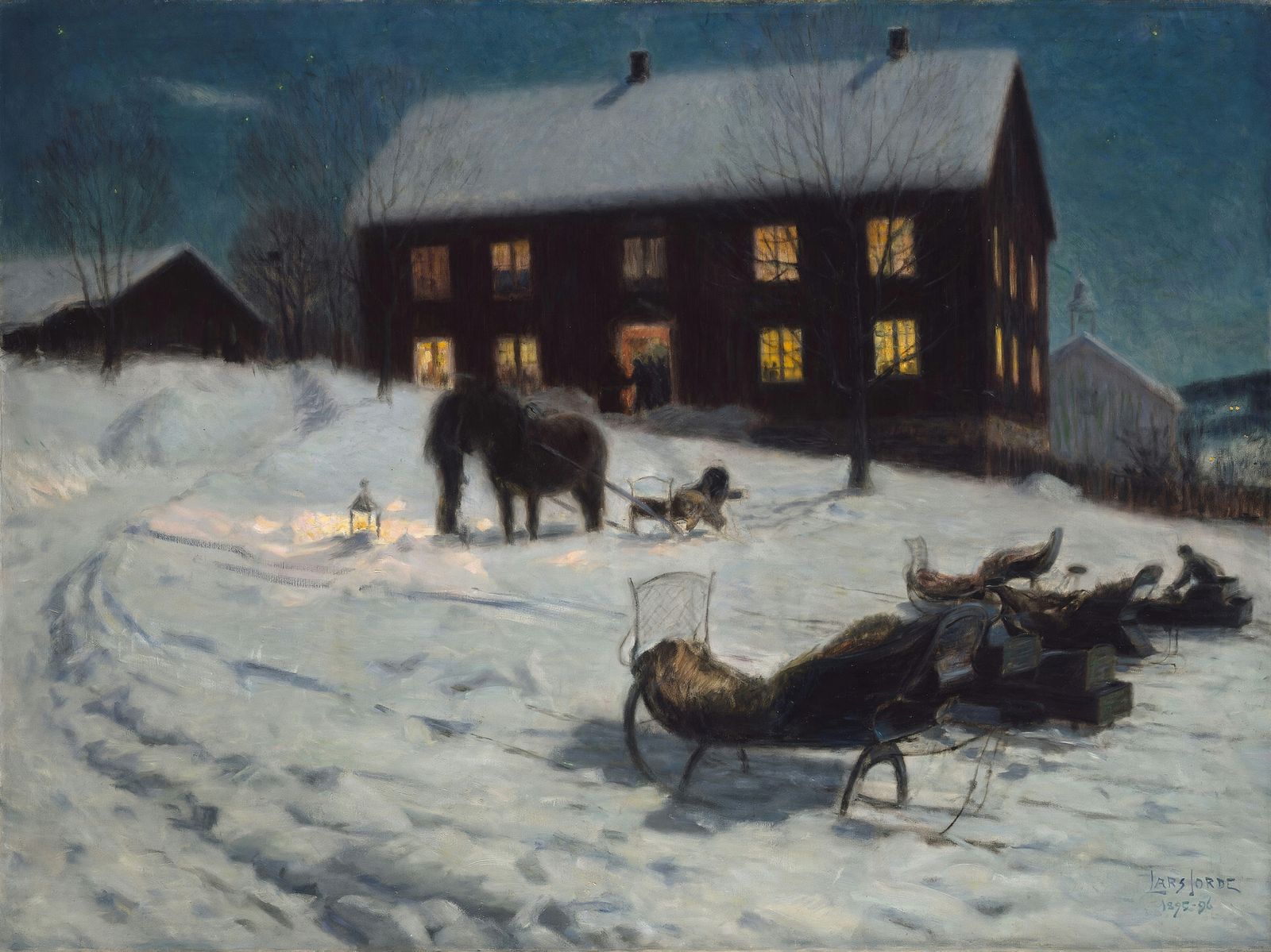
Christmas Party · Lars Jorde · 1895–96 · Nasjonalmuseet, Oslo (NG.M.00475)
A beautiful image and a well-made physical card are related but separate choices. Check the format, quantity and materials described in the ordering flow. Do not infer foil, embossing or a specific paper weight from a decorative style name. The historical work here introduces a celebratory direction; the live product description establishes what you are actually buying.
Choose a current card product · Explore this artwork
7. Decide how much you want to write
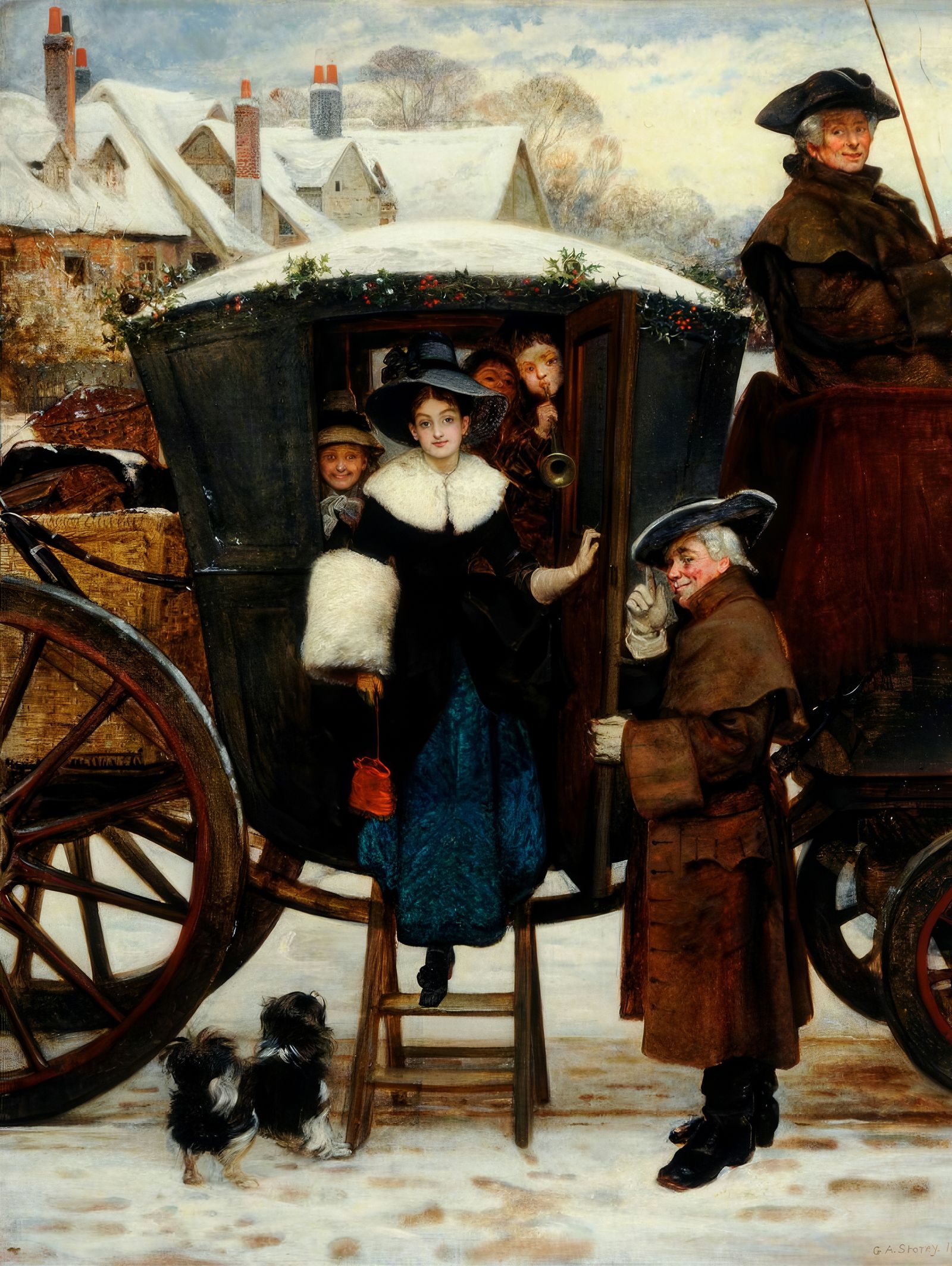
Grandmamma's Christmas Visitors · George Adolphus Storey · 1873 · Sheffield Museums (VIS.1432)
A message to a close relative may need more room than a greeting sent to a wider circle. Choose the card format with that in mind before perfecting the front. If you plan to add a handwritten note, check the product’s actual writing surfaces and design. A card that accommodates your words is more useful than a prestigious-looking object you cannot comfortably personalise.
Begin your personal card · Explore this artwork
8. Choose for the recipient’s tradition
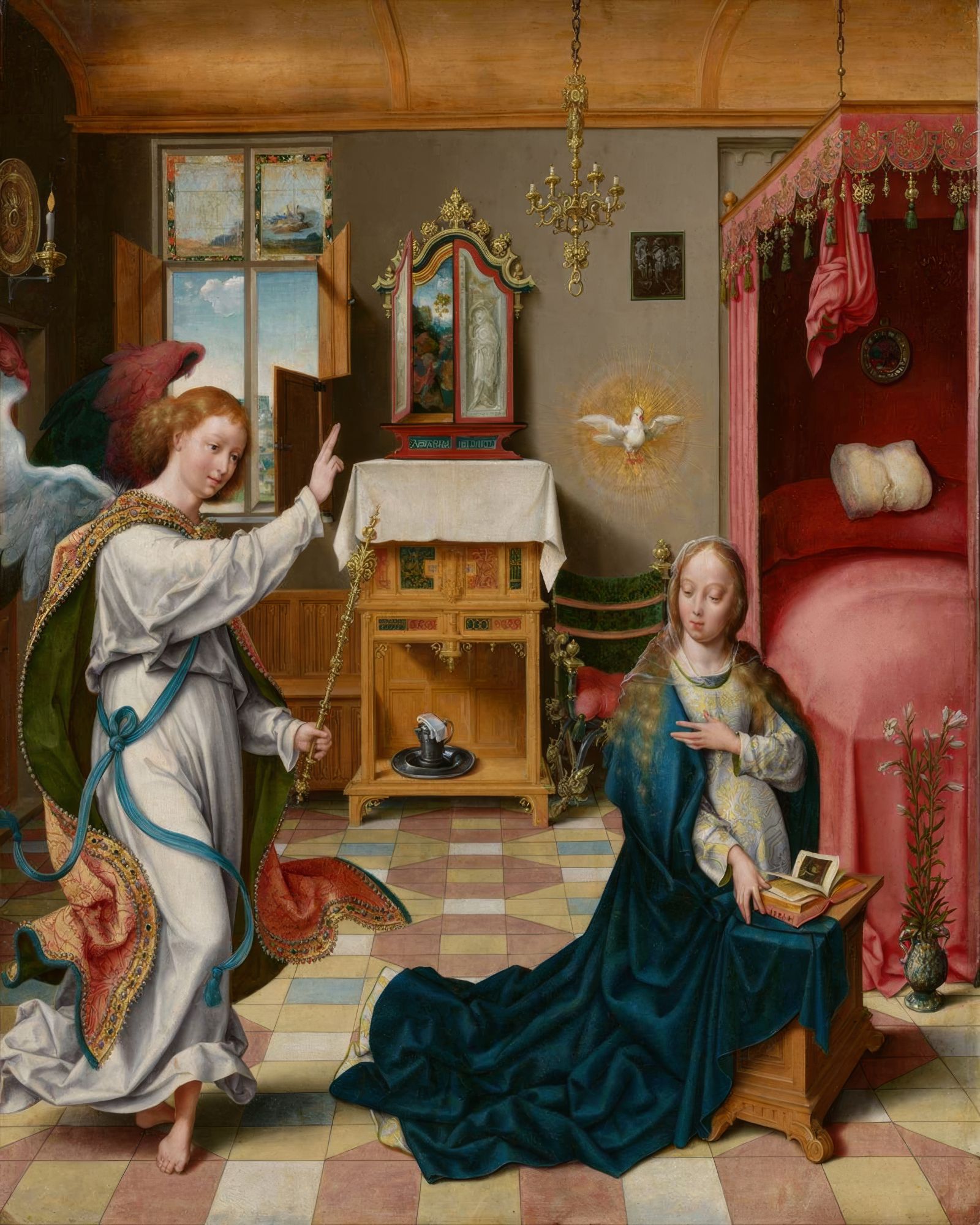
The Annunciation · Joos van Cleve · ca. 1525 · The Metropolitan Museum of Art
A sacred work can be a thoughtful gift in itself, but only when the recipient is comfortable with its devotional subject. Luxury does not make an image universally suitable. Consider different artworks for different people on the list, and keep the caption’s attribution accurate. The care lies partly in choosing with the recipient in mind rather than treating the whole list as one audience.
Explore sacred card art · Explore this artwork
9. Check the preview at an ordinary size
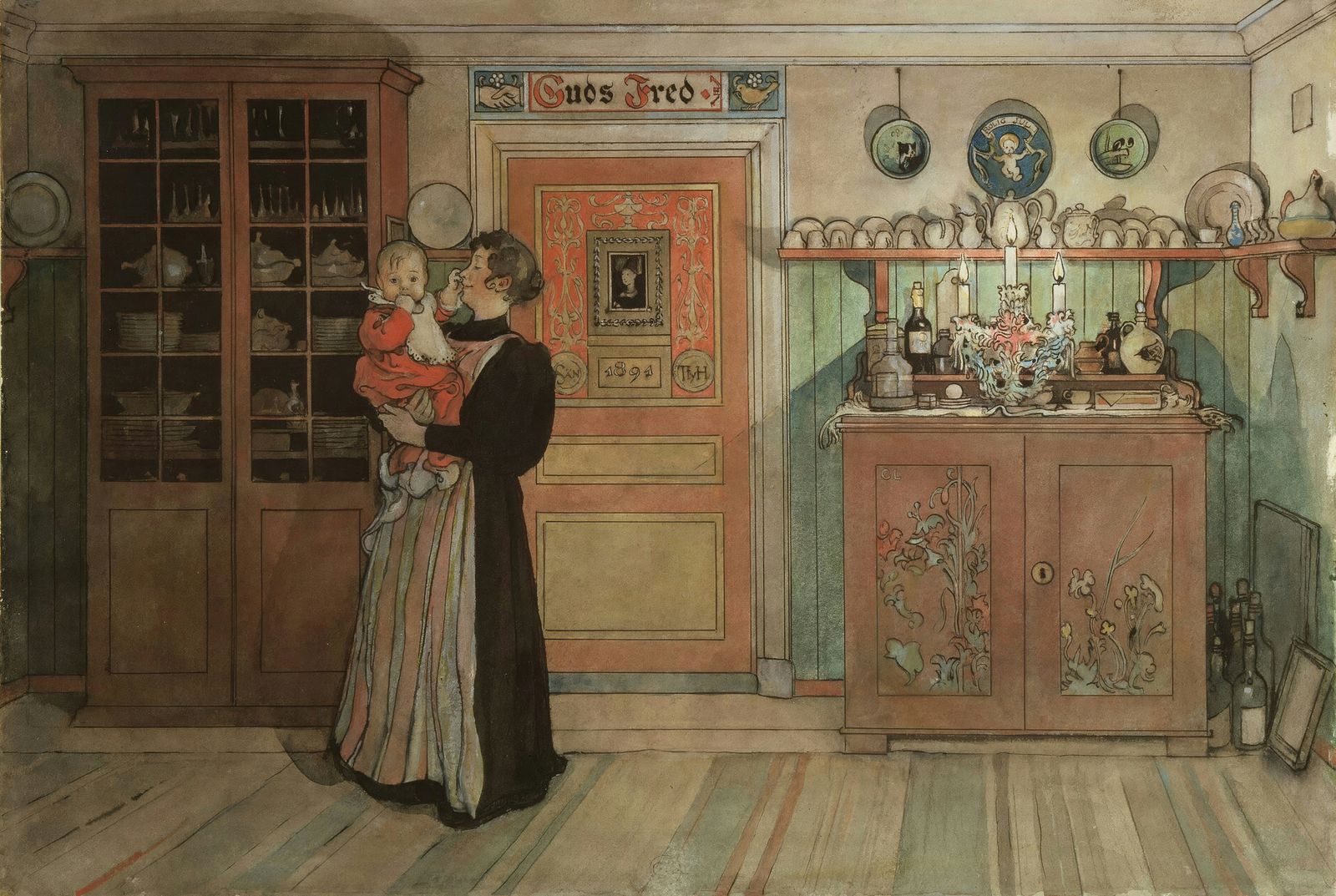
Between Christmas and New Year (A Home) · Carl Larsson · 1899 · Nationalmuseum, Stockholm
A card preview enlarged on a monitor can hide practical problems with small lettering. Review it at a realistic size, paying particular attention to names and any long message. Give a domestic artwork enough space to remain a picture rather than a textured background. Make the layout decision before ordering, when it is still easy to adjust your words.
Review an artwork card · Explore this artwork
10. Finish with the way it will be sent
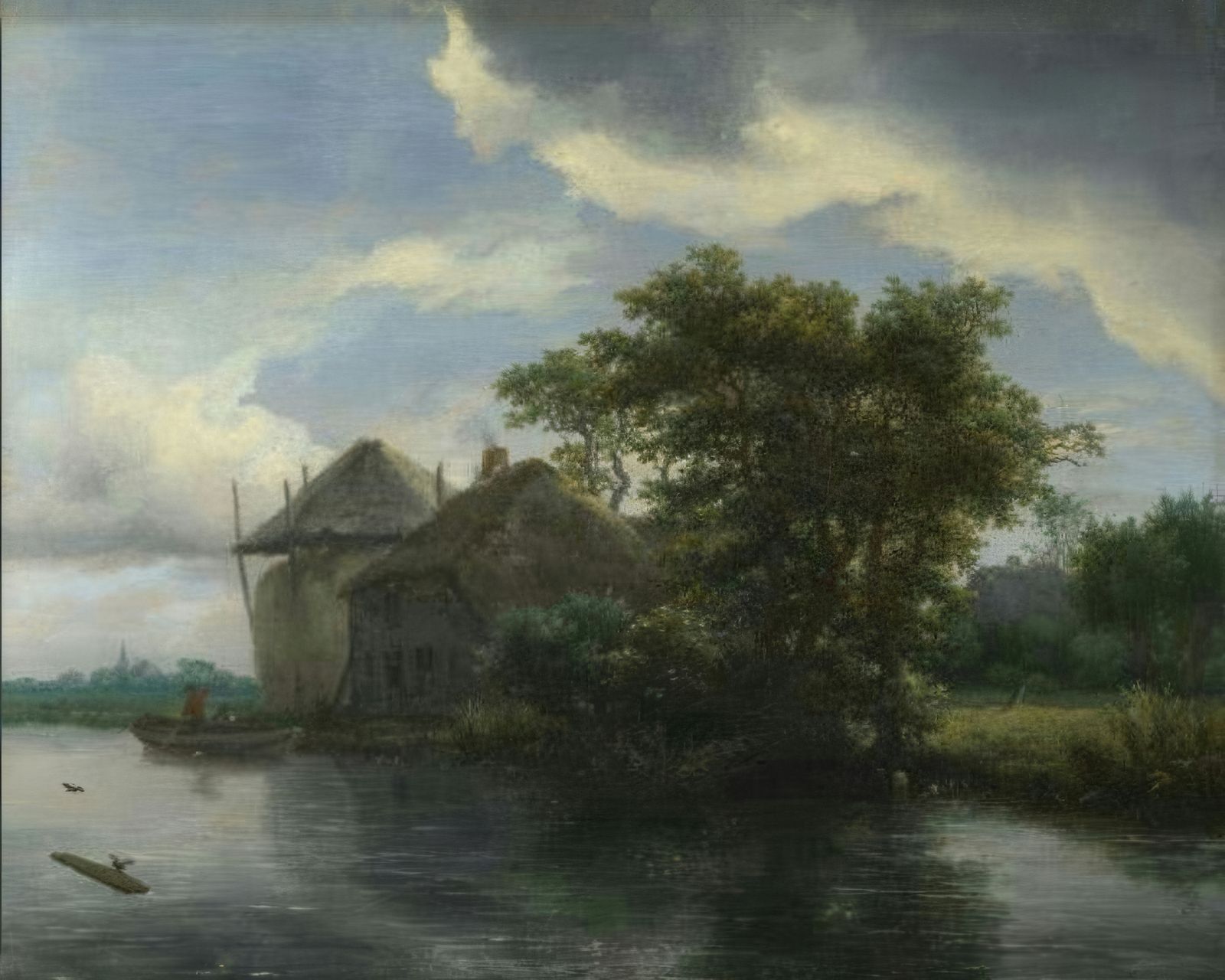
A Cottage and a Hayrick by a River · Jacob van Ruisdael · about 1646–1650 · National Gallery, London
Think about addressing, postage and the time available for your particular destination. A physical Christmas card is not complete when the design is finished; it still has to reach someone. Check current ordering and delivery information before promising a date. If the schedule is uncertain, choose the product you can accurately describe rather than letting the word luxury imply a service guarantee.
Create your Christmas card · Explore this artwork
Start a new masterwork card through the public creation link below, choose an available image and review the current physical product. Check the words, layout, quantity and destination before you order. The best reason for a card to feel special is that the artwork and greeting were chosen with care. Keep its material claims as accurate as its message, and give the recipient something worth opening.
- What makes a Christmas card feel luxurious?
- Good artwork treatment, readable lettering, suitable materials and a thoughtful message work together. Check the actual product specification rather than inferring a physical finish from the screen. Restraint can be a strong choice when the artwork already has presence.
- Do these cards have foil or embossed lettering?
- Use the live product description for current physical finishes. A style that looks metallic or pressed on screen does not by itself establish foil or embossing. This article does not make either claim.
- Where do I start a new printed Christmas card?
- Use the public masterwork card creation link in this guide. An account page for printed cards is an order-management area, so it is not the starting point for a new design. Review the available product choices in the creation flow.
- Can I order a postcard instead of a folded card?
- Check the formats currently offered in the live flow. Do not assume every Christmas design has a postcard version. If a folded format is the supported choice, review it on that basis before purchasing.