Calming bedroom colours, with a painting to match each
Twelve restful colour schemes for a bedroom, each taken from a real painting: Carl Larsson’s cosy corner, Sargent’s sunlit walls, Hokusai’s quiet reader and more.
The calmest bedrooms use soft, muted colours with little contrast: pale blue and grey, sage and linen, blush and lavender. These colours lower the pulse of a room, and they look their best in morning light and lamplight alike.
The easiest way to find a calm scheme is to borrow one from a calm painting. Here are twelve restful pictures, each with its palette, in three groups: soft blue and grey, sage, linen and warm white, and blush and lavender. Hang the picture above the bed and paint, dress and light the room from it.
Soft blue and grey
The most restful colours of all.
1. Spanish Fancy Costume
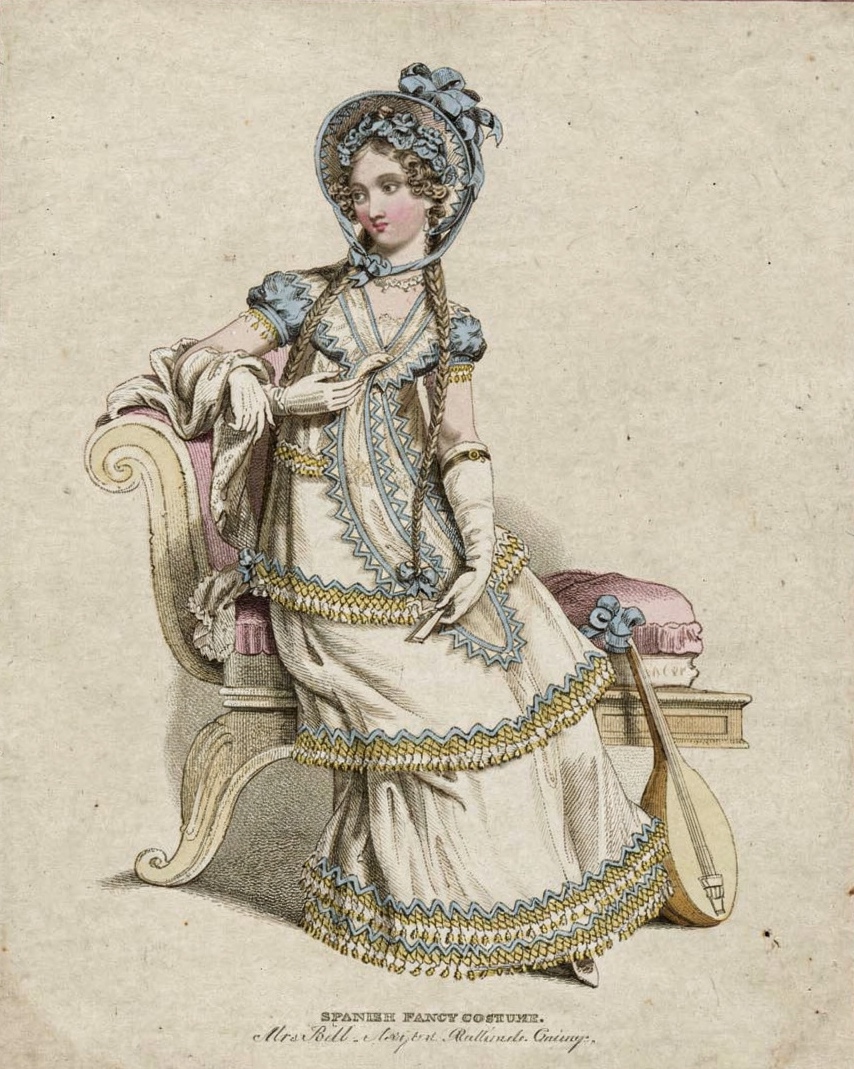
Mrs Bell, Spanish Fancy Costume, September 1819. Victoria and Albert Museum, London.
This fashion plate of September 1819 shows a costume designed by Mrs Bell, a leading London dressmaker of the day.
Cream, powder blue and honey.
2. Moorish Buildings in Sunlight
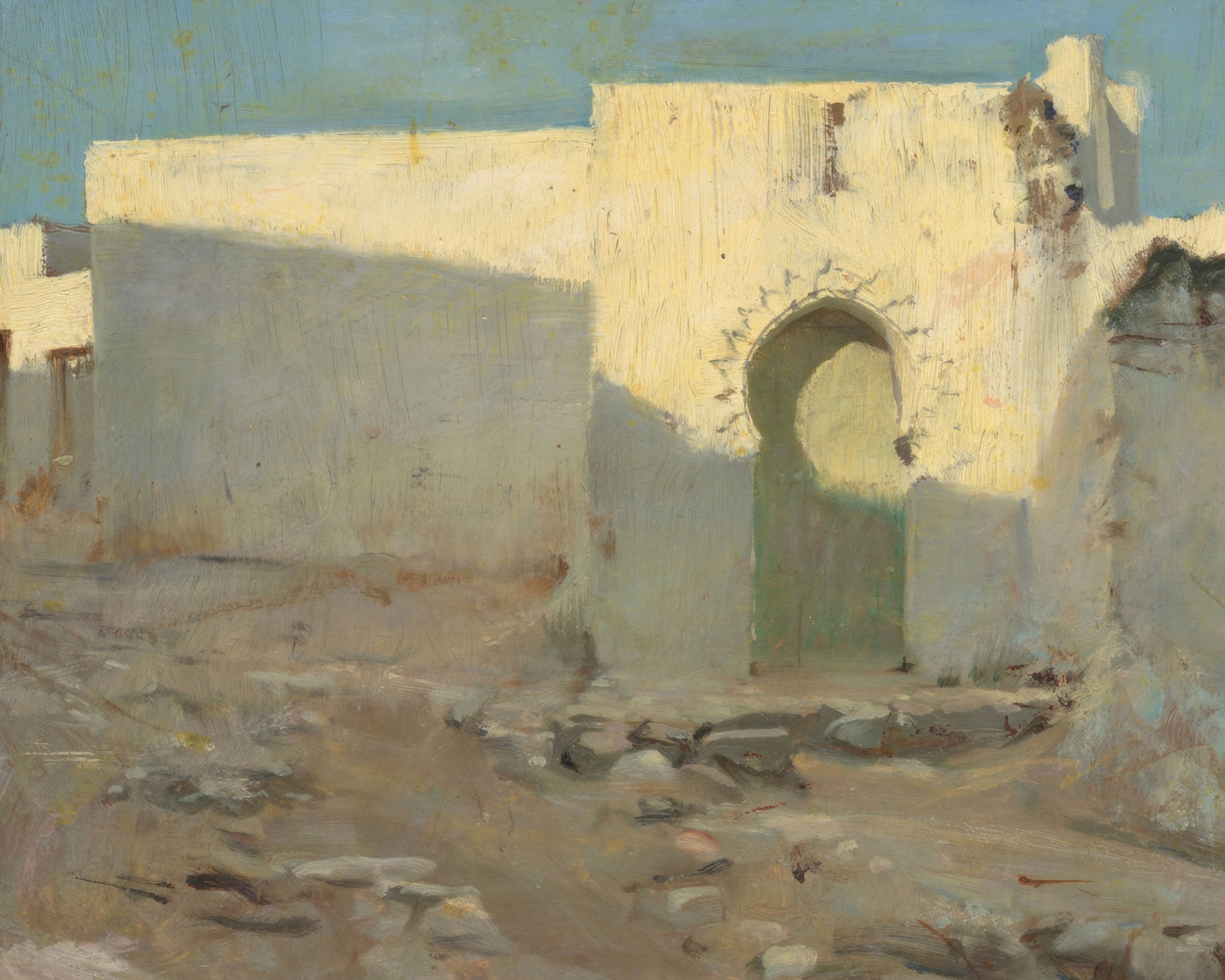
John Singer Sargent, Moorish Buildings in Sunlight, 1879–80. Oil on wood. The Metropolitan Museum of Art, New York.
John Singer Sargent painted this little sunlit study in Morocco in 1879–80, on a small wooden panel.
Pale sky blue, sand and soft grey.
3. Woman with a Fan in her Left Hand Combing her Hair
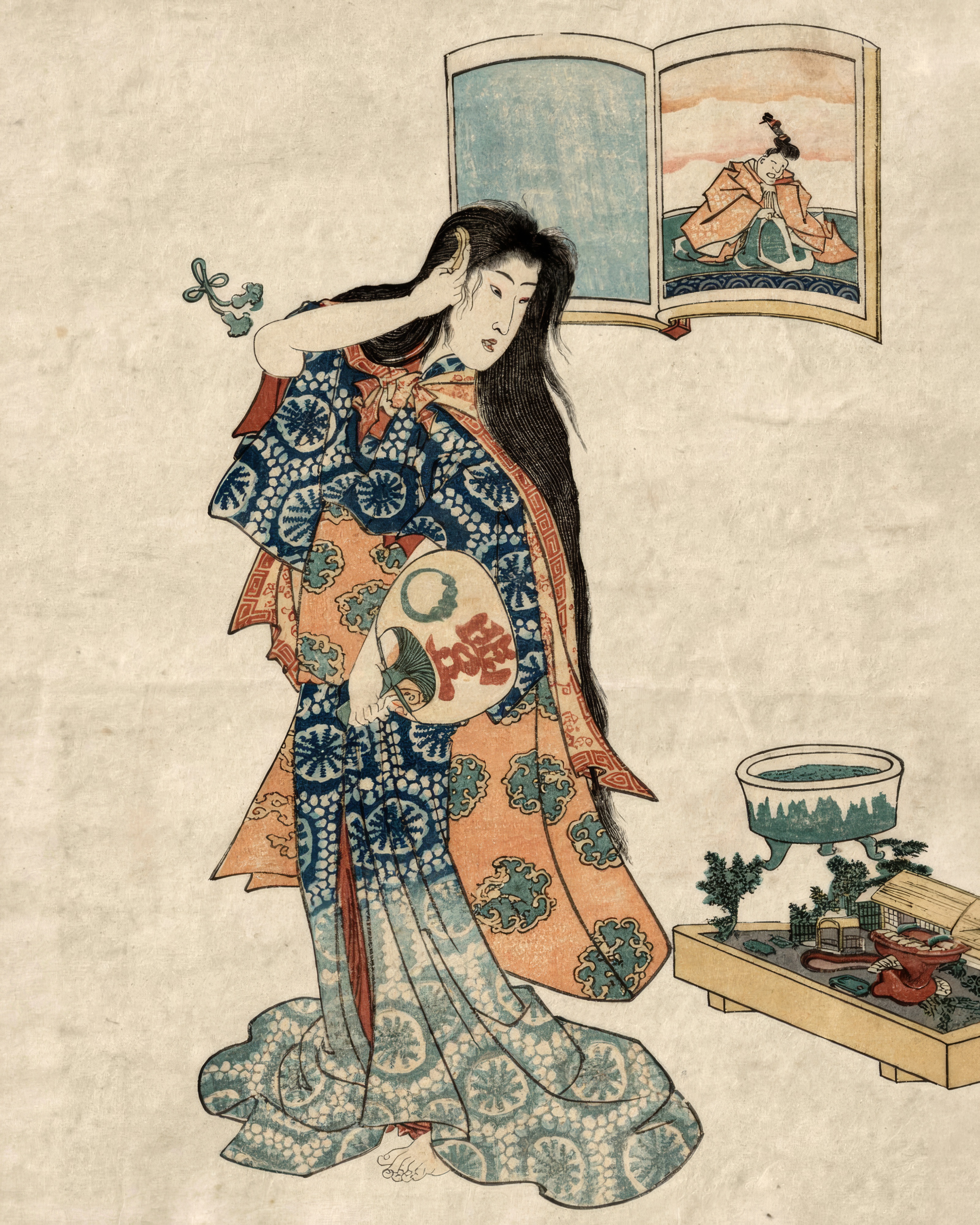
Utagawa Kunisada, Woman with a Fan in her Left Hand Combing her Hair. Colour woodblock print. Cleveland Museum of Art.
Utagawa Kunisada made many prints of women at their toilette; this one is all soft blues and pale aqua.
Pale aqua, indigo and cream.
4. Karauta of the Chōjiya
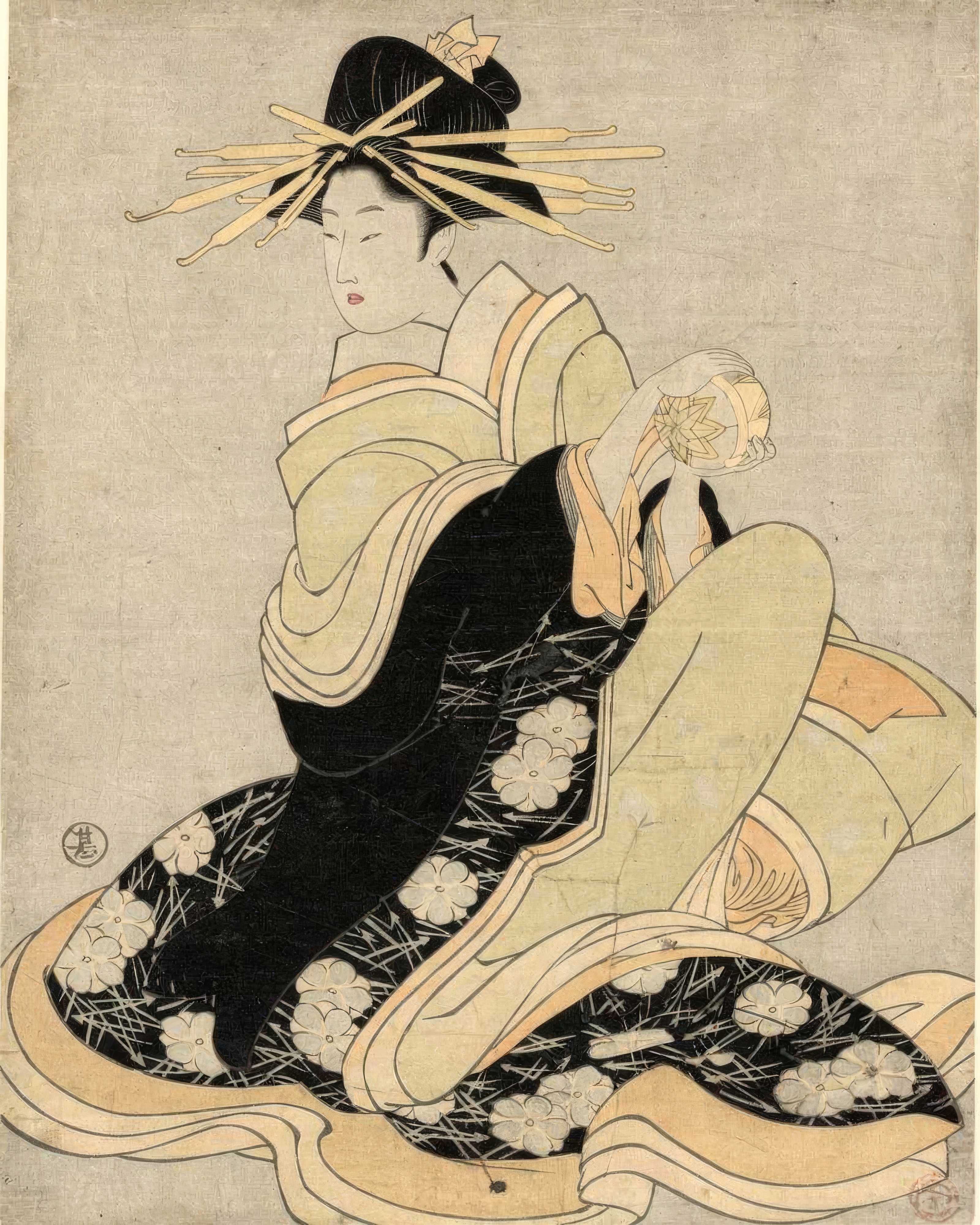
Maruya Jinpachi Kitagawa Utamaro , Karauta of the Chōjiya, c. 1805 (Bunka 2). Woodblock print; ink and color on paper. Harvard Art Museums.
Kitagawa Utamaro made this print around 1805, near the end of his life.
Pearl grey, cream and soft peach.
Sage, linen and warm white
Earthy, natural calm.
5. Sketches of Snails, Flowering Plant
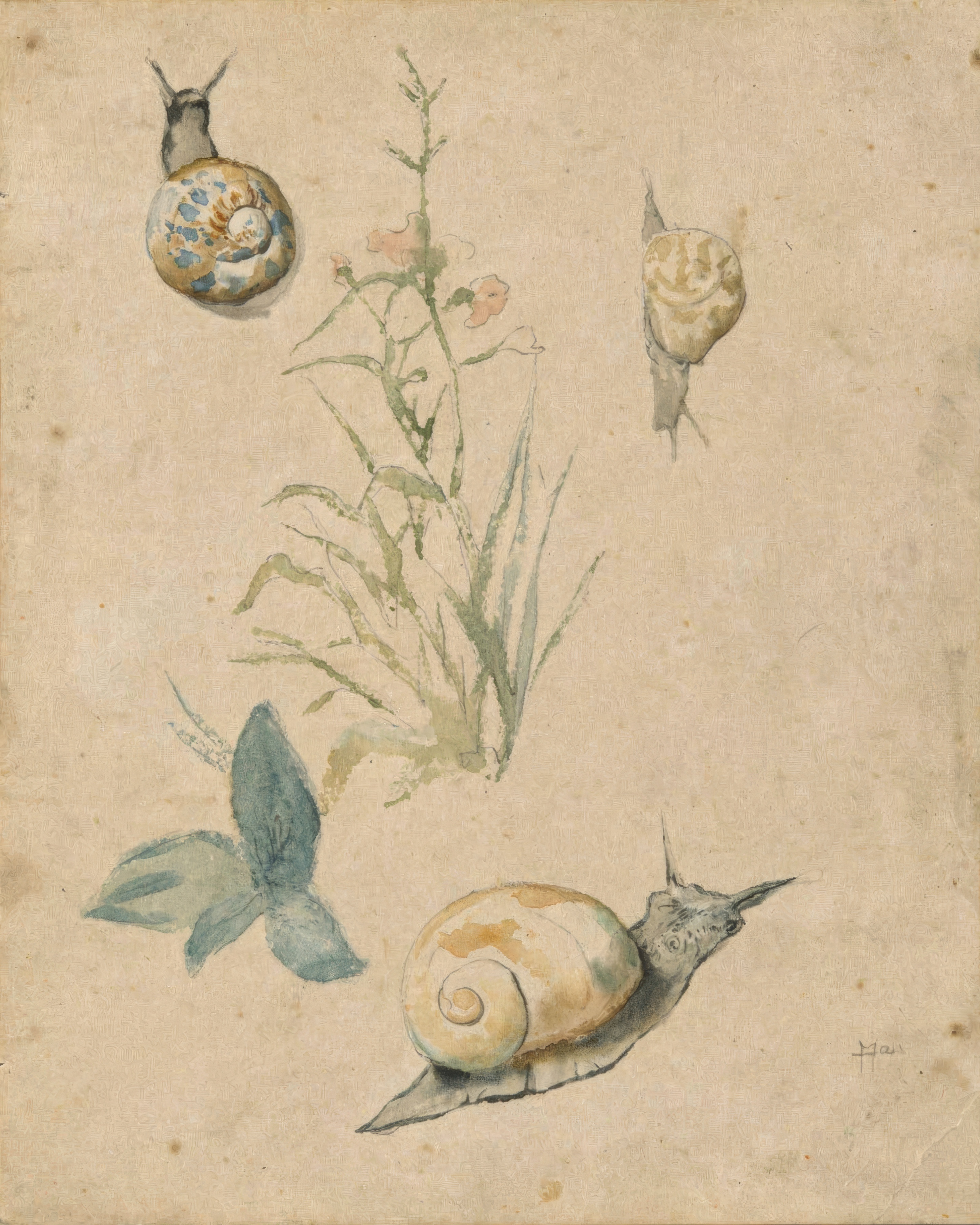
Édouard Manet, Sketches of Snails, Flowering Plant, 1864/68. Watercolor over graphite pencil on cream laid paper. Art Institute of Chicago.
Édouard Manet made these quiet watercolour sketches in the 1860s.
Oatmeal, sage and stone.
6. Young woman reading "The Pillow Book (makura no soshi)"
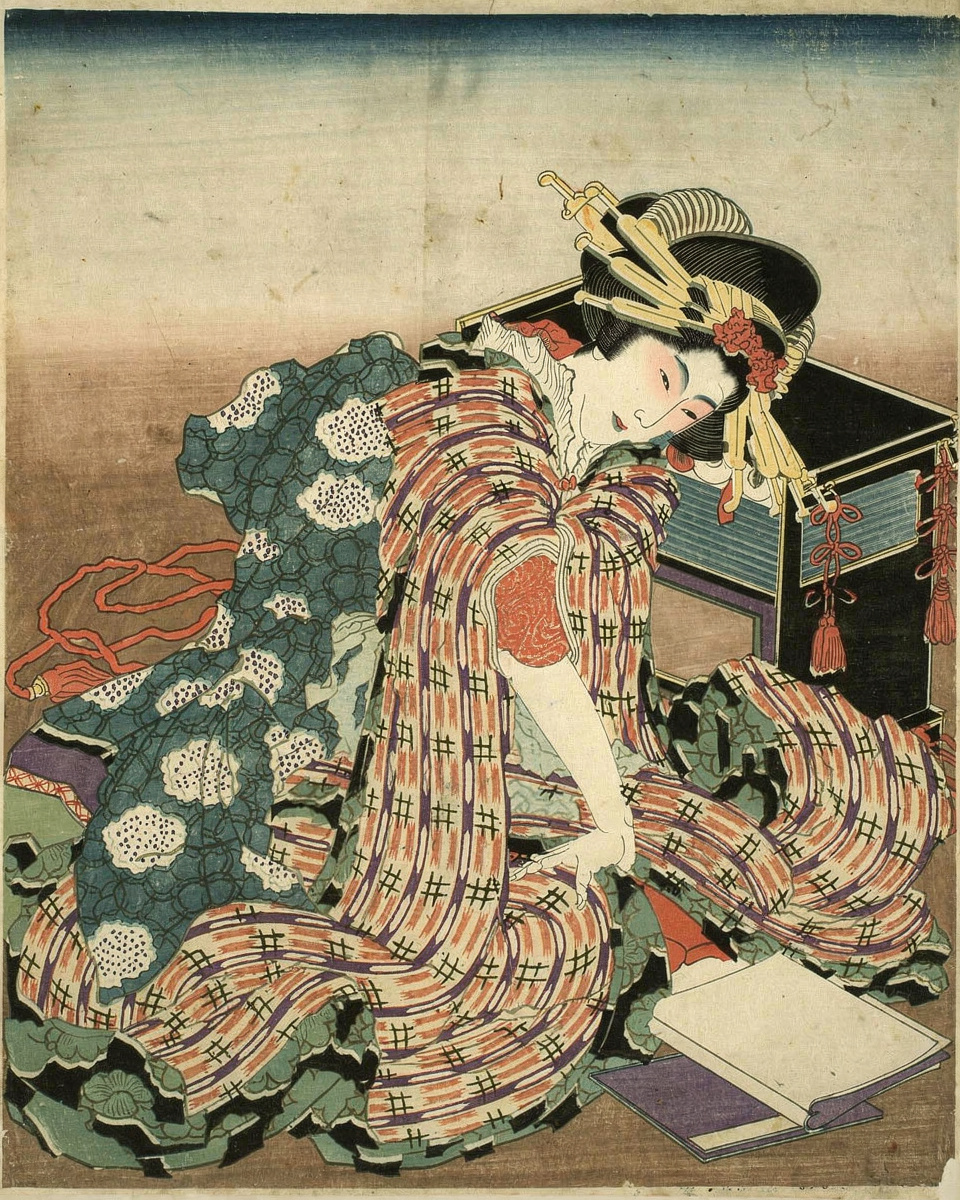
Katsushika Hokusai, Young woman reading "The Pillow Book (makura no soshi)", 1822. Color woodblock print; shikishiban, surimono. Art Institute of Chicago.
Katsushika Hokusai made this small, refined surimono print in 1822.
Rice paper, sage and soft blue.
7. I'timad-ud-Daula's Tomb at Agra
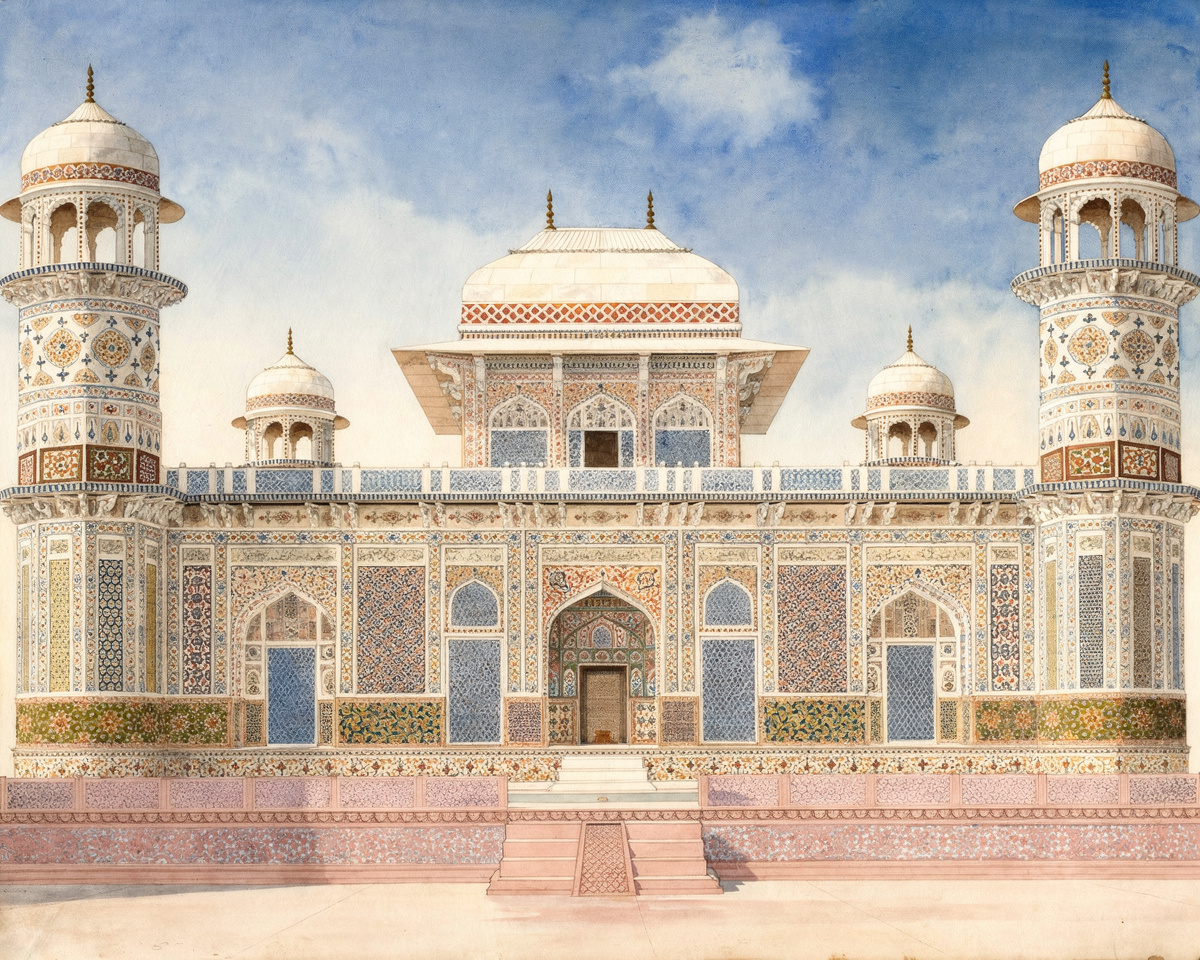
Agra painter, I'timad-ud-Daula's Tomb at Agra, c. 1820. Watercolor on paper watermarked J. Whatman with pencil, pen, ink and gold. Art Institute of Chicago.
An artist in Agra painted this watercolour around 1820 on English Whatman paper.
Ivory, sky blue and sand.
8. Me at the Farm in Falun
Carl Larsson, Me at the Farm in Falun, 1908.
Carl Larsson painted himself at work at a farm in Falun in 1908.
Warm white, dusty rose and wheat.
Blush and lavender
Soft warmth for a gentle bedroom.
9. Cosy Corner (A Home)
Carl Larsson, Cosy Corner (A Home), 1894. Watercolour. Nationalmuseum, Stockholm.
Carl Larsson painted this corner of his home at Sundborn in 1894, one of the watercolours later gathered in his book A Home.
Blush, powder blue and sage.
10. The US Series, Group VIII, No. 5
Hilma af Klint, The US Series, Group VIII, No. 5, 1913. Oil on canvas. Hilma af Klint Foundation, Stockholm.
Hilma af Klint painted this quiet, symmetrical vision in 1913.
Lavender grey, blush and white.
11. Beatrice Addressing Dante from the Car
William Blake, Beatrice Addressing Dante from the Car, 1824–27.
William Blake made this watercolour for Dante’s Purgatory in 1824–27.
Shell pink, blue grey and cream.
12. Maria Josepha of Saxony, Dauphine of France
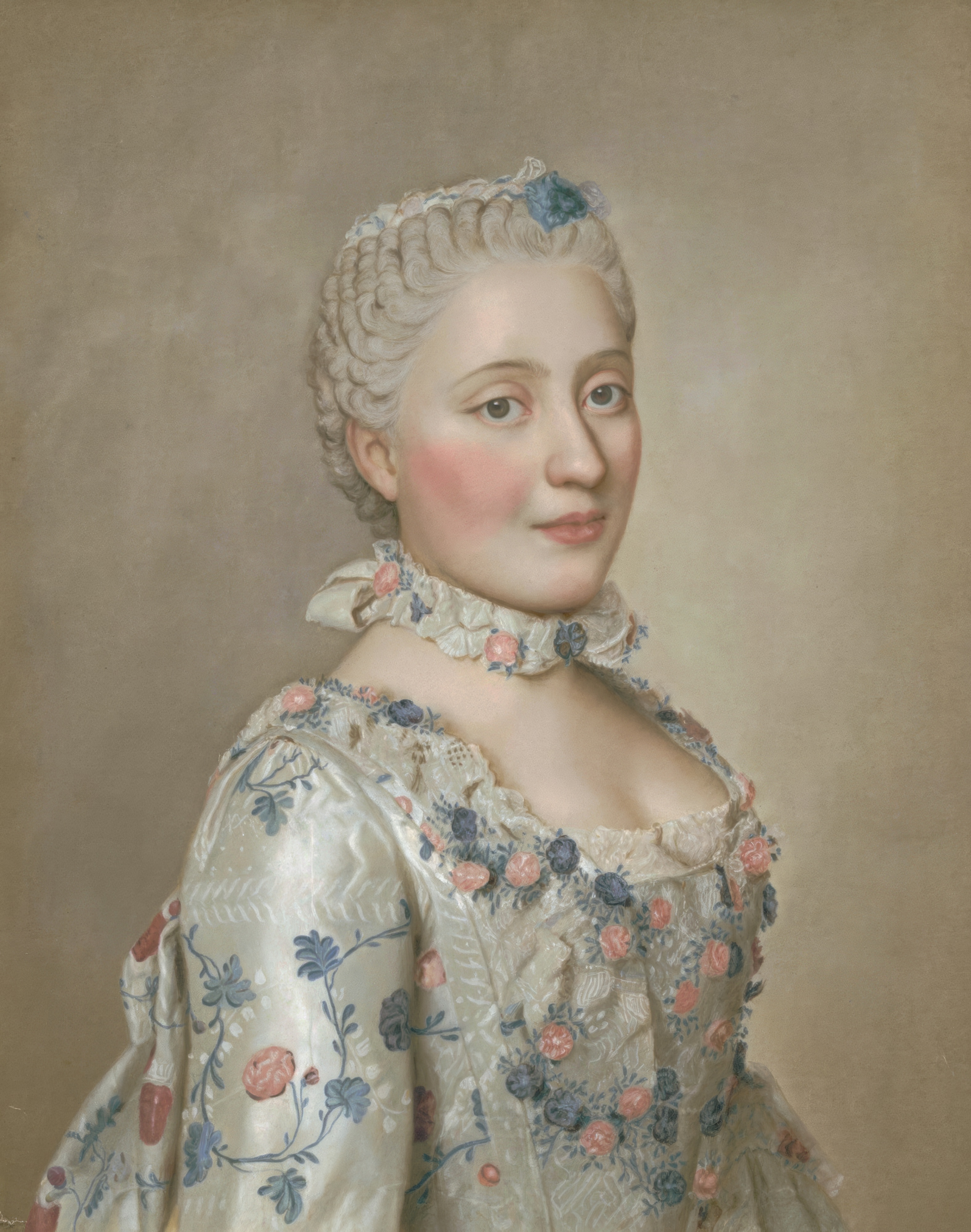
Jean-Etienne Liotard, Maria Josepha van Saksen, Dauphine van Frankrijk, 1749.
Jean-Étienne Liotard, master of soft pastel portraits, painted the Dauphine in 1749.
Dove grey, powder blue and blush.
Keep contrast low, choose matt finishes and warm bulbs, and repeat the picture’s main colour in bedding or curtains. For more, see bedroom colour ideas, bedroom wall art and art for a quiet room.
Questions
What is the most calming colour for a bedroom?
Soft blue, sage green and warm neutrals are the most restful; lavender and blush are gentle alternatives.
What colours should I avoid in a bedroom?
Very bright, saturated colours like pure red or neon yellow can feel stimulating; use them only as small accents.
How do I choose bedroom colours from a painting?
Pick the picture’s palest colour for the walls, its middle tone for bedding and its darkest for one accent.
What art is best above a bed?
A calm, soft coloured picture about two thirds the width of the bed, hung 20 to 25 cm above the headboard.