Custom photo pillow: what a woven pet portrait changes
Fable’s cushion turns a pet photograph into a woven portrait. Compare that idea with a photo print before choosing the image or the gift.
A custom photo pillow can mean several different things: a photograph printed onto fabric, a shaped novelty pillow, or a portrait translated into a textile design. Fable’s cushion page centres on woven pet portraits. That is a particular product with a particular appearance, so it is worth deciding whether you want a photographic surface or the texture of a woven portrait before beginning.
The historical pictures in this guide help explain choices about an animal’s outline, pose and surroundings. They are not cushion photographs or previews of a finished order. For the real product’s current appearance, examine the photographs and options on the cushion page. Use this guide to prepare a suitable source image and to ask practical questions about how the cushion will be used.
Explore Fable’s woven pet cushions for the current product photographs and options. Compare those with the historical animal pictures used as composition references in this guide.
Choose the animal before the room
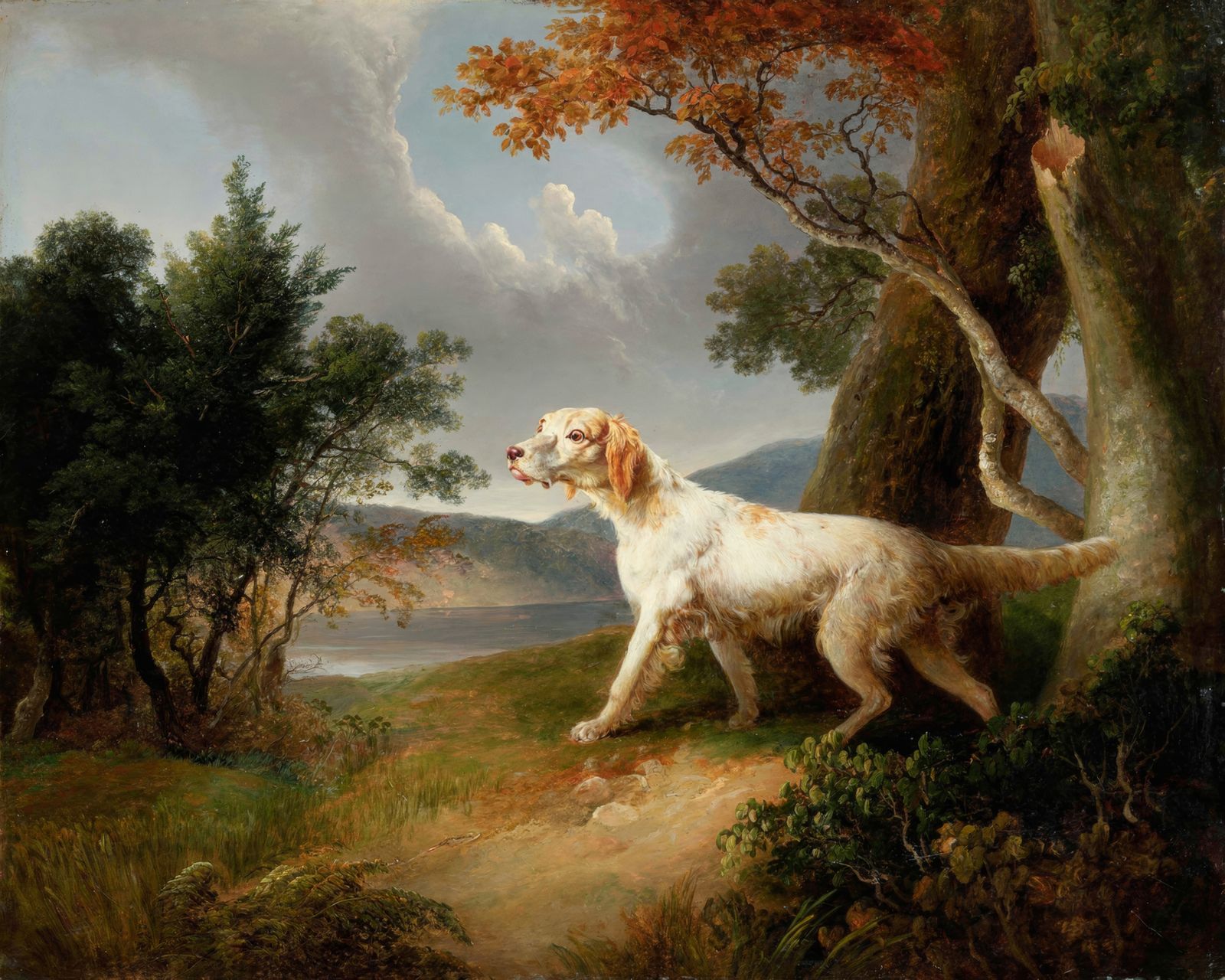
Landscape with Dog — Thomas Doughty, 1832. Art Institute of Chicago. Restored by Surrealium at Vaxholm Fortress, Sweden.
Doughty’s Landscape with Dog gives the animal a clear silhouette against the surrounding landscape. That separation is useful to notice when choosing a pet photograph: the head, ears and body should be understandable rather than disappearing into a similarly coloured blanket or a crowded background. The historical painting is a composition reference, not a promise that its setting becomes your cushion design.
Start with a photograph that shows the pet as you recognise them. A comfortable natural pose is more useful than a costume or a forced expression. Check the animal’s markings and the shape of the ears, particularly if those details are what distinguish them from another pet of the same breed. A clear source gives you something concrete to compare with the later preview.
Understand woven and printed as different surfaces
A printed photo cushion places an image onto a fabric surface; a woven design builds its image through the textile structure and coloured threads. The visual result is different, especially in small details and subtle tonal changes. Neither description should be used as a vague synonym for quality. Decide which appearance suits the person and the room before treating the two products as interchangeable.
Fable’s current cushion specification describes a cotton-and-polyester woven outer and a sewn-closed cushion with recycled-polyester filling. Check the live page again when ordering, since product specifications can change. If you specifically want an unchanged photographic reproduction, do not assume a woven portrait will provide that. Look at the real close-up photographs and consider whether the visible textile texture is part of what you want to give.
Keep the relationship visible
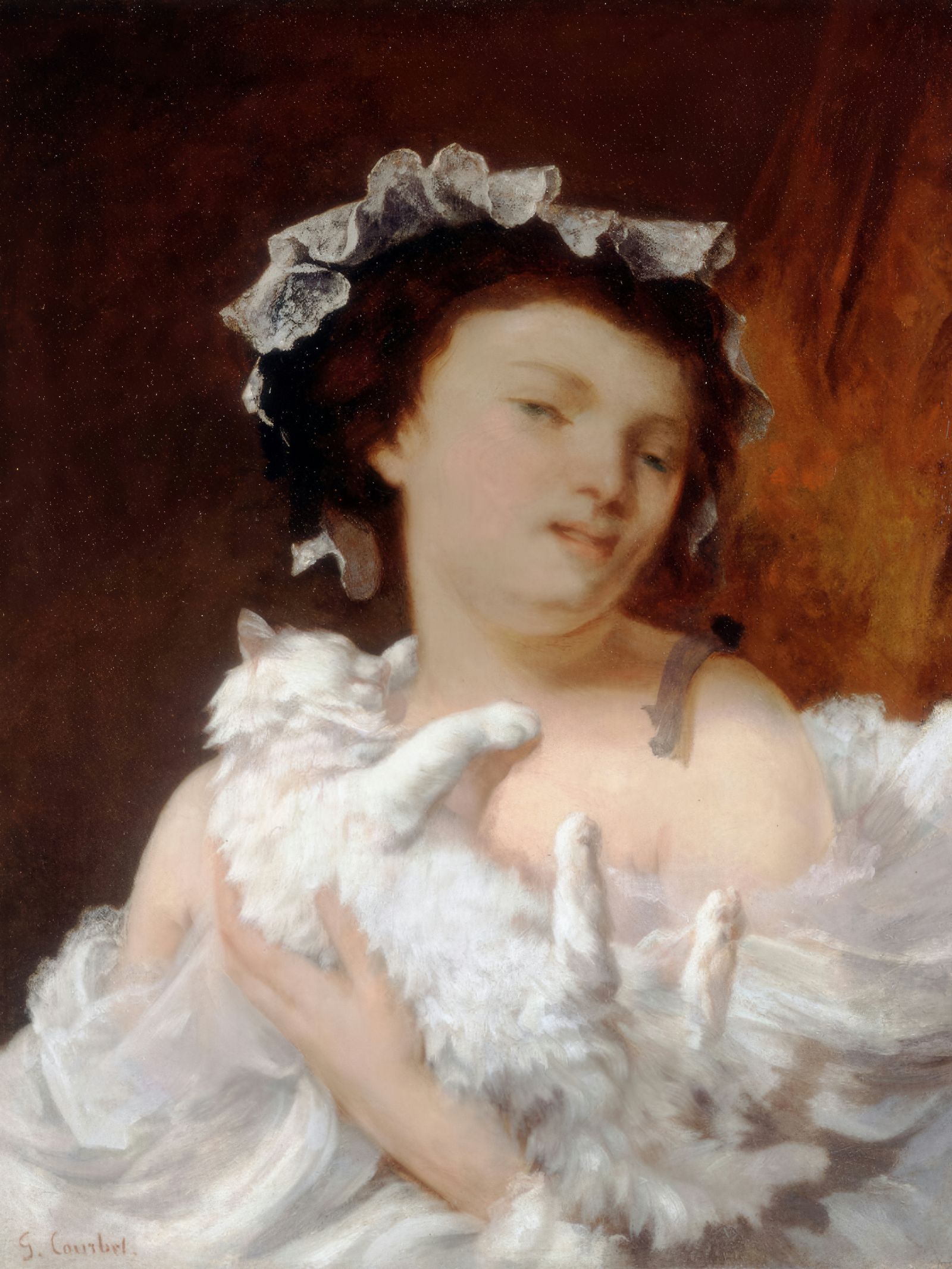
Woman with a Cat — Gustave Courbet, 1864. Worcester Art Museum. Prepared for print by Surrealium at Vaxholm Fortress, Sweden.
Courbet’s woman and cat show how an animal can belong inside a portrait without being given a human role. The cat’s position against the sitter creates the connection. For a cushion source, the important lesson is to preserve the animal’s own shape and character, even when a person appears in the original photograph.
Read the current cushion flow to see what subjects and options it supports. Do not assume that a general search for a photo pillow means every group photograph or human portrait can be used in the same way as a pet image. The page’s pet-focused choices should guide the decision. If the photograph includes a hand supporting the animal, check the preview carefully so that the relationship between the hand, fur and body remains coherent.
Judge the design at its intended distance
A cushion is usually seen as part of a chair or sofa before it is examined close up. A design needs an understandable outline and a balanced relationship between the portrait and its surrounding pattern. Looking only at the face enlarged on a screen can hide a composition that feels too crowded when seen across the room.
Compare the real product photographs at both scales: the whole cushion in context and the close view of the weave. The current Fable specification gives a size of 43 × 46 cm. Measure a similar area on the furniture where it may sit, rather than assuming every cushion is square or interchangeable with an existing cover. The gift should fit the room’s practical use as well as the recipient’s affection for the animal.
Let the pet remain an animal
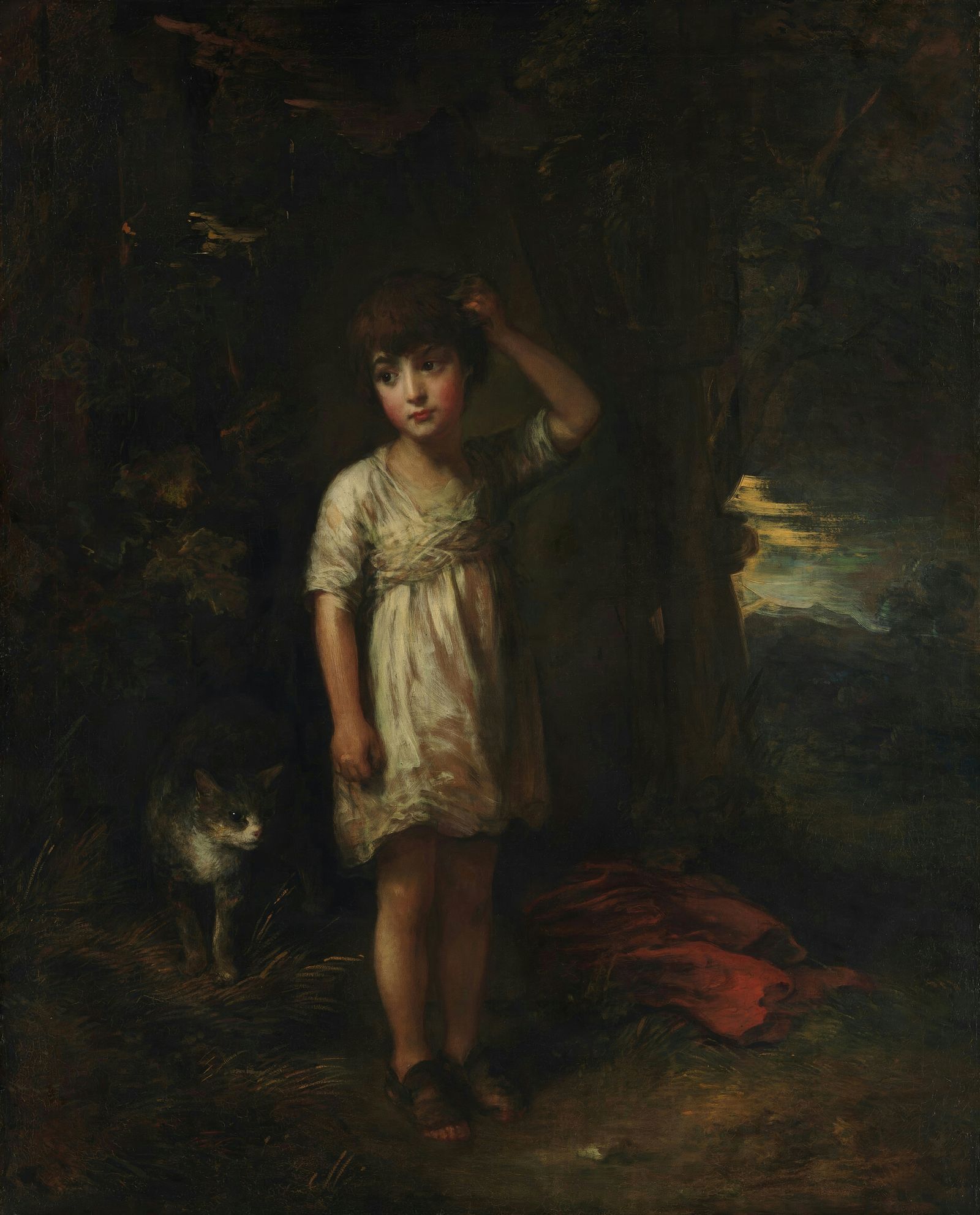
A Boy with a Cat—Morning — Thomas Gainsborough, 1787. Metropolitan Museum of Art, New York. Prepared for print by Surrealium at Vaxholm Fortress, Sweden.
Gainsborough’s boy with a cat gives both figures their own presence inside a landscape. It offers a reminder that a pet portrait can be affectionate without putting the animal into human clothing or a ceremonial role. Use a natural photograph and judge the result by the animal you know, not by how much decoration can be added around it.
For a cat, look for enough light to separate the eyes and facial markings from the fur. For a dog, keep the muzzle and ears visible and avoid a very close wide-angle view that enlarges the nose. You do not need the animal to stare directly at the camera, but the important features must be readable. A familiar sideward glance can be more characteristic than an uncomfortable attempt at a formal pose.
Consider the surrounding pattern and colour
The portrait and the textile design need to work together. A dark animal against a dark pattern may be difficult to read, while a busy border can compete with a small face. Start by looking at the pet’s outline and the overall balance, then consider how the cushion relates to other colours in the room. Matching every shade exactly is less important than keeping the subject clear.
Use the colour and design options actually offered in the current flow. Some customisation may depend on membership or the chosen route, so check the terms shown there rather than assuming every variation is included. A design preview is a way to assess the image, not a substitute for looking at the product photographs or reading what is being purchased. Keep those two kinds of evidence separate when deciding.
Choose the right kind of humour
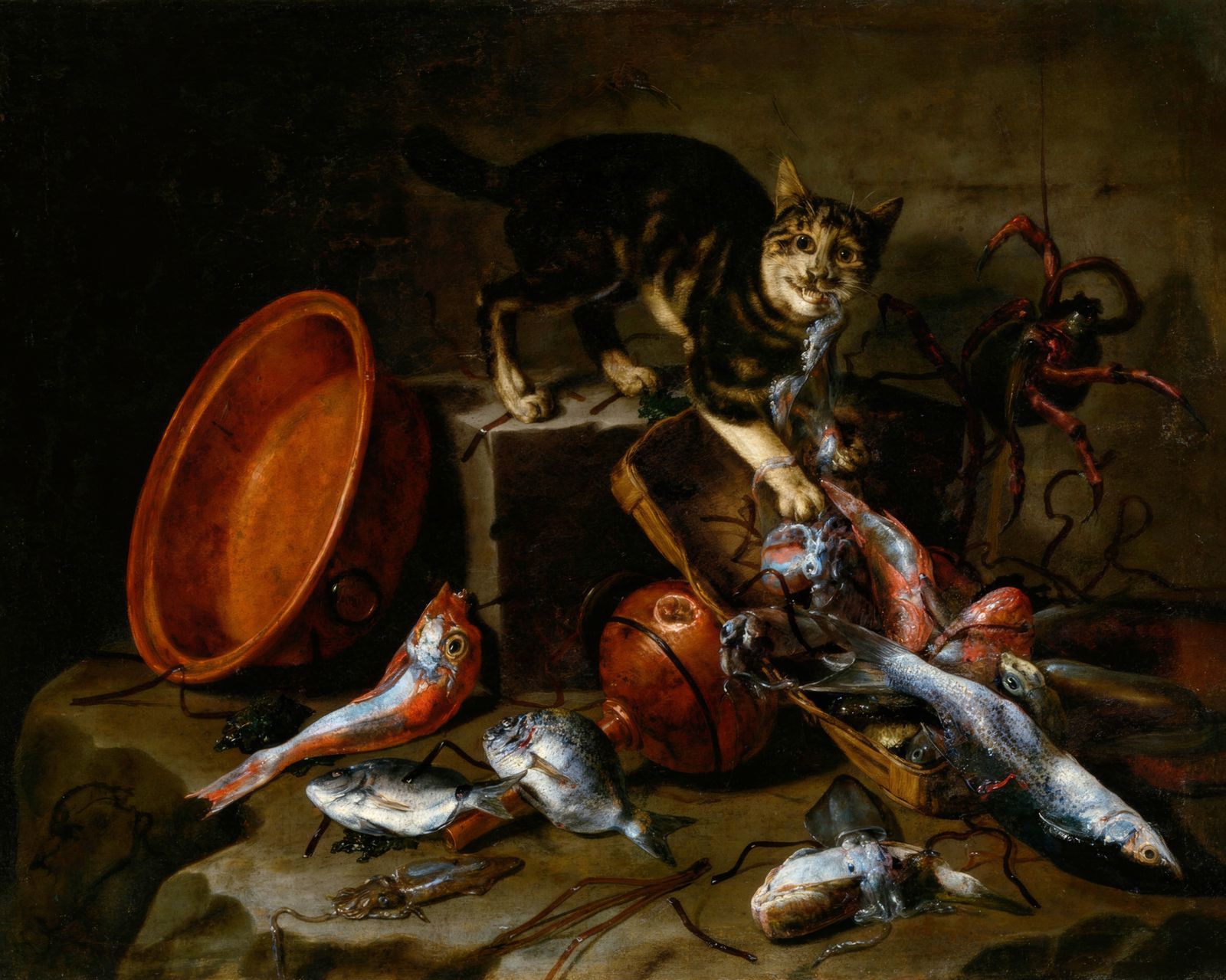
A Cat Stealing Fish — Giuseppe Recco, late 1660s. The Metropolitan Museum of Art, New York. Restored by Surrealium at Vaxholm Fortress, Sweden.
Recco’s cat stealing fish makes a lively picture out of recognisable animal behaviour, with the cat’s attention directed towards the food. It shows how a pet image can be amusing without a costume. For a gift, choose a photograph whose humour the recipient shares and which still shows the animal clearly; an awkward blur may be a funny memory but a weak portrait source.
Avoid building the gift around an embarrassing private joke or a story that belongs to someone else’s pet. If the cushion remembers an animal who has died, ask whether a portrait would be welcome and keep the wording gentle. A familiar expression or marking can matter more than a dramatic setting. The object should offer company the recipient wants, without promising to replace the animal or resolve their grief.
Read the practical details before buying
A cushion is a physical object that will be handled, moved and used. Check whether the cover is removable, what filling is supplied and how the product is intended to be cared for. Fable’s current specification describes a sewn-closed construction, so do not buy it on the assumption that you can swap the cover onto a different insert. Follow the product’s current care guidance rather than importing instructions from another brand.
Review the final portrait, design choice, quantity and delivery details in the purchasing flow. This guide does not quote a price or a Christmas arrival promise. If the gift must be available for a particular occasion, use the information displayed for that order and leave yourself room to choose another way to present the intention if necessary. A thoughtful gift does not require an unsupported deadline claim.
Choose a woven pet portrait cushion because you want that combination of a recognisable animal and a textile surface. Begin with the source photograph, compare the whole design and inspect the real cushion photographs before making the decision. If you want a literal photo print or a different kind of subject, recognise that preference early rather than hoping the product will turn into something else. The cushion page is the place to check the current options and start from an image of your own pet.
Continue with custom cat pillow, the guide to personal gifts, family gift choices.
- Is Fable’s custom photo pillow a printed photograph?
- The cushion page focuses on a woven pet portrait, which has a different appearance from a photograph printed directly onto fabric. Examine the real product photographs and choose the product for the surface you actually want.
- What size is the Fable cushion?
- The current product specification checked for this guide is 43 × 46 cm. Recheck the live page before ordering and measure the intended space, since this is not a promise that all cushion products share the same dimensions.
- Can I remove the cover and replace the filling?
- The checked specification describes a sewn-closed cushion with filling included. Do not assume it works like a removable cushion cover. Follow the current product description and care guidance for the item you order.
- What photograph should I use for a pet cushion?
- Use a clear original image with visible facial features, ears and characteristic markings. Choose a natural, comfortable pose and inspect the preview against the source rather than expecting a blurred or obscured photograph to supply missing detail.