Father daughter gifts built around a real shared moment
father daughter gifts: Father daughter gifts built around a real shared moment.
Meaningful father daughter gifts often begin in an ordinary album: the walk to school, a garden afternoon, a wedding embrace. Choose the photograph for the relationship it contains, then decide how a portrait might carry it into a room. These ten directions use historical works as references for scale, intimacy and composition. None requires a perfect family story or a grand occasion. On Fable's father portrait page, start with the people and the photograph you have, then compare the options that suit them.
1. The wedding moment away from the aisle
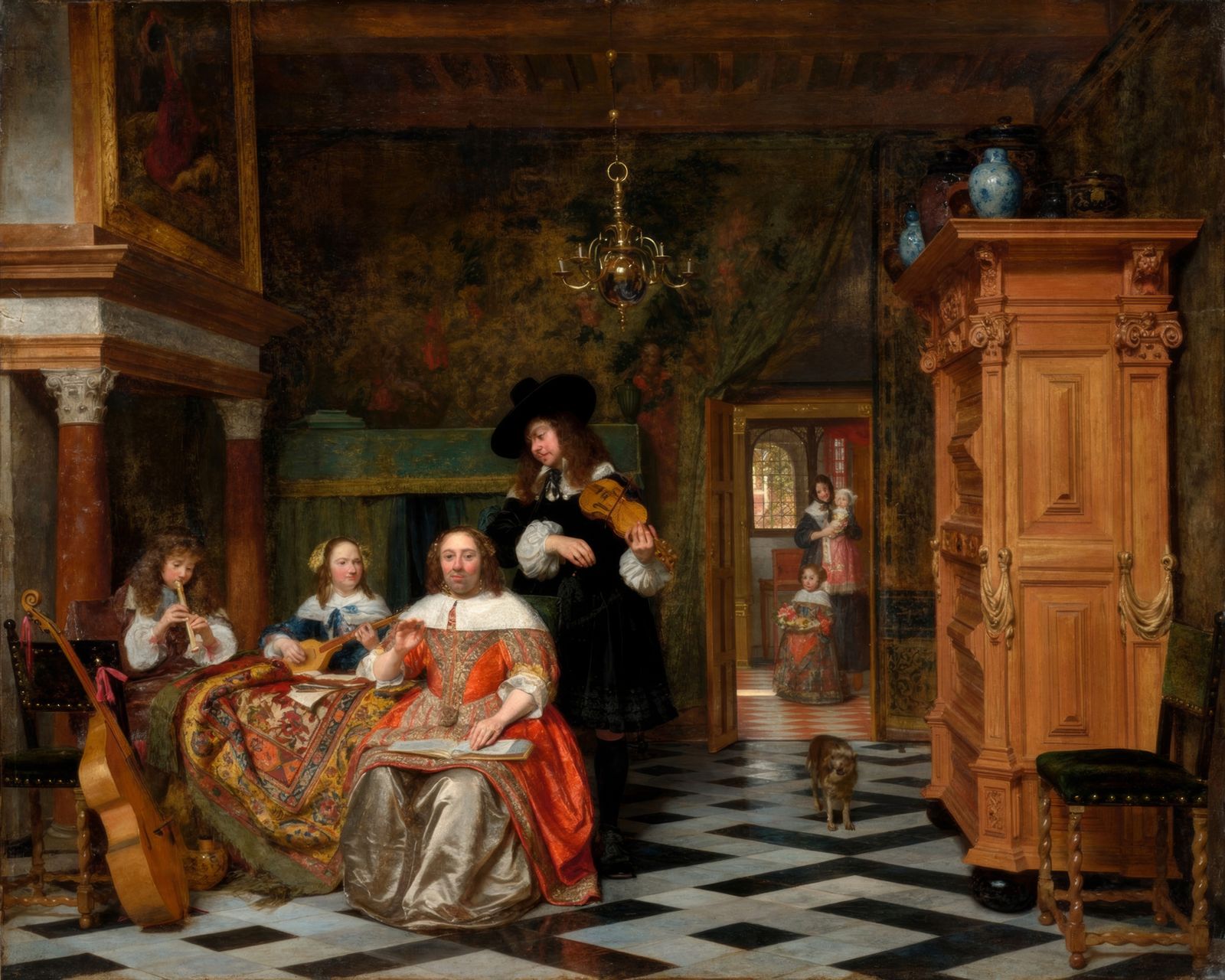
Portrait of a Family Playing Music · Pieter de Hooch · 1663 · Cleveland Museum of Art
The formal aisle photograph may be lovely, but a quieter exchange before the ceremony can feel more personal. Look for the moment when both people stopped performing for the camera. Ask the bride which image she likes before making a gift that may become part of her own home.
Explore your portrait · Explore this artwork
2. The first small adventure
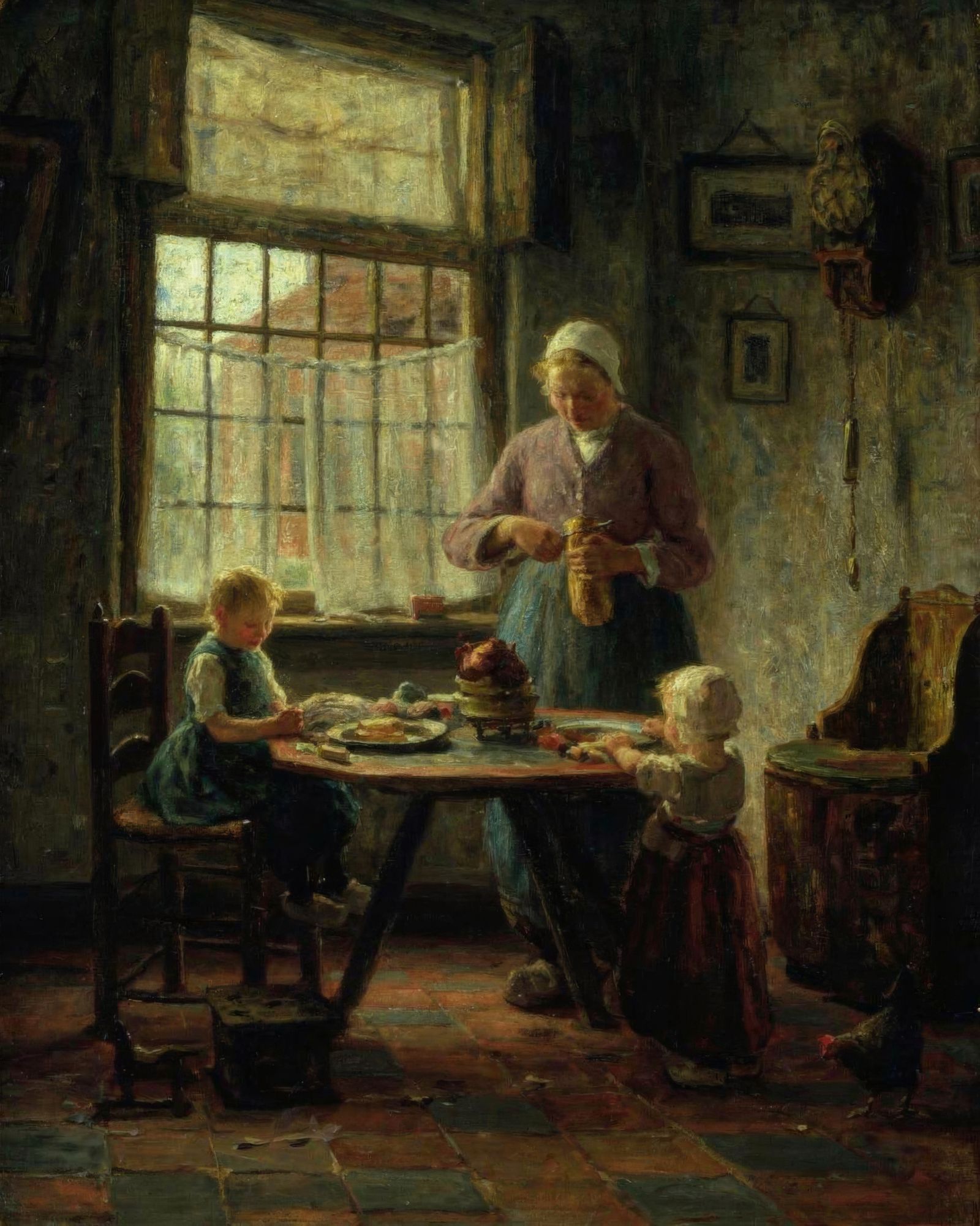
A Family Meal · Evert Pieters · 1890s (?) · Art Institute of Chicago
A photograph from a short walk can hold as much as a distant holiday. Choose one in which both faces remain readable, even if the background is unremarkable. A portrait's atmosphere can be considered later; the useful starting point is an image that already feels like the two of them.
Explore your portrait · Explore this artwork
3. A daughter grown up
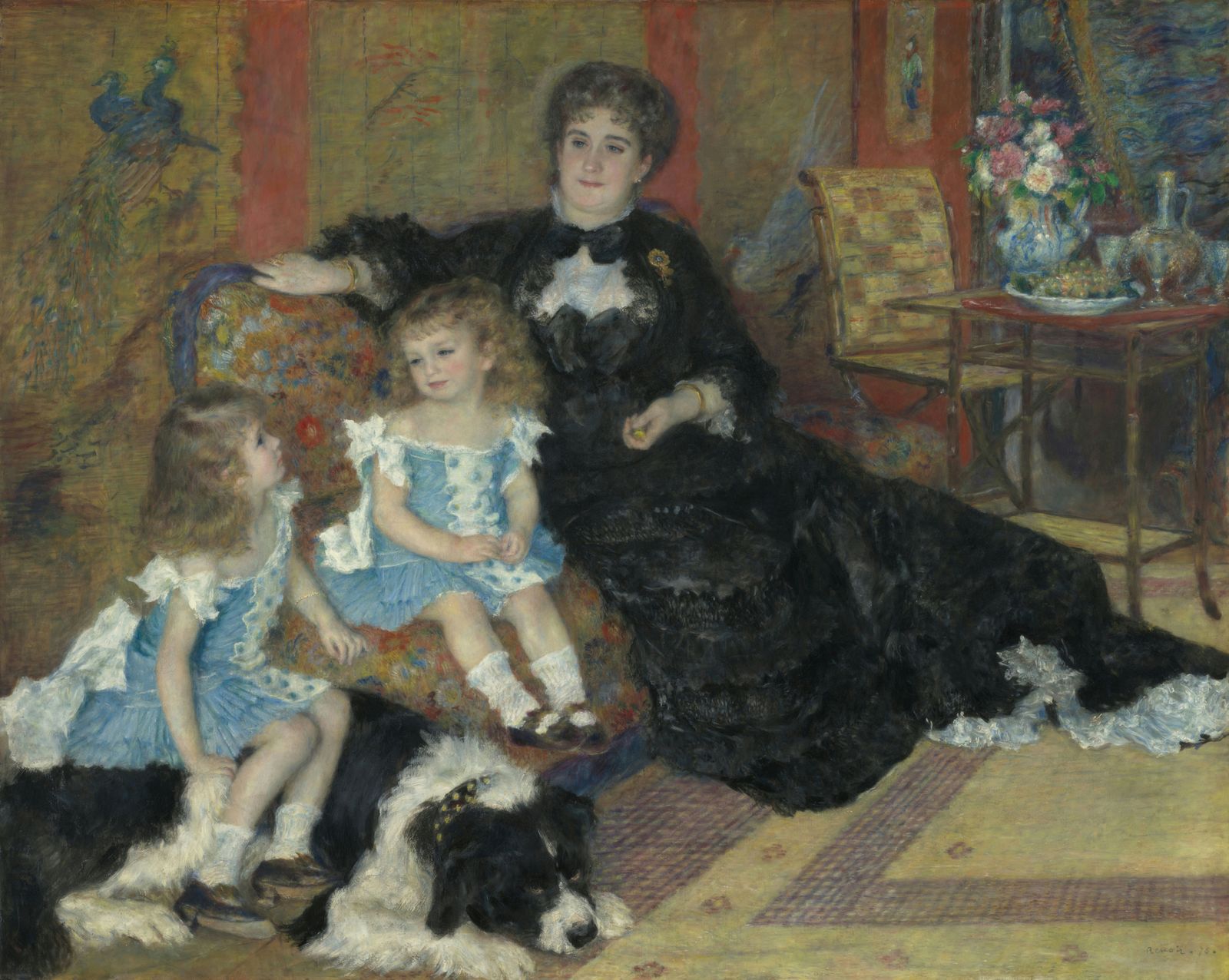
Madame Charpentier and Her Children · Auguste Renoir · 1878 · The Metropolitan Museum of Art
Do not assume that a father wants only an image of his daughter as a child. A current photograph can recognise how the relationship has changed. Give both people equal consideration when selecting the source, rather than treating one as the main subject and the other as a sentimental accessory.
Explore your portrait · Explore this artwork
4. The hobby they share
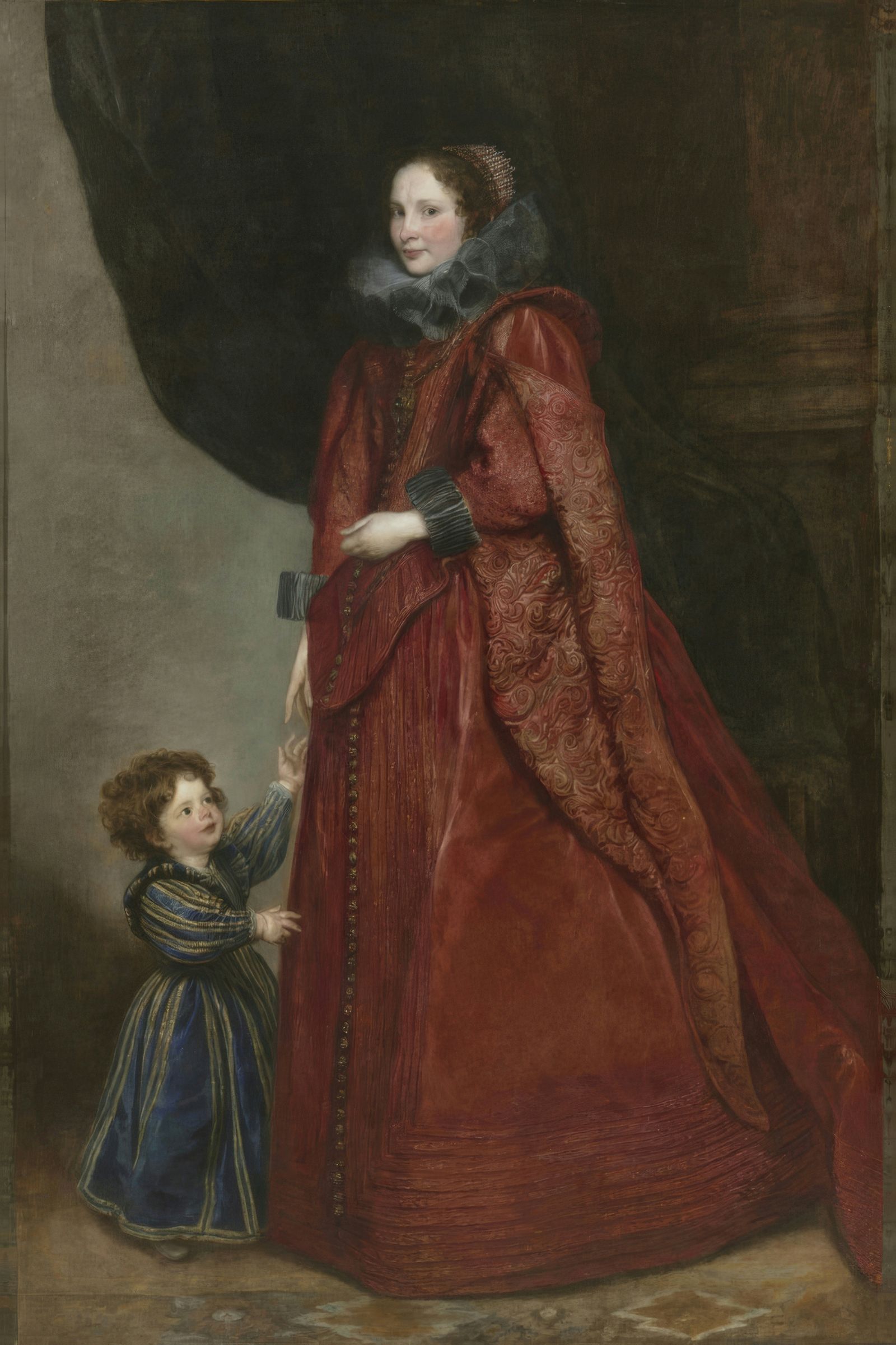
A Genoese Lady with Her Child · Anthony van Dyck · c. 1623–25 · Cleveland Museum of Art
Music, gardening or a familiar game may provide the reason for choosing a particular photograph. Let that memory guide the portrait's mood. Avoid a crowded collection of symbolic props; a simple composition gives a viewer space to notice how father and daughter relate to each other.
Explore your portrait · Explore this artwork
5. The embrace after a long absence
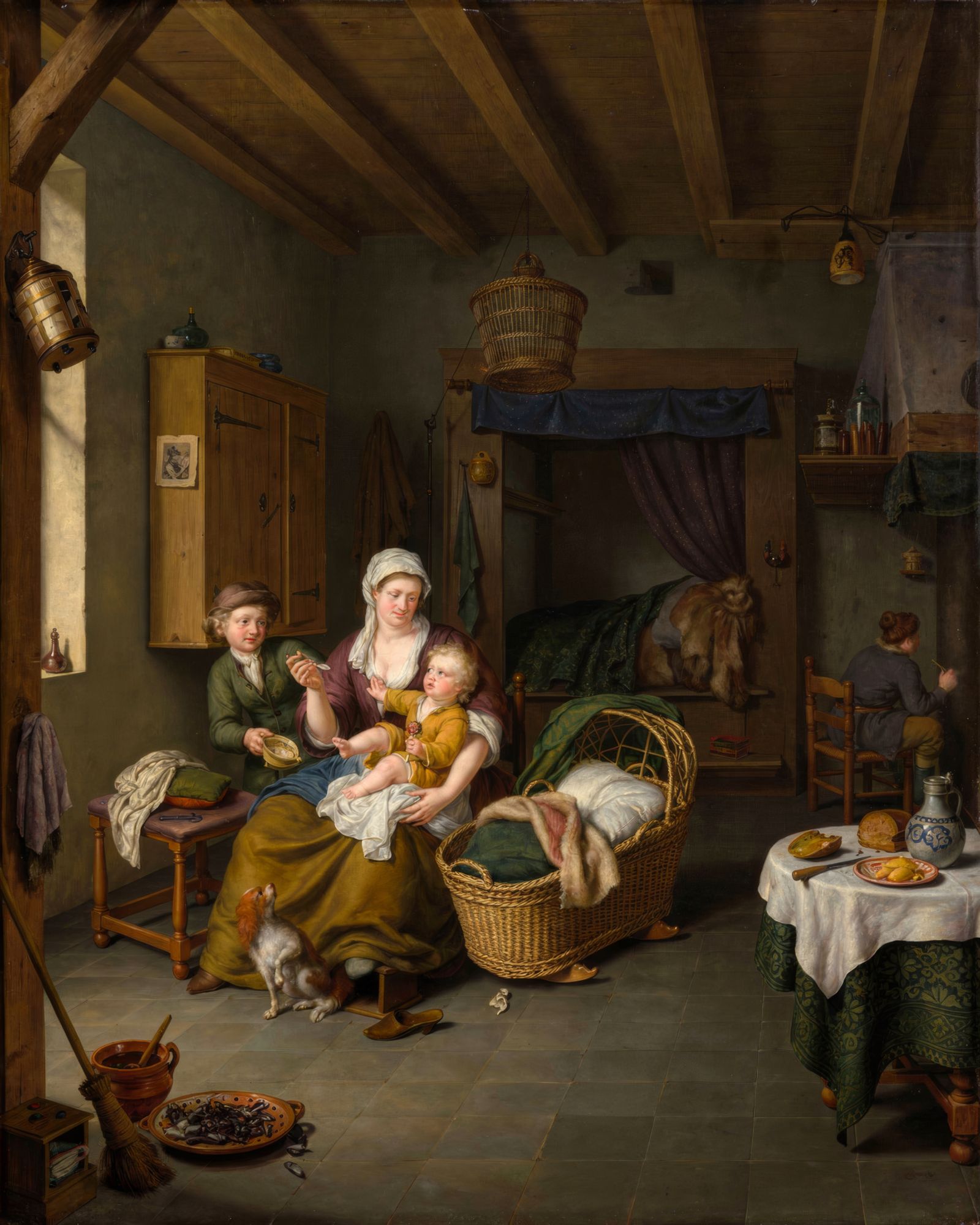
A Mother Feeding her Child (The Happy Mother) · Willem van Mieris · 1707 · Art Institute of Chicago
If the important photograph comes from a reunion, keep the expressions central. Busy travel backgrounds and conspicuous luggage rarely need to become the point of the gift. Explain the date and place in an accompanying note so the image can remain visually calm and easy to display.
Explore your portrait · Explore this artwork
6. A gift from a young child
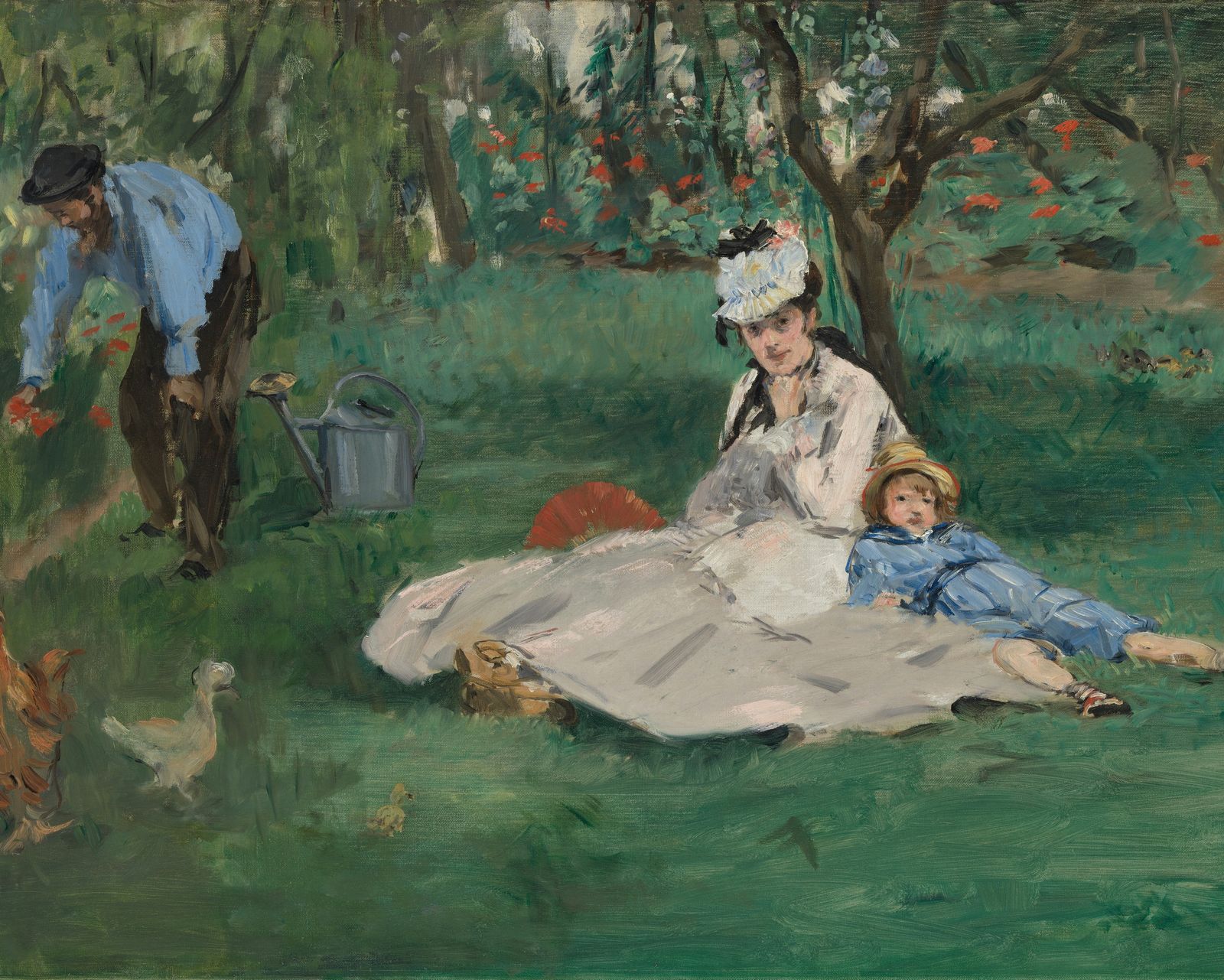
The Monet Family in Their Garden at Argenteuil · Edouard Manet · 1874 · The Metropolitan Museum of Art
An adult can help with the practical choices while keeping the child's contribution visible. Ask her to choose between a small number of photographs or dictate a sentence for the card. That gives the gift a real connection to its giver without expecting a child to make technical decisions.
Explore your portrait · Explore this artwork
7. A portrait for her wall
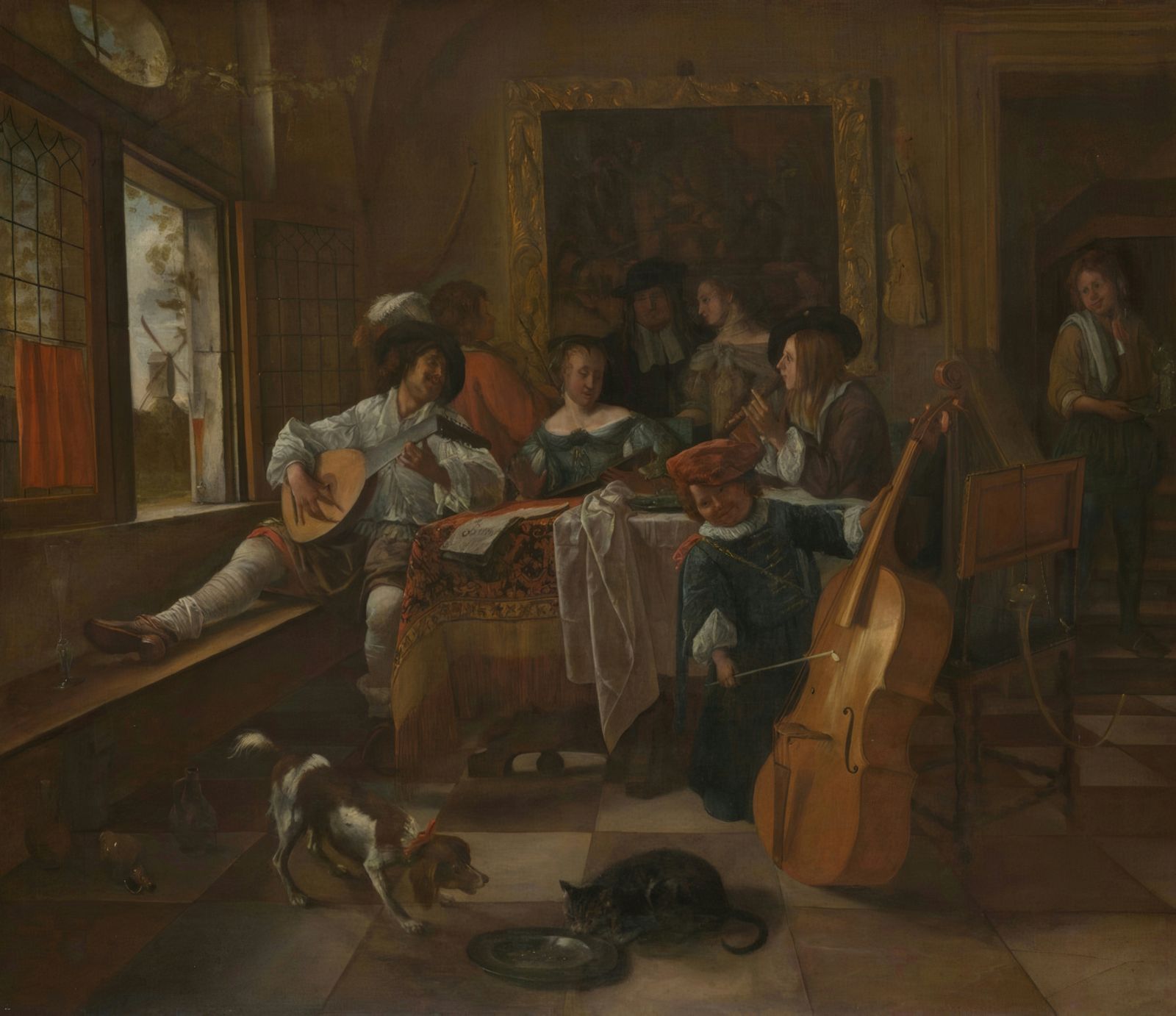
The Family Concert · Jan Steen · 1666 · Art Institute of Chicago
Father daughter gifts can run in either direction. A daughter setting up her own home may value a picture of a relationship that remains important through change. Ask about her taste and available wall, rather than choosing a large formal image because it feels suitably significant to someone else.
Explore your portrait · Explore this artwork
8. A picture with room for two personalities
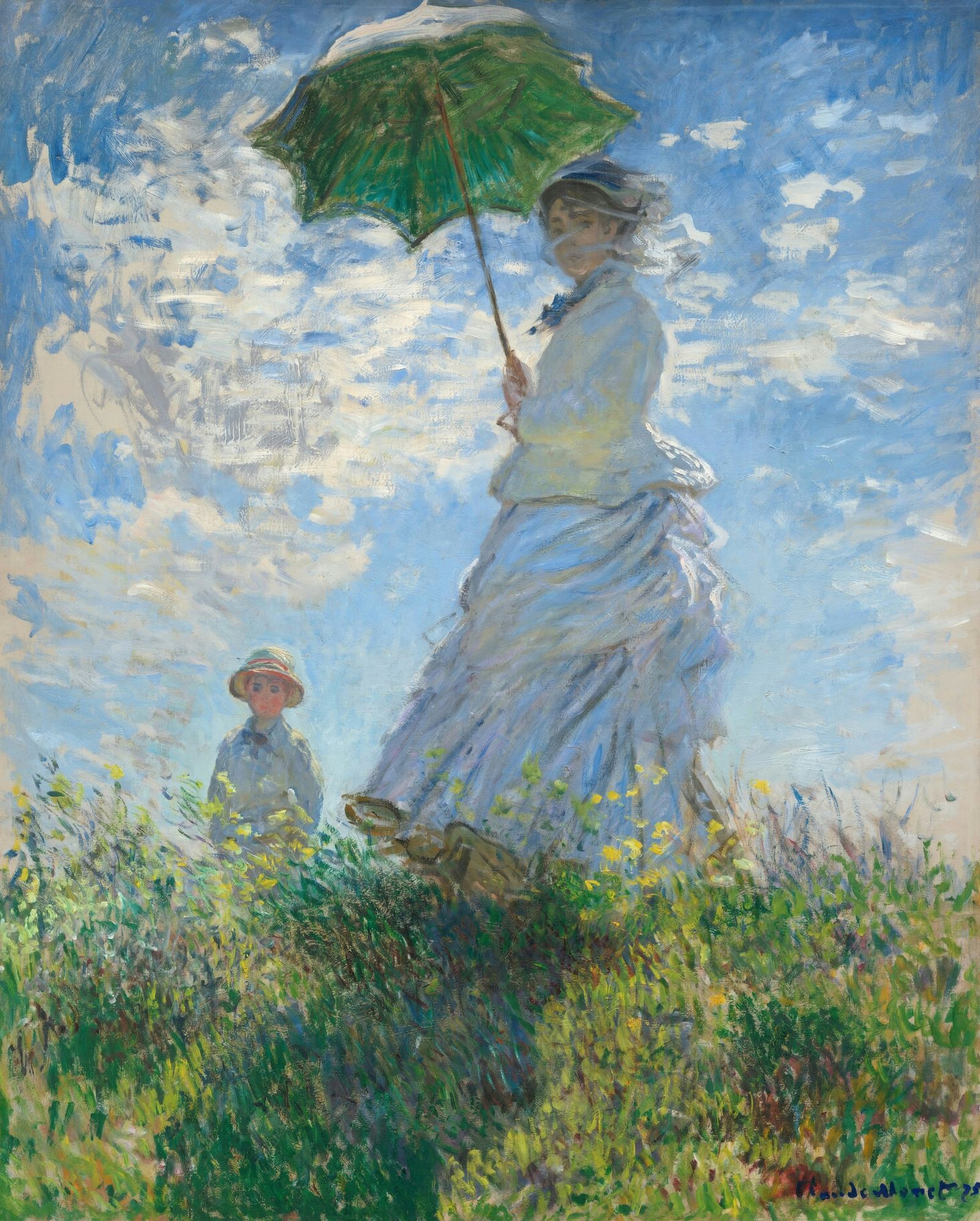
Woman with a Parasol – Madame Monet and Her Son · Claude Monet · 1875 · National Gallery of Art, Washington
Their clothing, expressions and preferred level of formality may differ. Look for a direction that lets both feel comfortable. A shared portrait need not make them look alike or imply that they agree about everything; a recognisable relationship is more interesting than a perfectly matched pose.
Explore your portrait · Explore this artwork
9. A photograph worth preserving first
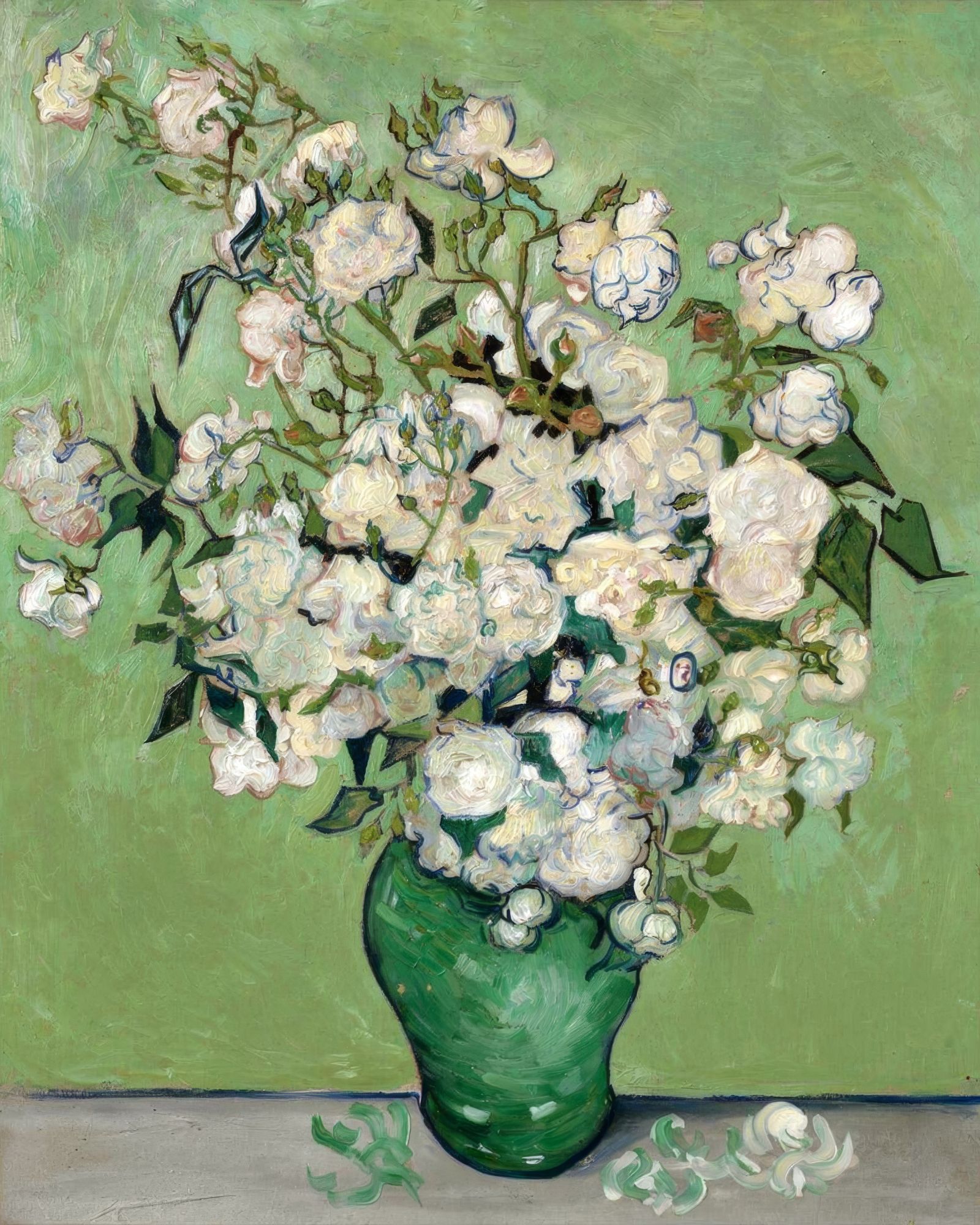
Roses · Vincent van Gogh · 1890 · The Metropolitan Museum of Art
If the best memory exists only as a small print, make a careful copy before deciding what to create. Do not use filters to erase the texture of an old image. Keep the original scan separately, and be honest about details that the source photograph cannot clearly show.
Explore your portrait · Explore this artwork
10. The next photograph together
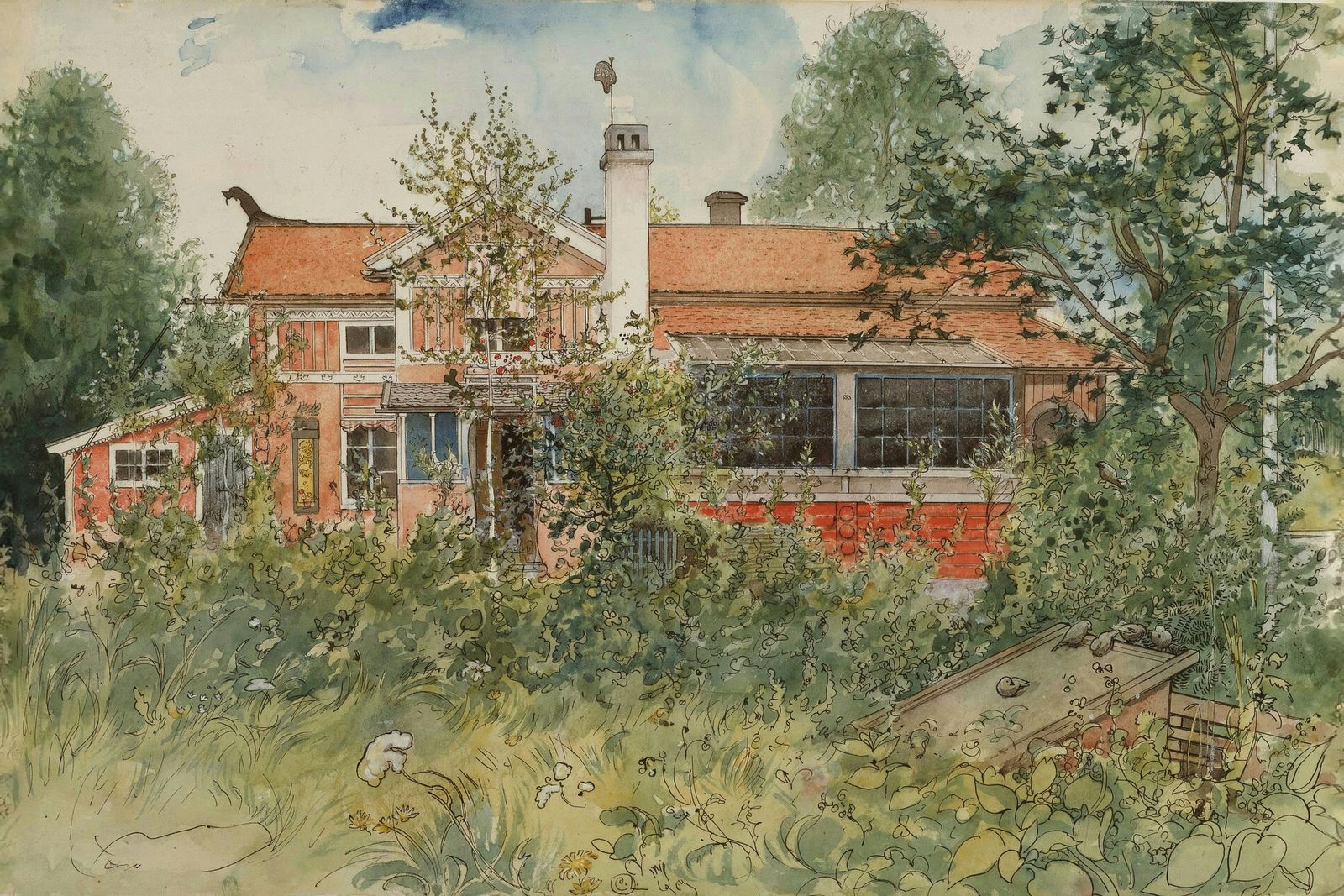
The Cottage (Stugan). From A Home · Carl Larsson · 1899 · Nationalmuseum, Stockholm
If none of the available images feels right, take a new one with the gift in mind. Use gentle daylight, leave space around both heads and avoid a camera angle that makes one person much larger. The time spent making that photograph may become part of the memory itself.
Explore your portrait · Explore this artwork
Narrow the choice to one relationship and one moment. A gift becomes less personal when it tries to include every milestone at once. Open the father portrait page with the chosen image ready, compare the current portrait directions and consider where the finished work would be seen. Keep any inscription in the card until you have checked exactly what the creation flow offers. If the gift is for two households, discuss whether they would enjoy the same image or prefer to choose their own physical presentation.
If the photograph involves a child, keep the choice within the family and consider how the image will be shared. A gift does not need a public post to mark the occasion. If the daughter is an adult, her preference about display and sharing matters just as much as her father's. Ask both where practical. Keep a simple record of the source photograph and the memory behind it so the portrait does not become detached from its story. Names and dates can be written in the card or a separate note, without crowding the image that the two people will see every day.
- Does a father and daughter portrait have to use a wedding photo?
- No. An everyday photograph, a recent walk or a childhood memory may be more representative. Let the two people choose the moment that matters.
- Who should choose the photograph?
- Ideally the person receiving the gift, or both sitters. If it is a surprise, use an image you already know they like.
- What if the photograph is old or small?
- Preserve the original and make a careful copy. Check the actual options with that image before assuming that unclear details can be recovered.