Gifts for your sister-in-law: thoughtful art without the guessing game
Choose gifts for sister in law through her own photographs, interests and preferences, with ten art-led ways to start a portrait.
Gifts for sister in law become easier when you stop treating the relationship as a personality type. She may be an enthusiastic family photographer, a devoted pet owner, a reader or someone who would prefer to choose art herself. A portrait can suit any of those preferences, but the choice should begin with what you know about her.
The historical works below offer ten directions for a personal gift. They are references for choosing a subject and mood, not finished Fable portraits. The family portrait journey shows the current styles and creation options. Start there when you have a clear photograph and a reasonable idea of what she would like.
For Christmas gifts for sister in law or a birthday present, permission can be part of the thoughtfulness. A gentle question about a favourite photograph may save you from giving an image that the wider family enjoys more than she does.
1. A family portrait with her properly present
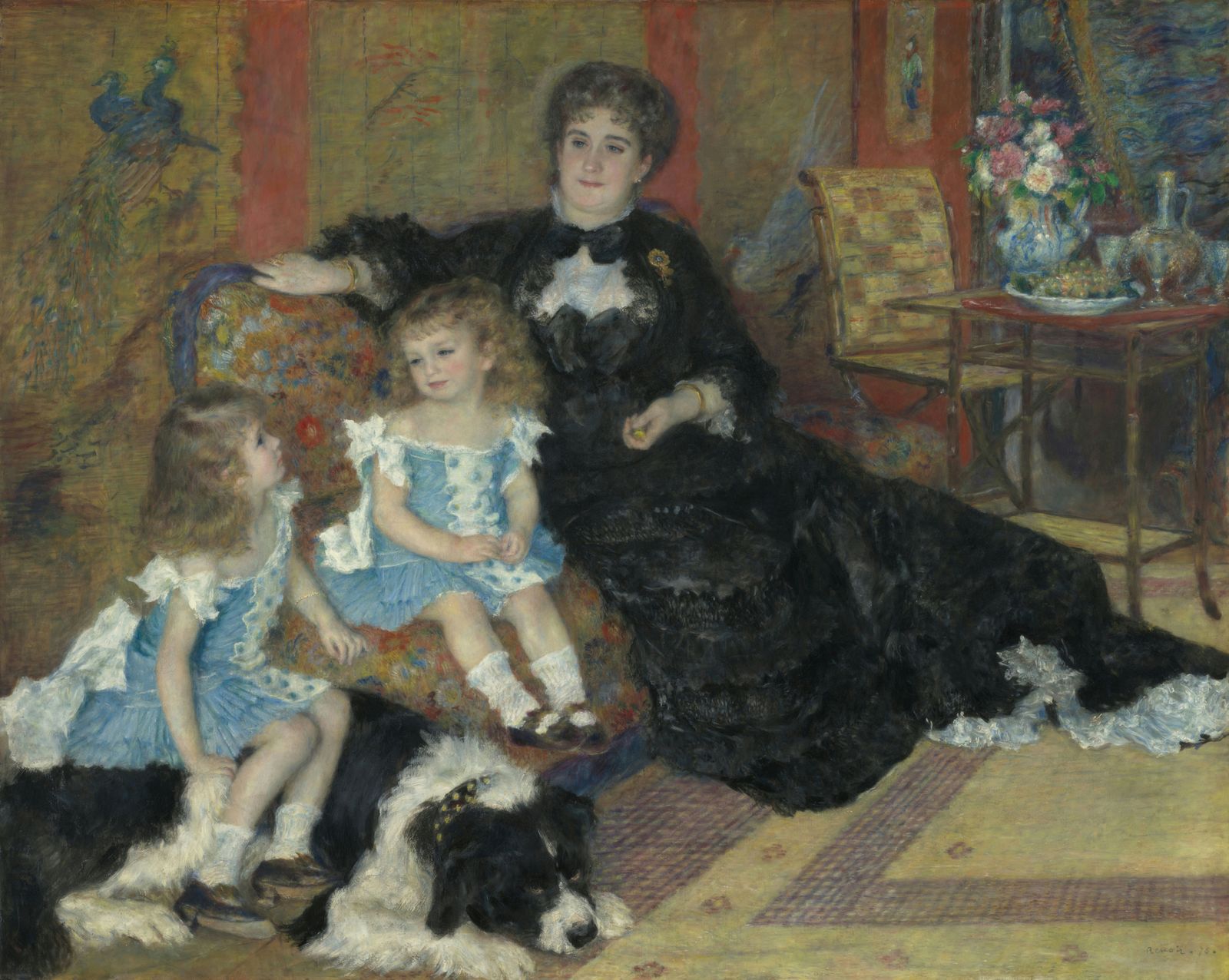
Madame Charpentier and Her Children · Auguste Renoir · 1878 · The Metropolitan Museum of Art
Renoir's Madame Charpentier and Her Children can prompt you to notice who is missing from the photographs. If your sister-in-law often takes the pictures, find one that includes her rather than assuming a portrait of the children is automatically for her. Check her expression with care. The gift should make room for the person receiving it, not only the people she looks after.
Explore your portrait · Explore this artwork
2. The photograph she already displays
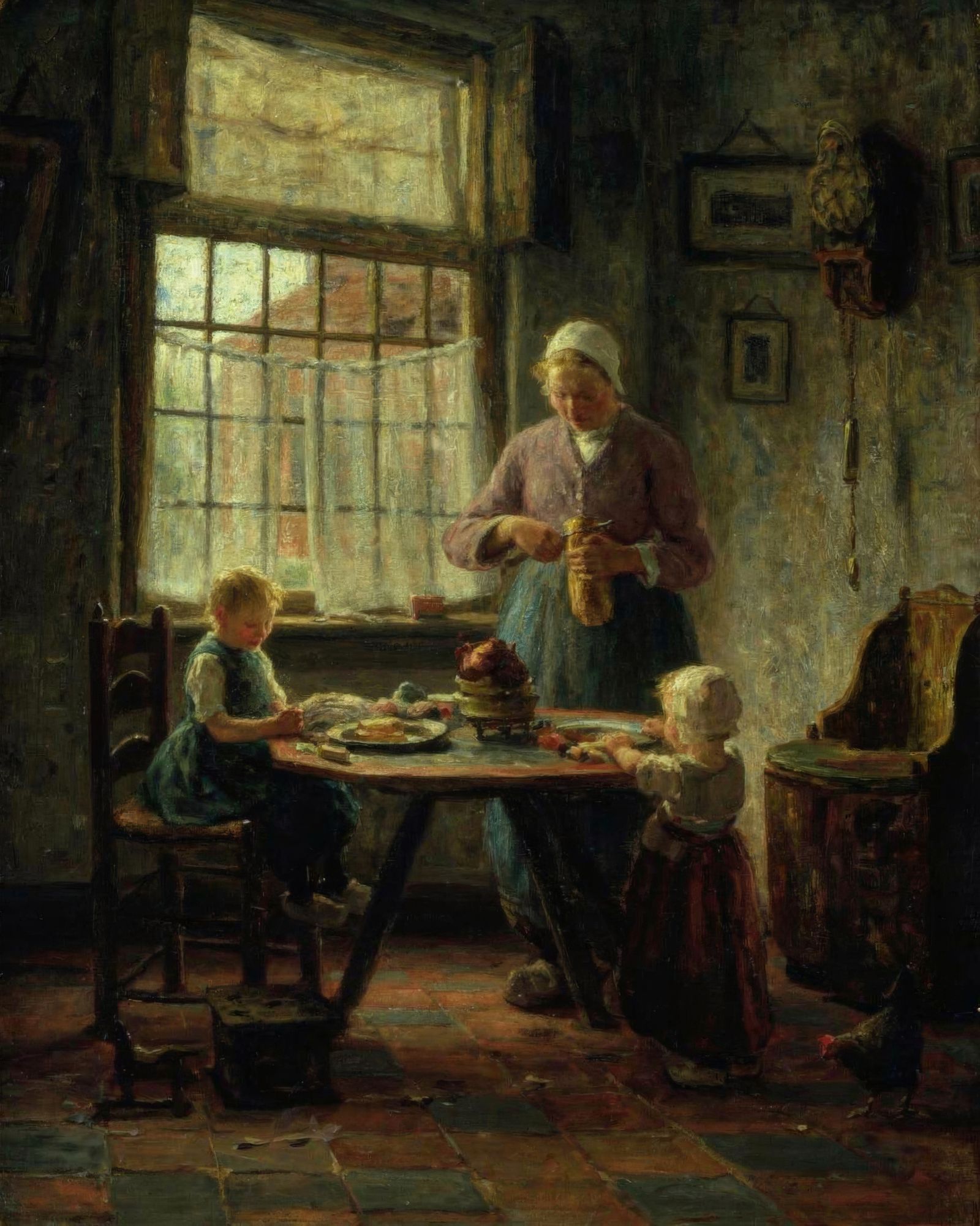
A Family Meal · Evert Pieters · 1890s (?) · Art Institute of Chicago
Pieters's family meal suggests an everyday source rather than a formal family event. Look at the pictures she has chosen for her own home. A modest snapshot from a meal may mean more than the technically better image the family usually circulates. If you can, ask for the original file so the portrait begins with useful detail rather than a screenshot of a framed photograph.
Explore your portrait · Explore this artwork
3. Her children, if that is what she wants
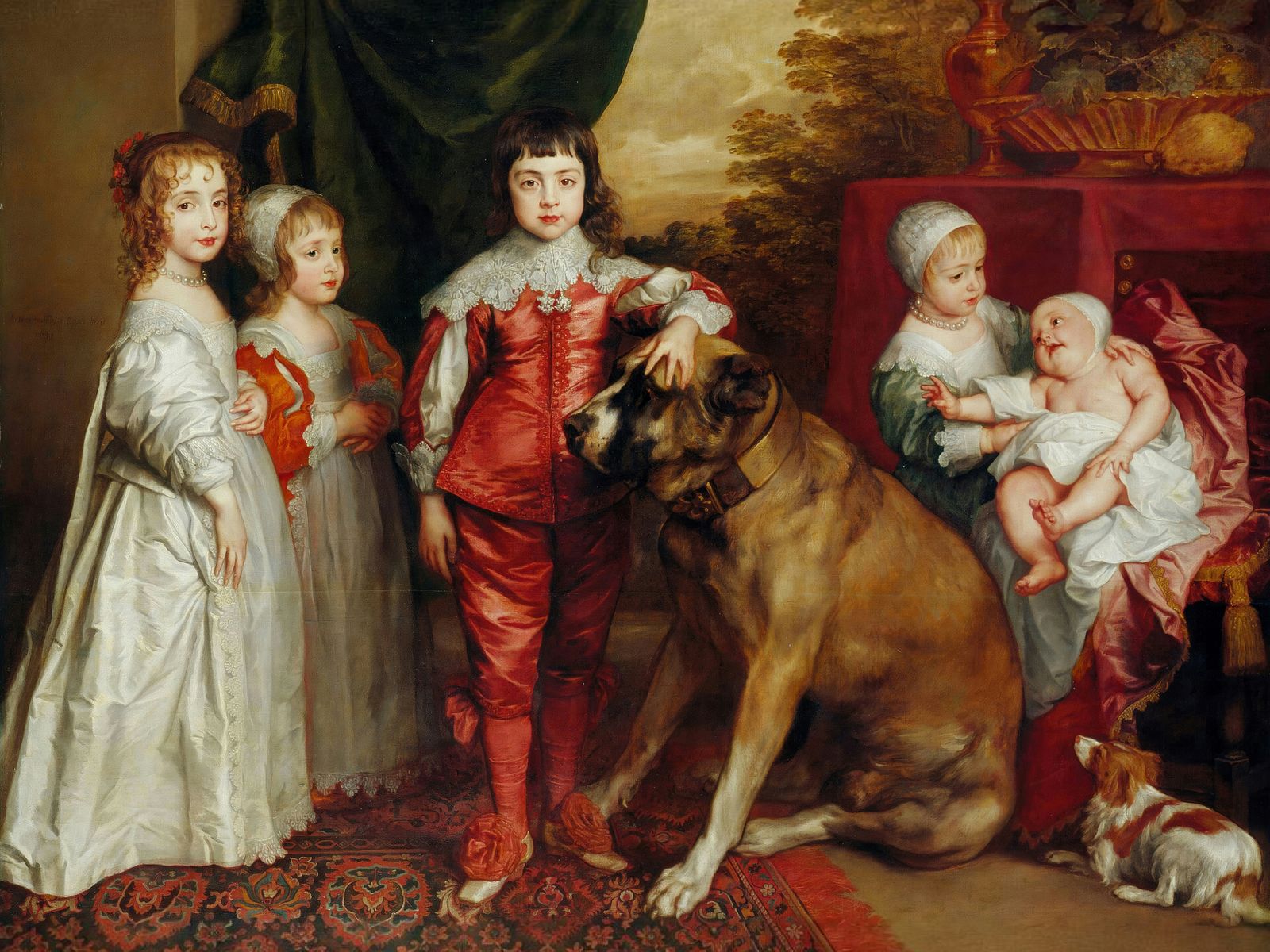
The Five Eldest Children of Charles I · Anthony van Dyck · 1637 · Royal Collection
Van Dyck's group is a historical reference for considering a children's portrait. It can be a thoughtful gift, but do not make it the default merely because she is a mother. Ask whether she would enjoy that subject or prefer a different one. If she chooses the children, select a photograph where each child is clear and comfortable rather than privileging only the oldest or youngest.
Explore your portrait · Explore this artwork
4. A picture of her with the cat
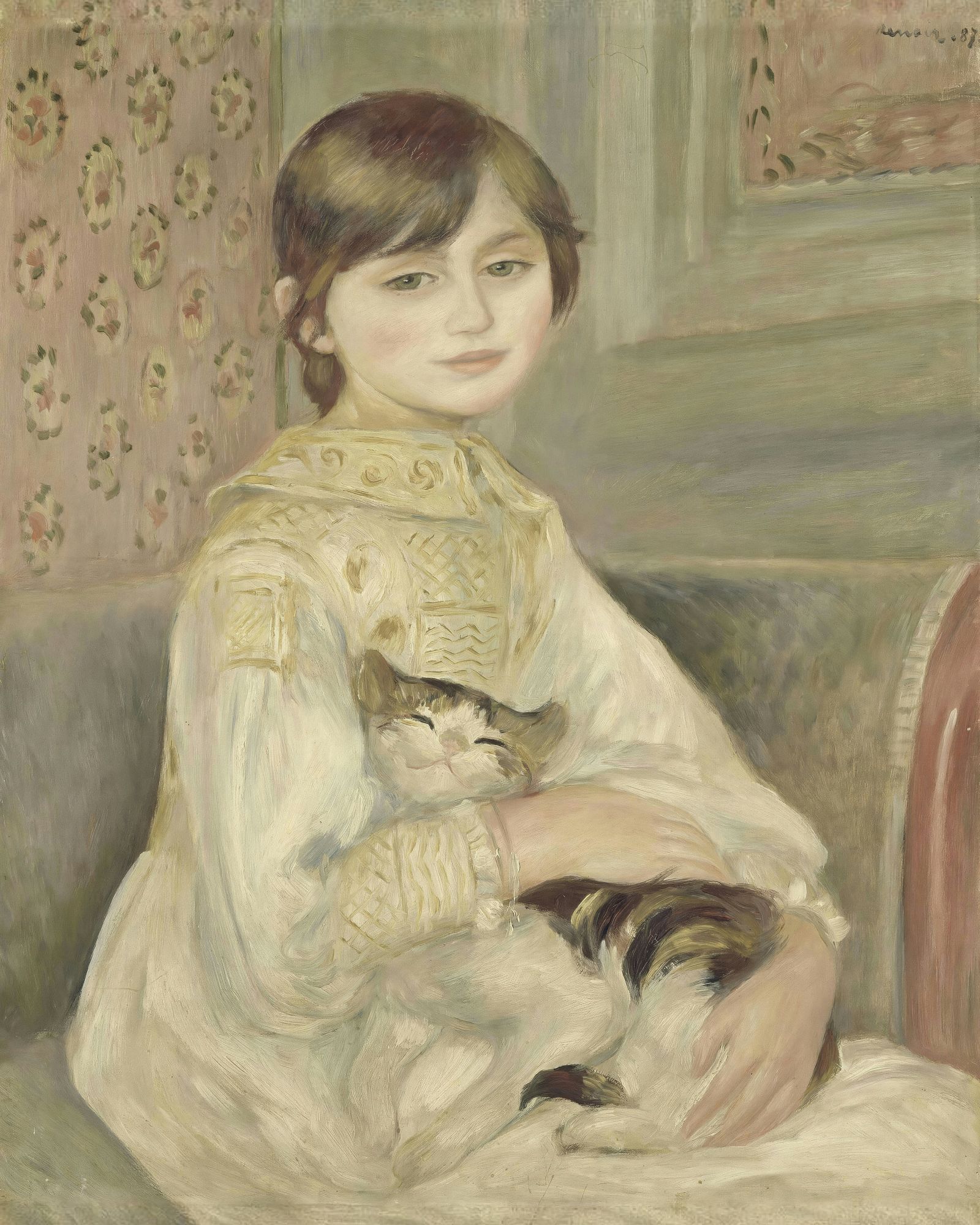
Julie Manet · Pierre-Auguste Renoir · 1887 · Musée d'Orsay, Paris
Renoir's Julie Manet can prompt a pet-owner direction. If her favourite photographs consistently include an animal, that is useful evidence of what she enjoys. Choose the source for both the human and animal subjects. Do not turn the pet into a human character or assume a comic costume will make the gift more personal; natural companionship can carry the affection clearly.
Explore your portrait · Explore this artwork
5. An individual portrait for her own interests
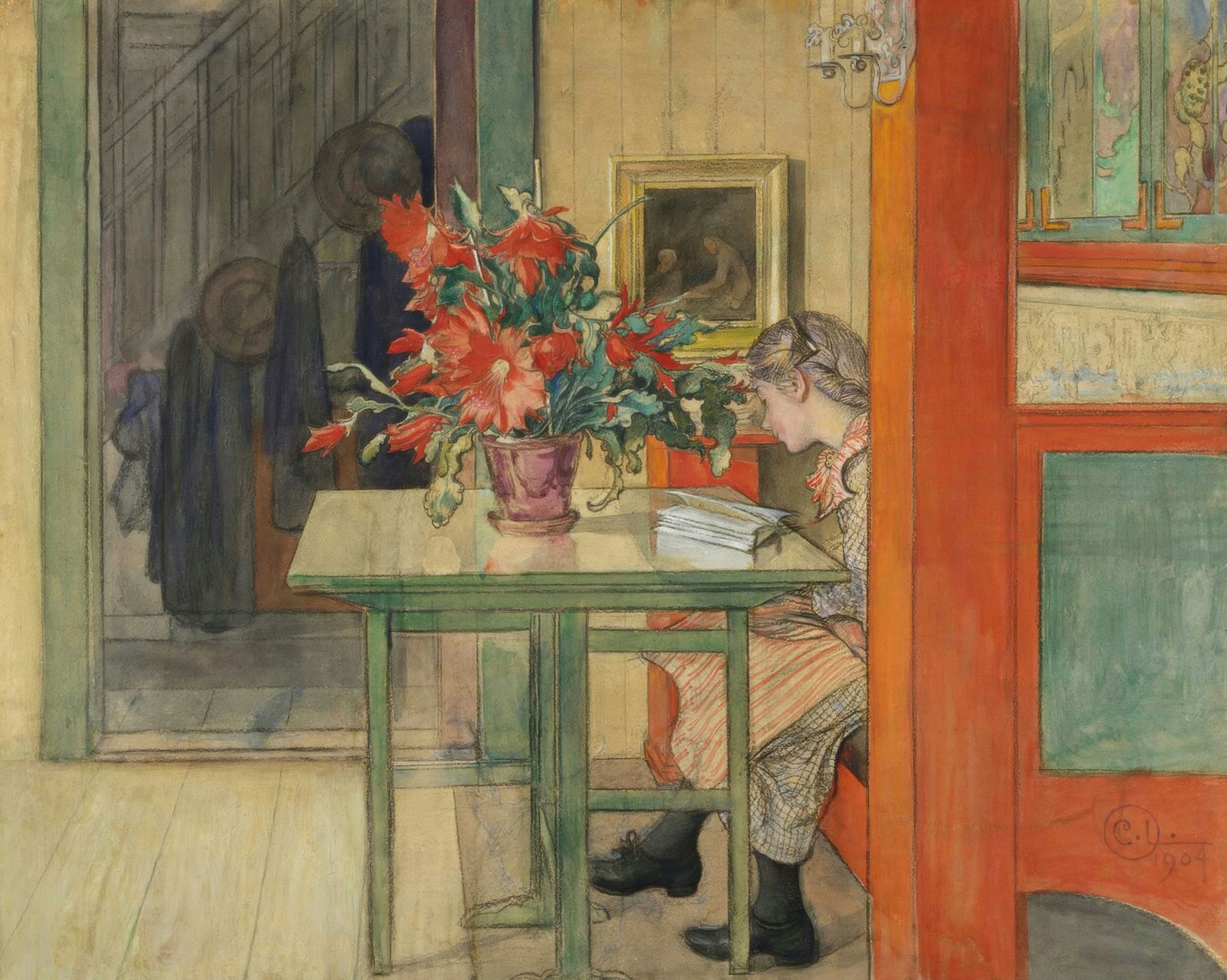
Lisbeth Reading · Carl Larsson · 1904 · Nationalmuseum, Stockholm
Larsson's reading subject can remind you to think about your sister-in-law outside the family roles you know. A portrait of her alone may be welcome if she enjoys the idea. Let her choose the photograph if possible. An image she selected herself can be a better foundation than one taken at a family event where she was busy organising everyone else.
Explore your portrait · Explore this artwork
6. A mother-and-child chapter, chosen together
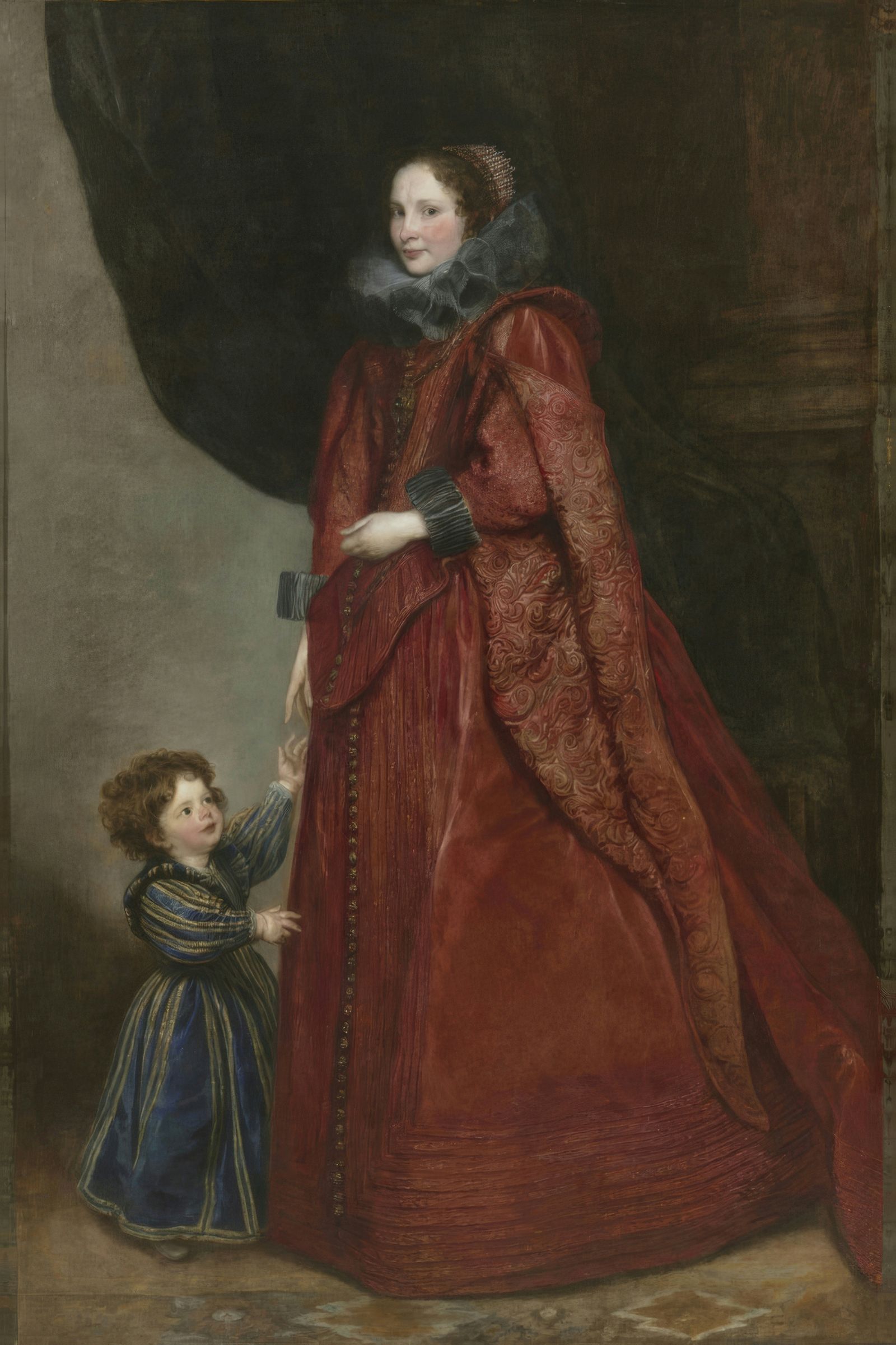
A Genoese Lady with Her Child · Anthony van Dyck · c. 1623–25 · Cleveland Museum of Art
Van Dyck's A Genoese Lady with Her Child offers a historical reference for a smaller family grouping. Ask which stage of the relationship she would like to keep, rather than assuming the earliest photographs are the most precious. A current image can honour the people they have become. The gift can be personal without turning motherhood into a fixed image from the past.
Explore your portrait · Explore this artwork
7. A family activity she enjoys too
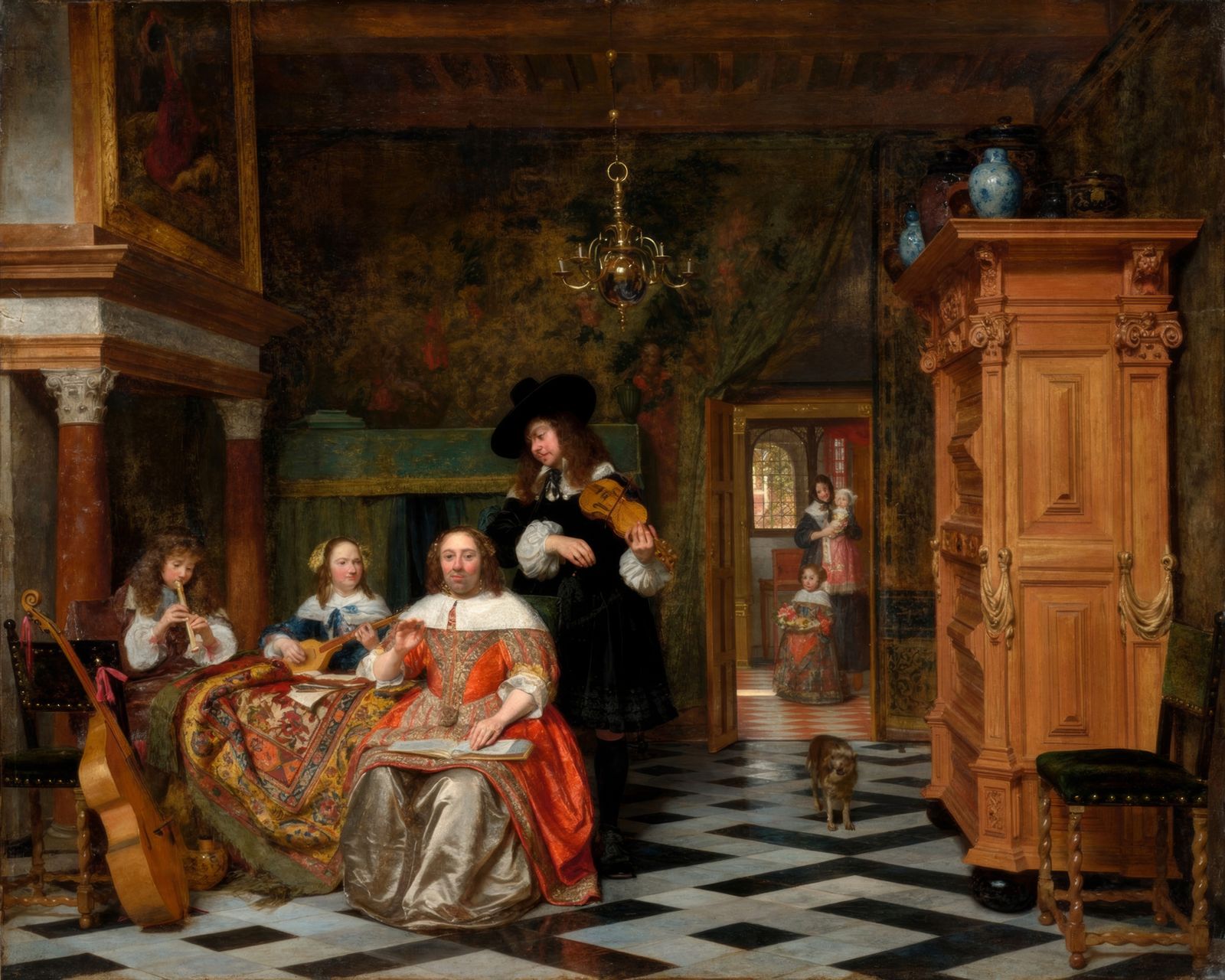
Portrait of a Family Playing Music · Pieter de Hooch · 1663 · Cleveland Museum of Art
De Hooch's music portrait suggests a gift connected with a shared activity. Choose a photograph from something your sister-in-law genuinely enjoys, rather than an event she arranged for everyone else. A celebration, a walk or a familiar gathering can all supply a source. Keep the memory in your message, so the portrait does not need to reconstruct every object or background detail.
Explore your portrait · Explore this artwork
8. A home connection, without interior assumptions
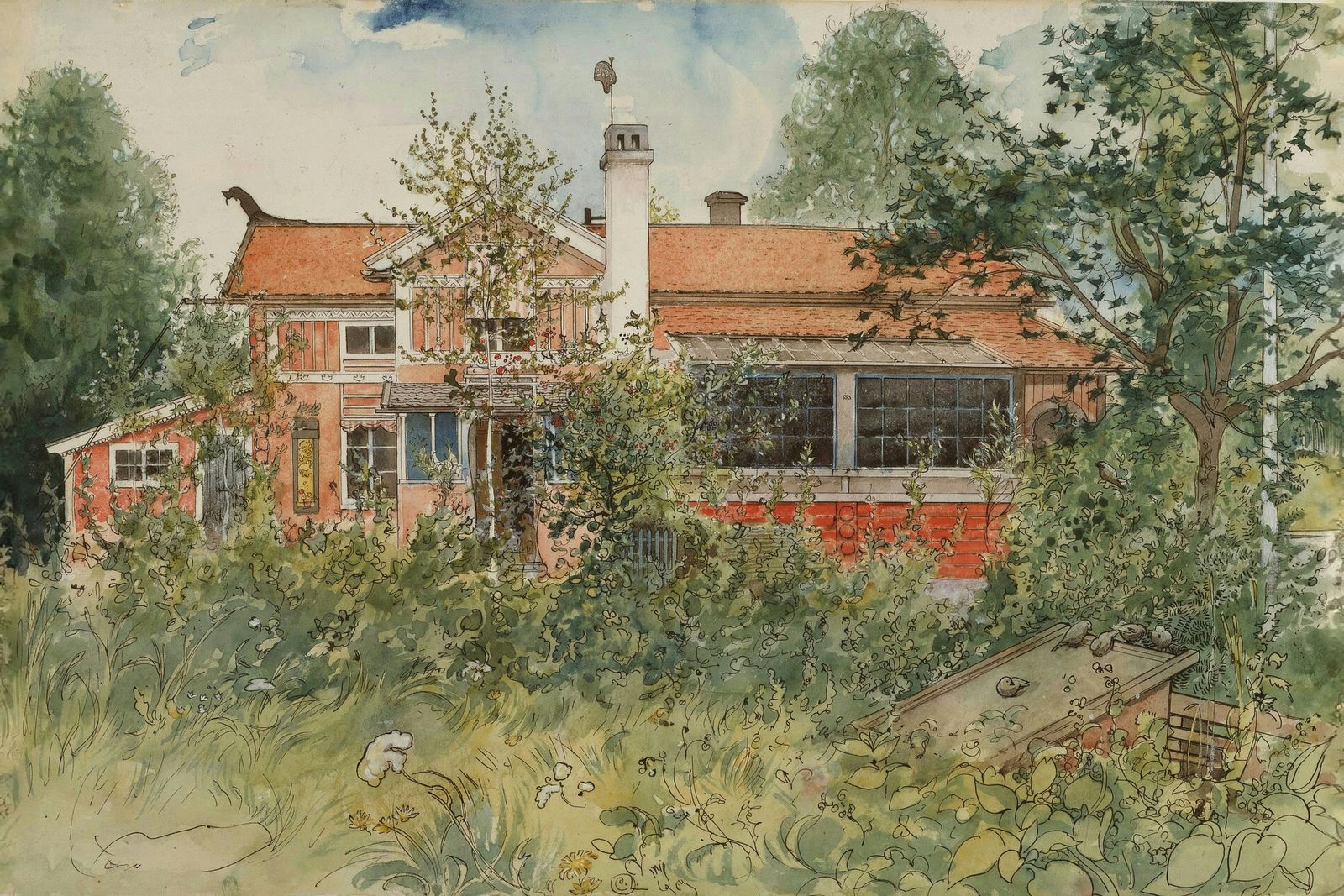
The Cottage (Stugan). From A Home · Carl Larsson · 1899 · Nationalmuseum, Stockholm
Larsson's domestic work can prompt a gift linked to a move or a familiar house. Be careful about choosing art solely to match furniture you have seen once. Her own preferences matter more than an imagined decorating scheme. A portrait can be offered with the freedom to choose its eventual format or location, rather than arriving with instructions about the wall it should occupy.
Explore your portrait · Explore this artwork
9. A group that includes the family she chose
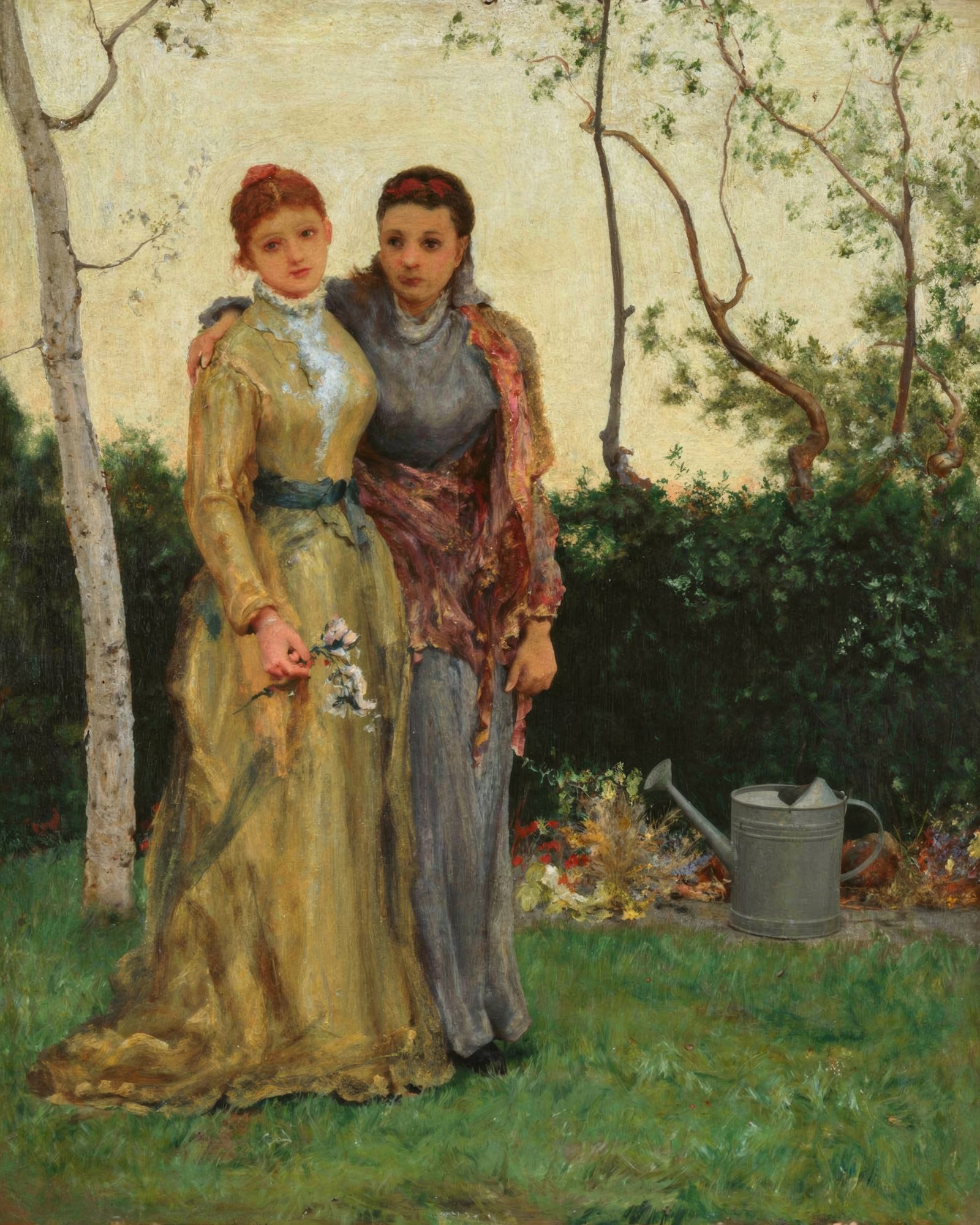
The Sisters · George Inness · 1882 · Art Institute of Chicago
Inness's The Sisters can prompt a conversation about the people your sister-in-law wants in a shared image. The answer may not follow the groupings used at formal family occasions. Let her define the subjects and choose a clear source. A gift becomes more generous when it respects the relationships she names, instead of deciding which family arrangement the portrait ought to represent.
Explore your portrait · Explore this artwork
10. A gentle portrait after a demanding year
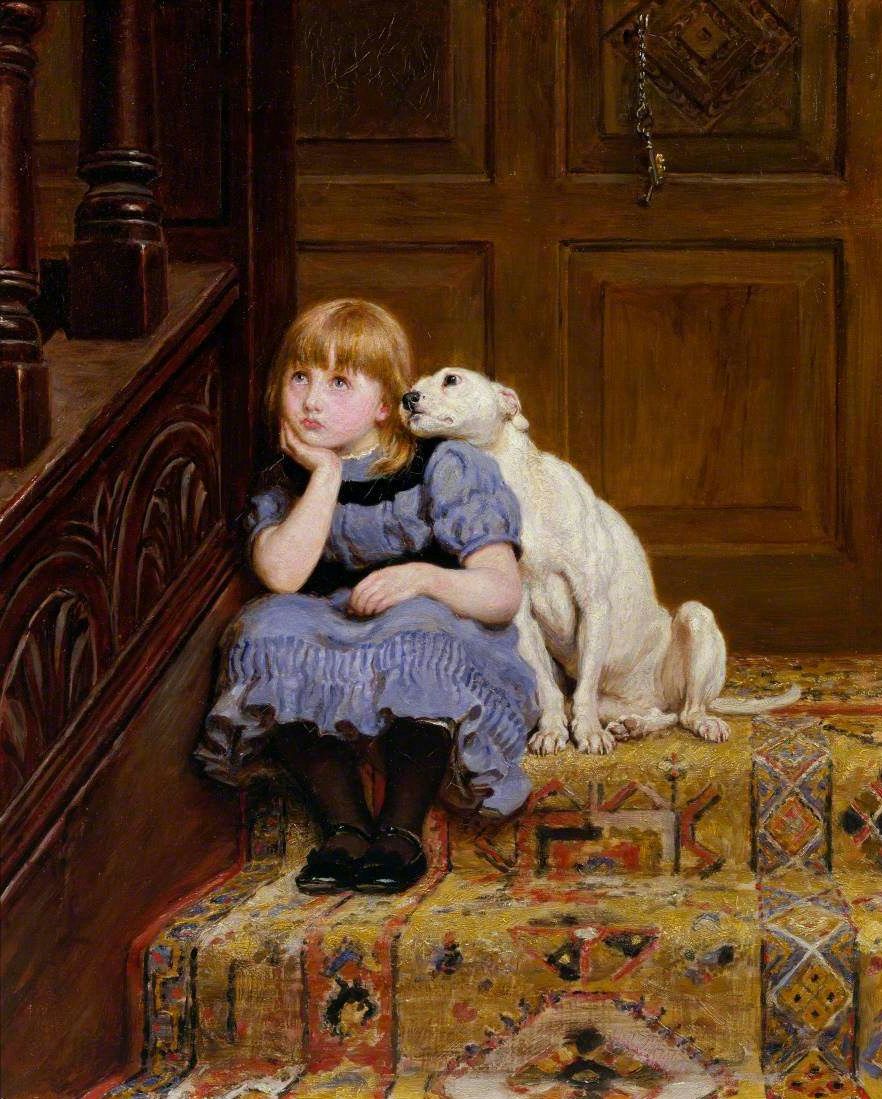
Sympathy · Briton Riviere · 1878 · Royal Holloway, University of London
Rivière's Sympathy can be a reminder to match the gift's tone to the recipient's year. If things have been difficult, avoid turning her experience into a decorative story for the wider family. Choose an image she finds comfortable and give it privately if appropriate. She can decide what to keep on display, and she does not need to explain that decision to the giver.
Explore your portrait · Explore this artwork
If you do not know your sister-in-law's art preferences well, begin with a conversation rather than a purchase decision. Ask which photograph she would choose for a portrait, or show her two visual directions. You can keep the occasion special while leaving the most personal part of the gift in her hands.
Open the family portrait journey to explore the current styles. Bring the clearest source file available, review the portrait and then consider the purchase options currently offered. The live page provides the details about formats and delivery; the references here are prompts for choosing thoughtfully.
Gift ideas for sister in law need not prove how well you know every part of her life. A carefully observed preference, an image she likes and the freedom to choose the final presentation can make a more considerate present than an elaborate surprise based on assumptions.
- Is a portrait of her children a good gift?
- It can be if she would enjoy one. Do not assume it is her first choice; an individual portrait, a pet image or a different subject may suit her better.
- What if I do not know her taste in art?
- Ask about a favourite photograph or invite her to compare two styles. Leaving the final selection with her can be part of the gift.
- Can the wider family help choose?
- They can help find photographs, but the recipient’s preferences should lead. Check that she likes the image rather than relying only on the family favourite.