Art books as gifts: ten ways to choose for the reader
A guide to art books as gifts, from a first encounter with a painter to a volume chosen for a long-standing interest.
Choosing art books as gifts begins with the person who will open the pages. A monograph keeps returning to one artist’s decisions; a broader catalogue can make connections across many hands. Neither is automatically better. The useful question is whether the recipient wants to linger with a particular painter, discover an unfamiliar world or spend more time with art they already love.
These ten Fable Editions offer different points of entry. The illustrations below are historical works associated with the artists, not photographs of delivered books. Orders are open at the time of writing, and the live edition pages show current samples and purchase options. Browse those before choosing: the sequence inside a book matters more than whether its cover matches a room.
1. For a reader interested in faces: Rembrandt
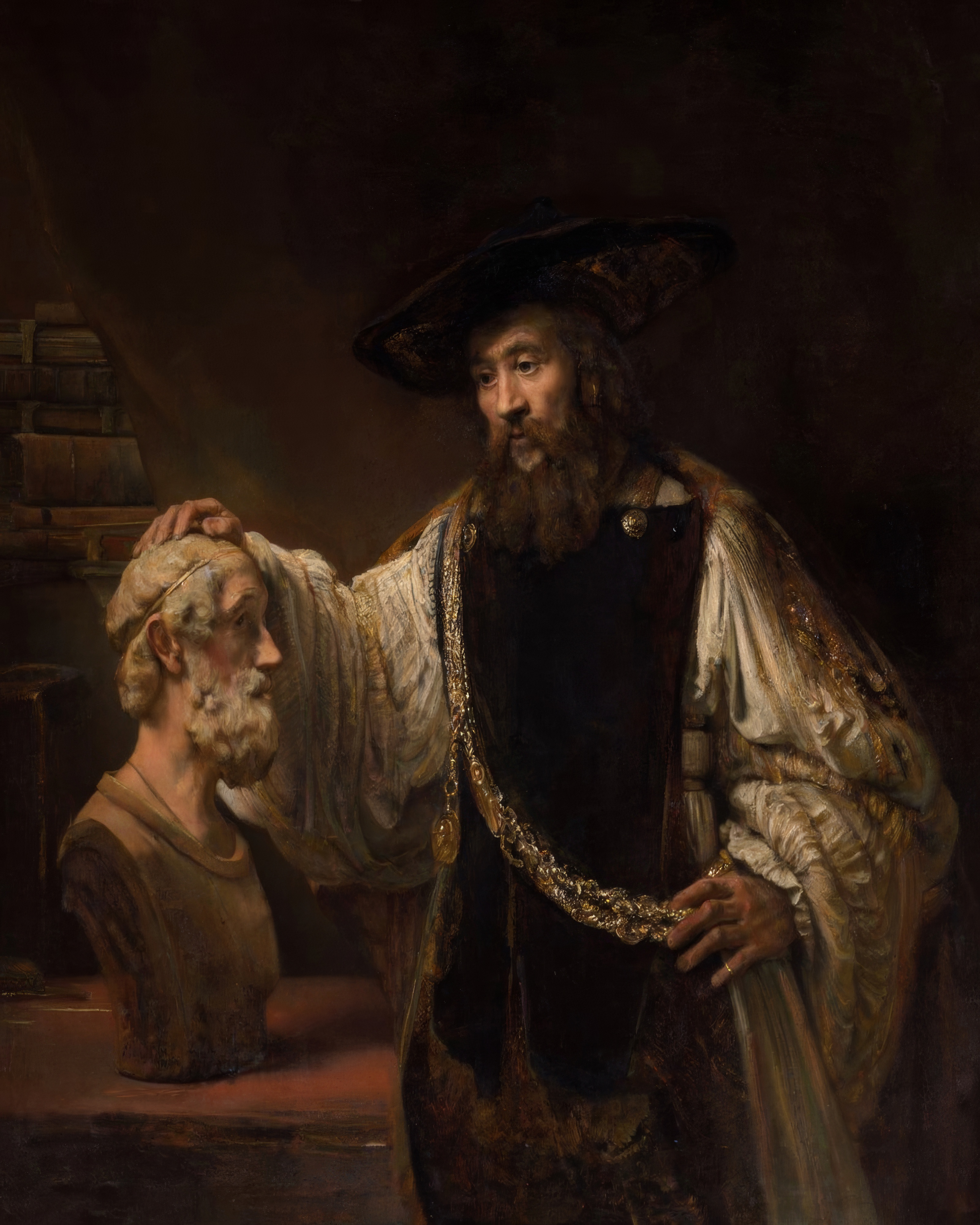
Aristotle with a Bust of Homer · Rembrandt · 1653 · The Metropolitan Museum of Art
A portrait-focused volume suits someone who stops in front of faces and wonders about the people looking back. The Rembrandt edition gathers work by Rembrandt and his workshop, so review its contents rather than assuming every plate has the same attribution. A gift note could name the question that made you choose it: how a group becomes a picture, or how expression outlasts costume.
Explore the Rembrandt book · Explore this artwork
2. For a reader drawn to intensity: Van Gogh
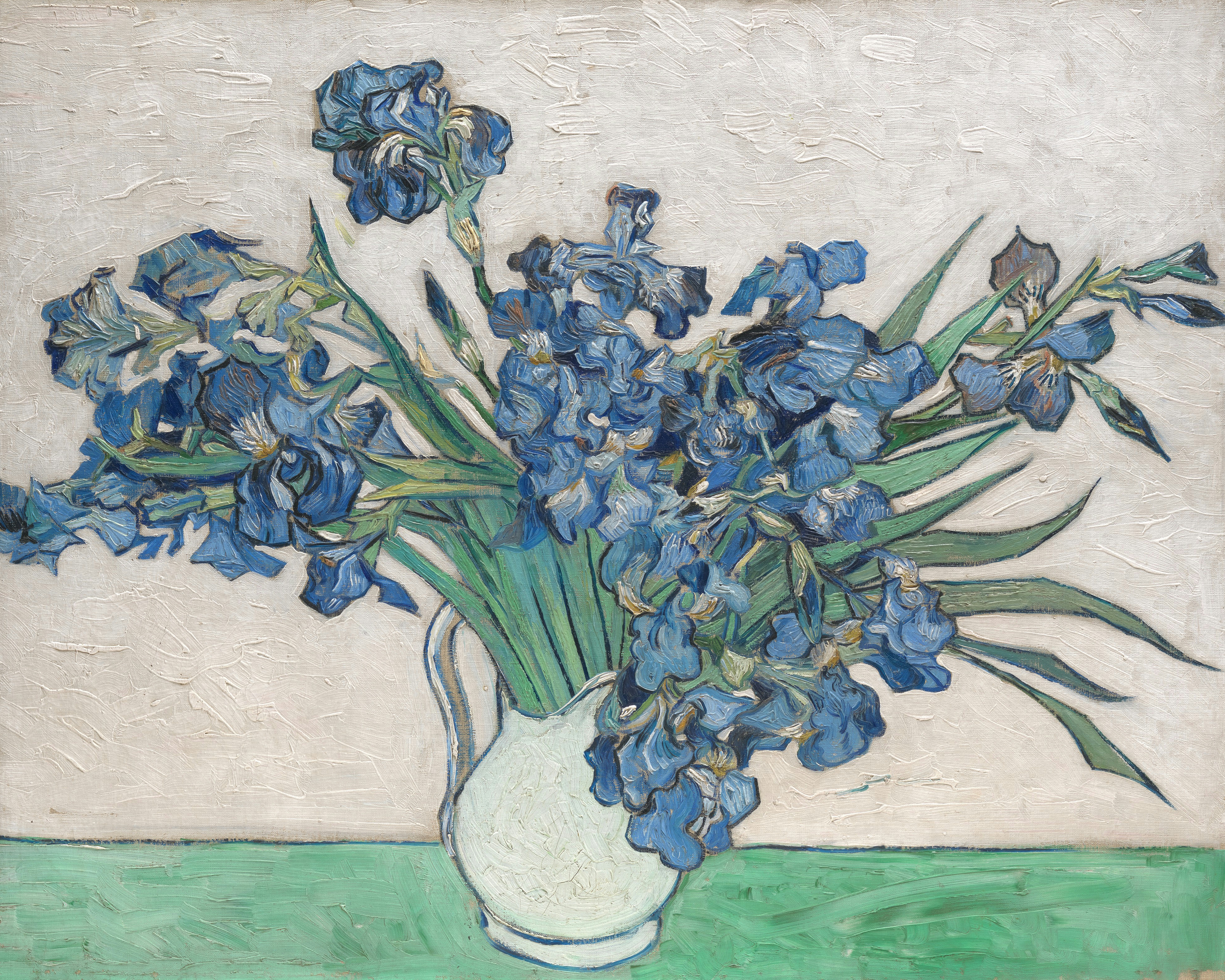
Irises · Vincent van Gogh · 1890 · The Metropolitan Museum of Art
Choose Van Gogh for someone who responds to the force of a painting’s marks and colour, not simply because the artist is famous. Looking through a sequence gives the reader time to notice differences between portraits, still lifes and landscape. Compare the sample pages before ordering, and write about the recipient’s own interest rather than repeating a dramatic story about the artist’s life.
Explore the Van Gogh book · Explore this artwork
3. For someone who returns to a garden: Monet
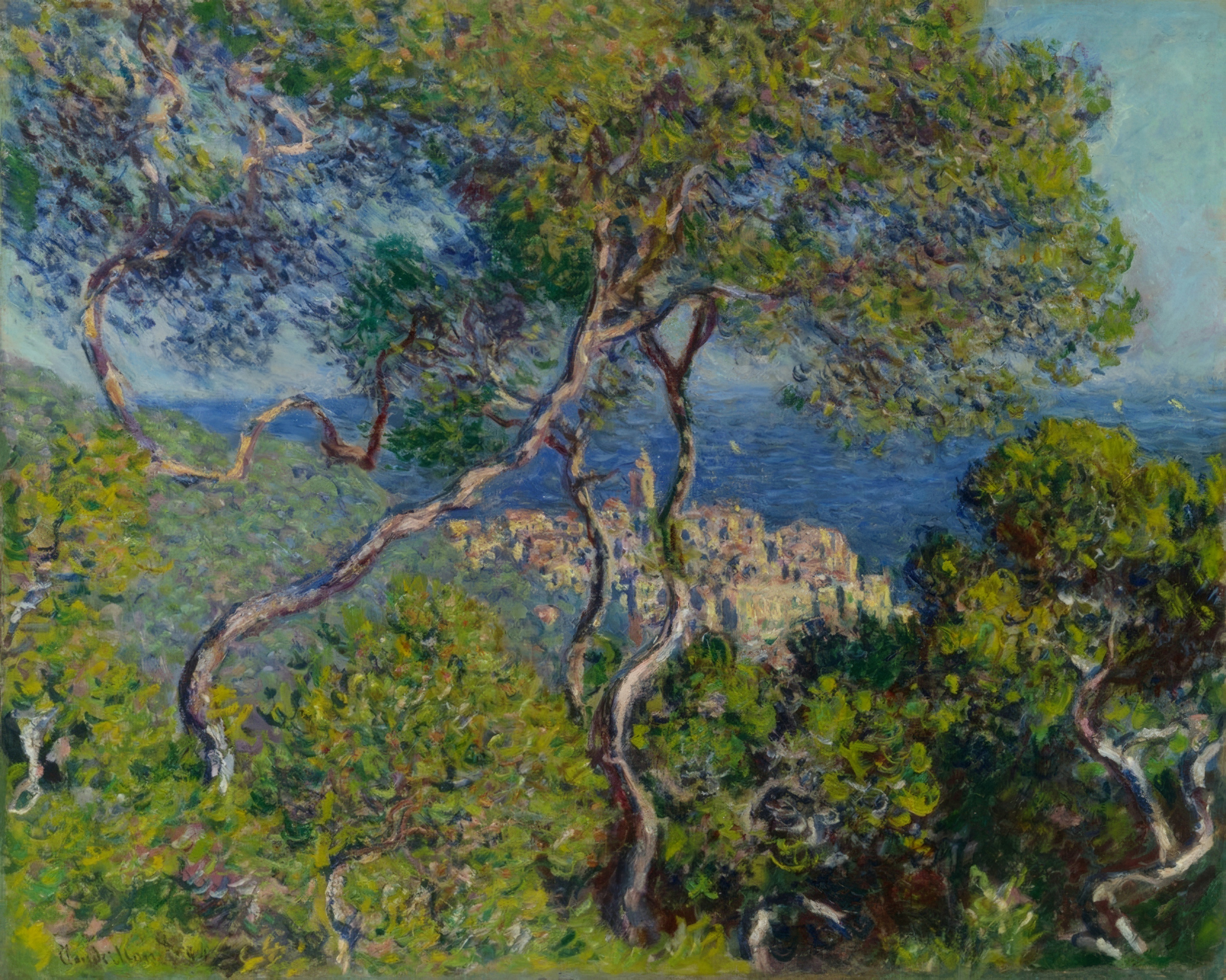
Bordighera · Claude Monet · 1884 · Art Institute of Chicago
A Monet book can offer a gardener or landscape lover a different way of spending time outdoors. It is worth choosing for repeated looking, rather than treating every garden picture as interchangeable. Review which works the edition contains and how they sit across the pages. Your note might connect the gift to a particular garden or a conversation about changing light.
Explore the Monet book · Explore this artwork
4. For a lover of ornament: Klimt
Portrait of Sonja Knips · Gustav Klimt · 1898 · Österreichische Galerie Belvedere, Vienna
Klimt is a useful direction for a reader drawn to the relationship between a figure and a richly worked surface. Make sure that is an interest the recipient actually shares; decorative intensity can divide taste. The edition page lets you see the book’s direction before choosing. The historical image here introduces the art, while the live sample shows the publication itself.
Explore the Klimt book · Explore this artwork
5. For someone who notices ordinary rooms: Carl Larsson
Between Christmas and New Year (A Home) · Carl Larsson · 1899 · Nationalmuseum, Stockholm
A reader who enjoys quiet interiors may welcome the sustained attention a Carl Larsson volume invites. Instead of describing the book as calming by default, think about the recipient’s interest in domestic spaces, gestures and everyday things. Look through the sample sequence and choose it for those subjects. A short, personal dedication can explain why you thought they would notice what the pictures notice.
Explore the Carl Larsson book · Explore this artwork
6. For a traveller who likes looking closely: Hokusai

A Peasant Crossing a Bridge · Katsushika Hokusai 葛飾 北斎 Japanese, 1760-1849 · late 1830s · Art Institute of Chicago
A Hokusai volume is a strong candidate for someone interested in how a place can become a sequence of images. Check the actual contents and plate treatment rather than assuming every famous print is included. The best gift connection might be a shared trip, an interest in printmaking or the pleasure of comparing compositions across a book instead of seeing a single image in isolation.
Explore the Hokusai book · Explore this artwork
7. For someone interested in portrait presence: Sargent
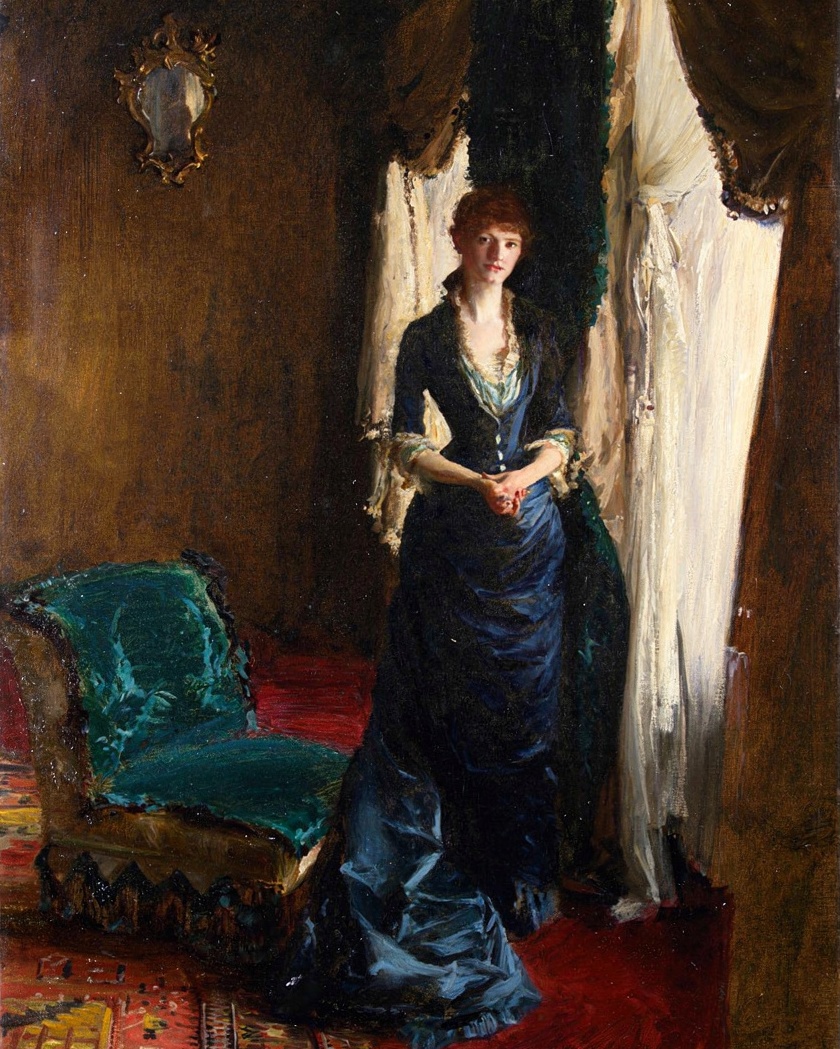
Madame Paul Escudier (Louise Lefevre) · John Singer Sargent · 1882 · Art Institute of Chicago
Choose Sargent for a reader who enjoys portraits as encounters with posture, dress and self-presentation. A book gives space to compare those decisions across different sitters. Browse its current sample pages and let a particular picture supply your reason for giving it. That is more useful than treating a portrait book as a generic luxury gift with a recognisable artist’s name.
Explore the Sargent book · Explore this artwork
8. For the dancer or rehearsal watcher: Degas
The Dance Lesson · Edgar Degas · ca. 1879 · The Metropolitan Museum of Art
A dance-themed volume can suit someone interested in work behind performance as much as the performance itself. Check the edition’s sequence to see how its images relate, and choose it around the recipient’s real connection to dance. The gift note can mention a class, a rehearsal or a performance you shared, giving the book a reason beyond its broad subject category.
Explore the Degas book · Explore this artwork
9. For a reader who enjoys visual drama: Caravaggio
The Musicians · Caravaggio · 1597 · The Metropolitan Museum of Art
Caravaggio can be a good starting point for someone who likes strongly staged encounters in art. The live edition page establishes the works and publication details; do not infer the whole book from the illustration shown here. A reader may enjoy returning to one picture over several sittings, so choose for curiosity and sustained attention rather than for a dramatic cover alone.
Explore the Caravaggio book · Explore this artwork
10. For a reader with a horizon in mind: Turner
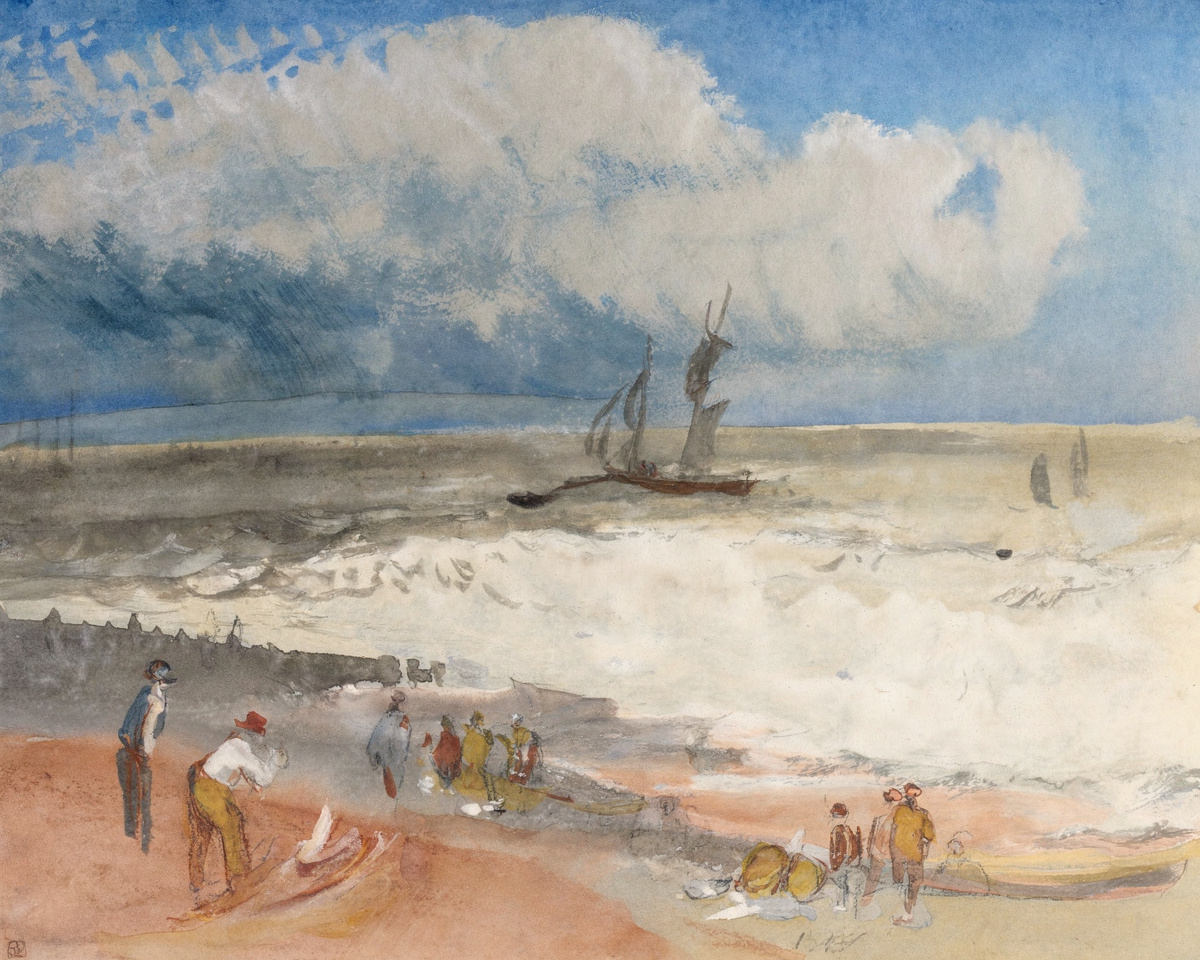
Seashore From Hastings · Joseph Mallord William Turner · c. 1830-1835 · Harvard Art Museums
For someone who enjoys sea, weather and journeys, a Turner book gives a subject with many possible personal connections. Browse the sample pages to see whether the selection fits the kind of work they enjoy. If the gift follows a shared coastal trip, write about that experience in your own words rather than pretending the historical painting depicts your particular journey.
Explore the Turner book · Explore this artwork
Choose the reader’s interest, open the matching edition and look inside before ordering. The edition pages carry the current samples and purchase choices, while the main Editions page lets you compare artists if two directions seem equally promising. A book is a sequence and a physical object, so give both some attention. Your own few words about why you chose this artist can make the handoff from art to gift feel complete.