Luxury coffee table books worth opening
Choose luxury coffee table books by their pictures, sequence and physical details, with ten Fable Editions as starting points.
A search for luxury coffee table books can become a search for impressive covers. The better test happens after the cover opens. Do the pictures reward attention? Does the sequence give you a reason to turn the page? Is the physical format one you will actually enjoy handling in the place where the book will live?
Fable Editions are hardcover art books with 100 pages in a 29.4 cm square format, using 200 gsm gloss paper. Those specifications describe an object; they do not replace looking at its contents. Orders are open at the time of writing. The ten historical references below suggest different ways to choose, and each link leads to the live edition page where you can examine samples and current shopping options.
1. Choose faces you will return to
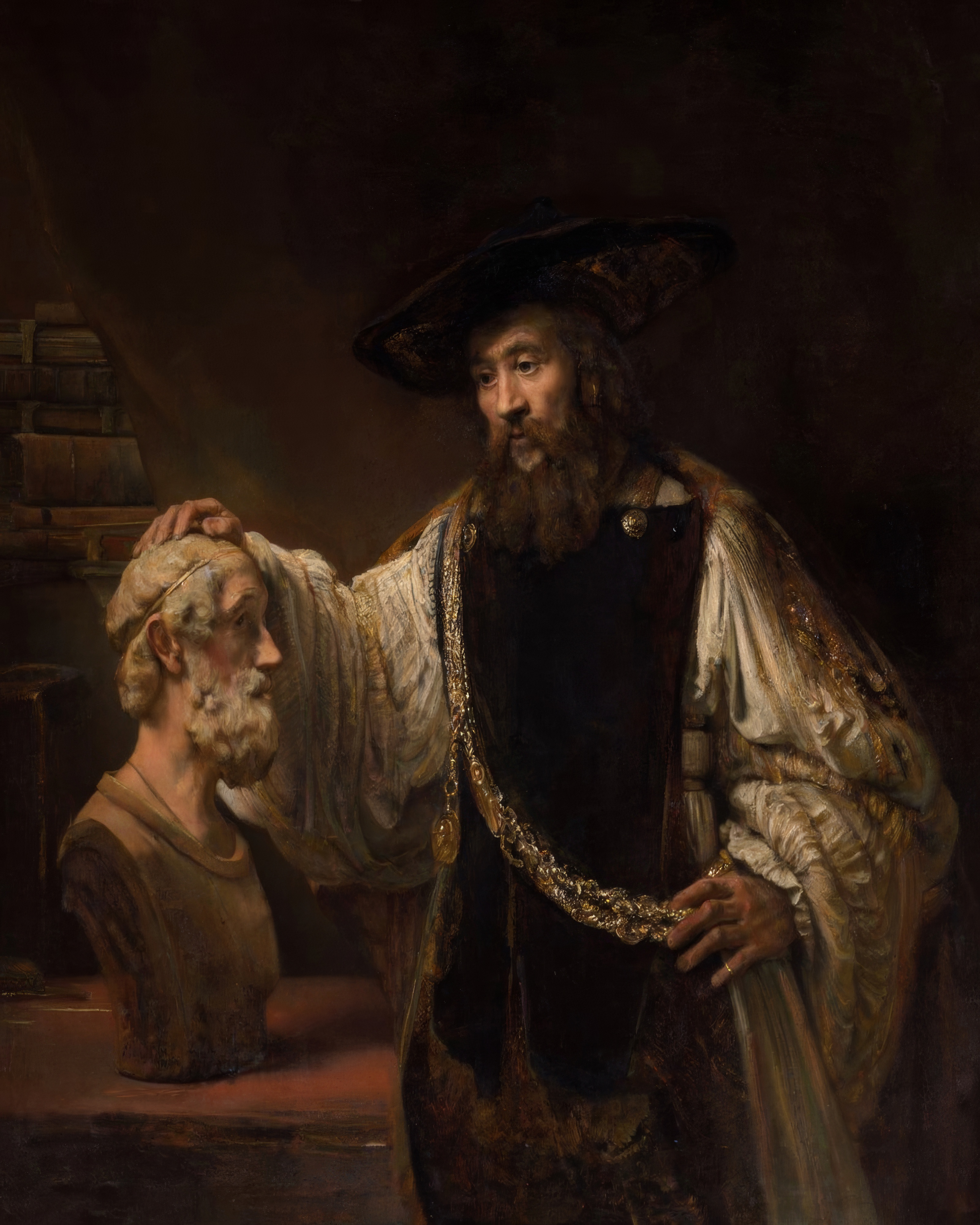
Aristotle with a Bust of Homer · Rembrandt · 1653 · The Metropolitan Museum of Art
The Rembrandt edition offers a starting point for a table that invites conversation about people. Check the current contents, including workshop attributions, and imagine whether you would stop on a page to look again. A book deserves its place when it offers more than recognition. The live sample is the right place to assess the page treatment before making a purchase.
Look inside the Rembrandt edition · Explore this artwork
2. Choose a colour language you enjoy living with
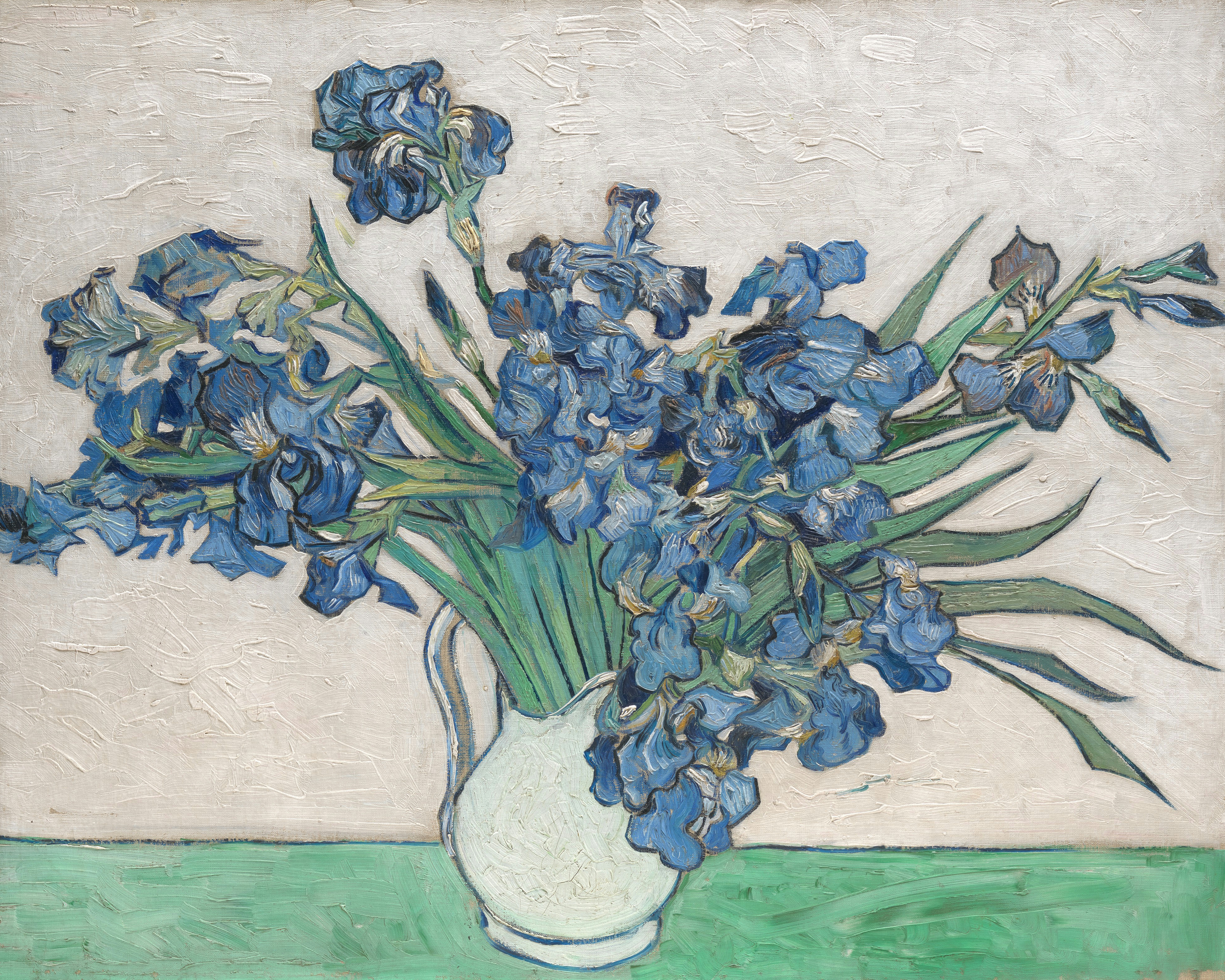
Irises · Vincent van Gogh · 1890 · The Metropolitan Museum of Art
A Van Gogh volume can bring sustained attention to colour and mark-making, but do not buy it merely to coordinate with a sofa. The cover will spend some time closed and the pages some time open. Choose an artist whose pictures hold your interest in both situations, then use the sample pages to check how the selection develops across the book.
Look inside the Van Gogh edition · Explore this artwork
3. Give a quiet subject enough space
Between Christmas and New Year (A Home) · Carl Larsson · 1899 · Nationalmuseum, Stockholm
A restrained subject does not make a book less substantial. Carl Larsson is a direction for someone who enjoys looking at ordinary gestures and rooms over time. Review the samples at a comfortable viewing size and consider how the square format accommodates the works. The important choice is whether the reader wants that kind of attention, not how loudly the cover announces it.
Look inside the Carl Larsson edition · Explore this artwork
4. See how ornament behaves across pages
Portrait of Sonja Knips · Gustav Klimt · 1898 · Österreichische Galerie Belvedere, Vienna
With Klimt, the pleasure may lie in moving between a figure and the surface around it. Look for a sequence you would enjoy revisiting, rather than assuming decorative art belongs only in a decorative room. The historical artwork here sets the direction; the actual edition samples show how that direction becomes a book you can browse and order.
Look inside the Klimt edition · Explore this artwork
5. Let landscapes make a sequence
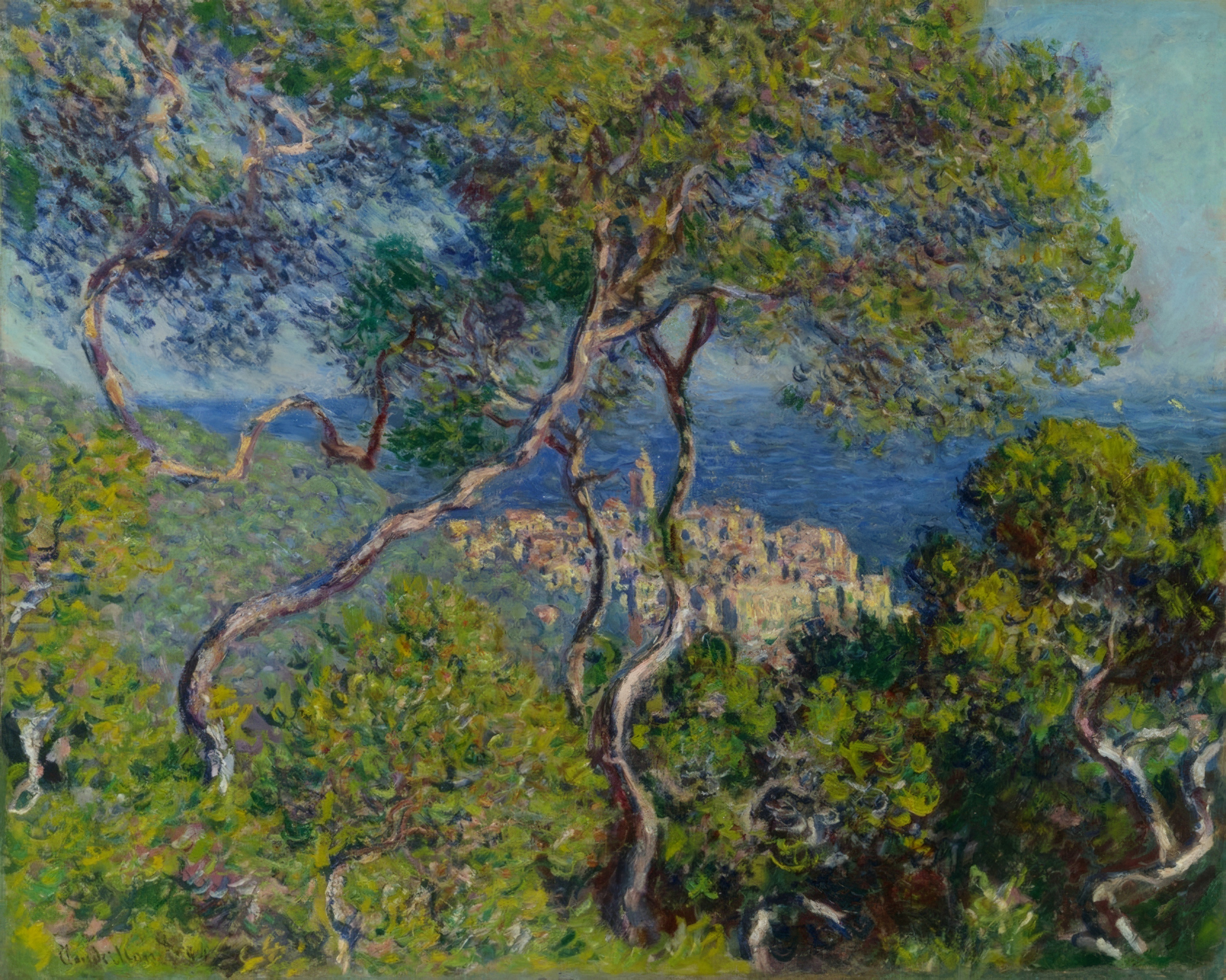
Bordighera · Claude Monet · 1884 · Art Institute of Chicago
Monet is a useful choice when you want a book that invites repeated comparison rather than a single spectacular image. Browse the works listed on the live page and decide whether their relationships interest you. Consider the table and the chair as well: a large book is most enjoyable when there is enough space to open it without moving everything around it.
Look inside the Monet edition · Explore this artwork
6. Consider the difference between a print and a book

A Peasant Crossing a Bridge · Katsushika Hokusai 葛飾 北斎 Japanese, 1760-1849 · late 1830s · Art Institute of Chicago
If you only want one familiar Hokusai image, a wall print may be the better purchase. Choose the book when the sequence and the chance to compare works are what you want. That distinction prevents an impressive object from becoming a substitute for the artwork you actually meant to buy. Review the current plate selection before deciding which format serves you.
Explore the Hokusai volume · Explore this artwork
7. Buy for curiosity about a sitter
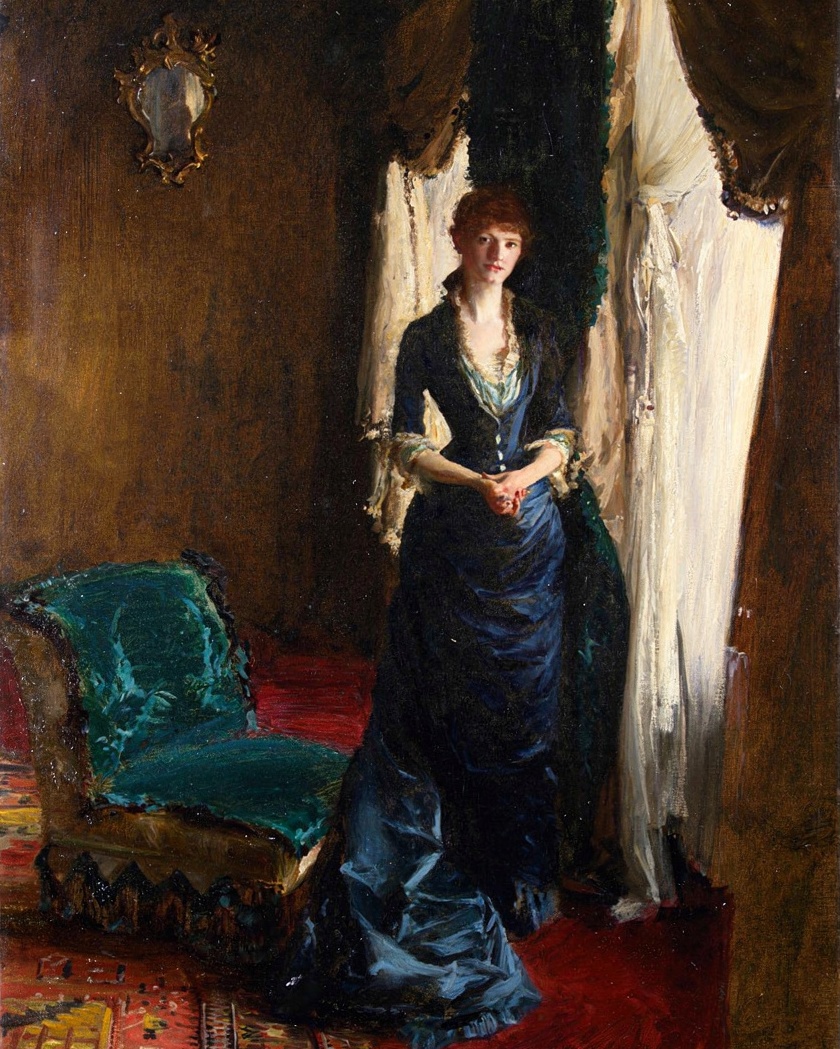
Madame Paul Escudier (Louise Lefevre) · John Singer Sargent · 1882 · Art Institute of Chicago
Sargent can suit a reader drawn to the decisions of portraiture: the pose, the clothes and the way a sitter occupies the picture. A portrait book works well as a recurring conversation, one face at a time. Check the sample pages for the balance of works and text rather than judging the whole publication from its best-known image.
Explore the Sargent volume · Explore this artwork
8. Think about movement in still images
The Dance Lesson · Edgar Degas · ca. 1879 · The Metropolitan Museum of Art
A Degas book can be interesting on a shared table because different readers bring different knowledge of dance and rehearsal. Let the subject invite that conversation without expecting everyone to interpret the pictures alike. The live edition page shows the current selection and format; use it to judge the publication rather than treating the artwork illustration here as a photographed book spread.
Explore the Degas volume · Explore this artwork
9. Check whether drama rewards another look
The Musicians · Caravaggio · 1597 · The Metropolitan Museum of Art
Caravaggio offers an artistic direction with immediate presence, but a useful table book should also sustain a second and third encounter. Look inside and choose for the details or questions you want to return to. The gloss paper and hardcover are concrete format choices; whether they make the right book for you depends on your reading habits and the pictures themselves.
Explore the Caravaggio volume · Explore this artwork
10. Give a book a place where it can open
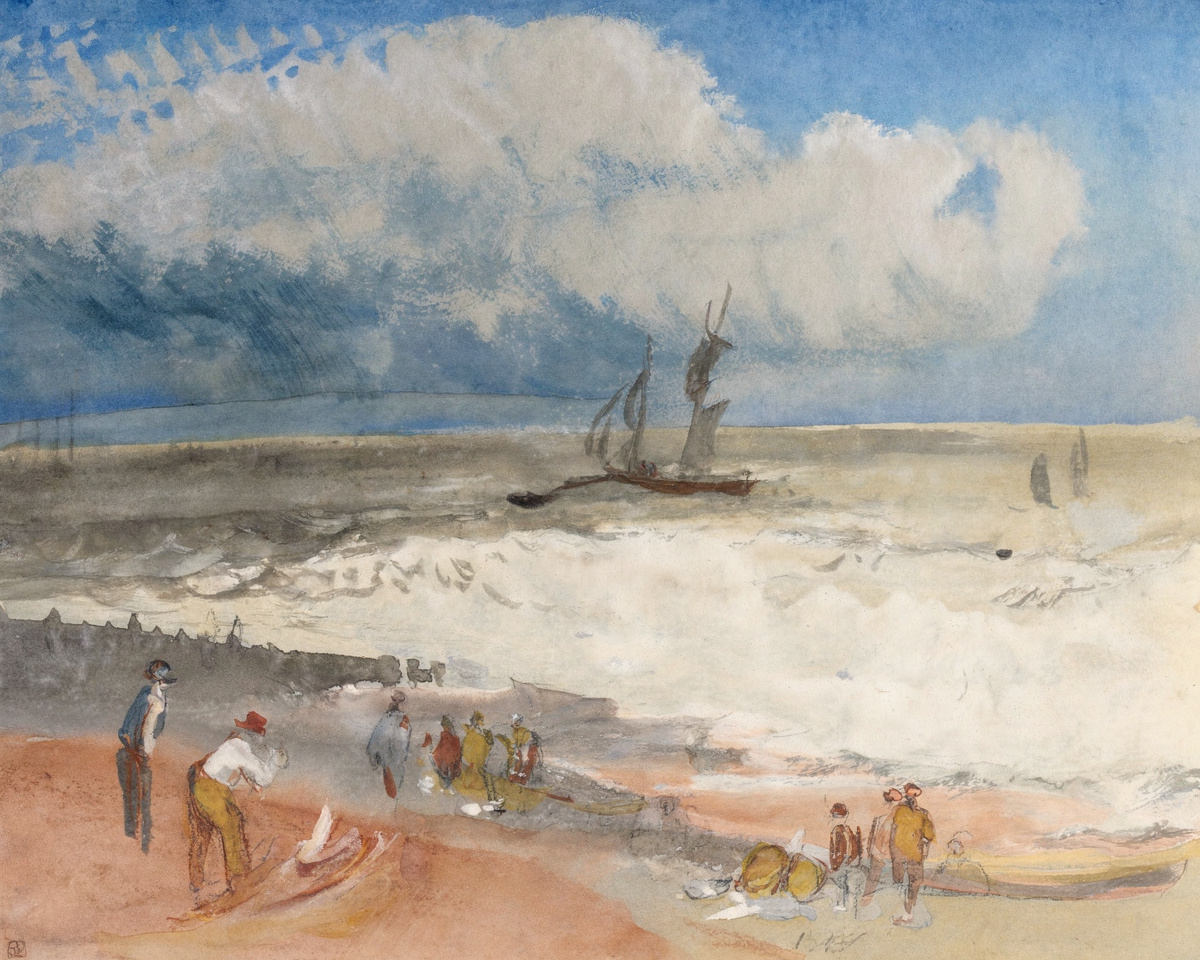
Seashore From Hastings · Joseph Mallord William Turner · c. 1830-1835 · Harvard Art Museums
A Turner volume may suit a room where you want to spend time with landscapes and weather. Before buying, measure the surface and allow space for the book open as well as closed. The most convincing luxury is practical pleasure: being able to sit, open a page and look, with enough light to see the printed image comfortably.
Explore the Turner volume · Explore this artwork
Start with the curated Editions view if you want to compare directions, then open the individual book’s samples. Choose for the person who will read it and the place where it will be opened. Current prices, availability and delivery choices belong to the live ordering flow. The historical works shown here help you choose an artistic interest; the publication page completes the handoff into buying the actual book.