Married Christmas cards that tell the first year’s story
Ten directions for married Christmas cards, from a favourite wedding photograph to a quieter picture of life together.
The phrase married Christmas cards suggests a simple announcement, but the picture can tell a more particular story. Your first Christmas after the wedding may find you in a new home, still travelling between families, or happily back in an ordinary routine. Choose a photograph that feels like the two of you now, even if it was taken on the wedding day.
These ten romantic masterworks introduce different couple-portrait moods. They are historical references, not examples of finished Christmas cards. Begin with the portrait card route, and check the current steps for creating or using your portrait before choosing a layout. If you already have a favourite photograph, let its feeling guide the style rather than searching for a picture that imitates a historical pose.
1. The wedding picture you both chose
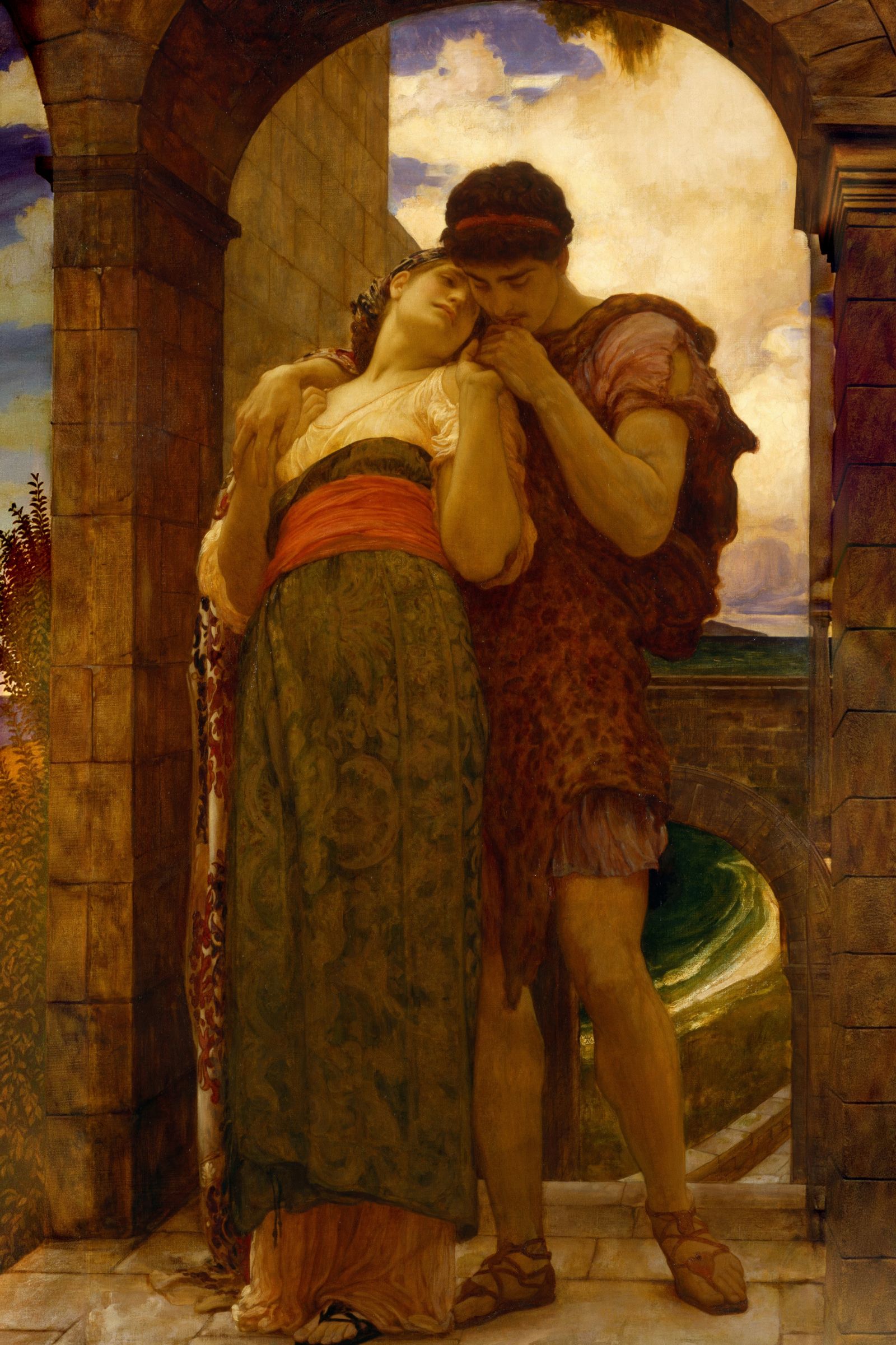
Wedded · Frederic Leighton · 1882 · Art Gallery of New South Wales, Sydney
Start with the photograph both partners actually like. That may be a quiet moment after the ceremony rather than the formal album cover. A close romantic reference can give the Christmas card a clear married subject, while your wording supplies the year’s news. Check both names, the spelling of any shared surname and the preview before ordering a printed product.
Start your married Christmas card · Explore this artwork
2. Your first ordinary walk as a married pair
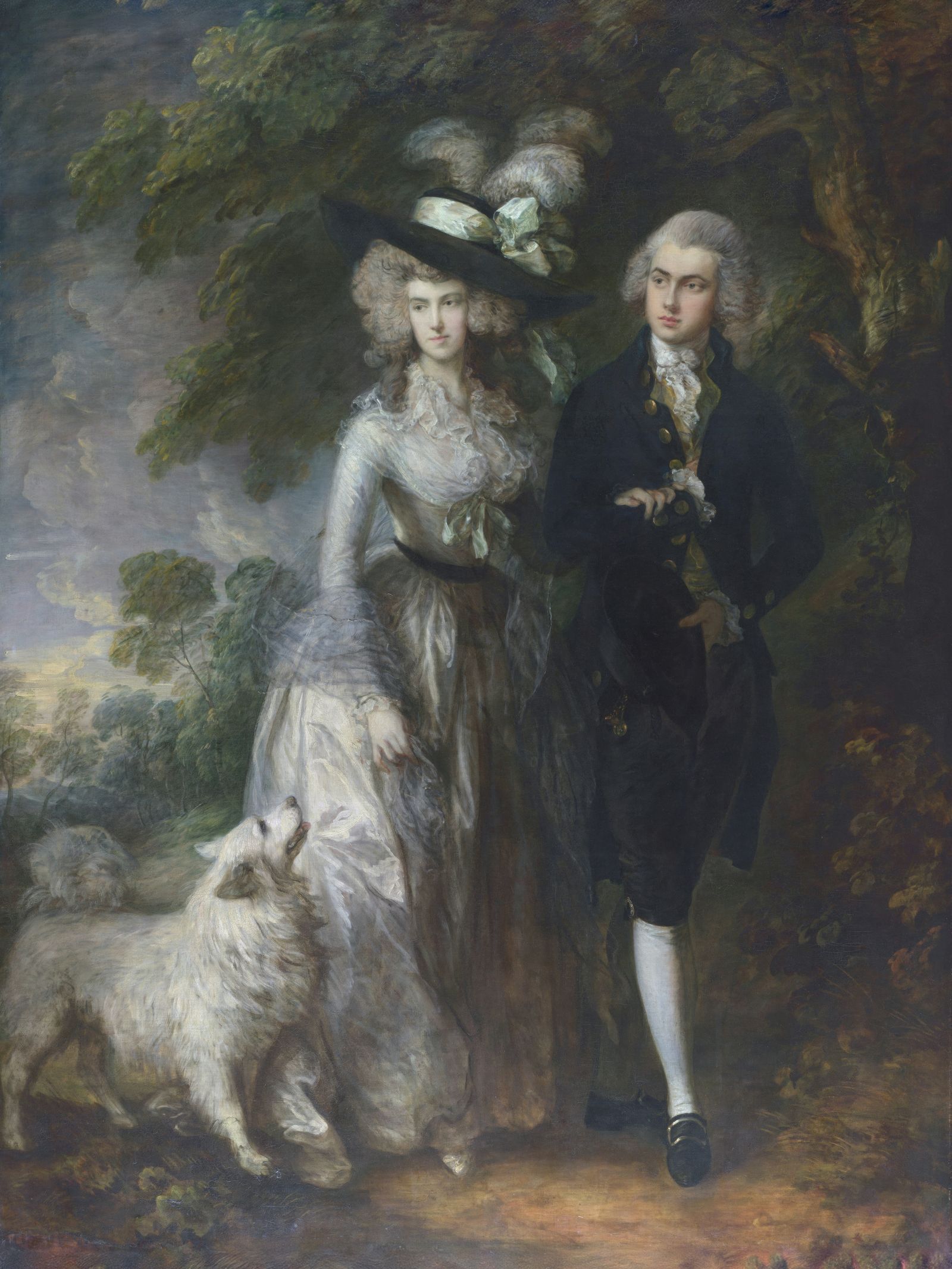
The Morning Walk (Mr and Mrs William Hallett) · Thomas Gainsborough · 1785 · National Gallery, London
A walking reference suits a card about companionship beyond the wedding day. Use a photograph that recalls an outing you shared, then keep the greeting brief enough for the image to remain the centre. If you want to mention the marriage, one direct sentence is enough; the card does not need to become a second wedding announcement.
Create your walking portrait · Explore this artwork
3. The celebration still in motion
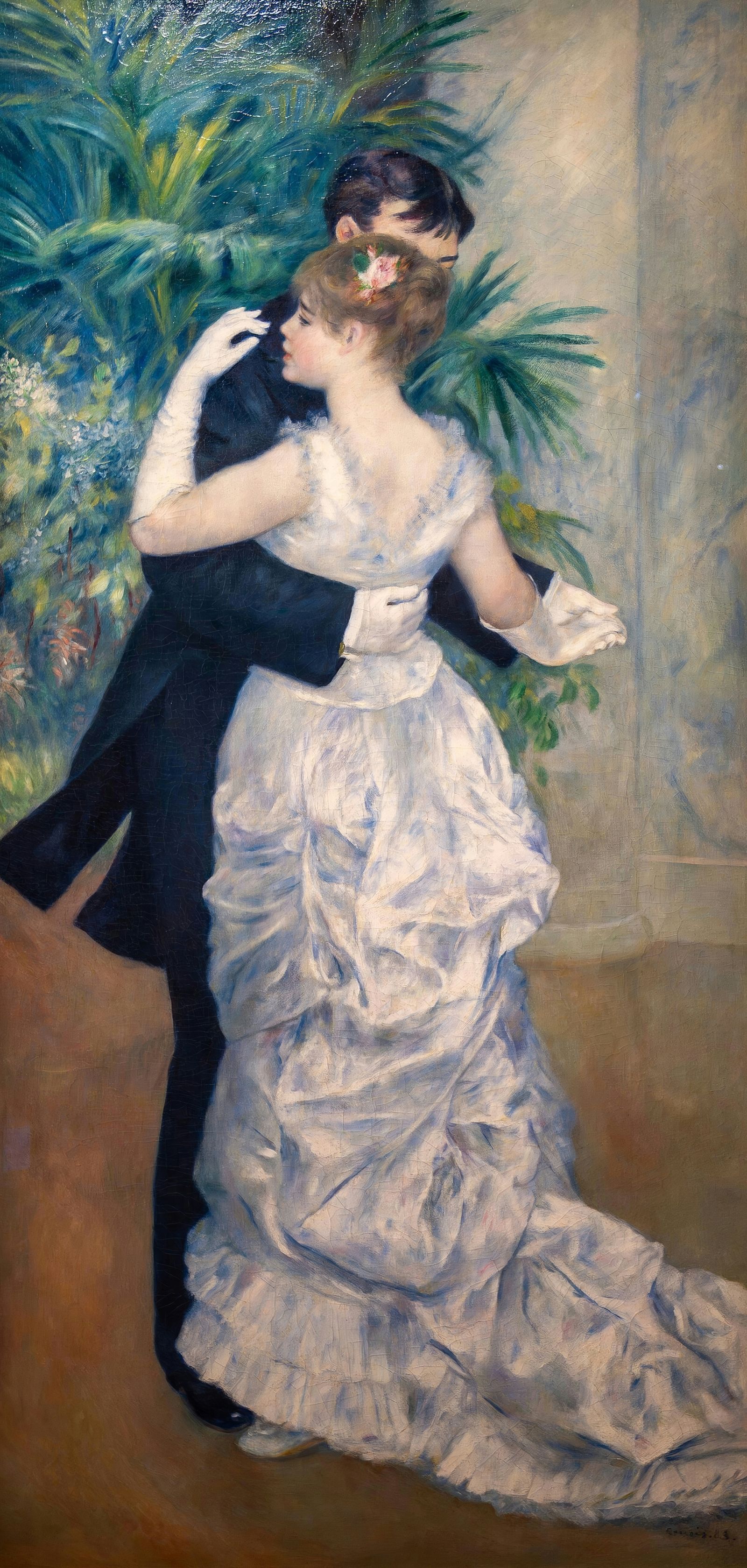
Dance in the City · Pierre-Auguste Renoir · 1883 · Musée d'Orsay, Paris
If dancing is the photograph you keep returning to, let that energy set the card’s tone. A celebratory couple style makes room for the pleasure of the wedding without requiring the Christmas message to describe every detail. Follow the portrait creation page first if you need a new portrait, then review the current card flow for using it.
Create a celebration portrait · Explore this artwork
4. A gentler memory from the honeymoon
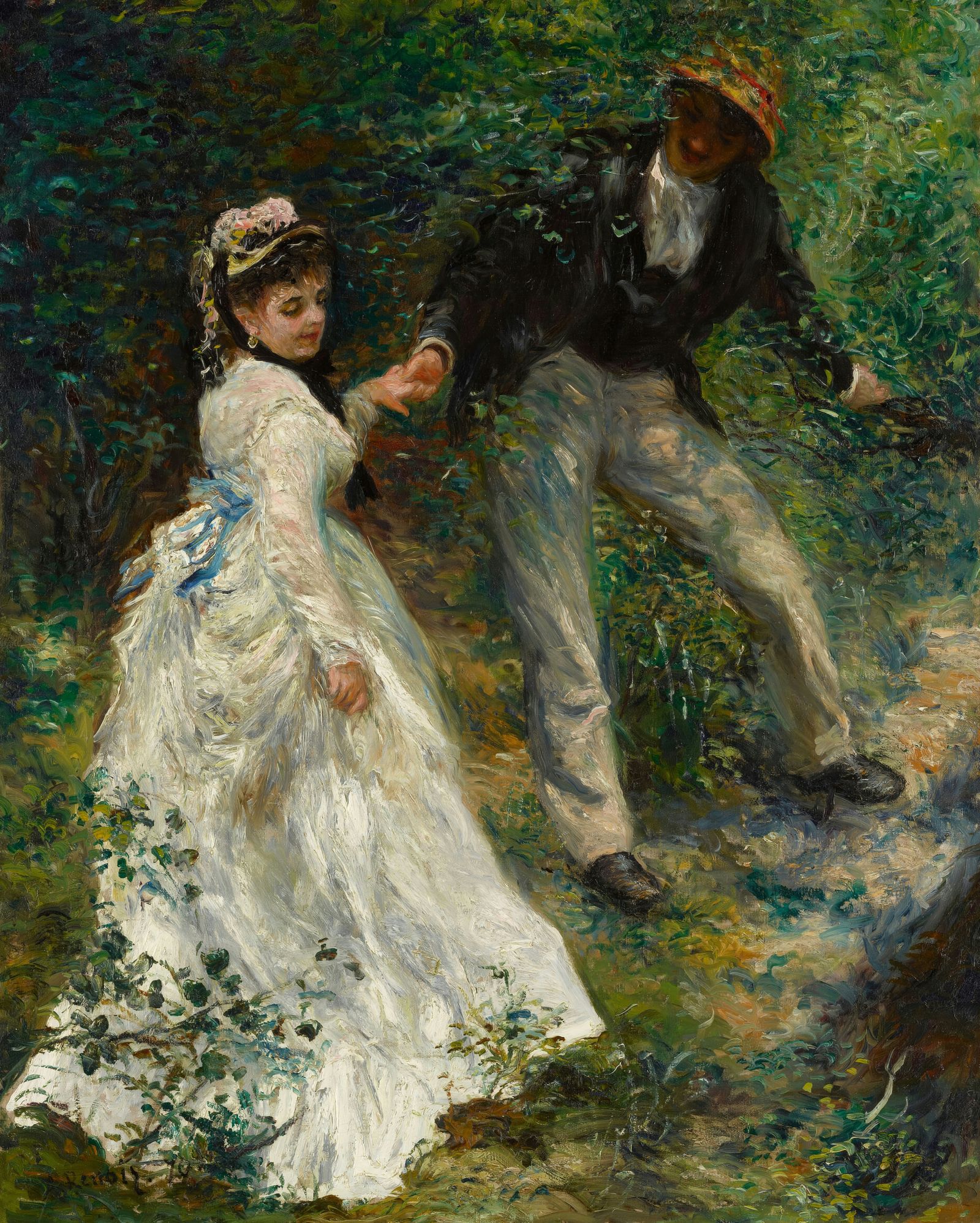
La Promenade · Pierre-Auguste Renoir · 1870 · J. Paul Getty Museum, Los Angeles
A honeymoon photograph can be more relaxed than a wedding photograph and just as meaningful. Choose a clear source image that both partners would be happy to send to relatives. If the original photograph is private, keep it that way and choose another. A Christmas card belongs to the people receiving it as well as to the people represented.
Explore La Promenade · Explore this artwork
5. Romance with a light touch
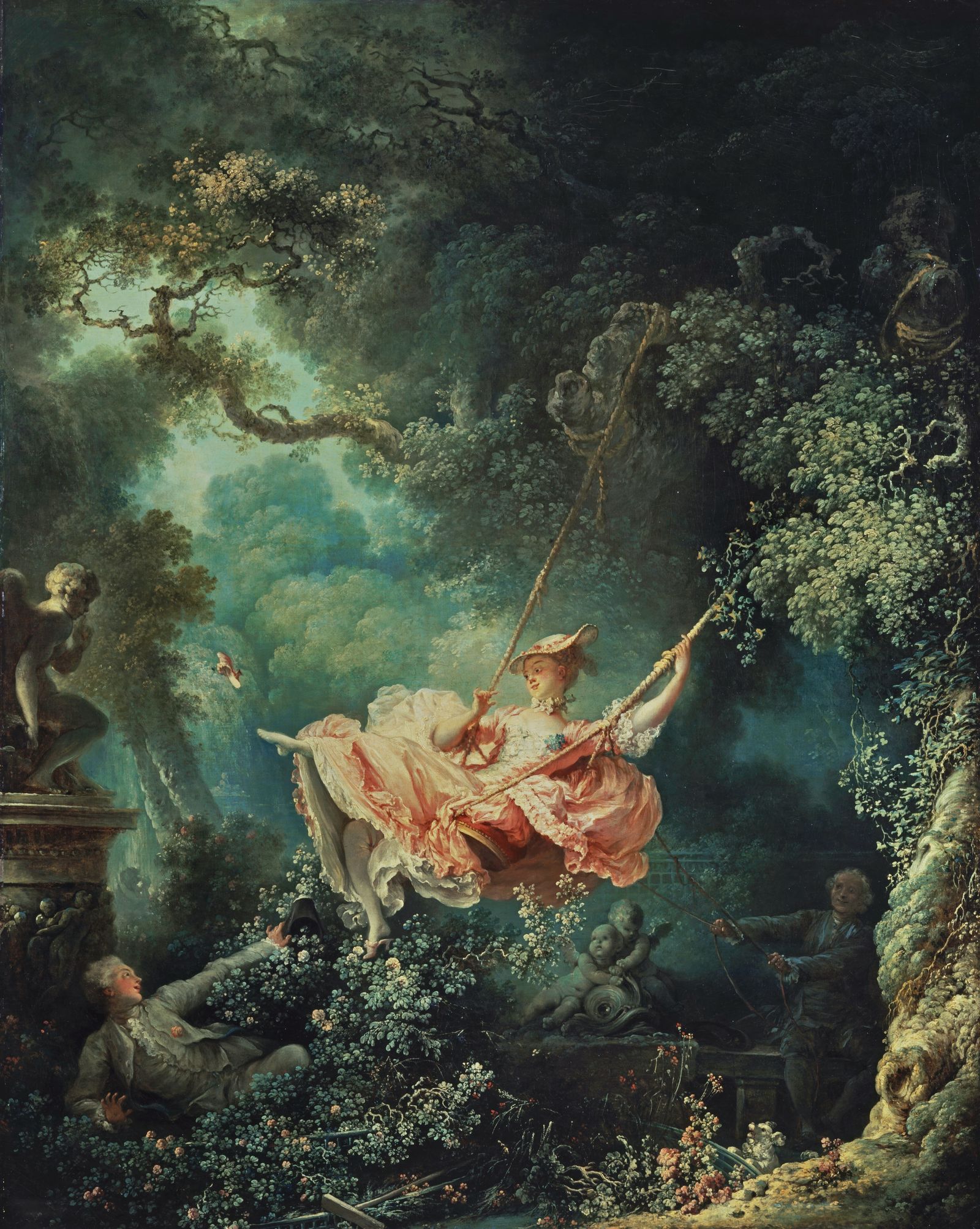
The Swing · Jean-Honoré Fragonard · 1767 · The Wallace Collection, London
A playful reference can suit a couple who would find a solemn double portrait unlike them. Keep the wording equally natural: a warm greeting and a small piece of news will usually say more than a complicated rhyme. Before ordering, check how the layout handles your message at the actual card size, including names that are longer than the sample.
Explore a playful couple style · Explore this artwork
6. A private expression made public with care
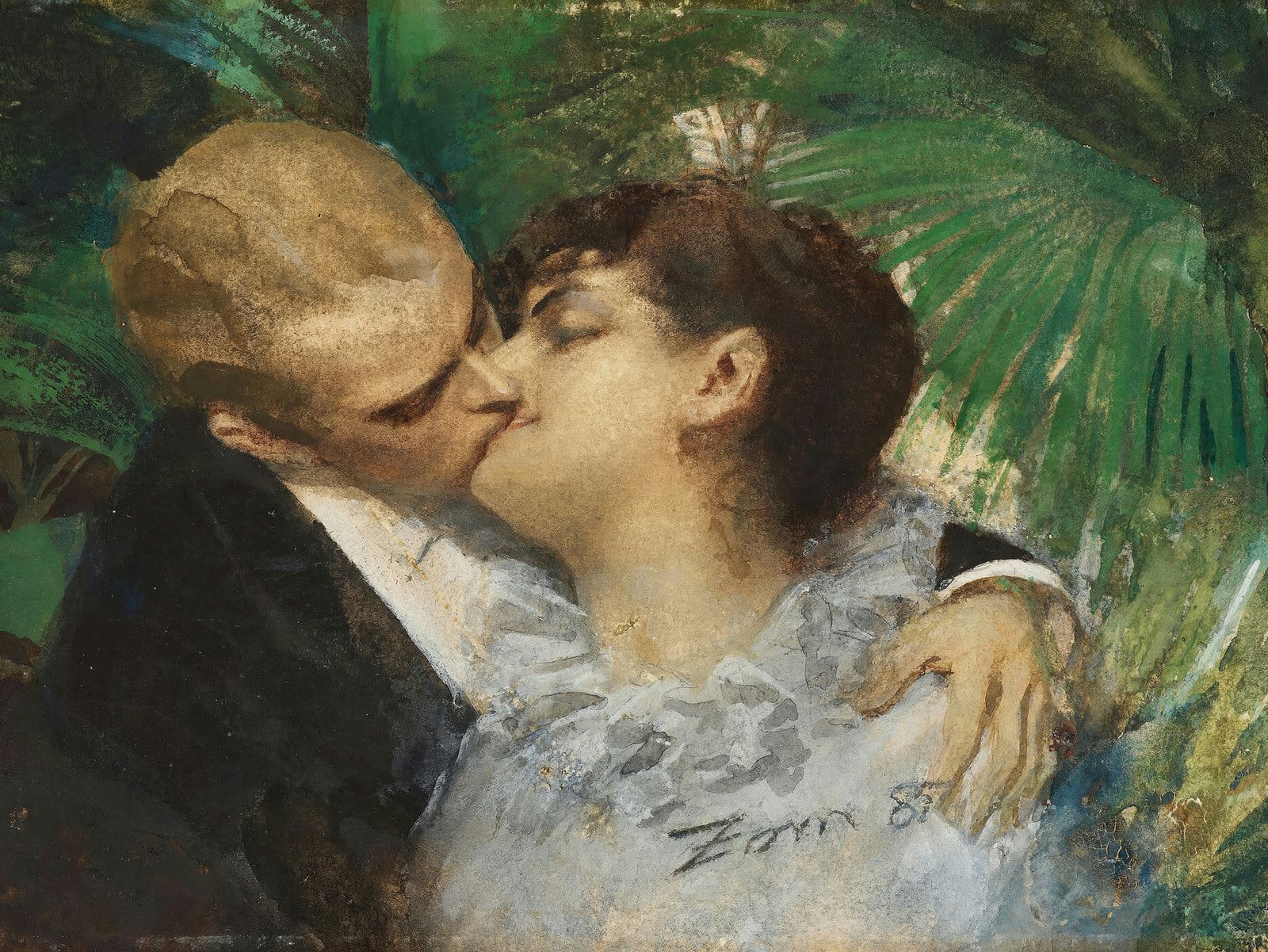
The Embrace · Anders Zorn · 1882–83 · Private collection
A tender portrait can be a lovely married card if both partners are comfortable sharing it. Agree on the source image and the recipient list before creating anything. Intimacy in a picture does not oblige you to write an intimate message; a simple seasonal greeting can leave the portrait to carry the sense of closeness.
Choose The Embrace · Explore this artwork
7. The engagement remembered within the year
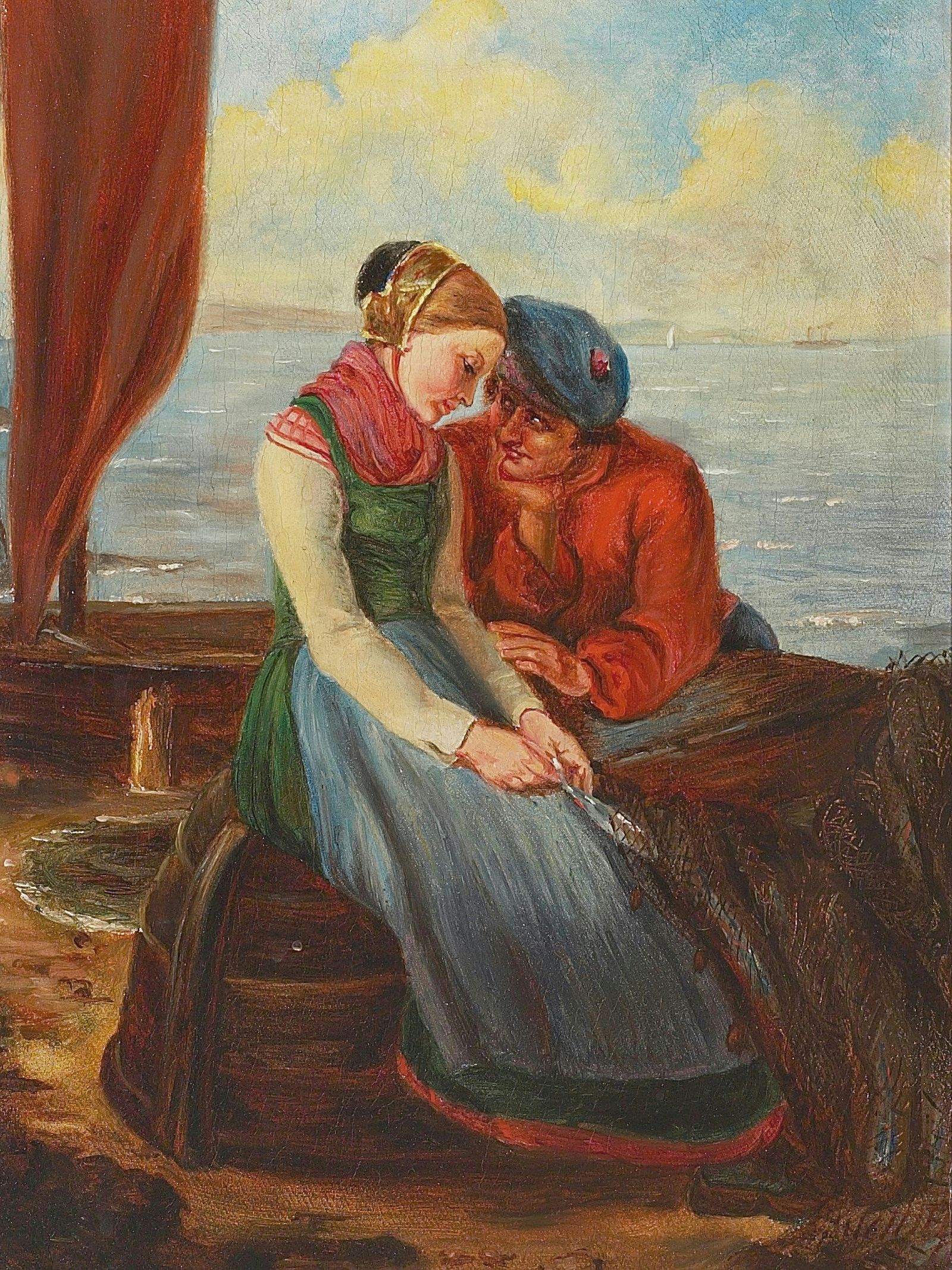
A Proposal: Fisherman and Fisher Girl · Kristian Zahrtmann · c. 1863 · Private collection
If engagement, wedding and Christmas all fall within the same year, a proposal reference can acknowledge the beginning of that story. Use the photograph and wording that make sense to your recipients. Avoid trying to fit the entire timeline on the front; a personal note can carry the details while the card’s main image stays clear.
Create an engagement-memory portrait · Explore this artwork
8. The couple who enjoy a little ceremony
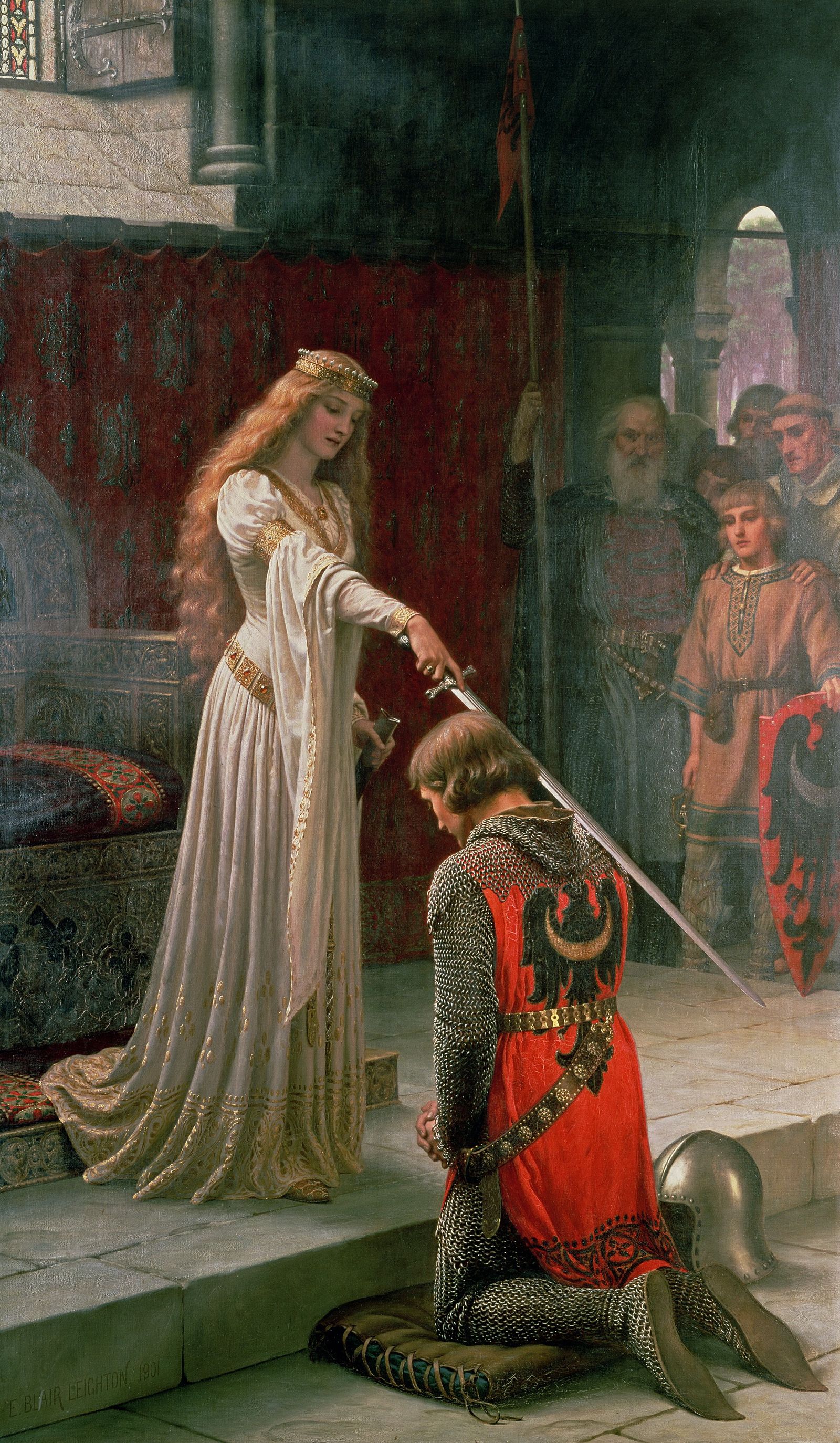
The Accolade · Edmund Blair Leighton · 1901 · Private collection
A ceremonial historical style can make a married Christmas card feel knowingly theatrical. Choose it because both of you enjoy that mood, not because marriage is supposed to look grand. The practical check remains the same: faces, lettering and the whole artwork must fit comfortably in the preview. Adjust the layout instead of accepting an awkward crop.
Explore your historical couple style · Explore this artwork
9. A summer picture for a winter greeting
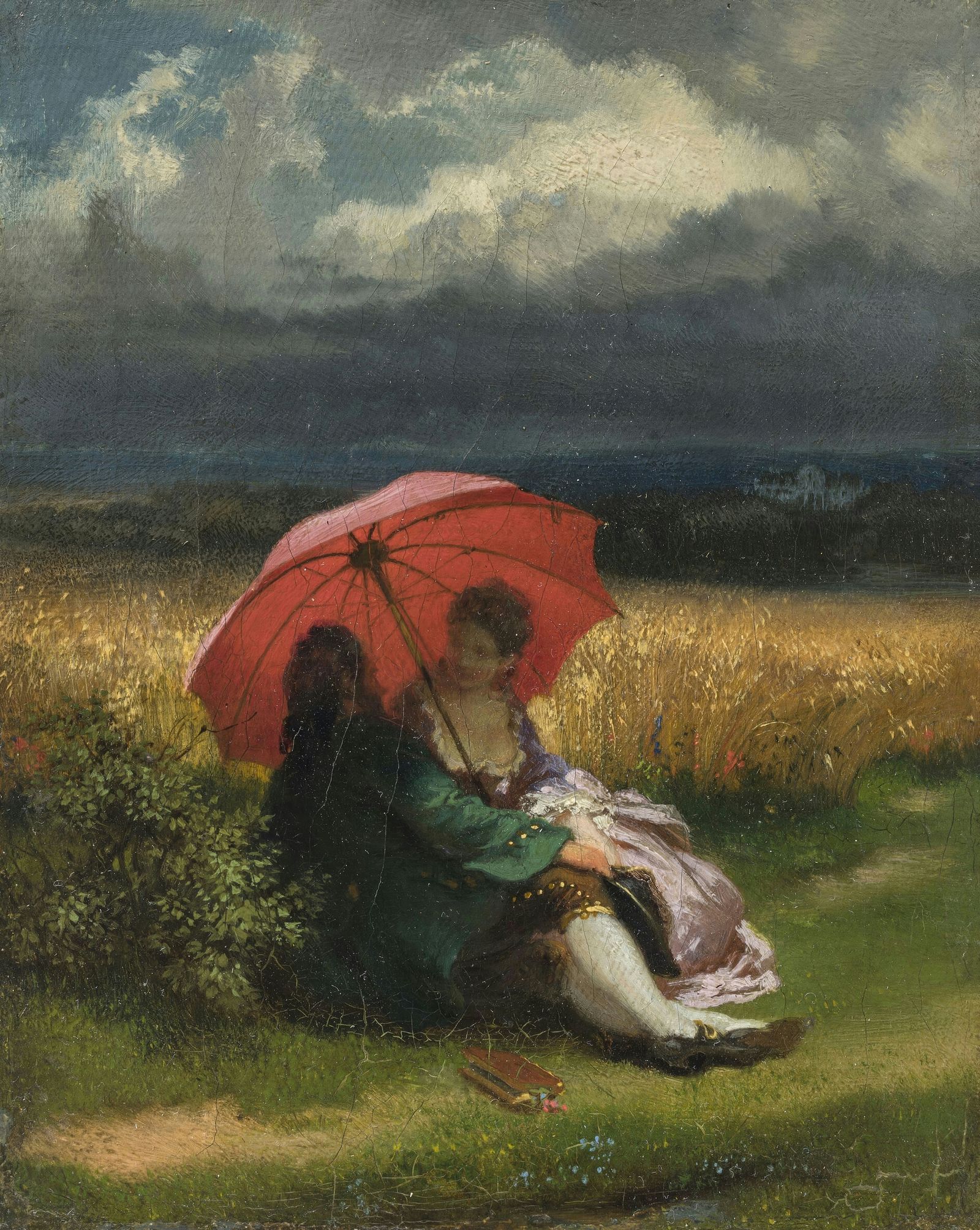
In the Summer (The Red Parasol) · Josef Mánes · 1855 · National Gallery Prague
There is no requirement for a married Christmas card to show snow or festive clothing. A summer photograph can hold the best memory of the year and make the greeting more individual. Use a clear image, keep the message seasonal, and let the contrast between the remembered day and the current occasion be part of the pleasure.
Create your summer-memory portrait · Explore this artwork
10. A dramatic romance, deliberately chosen
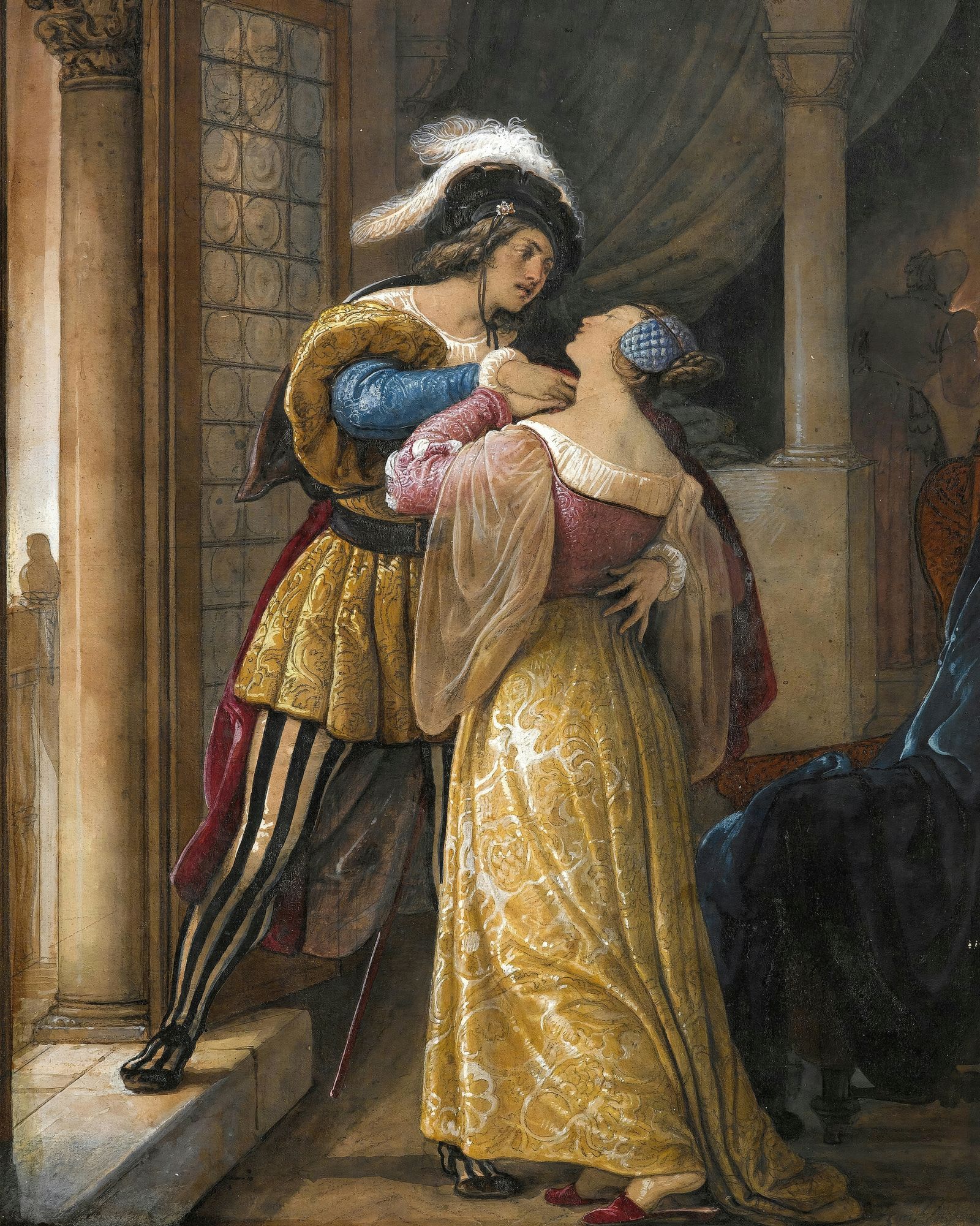
Romeo and Juliet · Francesco Hayez · before 1881 · Private collection
Choose a dramatic couple style only if its mood fits the two of you. Friends and relatives will recognise sincerity more easily than a borrowed grand gesture. If the reference feels too intense for a card, you can still enjoy it as art and choose a quieter style for the portrait. Browse before committing to the final direction.
Explore a romantic portrait style · Explore this artwork
Begin with the portrait Christmas card page to see the current creation path. If you need to make the portrait first, follow the specific style above and return to the card options once you have an image you both like. Keep the greeting in your own voice, check the names together, and give the picture enough space. One good photograph can tell the married part of the story without a crowded announcement.
Create your married Christmas card
- What should a first Christmas married card say?
- A warm seasonal greeting plus one direct reference to your first married Christmas is enough. Use the names you want recipients to know, without assuming a surname change. Add personal news separately if the front would otherwise become crowded.
- Do we have to use a wedding photograph?
- No. A honeymoon image, an ordinary shared day or a recent portrait can represent the year just as well. Choose a photograph both people like and are comfortable sending to the intended recipients.
- Are the artworks here finished married Christmas cards?
- No. They introduce the active romantic styles and show their historical references. The portrait card page establishes the current card workflow, available layouts and product choices. Review the actual preview before ordering.
- How do we choose between a digital and printed card?
- Think about the recipients and how you want to send the greeting. Check the current choices in the card flow and describe the product accurately. This guide does not promise a printed delivery deadline or assume that a digital card becomes a physical pack automatically.