Gifts for mothers and daughters: two people, more than one chapter
Mother daughter gifts can celebrate childhood, adult companionship or a shared interest. Choose a portrait source that both people welcome.
Mother daughter gifts can make room for two different memories of the same relationship. A mother may return to a childhood photograph; her daughter may prefer a recent picture in which they meet as adults. Choosing a portrait together allows both views to matter without forcing one to stand for the whole story.
The ten historical references below offer ways to think about the subject, from a parent and child to reading, music and a shared home. They do not all depict mothers and grown daughters, and they are not finished customer portraits. Use them as prompts, then open the mother portrait journey to explore the current options for your own photograph.
A mother daughter portrait can mark a birthday, a move or an ordinary moment. It does not need to announce that the relationship is perfect. A photograph both people like is a useful and generous place to begin.
1. Begin with a photograph both people choose
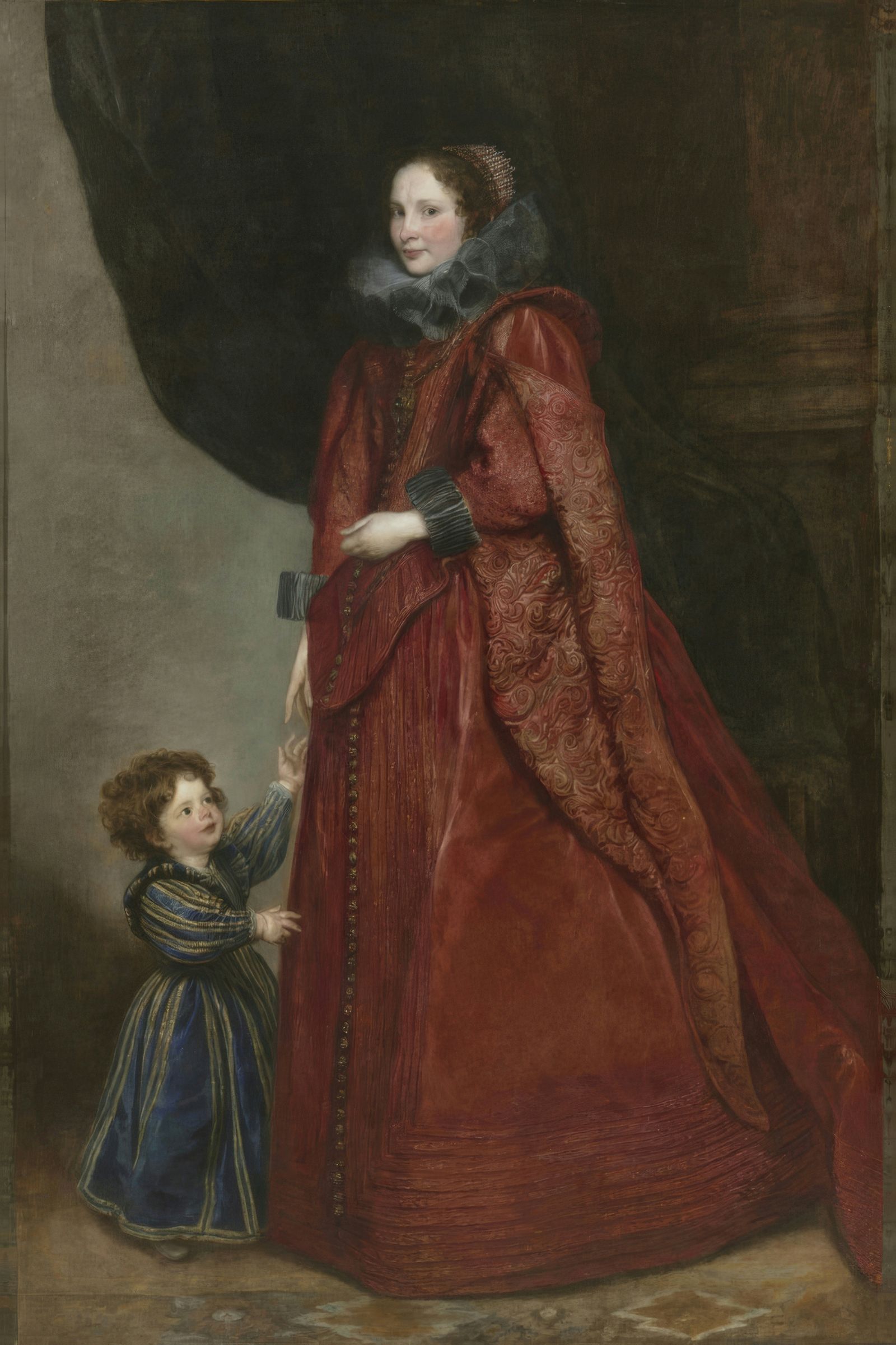
A Genoese Lady with Her Child · Anthony van Dyck · c. 1623–25 · Cleveland Museum of Art
Van Dyck's mother-and-child reference can prompt a conversation about which stage to picture. Ask each person separately before settling on a source. One may prefer an early image and the other a recent one. Comparing those preferences can be part of the gift, rather than a disagreement to solve by choosing whichever photograph happens to be easiest to find.
Explore your portrait · Explore this artwork
2. Make the adult relationship visible
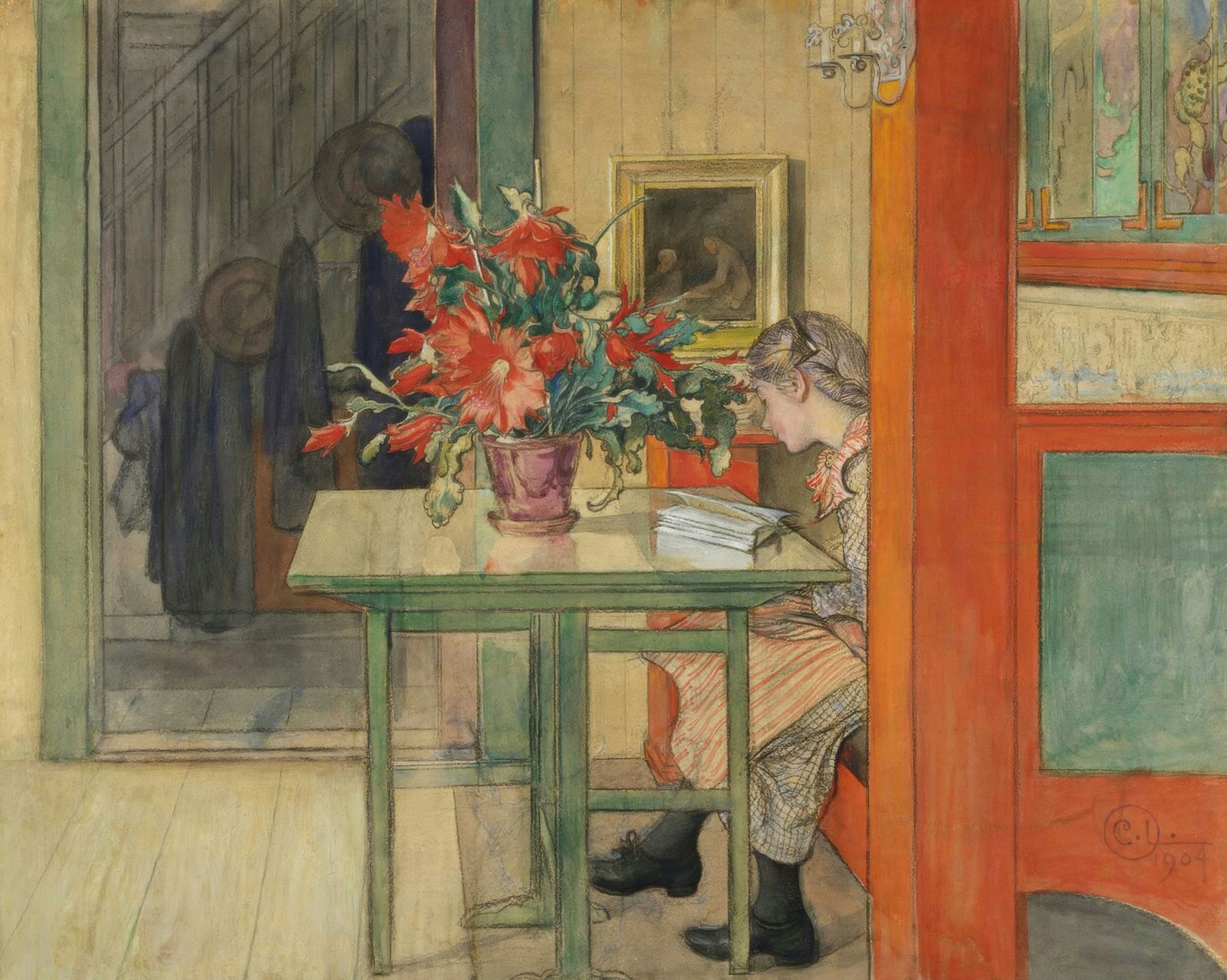
Lisbeth Reading · Carl Larsson · 1904 · Nationalmuseum, Stockholm
Larsson's reading subject suggests a person with her own interests and inner life. For a mother and adult daughter, a recent source can recognise that independence while keeping the connection. Choose a photograph where each person feels comfortable. The gift need not return to childhood simply because that is where the family album holds the largest number of pictures.
Explore your portrait · Explore this artwork
3. Remember the household without reducing either person to a role
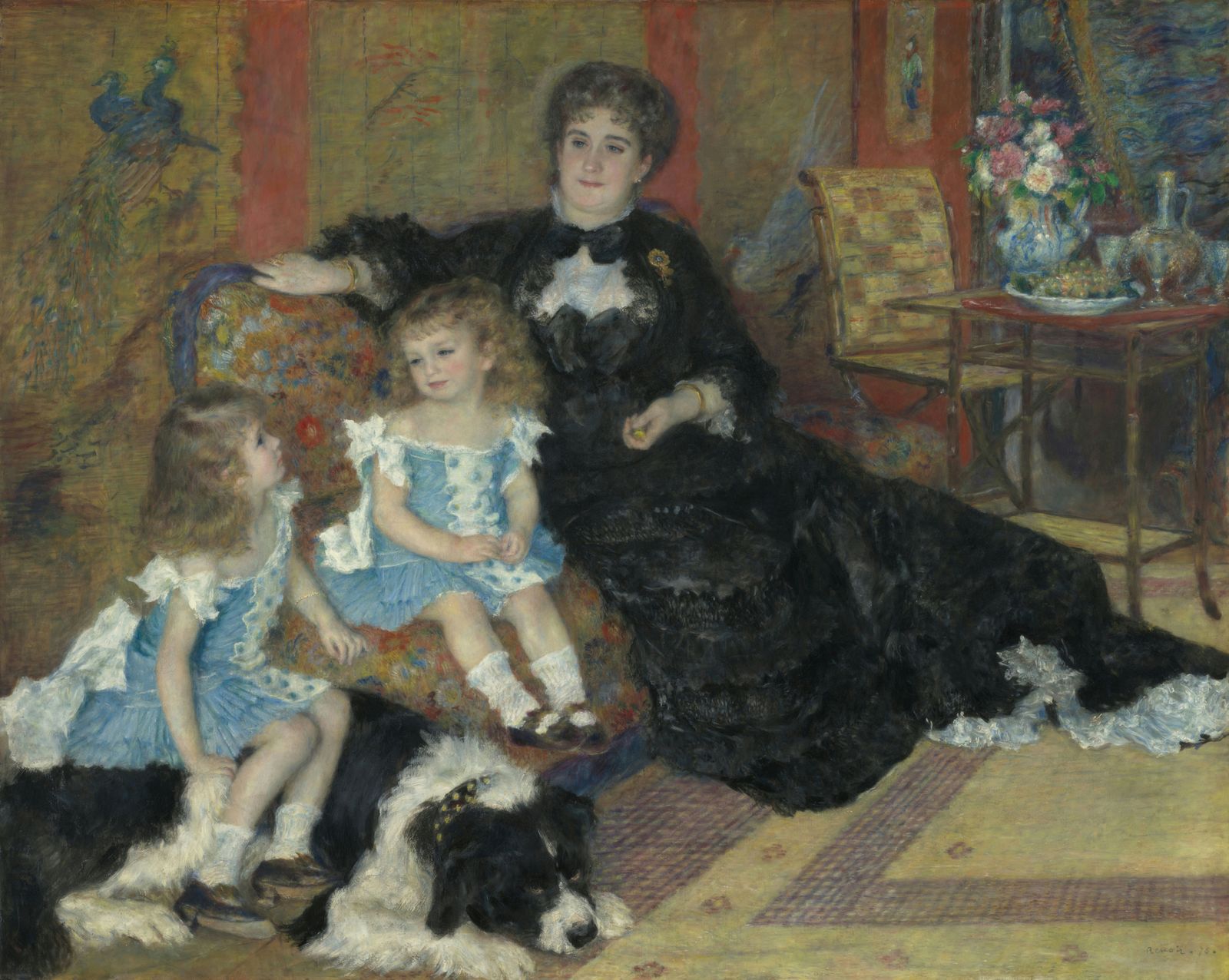
Madame Charpentier and Her Children · Auguste Renoir · 1878 · The Metropolitan Museum of Art
Renoir's family portrait can prompt a shared image connected with home. Consider whether the mother is always shown caring and the daughter always being cared for. A more recent photograph may offer another balance. Both people can be present as individuals, and the accompanying note can acknowledge the relationship without explaining away the differences between them.
Explore your portrait · Explore this artwork
4. Choose the ordinary table
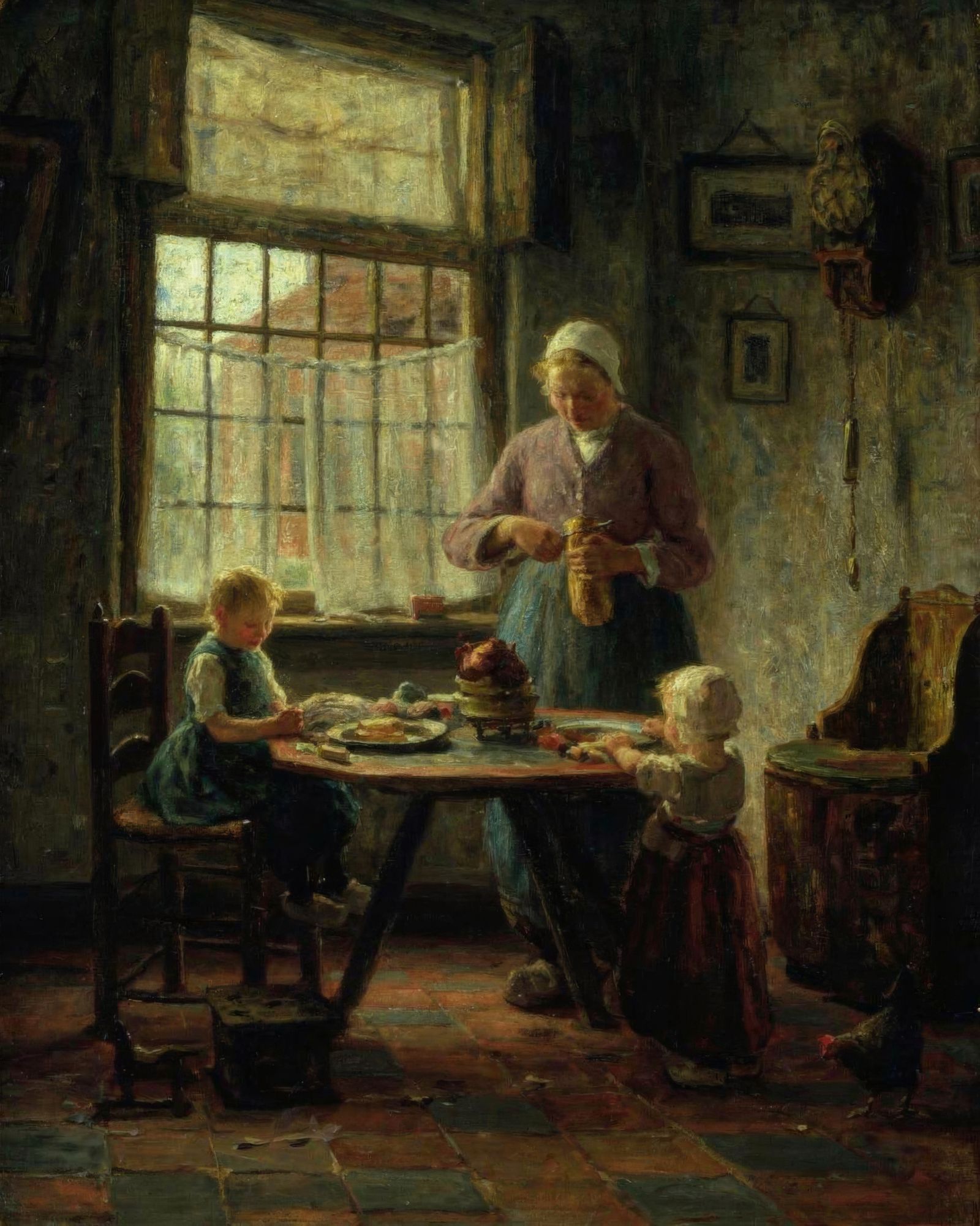
A Family Meal · Evert Pieters · 1890s (?) · Art Institute of Chicago
Pieters's family meal can prompt a source from an unremarkable visit. Those photographs may hold the adult companionship more clearly than a formal family occasion. Find the original file and look at both faces. A familiar setting is meaningful, but it should not outweigh a source in which one person is blurred or uncomfortable with the expression they have been given.
Explore your portrait · Explore this artwork
5. Share the quiet interest
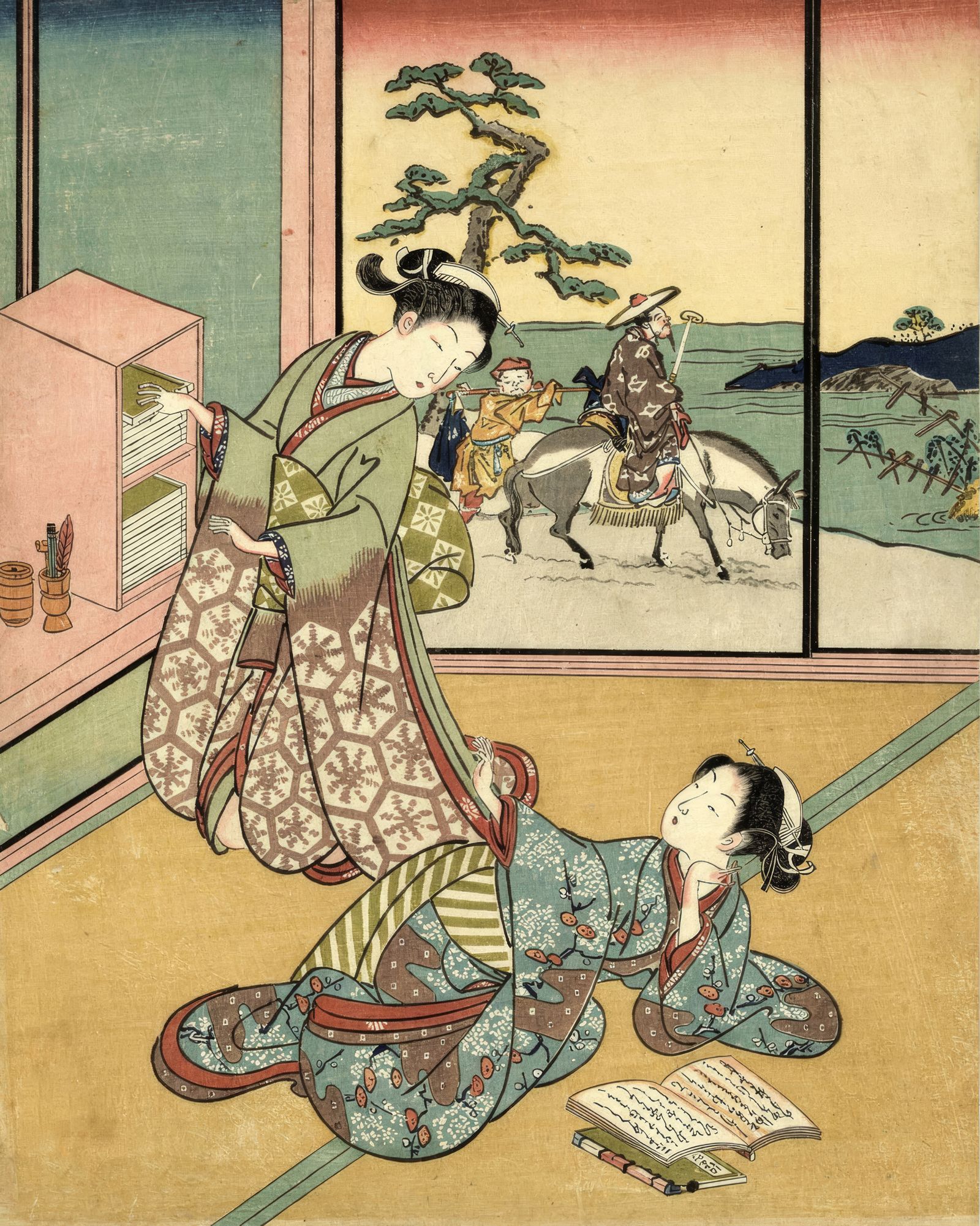
Two Young Women Reading Books · Suzuki Harunobu 鈴木 春信 Japanese, 1725 (?)-1770 · c. 1767/68 · Art Institute of Chicago
Harunobu's reading figures provide a reference for companionship through an activity. You might choose a photograph connected with books, museums or time spent learning something together. It does not need to copy the historical scene. A note about the conversation or place can carry the memory, leaving the portrait to concentrate on the two people and the visual direction you choose.
Explore your portrait · Explore this artwork
6. Keep a childhood chapter, with consent
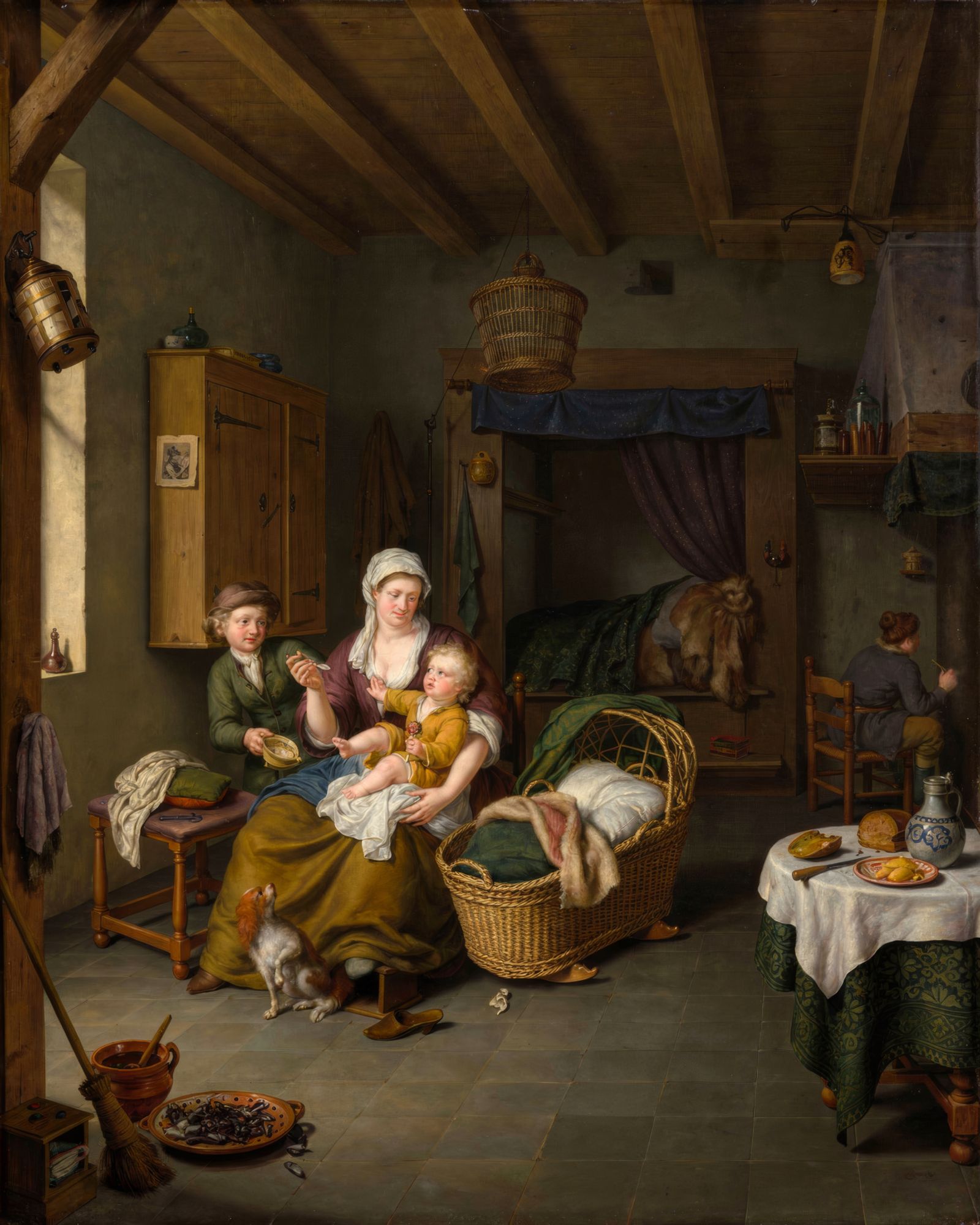
A Mother Feeding her Child (The Happy Mother) · Willem van Mieris · 1707 · Art Institute of Chicago
Van Mieris's mother-and-child subject can prompt a return to early photographs. Check that the daughter enjoys the image as much as the mother does. A picture can be precious to a parent and still feel too private to the person who was a child. If it is not welcome as a wall portrait, another source can honour the same affection.
Explore your portrait · Explore this artwork
7. Include the animal who belongs to the memory
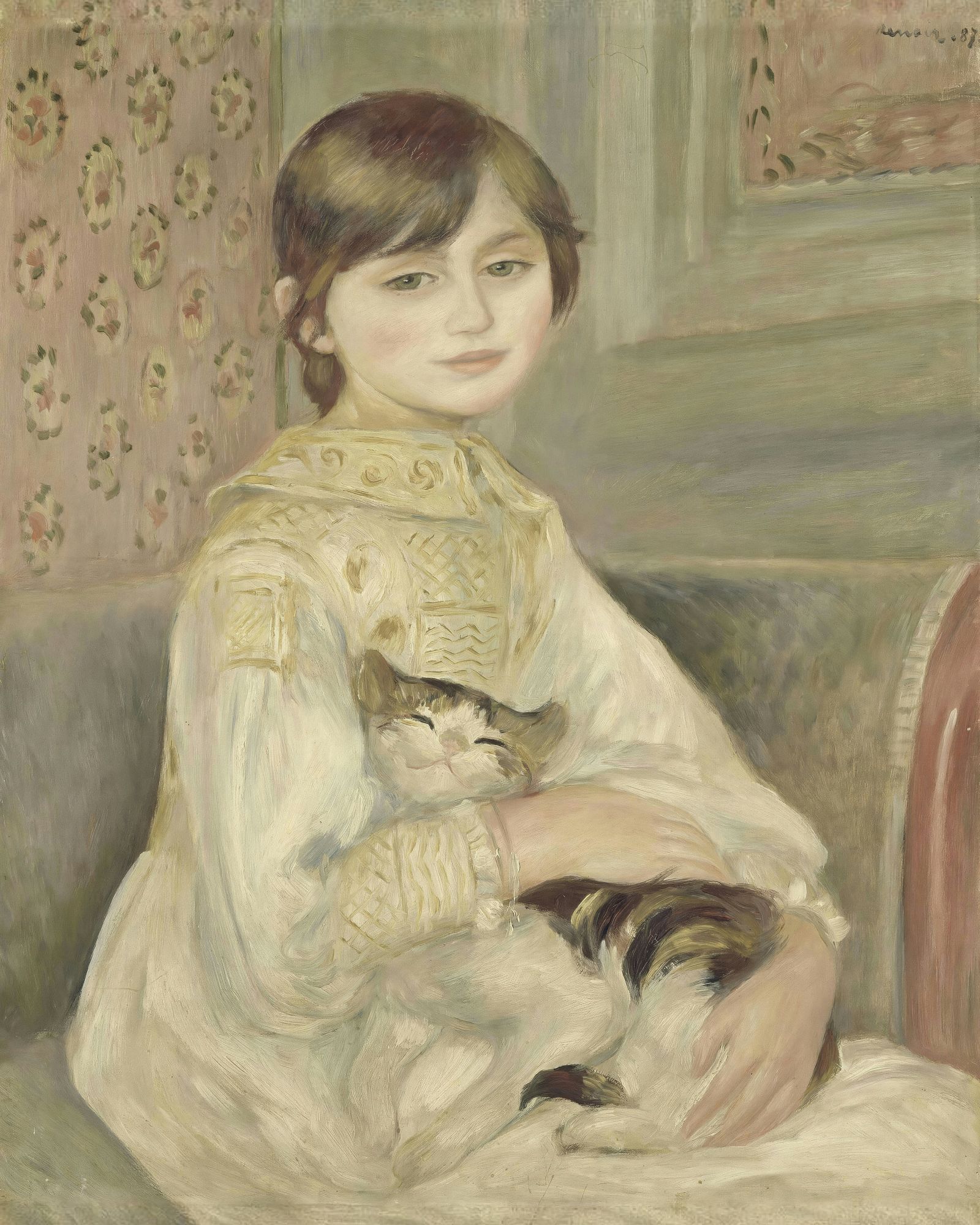
Julie Manet · Pierre-Auguste Renoir · 1887 · Musée d'Orsay, Paris
Renoir's Julie Manet can remind you how often family photographs include a loved pet. Decide whether the animal is part of the portrait you want or part of the story you will tell in the card. Respect the pet's natural role. The gift can be affectionate without giving the animal human clothes or turning the relationship into a costume scene.
Explore your portrait · Explore this artwork
8. Give a shared home a supporting role
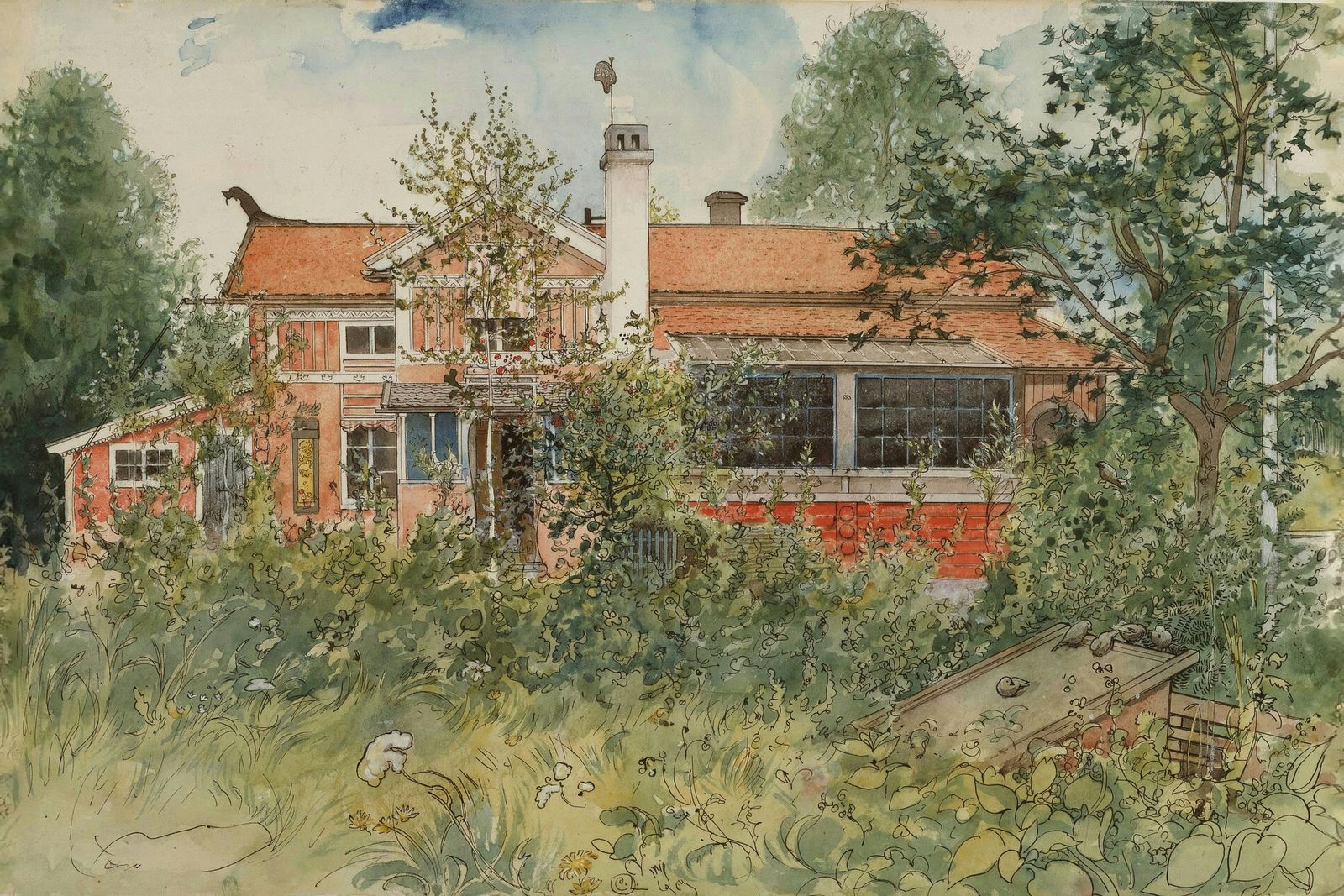
The Cottage (Stugan). From A Home · Carl Larsson · 1899 · Nationalmuseum, Stockholm
Larsson's home reference can prompt a photograph associated with a kitchen, a garden or a house that has changed hands. Choose the source for the people first. The place can be named in your note, without promising a literal reconstruction in the portrait. If the building is the true subject, pause and consider whether a different kind of gift would be more appropriate.
Explore your portrait · Explore this artwork
9. Find the activity both people enjoy
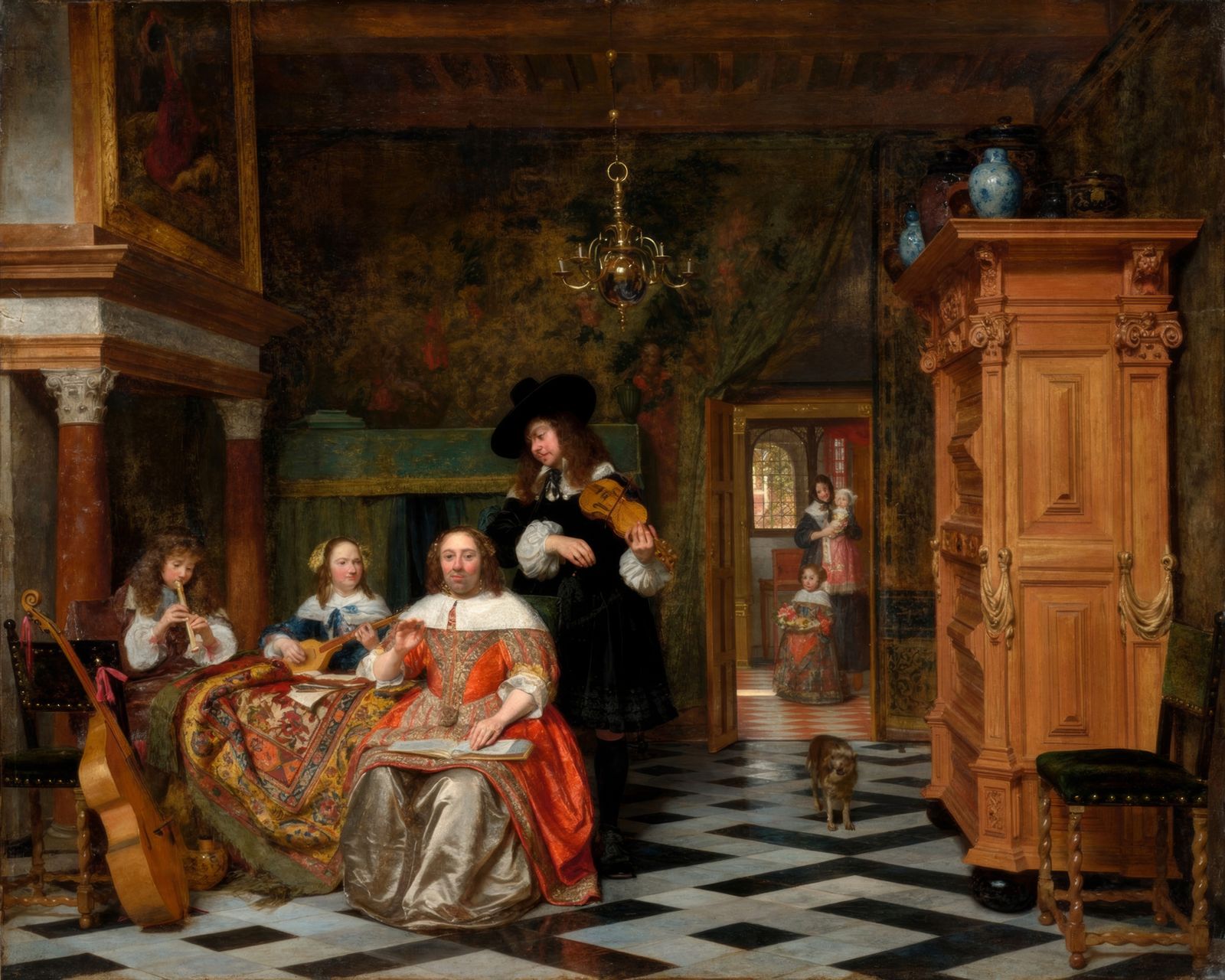
Portrait of a Family Playing Music · Pieter de Hooch · 1663 · Cleveland Museum of Art
De Hooch's music portrait suggests a source connected with making or doing something together. Avoid choosing an activity that one person only organised for the other. A mother daughter gift can recognise a shared pleasure that developed later: a concert tradition, a course or a regular day out. Select the photograph that recalls that equality rather than the most formal event.
Explore your portrait · Explore this artwork
10. Leave room for a complicated year
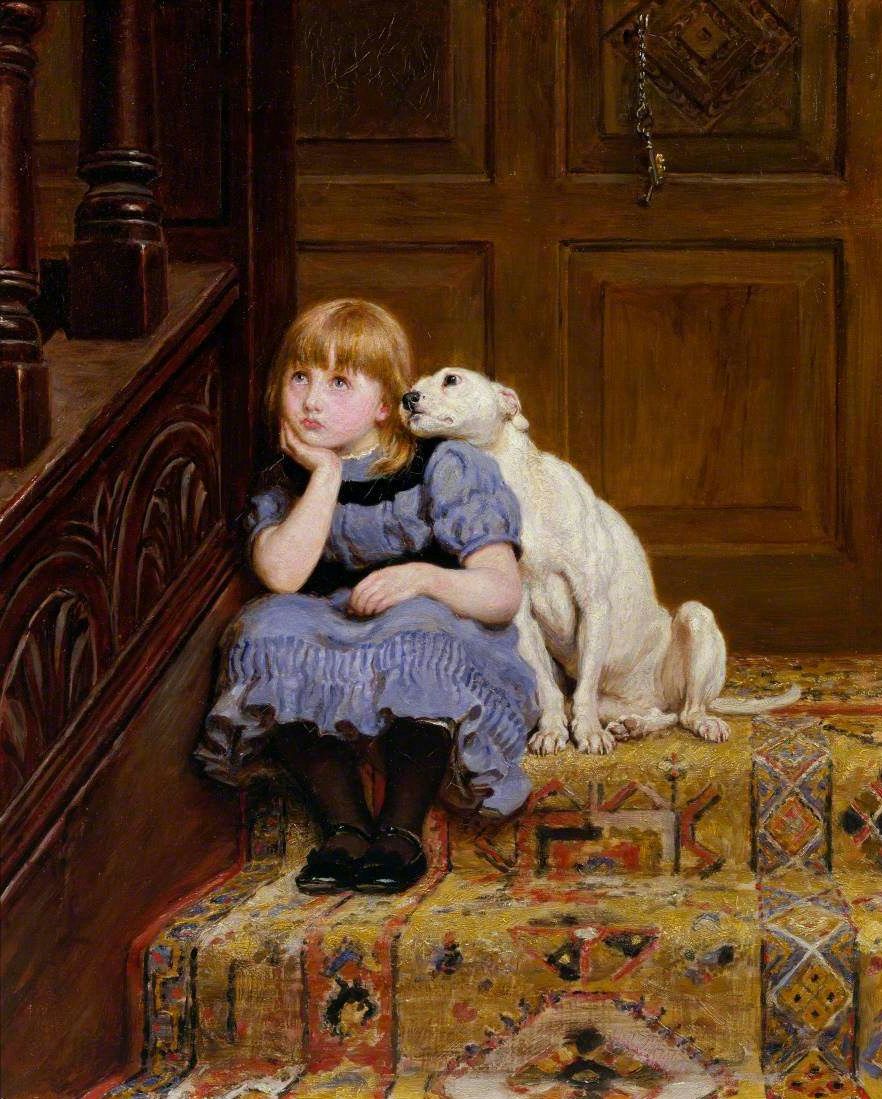
Sympathy · Briton Riviere · 1878 · Royal Holloway, University of London
Rivière's Sympathy can be a reminder that closeness is sometimes expressed through support rather than celebration. If the gift follows a hard period, keep the words honest and gentle. Do not ask the portrait to prove that everything is healed. Both people can value a memory without agreeing on one complete account of the relationship or feeling obliged to display it publicly.
Explore your portrait · Explore this artwork
When choosing mother and daughter gifts, consider making the selection itself shared. Each person can bring a favourite photograph and say what she likes about it. The clearest image may not be the earliest one, and the most meaningful source may not be the one the wider family would select.
Open the mother portrait journey to compare current styles and follow the image guidance. Review the portrait before choosing any available digital or printed format. Product details, including formats and delivery information, belong on the current page rather than in assumptions made from the historical reference.
A portrait can hold one chapter without claiming to describe every part of a relationship. Choose an image both people welcome, write a note that leaves space for their different experiences and let the finished picture find its place naturally. The gift becomes personal through that attention to two people, not through a general idea of motherhood.
- Do mother daughter gifts need to use a childhood photograph?
- No. A recent image can celebrate an adult relationship. Choose the photograph both people like rather than assuming the earliest picture is the most meaningful.
- What if we prefer different photographs?
- Compare what each person values in the images. You might choose a recent source for the portrait and keep the childhood memory in a separate note or album.
- Are all the artworks here mother-and-daughter scenes?
- No. They are historical references for thinking about companionship, home and shared interests. The catalogue captions identify the actual subjects of each work.