A personalized birth chart, a reading and the portrait that follows
personalized birth chart: Ten distinctions to make before choosing a chart, a symbolic reading or personal wall art.
A personalized birth chart begins with information about a birth, but people search for it with different expectations. Some want a labelled diagram; others want a reading, a symbolic artwork or a portrait. Fable's astrology route connects a personal reading with a portrait experience. Inspect the current offer there if you require a particular chart diagram or printed format, rather than assuming every kind of birth-chart art is included.
The ten historical images below are visual prompts for those choices, not illustrations of your own chart. Astrology is a symbolic tradition for reflection, not prediction. The reading flow asks for a birth date and place; a known birth time adds information such as the rising sign. If the time is unknown, say so. Accurate input is more useful than inventing a detail to make a form look complete.
1. First decide what you want to receive
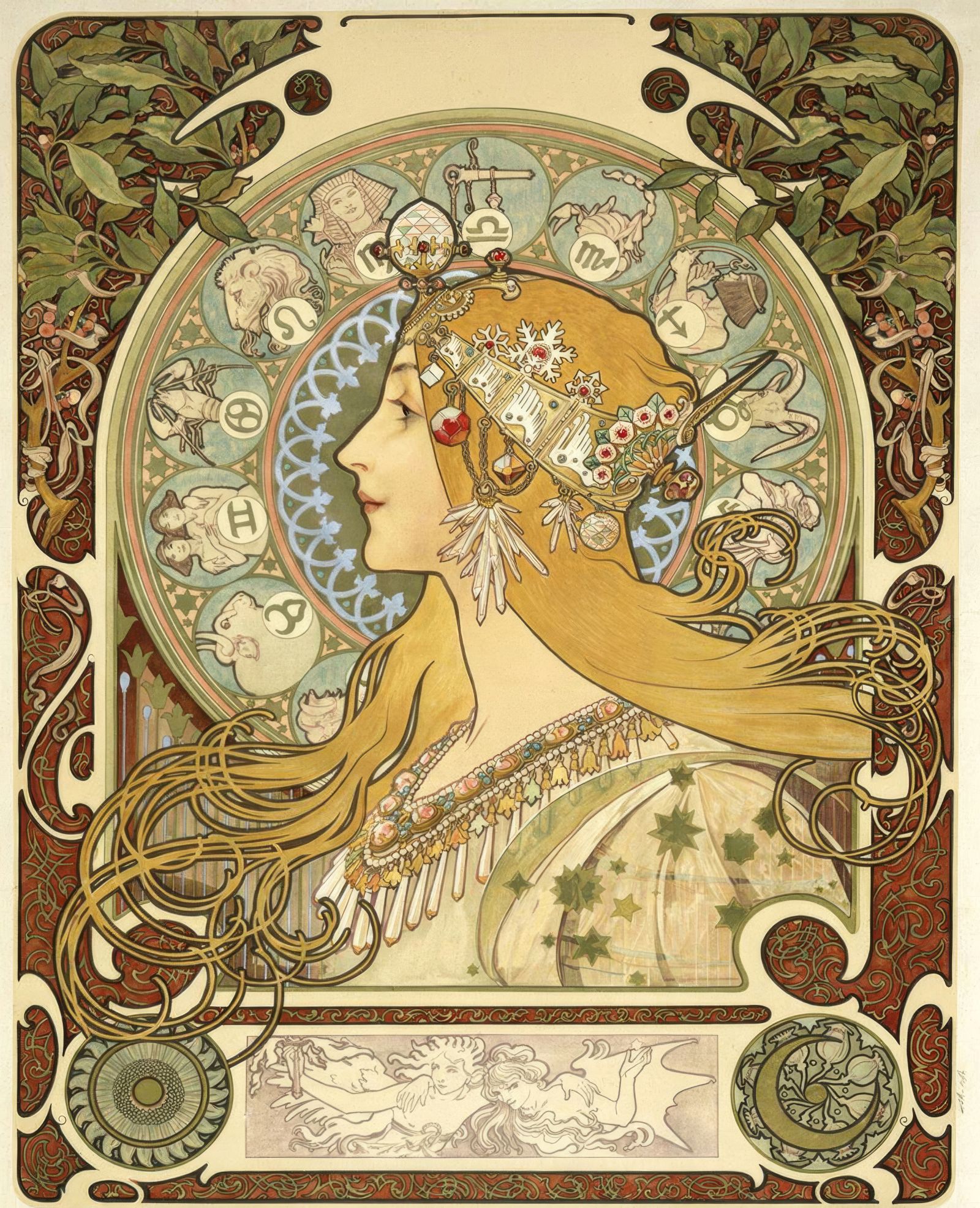
Zodiac · Mucha · 1896 · Victoria and Albert Museum
Mucha's Zodiac is a historical image with a zodiac subject; it is not a personalised chart made from your birth details. That distinction is the right place to begin. Open Fable's astrology page and read what the current reading and portrait offer contains. If you specifically need a circular diagram with labelled positions, confirm that requirement in the live experience before choosing a purchase.
Explore your birth-chart reading · Explore this artwork
2. Keep the sky and its stories distinct
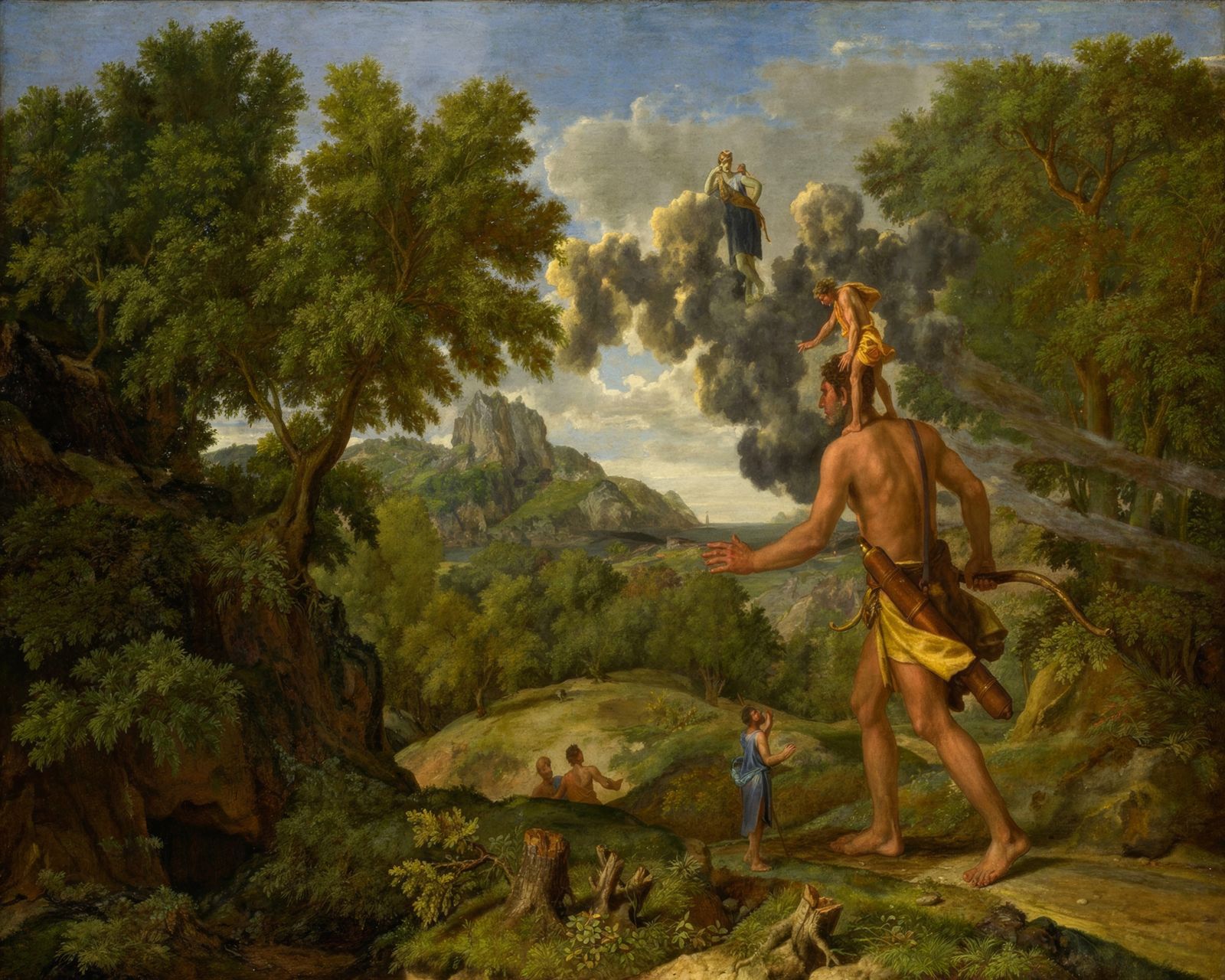
Blind Orion Searching for the Rising Sun · Nicolas Poussin · 1658 · The Metropolitan Museum of Art
Orion belongs to a mythological picture, while a birth chart uses a particular birth's time and place. Both can prompt reflection, but they do not provide the same kind of information. Choose this masterwork as wall art if the story interests you. For a personal reading, use the astrology route and enter your own details, keeping the meaning of the resulting symbols open to your judgement.
3. Treat a beginning as a question
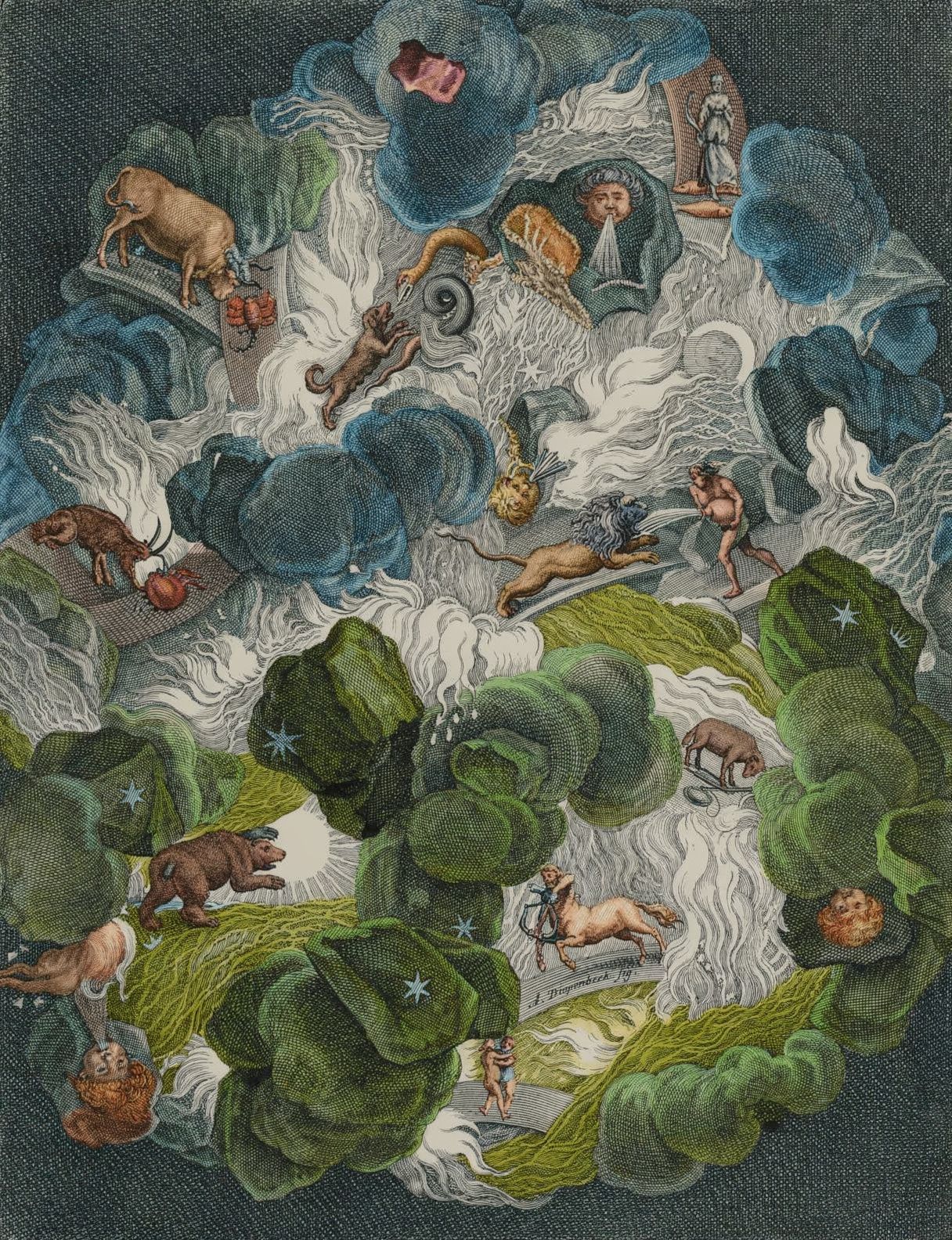
Chaos, or the Origin of the World · Bernard Picart and other engravers, Le Temple des Muses (1749 edition) · 1749 (publication) · Getty Research Institute · Fable contemporary colour interpretation after the historical work
An image titled Chaos, or the Origin of the World can be a useful companion to thinking about beginnings. It does not stand for a specific placement in your chart. The catalogue identifies the displayed version, including contemporary colour when applicable. If you choose it for your wall, choose the work itself. A personal reading and portrait are separate creations with their own presentation and purchase details.
4. Do not reduce the chart to two symbols
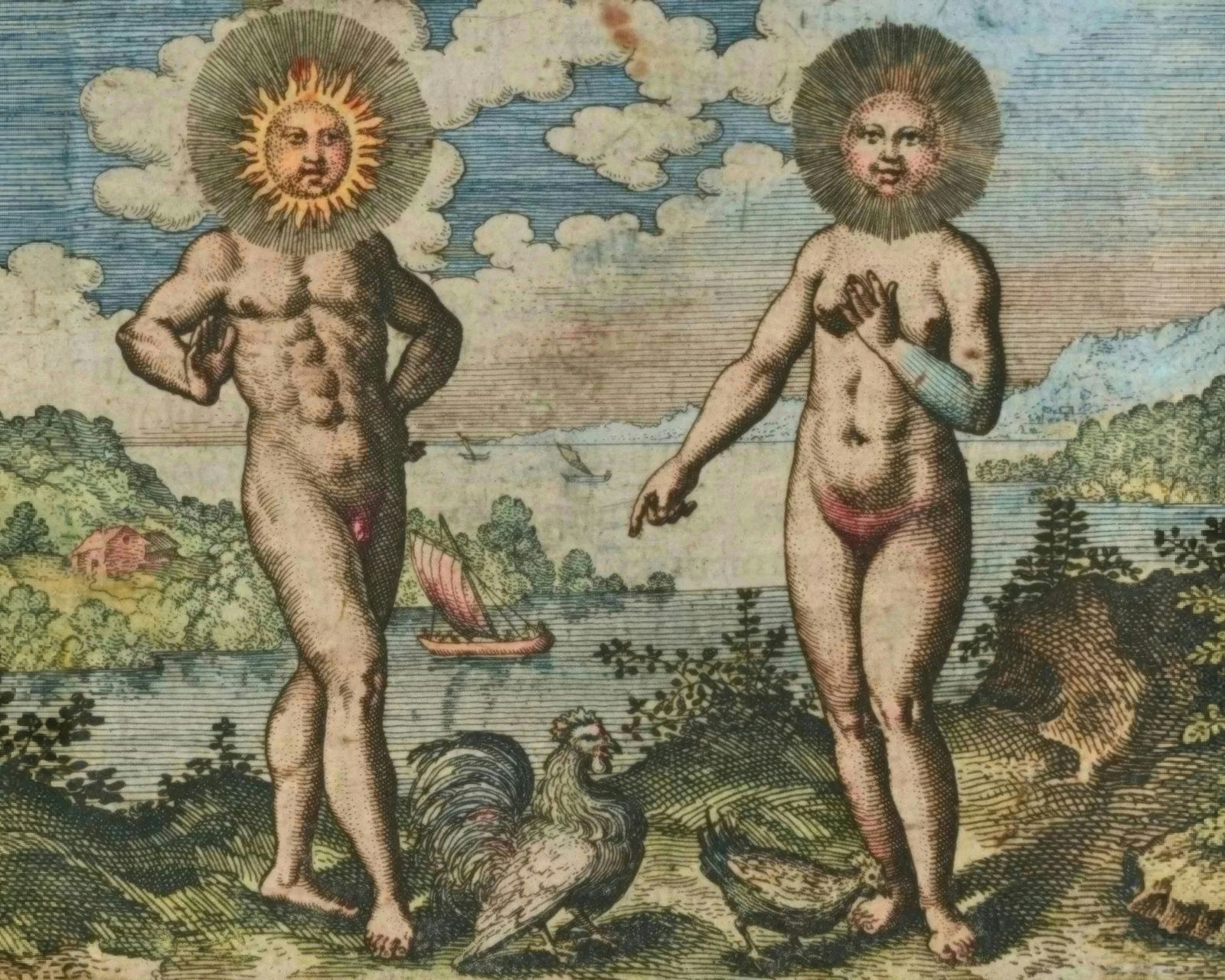
Sun and Moon · Matthäus Merian the Elder, after Michael Maier · 1618 · Science History Institute, Roy G. Neville Historical Chemical Library · Fable contemporary colour interpretation after the historical work
The Sun and Moon are familiar symbolic figures, but a personal chart is not exhausted by a simple pair of emblems. Use this alchemical image as historical art context rather than as a literal chart. In the reading flow, supply the requested birth information and follow the interpretation at your own pace. Avoid making a permanent display decision before you have read what the experience actually offers.
5. Leave room for an uncertain birth time
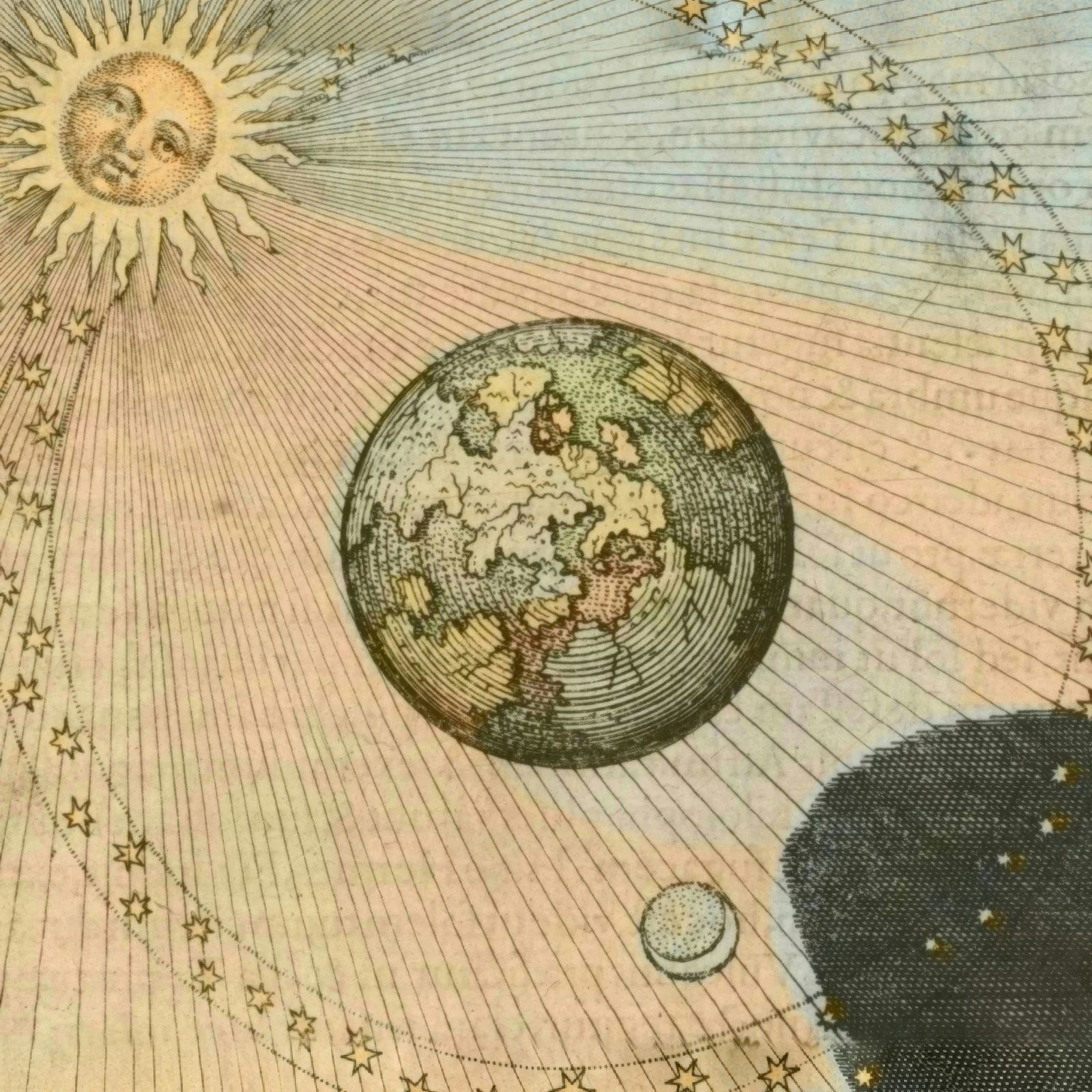
The Sun and its Shadow · Matthäus Merian the Elder, after Michael Maier · 1618 · Science History Institute, Roy G. Neville Historical Chemical Library · Fable contemporary colour interpretation after the historical work
A picture about sun and shadow can prompt a practical point: unknown information should remain unknown. Do not invent an exact birth time to force a rising sign into a reading. Fable's flow allows you to indicate that the time is not known. The historical work is a symbolic comparison only. Its caption records whether the displayed image is a contemporary colour interpretation of an older source.
6. Separate a Moon sign from a moon story
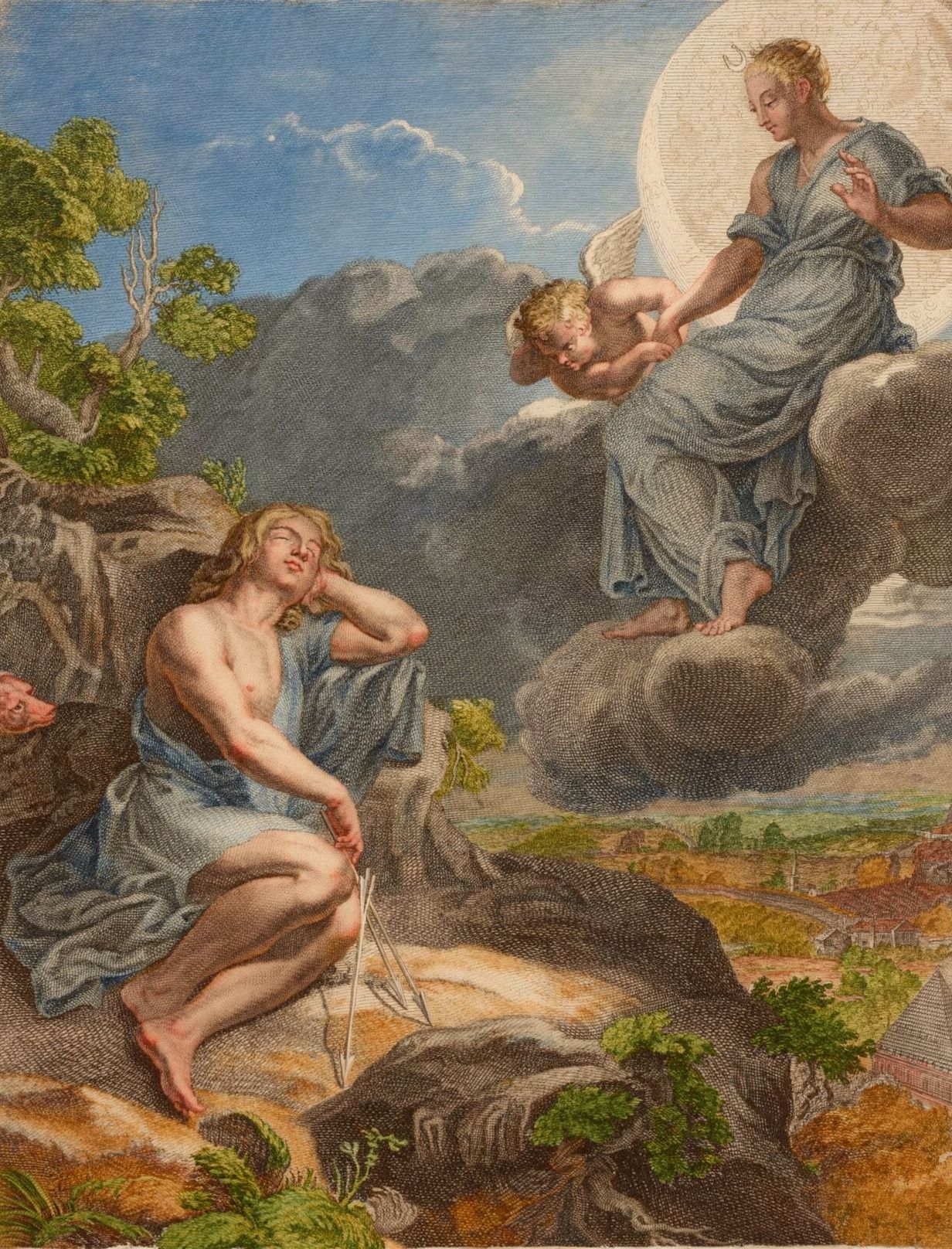
The Moon and Endymion · Bernard Picart and other engravers, Le Temple des Muses (1749 edition) · 1749 (publication) · Getty Research Institute · Fable contemporary colour interpretation after the historical work
The Moon and Endymion is a narrative image, not a diagram of the Moon at your birth. It may appeal as a print for entirely personal reasons. A reading can also use symbolic language without making every pictured moon a literal chart placement. Keep those categories clear when choosing what to hang: a work of art can remain open-ended, while the reading explains the specific information it is using.
7. Choose a portrait photograph for clarity
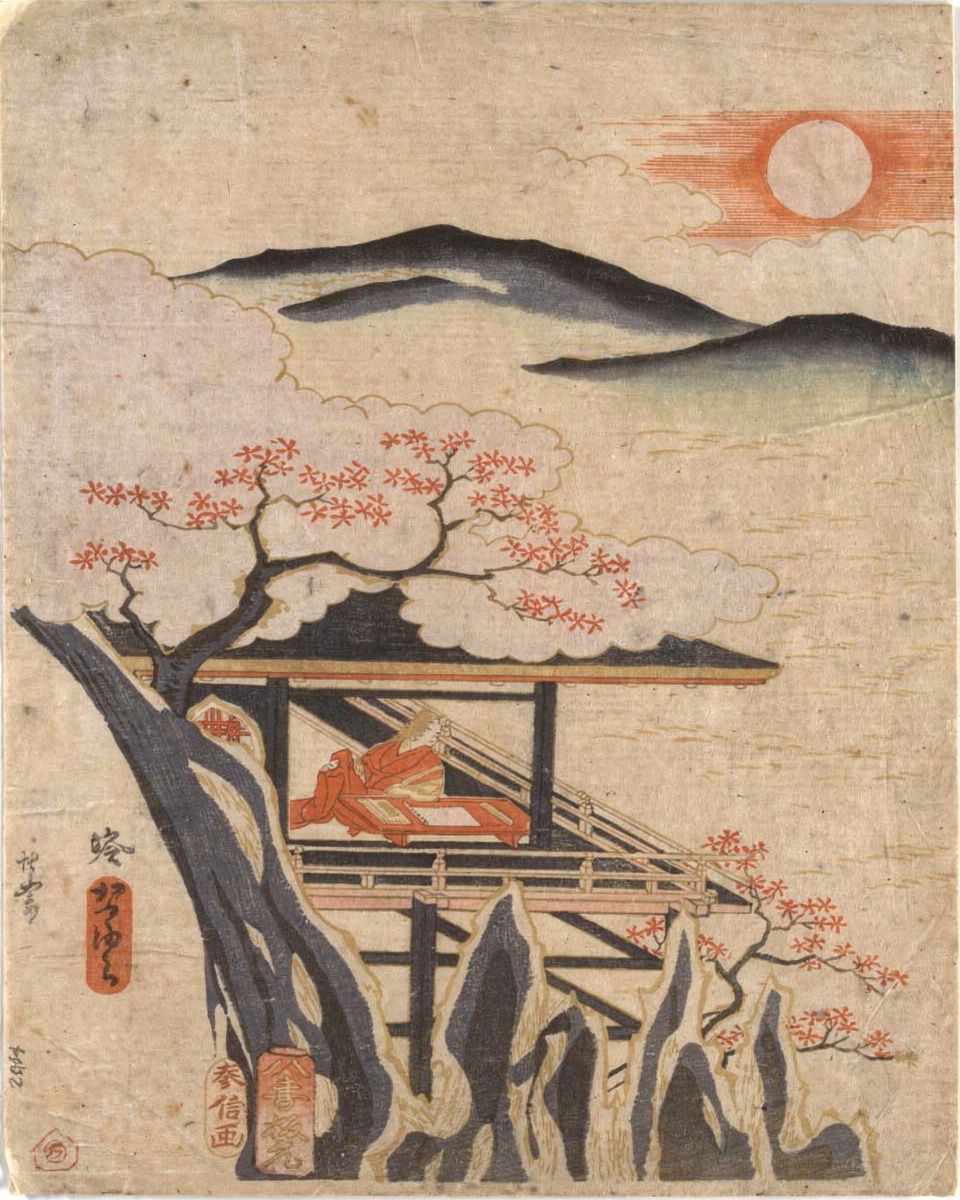
Moon at Ishiyama-dera · Suzuki Harunobu 鈴木春信 · Edo period, circa 1762–1764 (Hōreki 12-Meiwa 1) · Harvard Art Museums
The historical moon-viewing subject is context for the article, not a model you need to imitate in a selfie. If you proceed from the reading towards a personal portrait, follow the photo guidance in the live flow. A clear face in comfortable light is more useful than trying to stage a celestial setting. The reading's symbols and your photograph have different jobs in the experience.
8. Consider the picture separately from the interpretation
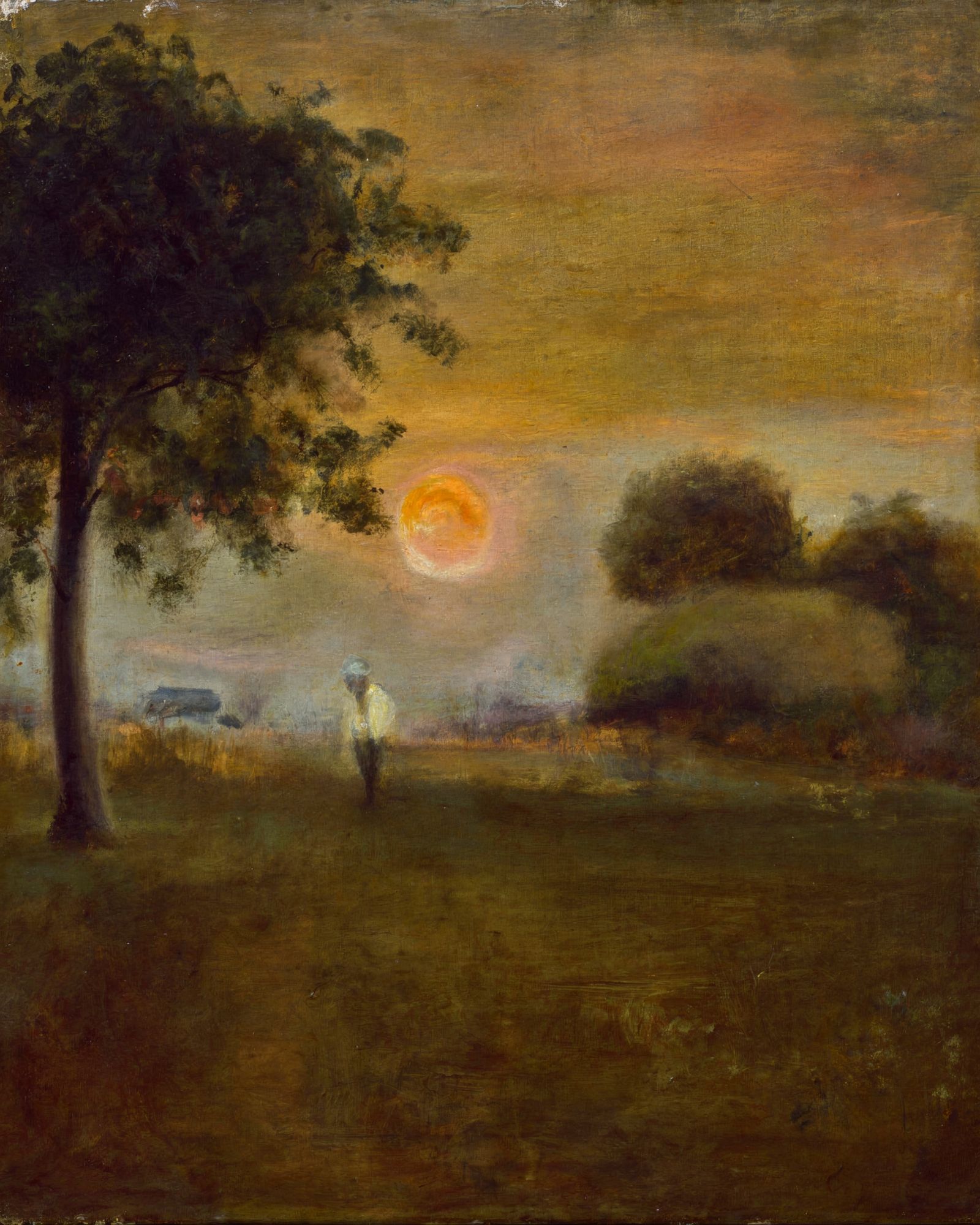
Moonrise · George Inness · 1891 · Art Institute of Chicago
A landscape can be meaningful without a written explanation attached. The same is true when deciding whether you want your own portrait displayed at home. Read the personal text first, then consider the image on its own. If you are exploring this historical Moonrise instead, follow its catalogue page and assess its actual print options rather than assuming it comes bundled with the astrology experience.
9. Think about where personal information belongs
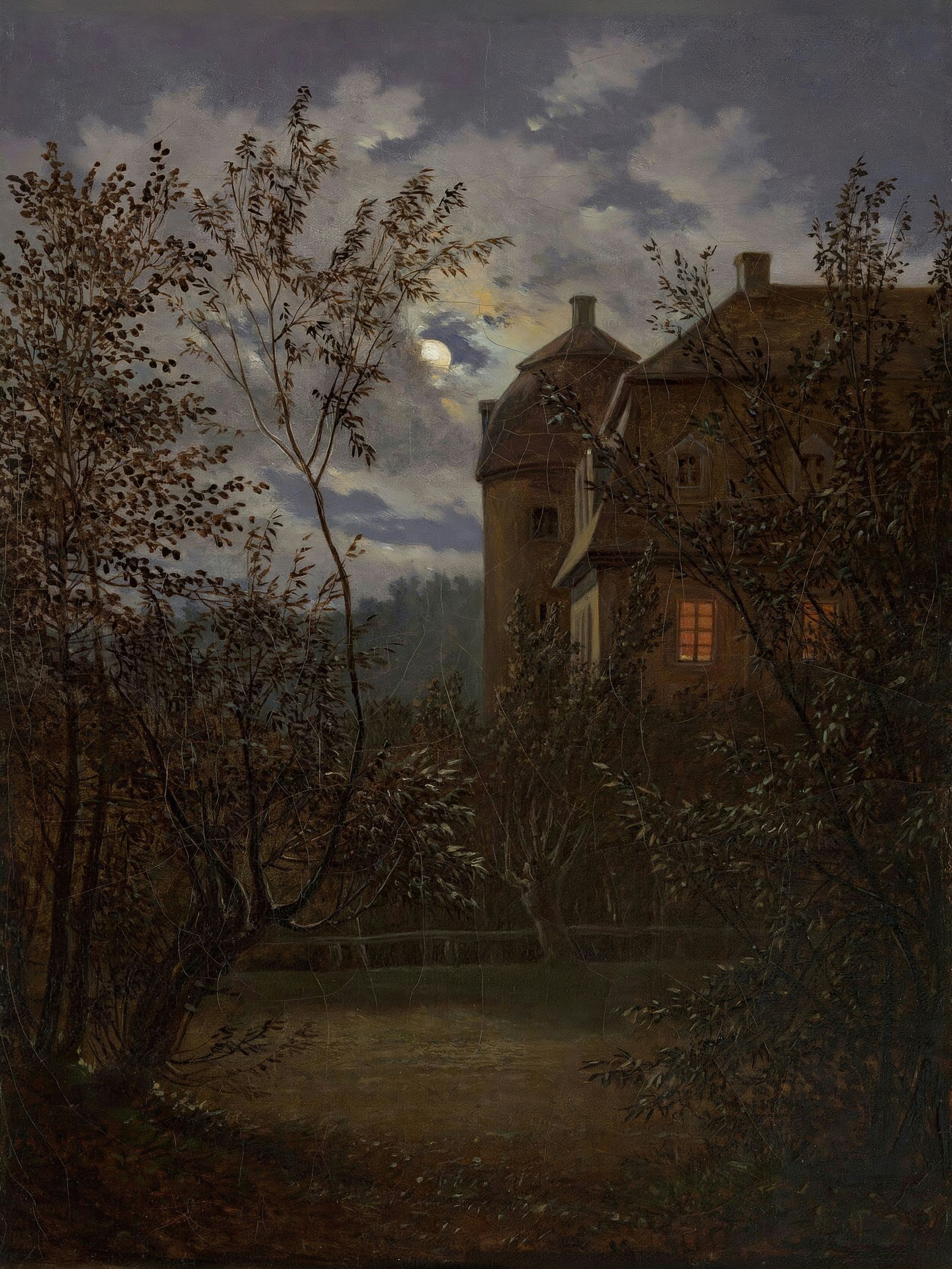
Schloss Milkel in Moonlight · Carl Gustav Carus · 1833–35 · Metropolitan Museum of Art
A celestial wall image can be public while a reading remains private. Before ordering anything for display, consider whether you want names, dates or other details visible, and inspect what the chosen product actually includes. This moonlit architectural work offers an alternative when you prefer an atmospheric image with no personal data attached. A chart-related gift should leave its recipient in control of those choices.
10. Let symbolic art stay open to interpretation
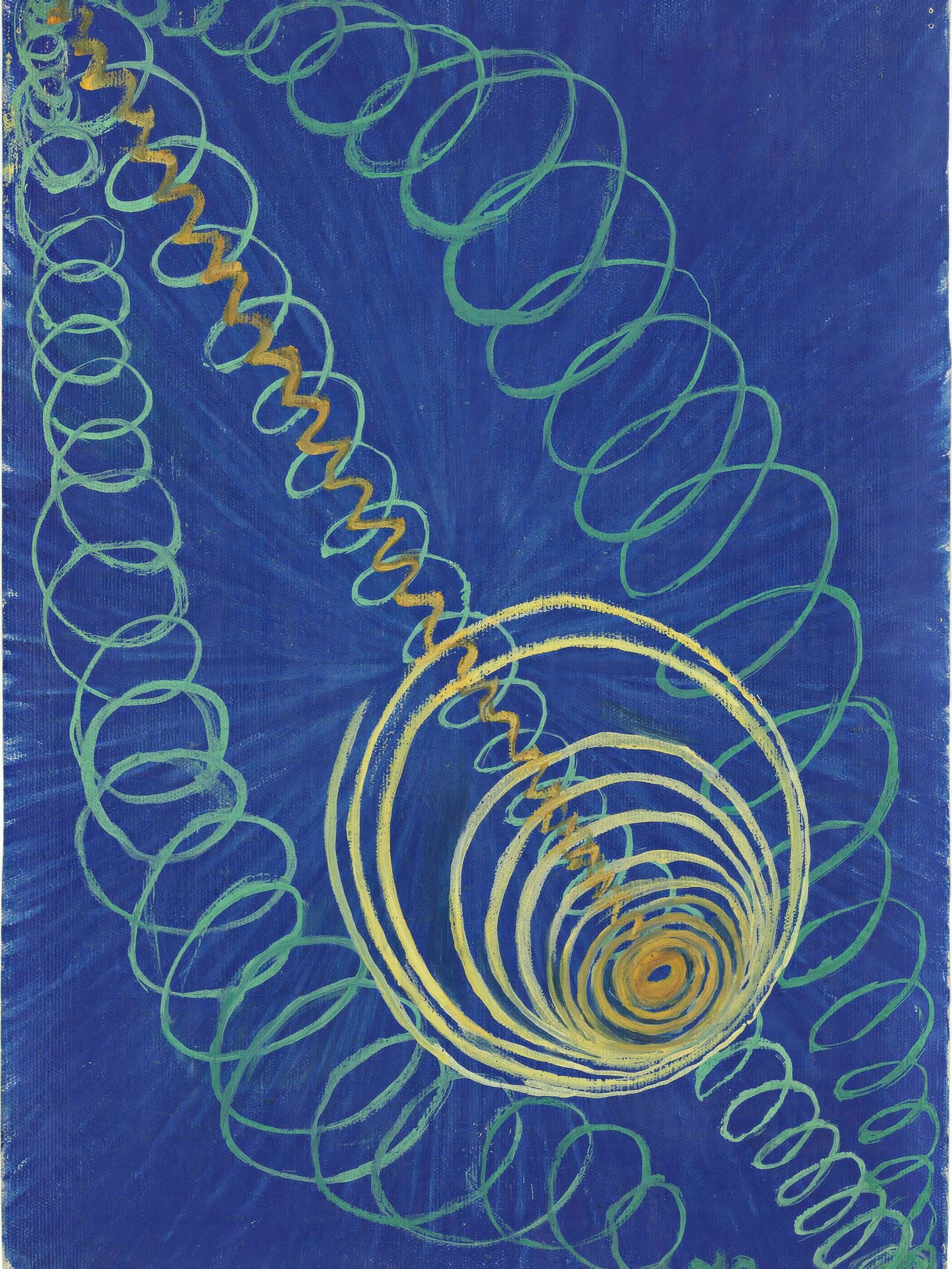
Primordial Chaos, No. 16 · Hilma af Klint · 1906–1907 · Hilma af Klint Foundation, Stockholm
Abstract art offers a useful reminder that an image need not lock you into a single meaning. Your response to a reading can change over time, and the portrait need not become a permanent definition of who you are. Explore the historical work as a print if it interests you independently. For a personalised experience, begin with your own details and decide what to keep after reviewing the offer.
Open the astrology page to begin with your own birth information, keeping an unknown time marked as unknown. Read the personal interpretation as a reflective exercise, then decide whether to continue towards the portrait and current purchase offer. If your main requirement is a particular chart diagram, confirm that format before paying. The strongest birth-chart art choice is one whose purpose you understand: a diagram for reference, a reading for reflection or an image you enjoy living with. Fable's route explains its own current combination.
Begin your astrology experience
- Does Fable offer a personalized birth chart or a portrait?
- The astrology experience connects a personal reading with a portrait. Inspect the live offer for its current contents and formats. If you need a particular labelled chart diagram, confirm that requirement before choosing a purchase.
- What if I do not know my birth time?
- Use the unknown-time option rather than inventing a time. The flow explains how the available birth information is used. A known time adds information such as the rising sign; uncertainty should remain explicit.
- Is a birth-chart reading a prediction?
- No. Fable describes astrology as a symbolic tradition for reflection. Read it with your own judgement and do not treat it as a guarantee of future events, a diagnosis or an instruction to make major life decisions.