From photo to famous portrait: 8 before and afters in the style of the old masters
Eight everyday photos and the portraits made from them in the manner of Lely, Lawrence, Renoir, Tissot and Zorn, side by side with the paintings that inspired them, and how to choose your own.
A good portrait does not just copy a face. It decides how a person should be seen: in what light, what clothes, what setting and what mood. That is what the great portrait painters sold, and it is what Fable recreates from a single photo.
Here are eight famous paintings, six of them shown with an ordinary photo and the portrait Fable made from it in that painting's manner. The people are our own demo sitters, not customers. Look at what changes and what stays, and then choose a painting of your own.
Light, dress and setting
The photos here were taken on phones, indoors, with whatever light there was. The portraits keep the face and change everything around it: the light becomes the painter's light, the clothes become the clothes of the painting, and the room becomes its setting.
1. Seaside (July: Specimen of a Portrait)
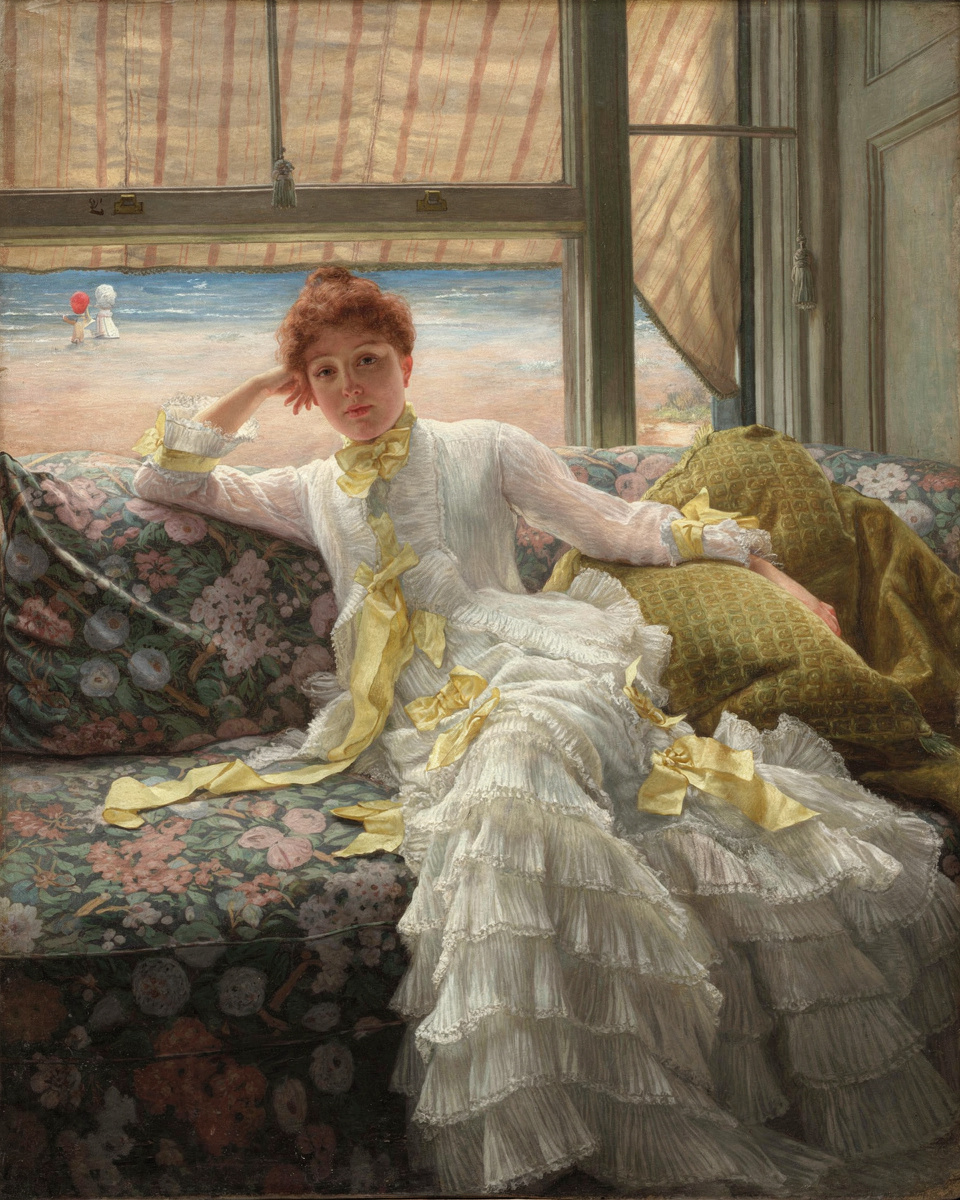
James Tissot, Seaside (July: Specimen of a Portrait), 1878. Cleveland Museum of Art.

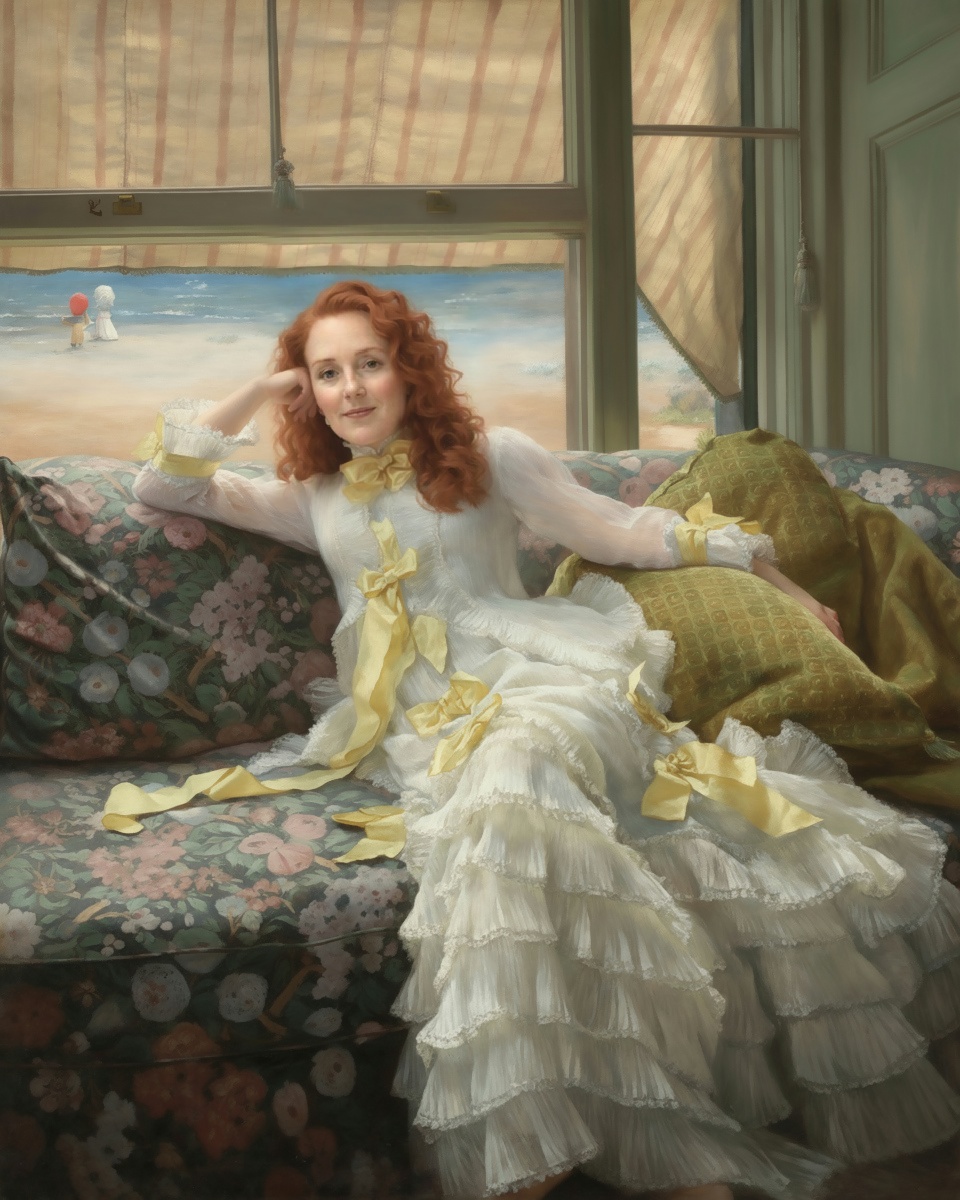
Approved Fable demo portrait, made from a demo photo; not a customer.
Tissot titled this a specimen of a portrait, as if it were a sample to show clients what he could do. A woman in white ruffles and yellow bows reclines by a window open to the sea. In the portrait, a selfie taken at home becomes the same summer afternoon, with the same frills and the same light off the water.
2. Mrs. Potter Palmer
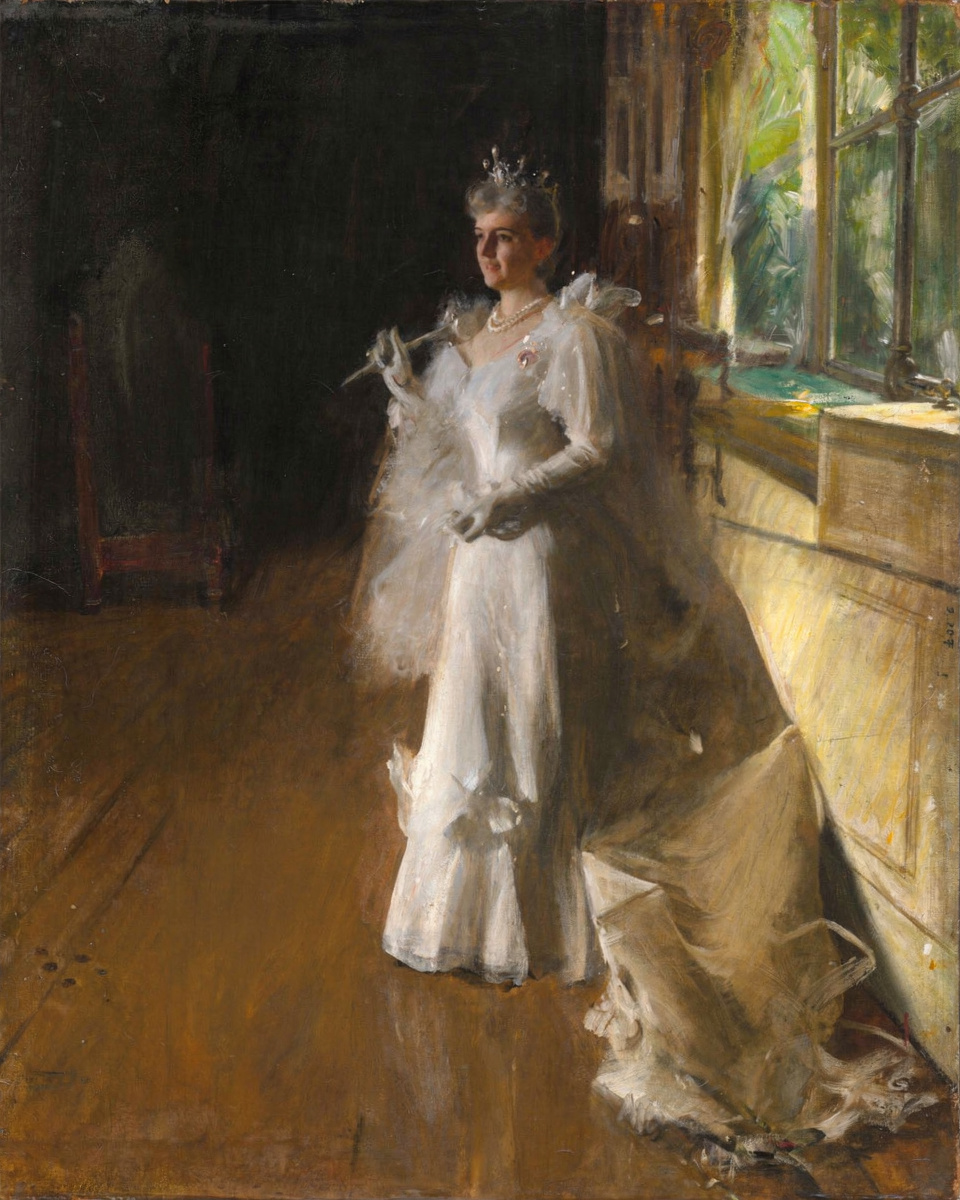
Anders Zorn, Mrs. Potter Palmer, 1893. Art Institute of Chicago.
The Swedish painter Anders Zorn painted Bertha Palmer, Chicago's great society hostess and art collector, in white satin and a tiara. Zorn's portraits are famous for their bold, sweeping brushwork. The portrait made from a casual selfie keeps her smile and gives her the gown, the light and the room.
3. Portrait of Mrs. Leneve
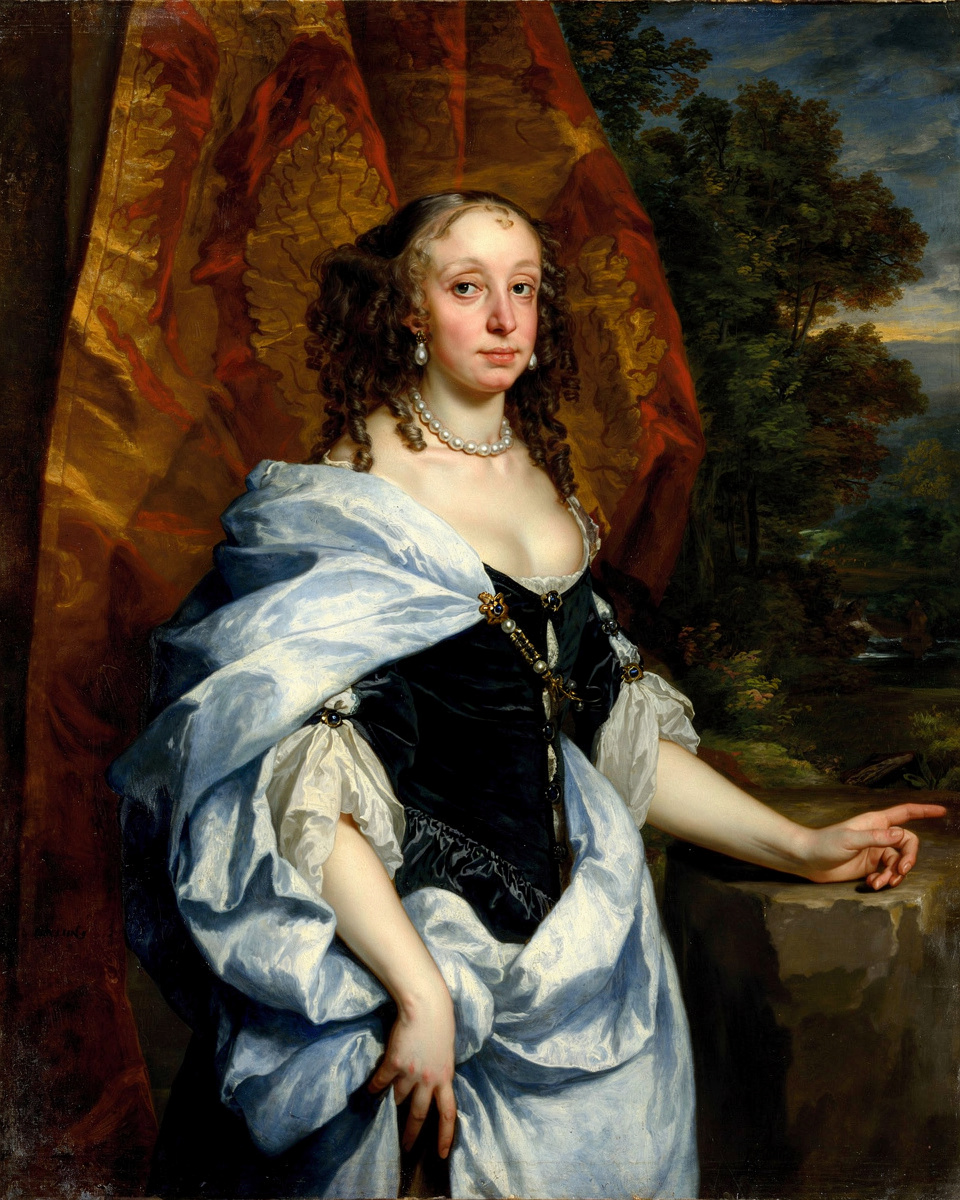
Peter Lely, Portrait of Mrs. Leneve, c. 1657. Cleveland Museum of Art.
Peter Lely was the leading portrait painter of seventeenth-century England, and his women wear yards of shimmering silk. In the portrait, a woman photographed on her sofa in a jumper becomes a Lely sitter in sky-blue satin, with the same warm smile.
The same photo, two painters
The best way to see what a painting does is to keep the photo the same and change the painter. The next four portraits were made from just two photos, each painted twice in the manner of two very different artists.
4. A Young Girl with Daisies
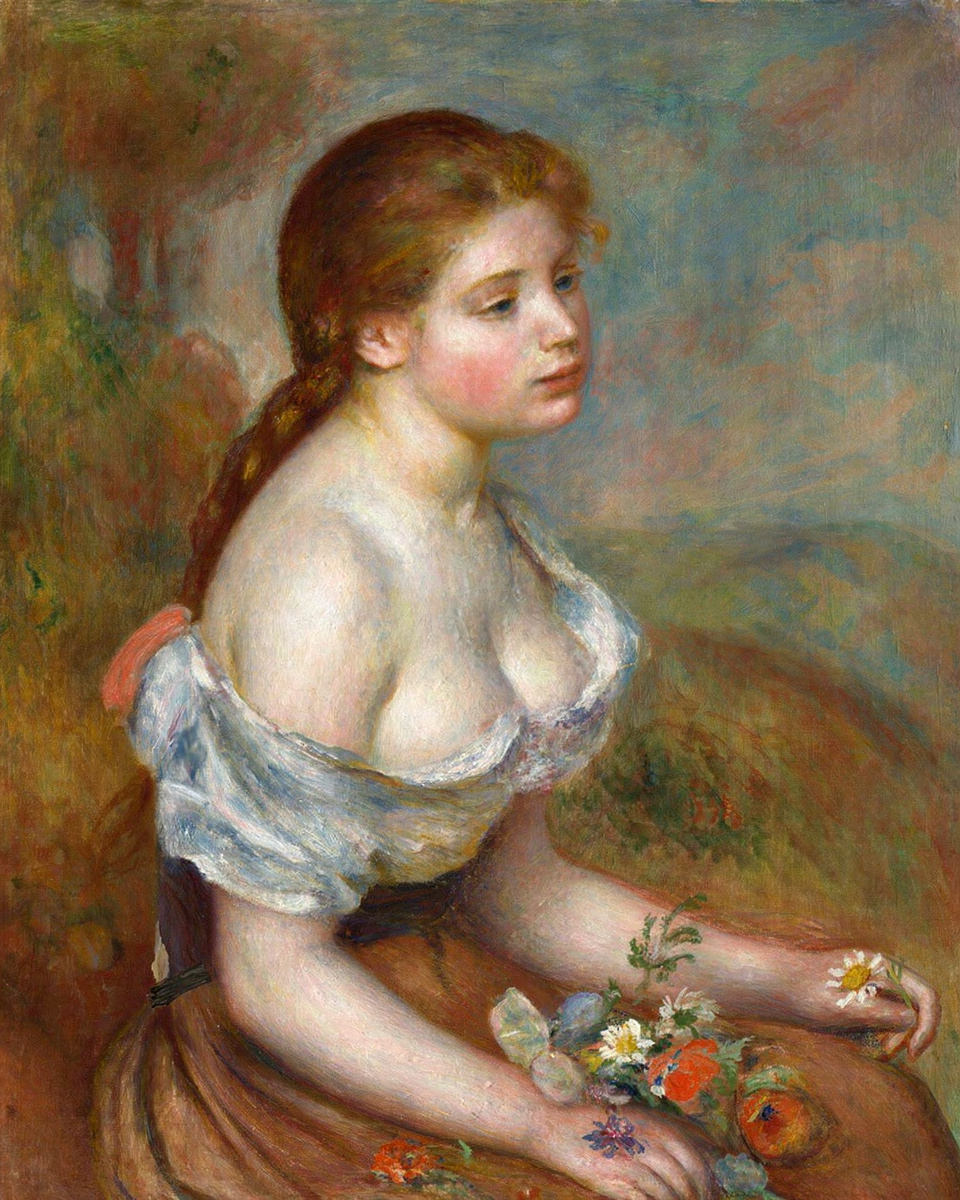
Auguste Renoir, A Young Girl with Daisies, 1889. The Metropolitan Museum of Art, New York.

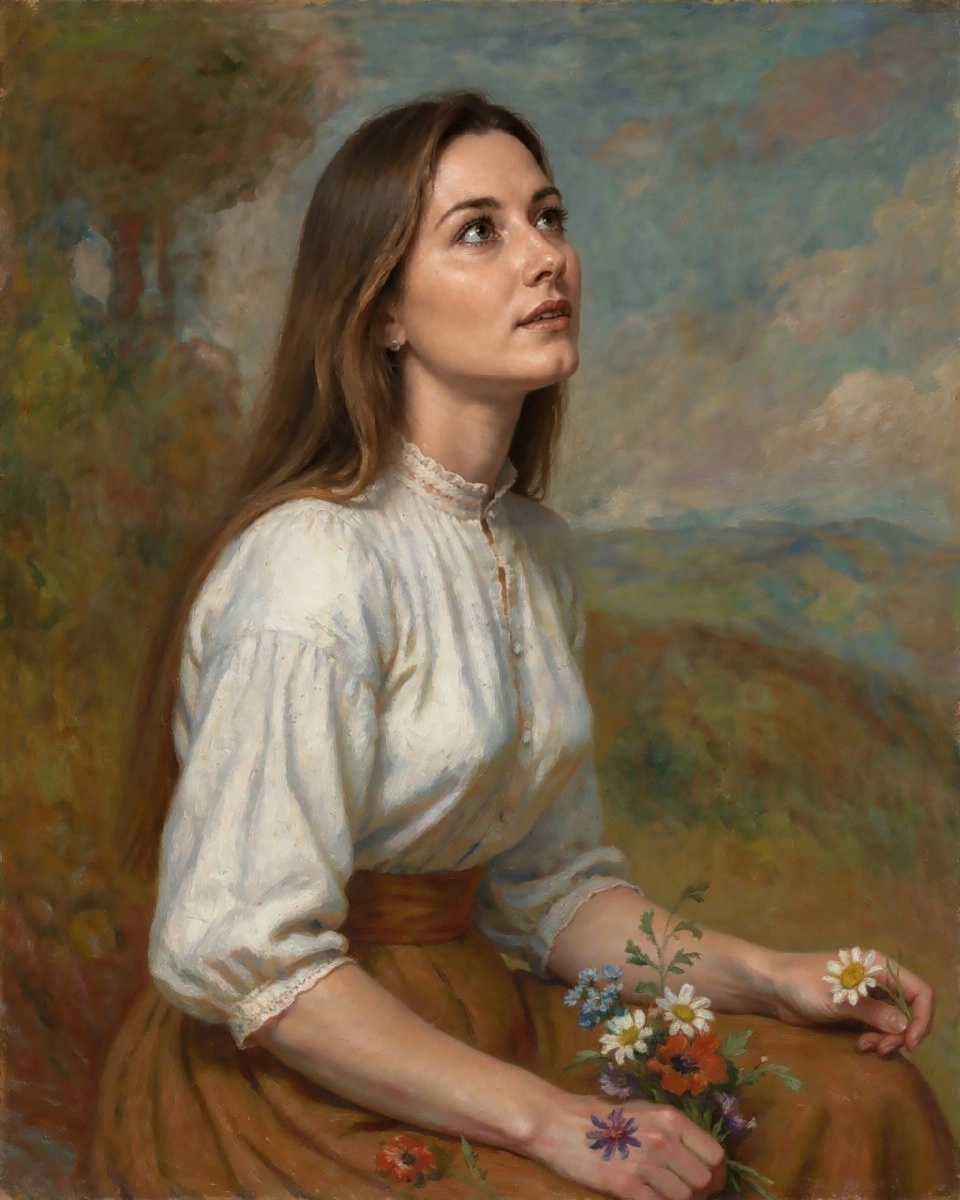
Approved Fable demo portrait, made from a demo photo; not a customer.
Renoir painted young women outdoors in soft, feathery colour, and here he catches a quiet moment on a hillside with a bunch of daisies. The portrait made from our first photo keeps the sitter's face and gives her Renoir's warm summer light and the flowers in her lap.
5. Portrait of Catherine Grey, Lady Manners
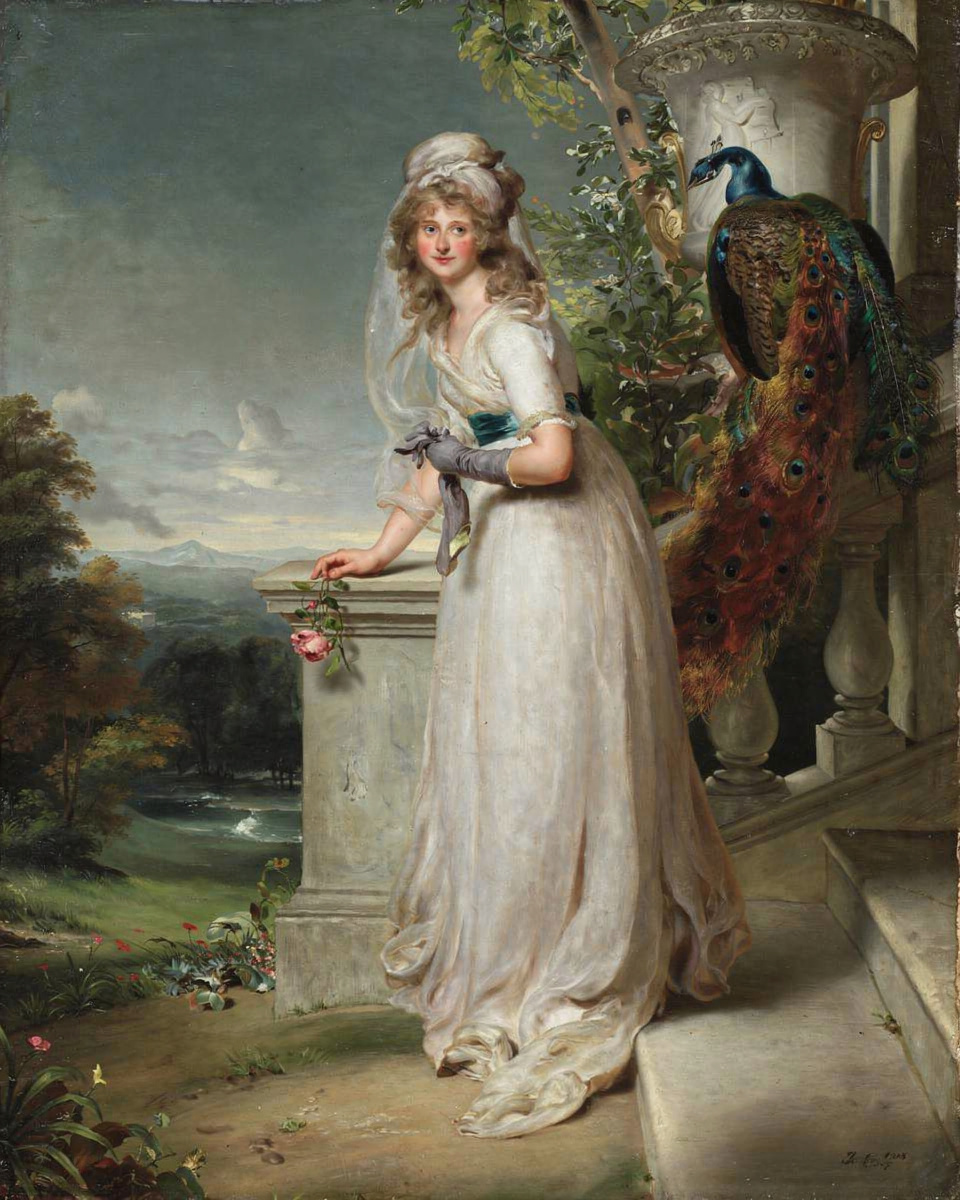
Thomas Lawrence, Portrait of Catherine Grey, Lady Manners, 1794. Cleveland Museum of Art.
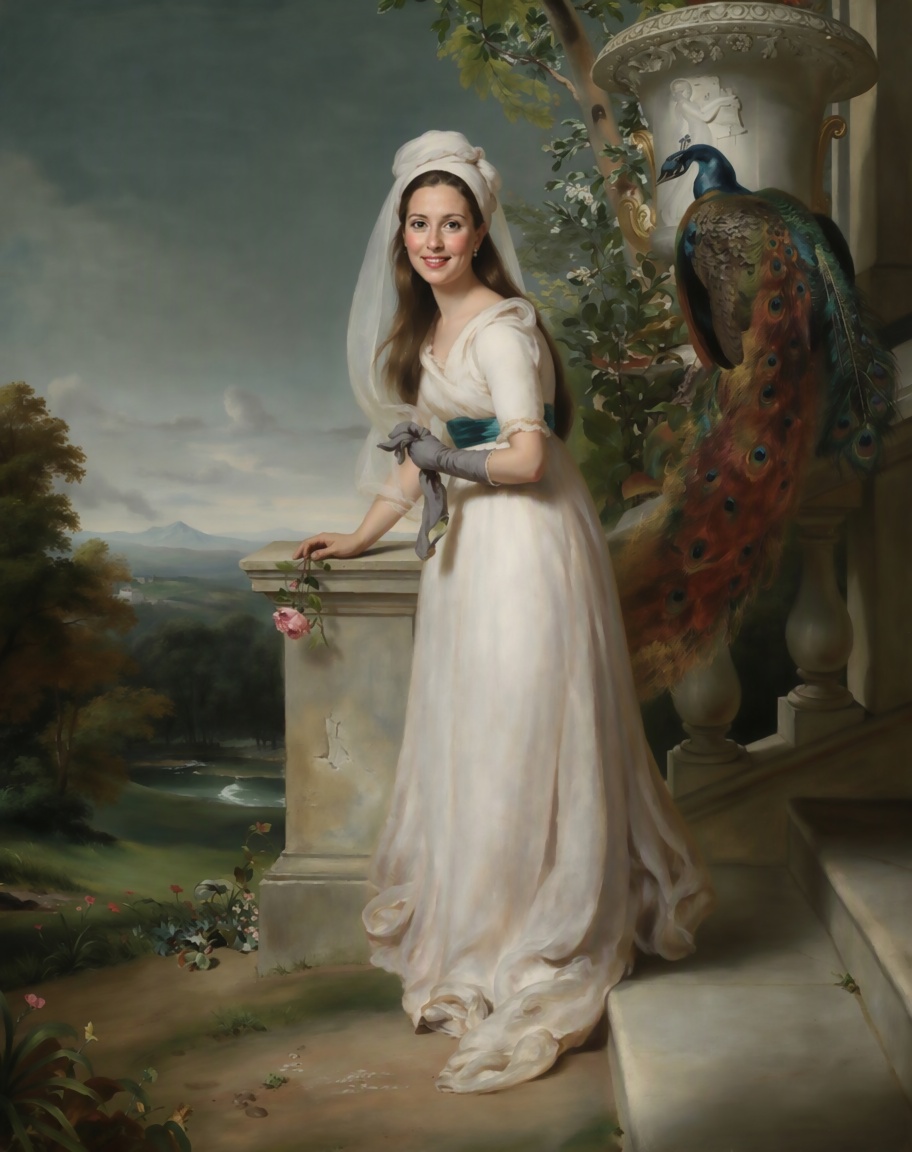
Approved Fable demo portrait, made from a demo photo; not a customer.
The same photo, now in the hands of Thomas Lawrence, the most dazzling portrait painter of Regency England. Lady Manners stands on a terrace in white muslin with a peacock behind her. The portrait keeps the face from the first photo and makes her the heroine of a grand eighteenth-century landscape.
6. Elizabeth Beltzhoover Mason
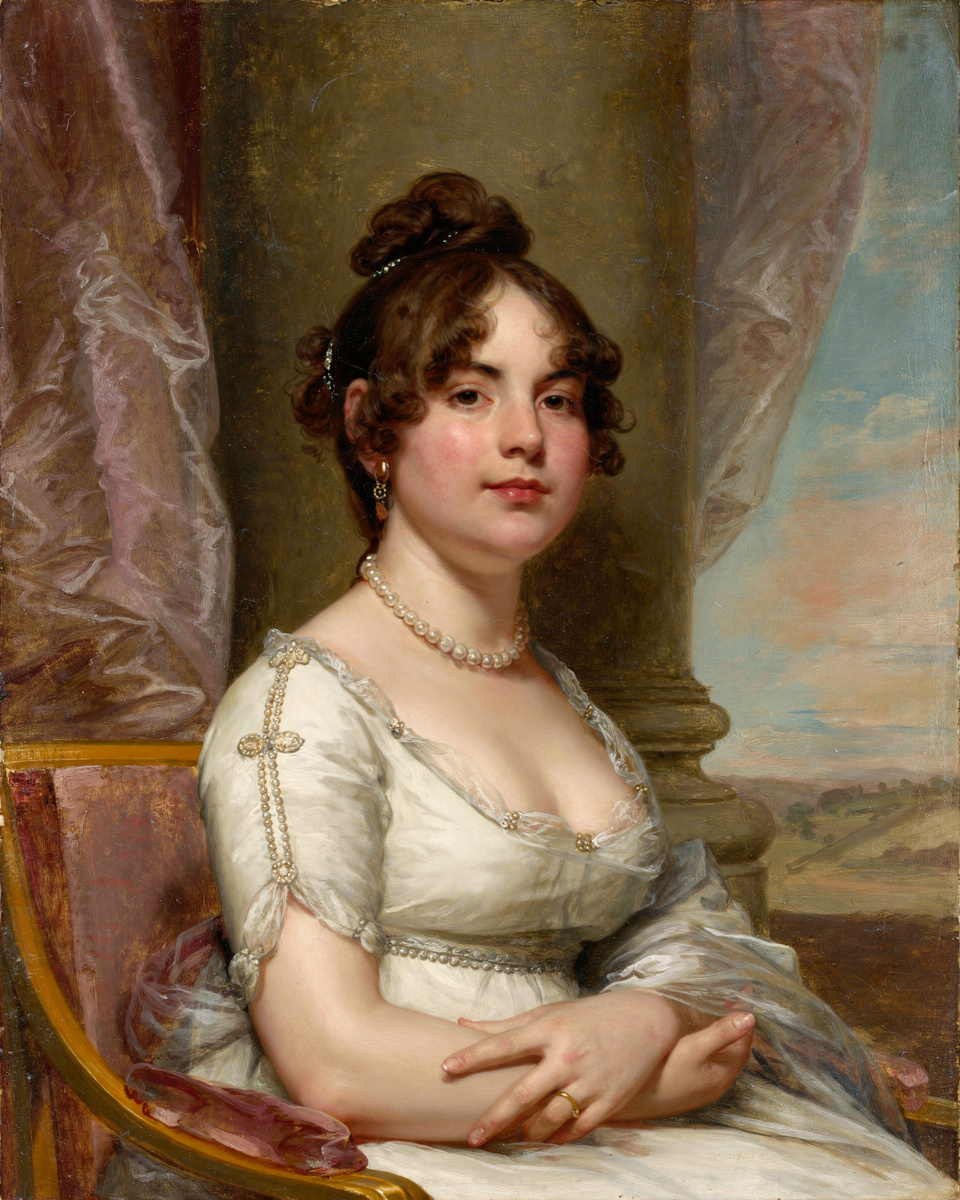
Gilbert Stuart, Elizabeth Beltzhoover Mason, c. 1803–5. Cleveland Museum of Art.

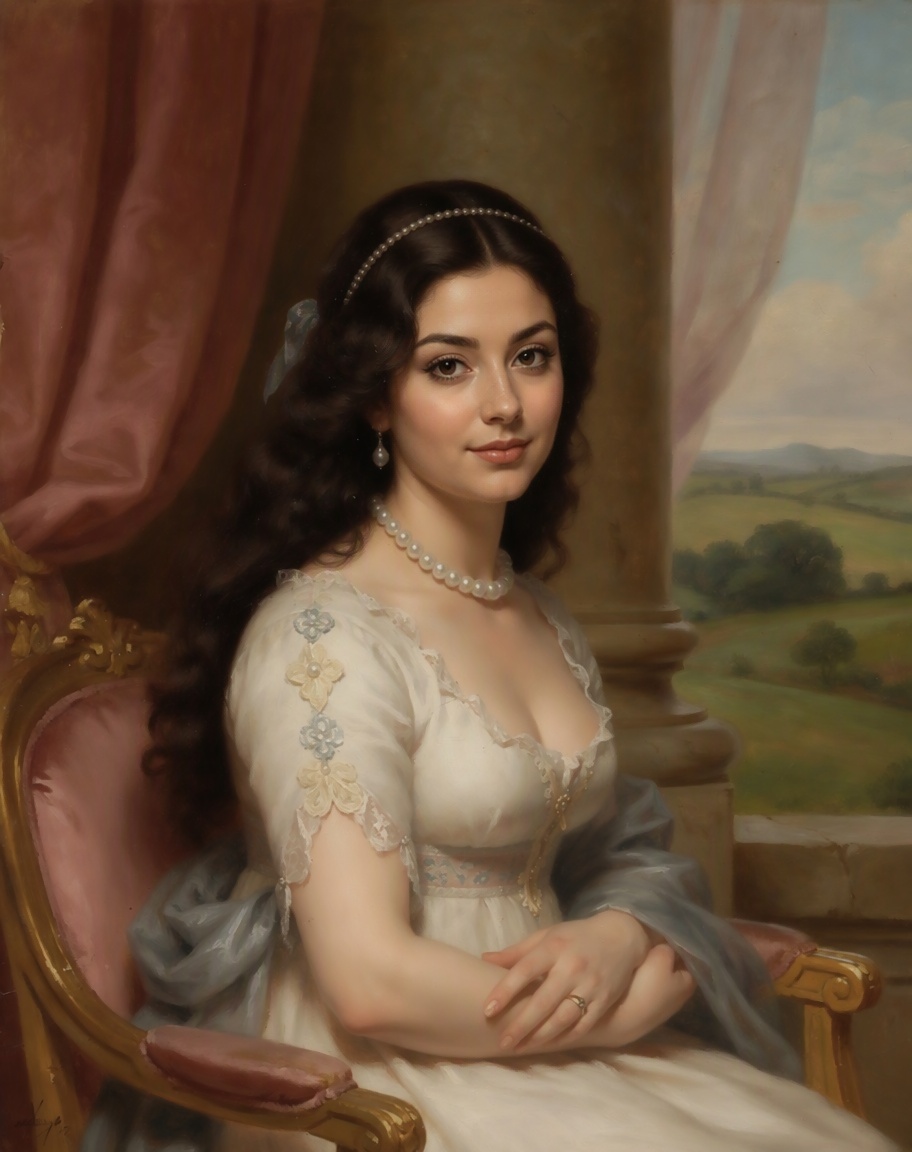
Approved Fable demo portrait, made from a demo photo; not a customer.
Gilbert Stuart painted George Washington's most famous portrait, and he painted the women of the new American republic with the same calm grace. In the portrait made from our second photo, a woman with long dark curls becomes one of his sitters, in a white empire gown with pearls.
7. The Venetian Girl
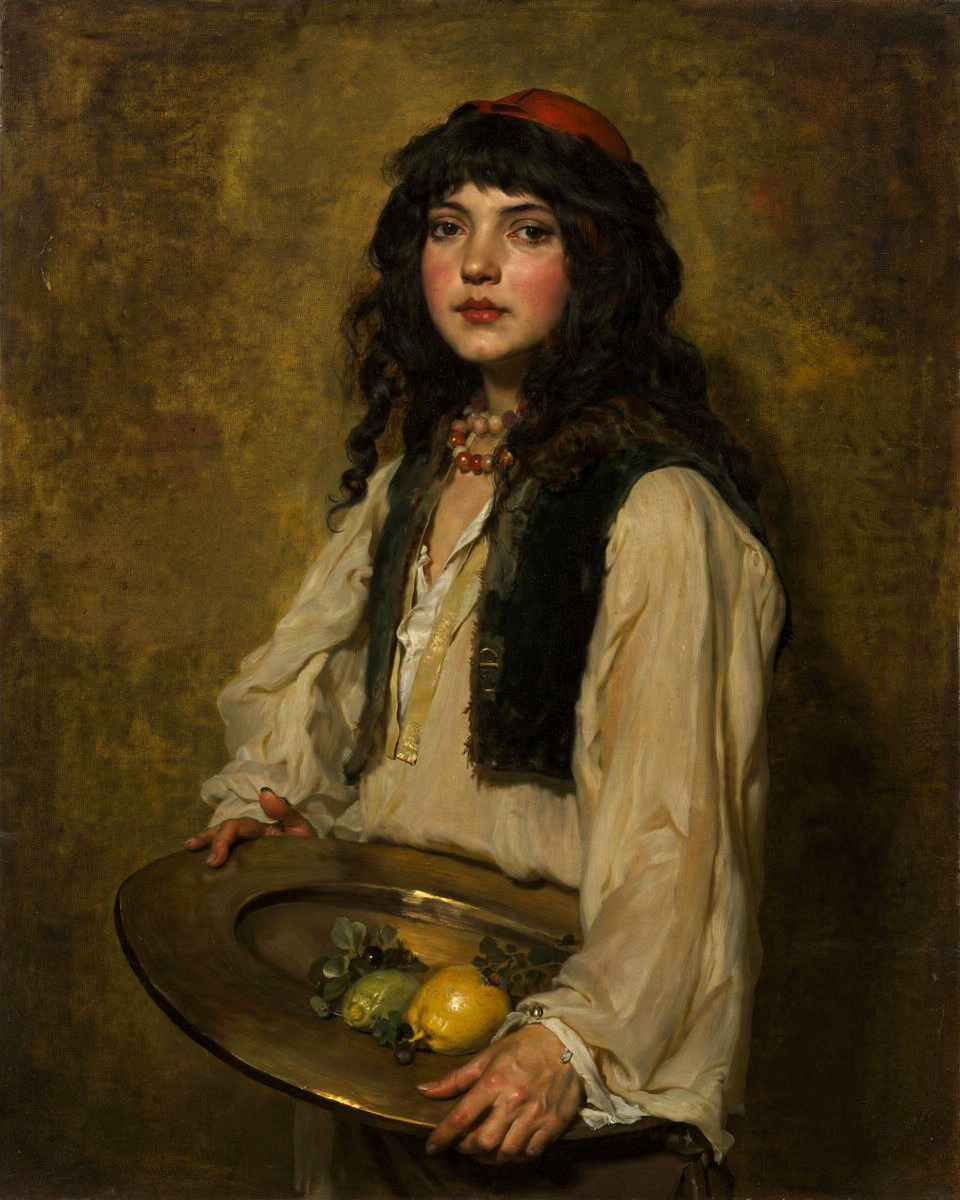
Frank Duveneck, The Venetian Girl, c. 1880. Cleveland Museum of Art.
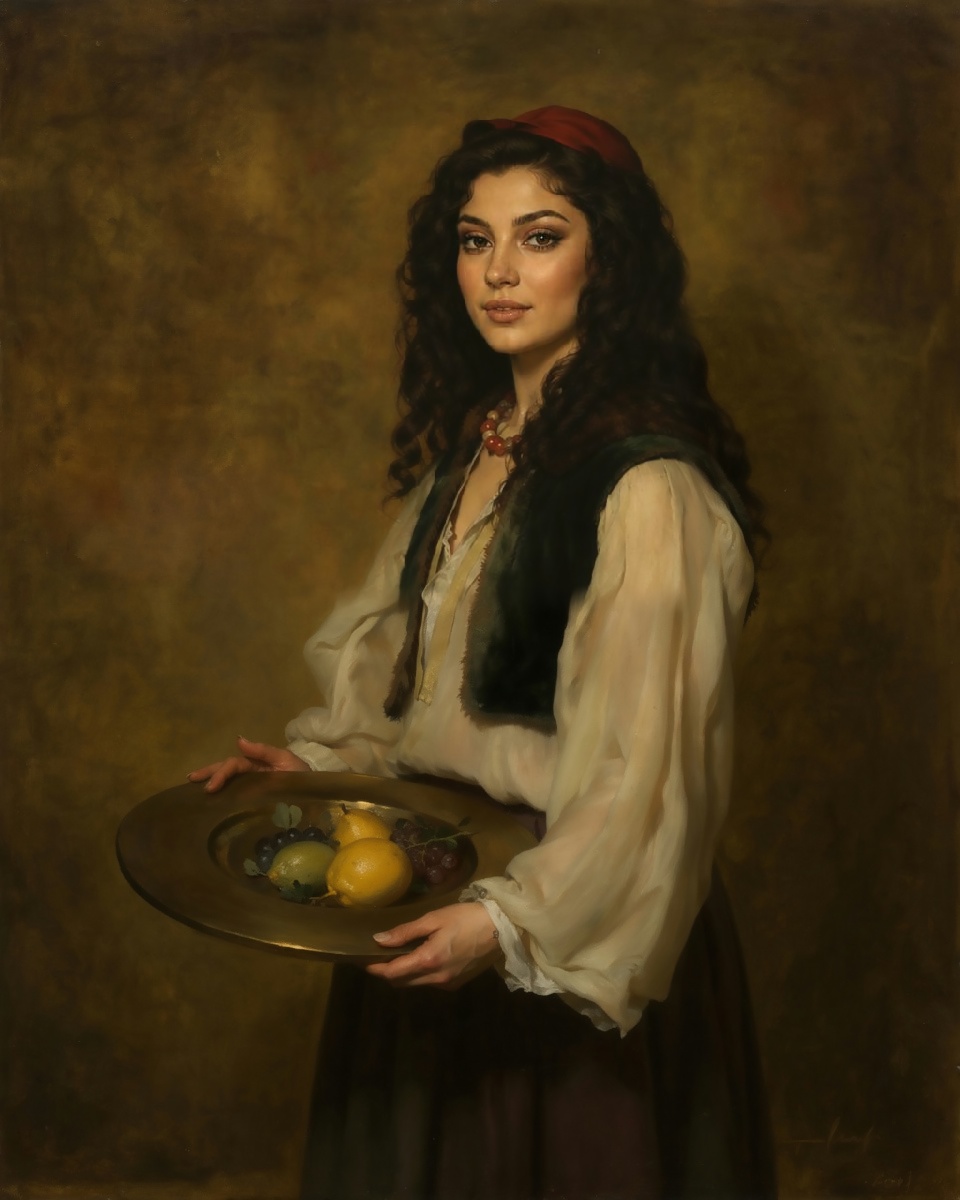
Approved Fable demo portrait, made from a demo photo; not a customer.
The same second photo, painted now by the American Frank Duveneck, who worked in Munich and Venice with dark grounds and bold, rapid strokes. Instead of an empire gown, she wears a peasant blouse and a red cap and holds a brass tray of lemons. Same face, a completely different life.
A portrait for the whole family
Old masters often painted children with the family dog, and the same works beautifully today. The dog stays a dog, painted as itself beside the child who loves it.
8. Eleanor Margaret Gibson-Carmichael
Henry Raeburn, Eleanor Margaret Gibson-Carmichael, 1802–03. Art Institute of Chicago.
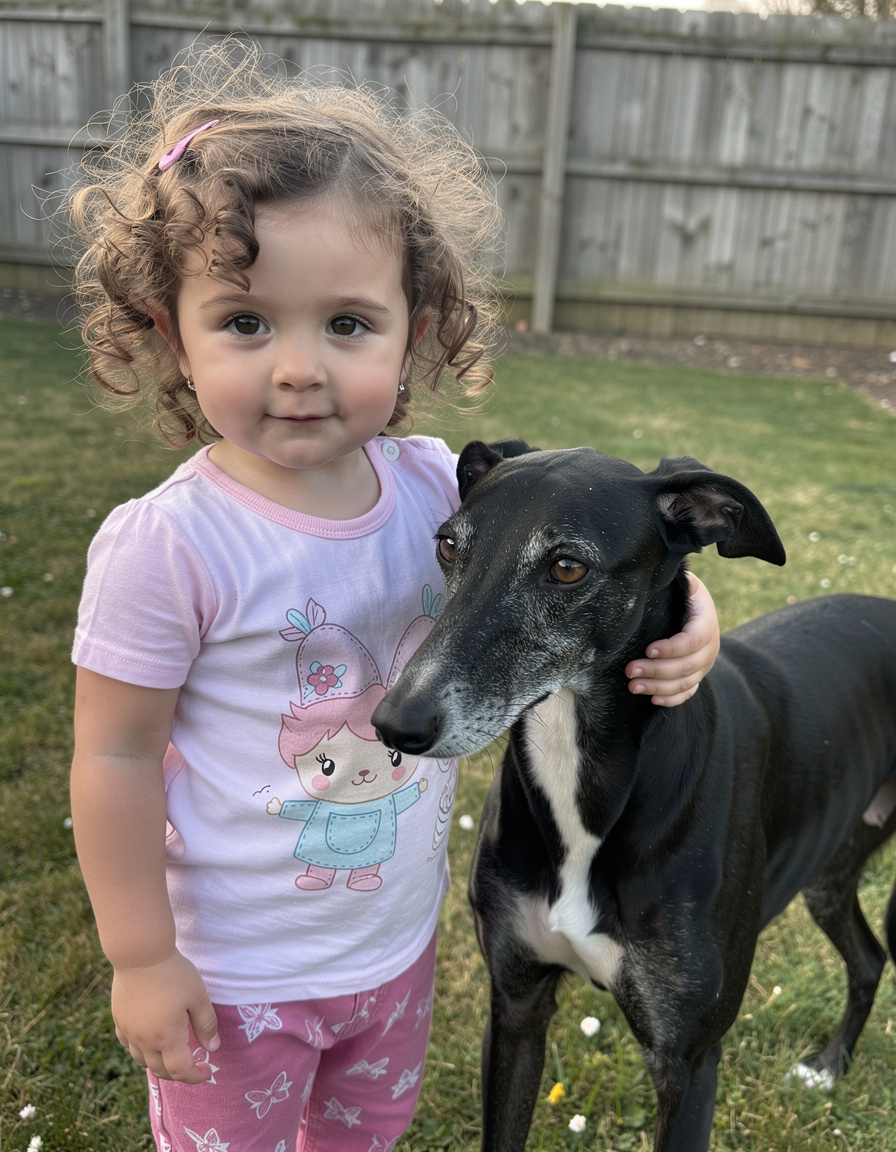
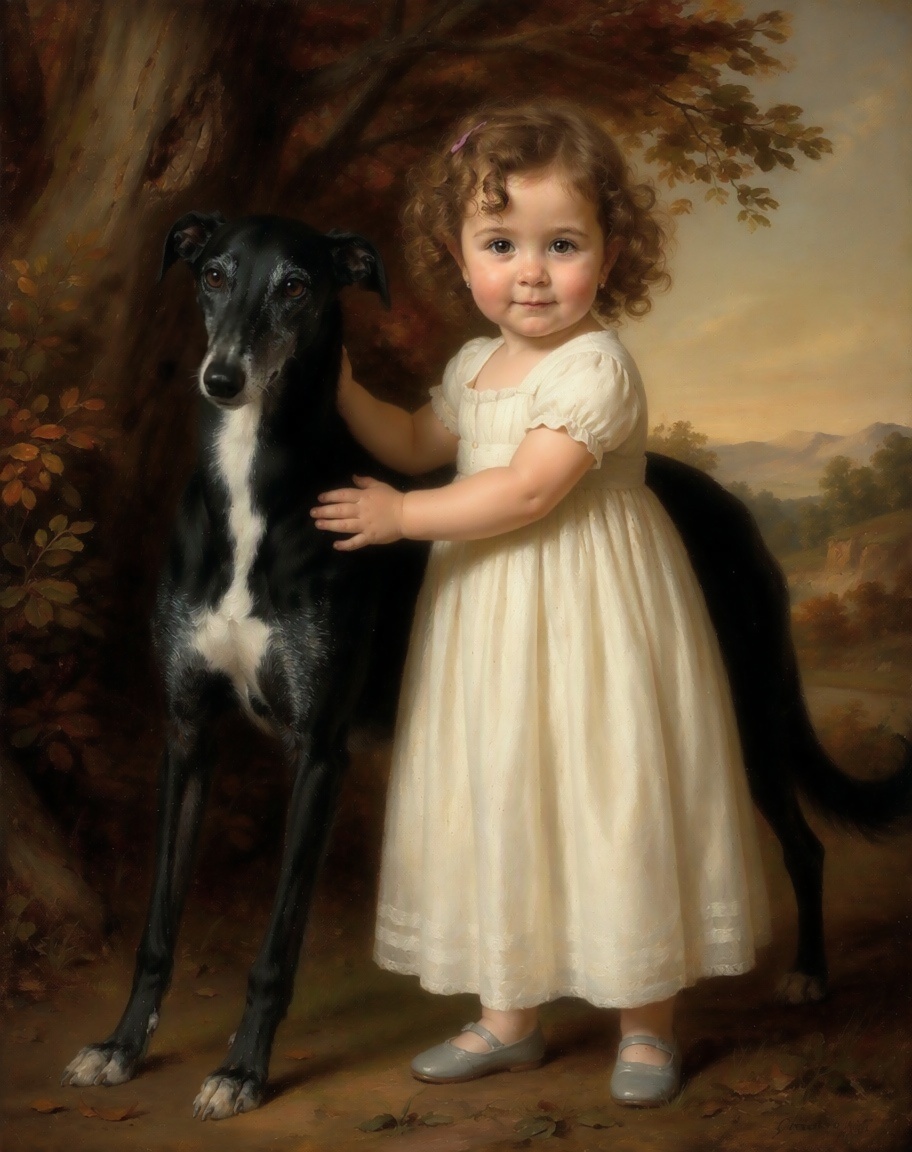
Approved Fable demo portrait, made from a demo photo; not a customer.
The Scottish painter Henry Raeburn painted little Eleanor with her arm around a big black and white dog. In the portrait made from a garden photo, a toddler and her black greyhound take their places in the same twilight landscape, the dog still very much a dog.
Common questions
How do I turn a photo into a painting?
Choose a painting you love, upload a clear photo, and Fable makes a portrait of you in that painting's manner. The preview is free; you only pay if you want the finished portrait printed or downloaded.
What kind of photo works best?
A sharp, well-lit photo where the face is clearly visible, taken at about eye level. Daylight from a window is ideal. Avoid heavy filters, sunglasses and very small or distant faces.
Will the portrait still look like me?
That is the point. The face, expression and features stay yours; the light, clothes and setting come from the painting.
Can I include my dog?
Yes. Many old masters painted families with their dogs, and the dog stays itself, never dressed or posed as a person.
Can I send my portrait as a card?
Yes. Any portrait can open a card in Fable Cards with your own words inside.
Every painting here is restored from its museum scan, and every one can be the starting point for a portrait of your own: open the painting and choose Create your portrait. If you are not sure where to start, our Grace style brings the soft light of the Romantic portrait painters to a family photo.