Teal wall art: 12 paintings in teal and peacock
Waterhouse’s Circe, Carl Larsson’s dining room, Böcklin’s seas and Hokusai’s Fuji: twelve paintings in teal, from deep peacock to soft sea glass.
Teal sits between blue and green and takes the best of both: the calm of blue and the life of green. In its deep form, peacock or petrol, it is one of the most elegant colours a room can have. In its pale form, sea glass or duck egg, it is fresh and easy.
Here are twelve paintings with teal at their heart, in three groups: peacock and deep teal, sea glass and jade, and smoky teal. Each is shown with its colour palette, so you can match it to paint, velvet or tiles.
Peacock and deep teal
Rich, jewel deep teals for dramatic rooms.
1. Circe Invidiosa
John William Waterhouse, Circe Invidiosa, 1892. Oil on canvas. Art Gallery of South Australia, Adelaide.
John William Waterhouse painted the jealous sorceress Circe in 1892, poisoning the waters where her rival Scylla bathes.
Peacock teal and bronze: made for a velvet sofa.
Create your portrait in this style
2. The Dining Room. From A Home
Carl Larsson, The Dining Room. From A Home, 1899. Watercolour. Nationalmuseum, Stockholm.
Carl Larsson painted his own dining room at Sundborn for his book A Home in 1899; it shaped Swedish interiors for a century.
Teal, terracotta and linen: the Swedish country scheme.
3. Villa by the Sea III
Arnold Böcklin, Villa by the Sea III, 1872.
Arnold Böcklin returned to this melancholy villa by the sea several times; this version dates from 1872.
Deep teal, rust and cypress green.
4. The Wild Hunt
Franz von Stuck, The Wild Hunt, 1889.
Franz von Stuck painted the old legend of the Wild Hunt, a ghostly army that rides through winter storms, in 1889.
Smoky teal and charcoal with a flash of red.
Sea glass and jade
Fresh, lighter teals for bathrooms and bedrooms.
5. Odysseus and Polyphemus
Arnold Böcklin, Odysseus and Polyphemus, 1896.
Arnold Böcklin painted this scene from the Odyssey in 1896, in a sea of churning seafoam green.
Sea glass teal and white foam.
6. Allegory of Fable
Gustave Moreau, Allegory of Fable, by 1898.
Gustave Moreau painted Fable herself, carrying a theatre mask and a banner that reads FABLES.
Aqua, cobalt and pearl.
7. Fujisawa
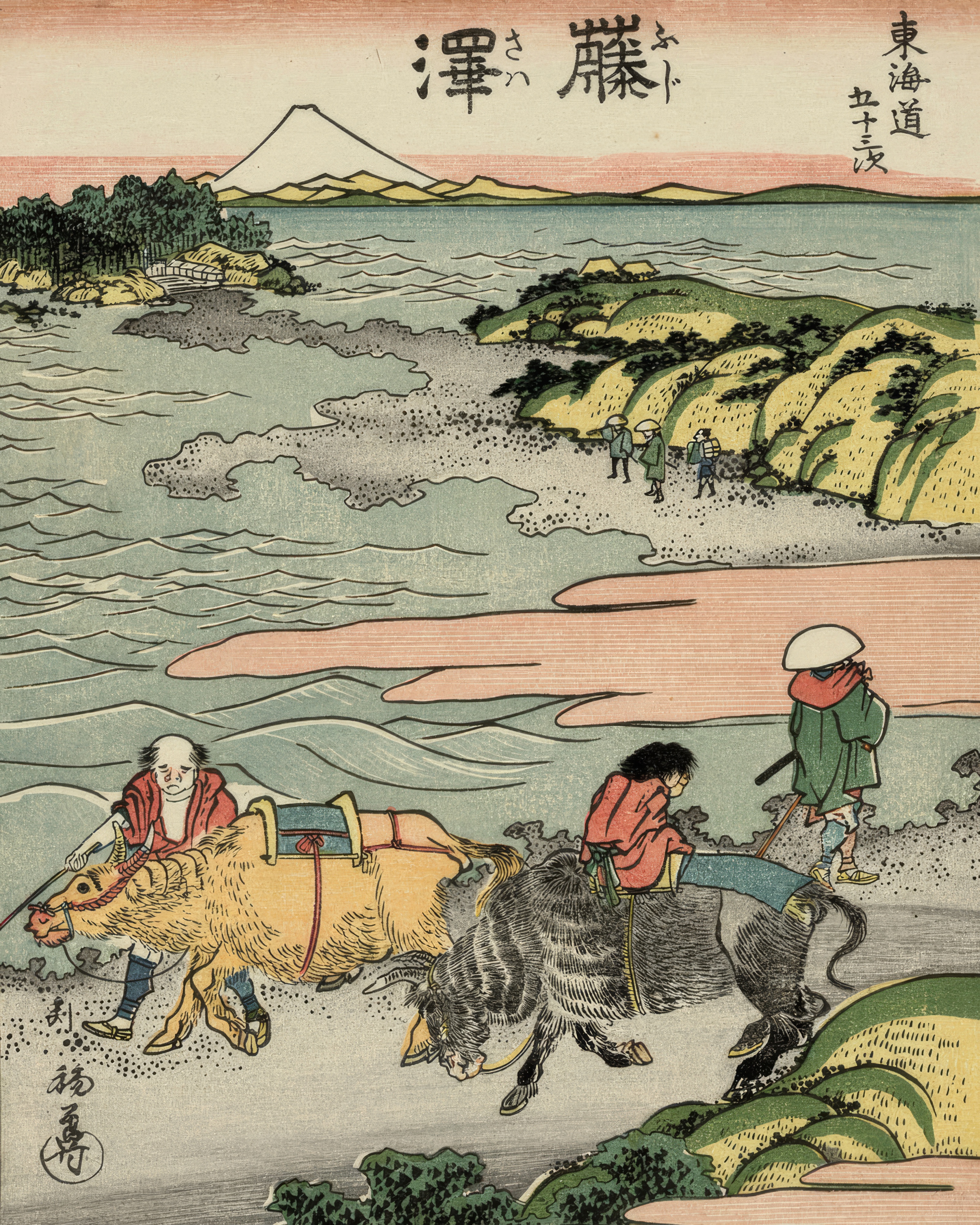
Katsushika Hokusai, Fujisawa, c. 1806. Color woodblock print; chuban. Art Institute of Chicago.
Katsushika Hokusai made this small print around 1806 for one of his series on the fifty three stations of the Tōkaidō road.
Sea glass, mustard and coral.
8. Kai Khusrau Crosses the Sea
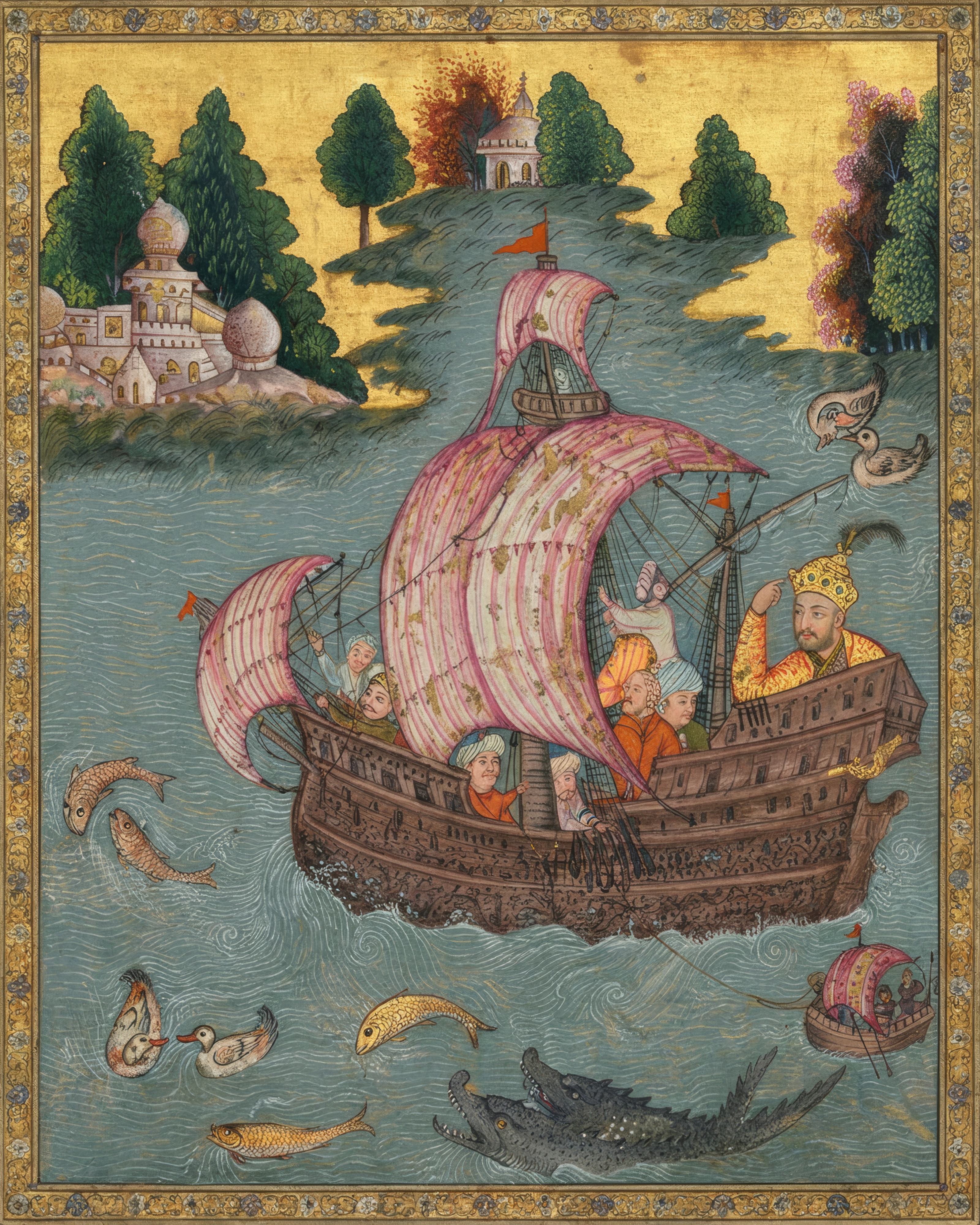
Persian painter, Kai Khusrau Crosses the Sea, ca. 1610. Ink, opaque watercolor, and gold on paper. The Metropolitan Museum of Art, New York.
This page comes from a Persian Shahnama, the Book of Kings, painted around 1610.
Jade, gold and soft rose.
Smoky teal
Muted, grey teals for quiet rooms.
9. Winter Scene
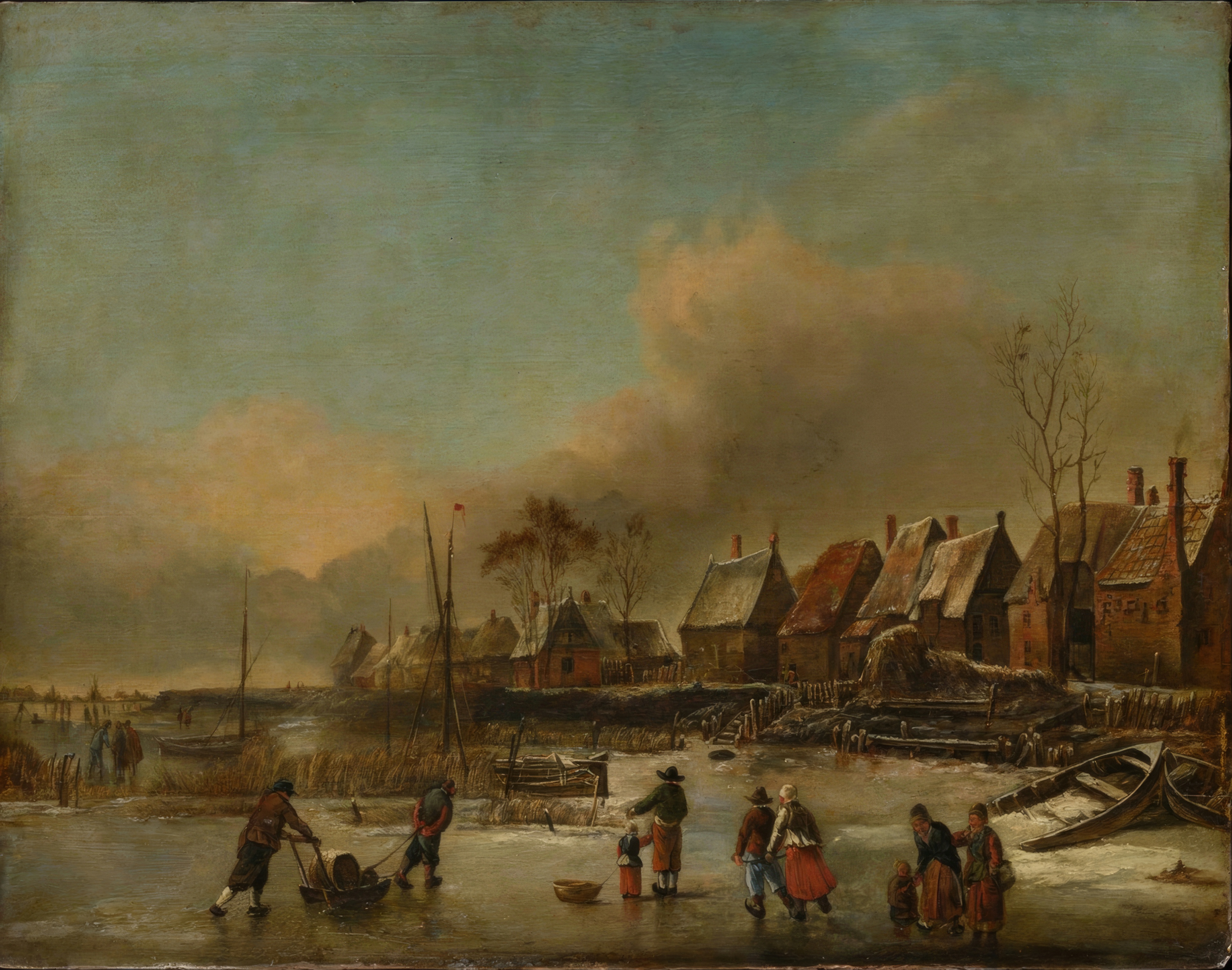
Jan van de Cappelle, Winter Scene. Oil on oak. The Metropolitan Museum of Art, New York.
Jan van de Cappelle ran his family’s dye works in Amsterdam and painted calm seas and winter scenes like this one.
Smoky teal and pewter grey.
10. Portrait of Jeanne Wenz
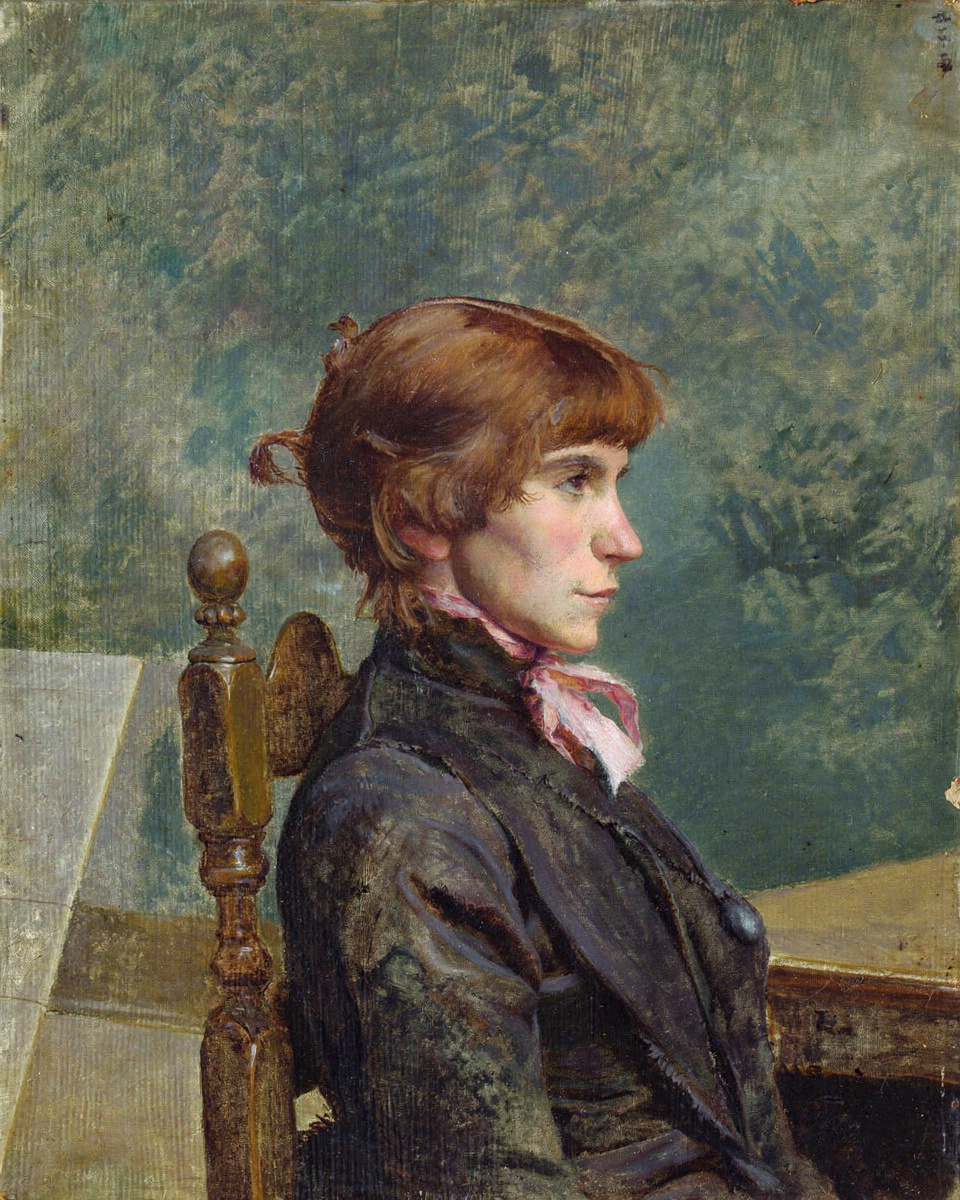
Henri de Toulouse-Lautrec, Portrait of Jeanne Wenz, 1886. Oil on canvas. Art Institute of Chicago.
Henri de Toulouse-Lautrec painted this quiet profile in 1886, years before his famous posters.
Smoky teal and caramel.
11. Violet and Rose: La Belle de Jour
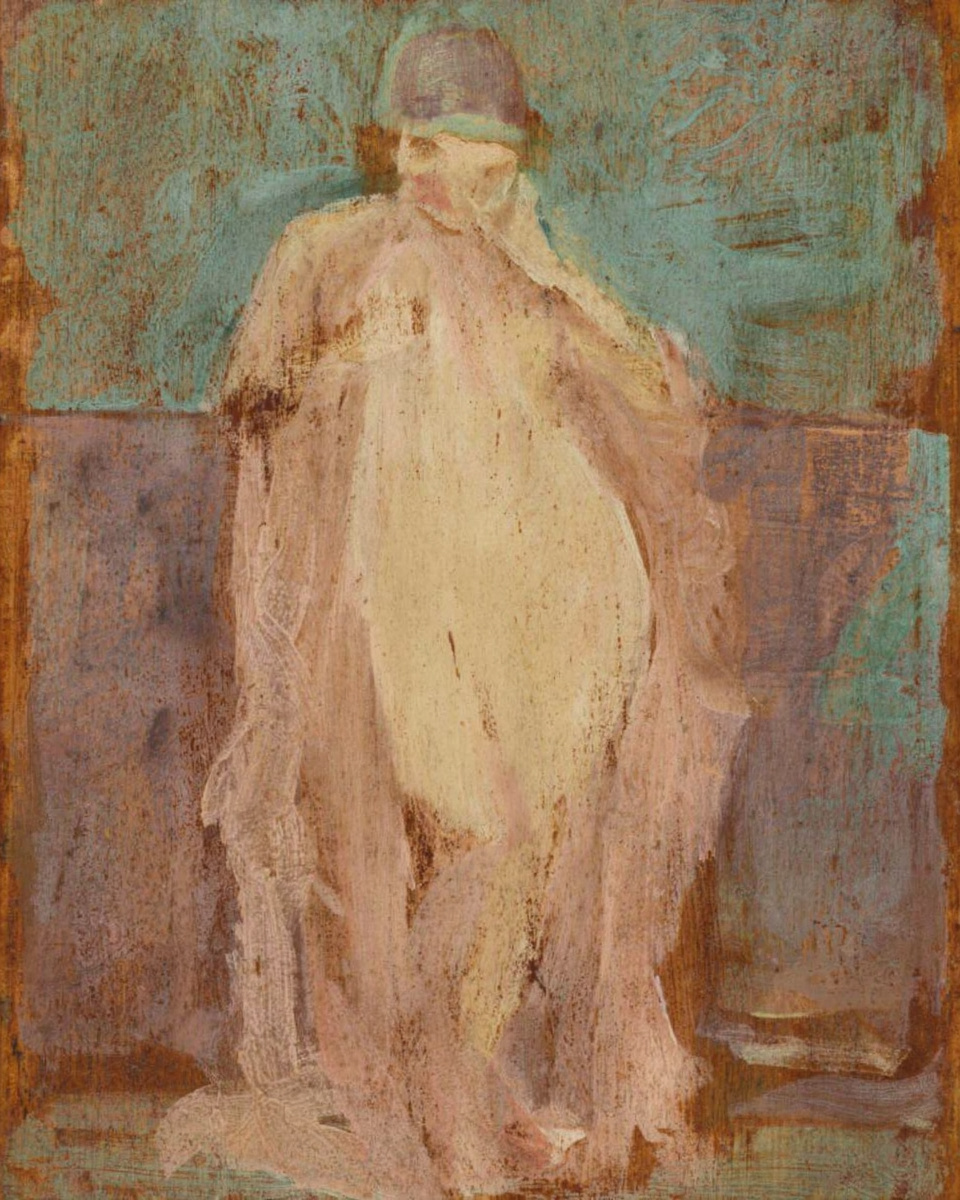
James Abbott McNeill Whistler, Violet and Rose: La Belle de Jour, c. 1885. Oil on wood panel. Harvard Art Museums.
James McNeill Whistler named his pictures like pieces of music; this small panel of about 1885 is a study in soft colour.
Grey teal, rose and cream.
12. Lucie Berard (Child in White)
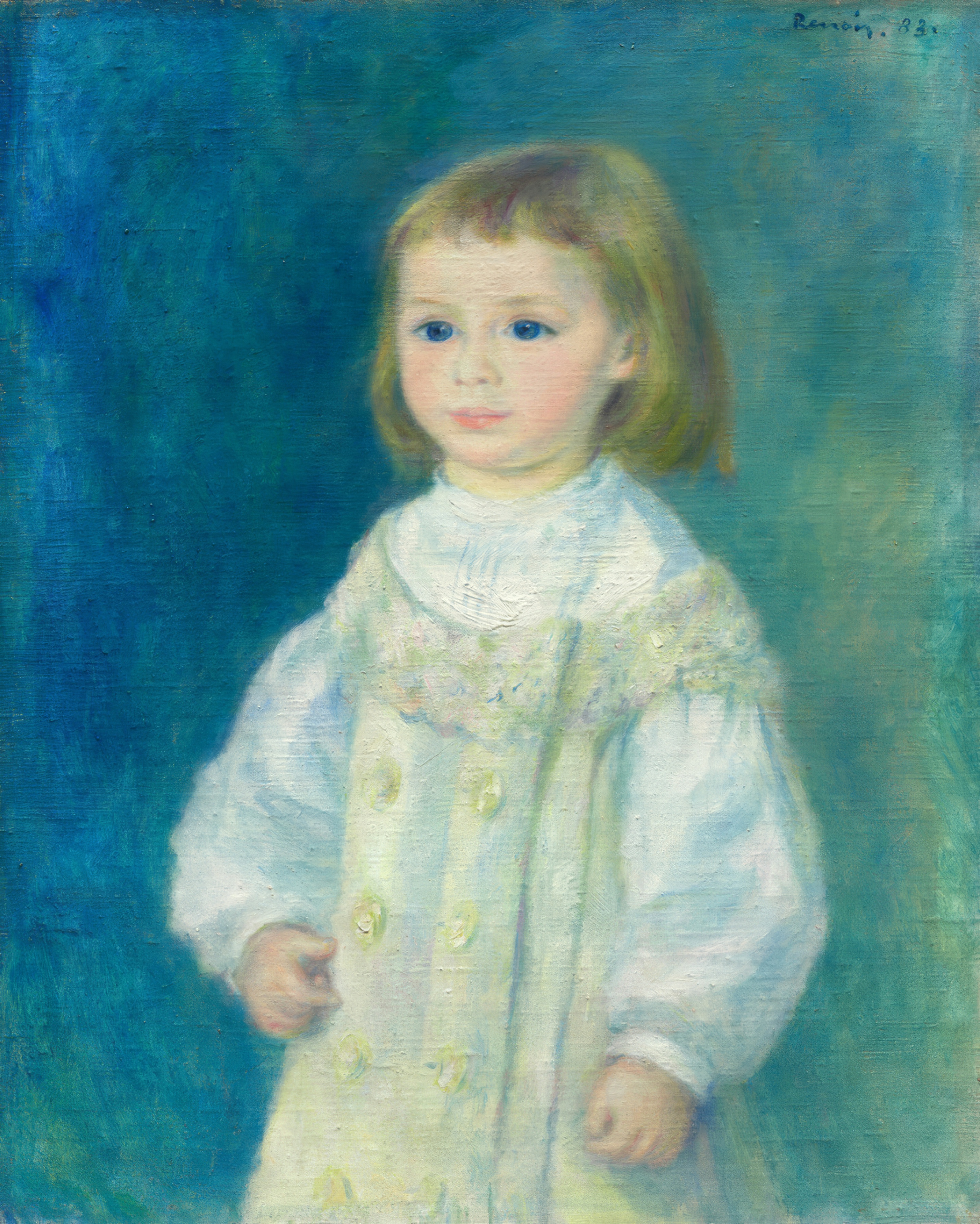
Pierre-Auguste Renoir, Lucie Berard (Child in White), 1883. Oil on canvas. Art Institute of Chicago.
Pierre-Auguste Renoir painted the daughter of his patron Paul Bérard in 1883.
Dark teal and white: crisp and fresh.
Teal loves warm partners: mustard, ochre, coral, terracotta and brass. Dark teal walls suit gold frames; pale teal suits white or oak. For more, see blue wall art, emerald green decor and moody wall art.
Questions
What colours go with teal?
Mustard, ochre, coral, terracotta, blush and brass, with cream or warm white to rest the eye.
What art goes with teal walls?
Pictures with warm golds and corals, or with a lighter teal of their own, in gold or warm wood frames.
Is teal a good colour for a living room?
Yes. Deep teal makes a living room feel rich and enveloping, especially with velvet, brass and warm lamplight.
What is the difference between teal and turquoise?
Teal is deeper and greener, turquoise lighter and brighter. Teal reads as more grown up and sits well with antiques.