Victorian portraits and the details that make a person present
victorian portrait: Ten historical works to compare domestic stories, formal sitters and a portrait of your own.
A victorian portrait can mean a formal sitter, a domestic story or the close relationship between a person and an animal. Those are different directions, and it helps to decide which one you want before choosing a Fable style. Sympathy · Children is the linked creation route here, led by Briton Rivière's real painting. The other catalogue works offer historical comparisons and prints to explore.
For a portrait from your own photograph, choose the person before the period. A clear expression, a comfortable pose and readable hands matter more than assembling a costume. The paintings below also remind us that “Victorian” names a broad cultural period, not one uniform appearance. Some are narrative scenes rather than formal portraits. Look for the kind of attention you want the picture to give its subject, then follow the appropriate creation or masterwork link.
1. Sympathy: begin with a relationship
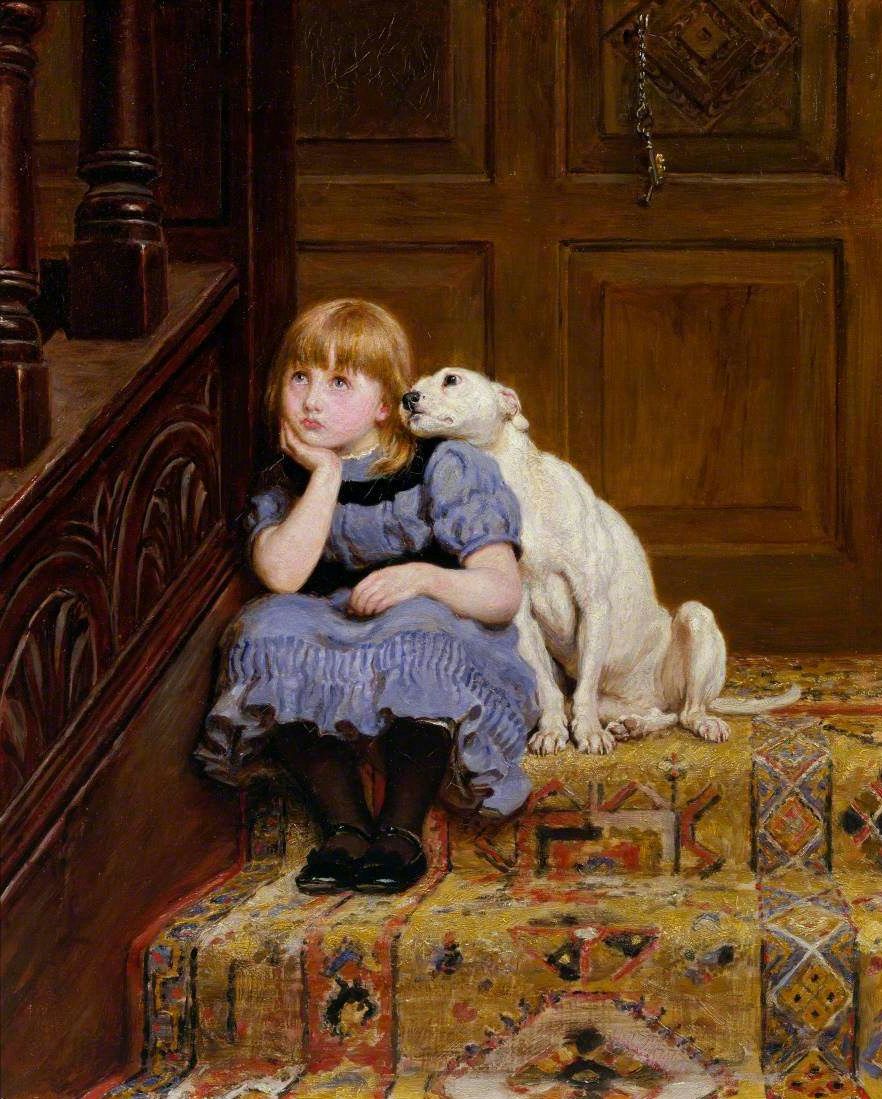
Sympathy · Briton Riviere · 1878 · Royal Holloway, University of London
Sympathy offers a route through a quiet bond between a child and a dog. Choose the linked Fable treatment if that feeling fits the photograph and the current subject guidance. The historical work is shown as its source, not as a promised result. Keep the child's expression and the animal's natural pose readable in your reference. A gentle image does not need an explanatory slogan printed across it.
Create a portrait in this style · Explore this artwork
2. Cupboard Love: notice the ordinary household
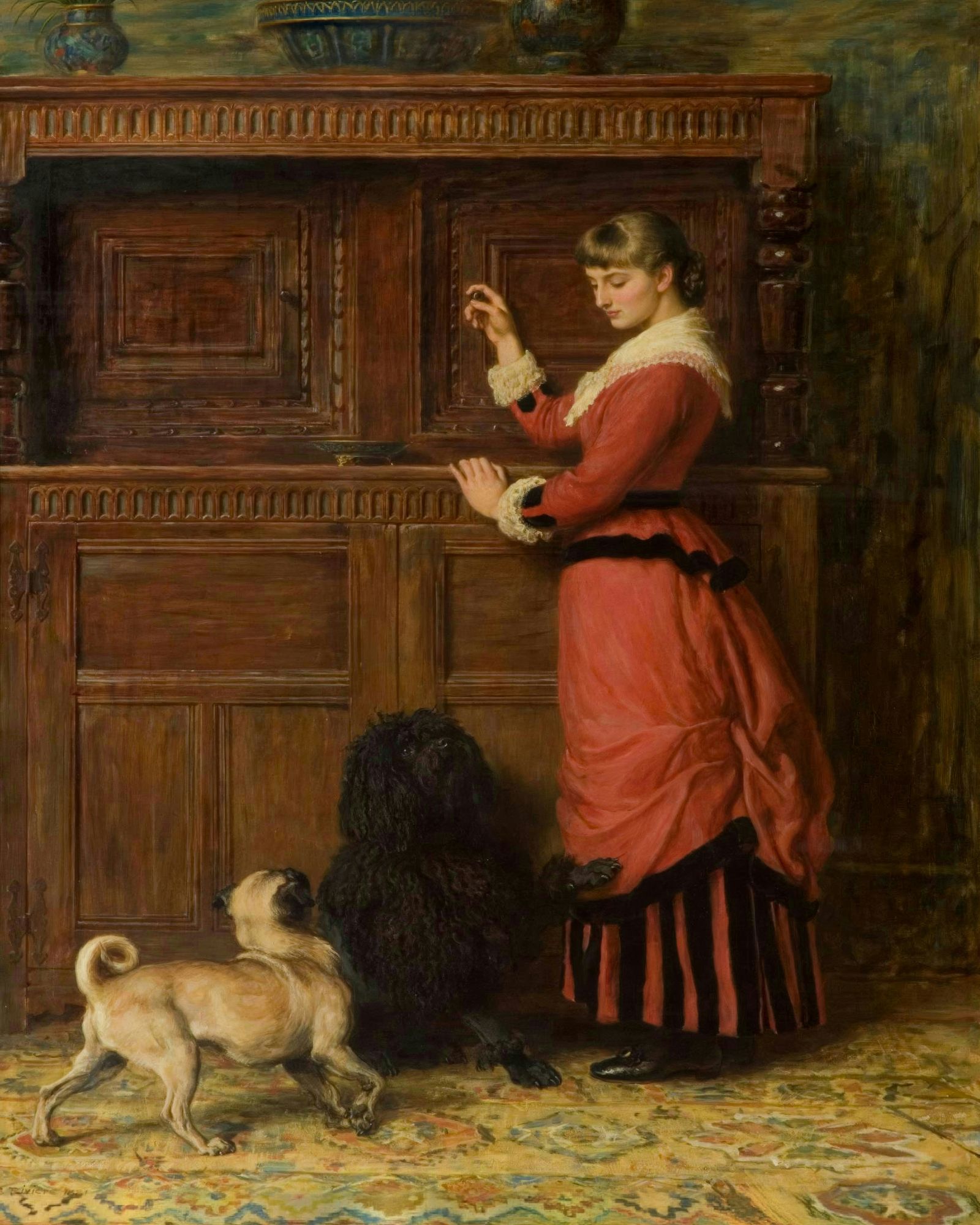
Cupboard Love · Briton Rivière · 1881 · The New Art Gallery Walsall
A domestic title can direct the search away from ceremonial furniture and towards the life people actually shared. Use this work as a historical comparison when thinking about the setting of your own portrait. An ordinary room may contain the strongest memories. If you would rather hang the historical picture itself, open its masterwork page and inspect the full image, its catalogue description and the currently offered print formats.
3. Fidelity: let a theme remain understated
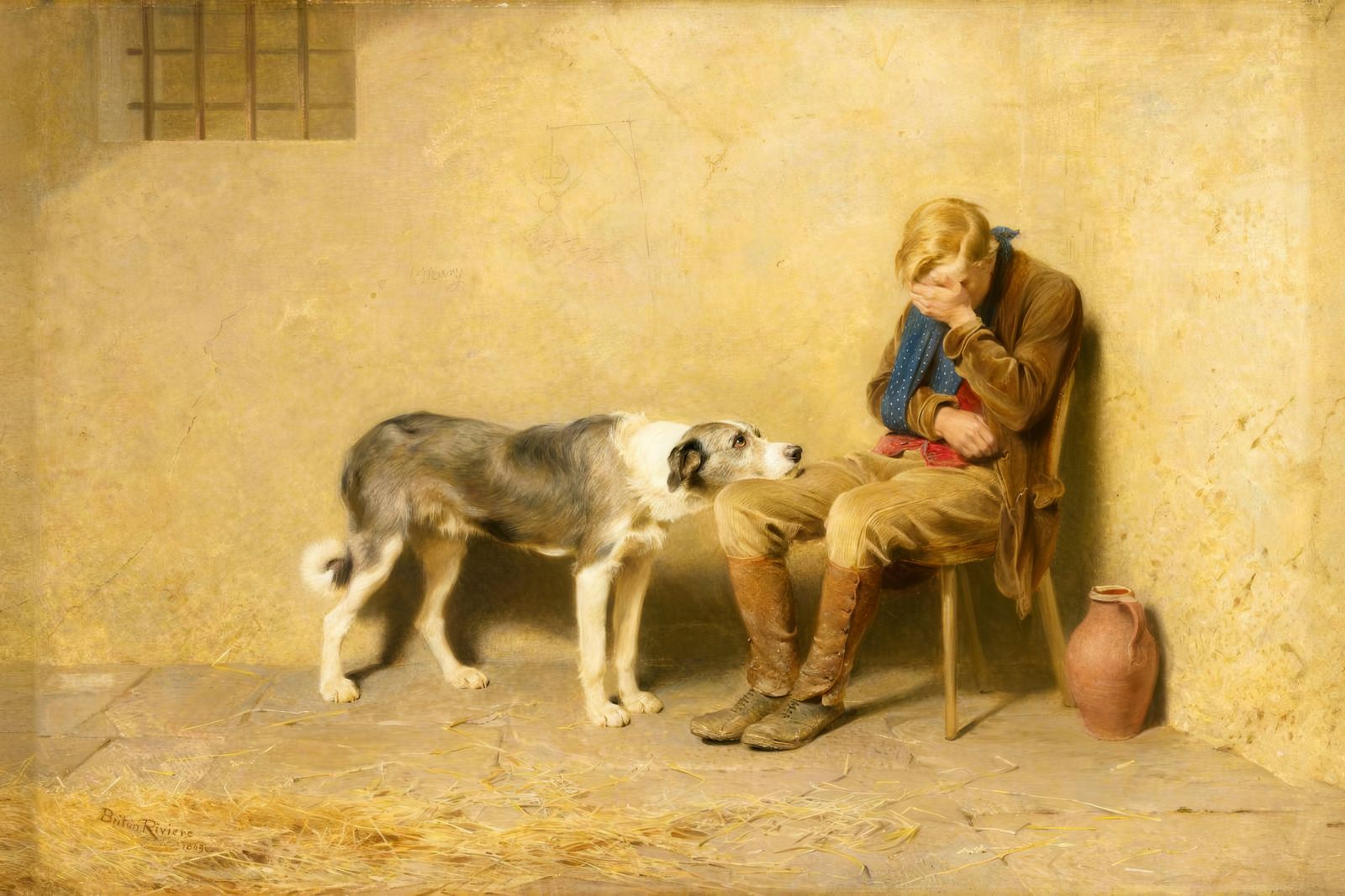
Fidelity · Briton Rivière · 1869 · Lady Lever Art Gallery, Port Sunlight
A picture named for fidelity is an invitation to think about how much a portrait needs to explain. The image may be stronger when its theme is felt rather than printed as a label. For a gift, keep personal history in an accompanying note. This work is available to explore as a historical image; do not assume that its exact arrangement is included in an unrelated Fable portrait style.
4. Watching Dog: a companion can change the mood
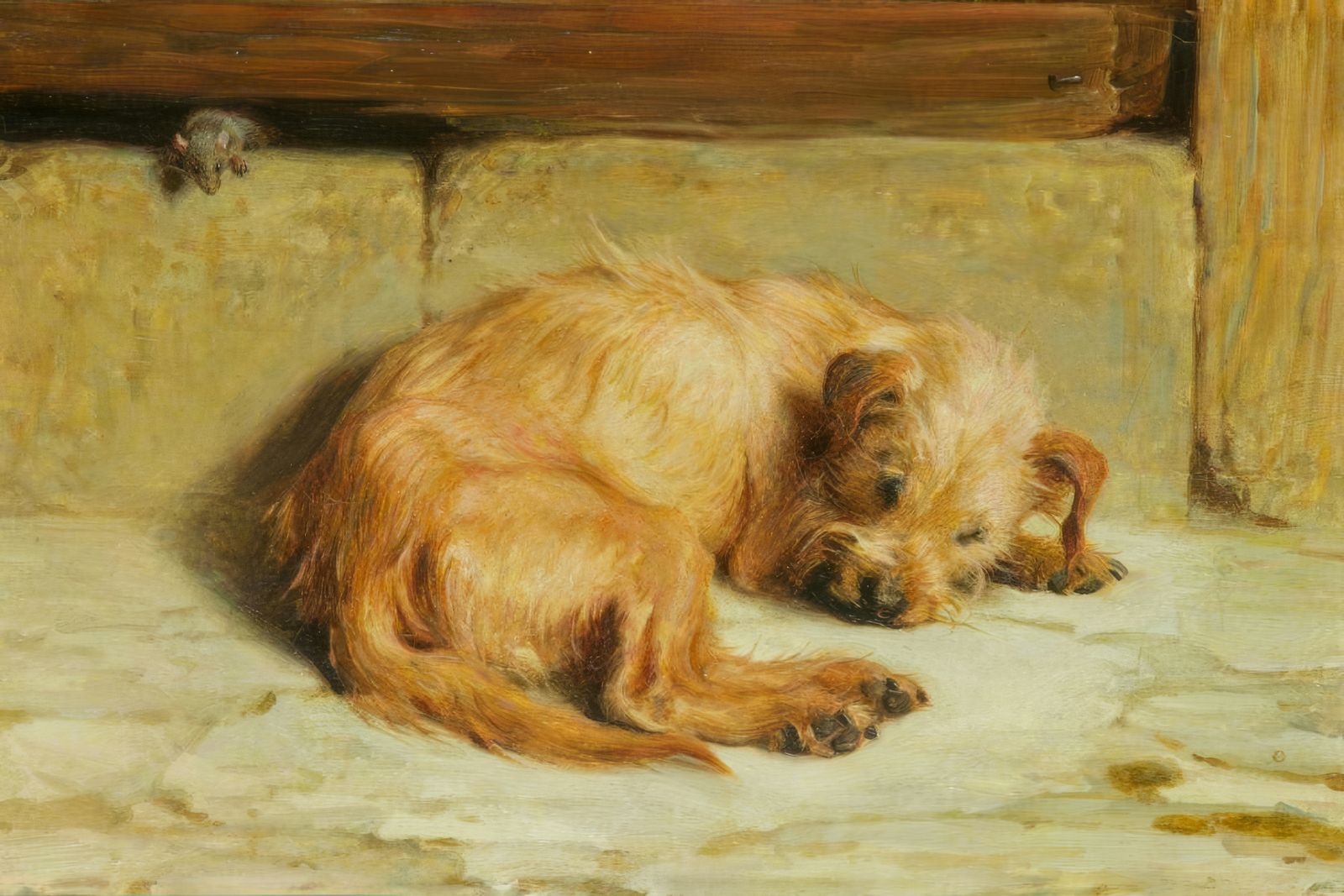
Watching Dog · Briton Rivière · 1875 · Sudley House, Liverpool
An animal's attention can give a scene a different emotional centre. When selecting your own source photo, notice whether the dog is looking towards the person, away from them or at the camera. Any can work if it feels characteristic. A portrait should keep that natural behaviour. For a historical print, judge the whole composition rather than choosing only from a tiny thumbnail of the animal.
5. Tick-Tick: choose a moment rather than an outfit
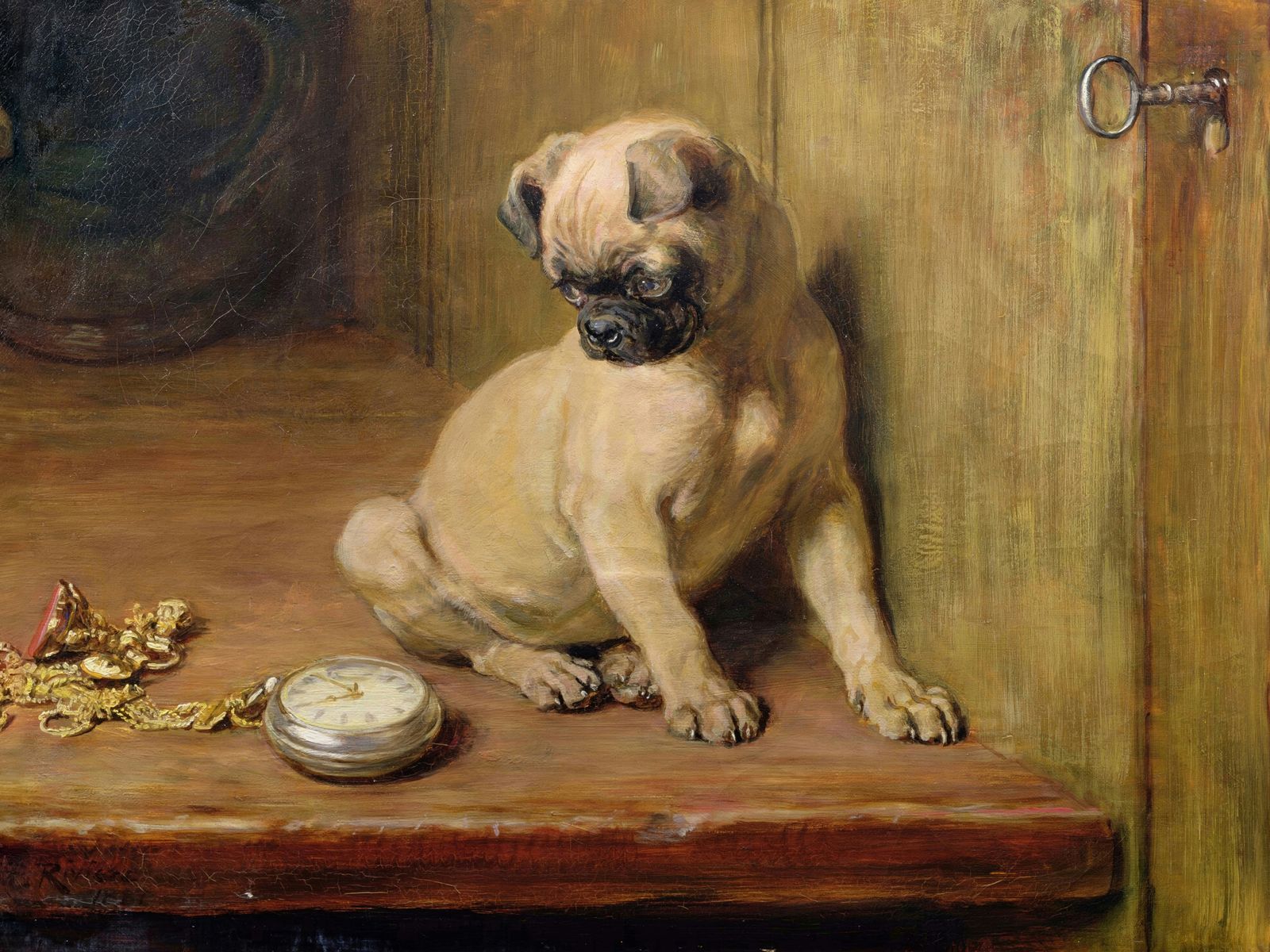
Tick-Tick (Tick-Tack) · Briton Rivière · 1881 · Russell-Cotes Art Gallery & Museum, Bournemouth
A narrative picture invites the viewer to imagine what happens around the instant shown. Your own portrait reference can hold an equally ordinary moment: reading, sitting on a step or pausing beside a pet. Check the selected flow's guidance before relying on complex actions or several subjects. The historical work is a useful prompt, but the photograph you supply remains the practical starting point for a custom portrait.
6. The Old Gardener: give work and age their place
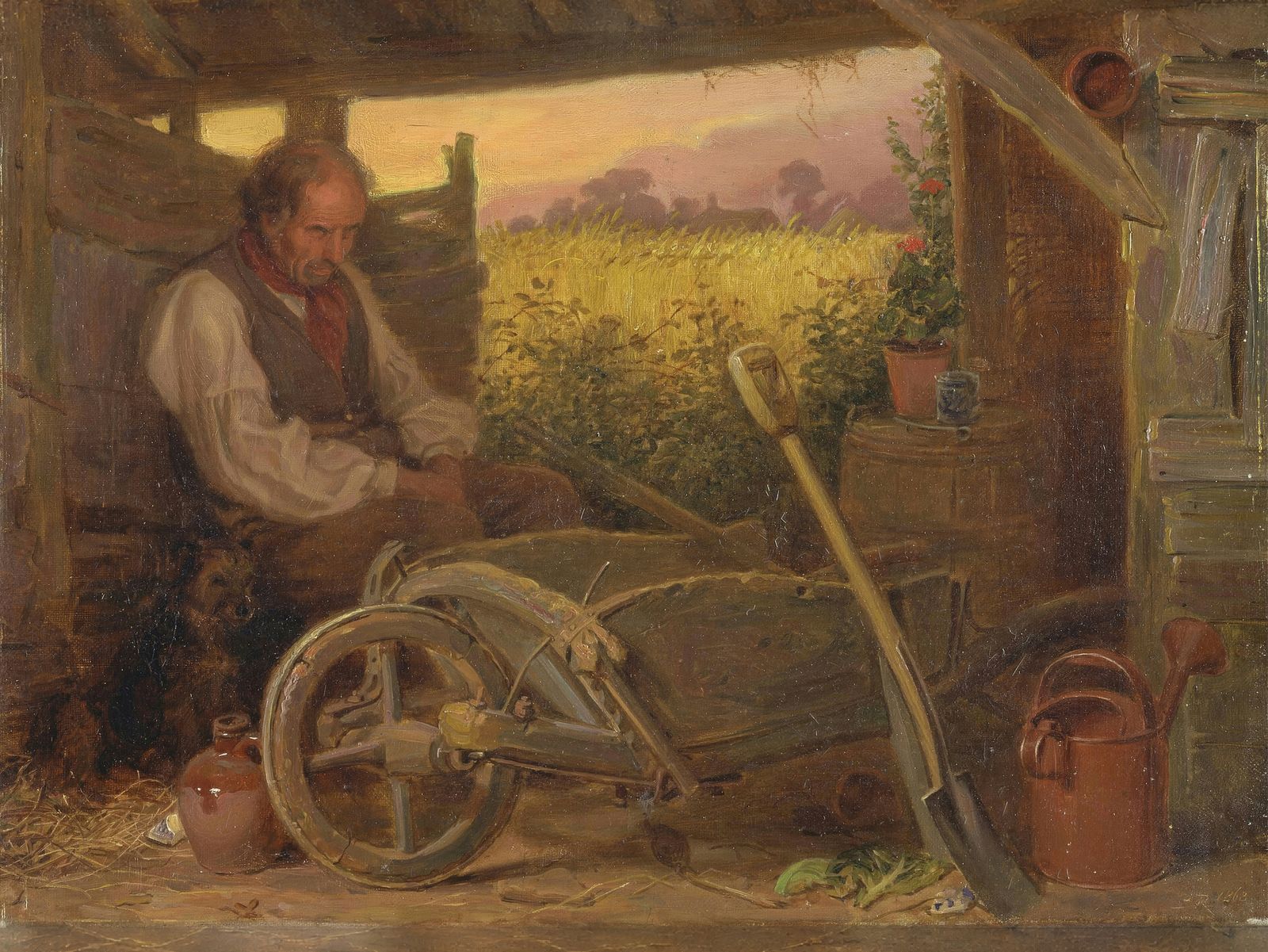
The Old Gardener · Briton Rivière · 1863 · Yale Center for British Art, New Haven
A portrait can attend to a person's daily life without turning them into a generic character. If gardening is part of the subject's identity, choose a clear photo where the person remains visible among the tools or plants. Avoid reducing an older sitter to a stereotype. This named work offers historical context for a portrait search and a separate route to buying the catalogue image as a print.
7. The Letter: consider the privacy of a story
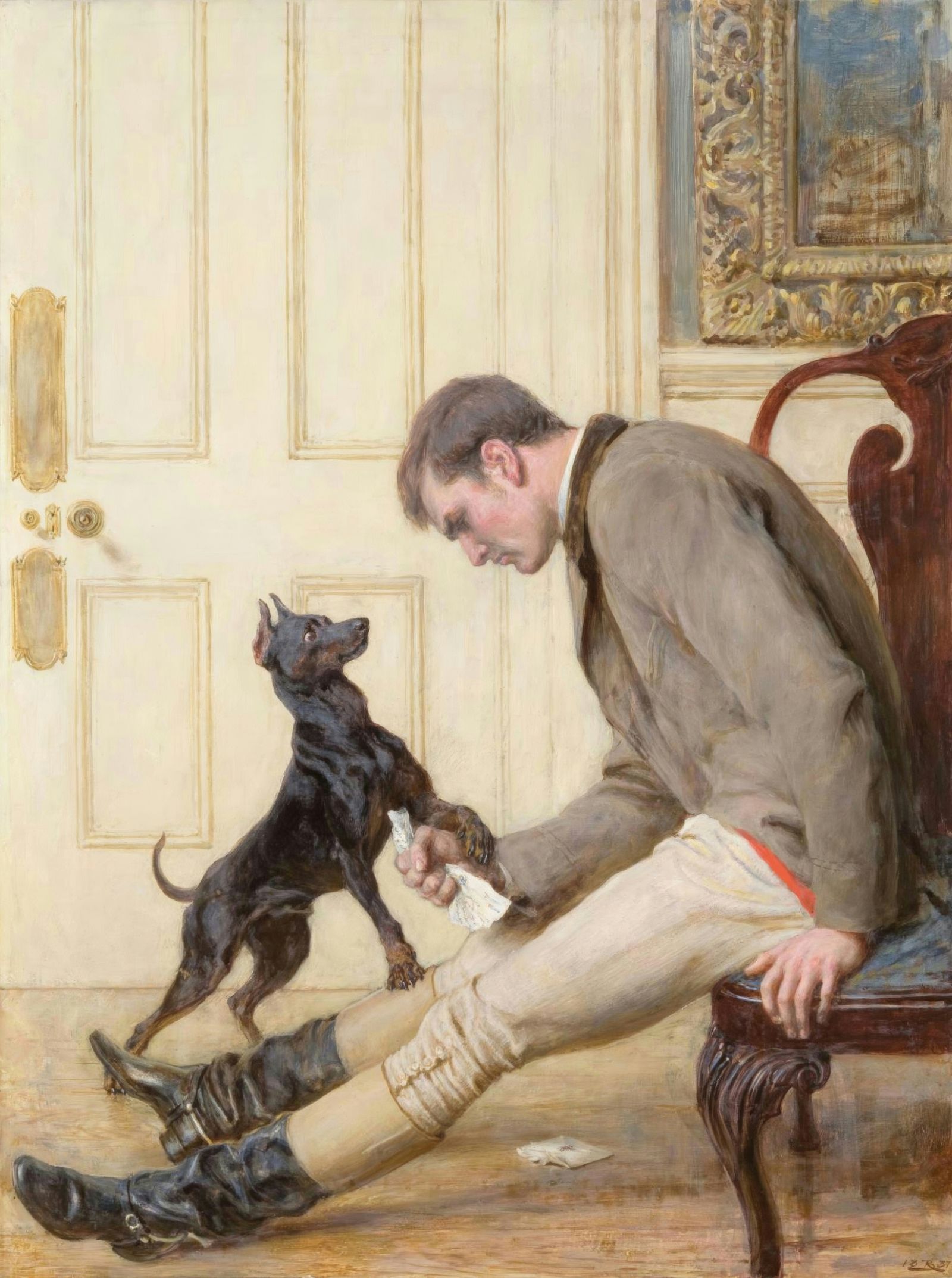
Jilted (The Letter) · Briton Rivière · 1887 · Philadelphia Museum of Art
A title such as Jilted gives a scene a particular narrative. That does not mean a modern gift needs to disclose an equally private story on its surface. Choose a photograph the subject would be comfortable displaying. If a letter or personal object matters, keep it from obscuring the face. A portrait can feel intimate while leaving the recipient free to decide how much of its meaning to share.
8. Pride of Place: think about the room it will enter
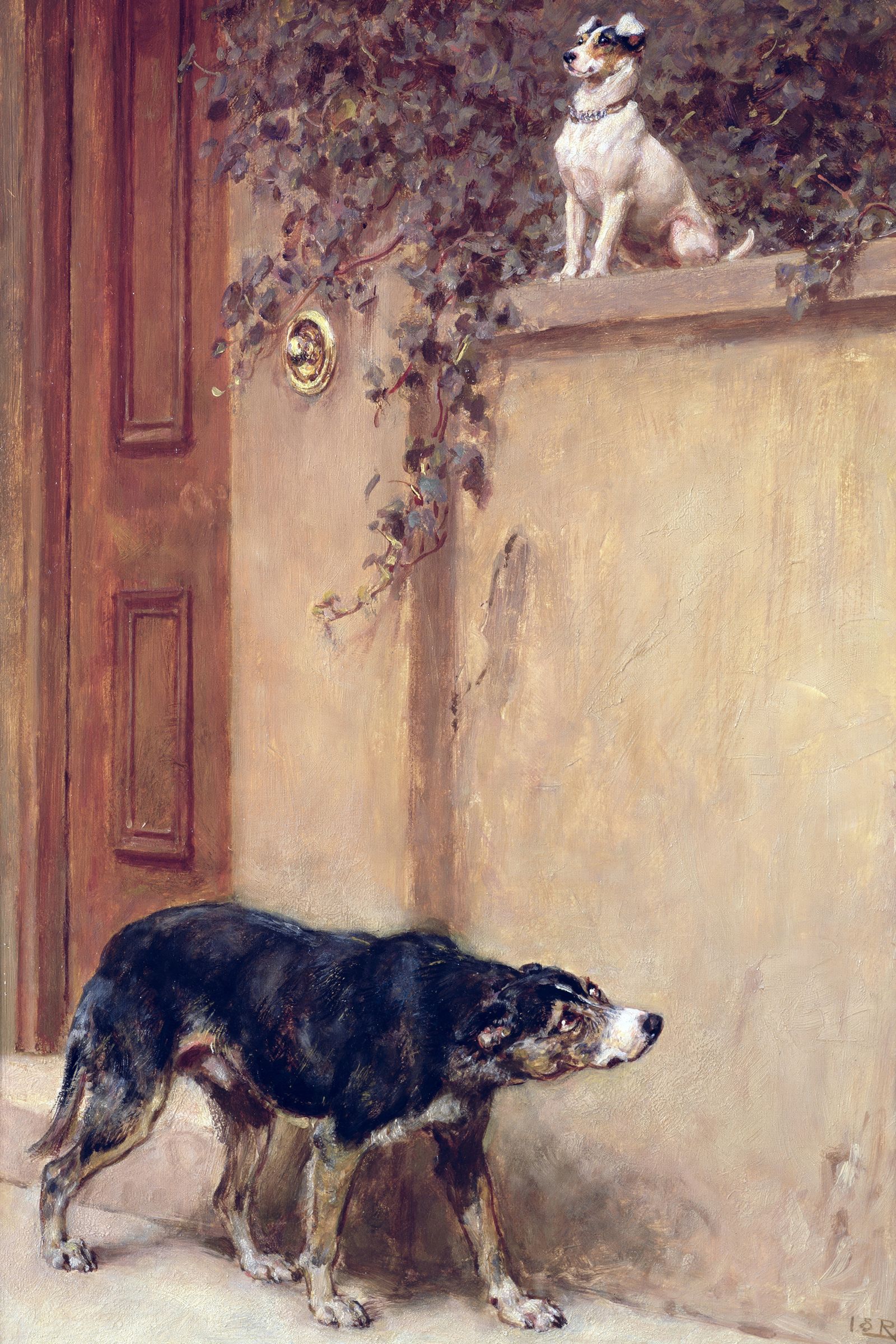
Pride of Place · Briton Rivière · 1891 · Royal Albert Memorial Museum & Art Gallery, Exeter
Before choosing a commanding composition, consider the space where it will hang. A hallway, bedroom and small reading corner ask for different scale and degrees of formality. Use the historical work as a point of comparison, then inspect actual print dimensions on its page. For a custom portrait, wait until you have reviewed the image before committing to a frame that may make it feel more imposing than intended.
9. A court portrait as a formal comparison
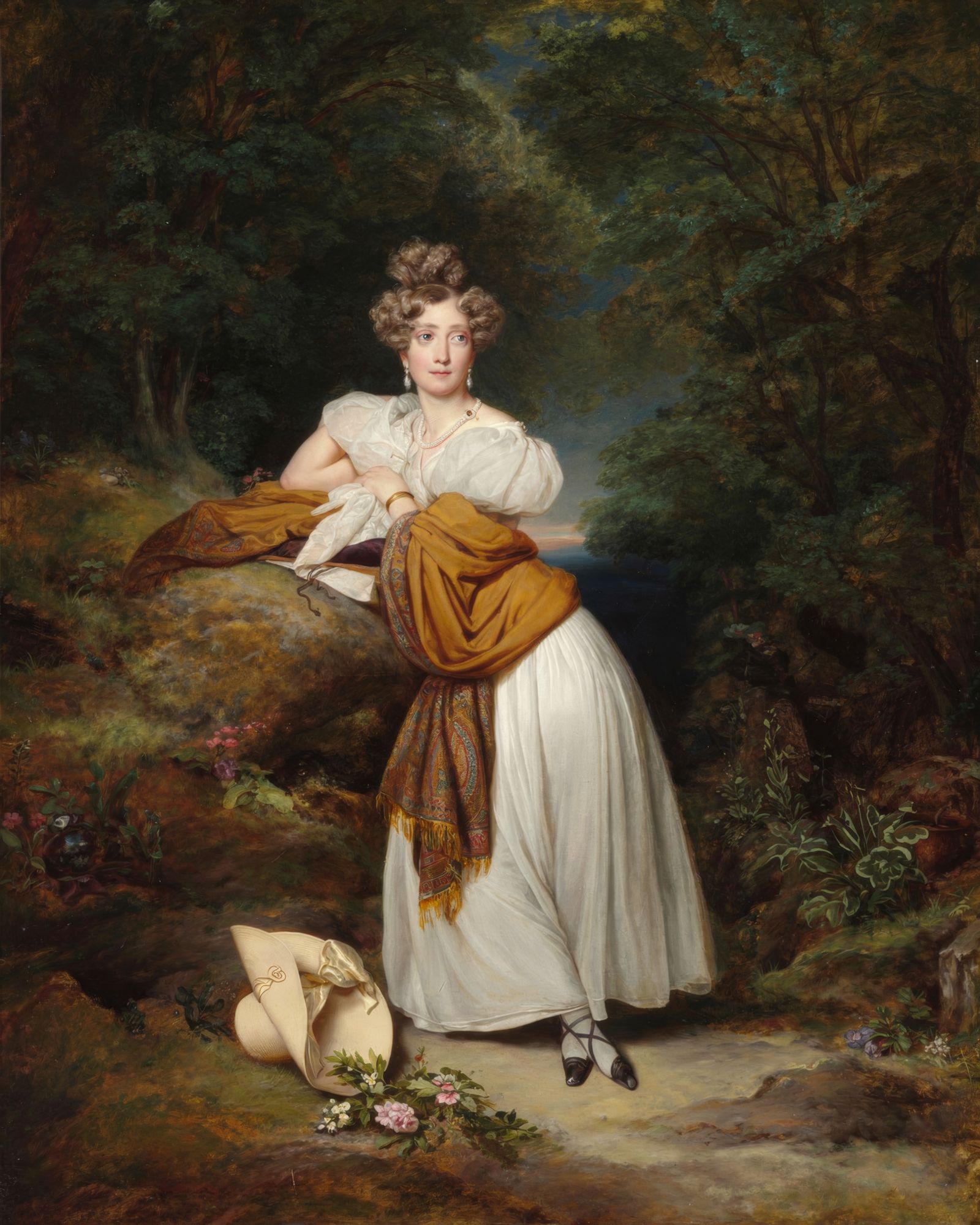
Sophie Guillemette, Grand Duchess of Baden (1801-1865) · Franz Xaver Winterhalter · 1831 · Cleveland Museum of Art
Winterhalter's named sitter offers a different register from Rivière's domestic narratives. It is useful when you are deciding whether you want a formal portrait or a story scene. The two need not share a creation route. If your aim is a personal portrait, inspect the available styles and their source guidance. If the historical sitter is the work you admire, follow this masterwork's own print page.
10. An individual sitter, with a companion
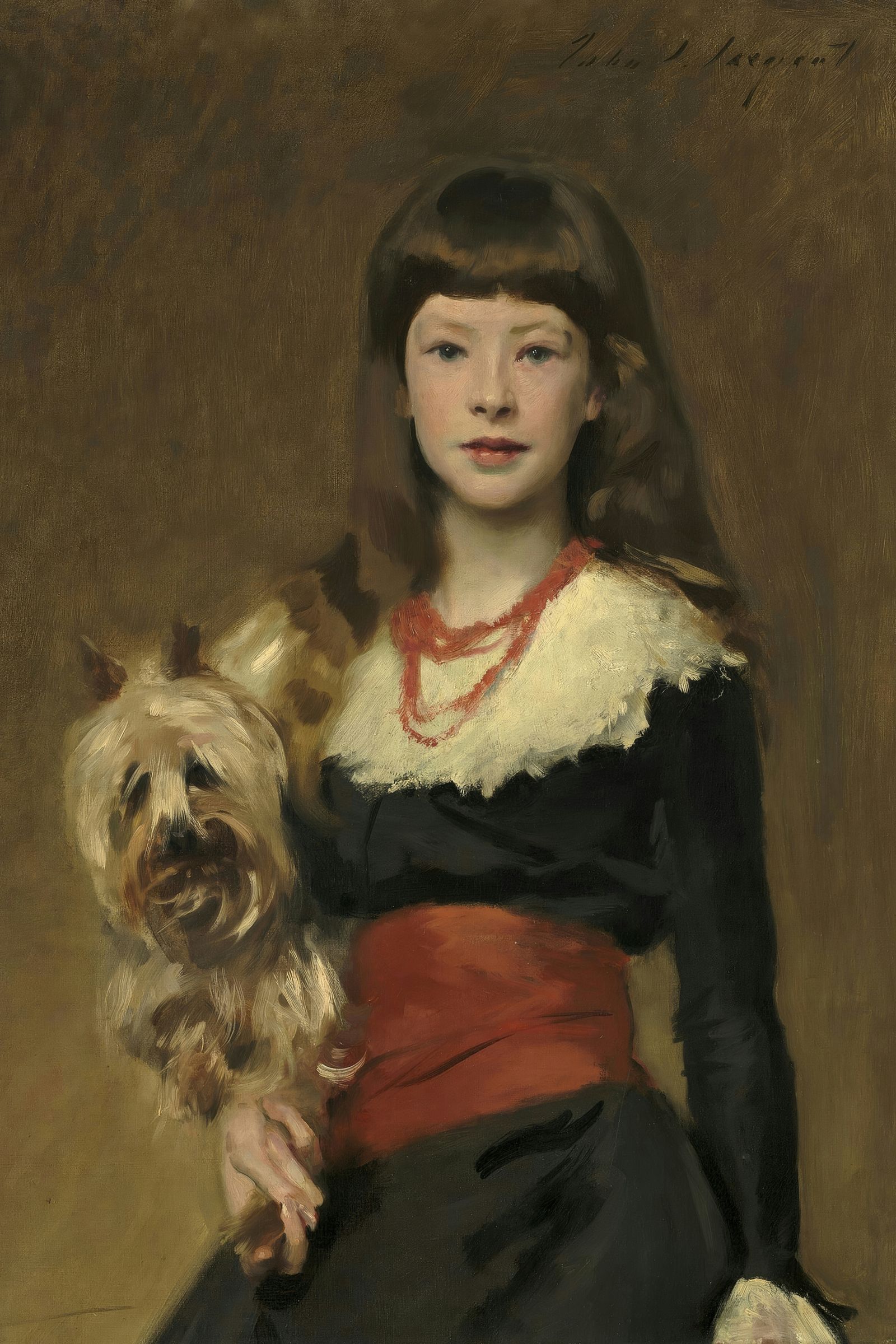
Miss Beatrice Townsend · John Singer Sargent · 1882 · National Gallery of Art, Washington
Sargent's portrait provides another way to weigh the balance between a person and a pet. Ask which subject must be recognisable first in your own image, and whether the photograph gives both enough detail. A Victorian mood should not come at the expense of the sitter's character. Keep the reference natural and choose the available treatment for its overall feeling rather than expecting a literal period reconstruction.
If Sympathy is the work that speaks to the portrait you want, open its dedicated style page and read the current photo guidance before uploading. The other masterwork links are routes to the historical works themselves. That distinction keeps the next step clear: create a portrait from your photograph, or explore a catalogue print. In either case, judge the complete image rather than a cropped detail. For gifts involving children, choose a reference and a display context that the family is comfortable with, then review the result before ordering.
Explore the Sympathy portrait style
- Does Victorian portrait mean one particular style?
- No. The term covers formal portraits, domestic narratives and many different treatments. This guide uses real catalogue works to help choose a mood. The linked Sympathy style has its own source and current creation guidance.
- Do we need Victorian clothes in our photograph?
- A clear, natural photograph is the starting point. Follow the selected style’s instructions instead of assuming a costume is necessary. Visible faces and comfortable poses are more useful than an elaborate outfit that hides the person.
- Are all the works shown sources for Sympathy · Children?
- No. Sympathy is that style’s source work. The other pictures are historical comparisons with their own masterwork links, allowing you to explore them as prints without implying that an unrelated portrait treatment reproduces them.