Black and white art: 12 woodcuts, etchings and prints for any wall
Dürer’s woodcuts, Hollar’s warships, Manet’s Berthe Morisot, Delacroix’s lion and Hilma af Klint’s black and white swans: twelve masterworks with no colour at all.
Black and white art goes with everything. It suits white walls and dark ones, modern rooms and old houses, and it never clashes with a sofa or a rug. The finest black and white pictures are prints: woodcuts, etchings, mezzotints and lithographs, made by artists who did everything with line and shadow alone.
Here are twelve, in three groups: woodcuts, etchings and mezzotints, and lithographs and paintings. Each is shown with its palette of greys, and each can be ordered as a print.
Woodcuts
Bold black lines cut into wood.
1. Joachim and the Angel, from The Life of the Virgin
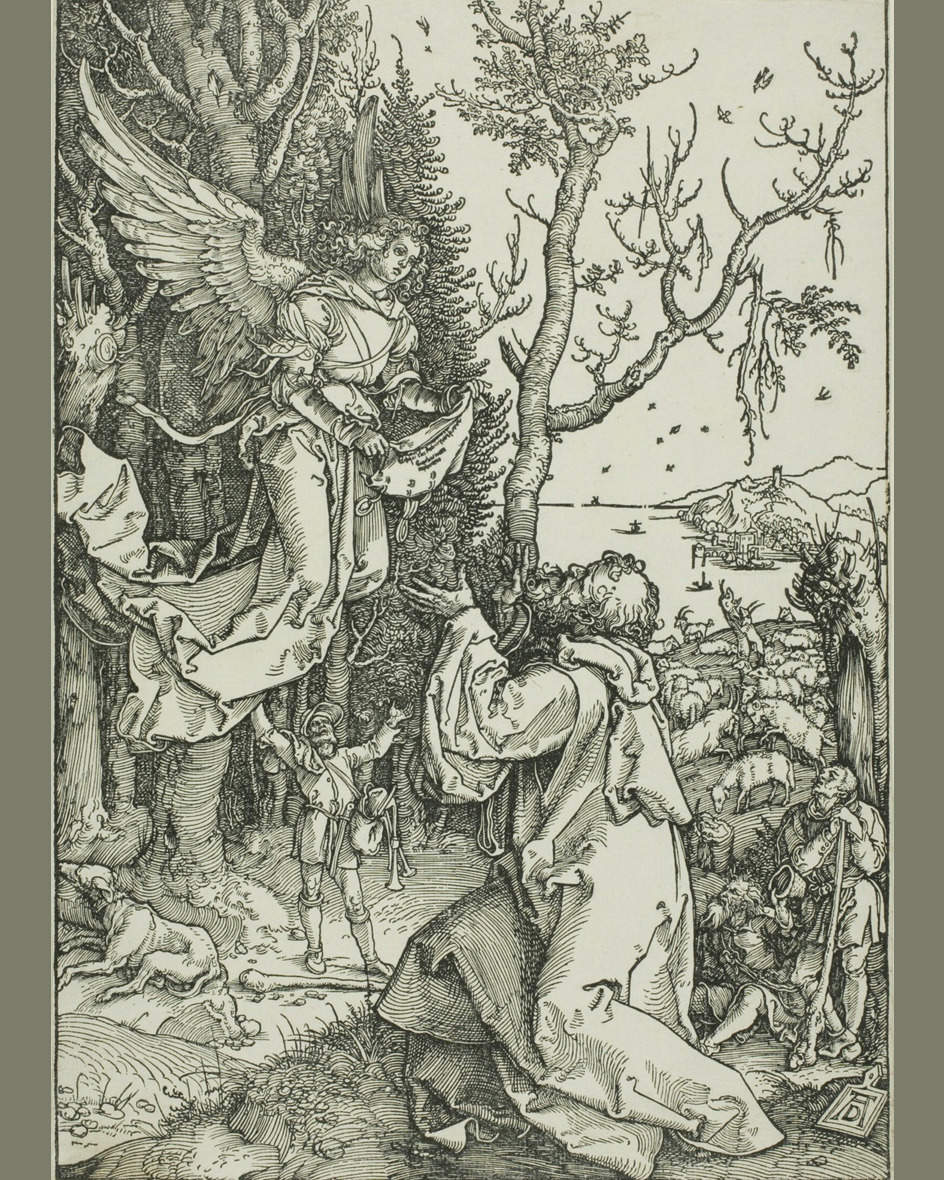
Albrecht Dürer, Joachim and the Angel, from The Life of the Virgin, c. 1504, printed c. 1580. Woodcut in black on ivory laid paper. Art Institute of Chicago.
Albrecht Dürer cut this scene around 1504 for his Life of the Virgin, the series that made him famous across Europe. Every line was carved by hand in a block of pear wood.
A crisp, detailed print for a study or hallway.
2. Samson and Delilah
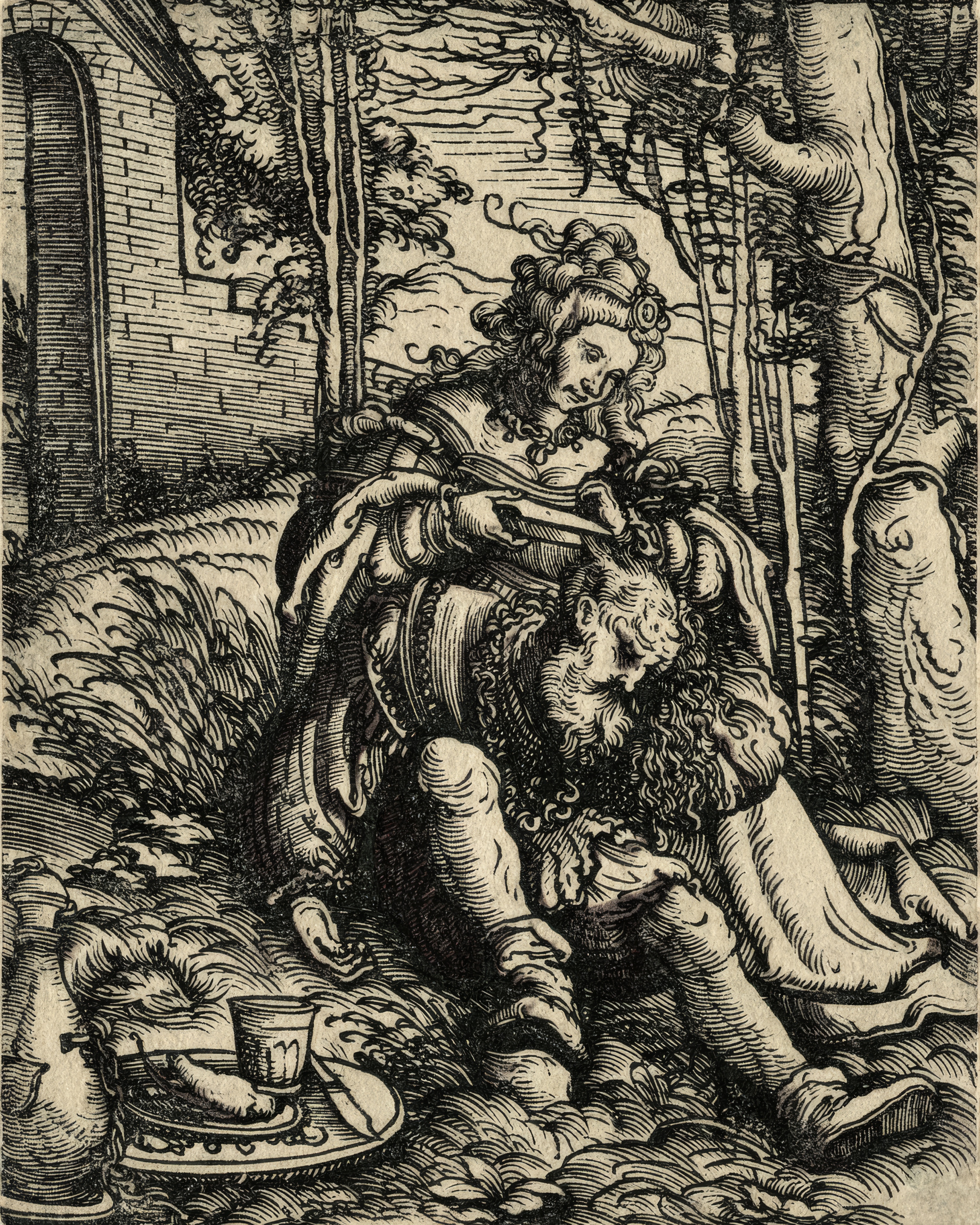
Hans Burgkmair, Samson and Delilah, 1519. Woodcut. Cleveland Museum of Art.
Hans Burgkmair of Augsburg cut Samson and Delilah in 1519, in bold black lines on white paper.
A graphic, storytelling print for a library wall.
3. Hercules Strangling the Lion of Nimes
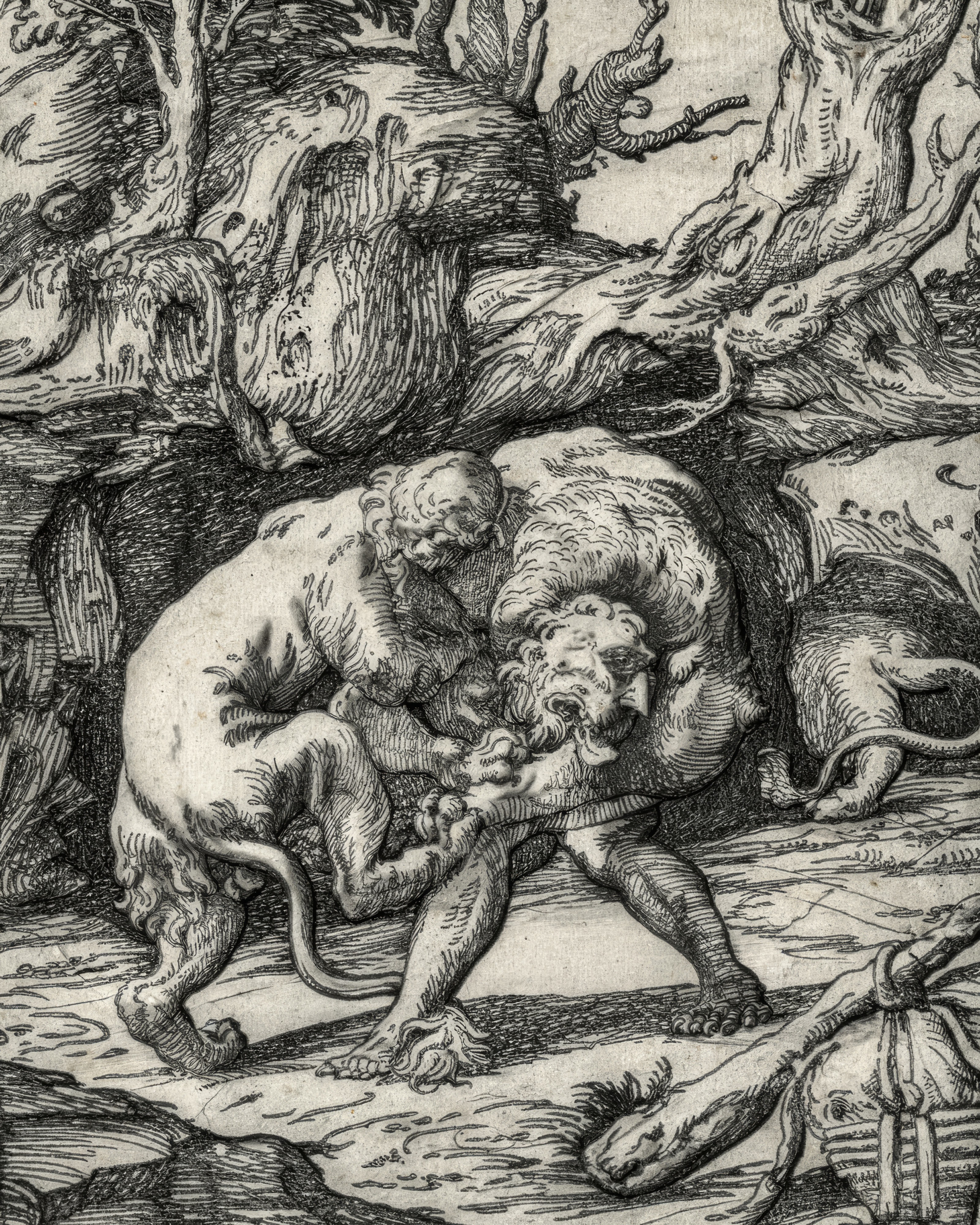
Joseph Nicolas Vicentini, Hercules Strangling the Lion of Nimes, 1600s. Chiaroscuro woodcut. Cleveland Museum of Art.
This chiaroscuro woodcut of the 1600s by Joseph Nicolas Vicentini prints several blocks of grey on top of each other to model light and shade.
Soft greys and strong drama for a modern room.
4. Tahitian Series: Worship
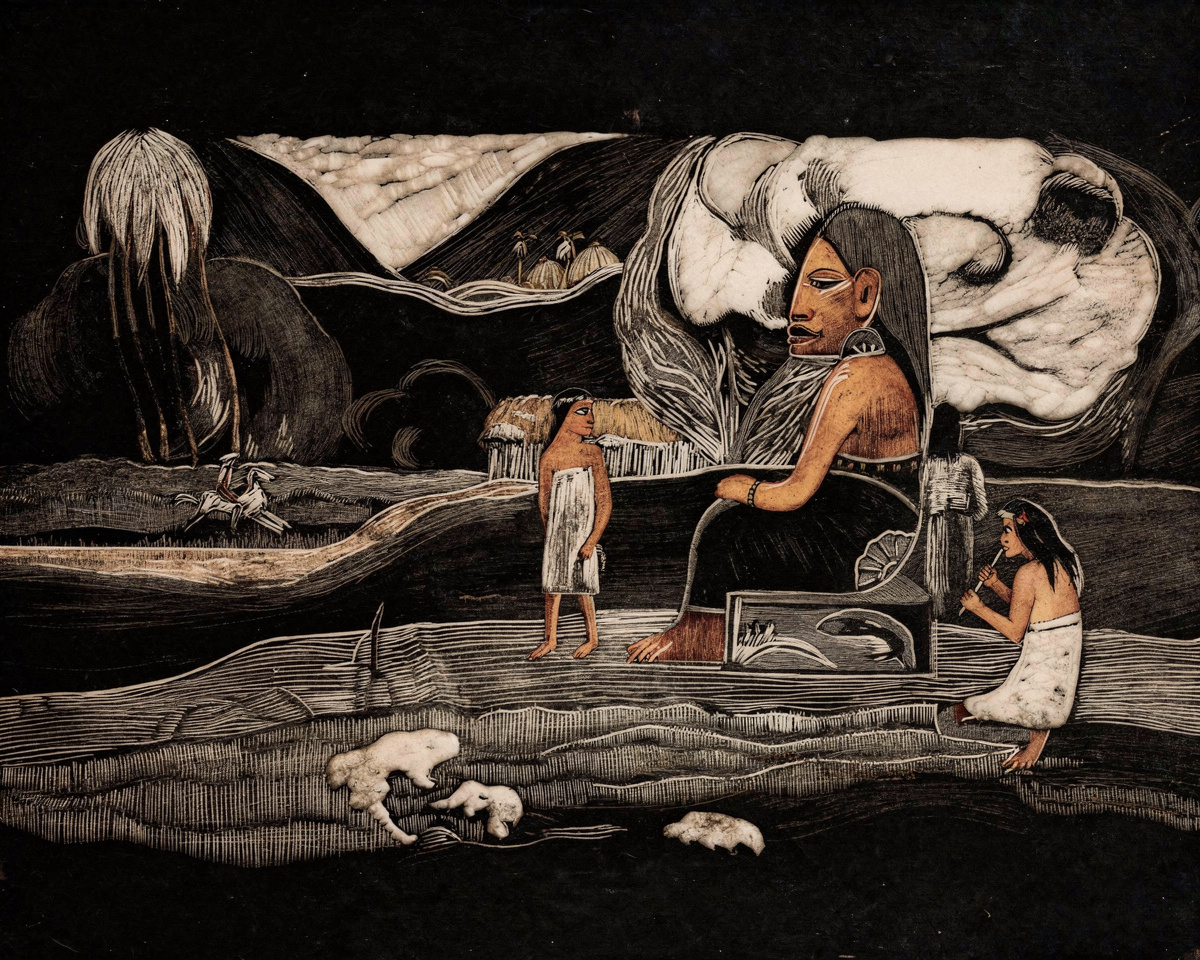
Paul Gauguin, Tahitian Series: Worship, 1893–94. Woodcut. Cleveland Museum of Art.
Paul Gauguin carved his own woodcuts in Tahiti and Paris in 1893 to 1894, gouging the wood roughly to make deep, velvety blacks.
A rich black print for a contemporary wall.
Etchings and mezzotints
Fine lines and velvet shadows bitten into copper.
5. Dutch Warships
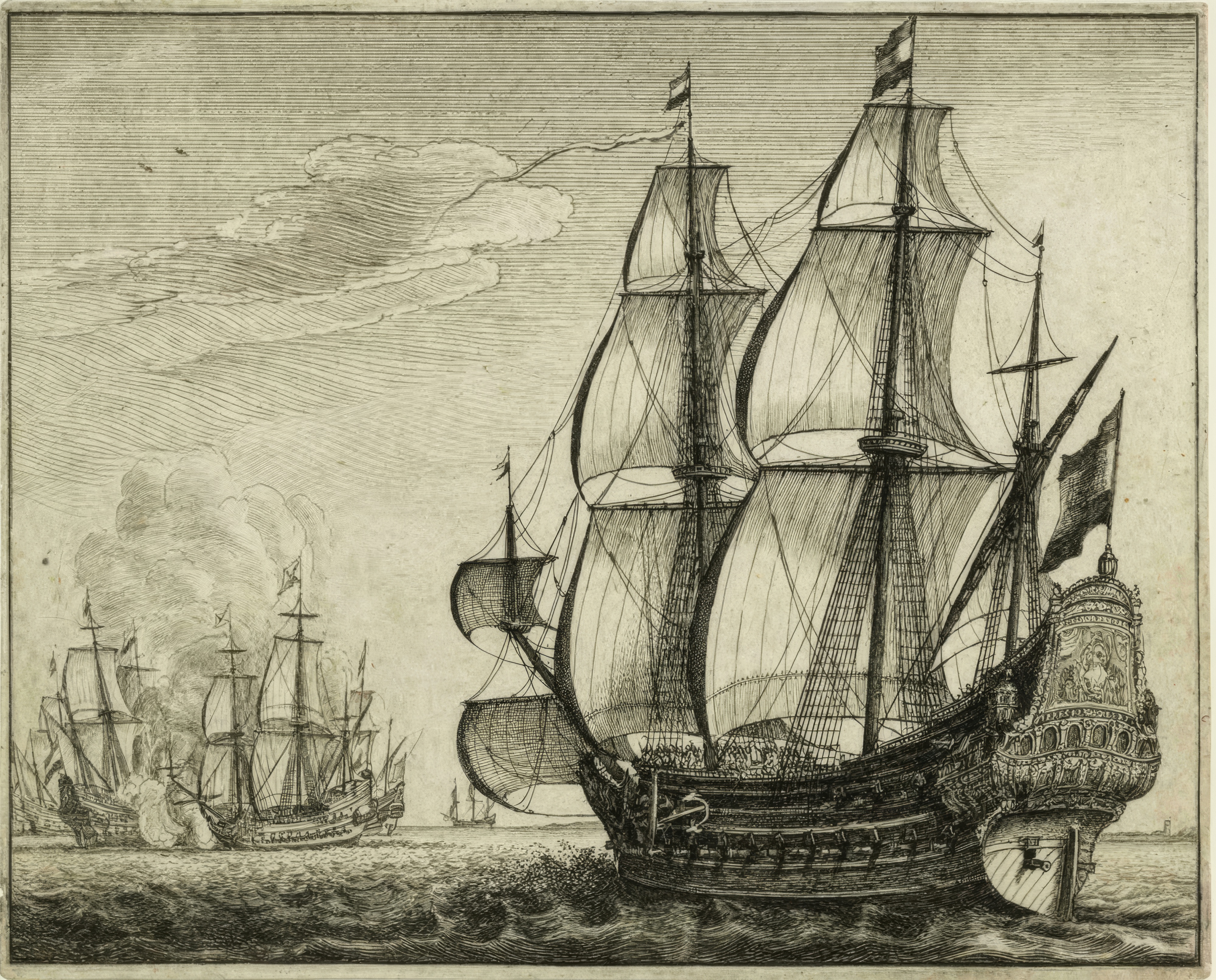
Wenceslaus Hollar, Dutch Warships, 1647. Etching printed in black ink on white antique laid paper. Harvard Art Museums.
Wenceslaus Hollar etched this set of Dutch ships in 1647, every rope of the rigging drawn with a needle.
A calm, detailed print for a study or a coastal home.
6. Saved
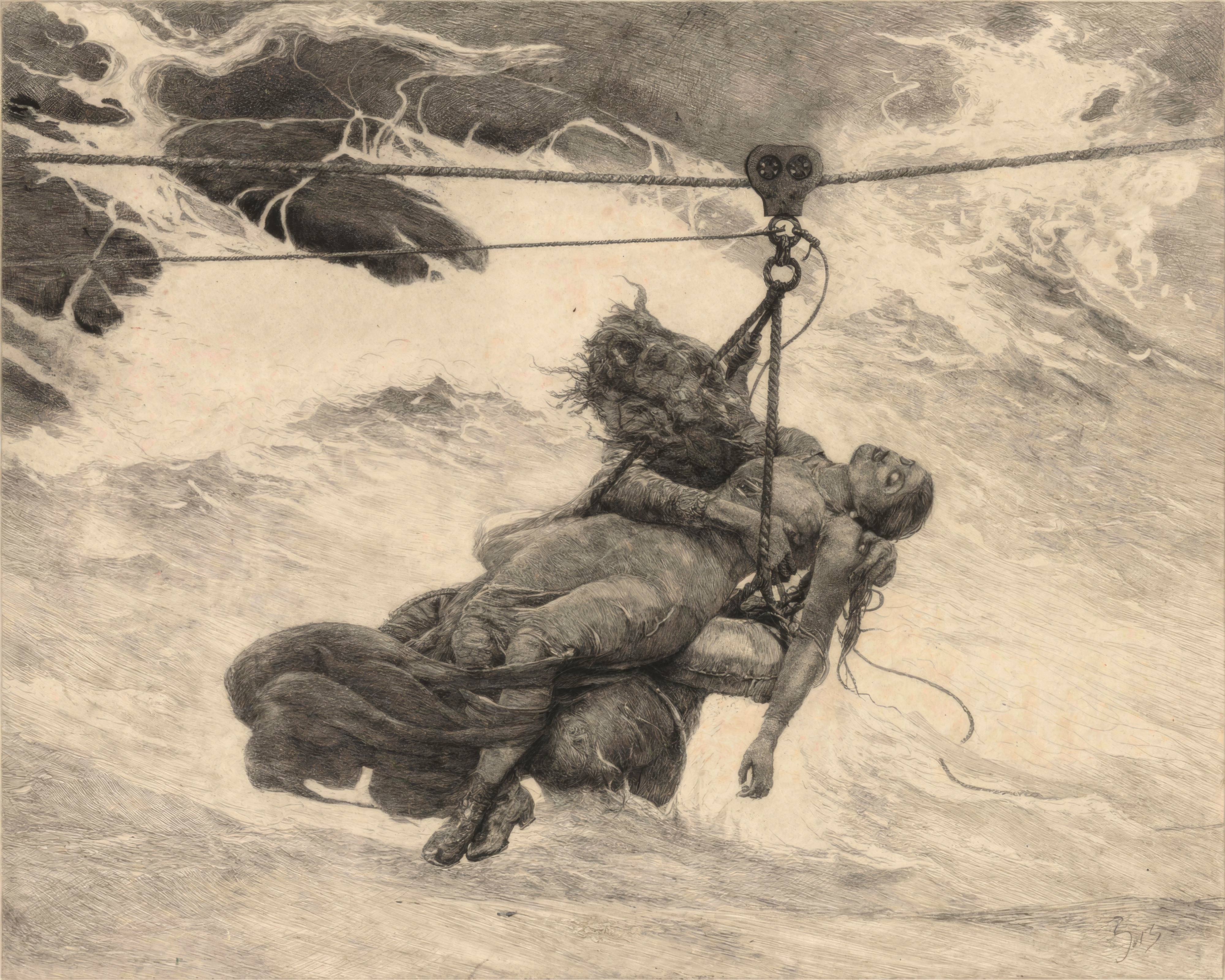
Winslow Homer, Saved, 1889. Etching. Cleveland Museum of Art.
Winslow Homer etched Saved in 1889 after his famous painting of a sea rescue on the English coast.
A powerful print for a hallway or living room.
7. Old Sarum
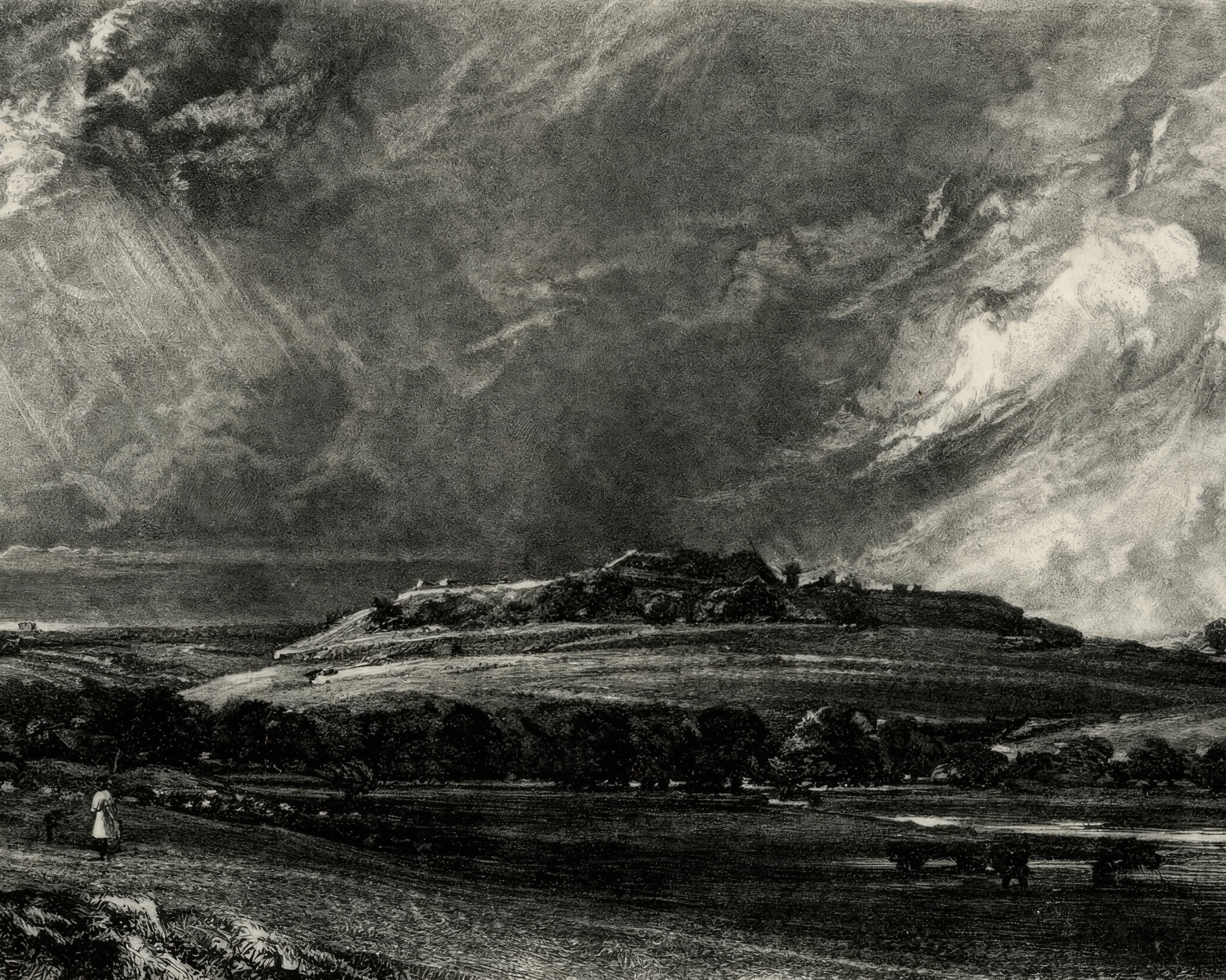
David Lucas after John Constable, Old Sarum, 1832. Mezzotint in black ink on heavy ivory wove paper. Art Institute of Chicago.
David Lucas made this mezzotint in 1832 after John Constable’s painting. Mezzotint gives the deepest, softest blacks of any print.
Velvety black and silver for a dramatic wall.
8. Clearing in the Forest
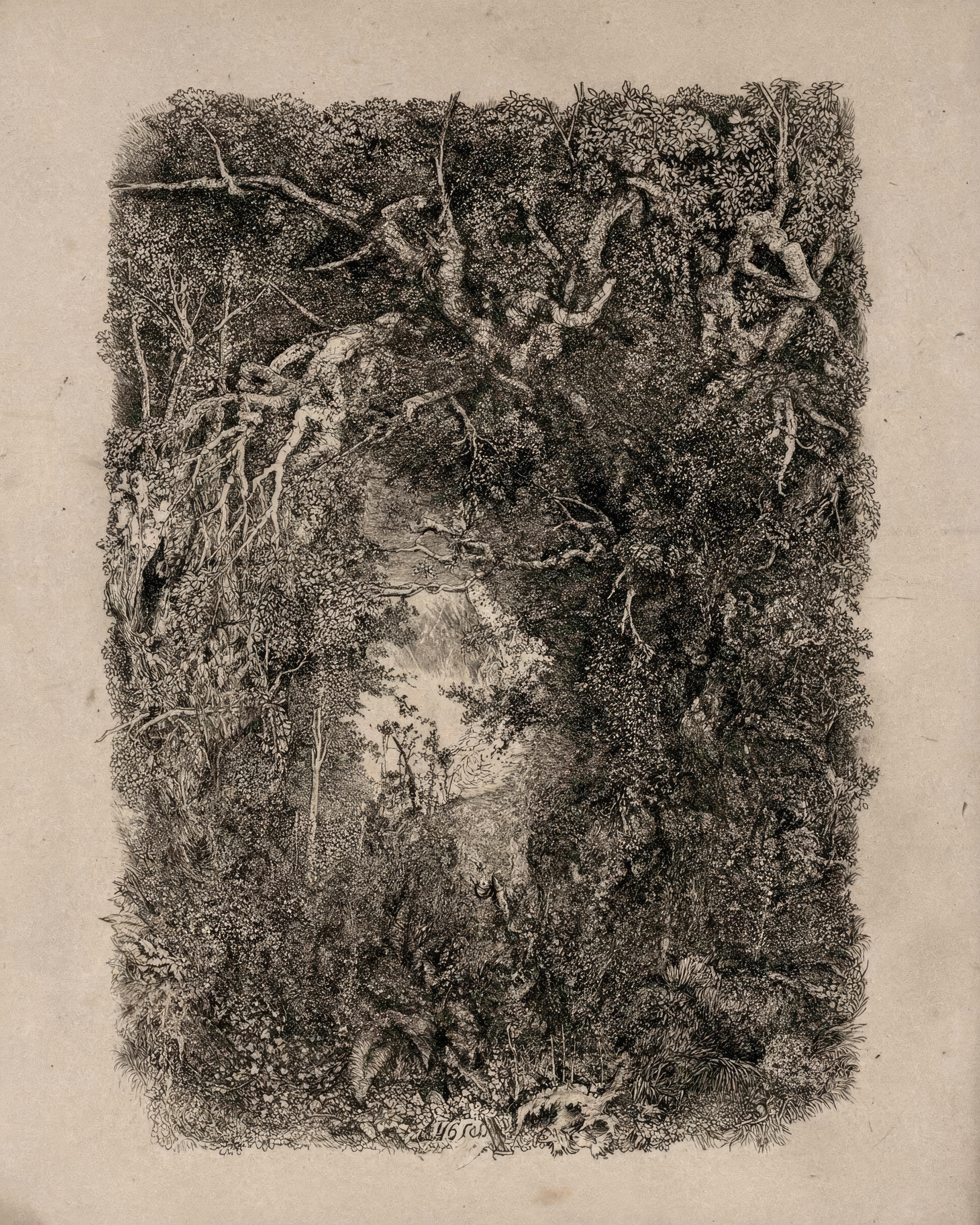
Rodolphe Bresdin, Clearing in the Forest, 1880. Etching on cream laid paper. Art Institute of Chicago.
Rodolphe Bresdin was a strange, solitary genius of etching. He made this forest clearing in 1880, with thousands of tiny lines.
An intricate print to study up close.
Lithographs and paintings
Drawn on stone, or painted in black and white.
9. Berthe Morisot in Black
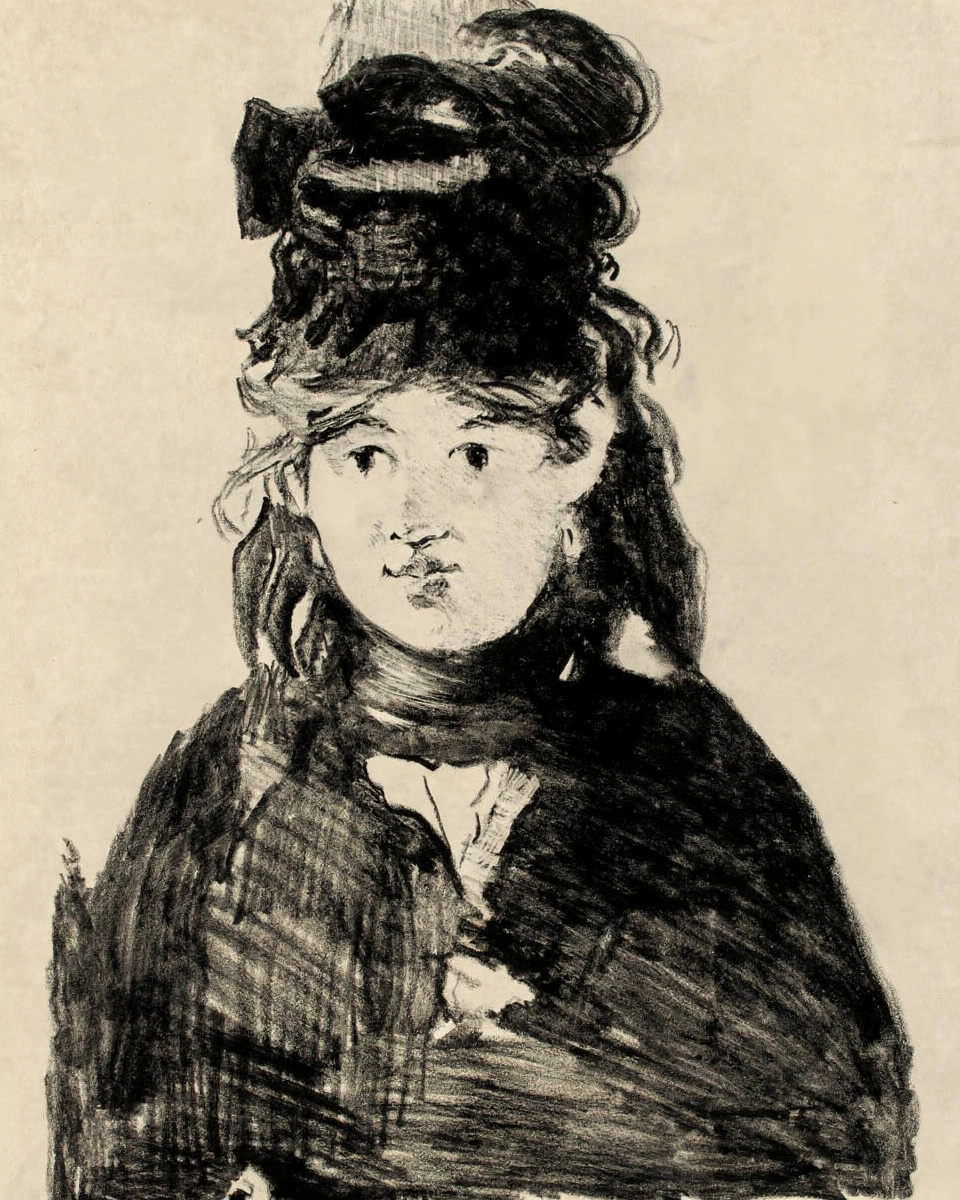
Édouard Manet, Berthe Morisot in Black, 1872–74. Lithograph in black, with scraping, on off-white chine, laid down on ivory wove paper. Art Institute of Chicago.
Édouard Manet drew his friend, the painter Berthe Morisot, on the lithographic stone in the early 1870s, scraping the black away to find the light.
A striking portrait for a bedroom or dressing room.
10. Lion of the Atlas Mountains
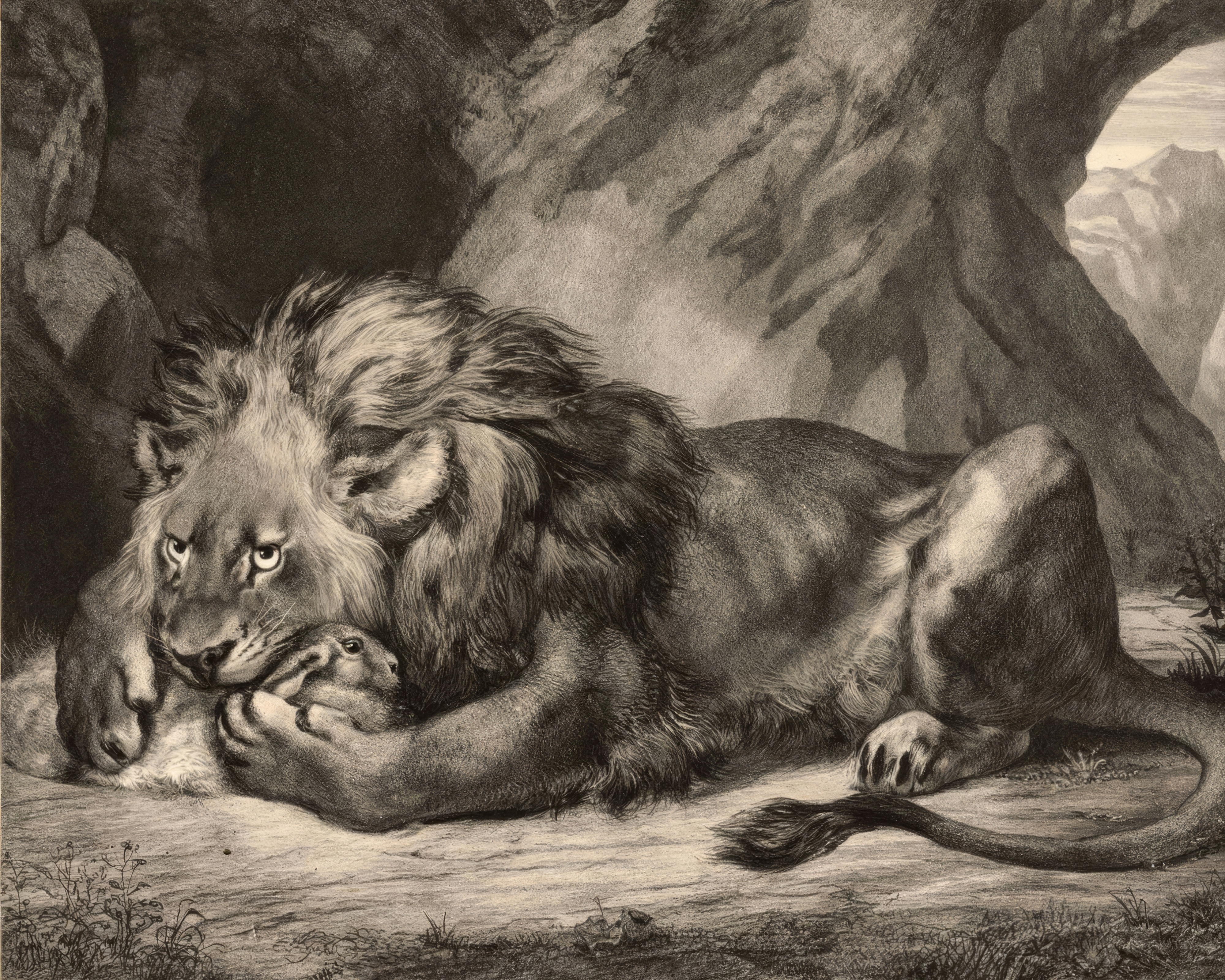
Eugène Delacroix, Lion of the Atlas Mountains, 1829. Lithograph. Cleveland Museum of Art.
Eugène Delacroix drew this lion on stone in 1829. He studied lions at the Paris zoo and drew them again and again.
A bold, wild print for a study.
11. Saint Catherine in the Clouds
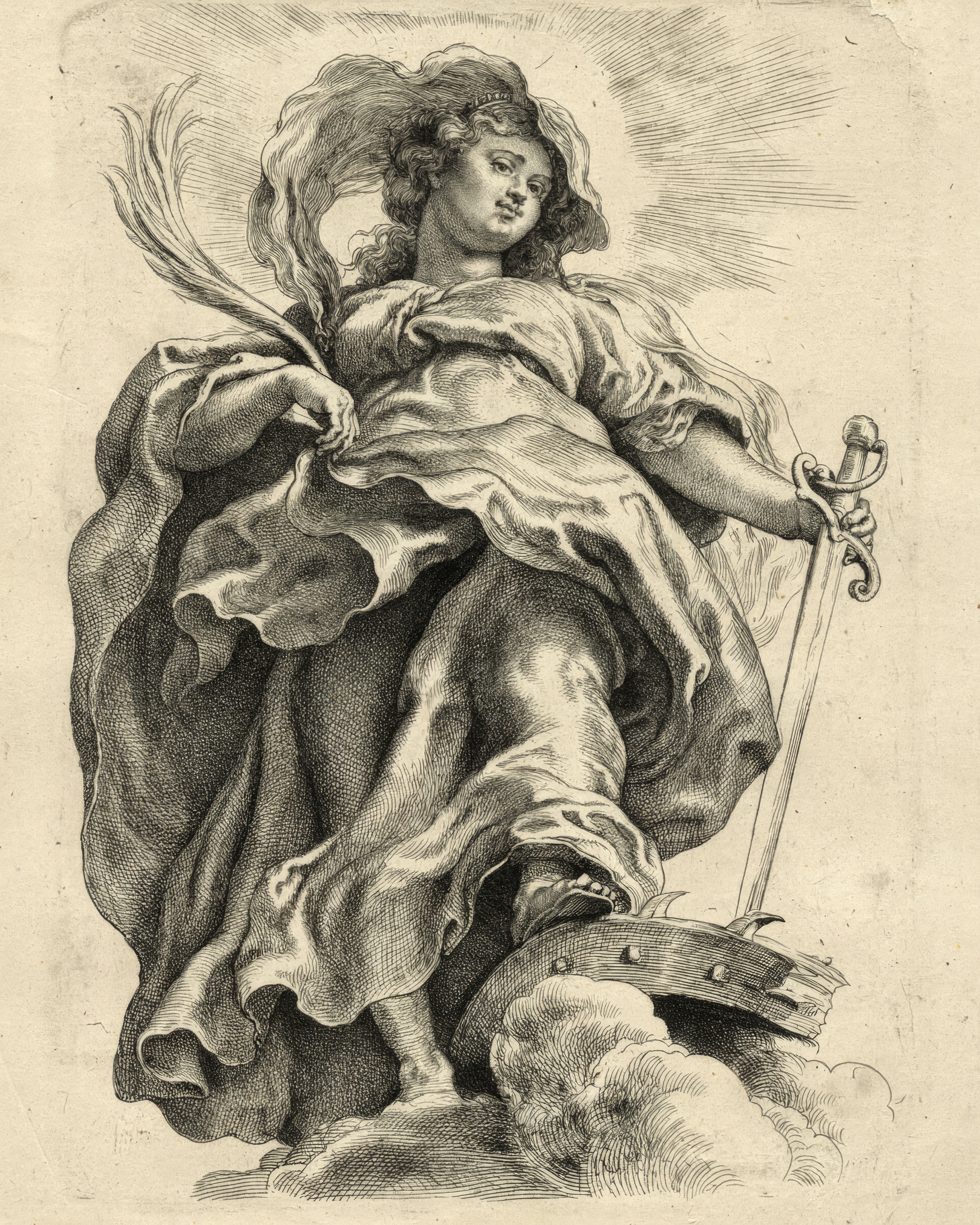
Peter Paul Rubens, Saint Catherine in the Clouds, 1620–30. Etching. Cleveland Museum of Art.
Peter Paul Rubens made hundreds of designs for printmakers, but this etching of the 1620s is one of the very few he is thought to have etched himself.
Light, airy greys for a calm room.
12. The Swan, No. 1
Hilma af Klint, The Swan, No. 1, 1915. Oil on canvas. Hilma af Klint Foundation, Stockholm.
Hilma af Klint painted The Swan, No. 1 in 1915, a meditation on opposites in pure black and white, with only a touch of blue.
A modern black and white statement for a minimalist room.
Black and white prints look sharpest in thin black or white frames with a generous white mount. They are perfect for gallery walls, because they never compete with each other: mix woodcuts, etchings and lithographs freely. In a colourful room, one or two black and white pictures give the eye a rest. For more, see gallery wall ideas and neutral wall art.
Questions
Does black and white art go with any decor?
Almost always. It suits every wall colour and style, from Scandinavian white rooms to dark traditional ones.
What kinds of black and white art are there?
Woodcuts, engravings, etchings, mezzotints and lithographs are the classic black and white prints; drawings and a few paintings are monochrome too.
How should I frame black and white prints?
A thin black, white or natural wood frame with a wide white mount suits almost every black and white print.
Can I mix black and white art with colour?
Yes. A black and white print beside a colourful painting gives contrast and lets the colour stand out.