Cancer zodiac gifts, chosen for the person
Ten historical pictures offer a celestial gift theme while keeping astrology in the realm of symbolism and reflection.
Cancer zodiac gifts can use a sign as a shared theme without claiming that a birth date determines someone’s personality. Begin with what the recipient enjoys: moonlit landscapes, decorative prints, mythology, boats or the history of astrology itself. The ten works below give you several ways to make that choice through real historical art.
Some contain an explicit zodiac; others are broader night or water subjects. A moon in a Japanese print is not automatically a symbol of Western astrology, and an alchemical image should keep its own context. Our astrology gift story explains the wider approach, while Aries gift ideas offers a neighbouring example. Treat the sign as an invitation to a conversation, then let the recipient’s actual preferences decide which picture belongs in it.
1. Inness: a moon low over the landscape
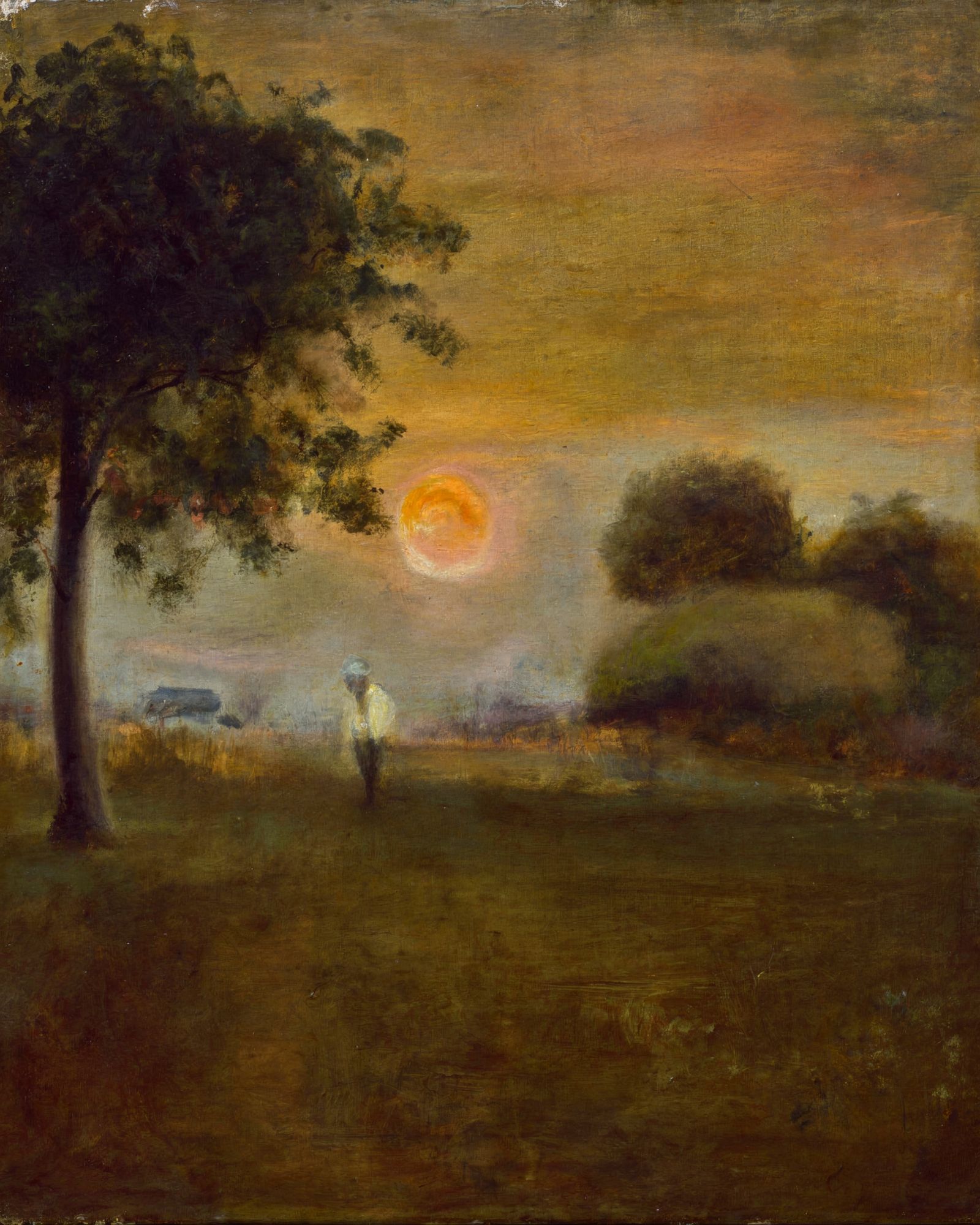
Moonrise · George Inness, 1891 · Art Institute of Chicago. Restored by Surrealium at Vaxholm Fortress, Sweden.
Moonrise places a glowing disc near a hazy horizon, with a small figure and dark trees giving the light a scale. It is a landscape before it is a gift theme. Choose it for someone who enjoys the particular atmosphere of evening, and explain that connection simply; the painting does not need to be relabelled as an astrological illustration to make a thoughtful celestial gift.
2. Mucha: an explicit zodiac in a decorative design
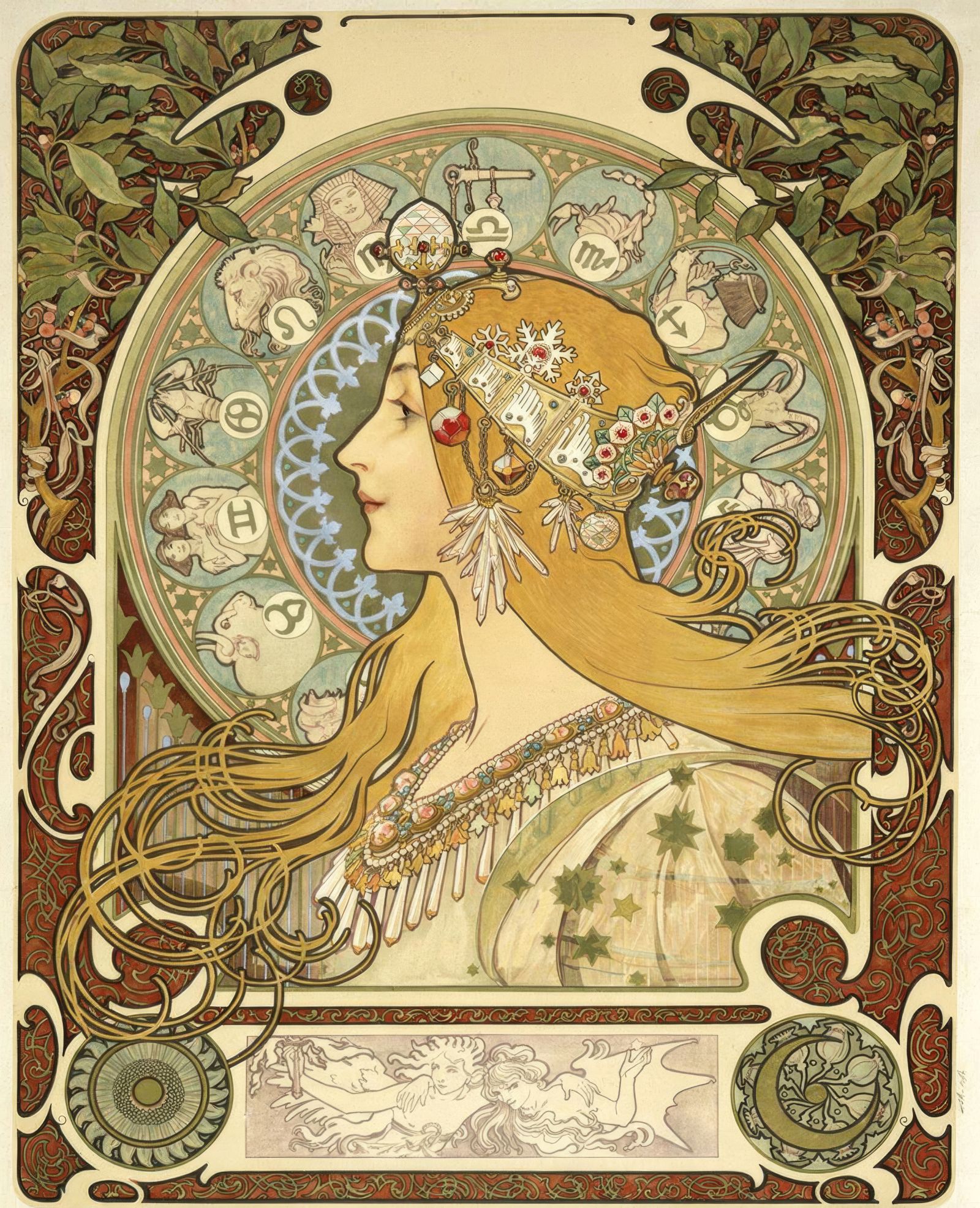
Zodiac · Mucha, 1896 · Origin: France. Restored by Surrealium at Vaxholm Fortress, Sweden.
The signs form a ring around a profile, with hair, ornament and small circular motifs extending the design beyond the head. Here the zodiac is visibly part of the work rather than a meaning added by the gift giver. Keep the complete arrangement visible so the ring remains readable, and choose it because the recipient likes the design as well as the idea of a sign.
3. Harunobu: a moon suggested through a mirror
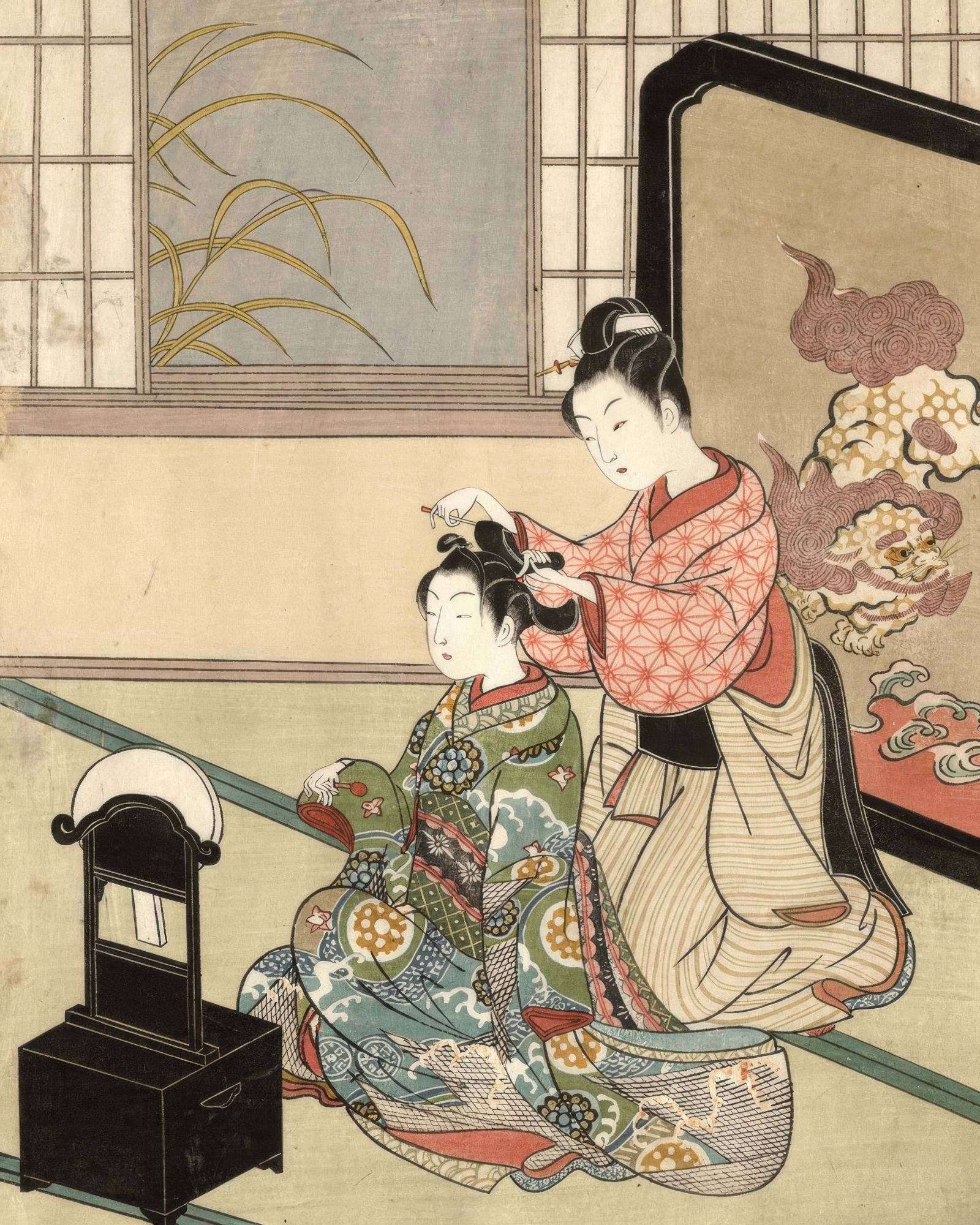
The Autumn Moon in the Mirror · Suzuki Harunobu 鈴木 春信 Japanese, 1725 (?)-1770, c. 1766 · Art Institute of Chicago. Restored by Surrealium at Vaxholm Fortress, Sweden.
Two figures share a domestic interior with a mirror, clothing and grasses arranged around them. The title connects the scene with an autumn moon, but the picture belongs to its own Japanese visual and poetic context. It can suit someone who enjoys subtle references more than a literal emblem; describe what attracted you without converting every moon-related image into a claim about Cancer.
4. Yoshitoshi: looking upward
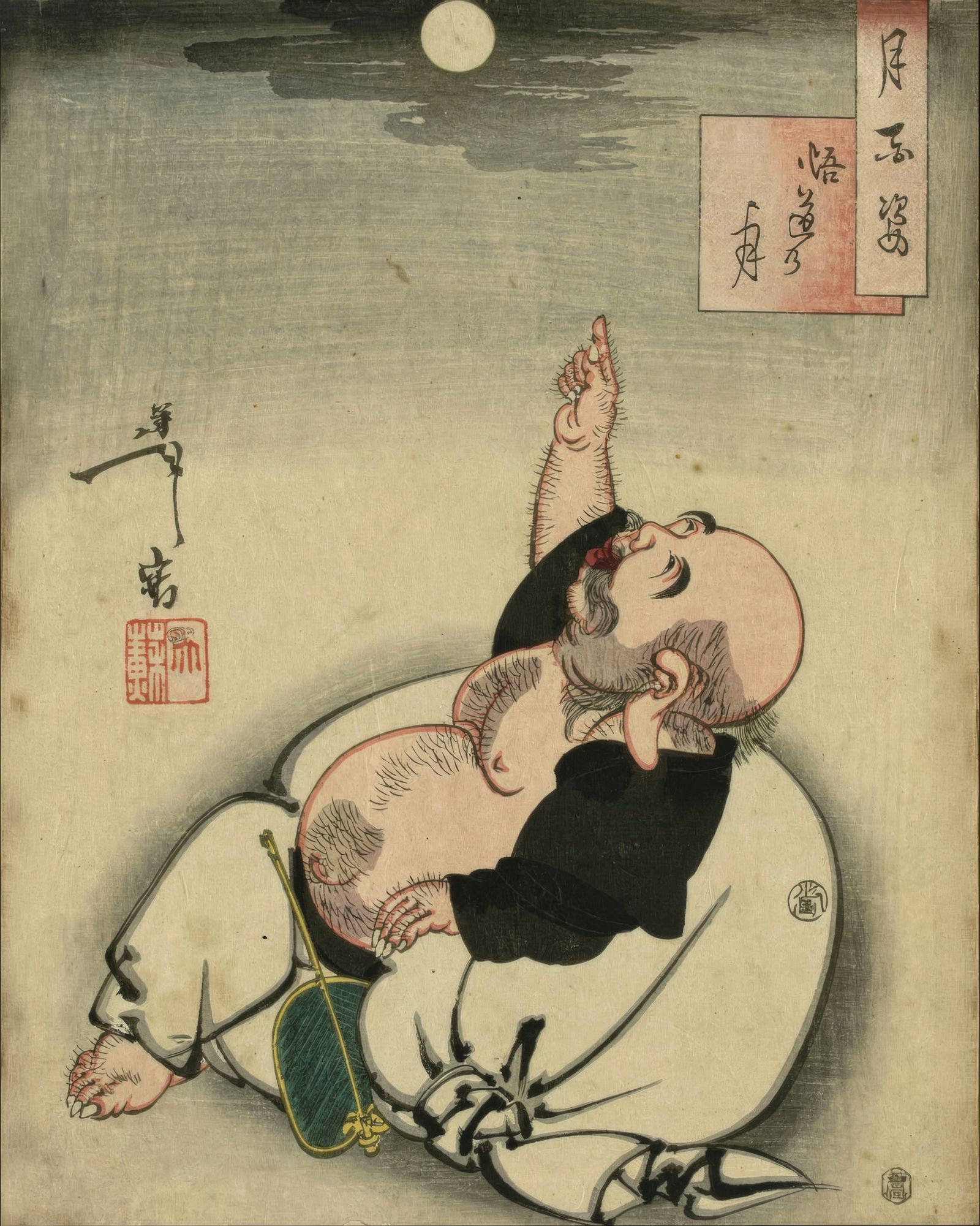
Moon of Enlightenment · Tsukioka Yoshitoshi Japanese, 1839-1892, 1881 · Art Institute of Chicago. Restored by Surrealium at Vaxholm Fortress, Sweden.
The seated figure raises a finger toward the moon, with open space allowing the gesture to read clearly. The relationship between body and sky gives the print its immediate force. If the recipient enjoys reflection or close looking, this could be a meaningful choice, but keep the recorded title and cultural context attached rather than presenting the figure as an illustration of a modern zodiac personality description.
5. A reader beneath a moonlit sky
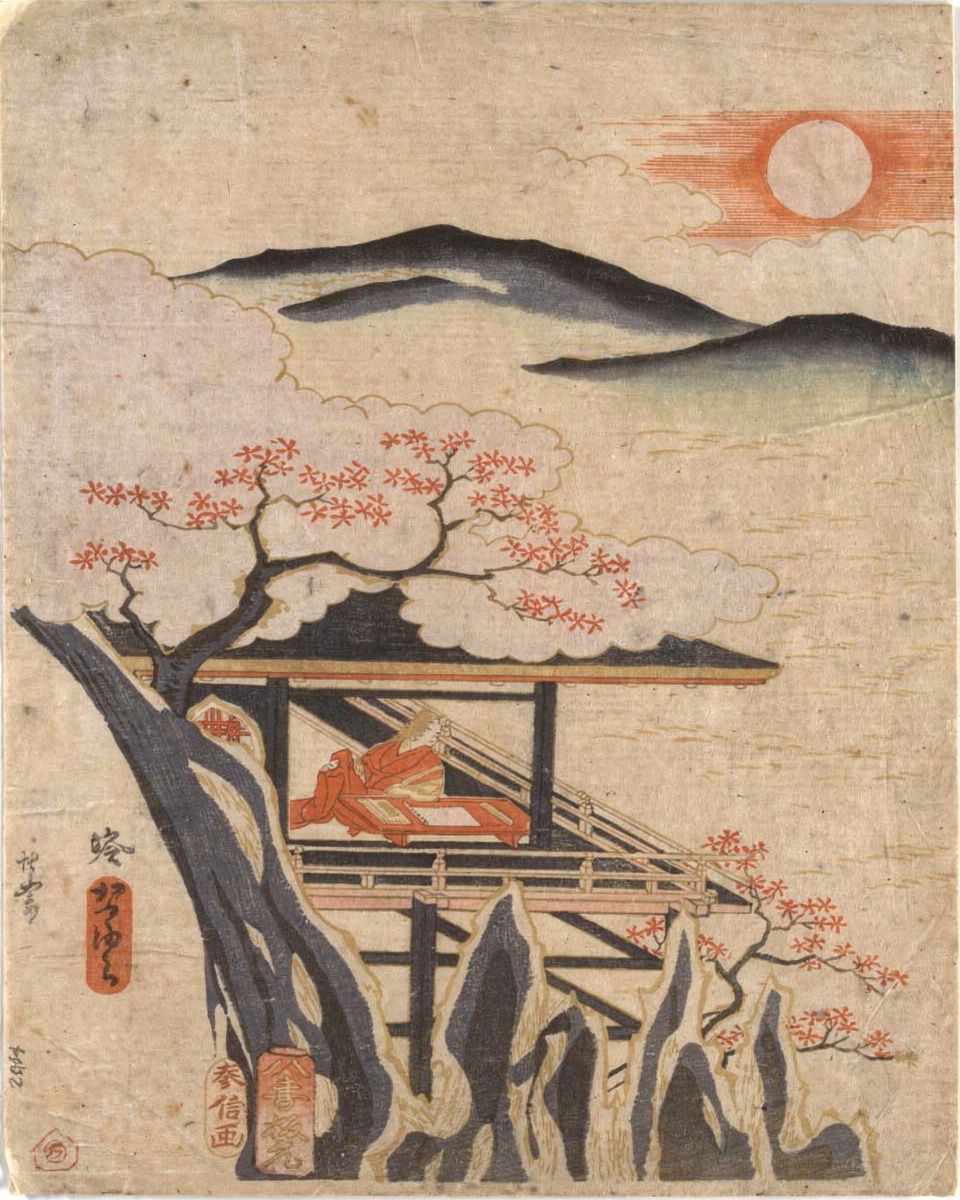
Moon at Ishiyama-dera · Suzuki Harunobu 鈴木春信, Edo period, circa 1762–1764 (Hōreki 12-Meiwa 1) · Harvard Art Museums/Arthur M. Sackler Museum, Gift of the Friends of Arthur B. Duel. Restored by Surrealium at Vaxholm Fortress, Sweden.
Harunobu’s Murasaki Shikibu appears within a raised structure beneath a broad moon and layered hills. The small figure gives the wider setting a contemplative scale. Choose the work for a reader who likes landscapes or literary subjects, and let the personal note make the connection; a historical title is more interesting than a generic assertion that people born under one sign all love solitude.
6. Jongkind: light on water in a city at night
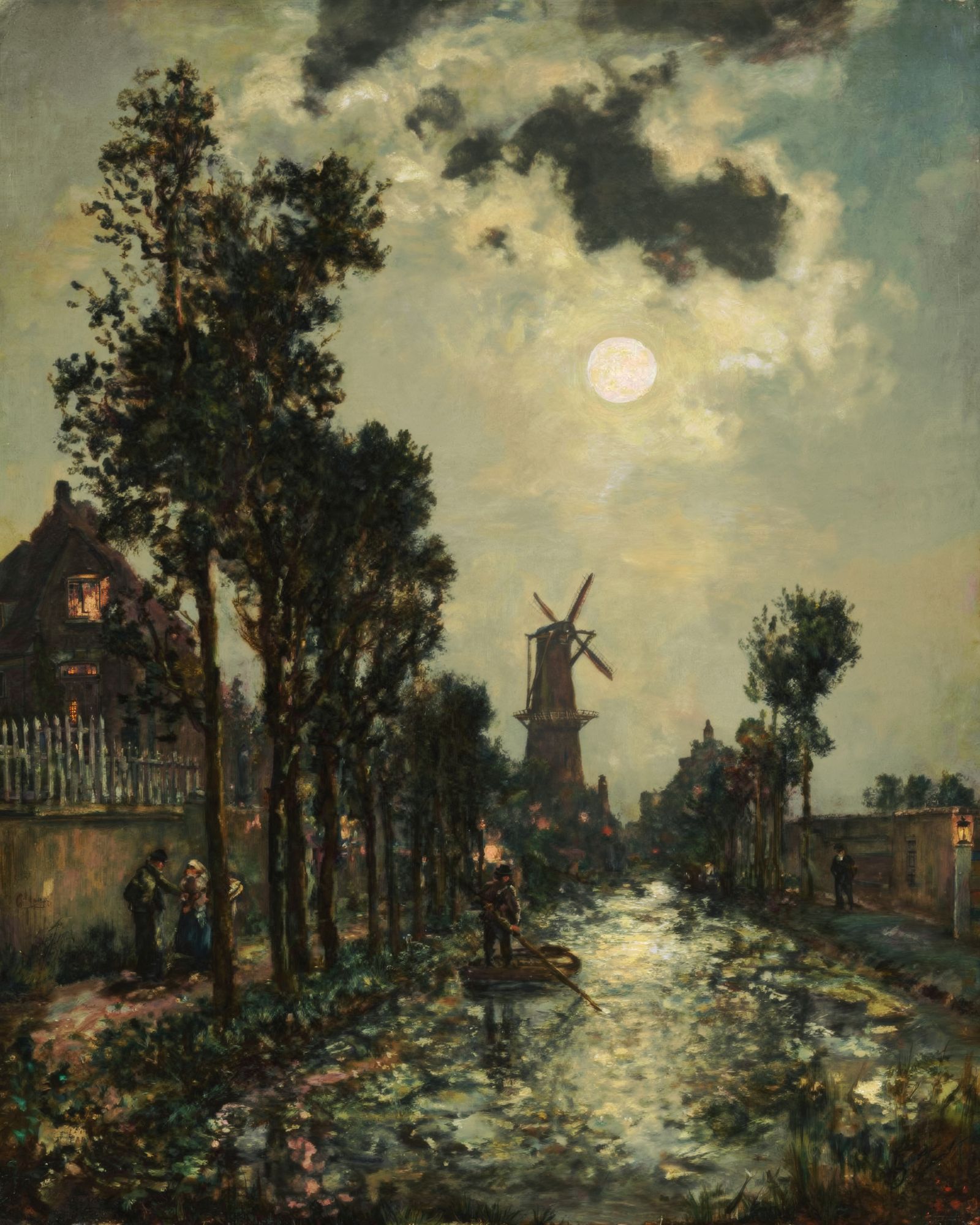
Night Scene, Rotterdam · Johan Barthold Jongkind, 1868 · Harvard Art Museums/Fogg Museum, Bequest of Grenville L. Winthrop. Restored by Surrealium at Vaxholm Fortress, Sweden.
A bright moon appears above trees and a windmill, with reflected light breaking across the water. The scene offers recognisable structures without losing the changing atmosphere of night. It is a useful option for someone who prefers a place to a symbol: the gift can refer to an evening walk or a shared interest in cities, while the painting remains identified as Rotterdam.
7. Sun and Moon in an alchemical emblem
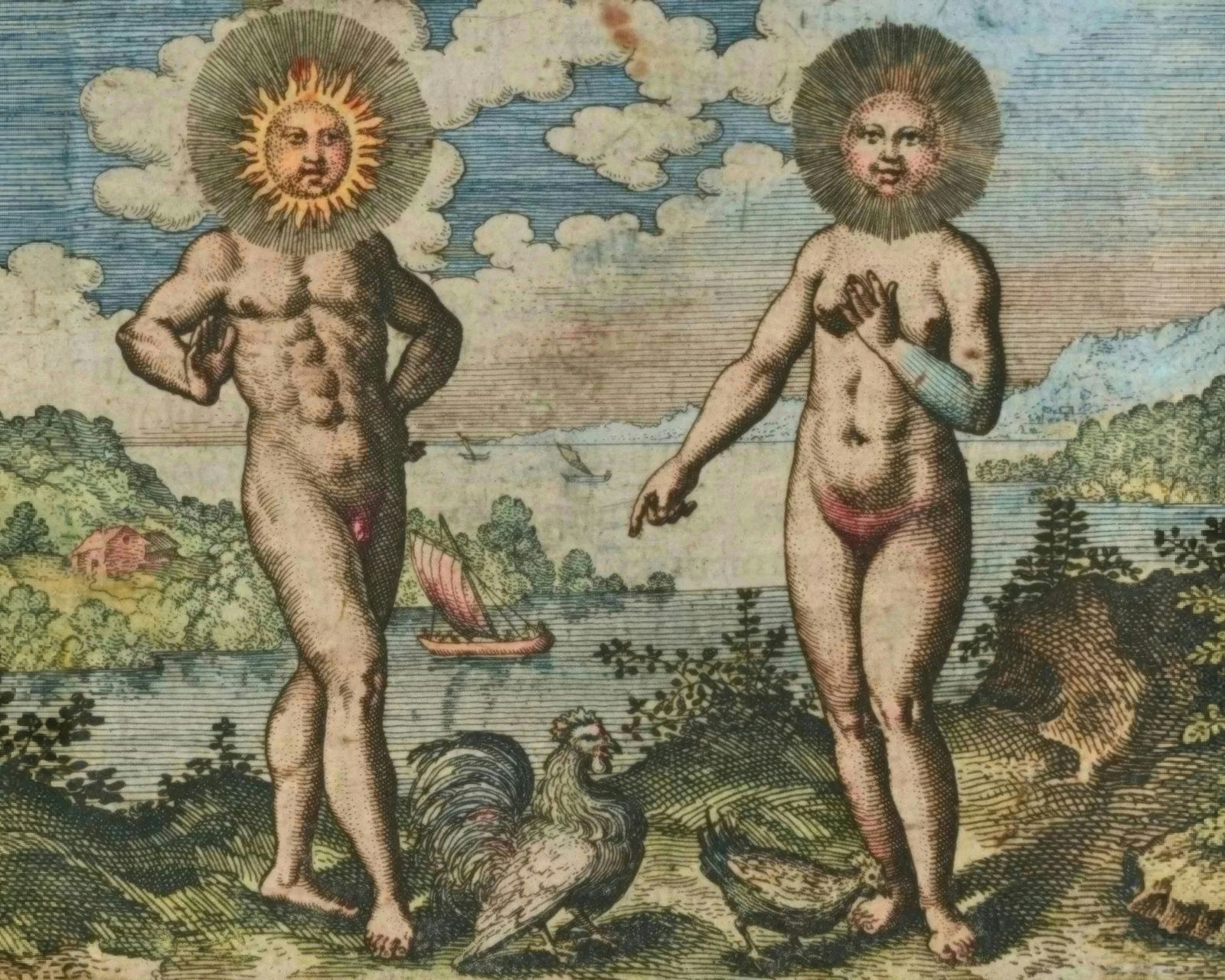
Sun and Moon · Matthäus Merian the Elder, after Michael Maier, 1618 · Science History Institute, Roy G. Neville Historical Chemical Library. Restored by Surrealium at Vaxholm Fortress, Sweden.
Two figures carry solar and lunar signs within a historical emblem from Atalanta Fugiens. The paired bodies and celestial faces belong to an alchemical book, not to a scientific diagram or a Cancer-specific horoscope. Choose it for someone interested in symbolic traditions and give the source with the image; understanding that original setting adds more than promising the picture will explain a person’s destiny.
8. Homer: a summer night with fireworks
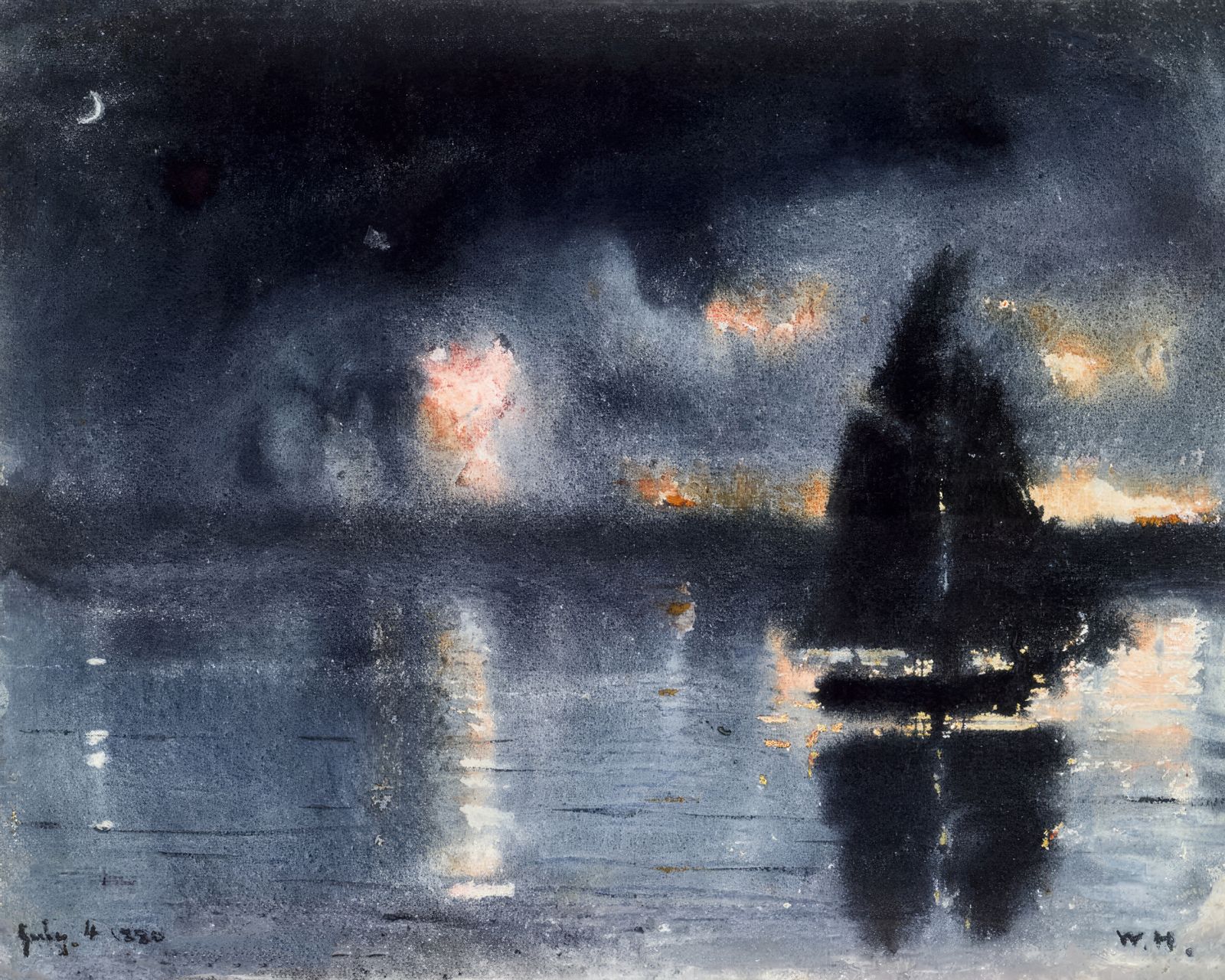
Sailboat and Fourth of July Fireworks · Winslow Homer, 1880 · Harvard Art Museums/Fogg Museum, Bequest of Grenville L. Winthrop. Restored by Surrealium at Vaxholm Fortress, Sweden.
A sailboat sits against water and scattered bursts of light, with darkness joining sky and shore. The scene can connect a summer birthday with a real seasonal pleasure without relying on a zodiac emblem. It suits someone who likes the painter’s handling of light or remembers evenings on the water; avoid assuming that the calendar alone supplies a personal connection the recipient has never expressed.
9. The Moon and Endymion: a mythic encounter
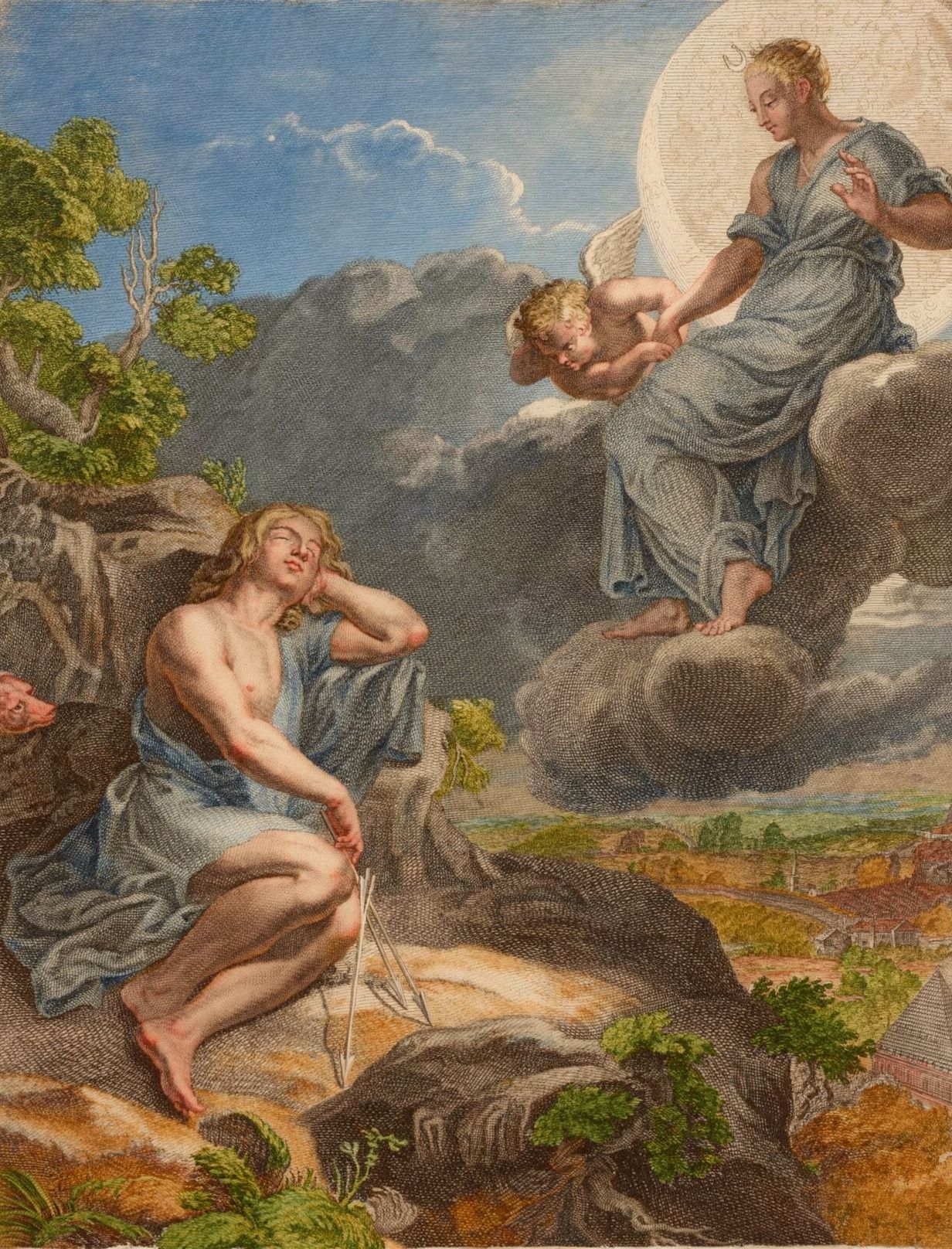
The Moon and Endymion · Bernard Picart and other engravers, Le Temple des Muses (1749 edition), 1749 (publication) · Getty Research Institute. Contemporary Fable colour edition after the historical print. Restored by Surrealium at Vaxholm Fortress, Sweden.
The figures meet across earth and cloud, with the moon’s large pale disc establishing the upper part of the scene. The displayed image is a contemporary colour edition after a historical engraved plate. It offers a mythological route into a celestial gift, but keep that story distinct from astrology: the image can invite conversation without becoming a prediction about romance or a promise concerning the recipient’s future.
10. Friedrich: two people and the open water
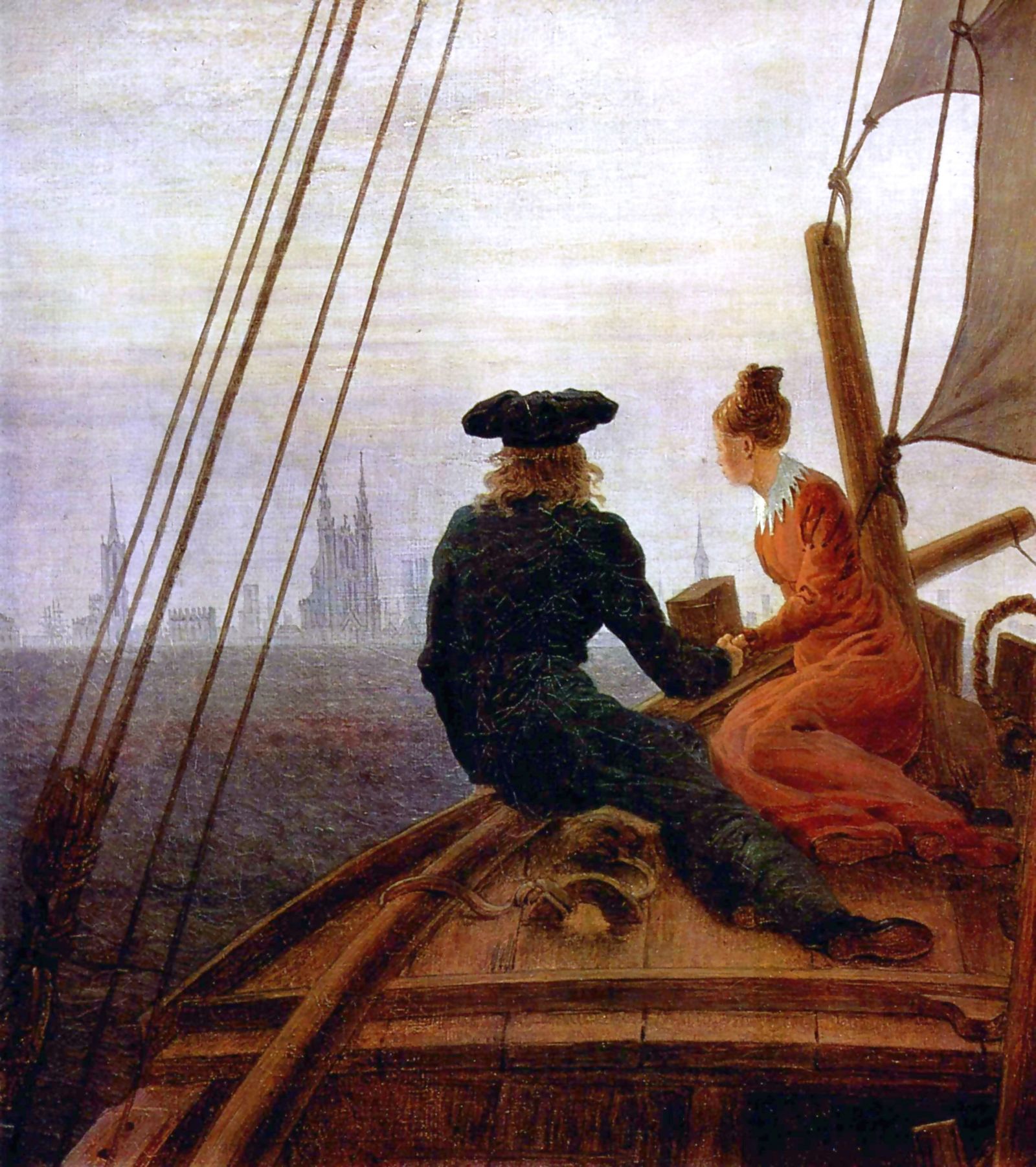
On the Sailing Boat · Caspar David Friedrich, 1818 · Hermitage, St Petersburg. Restored by Surrealium at Vaxholm Fortress, Sweden.
The pair sit together on a boat, with ropes framing their view toward a distant horizon. The painting’s subject is a shared position within a landscape rather than a zodiac symbol. For someone who values sailing or a memory of water, that may be the most personal choice in the group; the sign can remain the occasion for looking while the picture itself supplies the lasting interest.
Ask whether the recipient enjoys astrology before making it the centre of the gift. A person may like a celestial print while having no interest in a reading, or may enjoy symbolic reflection without wanting an image of their sign on the wall. A personalised astrology reading and the tarot reading desk are separate reflective paths, not ways to establish facts about character or predict events.
The Atalanta Fugiens series keeps its historical emblems in sequence. For the gift itself, compare the complete pictures in Masterworks, choose the work the recipient would enjoy on an ordinary day, and write why you thought of them. That small act of attention gives the theme its personal meaning.
- Do Cancer gifts have to show a crab or a zodiac sign?
- No. A sign can provide a theme, but the recipient’s taste should guide the choice. A moonlit landscape or a picture connected with a shared memory may be more welcome than a literal emblem.
- Does this guide claim that Cancer has a fixed personality?
- No. Astrology is treated as a symbolic tradition and a possible gift theme. A birth date is not used here as evidence of someone’s temperament, needs, relationships or future.
- Are all the moon pictures astrological works?
- No. The selection includes landscapes, Japanese prints, mythology and an alchemical emblem, each with its own context. Their captions and descriptions keep those differences clear rather than relabelling them all as horoscope imagery.