Dachshund painting searches: finding a portrait that sees your dog
dachshund painting: finding a portrait that sees your dog.
A dachshund painting search can begin with the wish to find your own dog in art. The result worth keeping may be a historical animal picture you love, or a new portrait from your photograph. The distinction matters: the masterworks below show other dogs as references for looking and composition; they do not claim to be historical dachshund portraits. These ten considerations focus on the long body, expressive face and familiar character of your own animal. Open Fable's dog portrait page with a clear photograph, then choose a direction that keeps the dachshund a dog.
1. The length that belongs to this dog
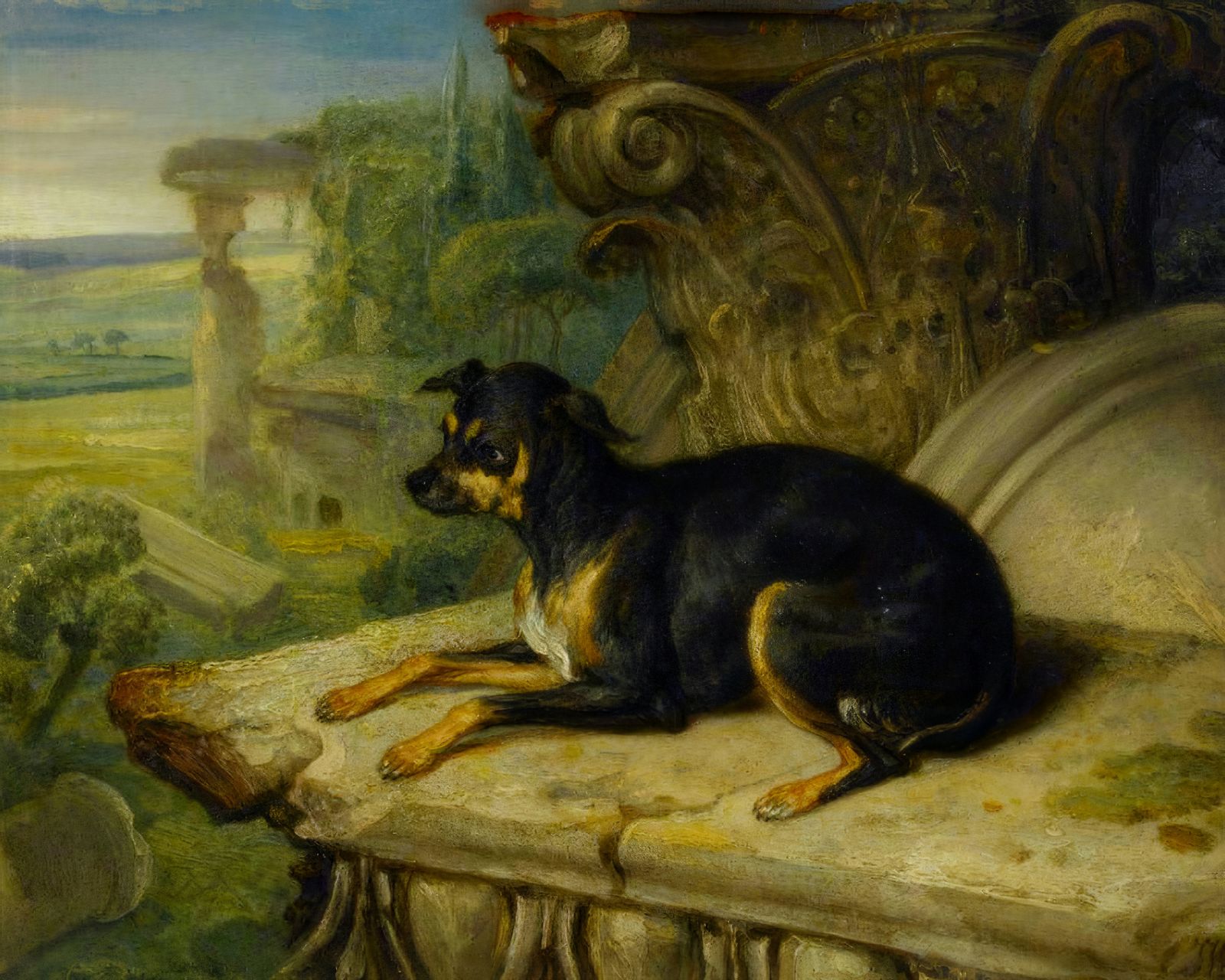
'Fanny', a Favourite Dog · James Ward · 1822 · Sir John Soane's Museum, London
A dachshund's long body is part of its character, but a photograph can exaggerate it through perspective. Choose a source taken from a comfortable distance rather than very close to the nose. If you want the whole animal in the portrait, keep the body and paws visible in the working image.
Explore your portrait · Explore this artwork
2. The face before the breed label
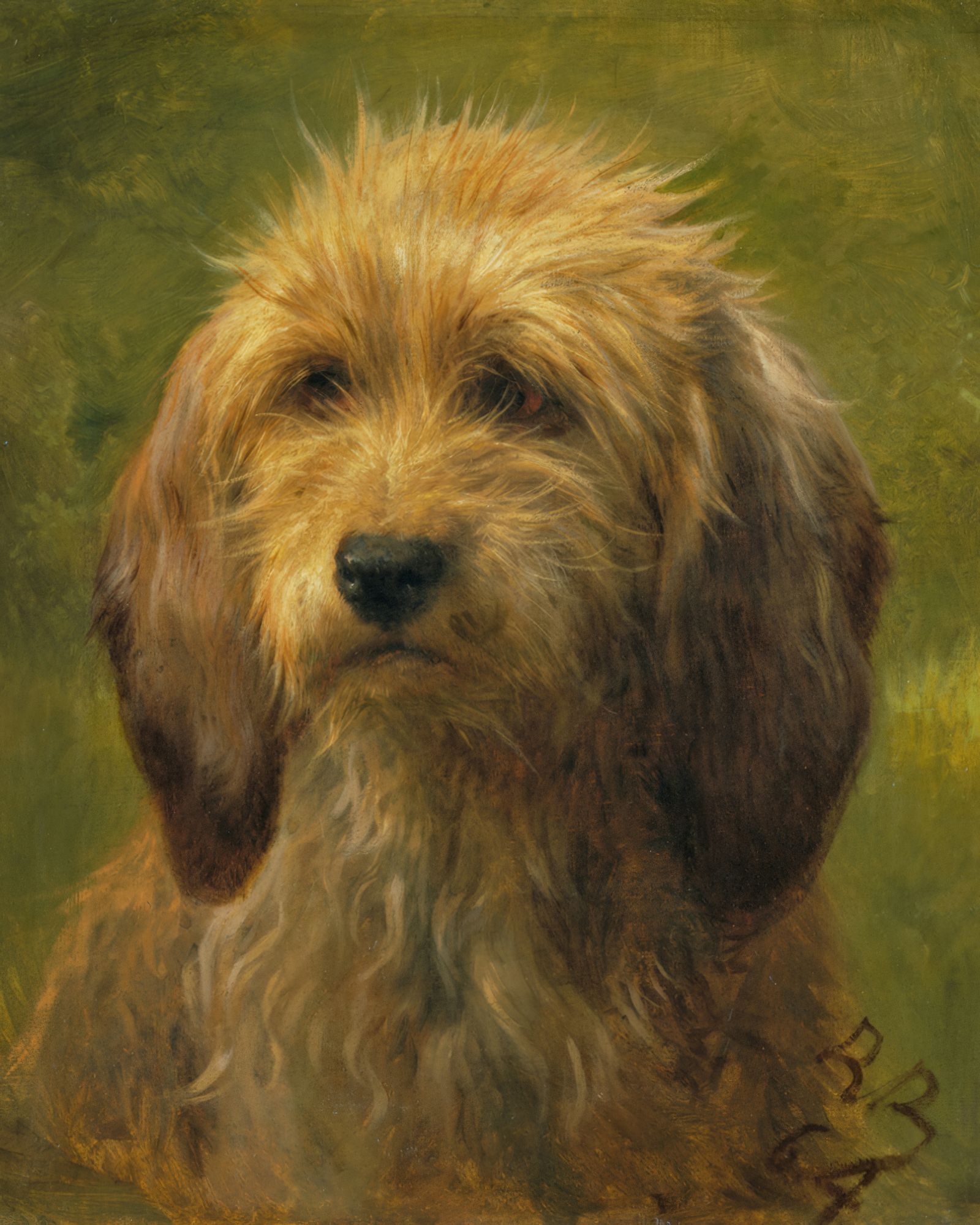
Brizo the dog · Rosa Bonheur · 1864 · Wallace Collection, London
Two dachshunds can look and feel very different. Choose the expression you recognise rather than assuming that any attractive picture of the breed will do. A portrait begins with this animal's eyes, ears and posture, while the breed name is only part of what makes the photograph personal.
Explore your portrait · Explore this artwork
3. A low viewpoint
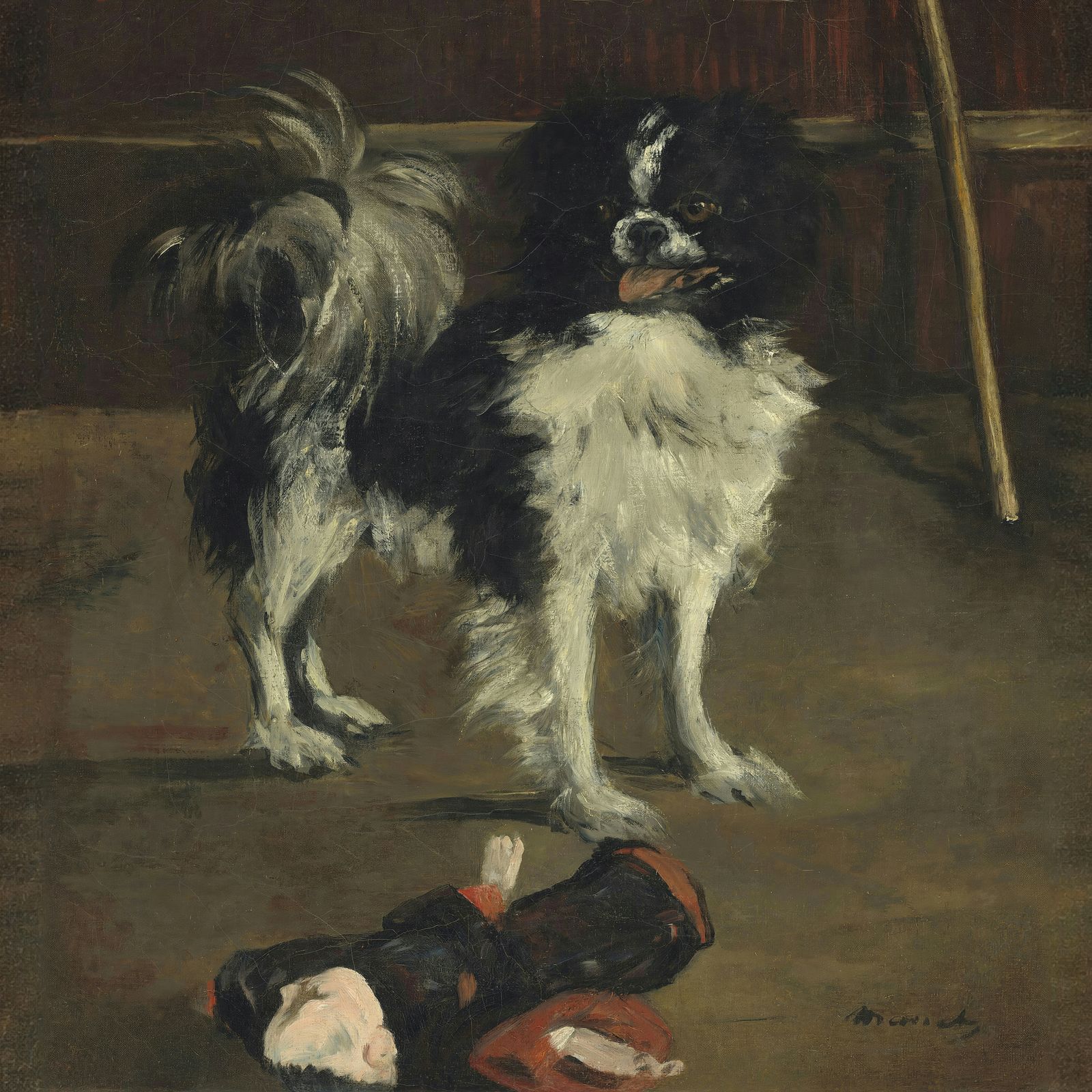
Tama, the Japanese Dog · Édouard Manet · c. 1875 · National Gallery of Art, Washington
A photograph taken nearer the dog's level can give you a different starting point from one made looking straight down. Compare both rather than treating one angle as a rule. Choose the image that best shows the character you want to keep, with enough clarity around the face to make a considered portrait.
Explore your portrait · Explore this artwork
4. The ears left in view
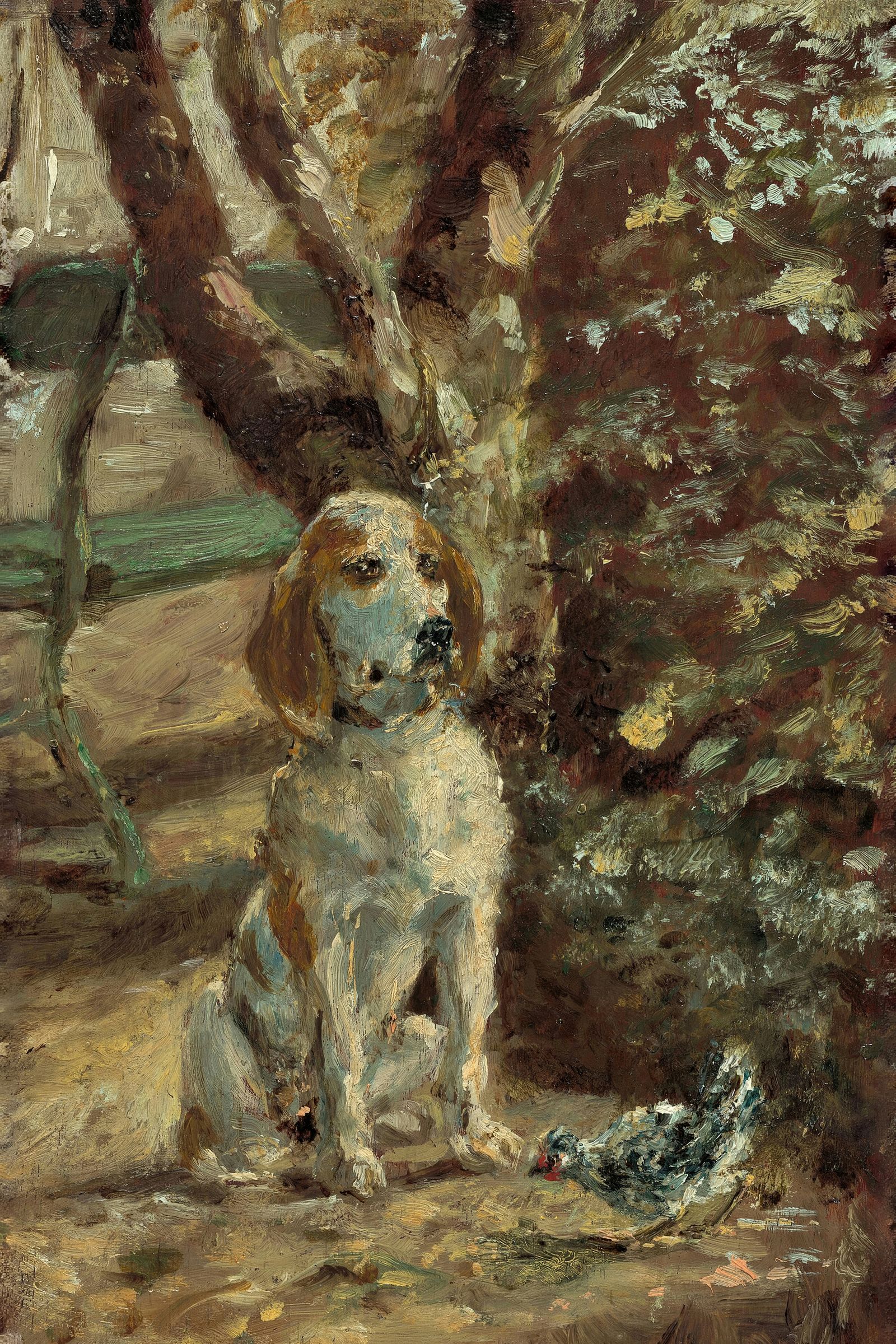
The Artist's Dog Flèche · Henri de Toulouse-Lautrec · c. 1881 · National Gallery of Art, Washington
Long ears can be part of the silhouette everyone recognises. A tight close-up that cuts them away may be less useful than another frame from the same moment. Preserve the original photograph and make a separate working copy if you need to compare compositions before entering the creation flow.
Explore your portrait · Explore this artwork
5. The coat in gentle light
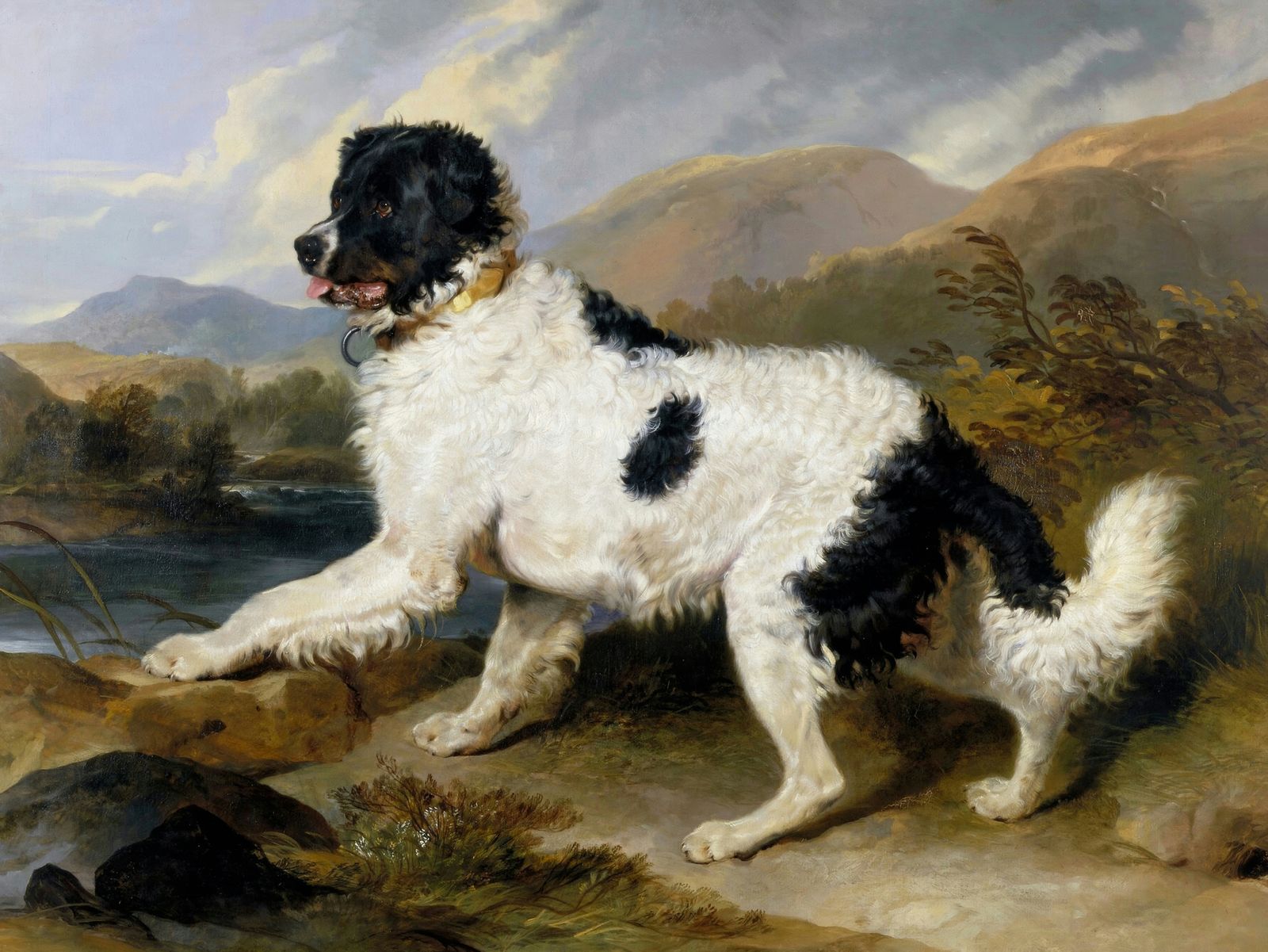
'Lion', a Newfoundland Dog · Edwin Landseer · 1824 · Victoria and Albert Museum, London
Smooth, long and wire coats offer different textures in a photograph. Choose light that lets you see the features rather than a bright patch of fur with the face lost in shadow. Avoid strong filters that change the coat's appearance before you have even begun choosing a portrait direction.
Explore your portrait · Explore this artwork
6. A small dog with presence
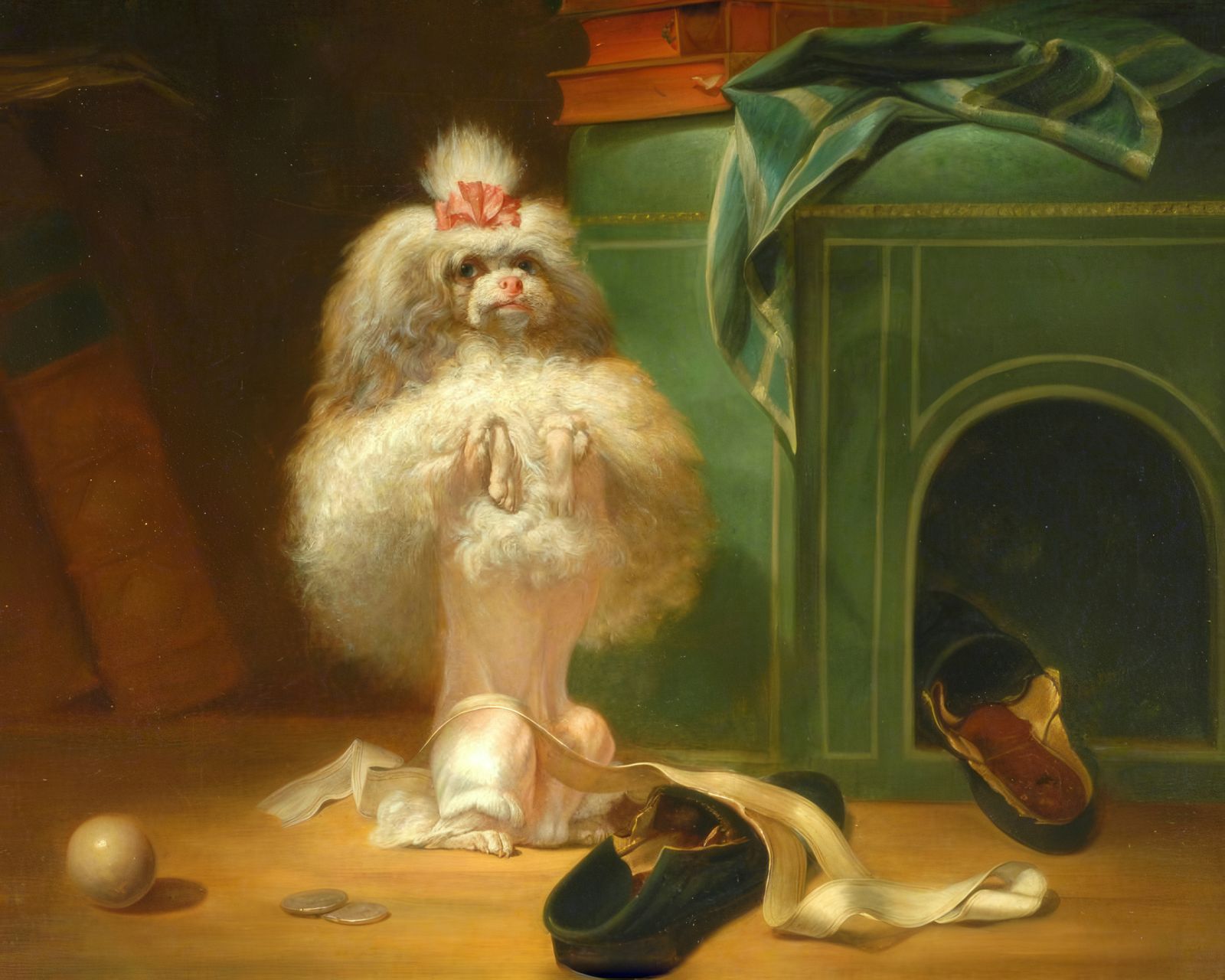
Dog of the Havana Breed · Jean-Jacques Bachelier · 1768 · Bowes Museum, Barnard Castle
A modestly sized animal does not have to be incidental in a picture. Think about whether you want a close portrait or a full-body view with space around it. A historical dog painting can help you compare those possibilities without being a promise that its precise setting is a selectable result.
Explore your portrait · Explore this artwork
7. The familiar resting place
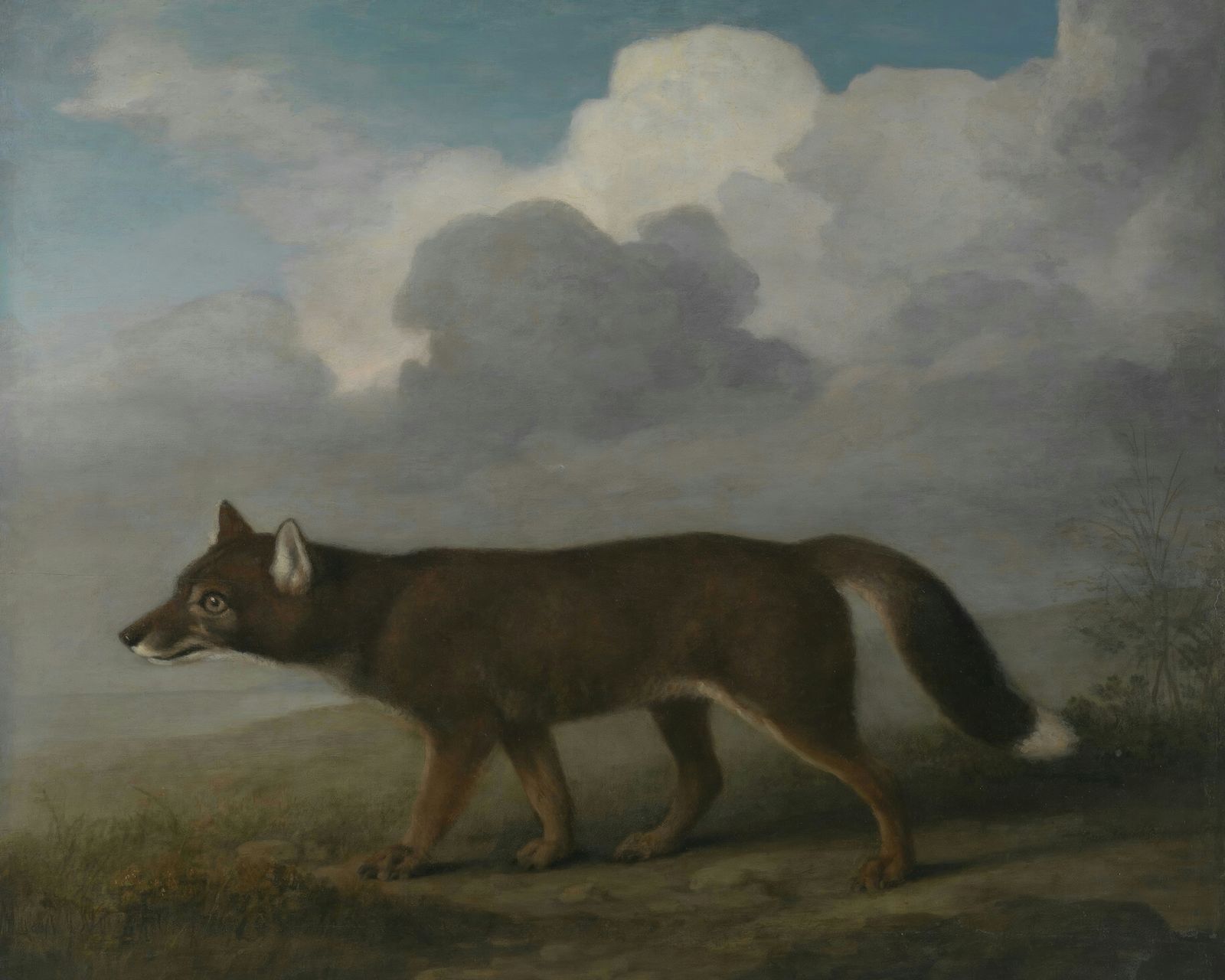
Portrait of a Large Dog · George Stubbs · 1772 · National Maritime Museum, Greenwich
The sofa corner, bed or patch of sunlight may be where your dachshund seems most itself. Use that association to choose a calm source image, without requiring every household object to become part of the new portrait. The memory can stay in the photograph and the story you tell beside the finished work.
Explore your portrait · Explore this artwork
8. A natural dog, without a costume
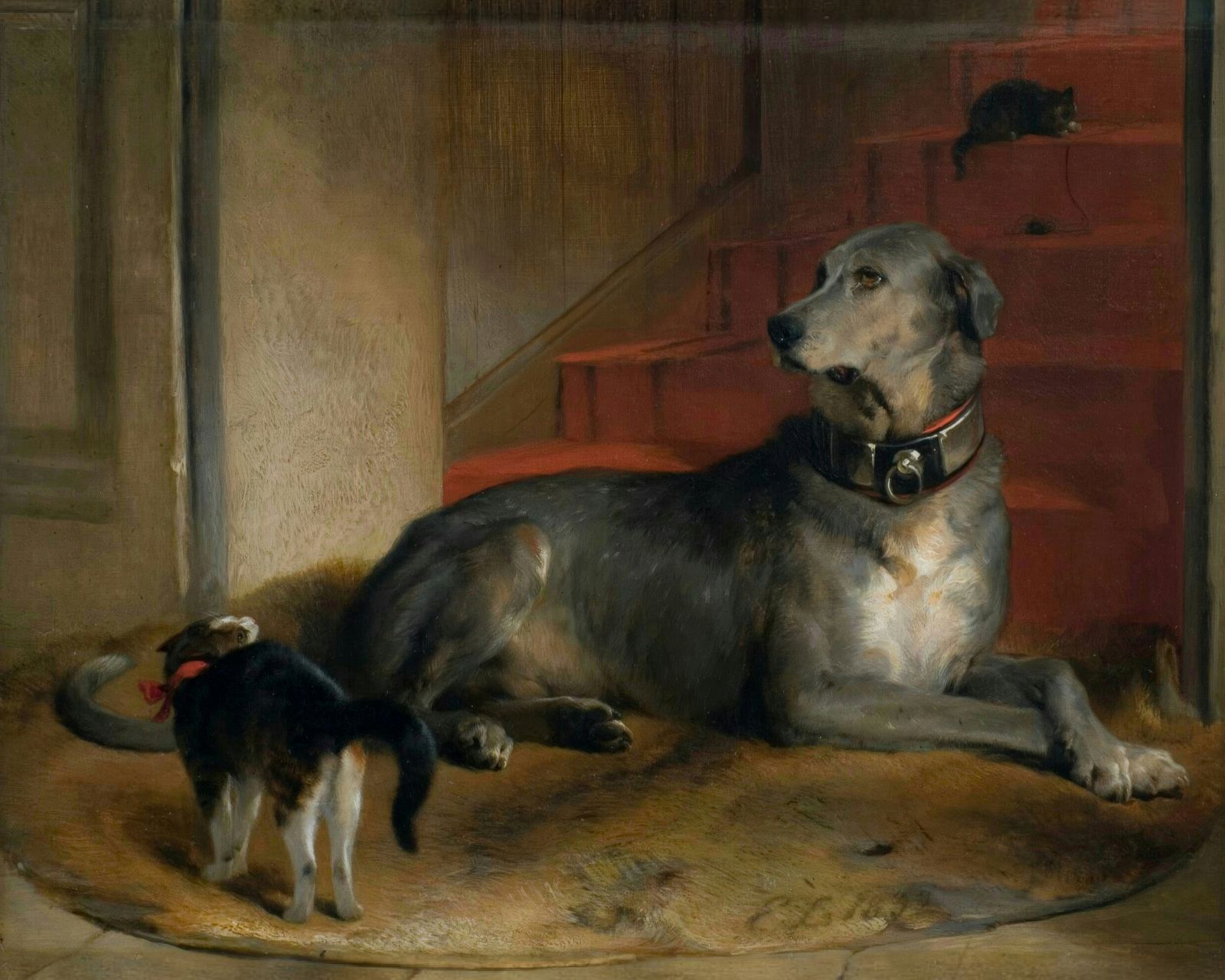
Lady Blessington's Dog: The Barrier · Edwin Landseer · 1832 · Victoria and Albert Museum, London
Keep the animal's body and character as an animal. A historical atmosphere does not need a uniform, crown or human clothes. If the reference seems dignified, ask whether that comes from attention and composition rather than costume, and choose a direction that leaves your own dog recognisable.
Explore your portrait · Explore this artwork
9. The human companion
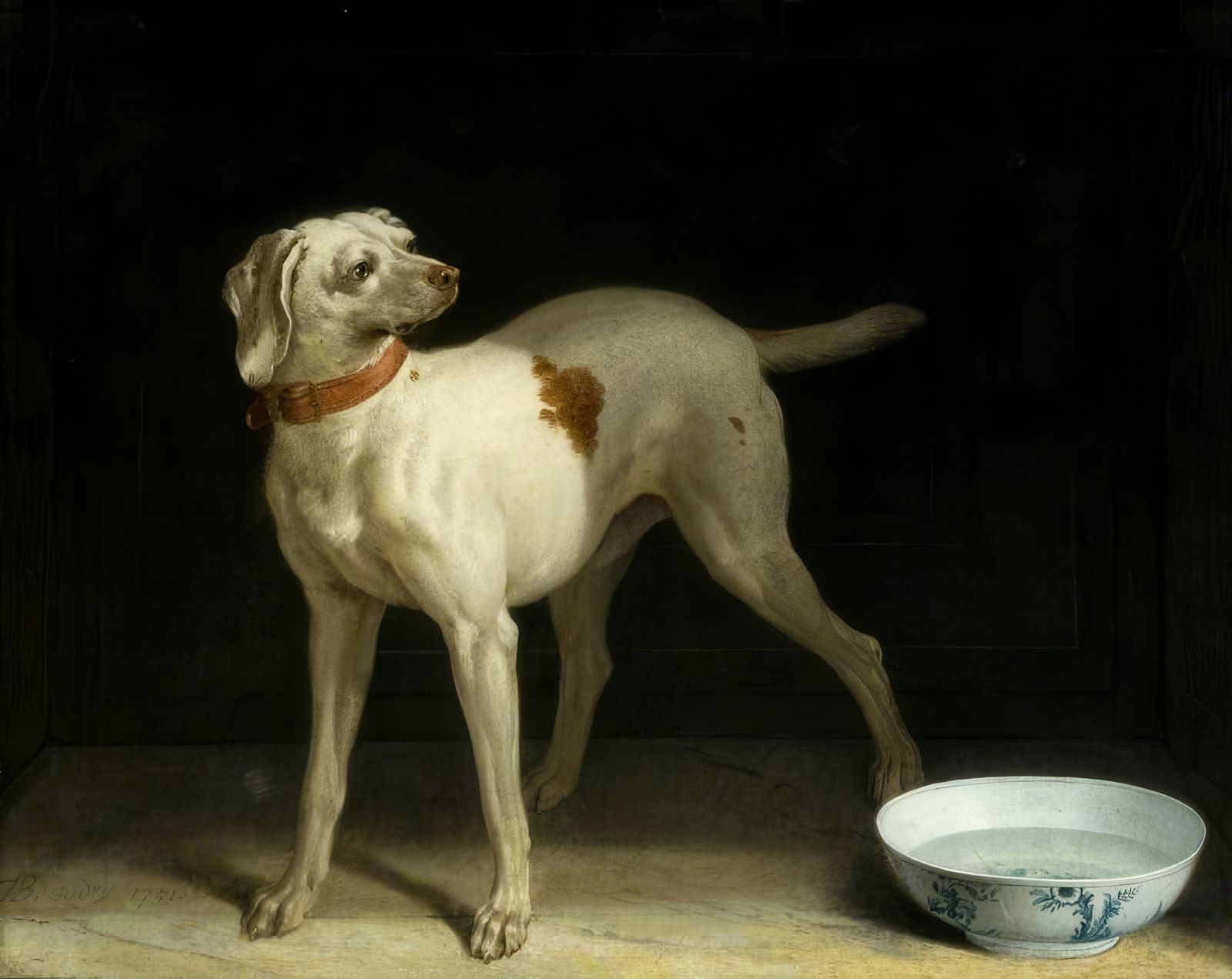
The Dog · Jean-Baptiste Oudry · 1751 · Burrell Collection, Glasgow
If the relationship with a person is the point, consider the owner-and-pet route rather than forcing a pet-only portrait to tell the whole story. Choose a photograph both sitters can be comfortable with, and check what the live creation flow accepts before planning a particular arrangement from separate images.
Explore your portrait · Explore this artwork
10. A picture for the actual room
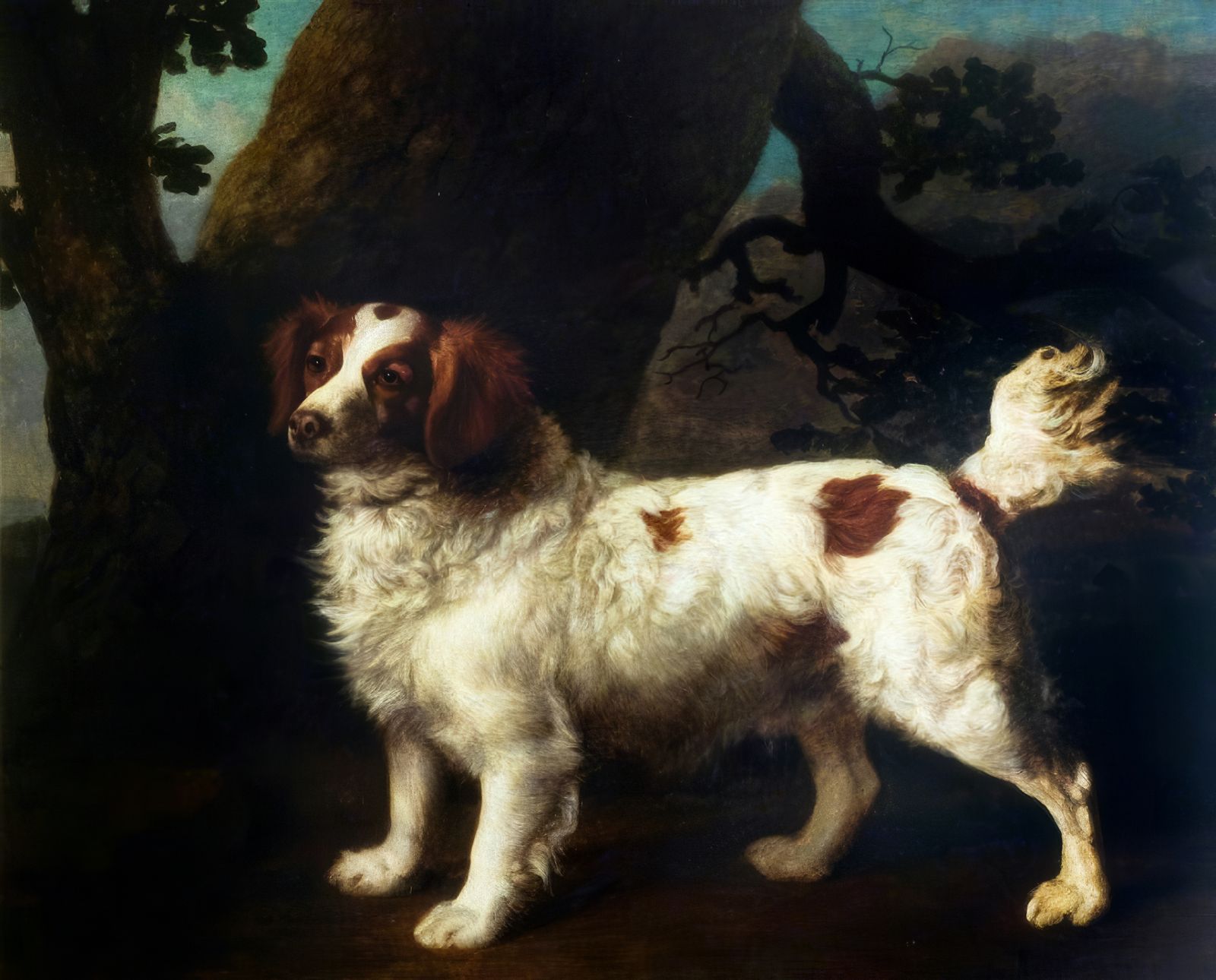
A Clumber Spaniel · George Stubbs · 1784 · Usher Gallery, Lincoln
Decide where the portrait would belong before choosing a physical format. A small reading corner and a large sofa wall can call for different scales. Check the current product options with the finished image in view rather than assuming that a beloved dog automatically needs the largest possible portrait.
Explore your portrait · Explore this artwork
Begin with the photograph that makes you recognise your own dachshund, then use the historical references to compare ways of giving an animal space in a picture. Open the dog portrait page for the actual creation choices. Keep the source whole, review the face and proportions carefully and inspect any physical product details before ordering. If a historical masterwork is what you want instead, follow its own page. A dog portrait should not make you choose between affection and attention: the familiar animal is precisely what makes the attention worthwhile.
If you are choosing for another dachshund owner, let them have the final say on the photograph. A familiar quirk can be obvious to the person who lives with the dog and almost invisible to someone else. Ask which expression they would miss if it changed, and use that answer when reviewing the portrait. Keep breed generalisations out of the gift's message too. The note can recognise this dog's habits without claiming that every dachshund behaves the same way. A portrait becomes personal through attention to the individual, not through collecting as many signs of the breed as possible.
- Are the paintings here all dachshunds?
- No. They are historical dog paintings used as references for composition and attention to an animal. A portrait of your own dachshund begins with your photograph.
- What kind of dachshund photograph should I choose?
- Use a clear image with a familiar expression. For a full-body portrait, keep the long body and paws visible; for a closer view, leave the ears in frame.
- Should a historical-style pet portrait use human clothing?
- No. These directions keep pets as animals, without crowns, uniforms or other human costume.