How Fable turns an engraving into a colour edition
From reviewed scene extraction to individual image review: how Fable prepares an engraving for a contemporary colour interpretation.
An engraving already contains a remarkable amount of information about light. Closely spaced lines can make a shadow feel dense; an open patch of paper can turn a face towards the sun. Adding colour changes how that information is read.
For Fable’s Temple des Muses project, the work starts before colour. A scan presents the whole printed page, including its ornament, captions, paper margins and any slight tilt. Preparing the scene carefully gives the colour process a clearer source and gives the viewer a fairer comparison.
Compare released colour interpretations
Each available edition keeps its own historical source alongside contemporary colour. These examples are independent of the upcoming Temple des Muses release.
 Historical original
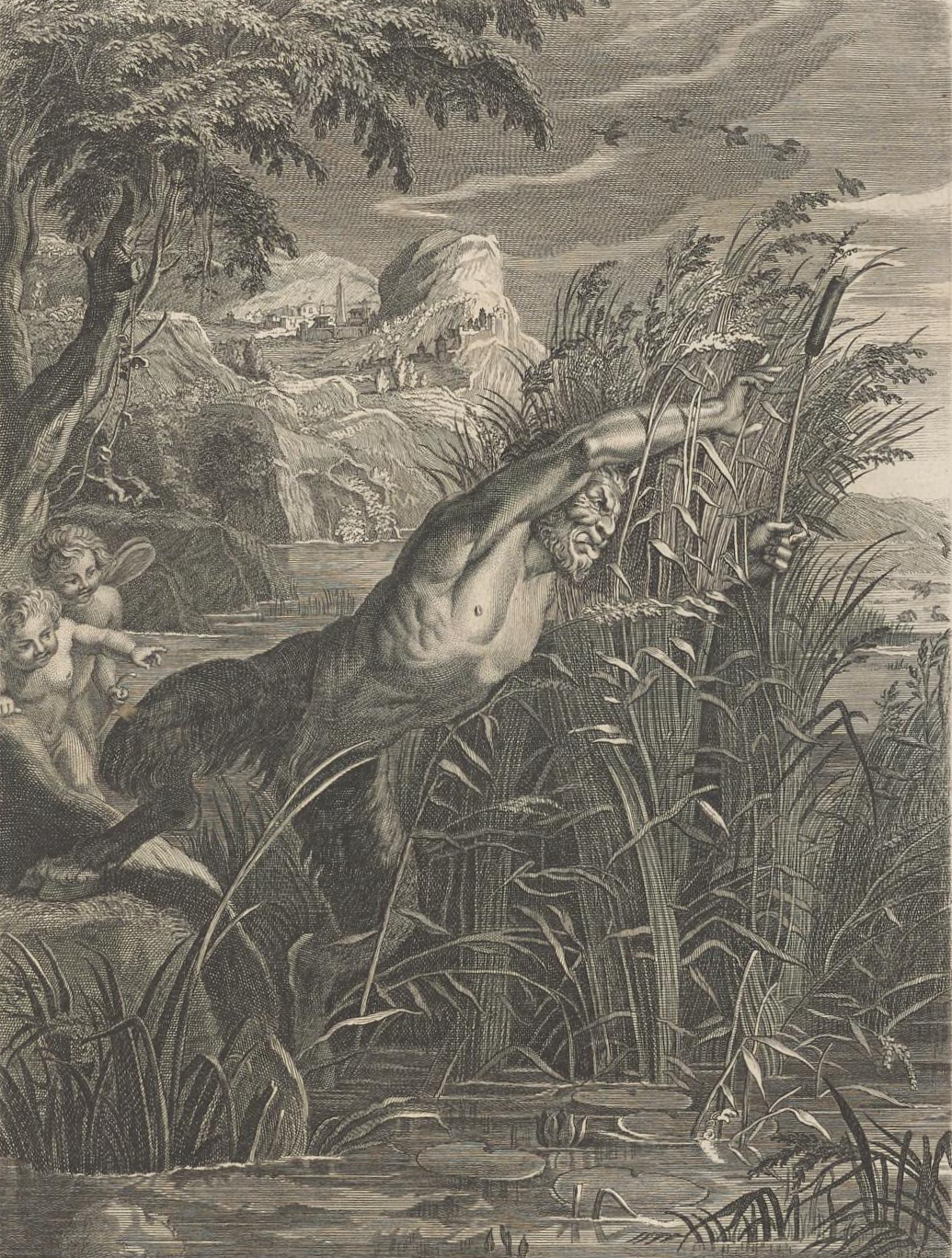
Faust
Buy-ready print · Contemporary colour edition
A scholar, concentrated light and supernatural uncertainty connect naturally with a reading room and interpretive colour.
From $39
 Historical original
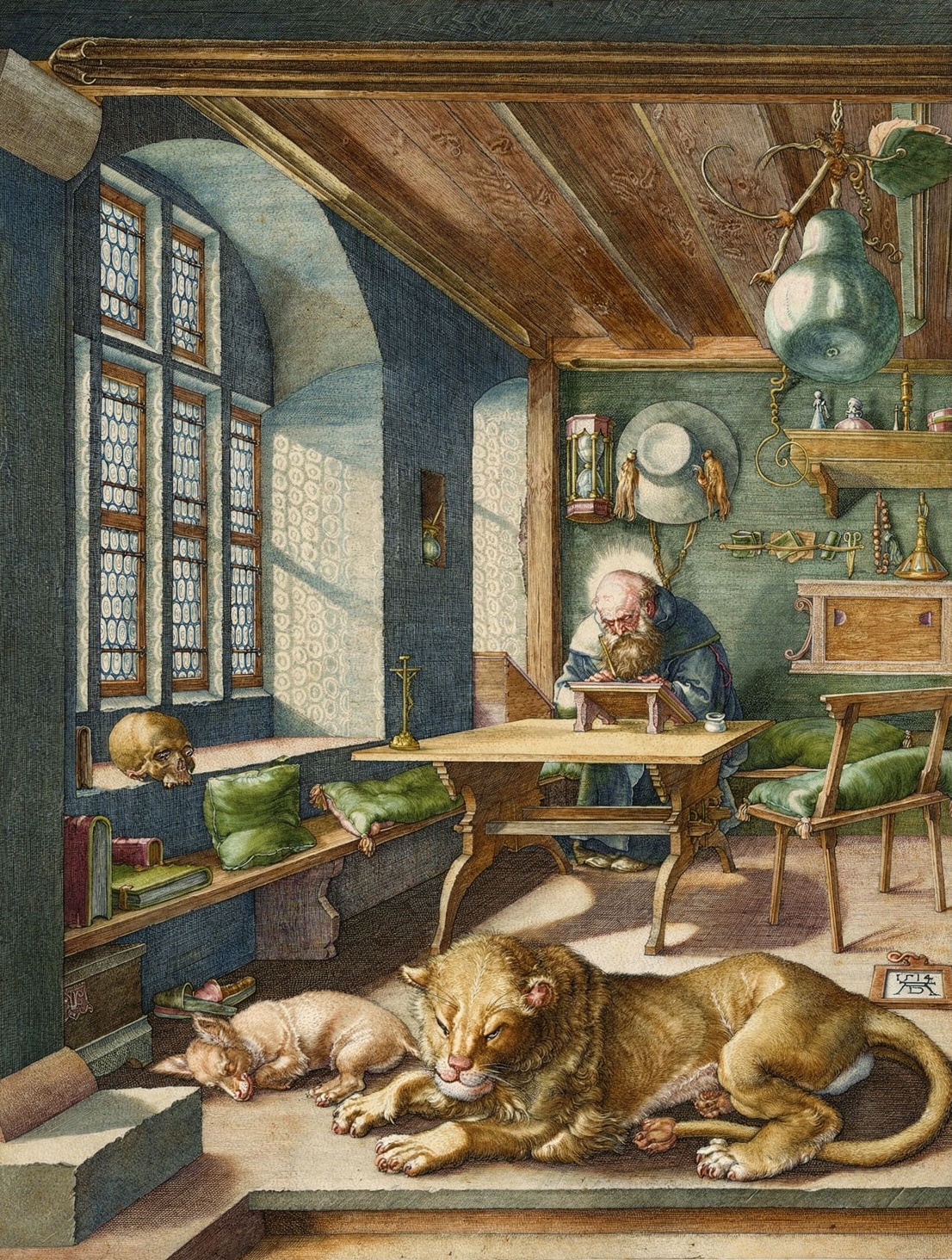
Saint Jerome in His Study
Buy-ready print · Contemporary colour edition
The concentrated study interior makes fine engraved detail and an intimate wall setting worth comparing.
From $39
 Historical original
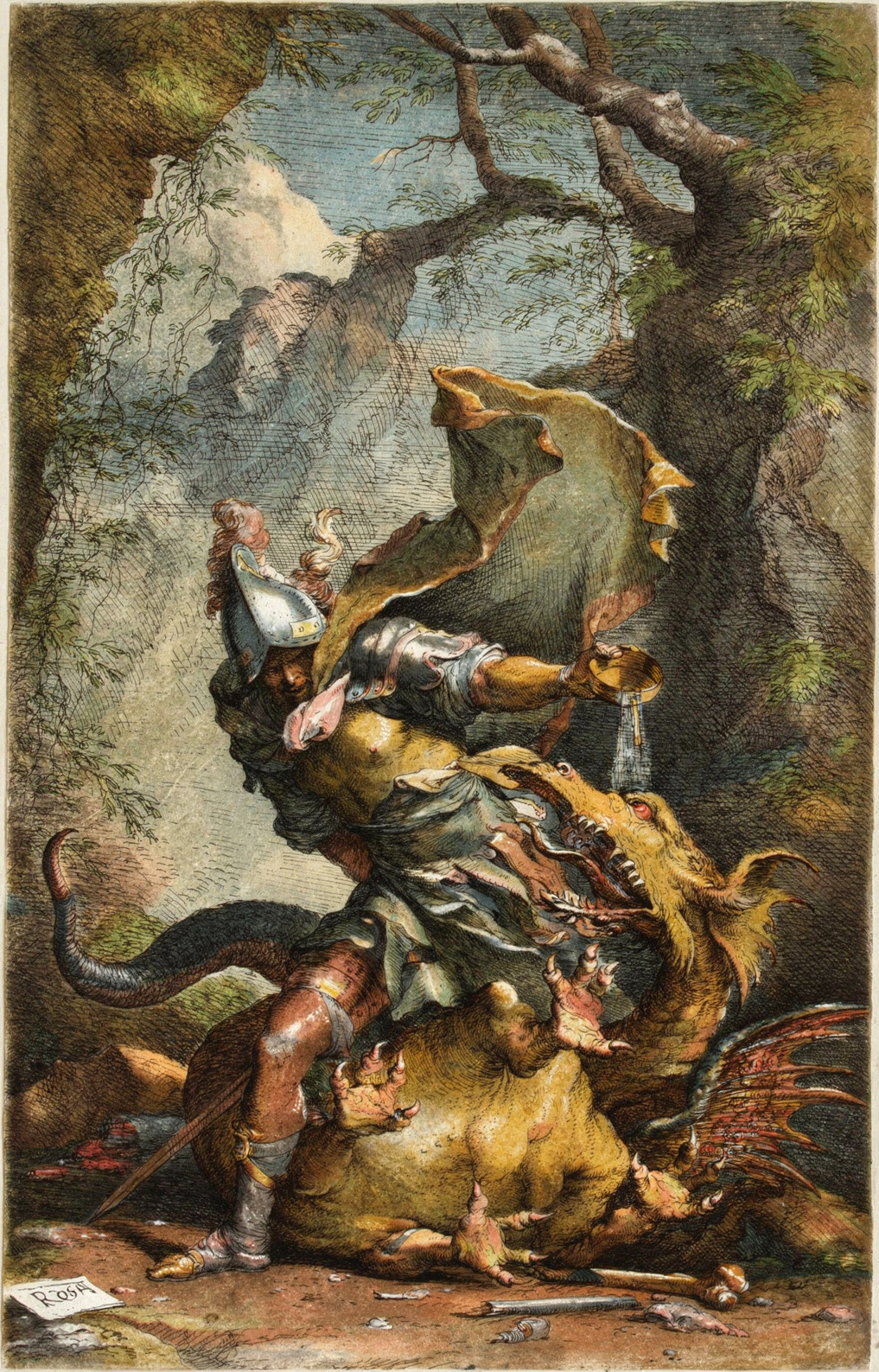
Jason and the Dragon
Buy-ready print · Contemporary colour edition
A mythological creature encounter gives the room a narrative tension beyond a matching colour palette.
From $39
 Historical original
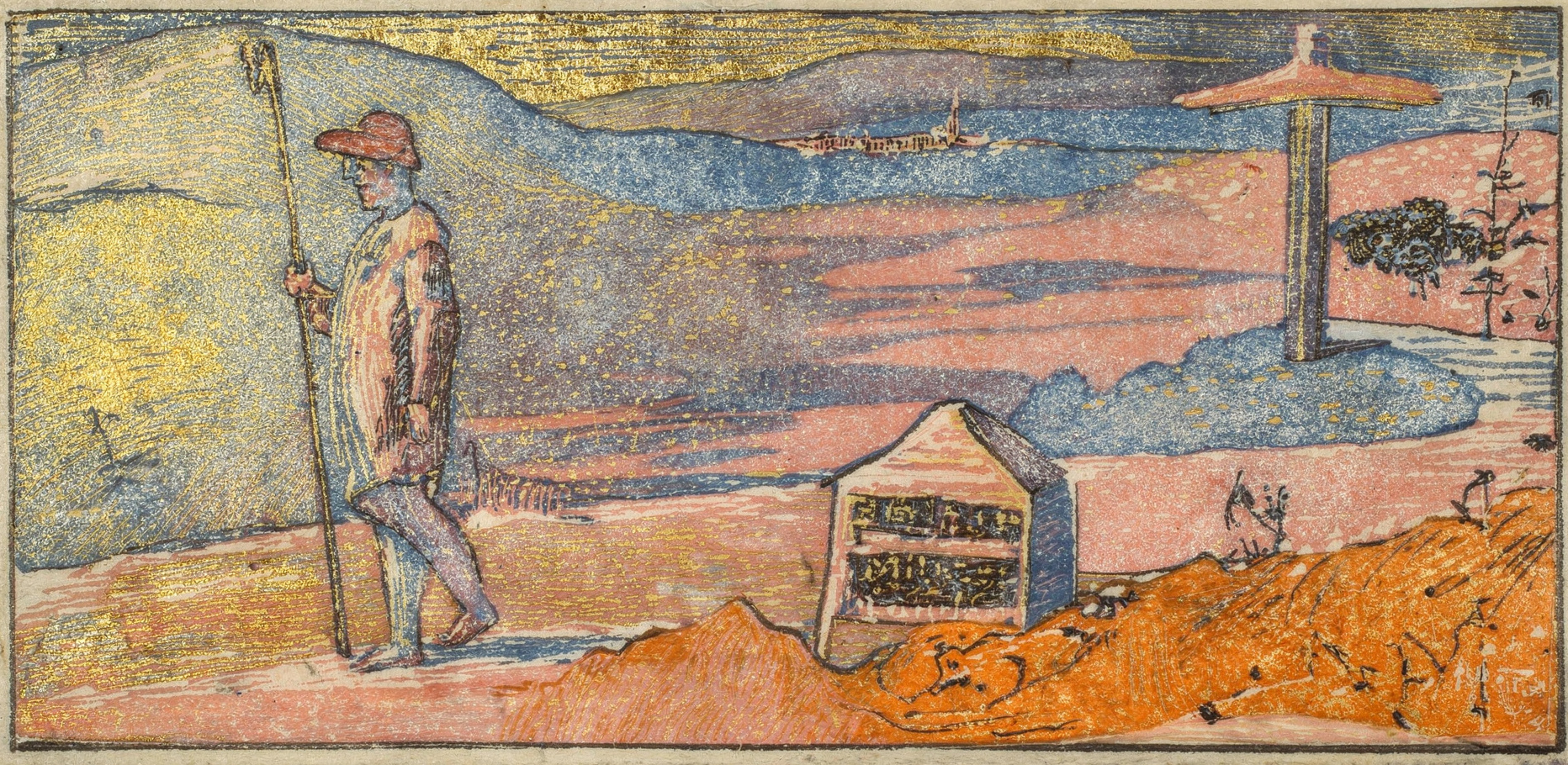
Colinet’s Journey
Buy-ready print · Contemporary colour edition
A released engraving-based literary landscape offers a comparison with the book’s source-to-colour process.
From $39
 Historical original
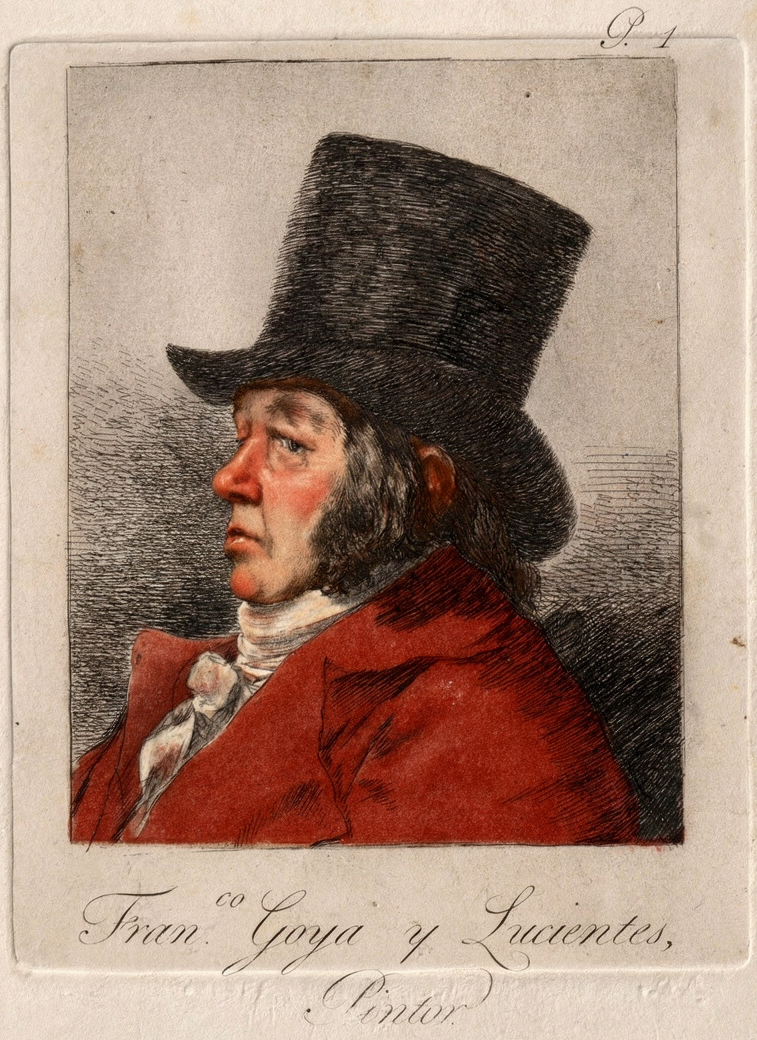
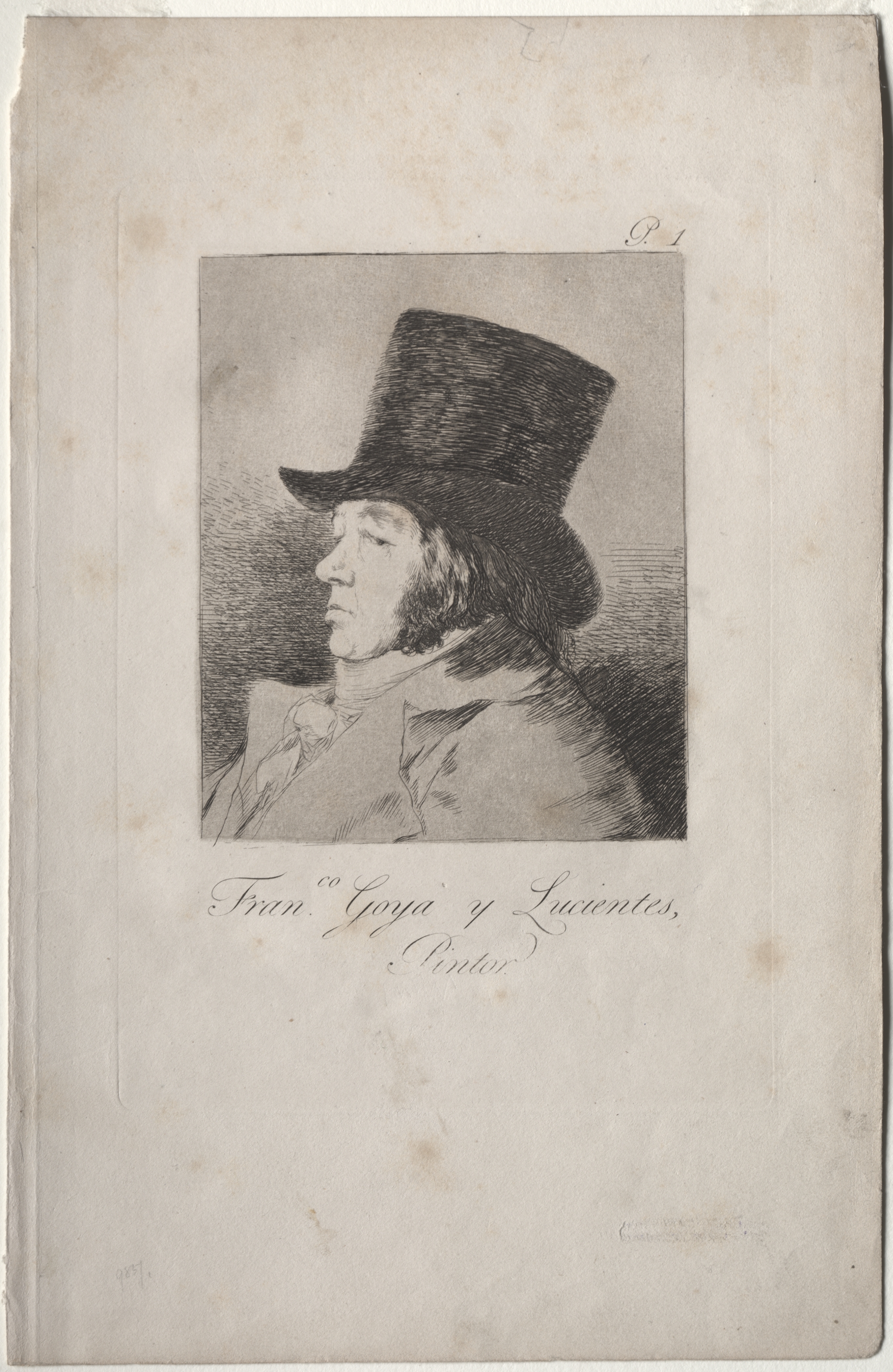
Goya: Self-Portrait
Buy-ready print · Contemporary colour edition
A released portrait interpretation lets you compare engraved line, face and contemporary colour decisions.
From $39
 Historical original
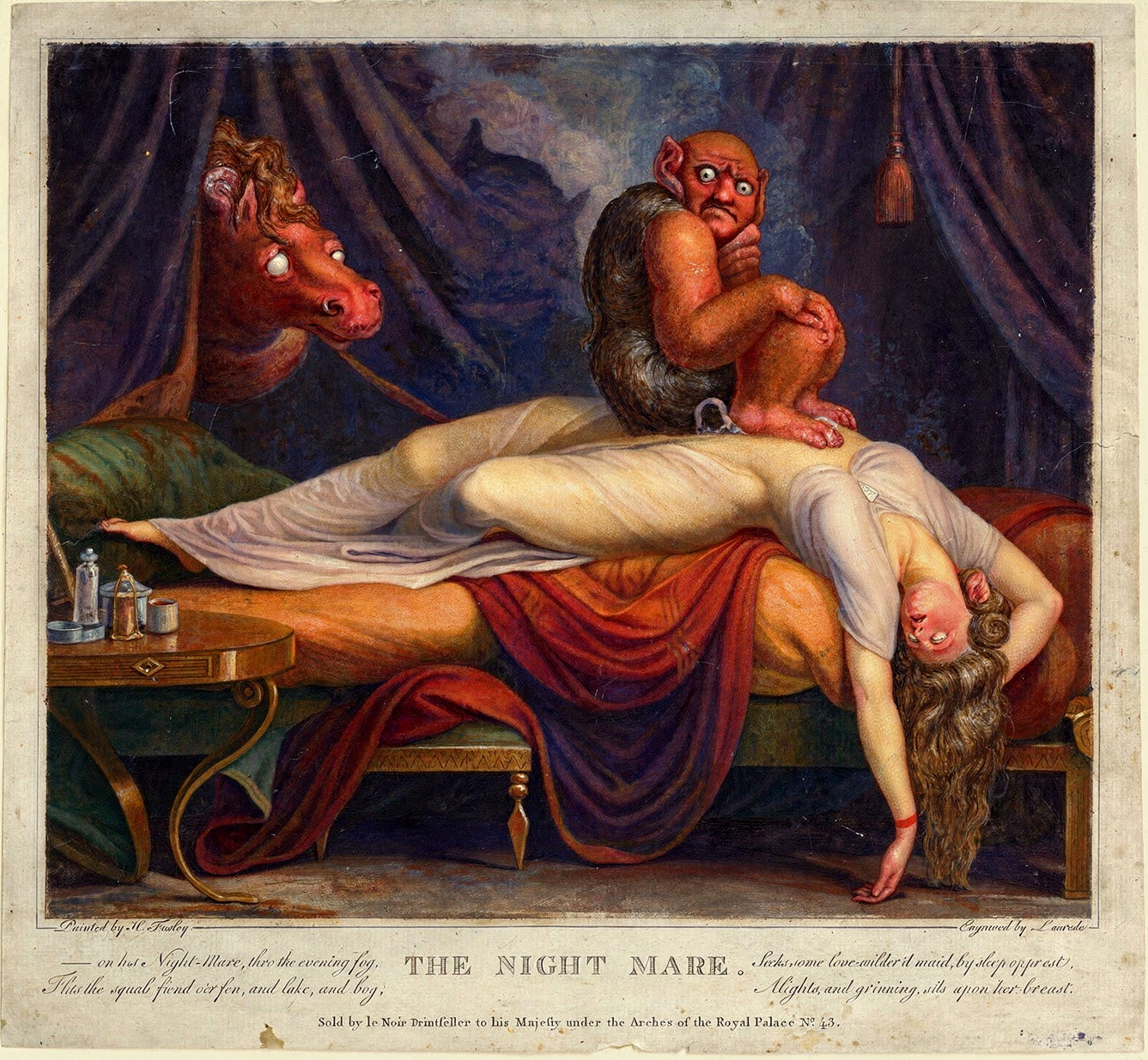
The Night Mare
Buy-ready print · Contemporary colour edition
A sleeping figure and an unsettling apparition make dream imagery the subject, not merely a dark palette.
From $39
First locate the picture within the page
The decorative border is part of the historical page design. For this collection, the chosen subject is the inner narrative scene. Its edges must be identified without cutting into a figure, a branch or the architecture of the picture itself.
That distinction is particularly visible in Pan and Syrinx. The complete page surrounds the riverbank with an elaborate engraved frame and printed captions. The Atelier edition isolates the scene where Pan reaches into the reeds. The full page remains linked as the source, so the original setting can still be examined. See the historical page.
This is an editorial choice about the edition’s format. It does not make the discarded border unimportant to the history of the book.
Straighten before adding colour
A page may look almost upright while its picture is slightly skewed. Straightening the inner panel before extracting it helps the scene sit naturally in a rectangular print.
Fable uses reviewed corner positions to make that correction. This preparation works with the scanned image; it does not ask an image model to invent a replacement for a missing corner. The resulting engraving is saved as the comparison image for the colour edition.
The sequence matters. If a border or caption enters the colour stage, it can become part of the new image. Removing those elements at the source gives the intended composition a better-defined boundary.
Let colour serve the existing light
The prepared engraving then enters Fable’s AI-assisted Atelier process, using Flux to develop a colour interpretation. The aim is to preserve the source composition and engraved light while giving the scene a coherent palette.
That aim still requires checking. A plausible colour image can contain an altered hand, a disappearing object or an edge that has drifted. Generated editions pass through individual review before publication; generation alone does not establish that an image is ready to print.
When comparing an edition, start with the main figure and then follow the edges. Check the smaller objects that explain the story. Finally, look at the whole image again: does the new colour help the scene remain legible?
What restoration means here
In this project, digital restoration describes preparation of the scanned scene and the creation of a new colour interpretation. It is distinct from conservation work on the physical book. An uncoloured engraving is also a finished artwork in its own medium; its monochrome appearance does not make it unfinished.
The source gives us line, form and tonal relationships. It does not establish a unique original colour scheme for these plates. Keeping the before image visible makes that distinction clear and lets you decide which interpretation you prefer.
Browse the available Atelier Editions, compare the source with the finished colour image, and open the print options for the work you want to see on your wall.