Father’s Day from the dog, with a portrait of their daily life
father's day gifts from dog: Ten historical pictures of companionship to guide a personal Father’s Day gift.
The phrase father's day gifts from dog is playful, but the best gift can be quite straightforward: a portrait of the person and animal who share the early walk, the sofa and the last trip outside. A Fable pet-and-owner portrait begins with a usable photograph of that relationship. A costume or a speech bubble from the dog adds less than an expression the recipient already recognises.
The masterworks below show different ways artists have placed people and animals in the same picture. Some include cats, because the compositional question extends beyond one species: how do two figures share the attention? For a Father's Day gift, choose a clear photo of your own person and dog together. Let their natural closeness determine the style, and check that the chosen flow supports both subjects before continuing.
1. Give the dog a proper place
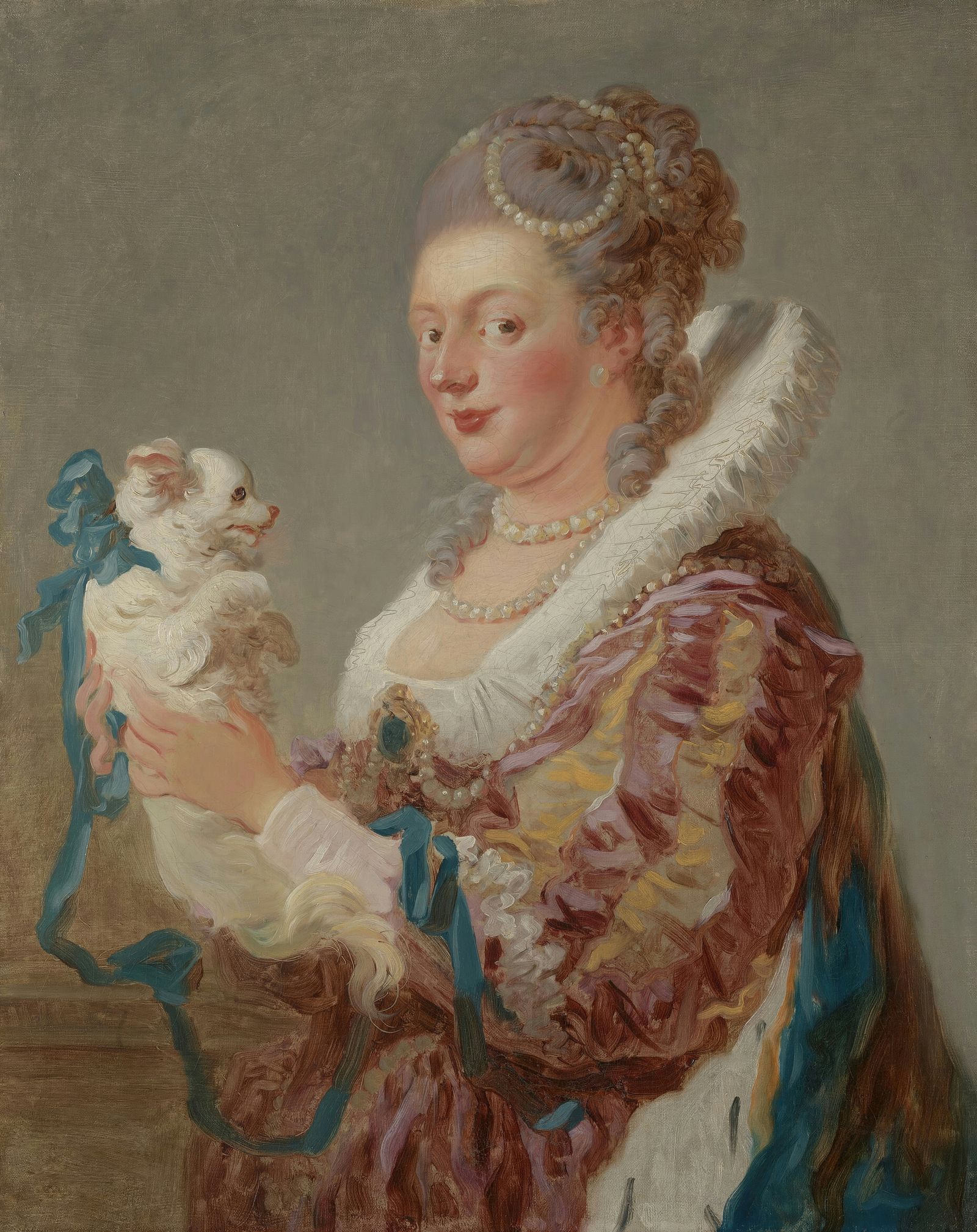
A Woman with a Dog · Jean-Honoré Fragonard · 1769 · Metropolitan Museum of Art, New York
A person-and-dog work can help you check whether the animal is a participant or a decorative detail. Look for a reference where the dog is visible enough to be recognised and the person's face remains clear. The gift is about their relationship, so neither subject should be sacrificed to make the other larger. A relaxed photograph at home often answers that question better than an awkward formal pose.
Create a portrait in this style · Explore this artwork
2. Use the familiar companion pose
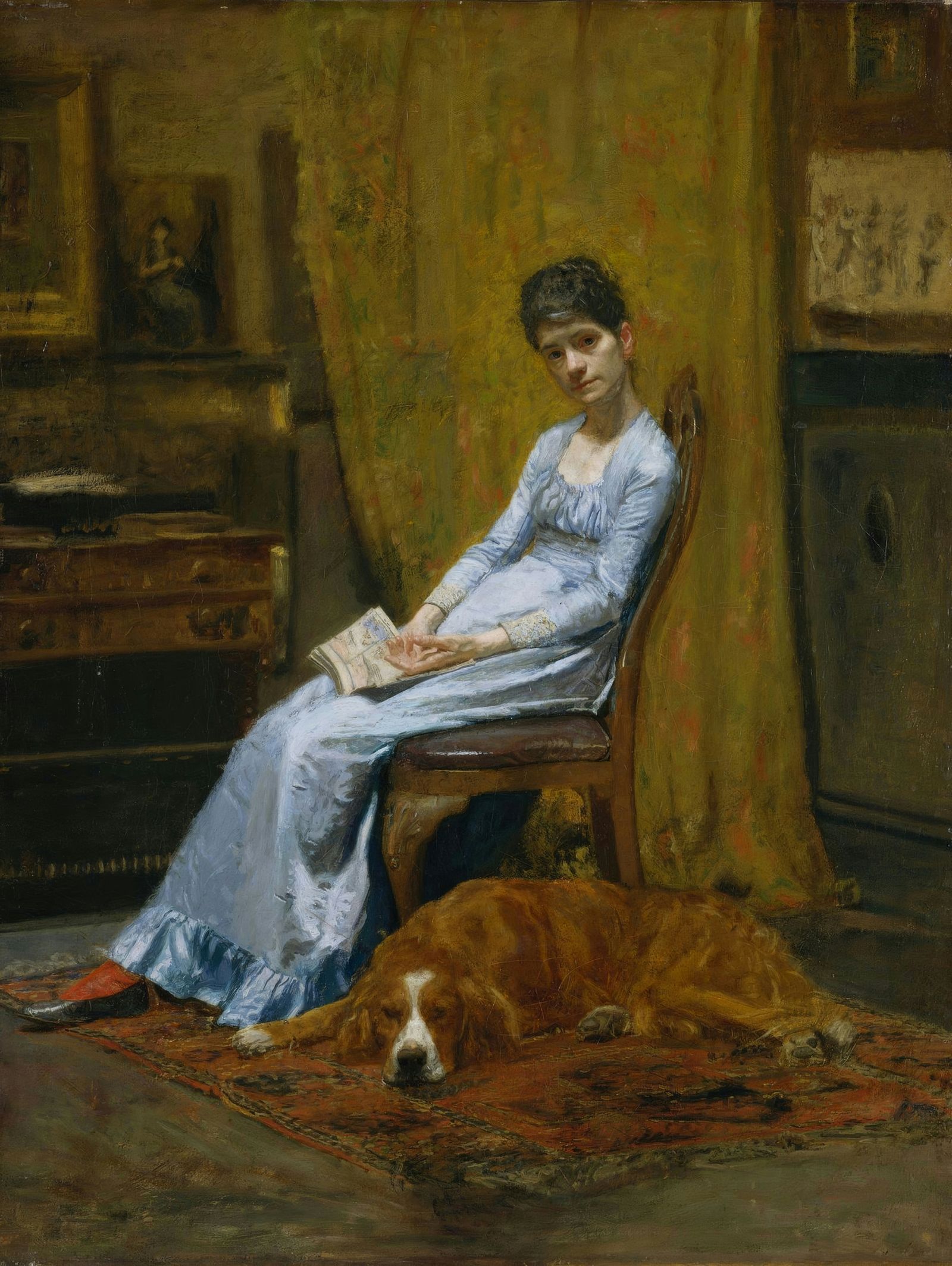
The Artist's Wife and His Setter Dog · Thomas Eakins · 1884 · Metropolitan Museum of Art, New York
Eakins's title names the person and dog together, which is a useful model for the gift itself. Think about the ordinary position the dog takes beside its favourite person. Choose a photo that records that habit without forcing contact. The portrait can feel personal because of the shared posture, even when there is no special occasion, formal outfit or obvious Father's Day motif in the image.
Create a portrait in this style · Explore this artwork
3. Let an outdoor memory lead
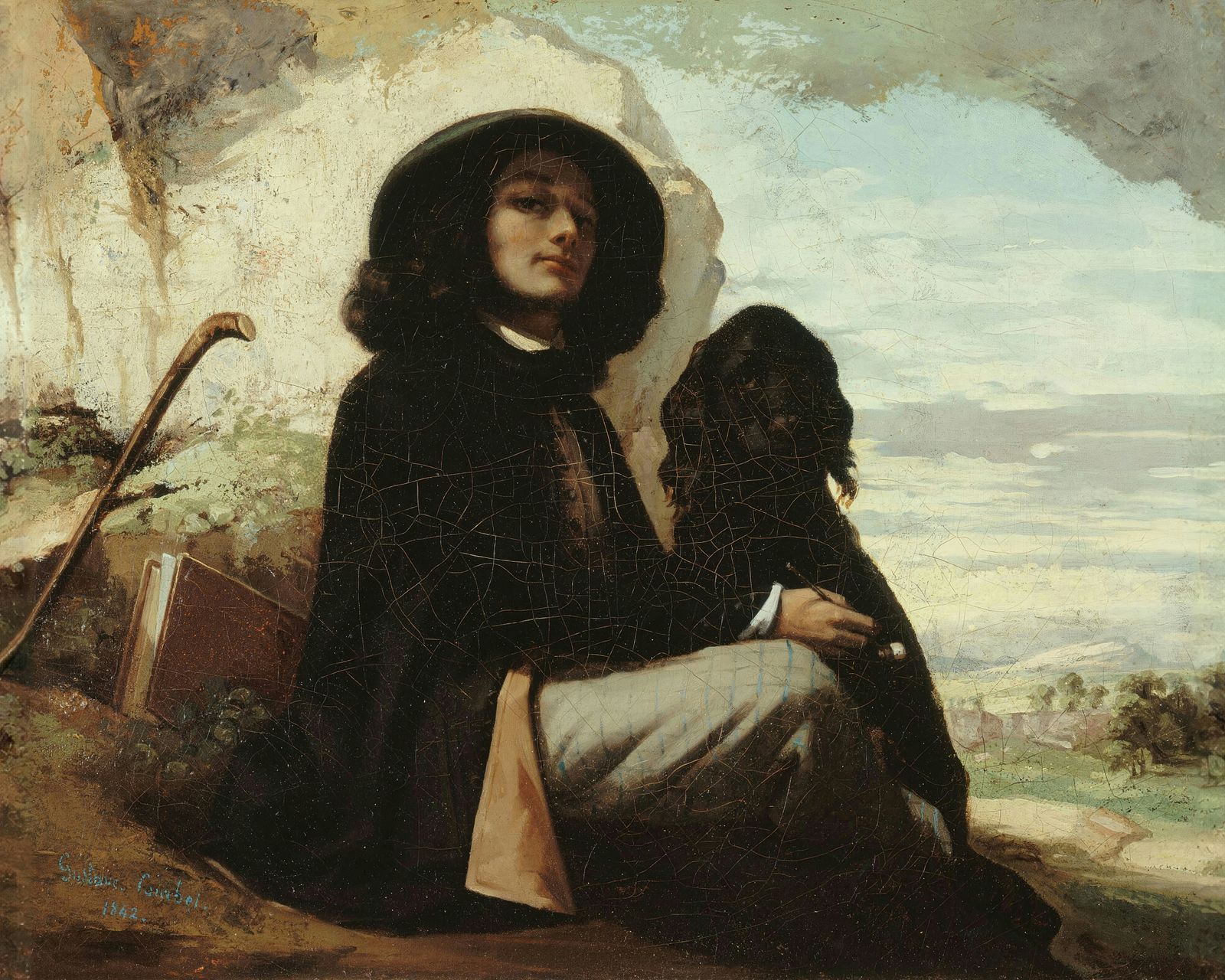
Self-Portrait with a Black Dog · Gustave Courbet · 1842 · Petit Palais, Paris
For someone who spends long hours walking the dog, a portrait with an outdoor feeling may be more fitting than a parlour scene. Begin with a photograph where both figures are in focus and neither is lost against the ground. Courbet's self-portrait with a dog is a historical comparison, not a template that changes the breed. The scene should still belong to the pair in your photograph.
Create a portrait in this style · Explore this artwork
4. Check the difference in scale
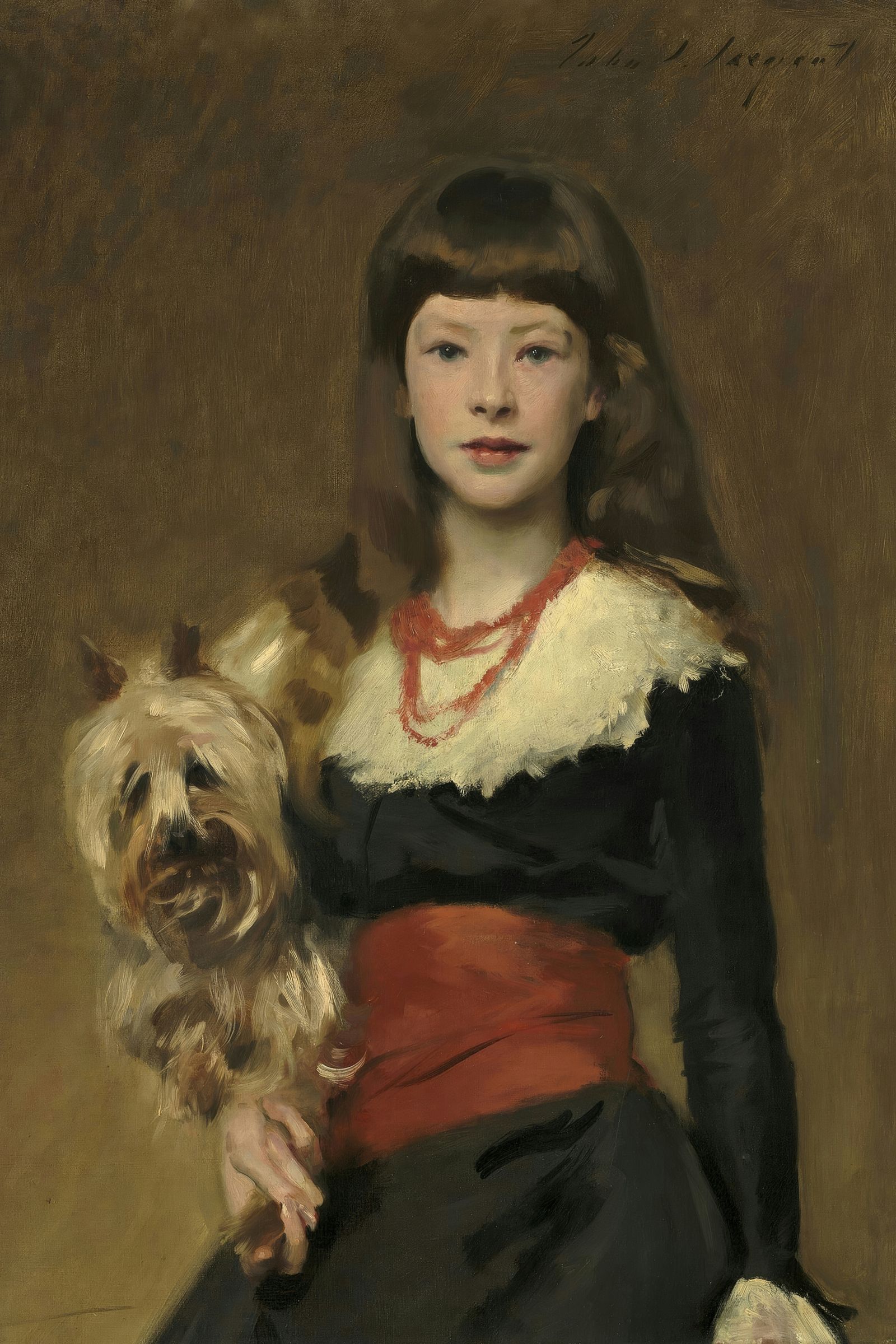
Miss Beatrice Townsend · John Singer Sargent · 1882 · National Gallery of Art, Washington
A small dog beside a standing person can become almost invisible in a wide photograph. Use this portrait comparison to think about proportion before uploading. A seated reference often brings the two faces nearer together, though it should remain a comfortable, natural position. Take account of the finished print's likely viewing distance. A dog reduced to a few marks may not carry the relationship you intended.
Create a portrait in this style · Explore this artwork
5. Keep the expression unforced
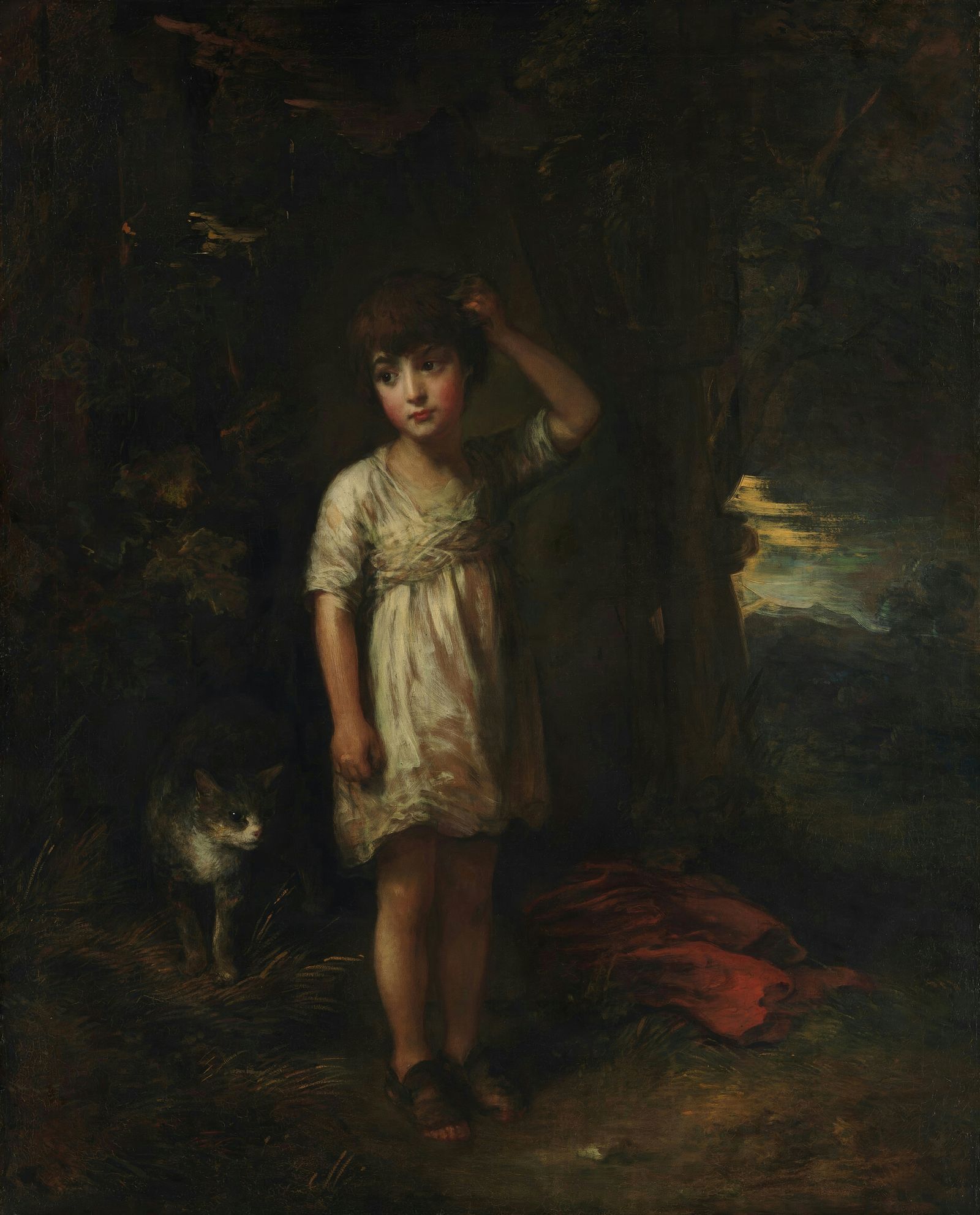
A Boy with a Cat—Morning · Thomas Gainsborough · 1787 · Metropolitan Museum of Art, New York
Gainsborough's boy-and-cat work is included as a study of companionship, not as a dog picture. It suggests a useful standard for your own photo: the interaction should look easy. Do not ask the recipient to restrain an uncomfortable pet for the camera. A photograph where the dog happens to lean towards him may say much more than a staged embrace created solely for the gift.
Create a portrait in this style · Explore this artwork
6. Choose a quiet gesture
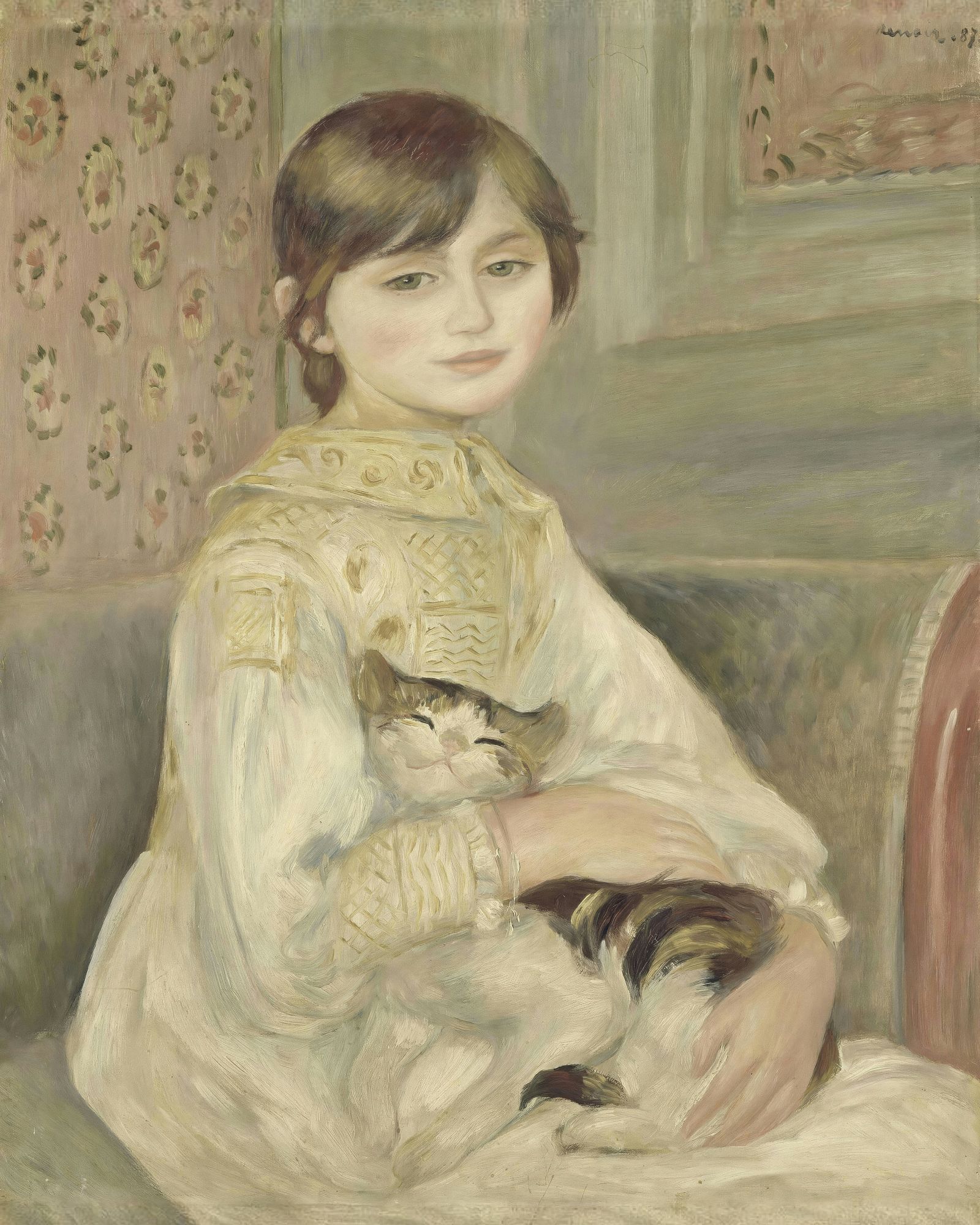
Julie Manet · Pierre-Auguste Renoir · 1887 · Musée d'Orsay, Paris
A person does not have to look directly at the animal for a shared portrait to feel connected. This child-and-cat work gives another point of comparison for the amount of contact a composition needs. With your own dog, preserve a hand on the shoulder or the body's relaxed proximity if that is what the photo contains. Do not invent a more sentimental gesture than the pair would naturally make.
Create a portrait in this style · Explore this artwork
7. Acknowledge the comfort they offer each other
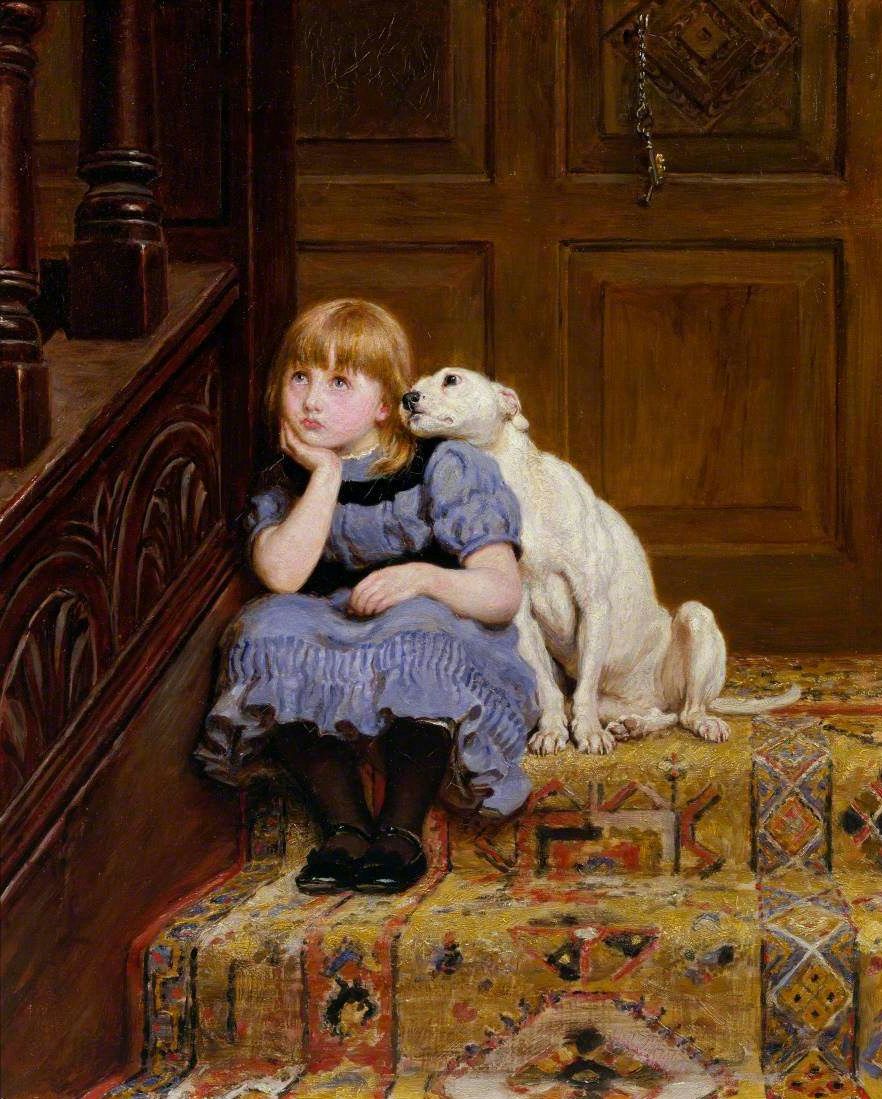
Sympathy · Briton Riviere · 1878 · Royal Holloway, University of London
Sympathy is a gentle reference for a relationship built around quiet company. Choose this mood when Father's Day is more reflective than celebratory, perhaps in a difficult year. The source photo should still be one the recipient would like to see every day. A gift does not need to announce private circumstances on the wall; a recognisable moment of companionship can carry the thought discreetly.
Create a portrait in this style · Explore this artwork
8. Let the home remain part of the memory
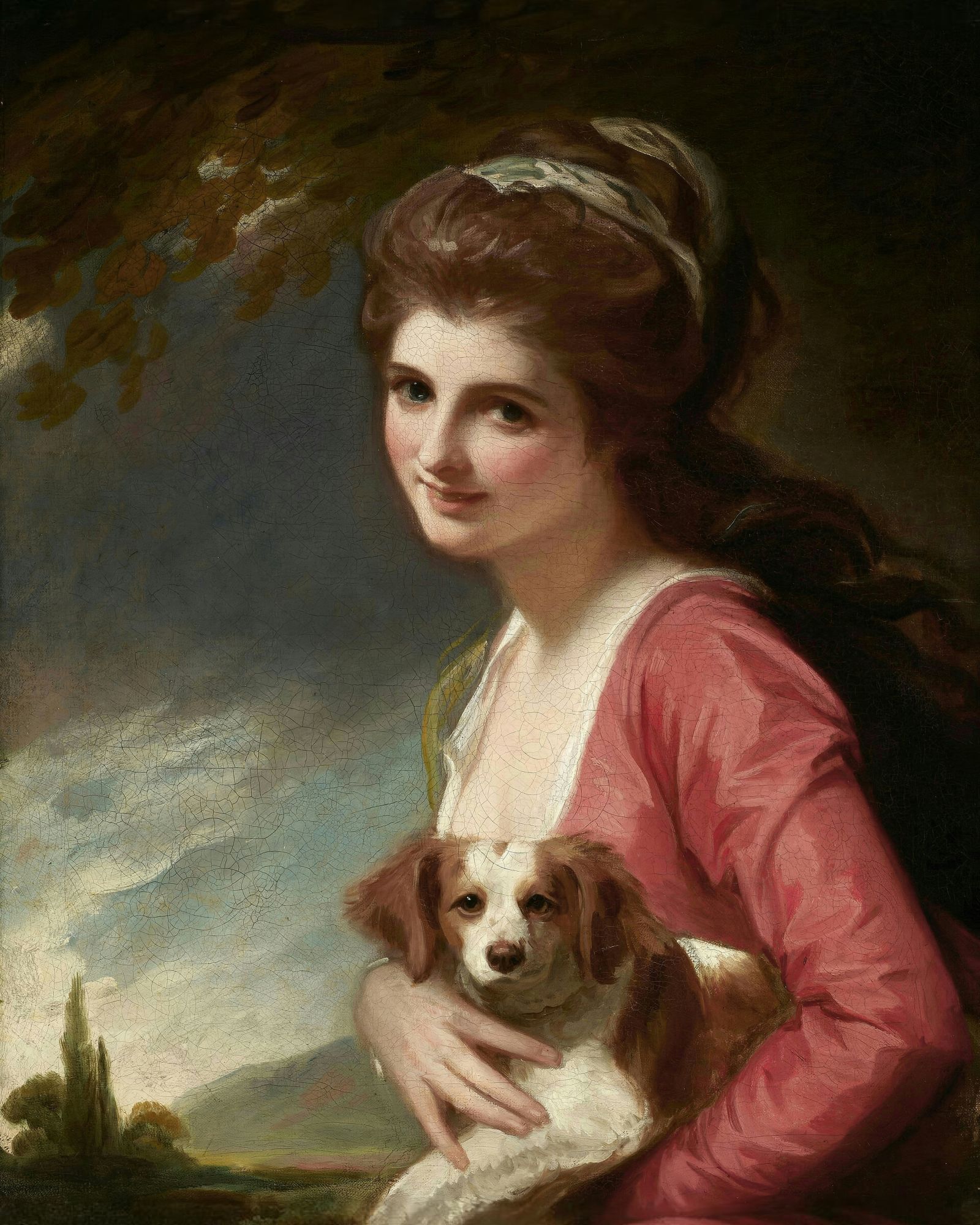
Lady Hamilton as 'Nature' · George Romney · 1782 · Frick Collection, New York
A familiar domestic photograph can be more useful than a highly polished image taken elsewhere. Look at the balance of sitter and animal in the masterwork, then choose your reference for the same sense of belonging. Remove obvious distractions from your choice of photo rather than assuming every unwanted object can be corrected later. Keep the person's face and the dog's body comfortably inside the original frame.
Create a portrait in this style · Explore this artwork
9. Make space for a favourite walk
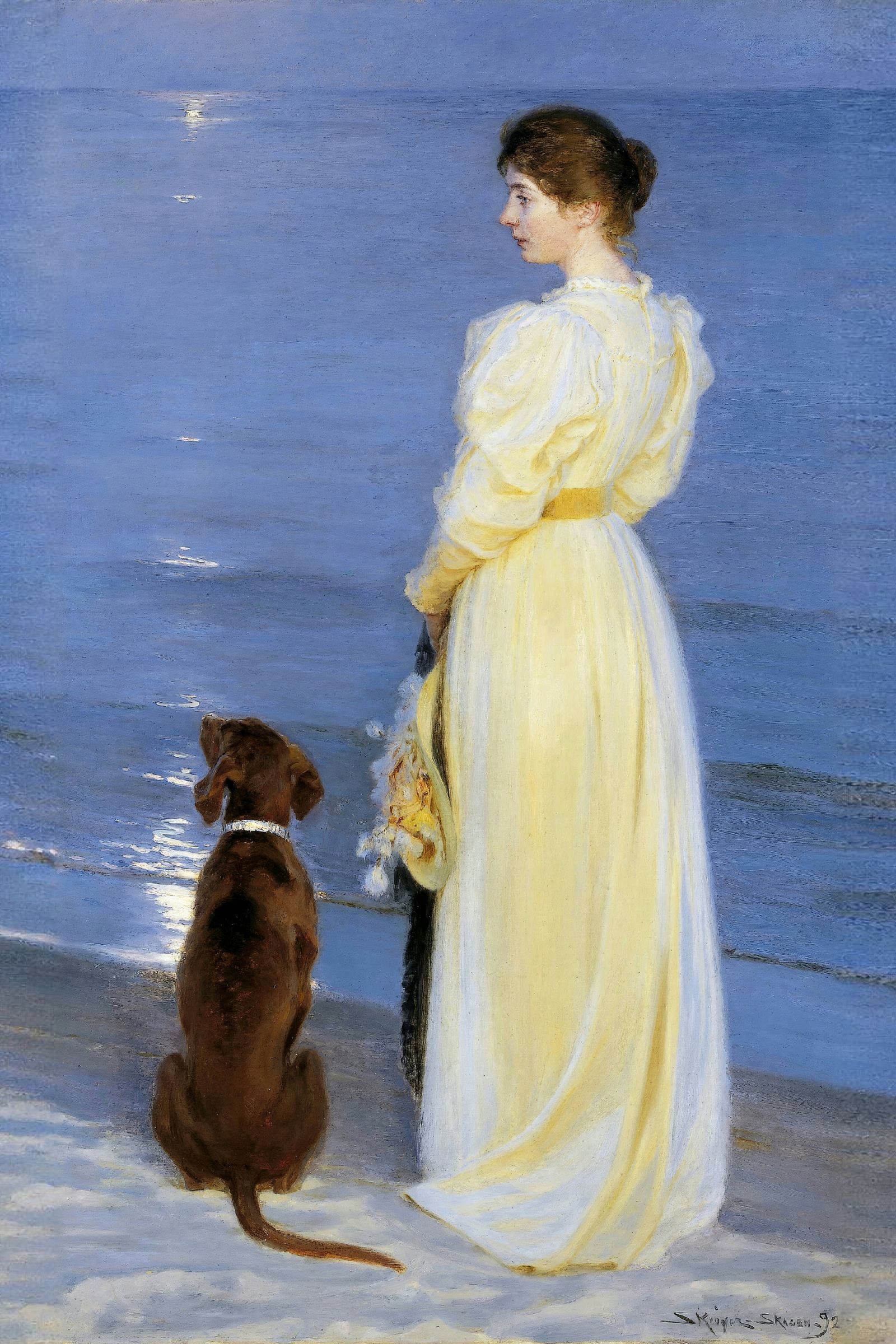
Summer Evening at Skagen · Peder Severin Krøyer · 1892 · Skagens Museum
If the pair have a route they take every day, a photograph from that walk gives the gift a private point of reference. The view need not be spectacular. Choose the image where both subjects are clear, not the one with the biggest sunset behind them. An outdoor portrait treatment can support the memory without requiring the dog to wear human clothes or act as a person.
Create a portrait in this style · Explore this artwork
10. Include the wider household with care
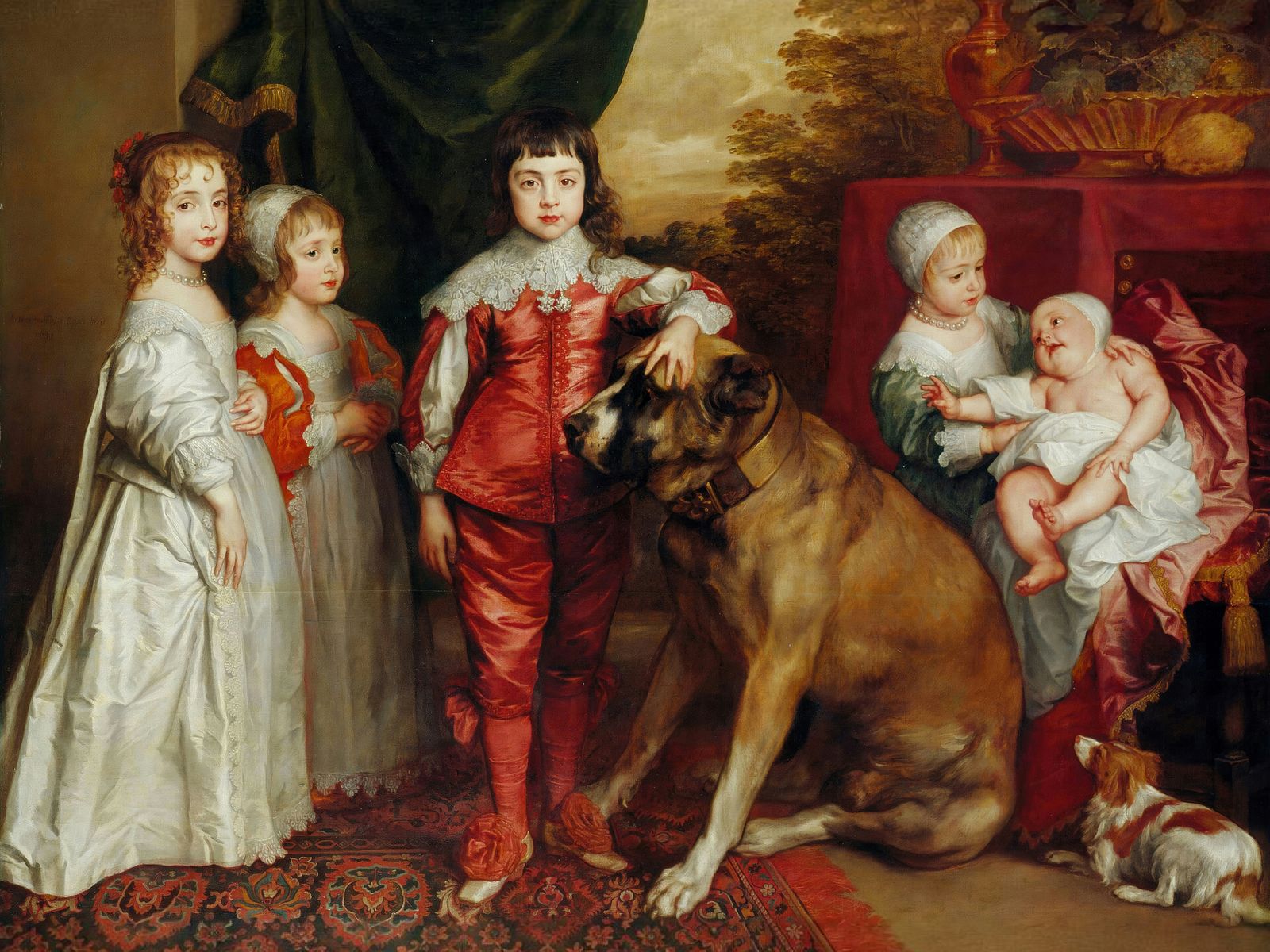
The Five Eldest Children of Charles I · Anthony van Dyck · 1637 · Royal Collection
A historical group with animals prompts a final choice: is this a gift about one person and dog, or about the entire family? Decide before selecting the creation flow. More subjects require a composition and reference that can hold them. For a straightforward dog-dad gift, a clear pair may be more legible than a crowded family photograph in which the animal is hidden at someone's feet.
Create a portrait in this style · Explore this artwork
Choose the photograph with the help of someone who knows their everyday routine. Open the pet-and-owner route, check the subject guidance and review the portrait before deciding how it should be printed. A note “from the dog” can remain on the accompanying card, where a little humour is easy to enjoy without making the wall portrait a joke. The picture itself can be simple: a person, a dog and the familiar ease between them. Check current print choices and order details in the live flow.
Create their pet-and-owner portrait
- What makes a good dog-dad Father’s Day gift?
- Start with something connected to their actual routine. A portrait works well when you have a clear photo of the person and dog together and know the recipient would enjoy it. Keep any joke in the card if the portrait is intended for everyday display.
- Can the person and dog be in separate photos?
- Check the guidance in the selected creation flow before preparing references. A clear photograph of them together is the most straightforward starting point. Do not assume every style accepts separate photographs or multiple subjects.
- Does the dog need a costume?
- No. The dog remains an animal in a natural pose. A good reference records its own colouring, anatomy and expression beside the person. The historical treatment comes from the style, not from dressing the dog as a human.