A gift for your daughter that sees the adult as well as the child
Choose a gift for daughter through the photographs she likes now, with ten ways to connect family memories and an adult life.
A gift for daughter can honour the years you remember without asking her to remain inside them. A childhood portrait may be welcome, but so may a recent photograph that recognises the adult life she has made. The right choice depends on what she would enjoy seeing, not only on what you feel when you open the album.
These ten historical works offer ways to think about the gift's subject and mood. They are art references rather than finished Fable portraits. The daughter portrait journey provides the current creation options, beginning with your own photograph.
For gifts for adult daughters, consider whether the picture is mainly for her home or for yours. Those are different gifts. Asking which image she likes can be a generous part of choosing, and it does not prevent you from writing a personal note about the memory you share.
1. The childhood portrait, chosen with her agreement
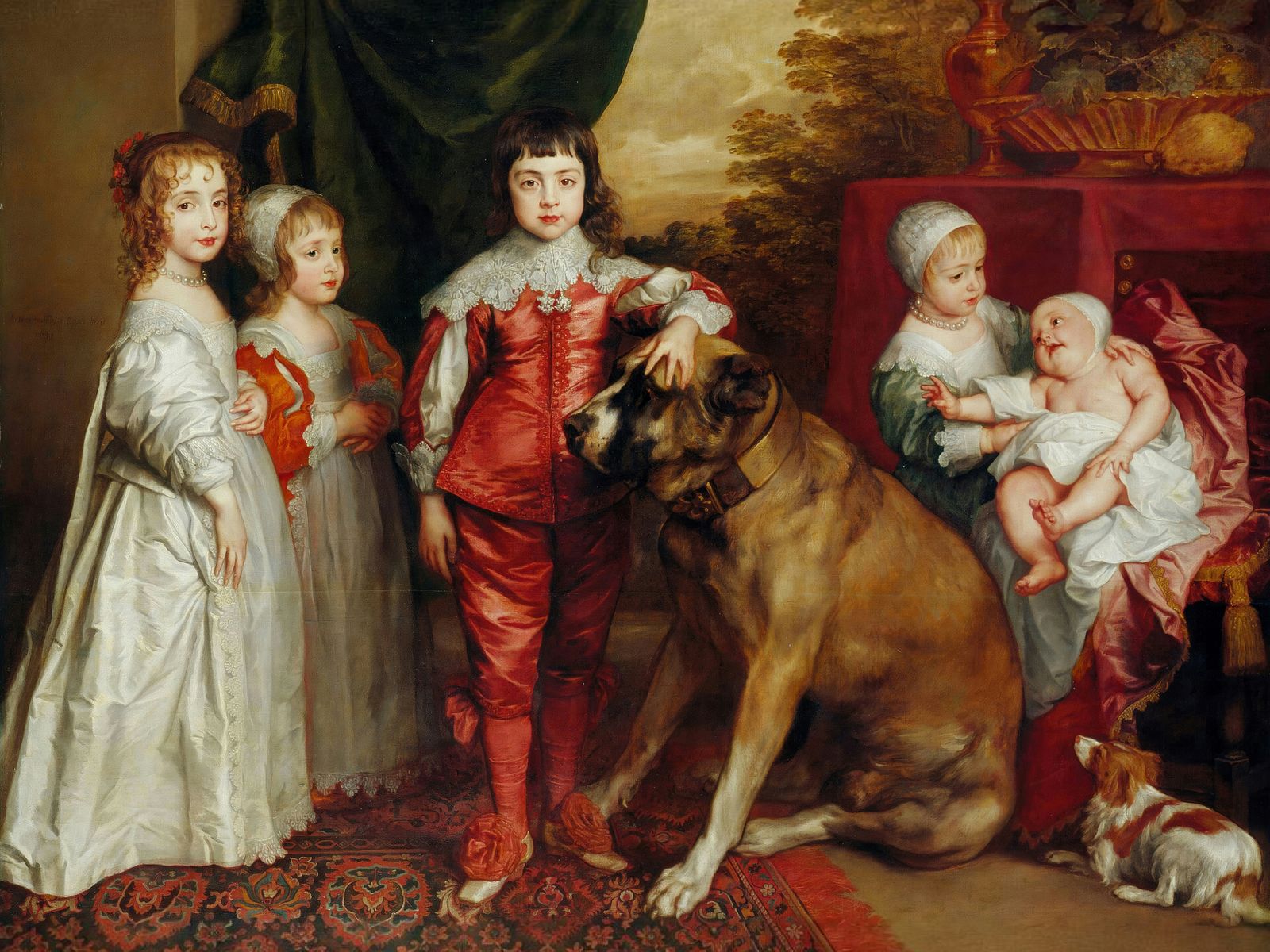
The Five Eldest Children of Charles I · Anthony van Dyck · 1637 · Royal Collection
Van Dyck's group can prompt a return to childhood photographs. Choose an image your daughter likes, rather than one she has spent years asking the family not to show. A memory can be precious to you and still feel uncomfortable to her. If she prefers a later source, the gift can honour the relationship without fixing her at a particular age.
Explore your portrait · Explore this artwork
2. A portrait of the person she is now
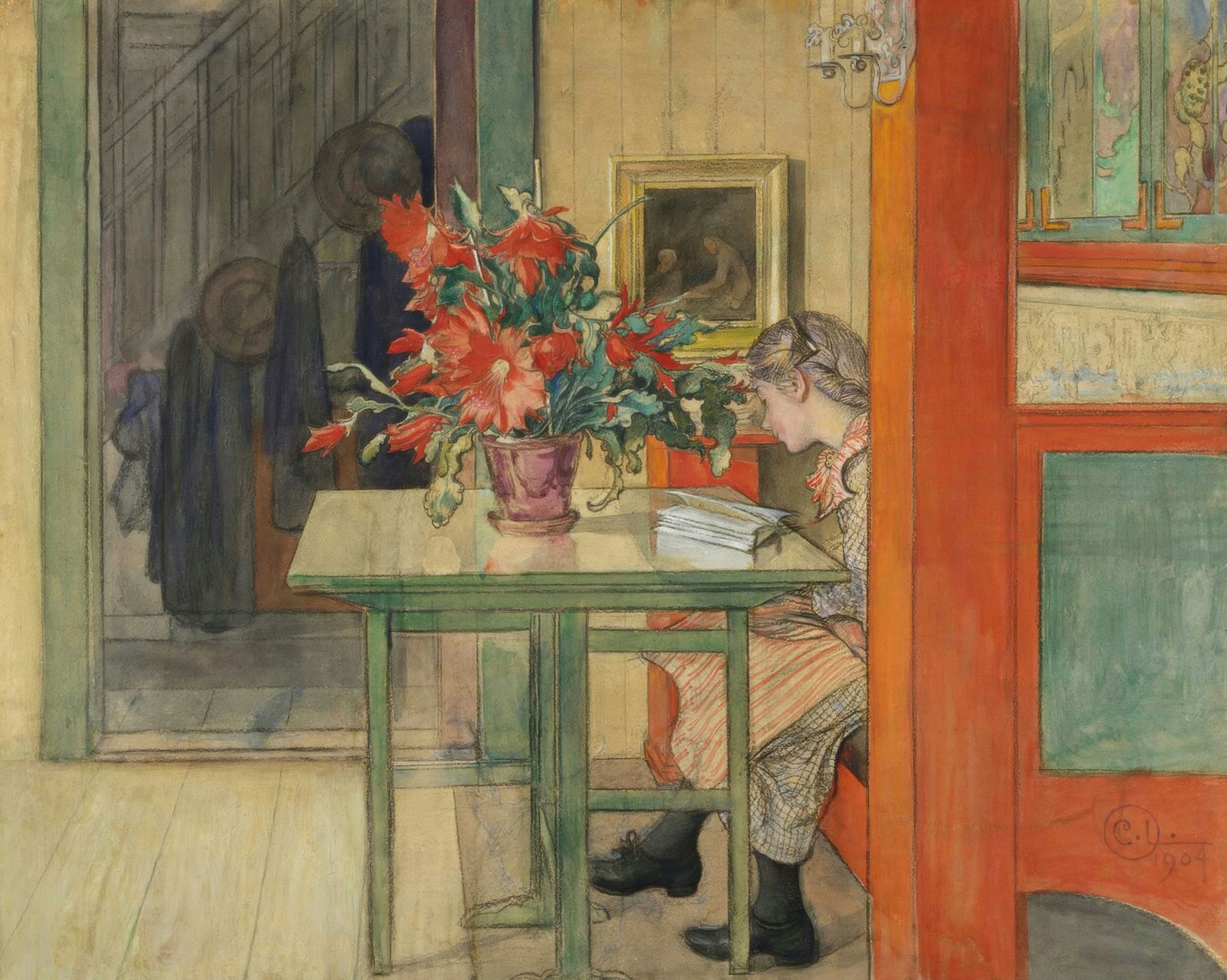
Lisbeth Reading · Carl Larsson · 1904 · Nationalmuseum, Stockholm
Larsson's Lisbeth Reading is a useful reference for considering a young person's own interests. A recent portrait can recognise your daughter's independent life rather than only her place in the family. Let her choose the photograph if she has clear preferences. The source should feel like a picture of her, not an illustration of the future you once imagined for her.
Explore your portrait · Explore this artwork
3. The photograph with a loved animal
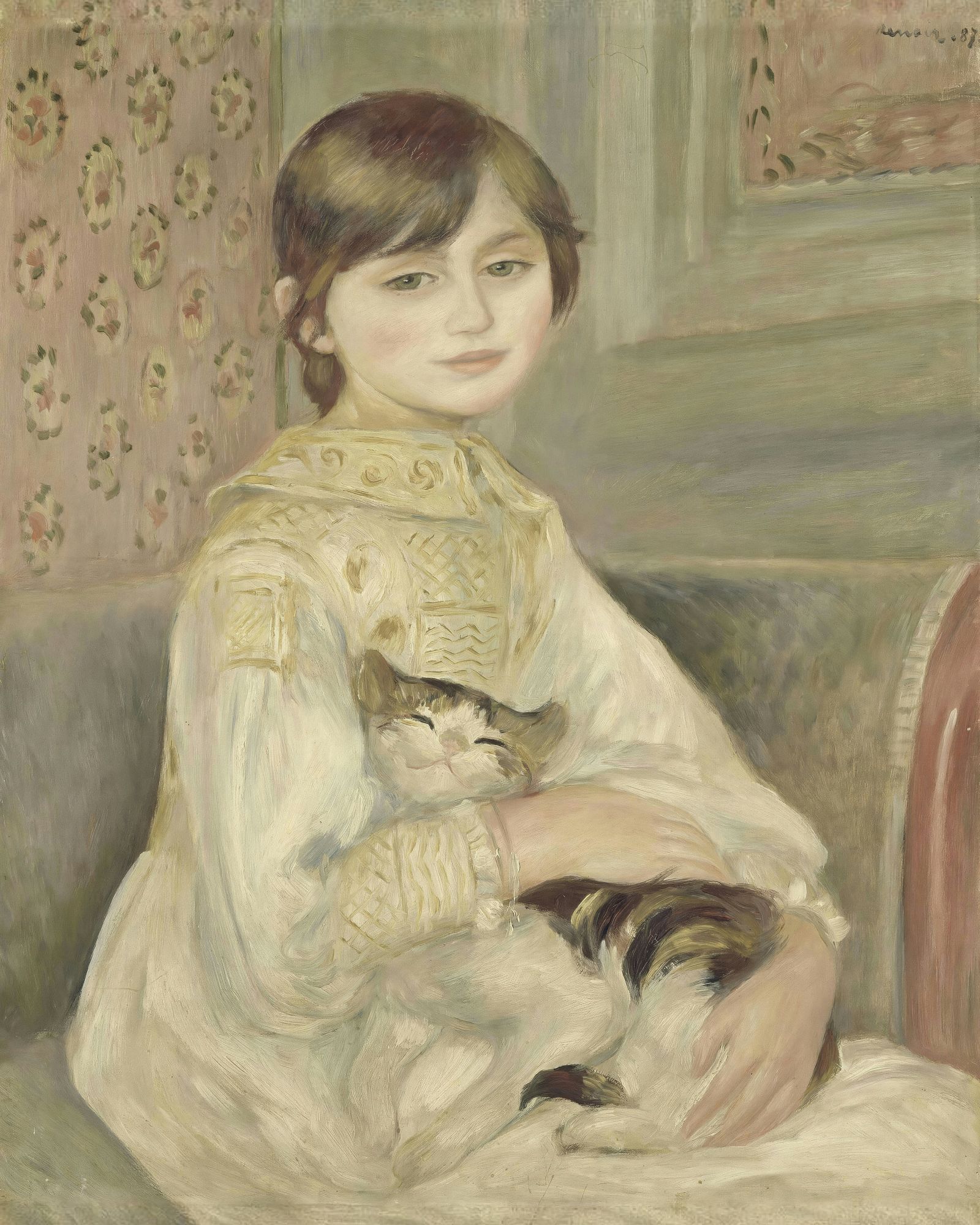
Julie Manet · Pierre-Auguste Renoir · 1887 · Musée d'Orsay, Paris
Renoir's Julie Manet can prompt a source in which your daughter appears with a cat or another companion animal. Choose a photograph that treats both subjects clearly and naturally. There is no need to make the animal a comic human character. A pet relationship may belong to her present-day life and can be a thoughtful alternative to a childhood image.
Explore your portrait · Explore this artwork
4. A mother-and-daughter connection without a fixed age
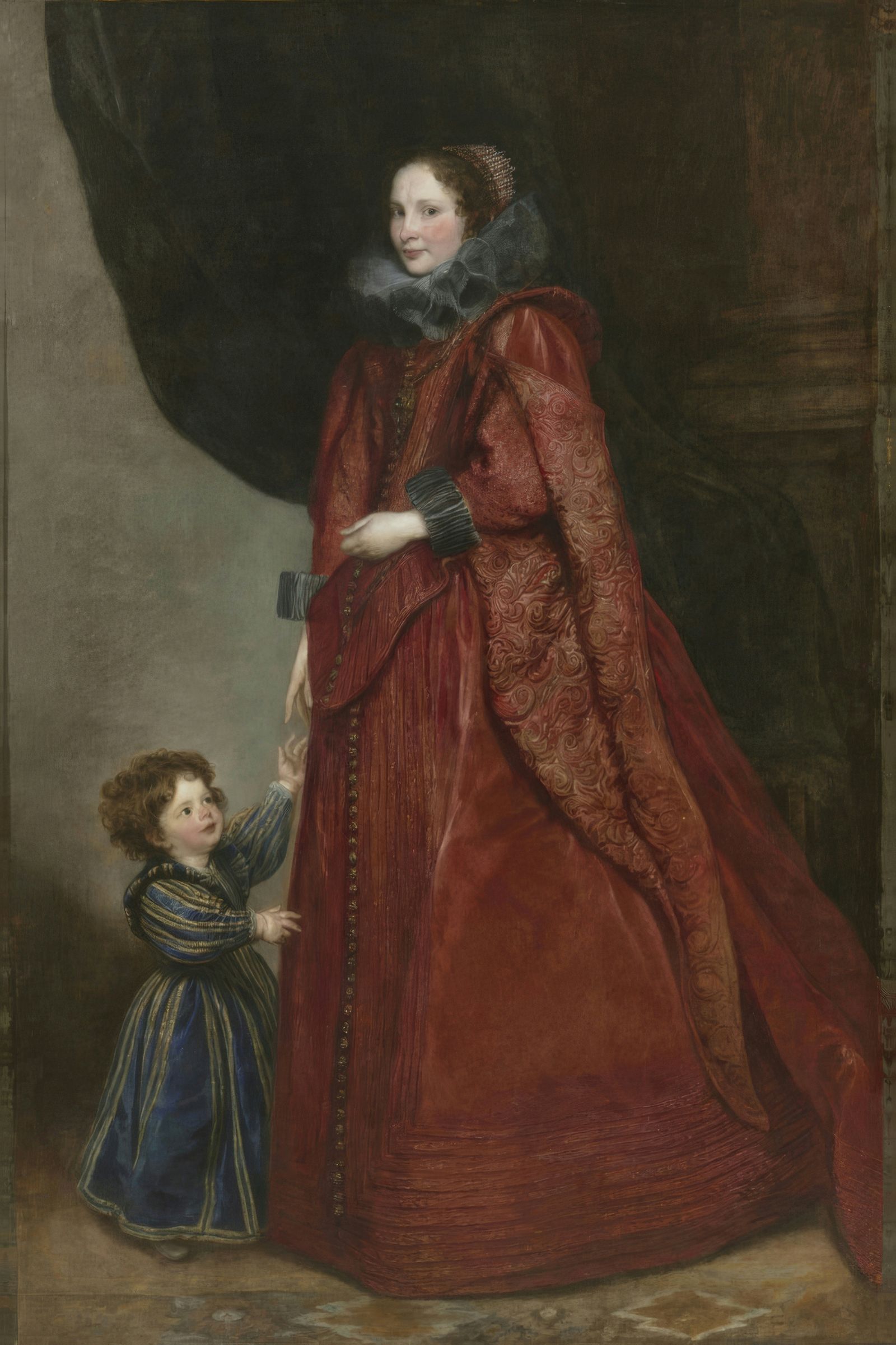
A Genoese Lady with Her Child · Anthony van Dyck · c. 1623–25 · Cleveland Museum of Art
Van Dyck's mother-and-child reference can help you think about a smaller shared portrait. For an adult daughter, consider a recent photograph together as well as the early album. Explain what the image means to you without making her responsible for recreating that stage of life. A portrait can hold affection while allowing the relationship to keep changing.
Explore your portrait · Explore this artwork
5. A memory of ordinary family company
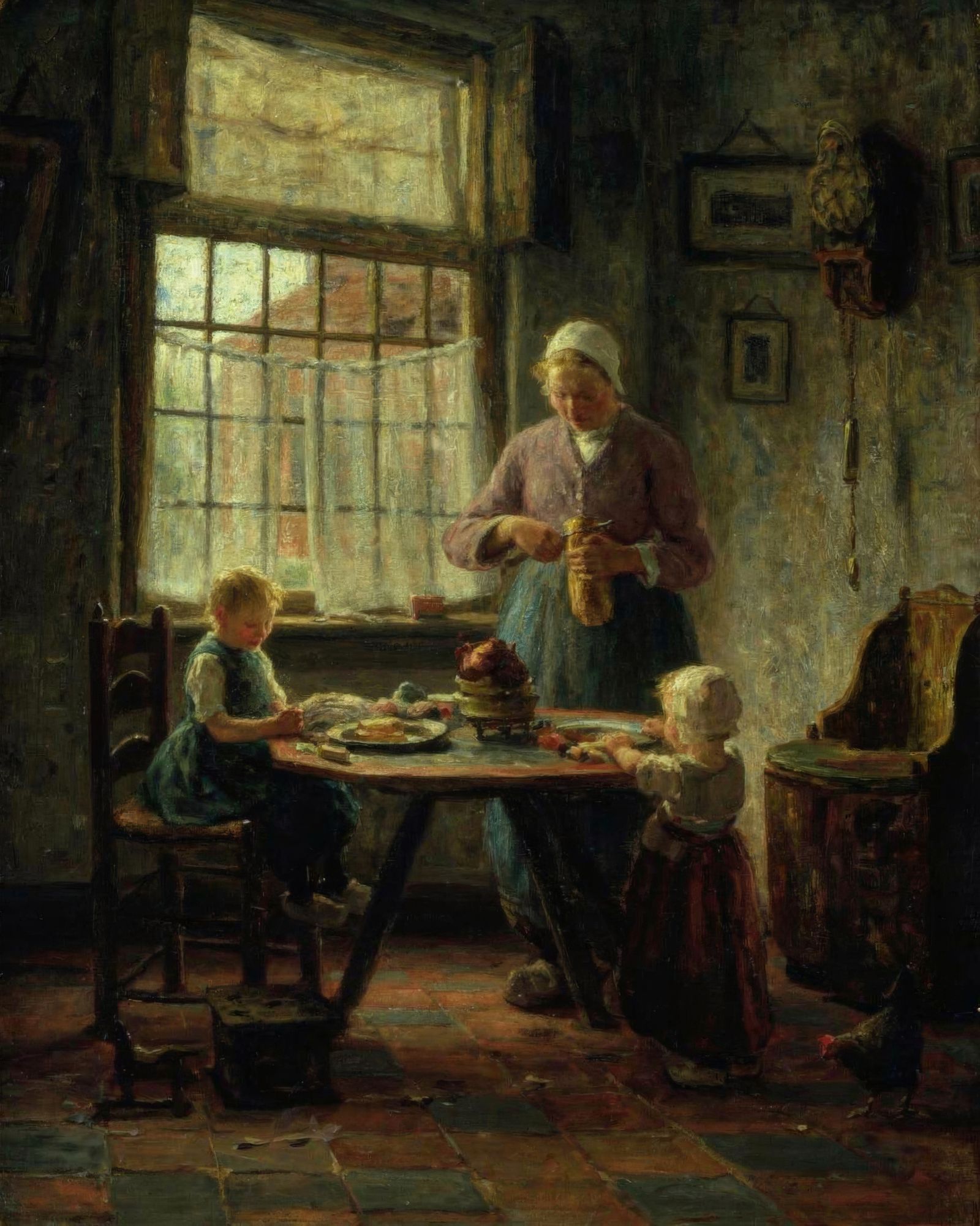
A Family Meal · Evert Pieters · 1890s (?) · Art Institute of Chicago
Pieters's family meal suggests a source from everyday life rather than a formal milestone. Your daughter may prefer the photograph taken during a relaxed visit to the official graduation or wedding image. Look at her expression first. A gift for her should not ask her to overlook an uncomfortable source merely because everyone else remembers the occasion with pleasure.
Explore your portrait · Explore this artwork
6. The family picture she was not arranging
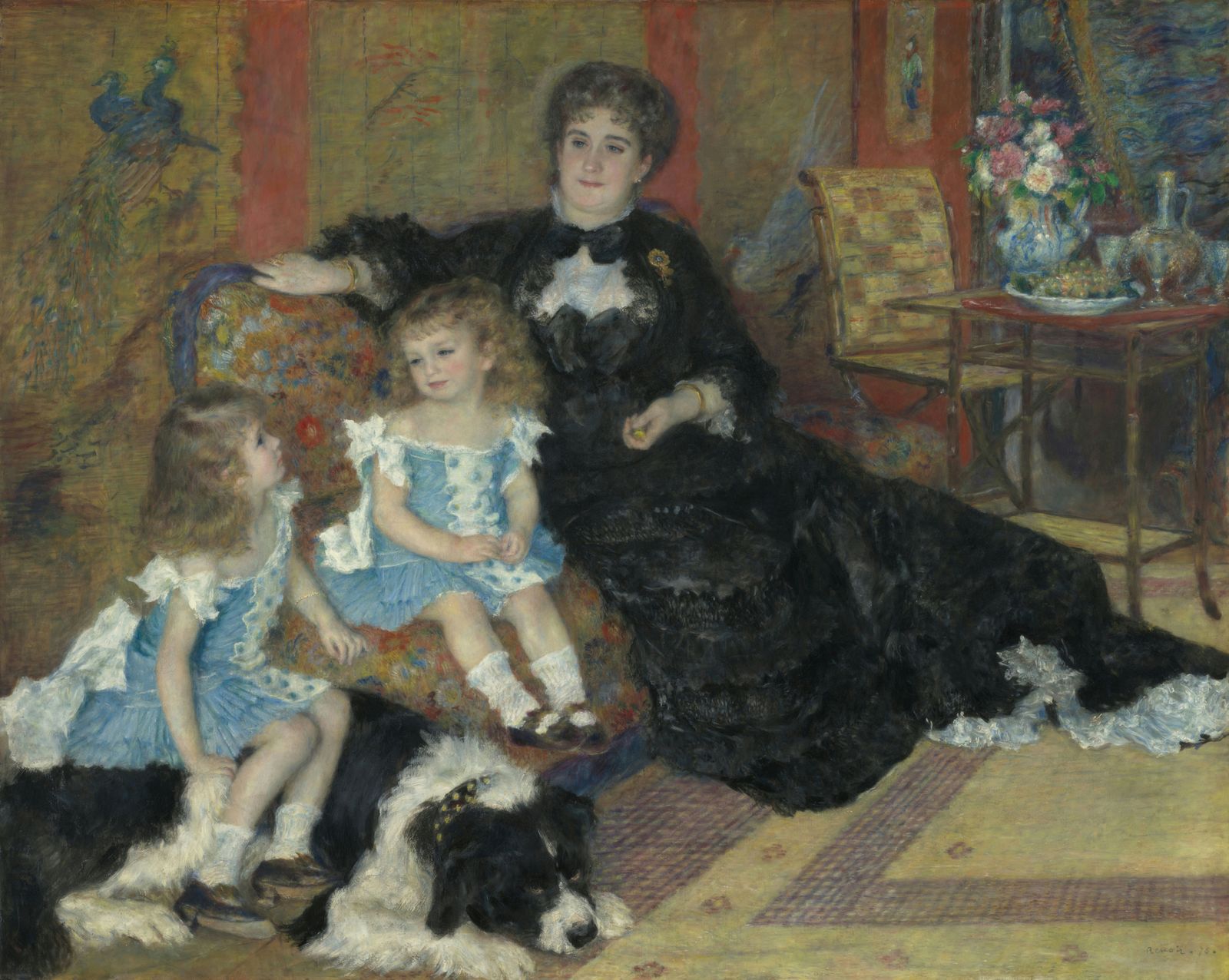
Madame Charpentier and Her Children · Auguste Renoir · 1878 · The Metropolitan Museum of Art
Renoir's family portrait can prompt you to check whether your daughter is visible in the images she helps organise. If she has become the person behind the camera, find a source that gives her a place too. More relatives are not automatically better. A smaller clear grouping may feel more personal than a crowded image chosen to avoid leaving anyone out.
Explore your portrait · Explore this artwork
7. An interest you have noticed in her
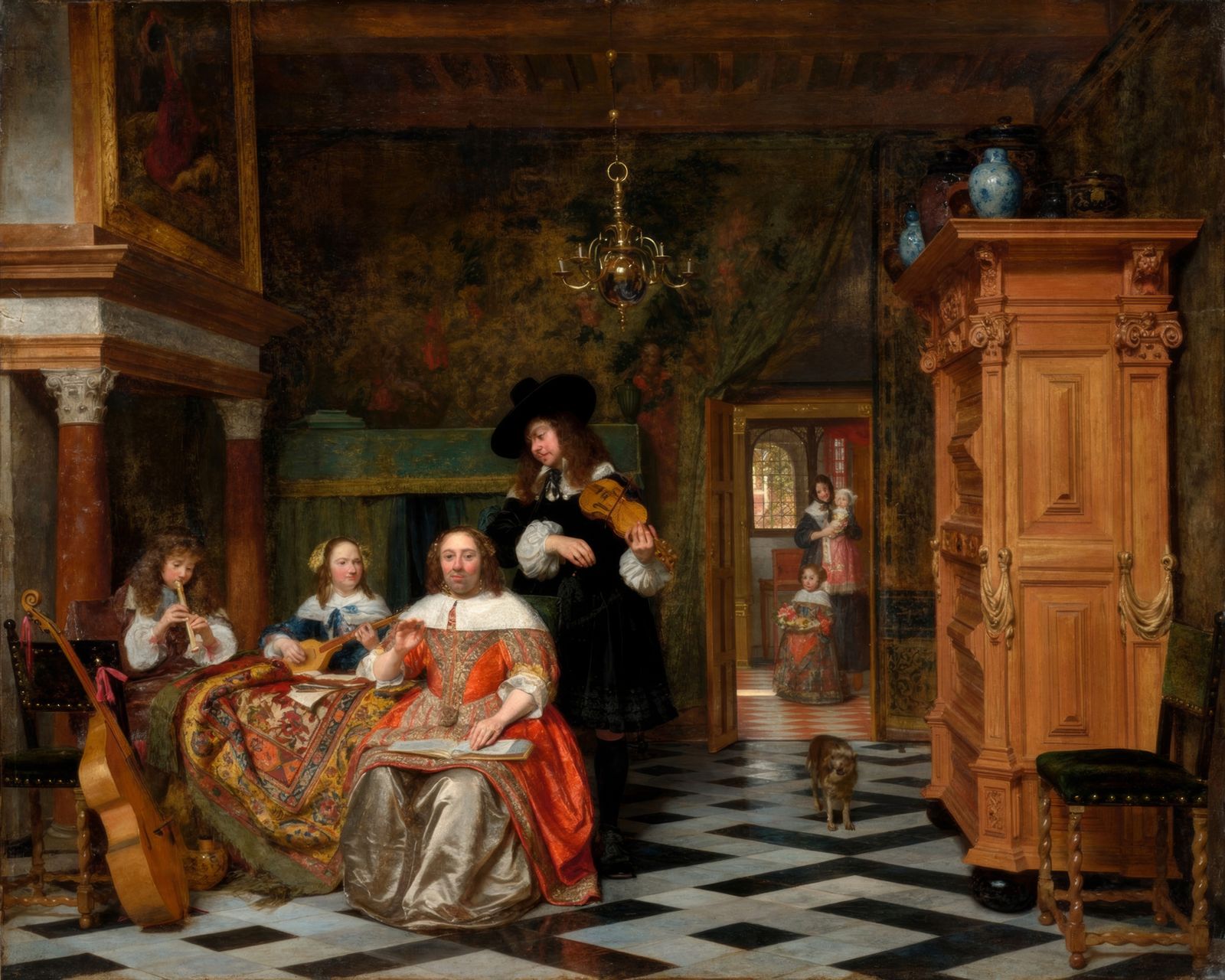
Portrait of a Family Playing Music · Pieter de Hooch · 1663 · Cleveland Museum of Art
De Hooch's music portrait suggests a gift rooted in an activity. Choose a source associated with something your daughter genuinely enjoys, whether or not it was an interest you shared when she was younger. Your note can say what you admire about that part of her life. The portrait need not reproduce equipment or an event to carry the connection.
Explore your portrait · Explore this artwork
8. A place that still feels shared
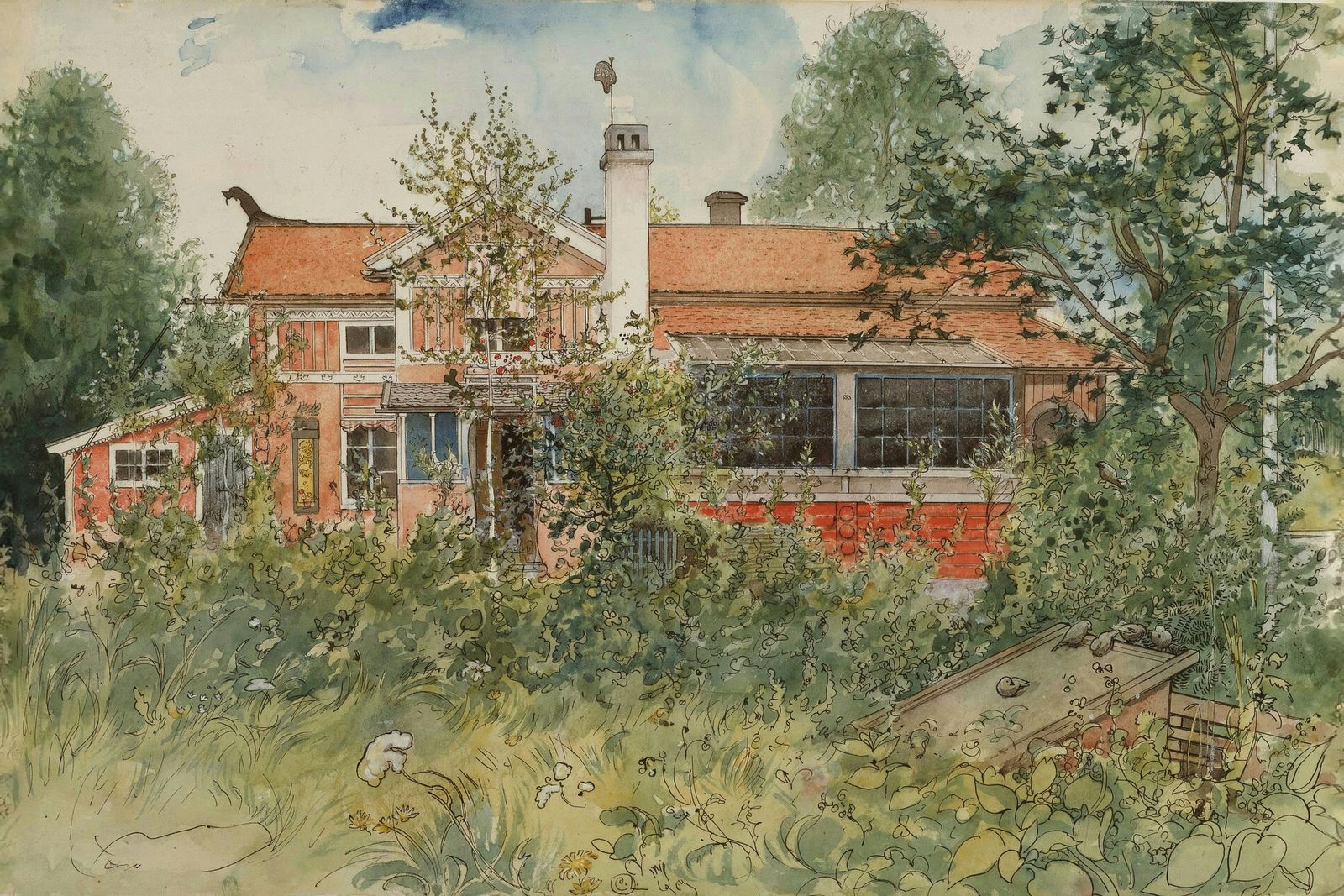
The Cottage (Stugan). From A Home · Carl Larsson · 1899 · Nationalmuseum, Stockholm
Larsson's domestic reference can prompt a photograph associated with a family home or a place you visit together. Be clear whether the gift is about the people or the building. If you choose a portrait, faces and expressions should lead the source selection. The location can be named in the accompanying message without requiring a literal reconstruction from incomplete photographs.
Explore your portrait · Explore this artwork
9. A sibling picture she would choose herself
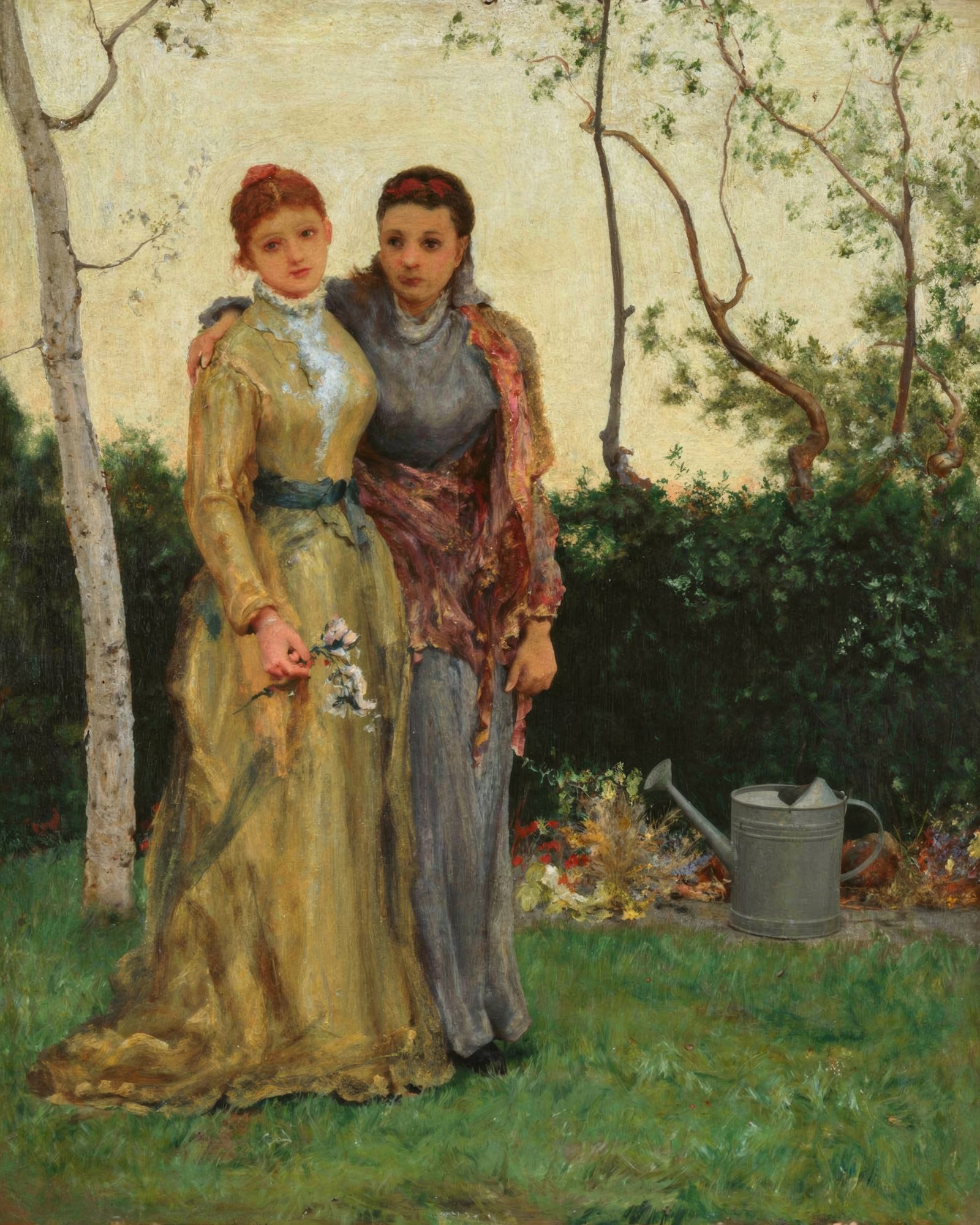
The Sisters · George Inness · 1882 · Art Institute of Chicago
Inness's The Sisters offers a historical reference for a sibling connection. Ask which people your daughter would like included and which photograph they enjoy together. Avoid choosing a family grouping solely because it is traditional. An adult daughter may value a particular sibling relationship, or prefer a portrait of herself; both choices deserve room in the conversation.
Explore your portrait · Explore this artwork
10. A gift that leaves room for a hard chapter
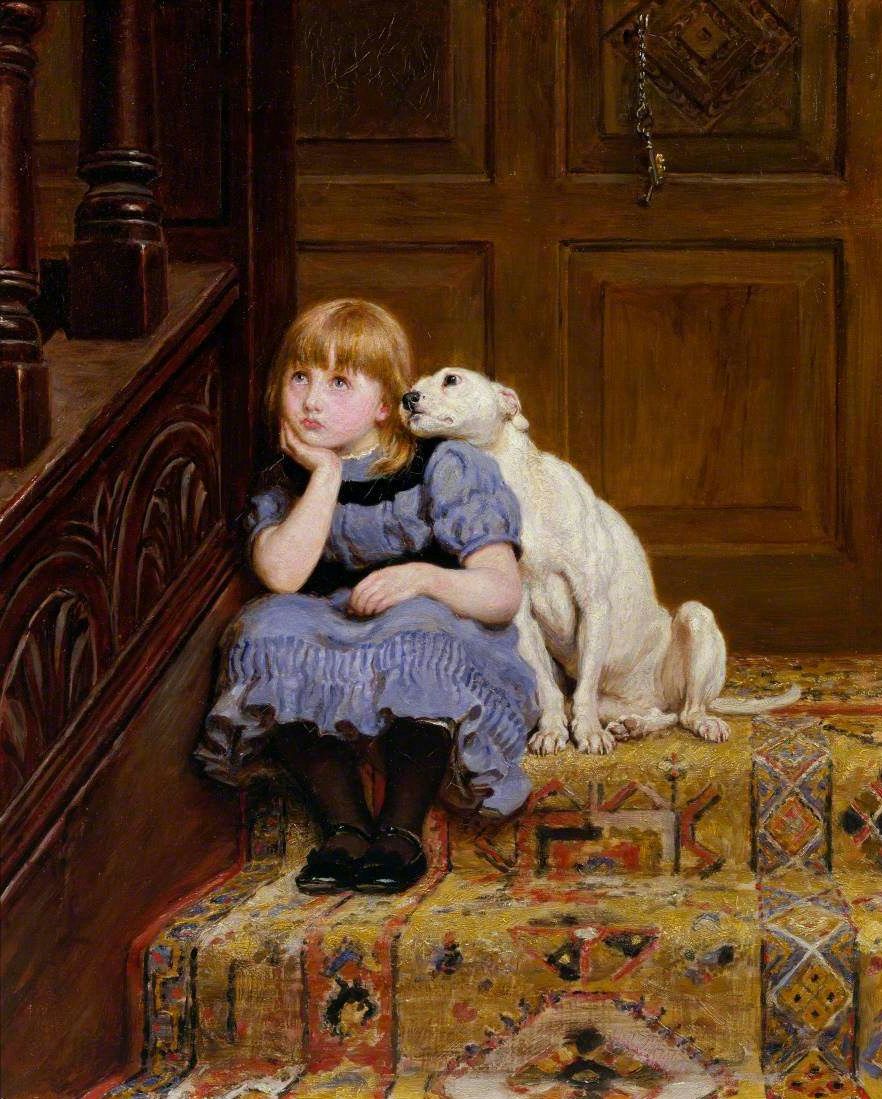
Sympathy · Briton Riviere · 1878 · Royal Holloway, University of London
Rivière's Sympathy can remind you to match the gift's tone to the year your daughter has had. If the portrait is connected with a difficult time, choose an image she finds welcome and keep the message gentle. Do not make the gift an account of how she has overcome everything. She can decide what the memory means and whether to display it.
Explore your portrait · Explore this artwork
Before creating, decide whose photograph this is emotionally. A picture you love may belong to your memories of parenting; a picture she loves may say something different about her life. Neither is wrong, but a gift intended for her should begin with her preference. You can always keep your own favourite separately.
Open the daughter portrait journey to explore the current styles and source guidance. Review the portrait before selecting any available digital or print option, and check the live product information for formats, prices and delivery details. The historical images here are reference points for choosing, not promises about a finished result.
“Gifts for my daughter” becomes a more useful question when it turns into a conversation with her. Choose a clear image, a mood she enjoys and words that recognise the person she has become. The childhood memories can remain part of the gift without becoming its boundary.
- Is a childhood portrait appropriate for an adult daughter?
- Yes, if she likes the photograph and would enjoy keeping it. Ask rather than assuming the image that matters most to you is also her first choice.
- Should the portrait include a parent?
- Only if she would welcome a shared portrait. An individual image, a sibling grouping or a photograph with a pet may better suit her taste.
- What makes the gift personal?
- A source she likes and a specific note about why you chose it. Avoid relying on a general message about daughters when you can write about her actual life.