A first portrait for a new dog owner
gift for new dog owner: Ten gentle starting points for a keepsake from the puppy’s own photograph.
A gift for new dog owner can mark the beginning of a household's new routine without adding another practical object to an already crowded puppy cupboard. A portrait from a first good photograph records the dog as it is now. The important choice is whose photograph to use and when to ask for it: a relaxed picture after the dog has settled is usually more useful than a hurried arrival-day snapshot.
These historical canine works offer ten ways to think about that first portrait. They are references for pose and treatment, not product photographs or promises about a puppy's future appearance. Keep the gift easy to receive. Offer to help choose a clear image, let the owner decide which expression feels right, and check the current ordering options together. The dog does not need to perform for its present.
1. Record the first settled moment
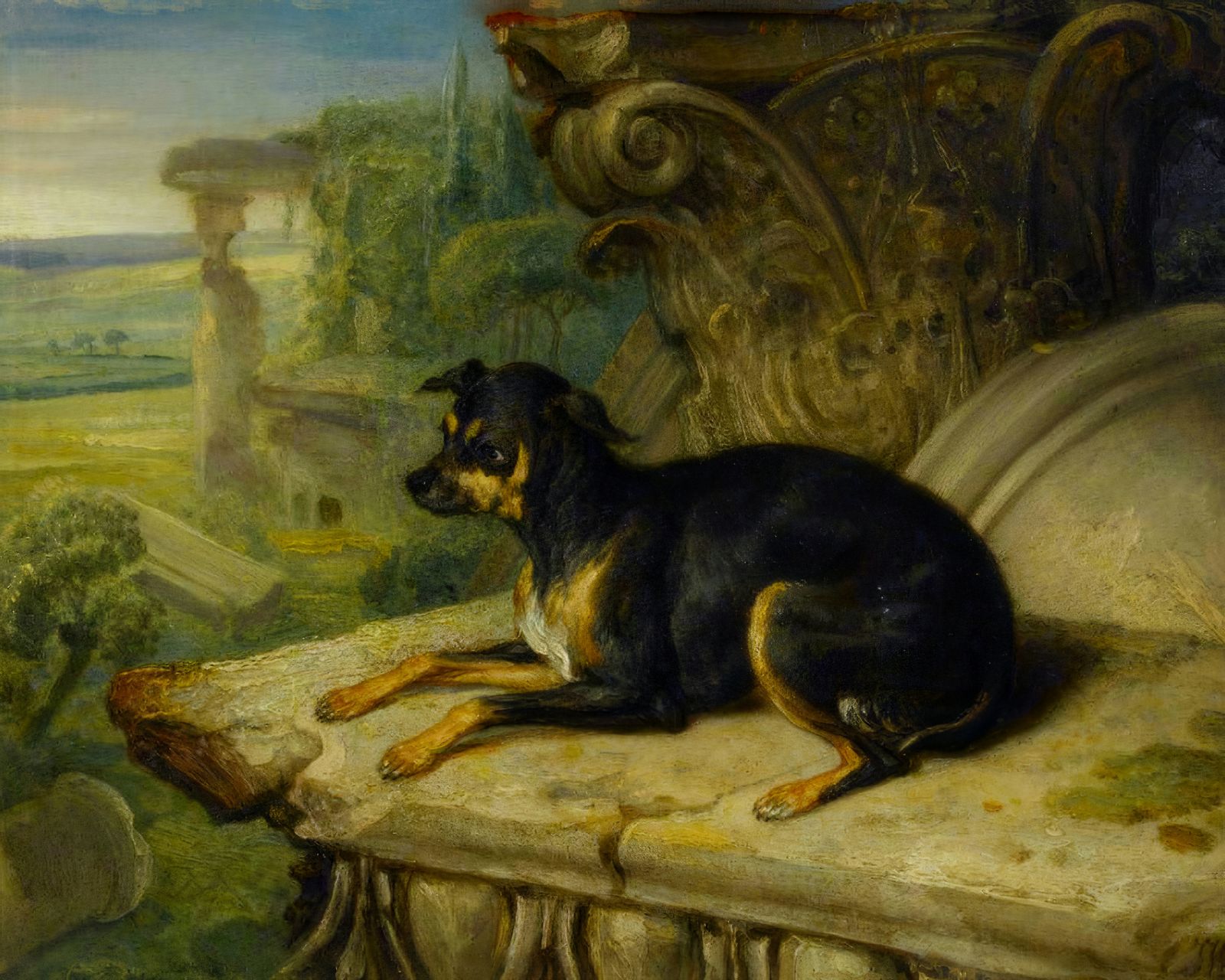
'Fanny', a Favourite Dog · James Ward · 1822 · Sir John Soane's Museum, London
The first quiet photograph may be more memorable than the first day. Choose a portrait treatment that leaves room for a natural seated or standing pose, and ask the owner which picture already feels characteristic. A named favourite in a historical work is a useful starting point for taking a new dog seriously as an individual. Avoid deciding that a frightened arrival-day expression should become the permanent record.
Create a portrait in this style · Explore this artwork
2. Make an attentive face the subject
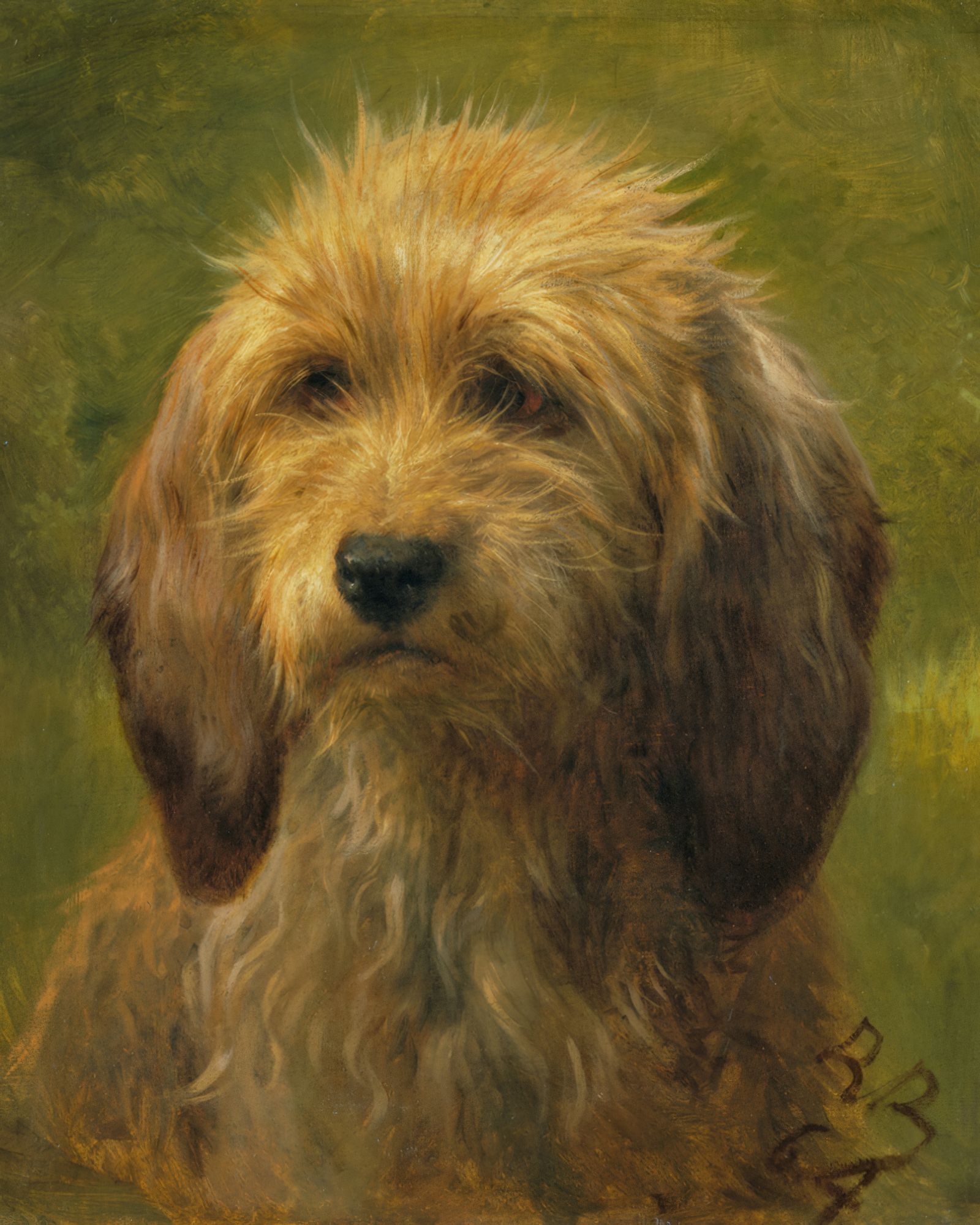
Brizo the dog · Rosa Bonheur · 1864 · Wallace Collection, London
For a puppy that seems to listen with its whole head, look for an image with the eyes visible and a clear turn of the muzzle. Use this canine study to compare how much attention the portrait gives the face. A tiny image sent through several messaging apps may have lost detail. Ask for the original photograph when possible, without asking the owner to stage a new photo session.
Create a portrait in this style · Explore this artwork
3. Keep the puppy alongside its older companion
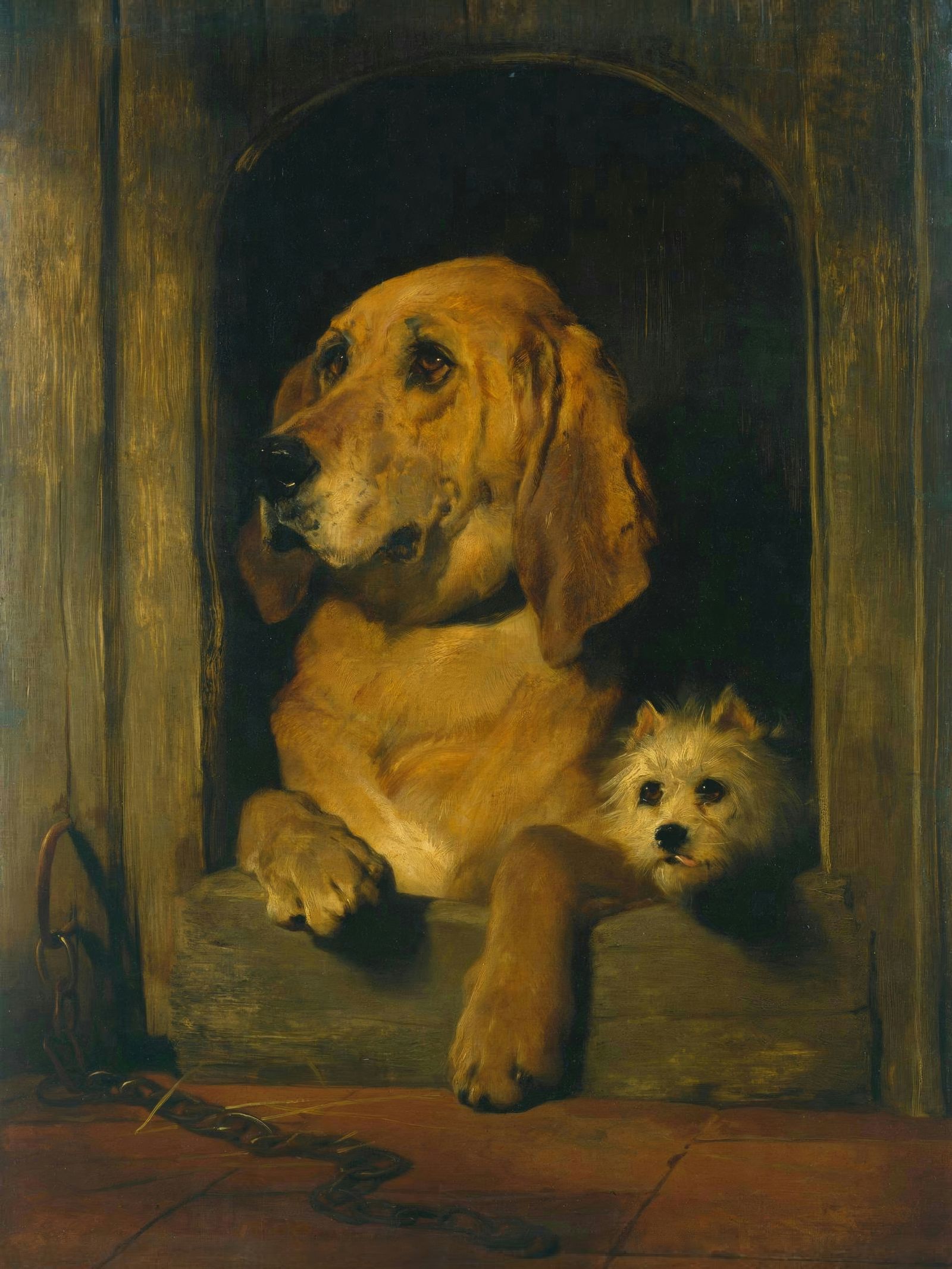
Dignity and Impudence · Edwin Landseer · 1839 · Tate, London
A household with an established dog may value a pair of portraits more than a single gift. Check the chosen style's subject limits and give each animal its own clear reference if separate portraits are needed. The older dog should not become scenery for the newcomer. Related sizes and frames can connect the two images while keeping their very different ages and personalities visible.
Create a portrait in this style · Explore this artwork
4. Remember the shape before it changes
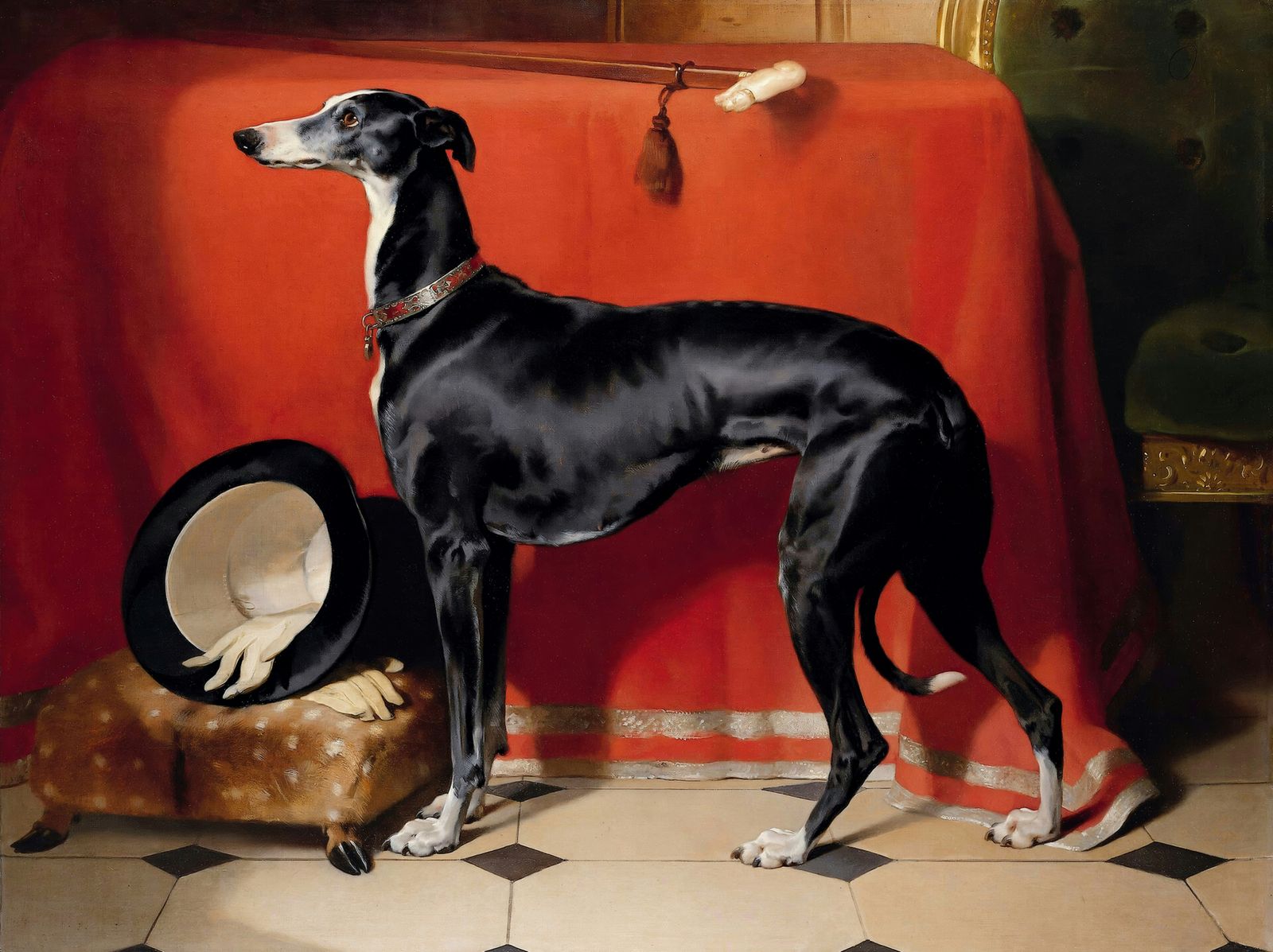
Eos · Edwin Landseer · 1841 · Royal Collection
Puppy proportions are part of what makes an early photograph worth keeping. Choose a full-body reference when the long legs, large paws or uncertain stance are the memory. Keep the whole outline inside the frame. A distant or cropped picture cannot show what is outside it, so choose from the owner's existing photos before settling on a portrait composition that demands more information.
Create a portrait in this style · Explore this artwork
5. Give a large-breed puppy room
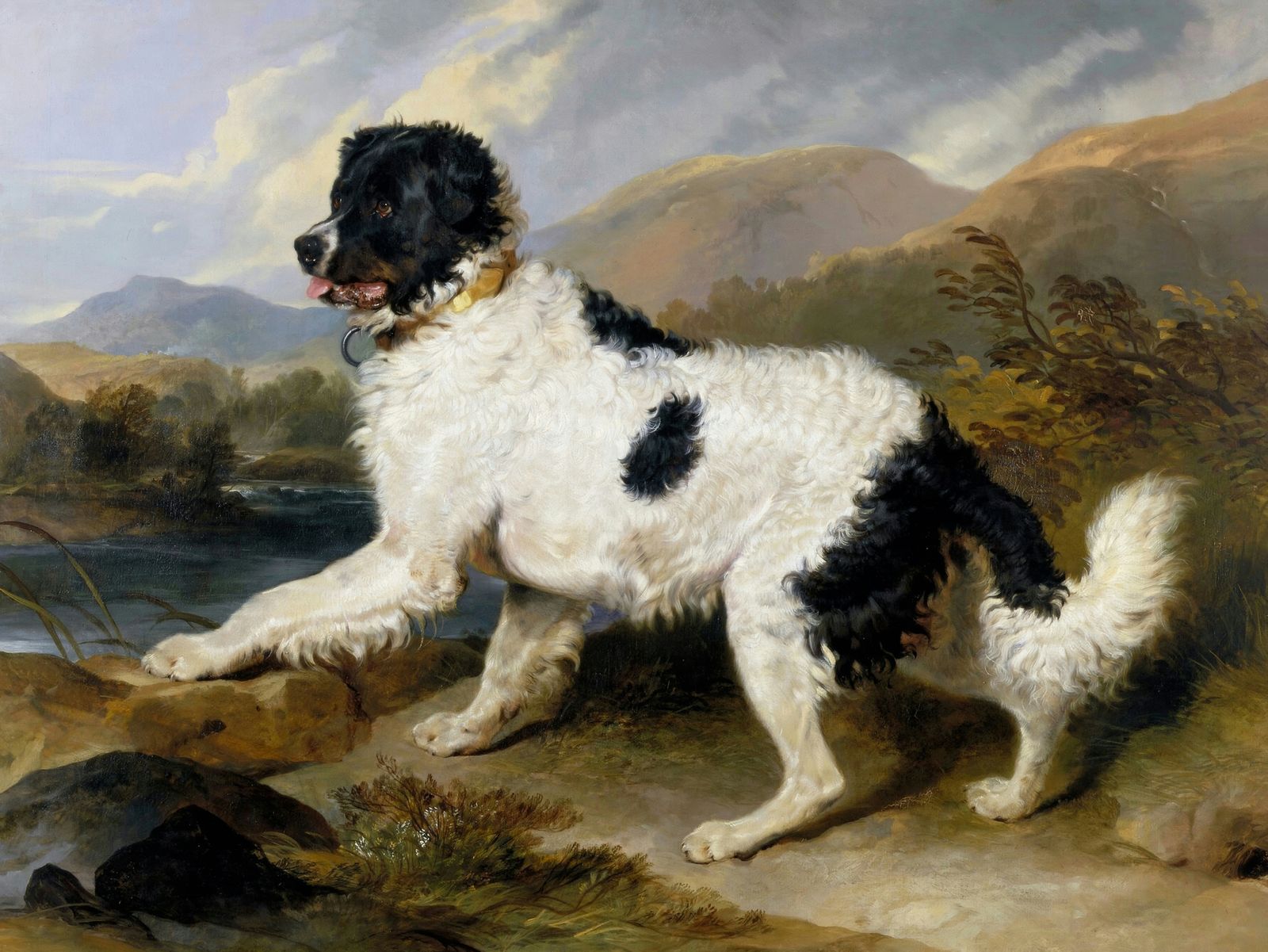
'Lion', a Newfoundland Dog · Edwin Landseer · 1824 · Victoria and Albert Museum, London
A puppy expected to become large still deserves a portrait of its present self. This large historical dog suggests how a composition can give an animal weight, but your reference should keep the puppy's current build. Avoid claims about adult size or future looks. A clear present-tense portrait is a record of the beginning, which is exactly why it may matter later.
Create a portrait in this style · Explore this artwork
6. Choose the nap the owner already loves
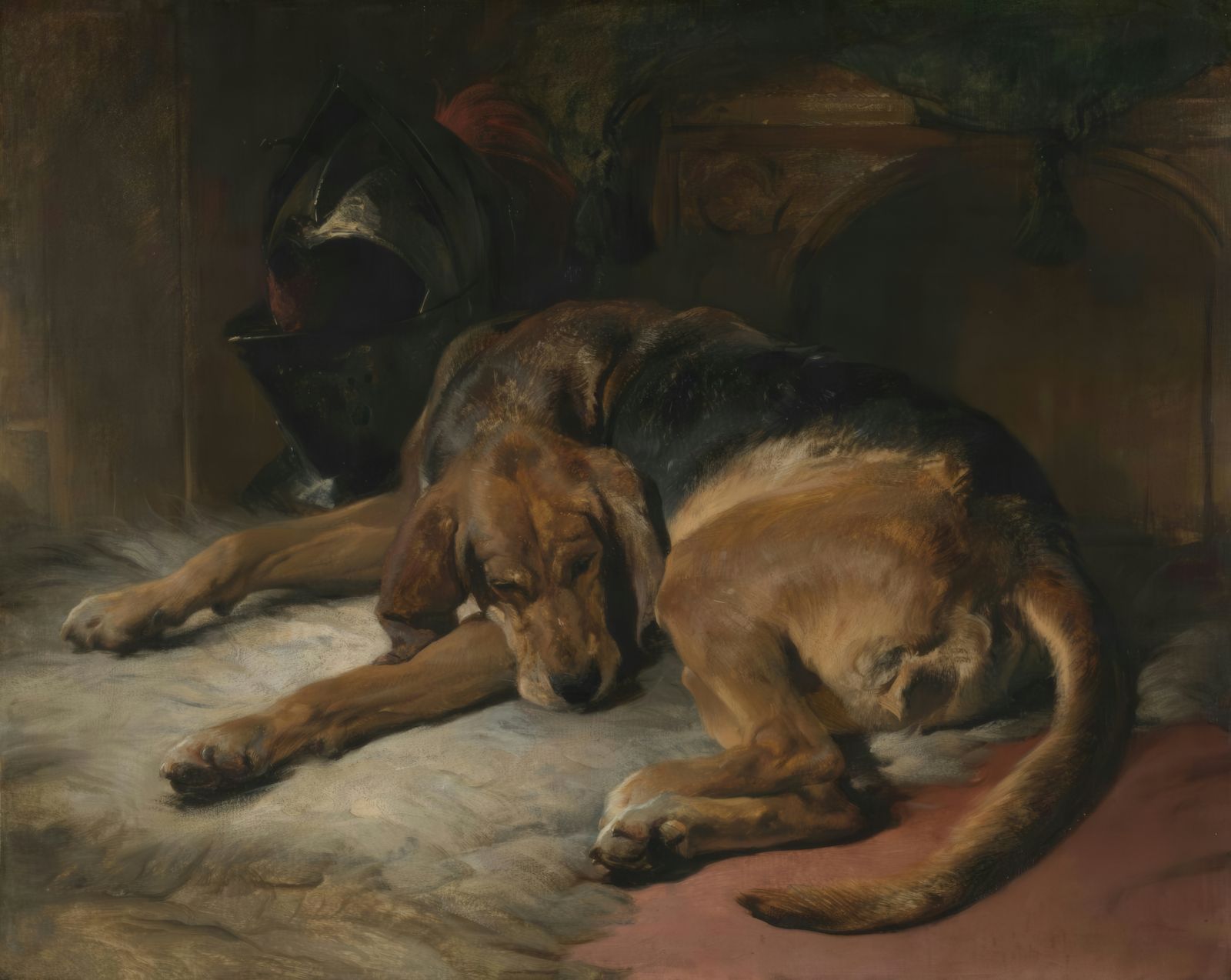
Sleeping Bloodhound · Edwin Landseer · 1835 · Tate, London
New owners often collect sleeping photographs because that is when a puppy is briefly still. A resting portrait can be a thoughtful choice if the face and body remain visible. Check that a dark basket or blanket has not swallowed the dog's outline. The gift should recall a real domestic moment, not ask an active young animal to hold an unfamiliar pose for a camera.
Create a portrait in this style · Explore this artwork
7. Think ahead to a second portrait
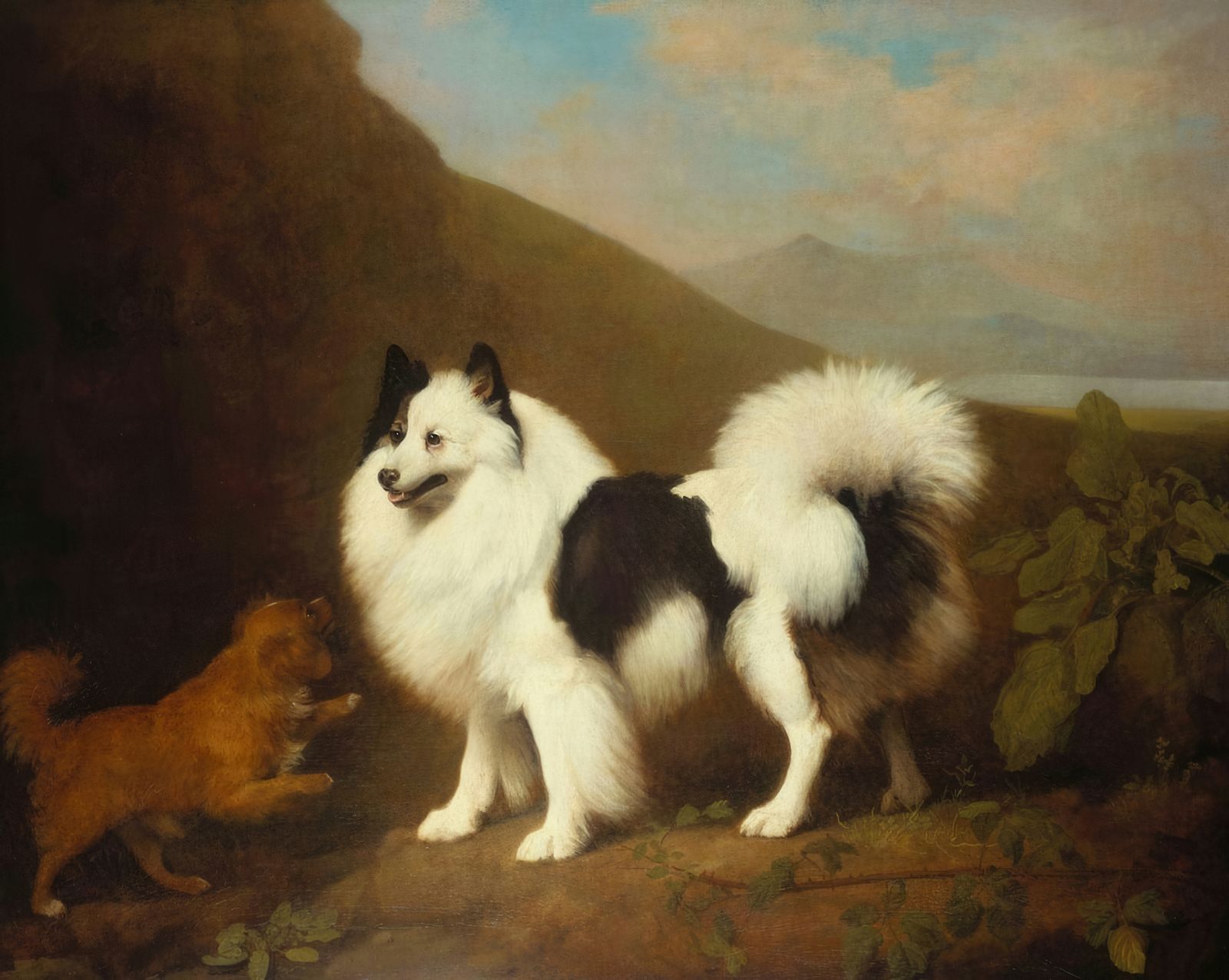
Fino and Tiny · George Stubbs · 1791 · Royal Collection
A first portrait can leave space for a later companion on the wall. Choose a size and presentation that the owner could repeat rather than a novelty layout tied to one date. A historical work with two animals is a useful prompt to think about relationships, even if you order separate single-pet portraits. The future addition can remain an idea; there is no need to buy it now.
Create a portrait in this style · Explore this artwork
8. Protect a pale puppy from harsh light
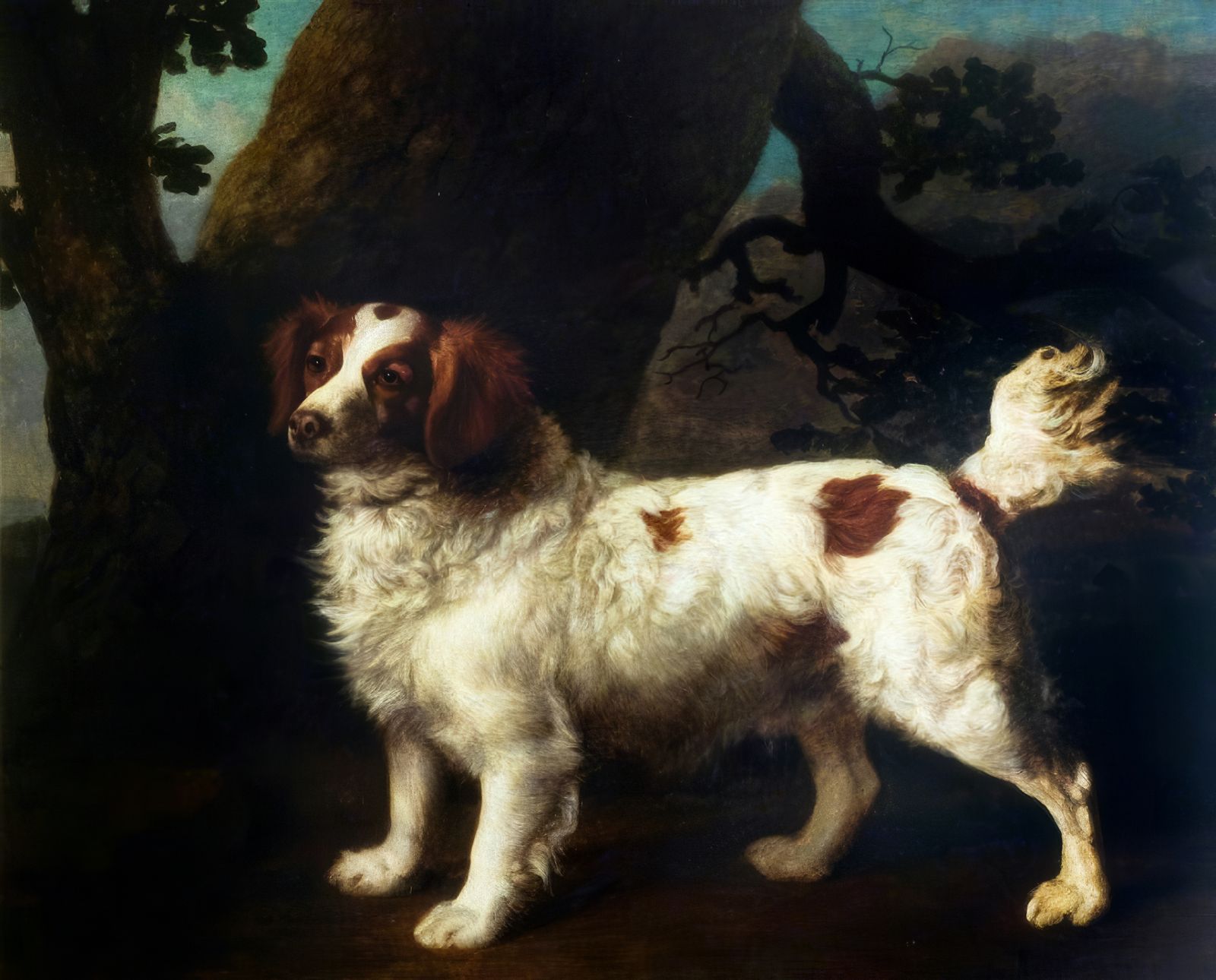
A Clumber Spaniel · George Stubbs · 1784 · Usher Gallery, Lincoln
White or cream fur needs detail in the reference. Ask for a photograph made in soft daylight rather than under direct flash or against a bright window. This pale-coated comparison helps identify the issue without substituting another breed for the puppy. The portrait should have enough tonal information to distinguish ears, chest and paws, especially when the animal's markings are subtle.
Create a portrait in this style · Explore this artwork
9. Choose the first favourite place
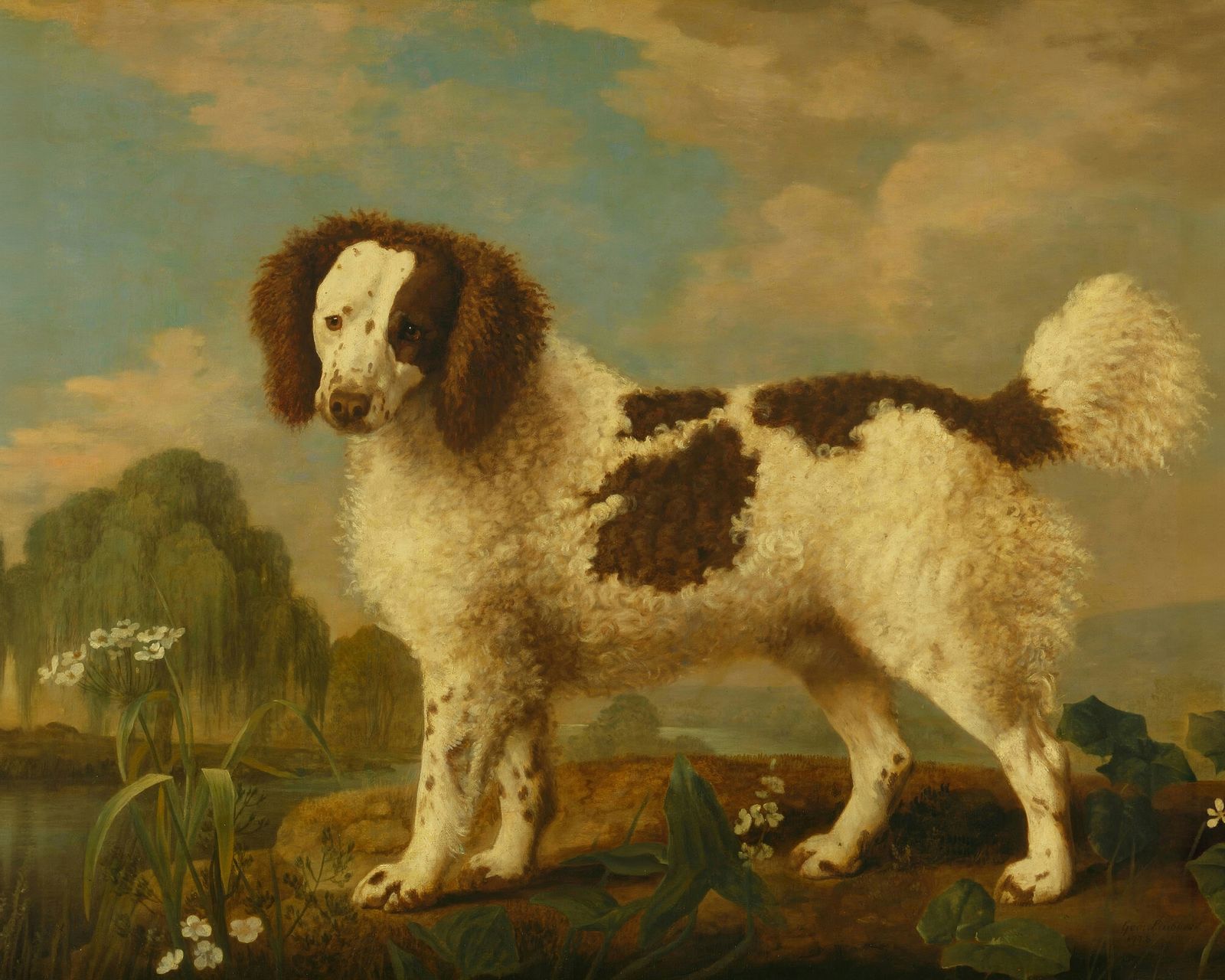
Brown and White Norfolk or Water Spaniel · George Stubbs · 1778 · Yale Center for British Art
Once the dog has settled, the owner may already know its preferred corner, garden step or patch of grass. An outdoor or full-body portrait can quietly record that attachment. Select a calm moment with a clear face rather than a blurred action shot. The place does not need to be famous or picturesque. Its importance comes from the ordinary routine beginning around it.
Create a portrait in this style · Explore this artwork
10. Let the owner choose the last detail
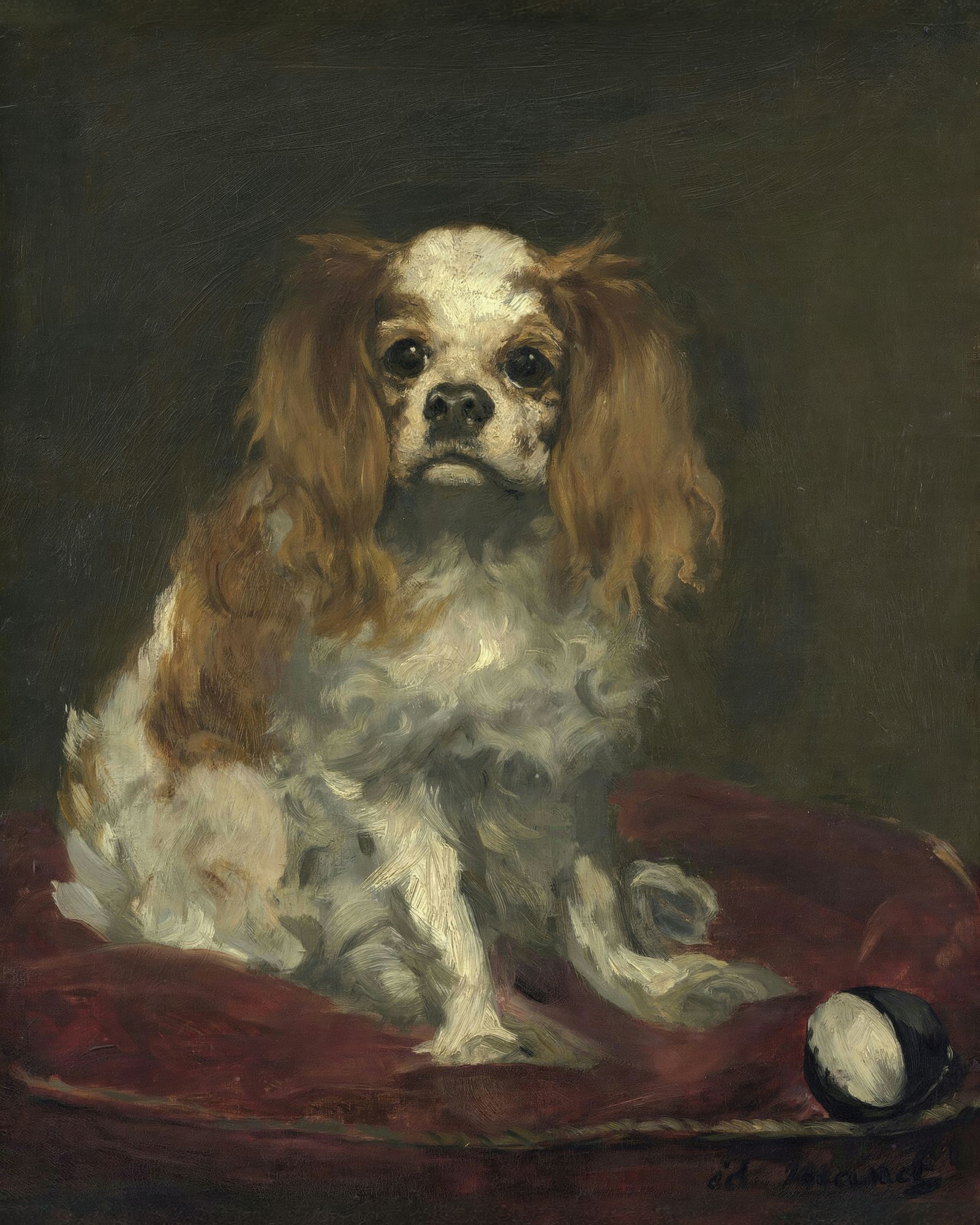
A King Charles Spaniel · Édouard Manet · c. 1866 · National Gallery of Art, Washington
A gift for a new puppy owner works best when it leaves a little room for taste. Offer a shortlist of two treatments and a photograph you think will work, then let the owner decide. This smaller canine work is one comparison for a less imposing approach. Check the current preview and print choices together, especially if the portrait will go into a small first home.
Create a portrait in this style · Explore this artwork
The most useful part of this gift may be your help with the small decisions. Ask for an original photograph, choose a fitting style, and review the portrait before selecting a print. Add a note naming the day or the place in the photograph if the owner would like that memory recorded. For someone still learning a new dog's habits, keeping the process calm matters more than making the present a surprise. Start with the dog they have just welcomed, and let the portrait follow its character.
- Is a portrait a practical gift for a new puppy owner?
- It can be a thoughtful keepsake once the owner has a photograph they like. Ask first if they would enjoy choosing a portrait. During the first busy days, practical help may be more welcome than another decision.
- Should I use an arrival-day photograph?
- Only if it is clear and the owner likes the expression. A calm photograph taken later can feel more representative. Preserve the original image file and check the eyes, coat and outline before choosing the style.
- Can I order without choosing a print immediately?
- Follow the available options in the live creation flow and review what is included before paying. Do not assume a particular digital or physical format is included. Current choices and prices are shown there.