A personalized tarot card, from a reflective reading to a portrait
personalized tarot card: Ten historical Marseille cards as prompts for symbolism, consent and a clear next step.
A personalized tarot card is often a wish to see yourself inside the visual language of an old deck. Fable approaches that through a reading and a personal portrait experience. Begin with the live tarot route to understand the current offer, then decide whether to continue with a photograph and a purchase. Tarot is a symbolic tradition for reflection, not a way to predict the future or define your identity permanently.
The ten images below are original historical Marseille cards by Jean-Pierre Payen from Yale's Cary Collection, not customer portraits or previews of what you will receive. They offer ways to think about symbols and self-representation. A custom tarot card portrait is a new personal artwork; it should not be mistaken for an antique card or a guaranteed copy of one of these images. The linked reading route keeps the Marseille deck context.
1. The Fool: leave room for a beginning
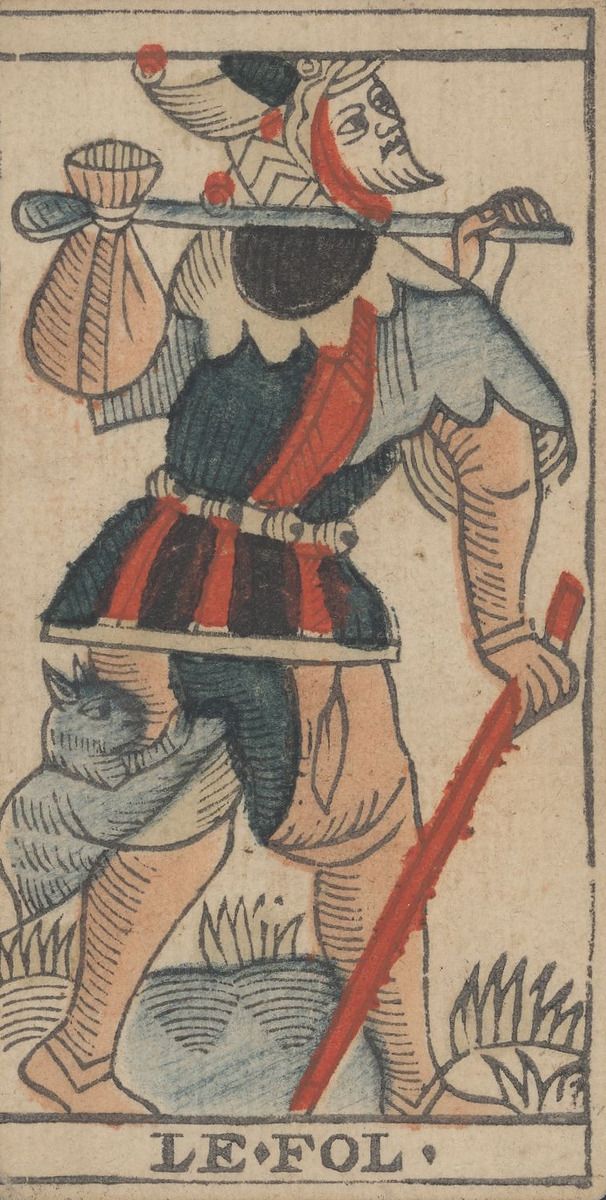
The Fool · Jean-Pierre Payen, Tarot de Marseille, blocks dated 1713 · Cary Collection of Playing Cards (FRA166), Beinecke Rare Book and Manuscript Library, Yale University
The Fool can be approached as an image that prompts questions about beginning, movement or uncertainty. Those are possible reflections, not predictions about your next step. A personalised portrait should leave room for your own response rather than assigning you a permanent role. The historical Payen card shown here is a reference for the deck's visual language; begin the reading to see the current experience and offer.
Begin a reflective tarot reading
2. The Magician: think about what you bring
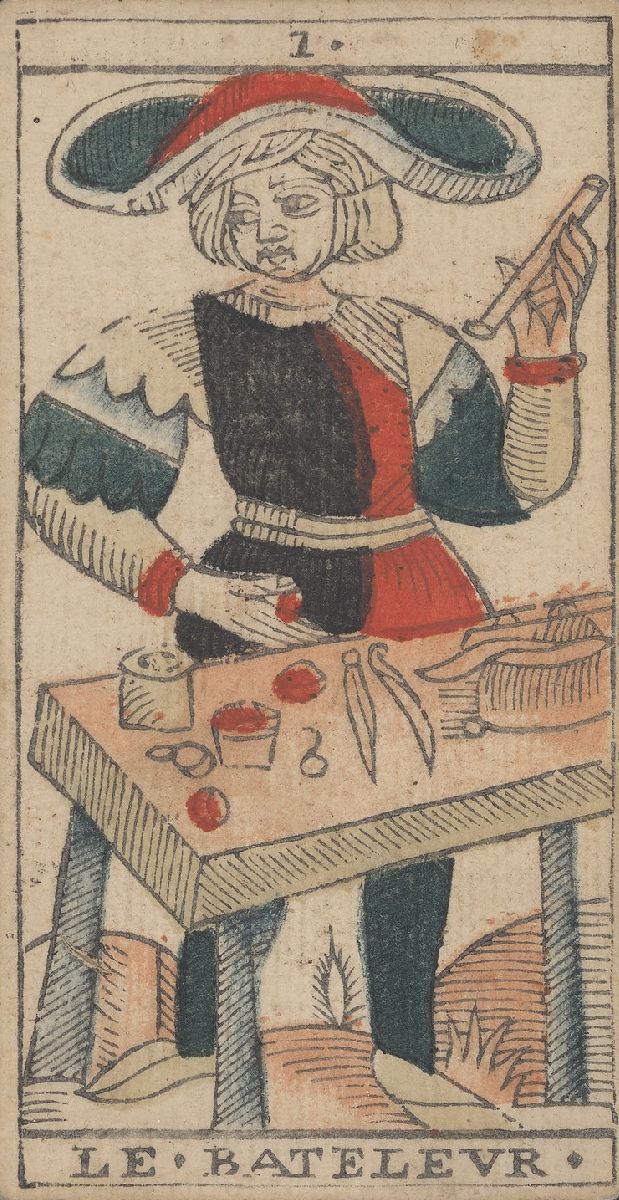
The Magician · Jean-Pierre Payen, Tarot de Marseille, blocks dated 1713 · Cary Collection of Playing Cards (FRA166), Beinecke Rare Book and Manuscript Library, Yale University
A symbolic figure can invite you to consider attention, skill or the tools already at hand. It does not prove that you possess a particular power. If you want a portrait after the reading, use a clear photograph and follow the live guidance. The historical image remains a card from the old deck. Your portrait is a separate new work connected to the reading experience described on the site.
Explore the reading and portrait
3. The Popess: allow a private interpretation
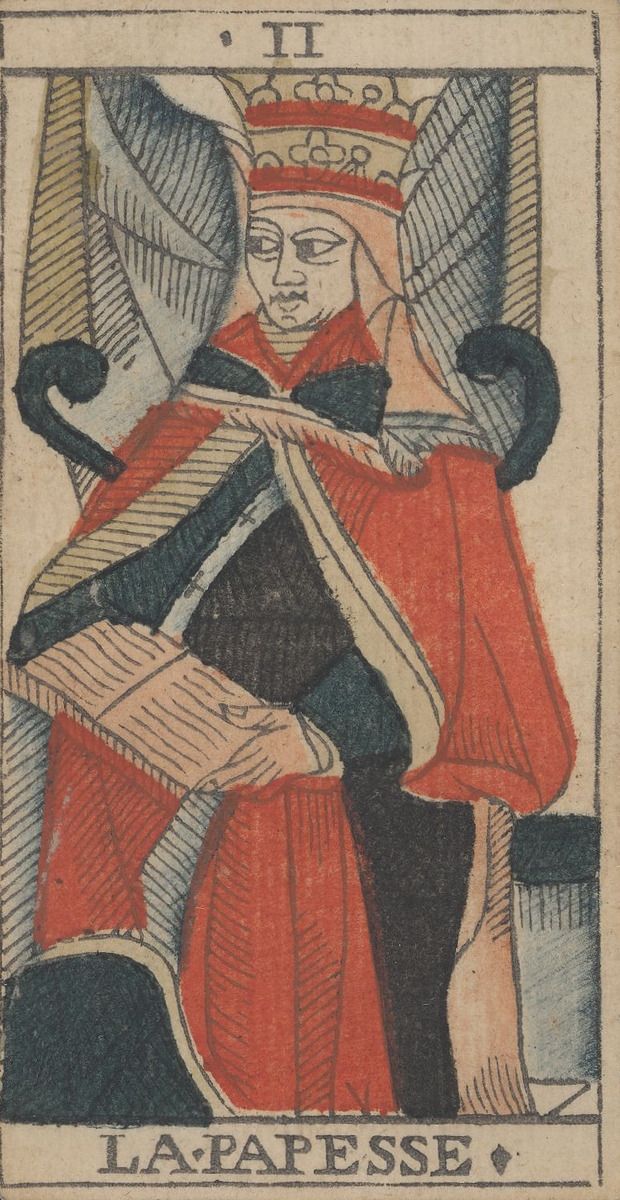
The Popess · Jean-Pierre Payen, Tarot de Marseille, blocks dated 1713 · Cary Collection of Playing Cards (FRA166), Beinecke Rare Book and Manuscript Library, Yale University
A card may suggest inwardness or a question you would rather keep to yourself. You do not have to make that private meaning public in a portrait gift or on a wall. Read the experience at your own pace and decide what you want to retain. The historical title belongs to this particular card; it should not be used as a fixed label for the person appearing in a new portrait.
Explore your own tarot experience
4. The Empress: choose symbols without becoming a stereotype
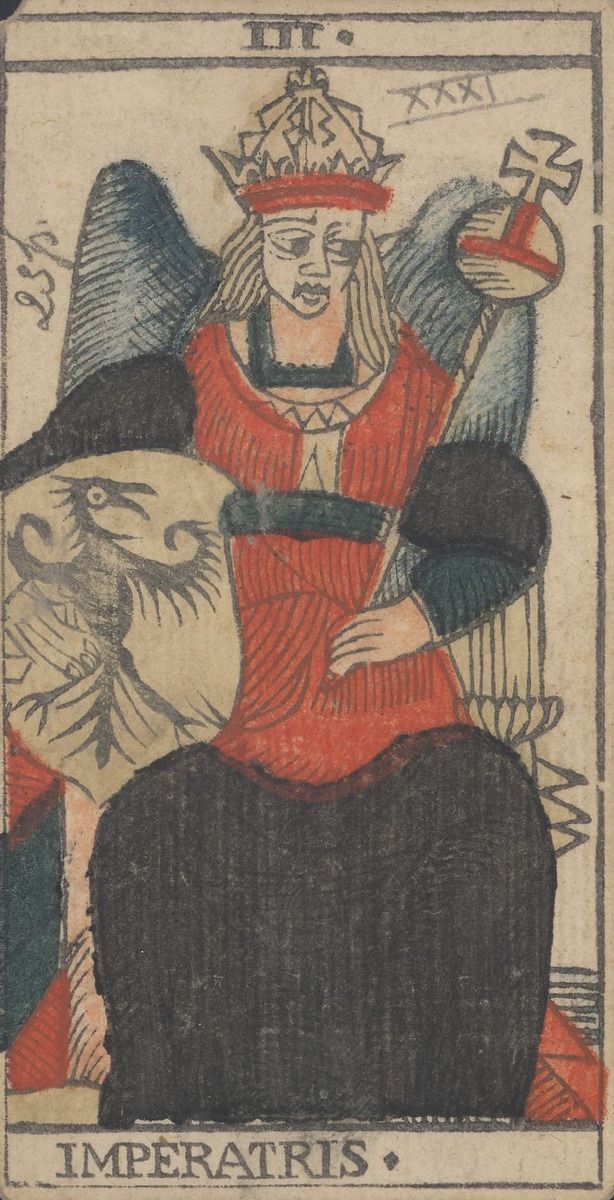
The Empress · Jean-Pierre Payen, Tarot de Marseille, blocks dated 1713 · Cary Collection of Playing Cards (FRA166), Beinecke Rare Book and Manuscript Library, Yale University
A richly named figure can prompt many associations, but the person receiving a portrait remains more than a role. Avoid treating a card as a compulsory description of gender, family life or temperament. A thoughtful custom image begins with consent and a clear reference photograph. The original card is shown as historical context, while the live flow explains how the reading and personal portrait are offered now.
5. The Emperor: distinguish a role from a person
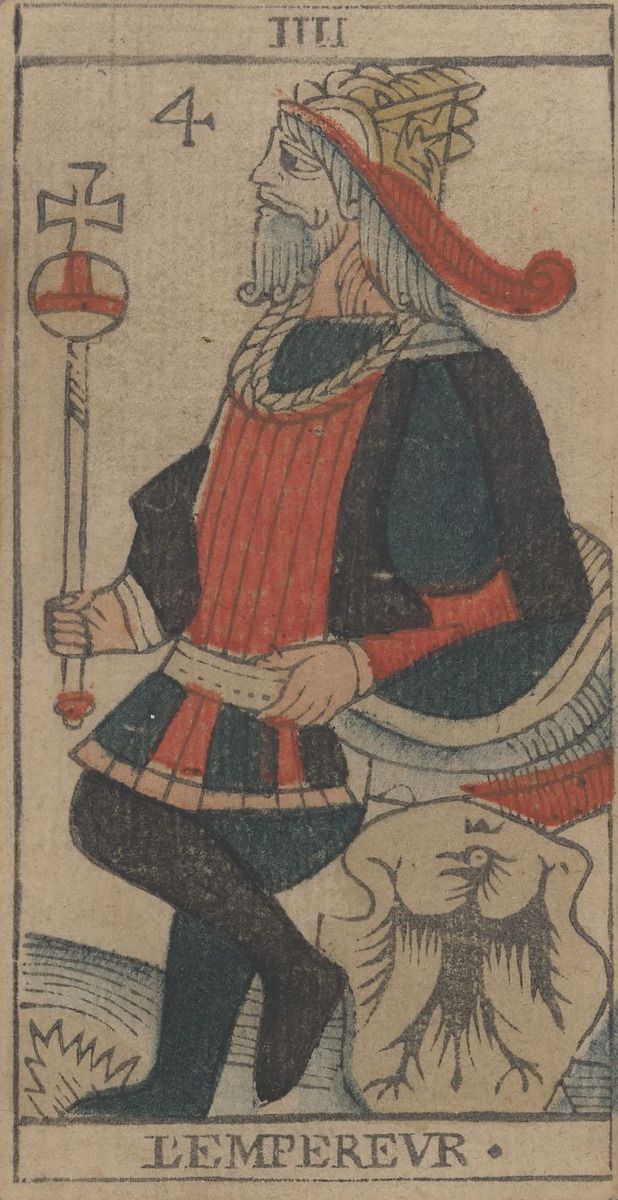
The Emperor · Jean-Pierre Payen, Tarot de Marseille, blocks dated 1713 · Cary Collection of Playing Cards (FRA166), Beinecke Rare Book and Manuscript Library, Yale University
Authority or structure may be useful topics for reflection, but a card does not certify status or tell someone how to behave. Keep that openness when choosing a portrait for yourself or as a gift. The historical imagery belongs to its deck and period. Your own photograph supplies the person, and the reading experience explains the current portrait offer without promising a literal reconstruction of this card.
6. The Hermit: make space to look slowly
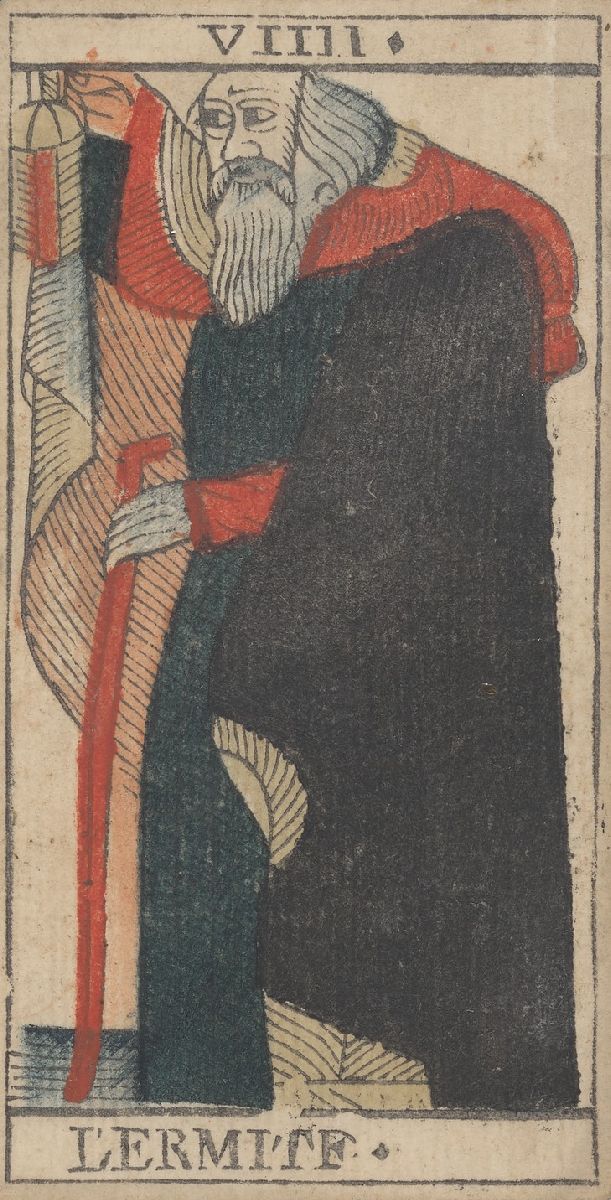
The Hermit · Jean-Pierre Payen, Tarot de Marseille, blocks dated 1713 · Cary Collection of Playing Cards (FRA166), Beinecke Rare Book and Manuscript Library, Yale University
A quieter card can suggest the value of taking time, including time to decide whether a portrait is something you want. There is no need to interpret a reflective experience as a deadline or instruction. If you continue, review the available preview and purchase details carefully. The historic card pictured here remains a separate source image, not a sample of a customer order or a prediction of solitude.
7. Strength: keep the animal an animal
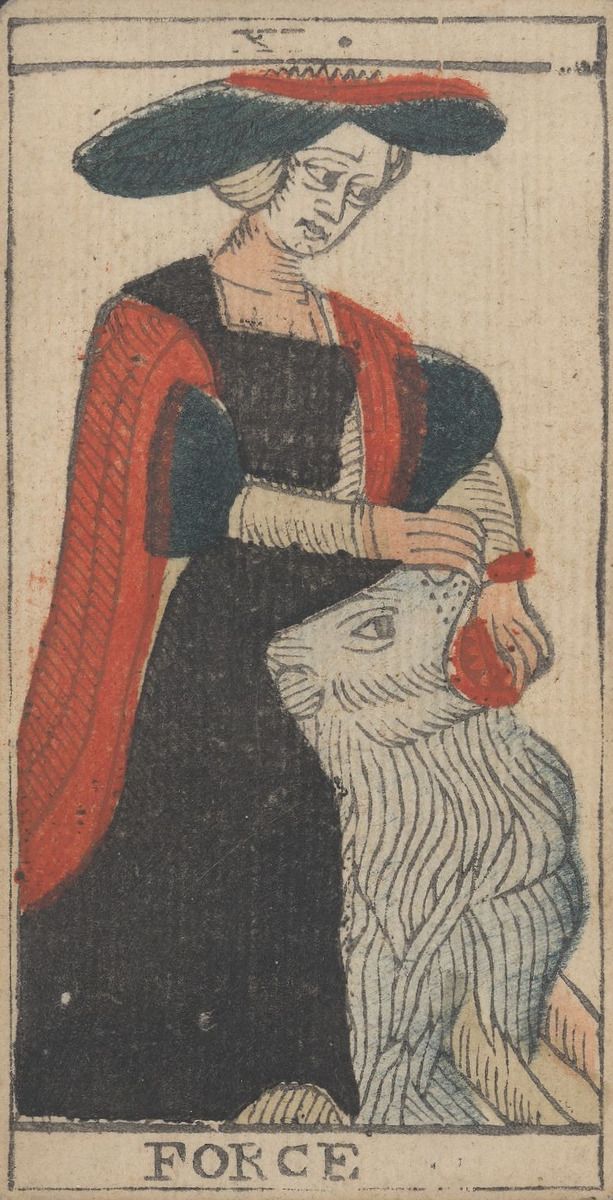
Strength · Jean-Pierre Payen, Tarot de Marseille, blocks dated 1713 · Cary Collection of Playing Cards (FRA166), Beinecke Rare Book and Manuscript Library, Yale University
The relationship between figures in a historical card can prompt a question about patience or self-command. It should not become a claim that an image changes what will happen to you. If a personal portrait uses symbolic imagery, judge it as a new artwork rather than a factual record of an event. The historical card shown here is useful for looking at the deck, not for promising exact elements in your result.
Explore the portrait experience
8. The Star: keep hope open-ended
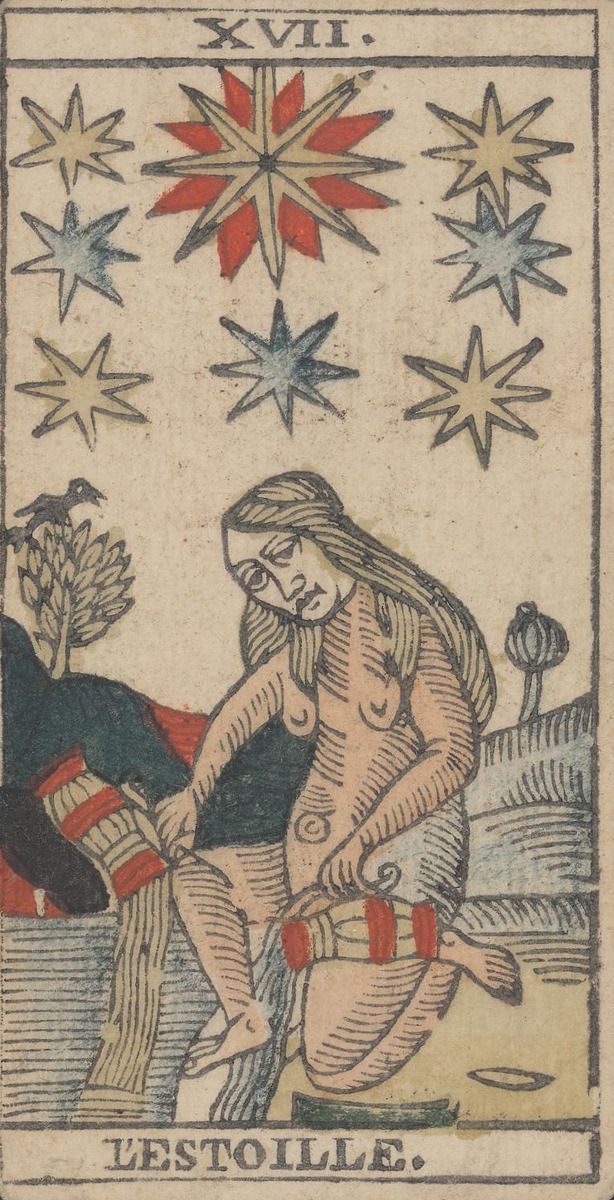
The Star · Jean-Pierre Payen, Tarot de Marseille, blocks dated 1713 · Cary Collection of Playing Cards (FRA166), Beinecke Rare Book and Manuscript Library, Yale University
A hopeful association can be welcome without becoming a promise. Let a reading offer language for reflection, then use your own judgement about whether it resonates. For a portrait gift, ask whether the recipient would enjoy taking part rather than choosing a symbolic identity for them. The Payen card is a historical reference; the personal image and current purchase offer are explained separately in the reading flow.
Begin a personal tarot reading
9. The Moon: allow uncertainty to remain
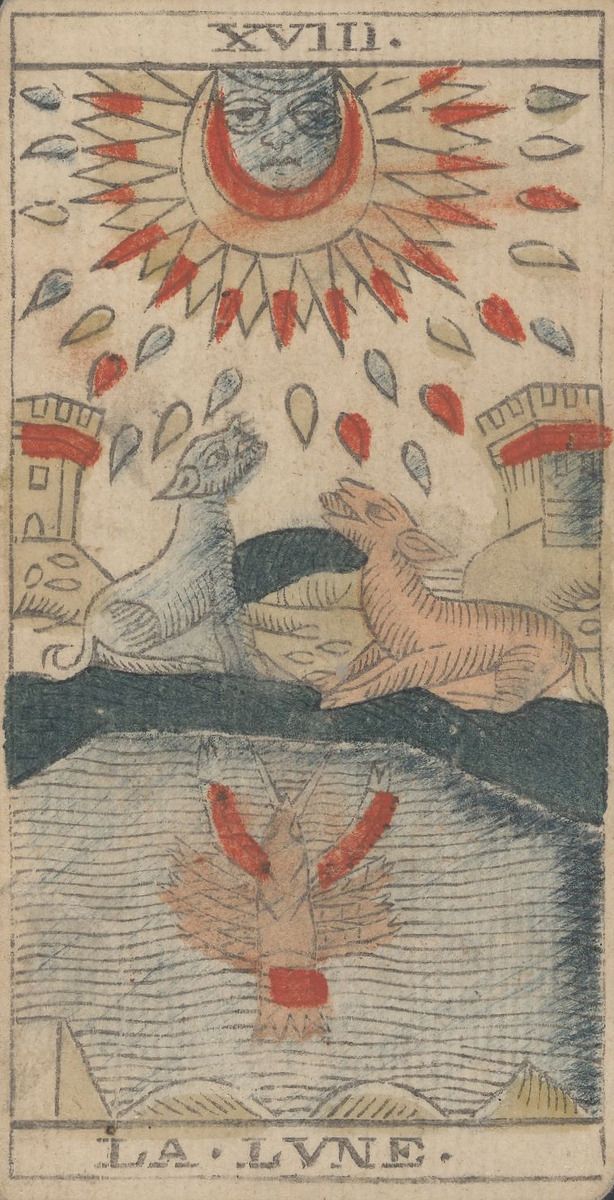
The Moon · Jean-Pierre Payen, Tarot de Marseille, blocks dated 1713 · Cary Collection of Playing Cards (FRA166), Beinecke Rare Book and Manuscript Library, Yale University
A card with an uncertain or nocturnal mood need not be alarming. It can invite a question rather than deliver a verdict. Do not use a portrait to tell someone what they are supposedly hiding or what will happen to them. If you enjoy the image's symbolism, explore the reading route and decide what to keep after reviewing the experience. The old card remains accurately identified in its caption.
Explore the reading at your pace
10. The Sun: choose the image you want to live with
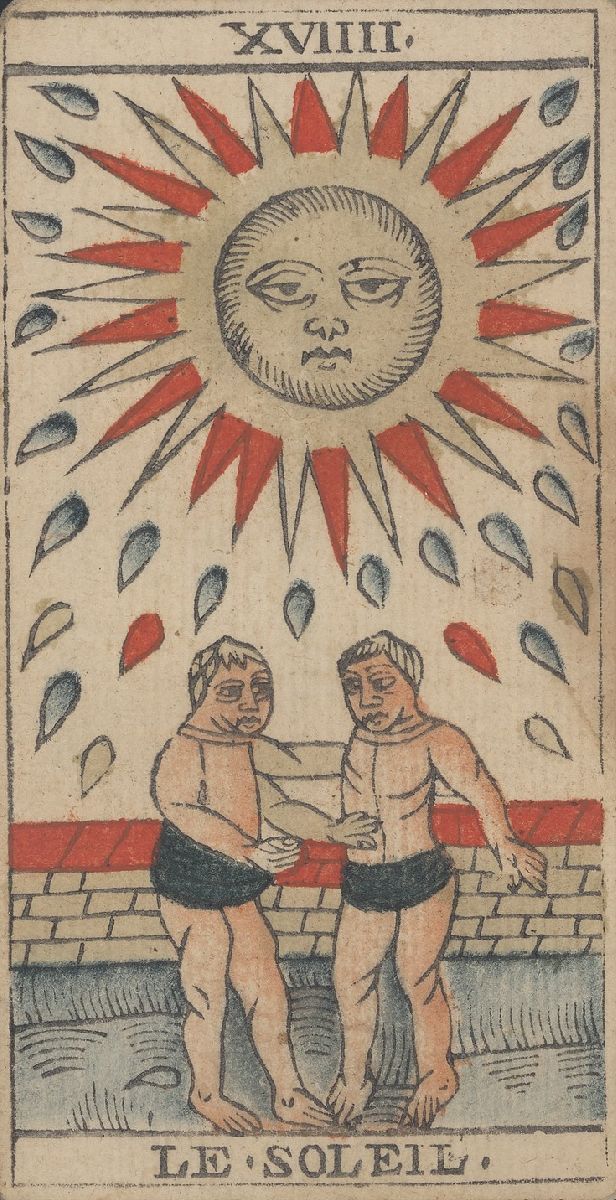
The Sun · Jean-Pierre Payen, Tarot de Marseille, blocks dated 1713 · Cary Collection of Playing Cards (FRA166), Beinecke Rare Book and Manuscript Library, Yale University
A bright association may be appealing, but the final portrait should be judged as an image as well as a symbolic response. Look at the face, composition and overall feeling before deciding on any purchase. Check what the current offer includes and which formats are available. The historical Sun is not a guarantee that every person will receive this exact card, pose or arrangement in their own portrait.
Explore a reading and personal portrait
Begin with your own intention in the tarot experience, keeping the reading's symbolic nature in mind. If you continue towards a personal portrait, follow the photo guidance, inspect the result and read the current offer before paying. For a gift, let the recipient take part and choose what personal meaning they want to share. A tarot card portrait can be a playful or reflective work of self-representation. It need not claim to predict a future, confer a role or replace the person's own judgement about their life.
- Will my portrait be identical to one of these old cards?
- No exact reconstruction is promised here. These are historical Payen cards used as references for the deck’s visual language. The live reading flow explains the personal portrait experience and lets you review the current offer before purchase.
- Is a personalized tarot portrait a prediction?
- No. Fable treats tarot as a symbolic tradition for reflection. A portrait is a new personal artwork connected to that experience, not evidence of a future event or a permanent definition of the person.
- Can I give a custom tarot card portrait to someone else?
- Ask whether they would enjoy taking part. Let them choose their own intention and what personal information or photograph to provide. A gift should invite their interpretation rather than assigning them a symbolic identity without their involvement.