A new home Christmas card with a place at its centre
Ten approaches to a new home Christmas card, from a clear house photograph to a message that helps people find you.
A new home Christmas card has two jobs: send a greeting and tell people something useful about the move. It can also hold a picture of the place where the next part of your life is beginning. Start with a clear photograph of the house, if that is the subject you want, and keep the information separate enough that the card remains easy to read.
The historical house portraits below are references for choosing a mood, not depictions of your new address or promises about card availability. Explore a house portrait direction, then check the current card flow for using your image. If you prefer a masterwork card, the Christmas gallery offers a direct alternative. Do not publish a private address in a public greeting or social-media version.
1. The recognisable front of the house
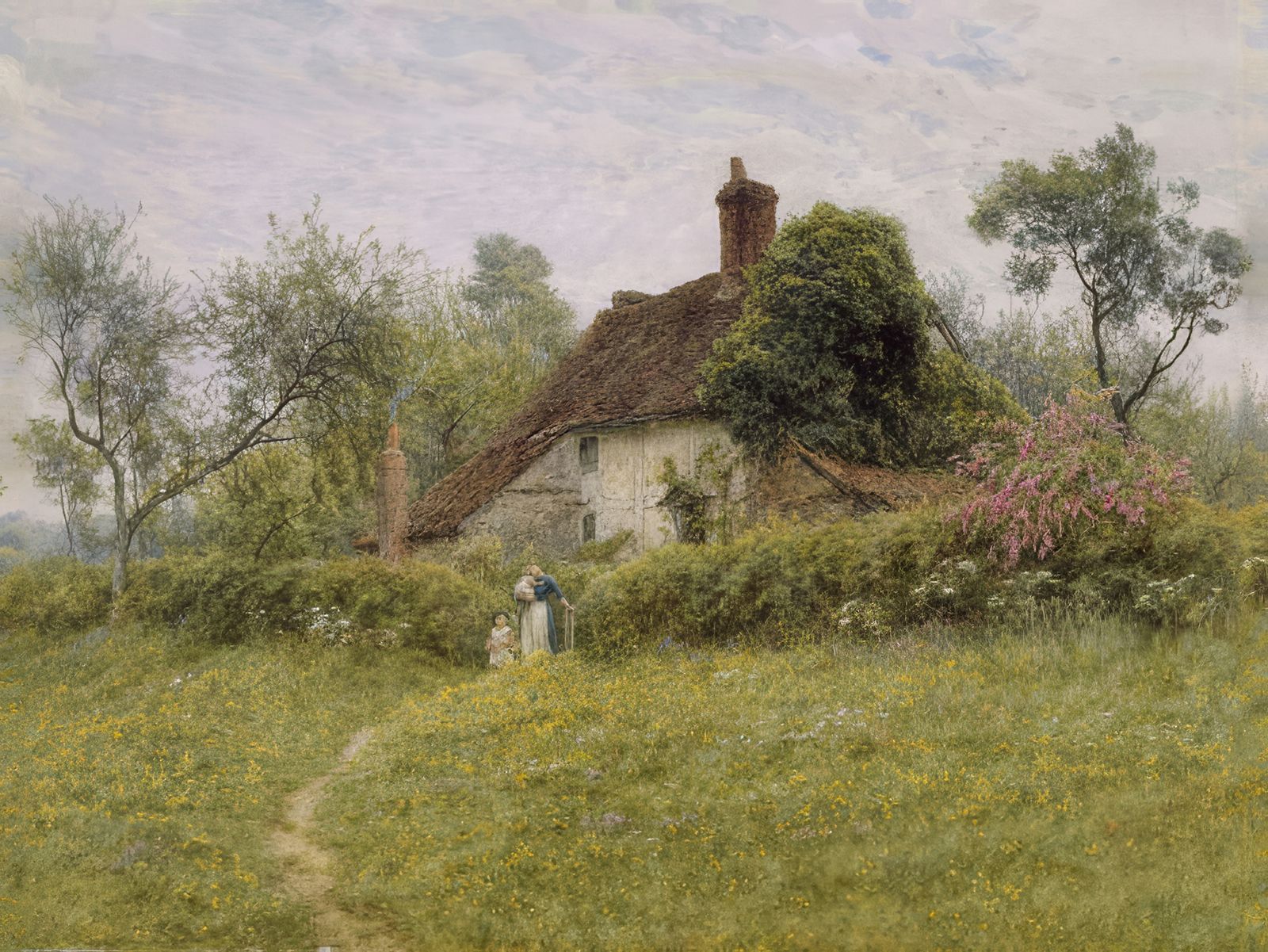
Old Cottages at Pinner · Helen Allingham · 1890 · Birmingham Museums Trust
A clear view of the entrance and roofline often tells more than an atmospheric photograph taken from too far away. Choose the features friends would recognise when they arrive. Keep the historical reference as a guide to mood, while your own photograph establishes the actual building. The house need not be grand to make a meaningful subject for a portrait.
Explore this portrait style · Explore this artwork
2. A home seen within its garden
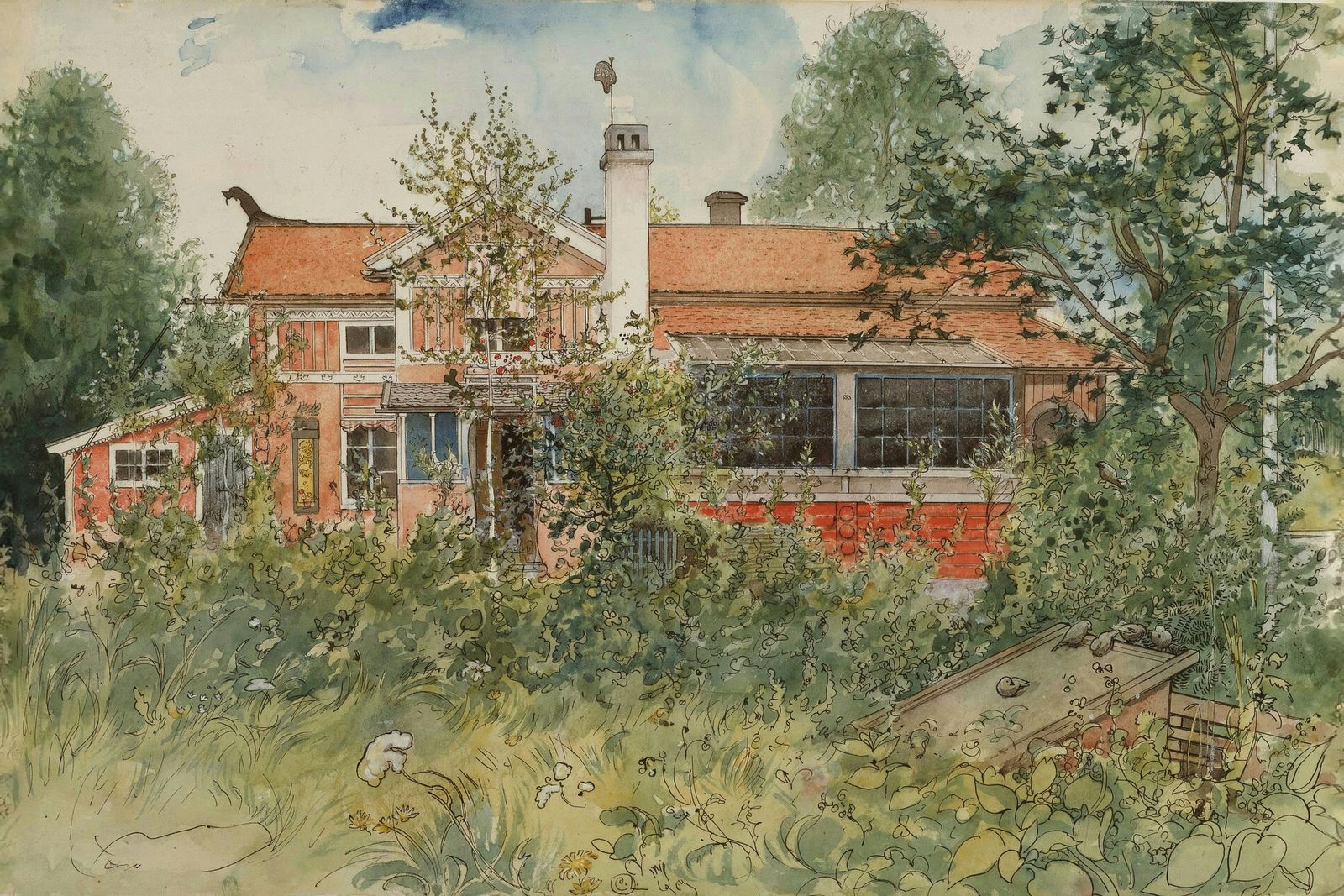
The Cottage (Stugan). From A Home · Carl Larsson · 1899 · Nationalmuseum, Stockholm
If the garden is part of why you chose the place, include enough of it to make the photograph feel specific. Avoid a source image where branches hide the important parts of the building. A Christmas card can celebrate the move without pretending the garden looks its best in every season; a clear photograph from another month may be the more useful source.
Explore this portrait style · Explore this artwork
3. A familiar entrance rather than an imposing facade
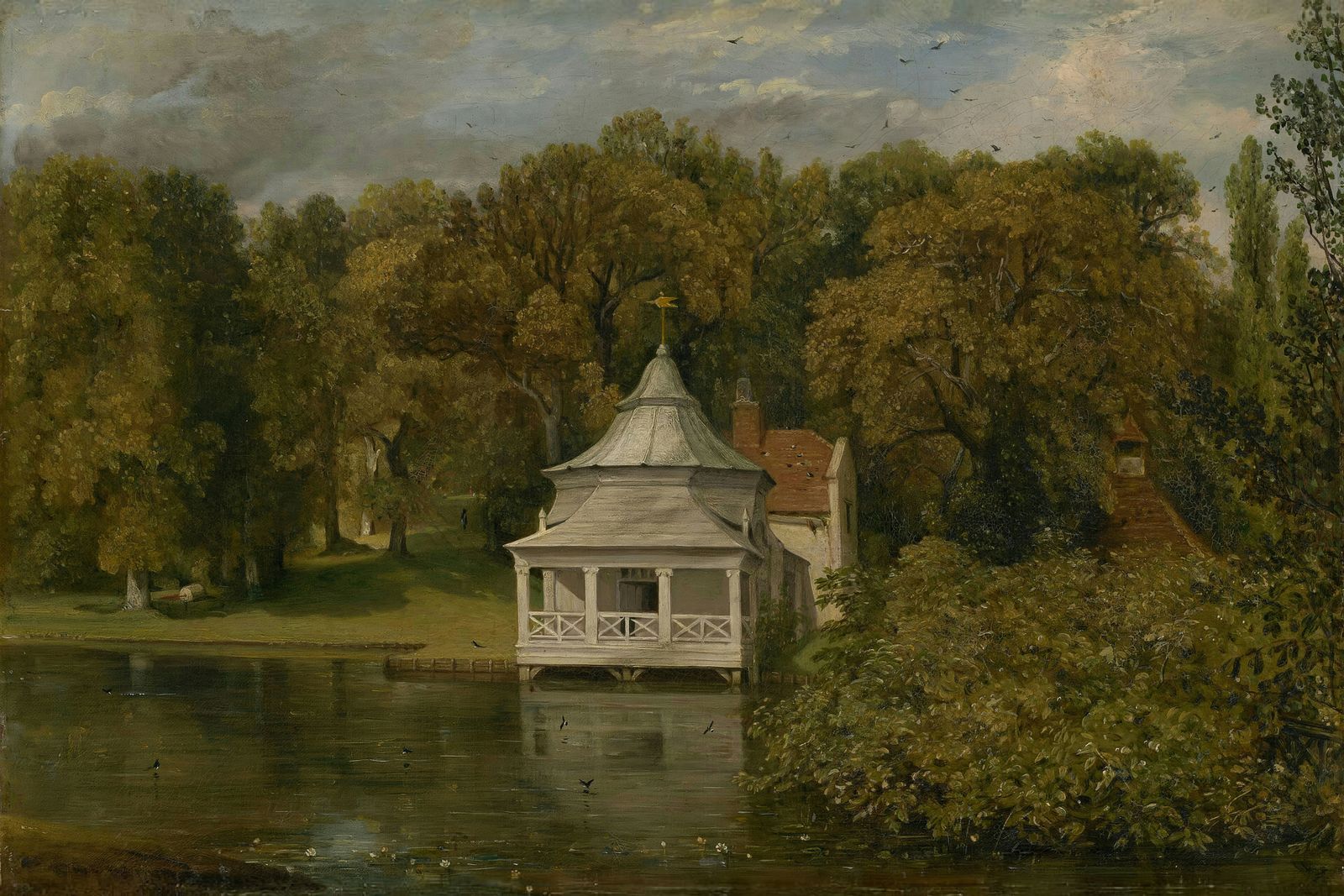
The Quarters behind Alresford Hall · John Constable · 1816 · National Gallery of Victoria, Melbourne
Sometimes a side entrance or the everyday approach is the part of a house that feels like home. Choose the view for its recognisability to you, while making sure the creation flow has enough information to work with. Keep bins, cars and private details in mind when choosing the source photograph rather than assuming every distracting feature will disappear.
Explore this portrait style · Explore this artwork
4. The house across a little distance
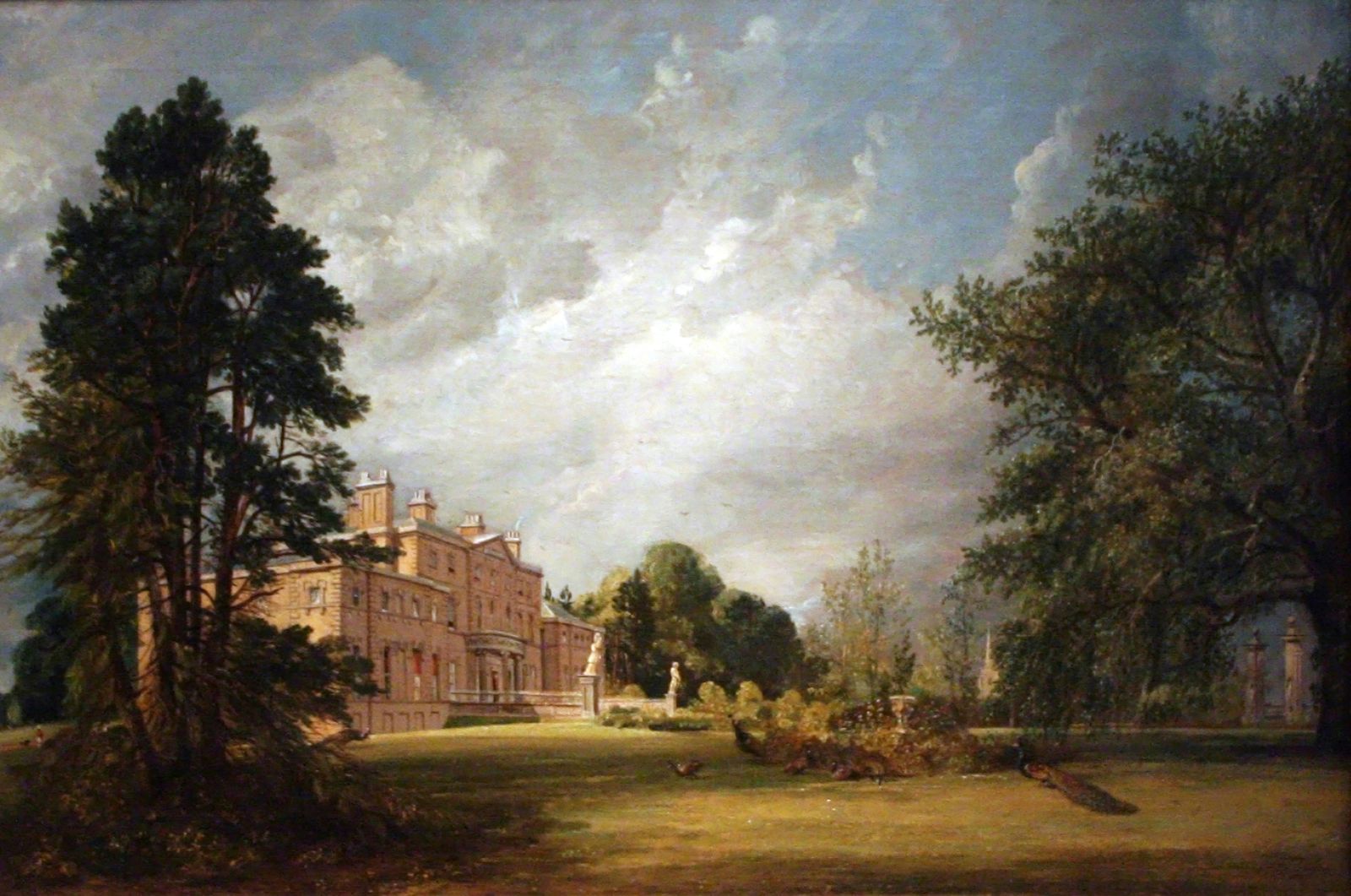
Malvern Hall · John Constable · 1821 · Clark Art Institute
A more distant view can include the setting that made you love the place, but it still needs readable architectural detail. Compare the photograph at the size of a phone screen before deciding. If the building becomes a tiny shape, find a closer source image. A card is a small format, and the subject should remain legible without a long explanation.
Explore this portrait style · Explore this artwork
5. A place with a landscape around it
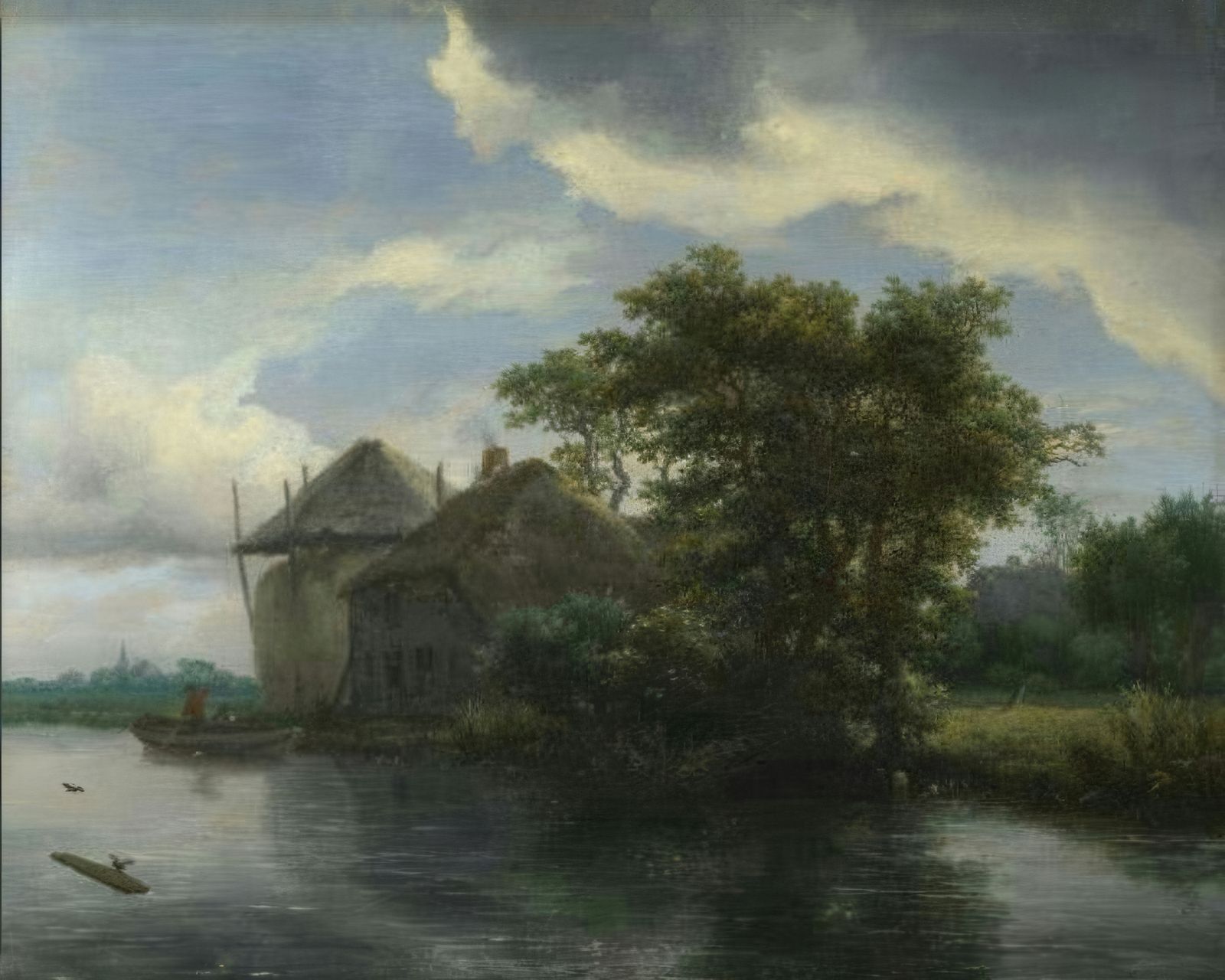
A Cottage and a Hayrick by a River · Jacob van Ruisdael · about 1646–1650 · National Gallery, London
If water, fields or a particular landscape define the house, choose a source that includes those surroundings without losing the building. Describe the gift or card accurately: your portrait comes from your photograph, while the historical landscape shown here is a reference. The relationship between home and setting is useful inspiration, not a reason to substitute an unrelated picturesque cottage.
Explore this portrait style · Explore this artwork
6. A city address with its own character
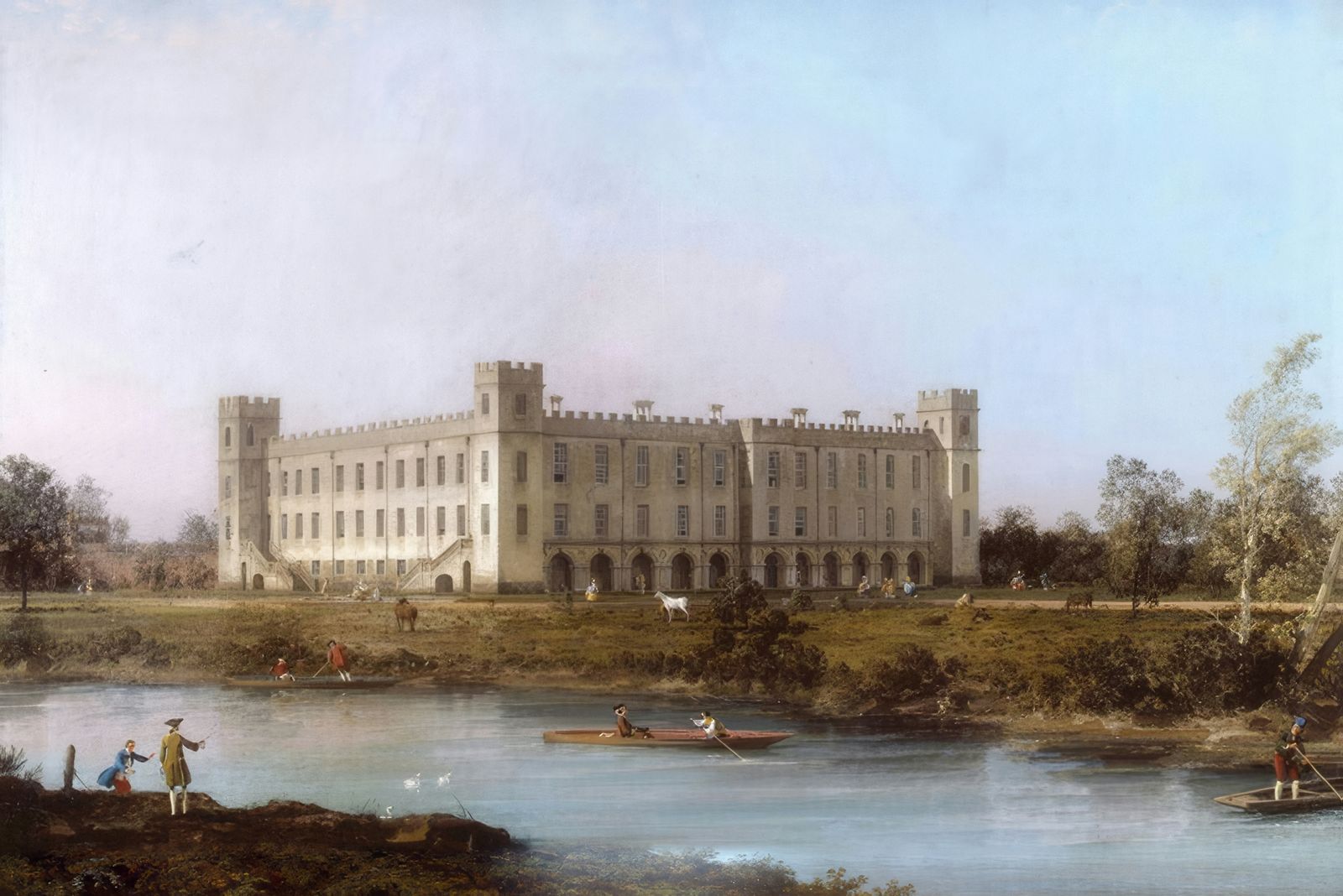
Syon House · Canaletto · 1749 · Collection of the Duke of Northumberland
A house portrait can celebrate an urban home as readily as a country cottage. Look for a clear source photograph with the building’s recognisable proportions visible. Consider privacy when including door numbers or neighbouring properties, especially if the card will also be shared online. The card’s private recipient list and its public version may need different amounts of location information.
Explore this portrait style · Explore this artwork
7. A winter mood for the greeting
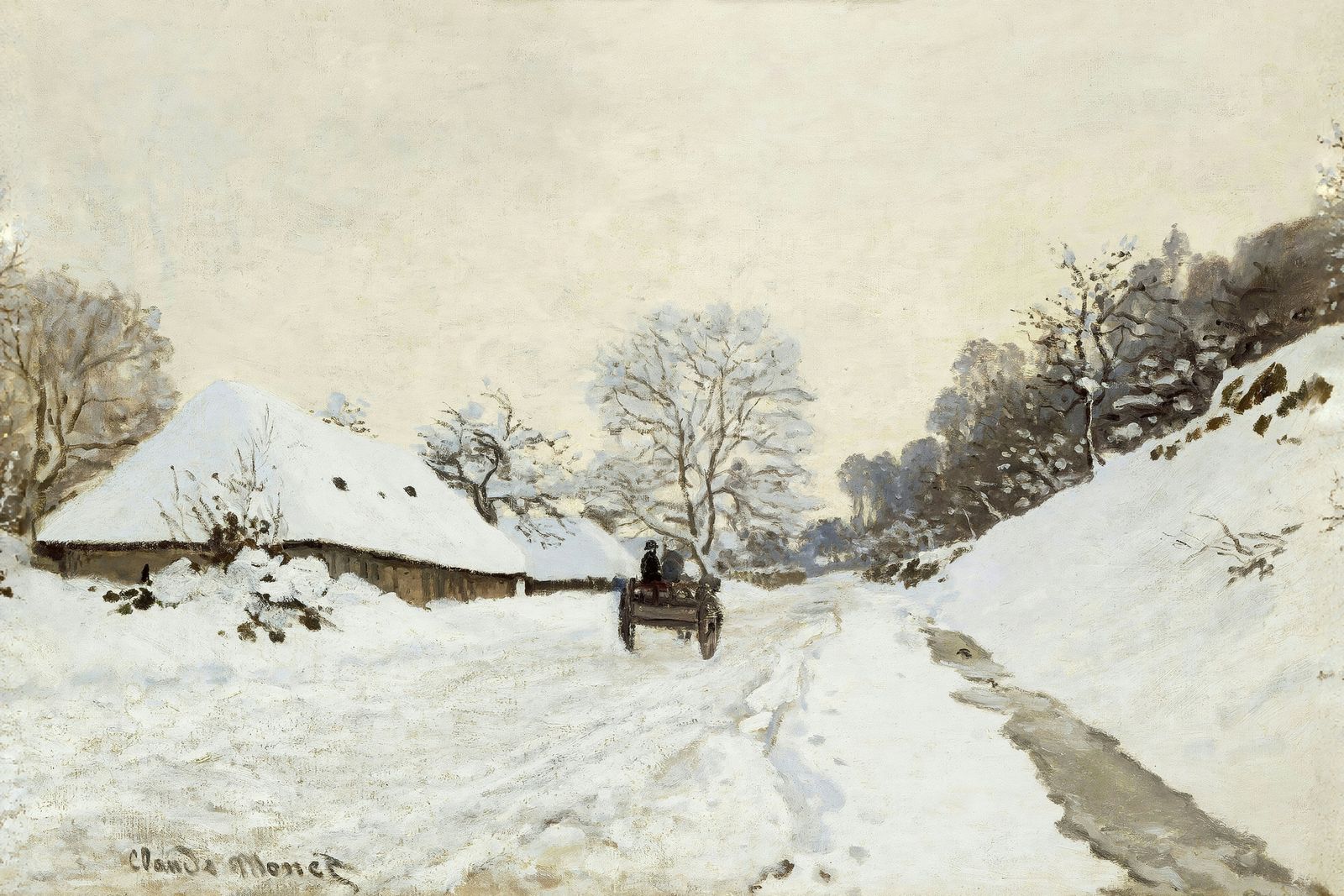
A Cart on the Snowy Road at Honfleur · Claude Monet · c. 1867 · Musée d’Orsay, Paris
If you do not yet have a useful photograph of the new home, a winter masterwork can carry the Christmas mood while your words announce the move. Choose from the actual card gallery and put the new-address information in the appropriate message area. A clear greeting is better than forcing a poor house photograph into a portrait just to match the theme.
Choose a winter artwork card · Explore this artwork
8. The home before the festive decorations
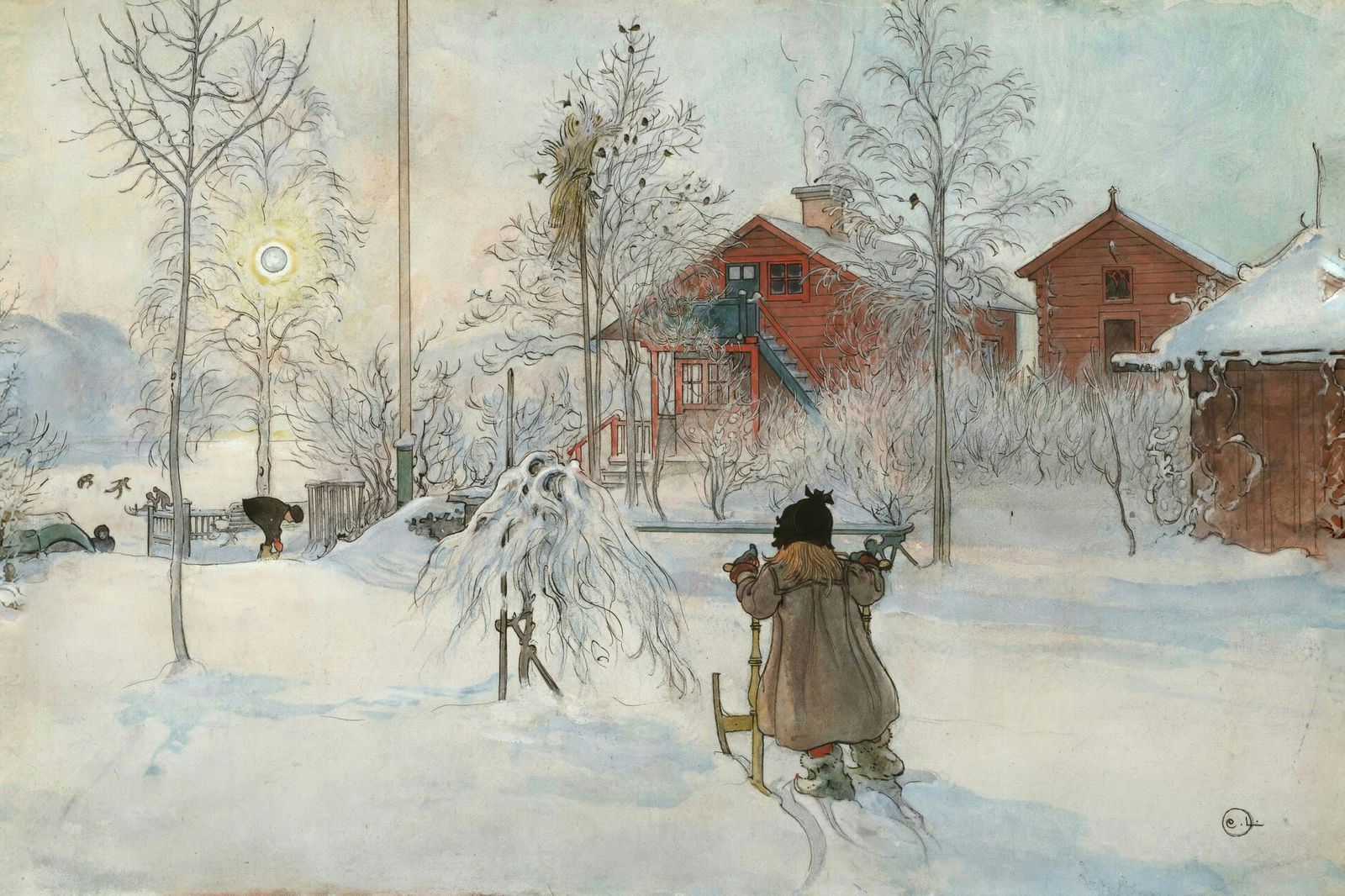
The Yard and Washhouse. From A Home · Carl Larsson · 1899 · Nationalmuseum, Stockholm
A source photograph without seasonal decorations may be more useful than one crowded with lights and temporary objects. The subject of the portrait is the home you will continue living in after December. Let the wording make the card festive, and use the image to establish the place. Check the current portrait and card steps before committing to a physical format.
Explore this portrait style · Explore this artwork
9. A quiet evening feeling
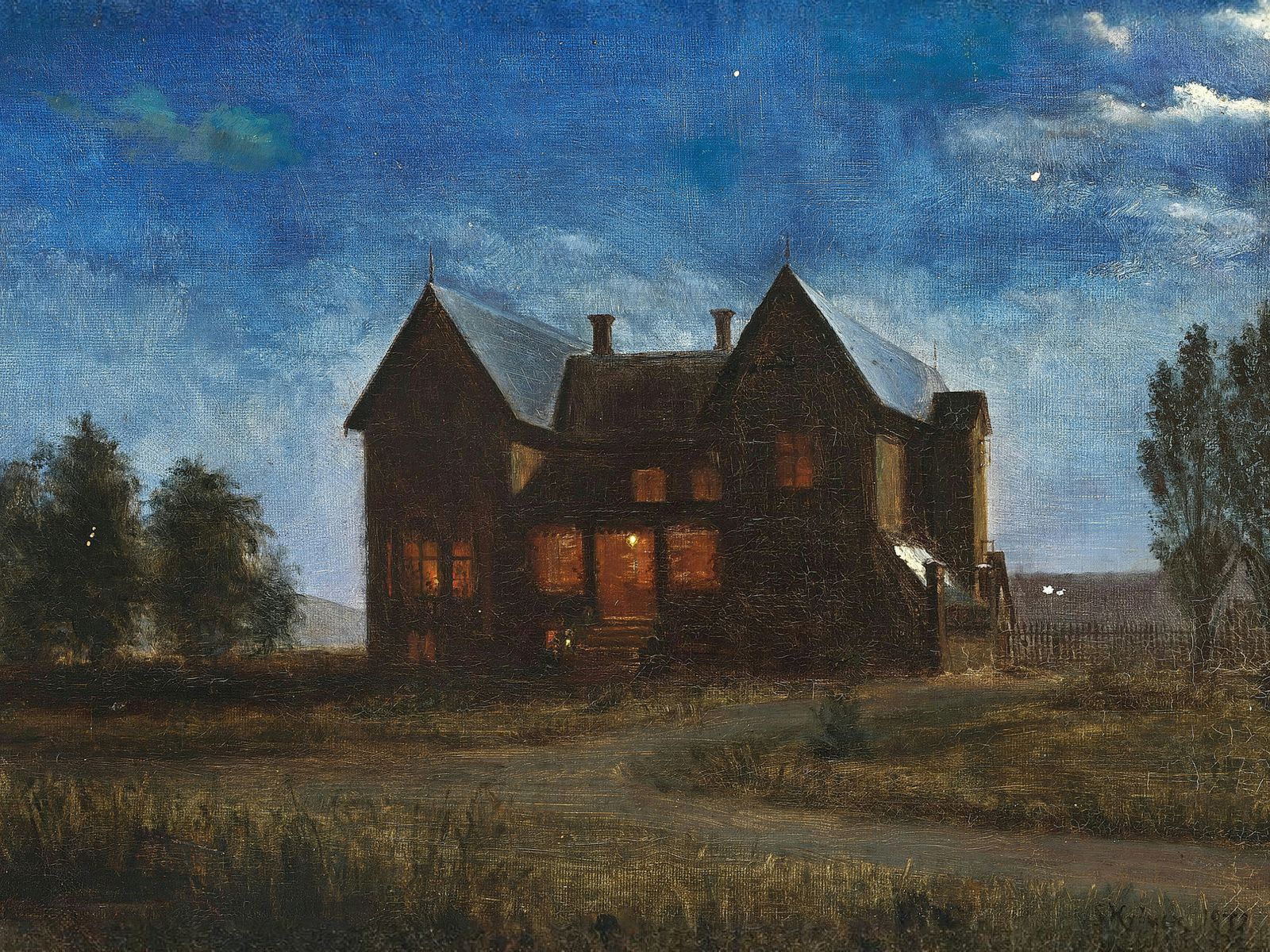
Villa on a Moonlit Night · Peder Severin Krøyer · 1872 · Collection not identified in the open-archive record
An evening reference can suggest the welcome of coming home, but choose a source photograph with enough actual detail to be useful. A very dark phone photograph may hide the features that matter. You can select a mood after choosing a clear source; it is easier to make a deliberate decision when the house is properly visible at the start.
Explore this portrait style · Explore this artwork
10. The people who make the address a home
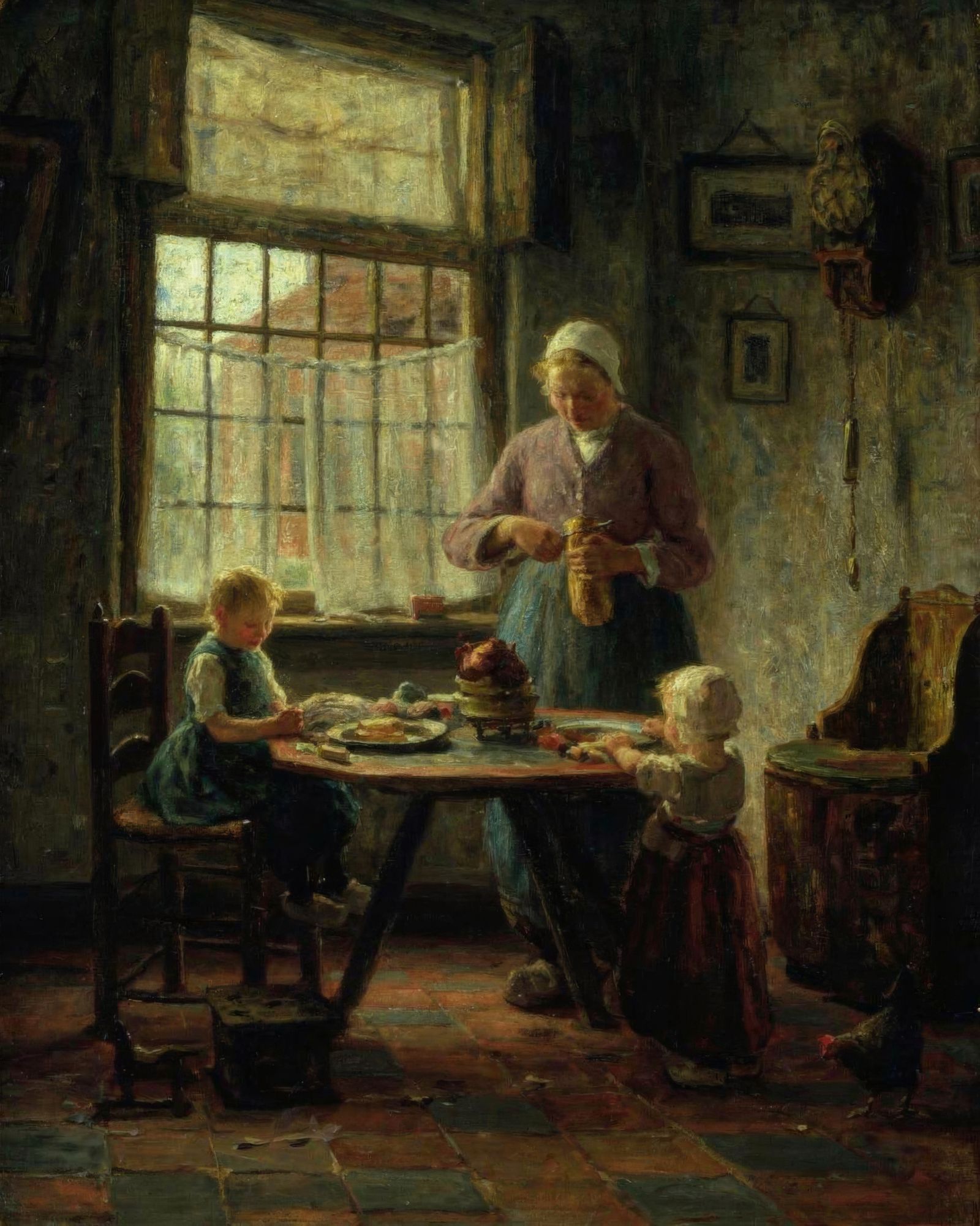
A Family Meal · Evert Pieters · 1890s (?) · Art Institute of Chicago
You may decide the better new-home card shows the household rather than the building. Choose a family photograph everyone likes, then announce the move in a short, readable message. This can work particularly well for a flat or a shared building where an exterior view would reveal little about your own home. The portrait card route gives you that alternative.
Create a household Christmas card · Explore this artwork
Choose whether the card’s image should show the house, the people or a historical artwork, then follow that path directly. The Christmas card page is the place to check current supported choices. Keep the new address readable for intended recipients and leave it out of a public version when privacy matters. A simple sentence about the move and a warm greeting can give the card everything it needs.
Start your new-home Christmas card
- What should a we-moved Christmas card say?
- Give a short greeting, say that you have moved and include the address only where the intended recipients need it. Check house numbers, postcode or ZIP code and the names of everyone sending the card. Keep longer moving stories separate from the essential information.
- Does the photograph have to be taken in winter?
- No. A clear source photograph matters more than seasonal decorations. You can choose a portrait mood and add a Christmas greeting later. A summer image may show the building’s features more clearly than a dark December photograph.
- Can I use a house portrait in every card format?
- Check the current card flow before assuming that a particular image or portrait output is supported in a specific format. The historical works here introduce house-portrait directions; they are not finished product proofs or a guarantee of every possible image-to-card combination.
- Should I put my address on the front?
- Choose a place where the recipients can read it easily and where it does not crowd the image. Consider privacy separately for anything shared publicly. The printed or private card and the social-media version do not need to carry identical location details.