A gift for your sister that belongs to the two of you
A gift for sister can celebrate shared childhood, adult friendship or a quiet tradition. Choose a photograph she would want to keep.
A gift for sister can carry a shared history without turning her into a permanent child in the family album. Perhaps the photograph you both love is recent: a trip, a celebration or a day when nobody thought to dress up. A portrait can mark that adult relationship as readily as it can revisit childhood.
These ten historical references offer different ways to think about sister gift ideas. Some show family relationships; others suggest reading, music, home or companionship. They are works of art, not demonstrations of a finished portrait. The creation links lead to Fable's sisters journey, where you can start from your own image and explore the current options.
Whether you are choosing birthday gifts for sister or a present without a fixed occasion, let her taste matter as much as your shared memories. A picture can be affectionate without asking her to be the person she was twenty years ago.
1. The sisters, with the names kept clear
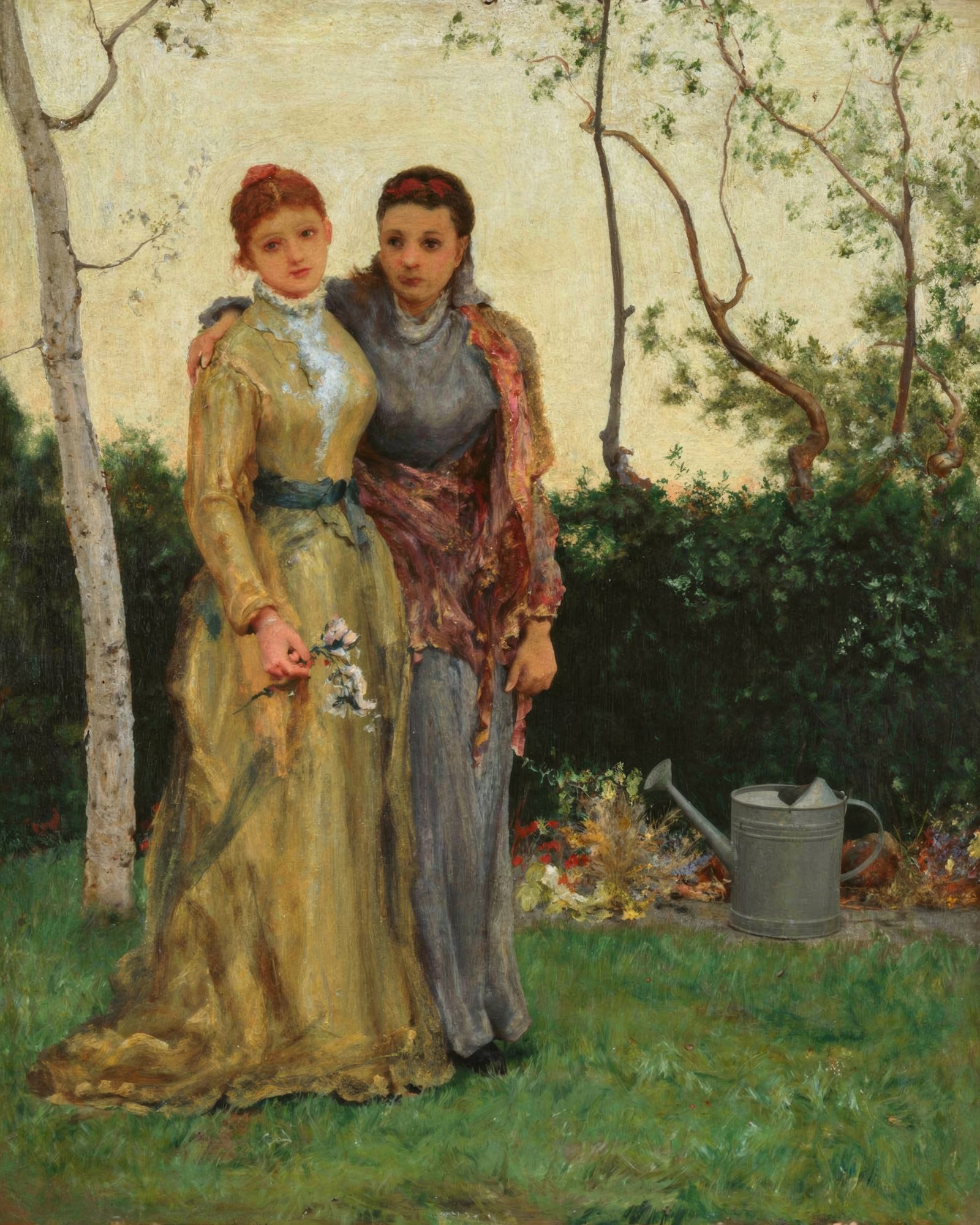
The Sisters · George Inness · 1882 · Art Institute of Chicago
Inness's The Sisters provides a direct historical reference for the relationship. For a portrait of your own, begin by deciding who should appear and which photograph each person likes. A shared image is more generous when neither sister is expected to accept an unflattering source. If your preferences differ, comparing two photographs together may be the best first step.
Explore your portrait · Explore this artwork
2. A childhood photograph with a current meaning
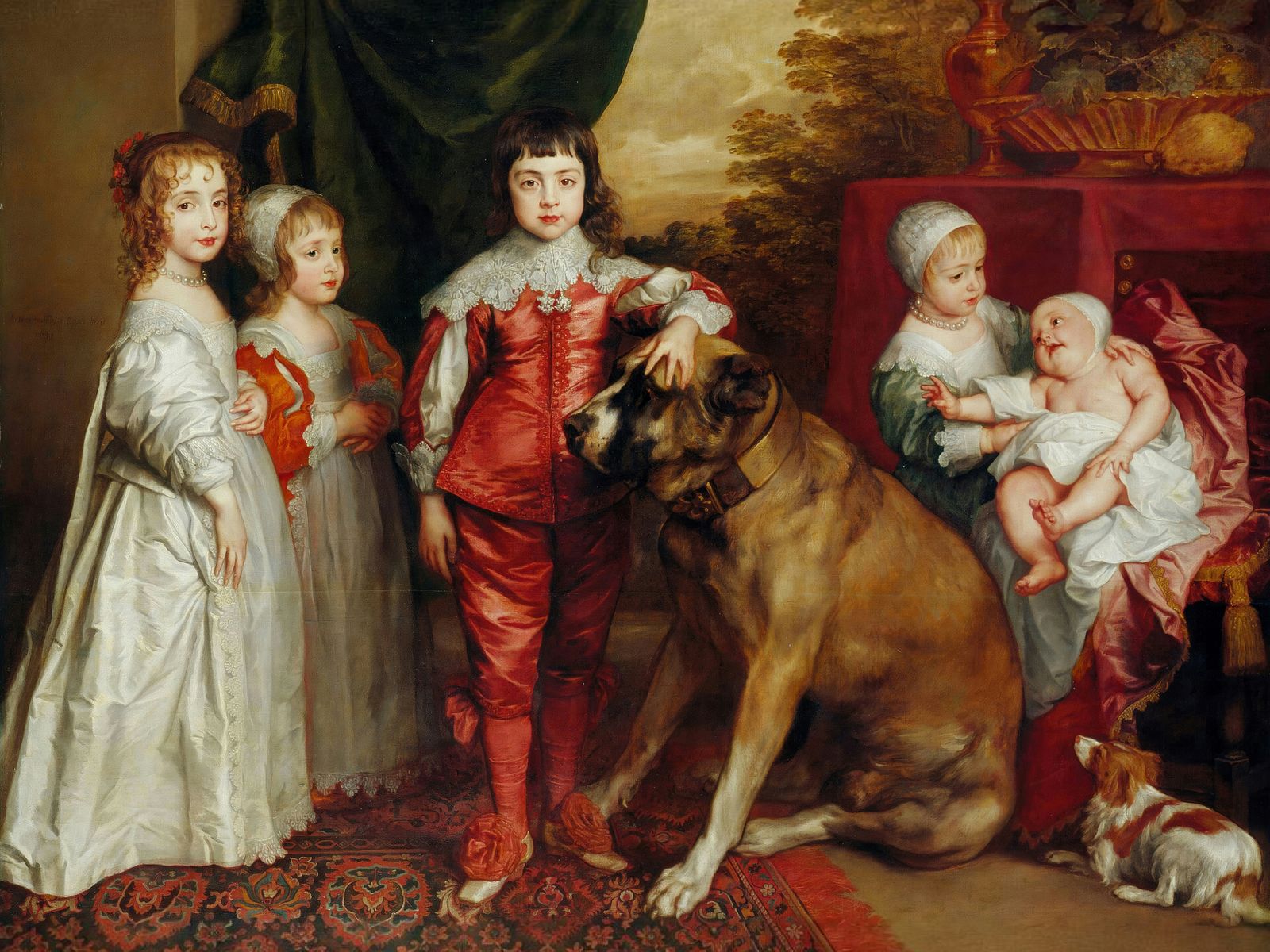
The Five Eldest Children of Charles I · Anthony van Dyck · 1637 · Royal Collection
Van Dyck's group of children can prompt a return to the album without requiring the gift to remain nostalgic. Choose an early photograph because of what it means to both of you now. Explain that connection in the note. Avoid using a childhood image mainly because it is funny at your sister's expense; the gift should belong to her as comfortably as to you.
Explore your portrait · Explore this artwork
3. A shared interest in books
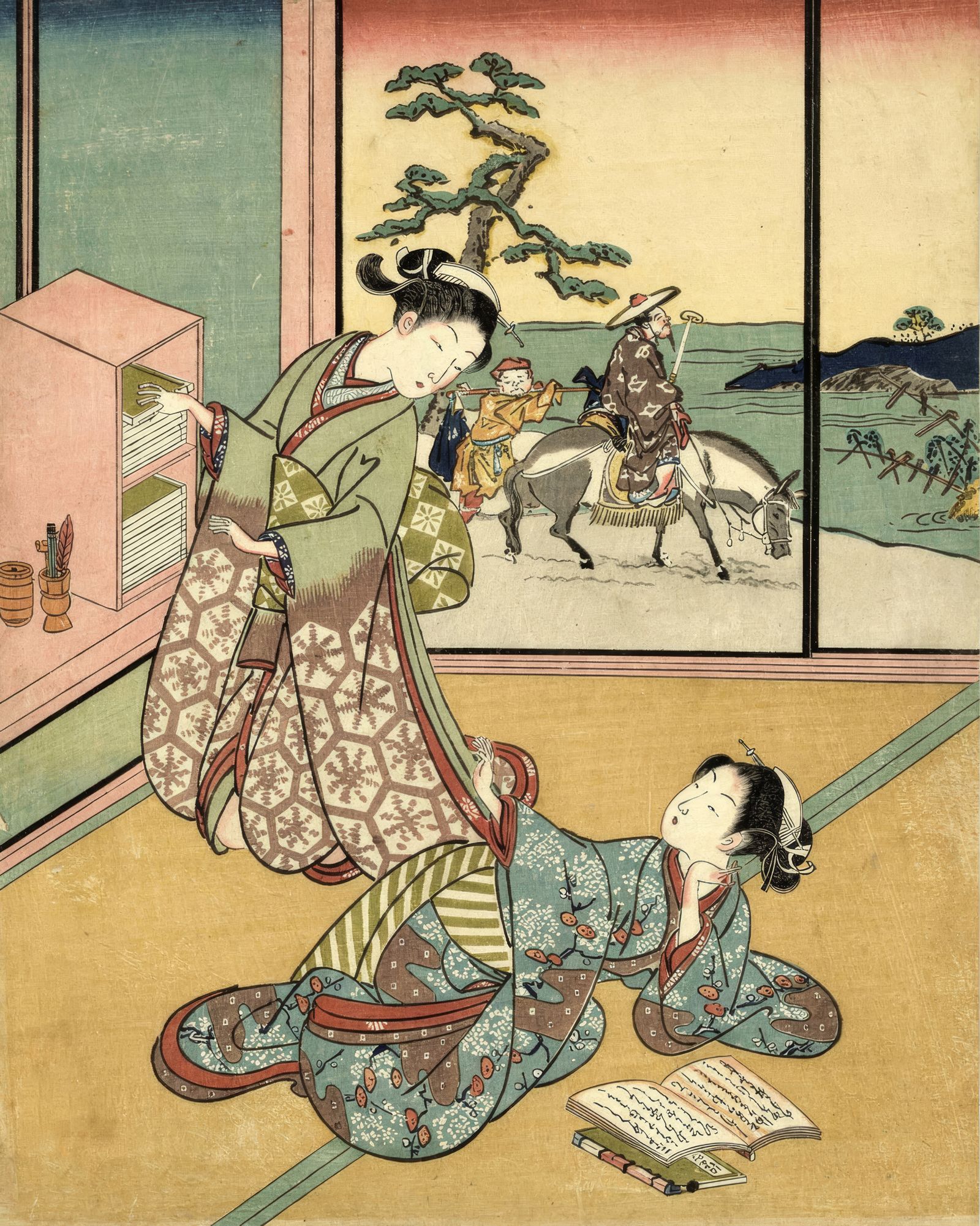
Two Young Women Reading Books · Suzuki Harunobu 鈴木 春信 Japanese, 1725 (?)-1770 · c. 1767/68 · Art Institute of Chicago
Harunobu's Two Young Women Reading Books gives you a reference for companionship expressed through an activity. It may prompt a photograph from a bookshop visit, a holiday or a familiar quiet day. The source does not need to imitate the print. Choose it because it recalls something you still share, and let the portrait journey provide the available visual directions.
Explore your portrait · Explore this artwork
4. The family table, remembered from two seats
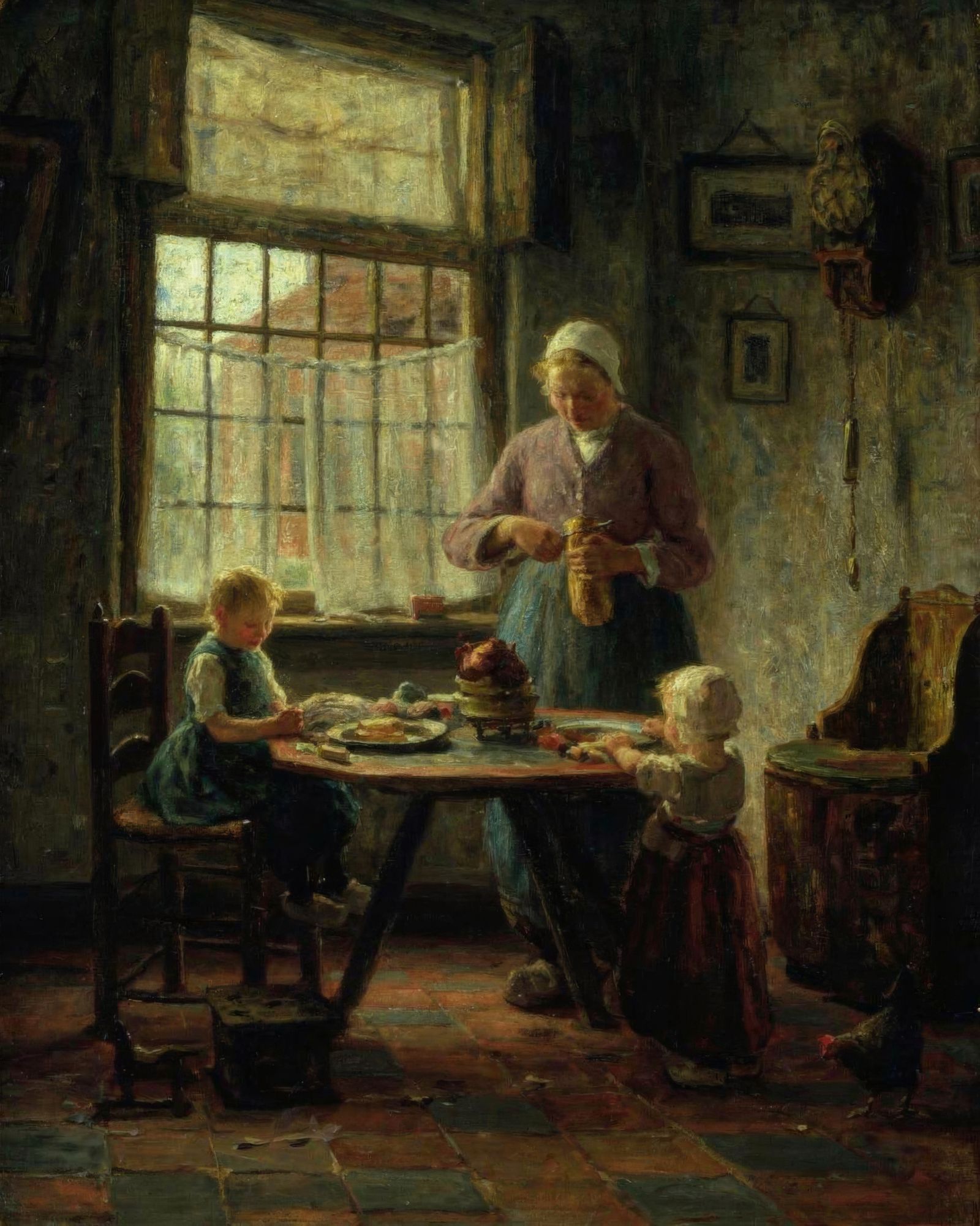
A Family Meal · Evert Pieters · 1890s (?) · Art Institute of Chicago
Pieters's A Family Meal can suggest a memory you experienced together but may remember differently. Ask your sister which photograph she would keep from that period. The answer can make the gift richer than choosing the image everyone in the family usually repeats. A personal portrait does not have to become a summary approved by every relative; it can hold one shared chapter.
Explore your portrait · Explore this artwork
5. The person she is away from the family
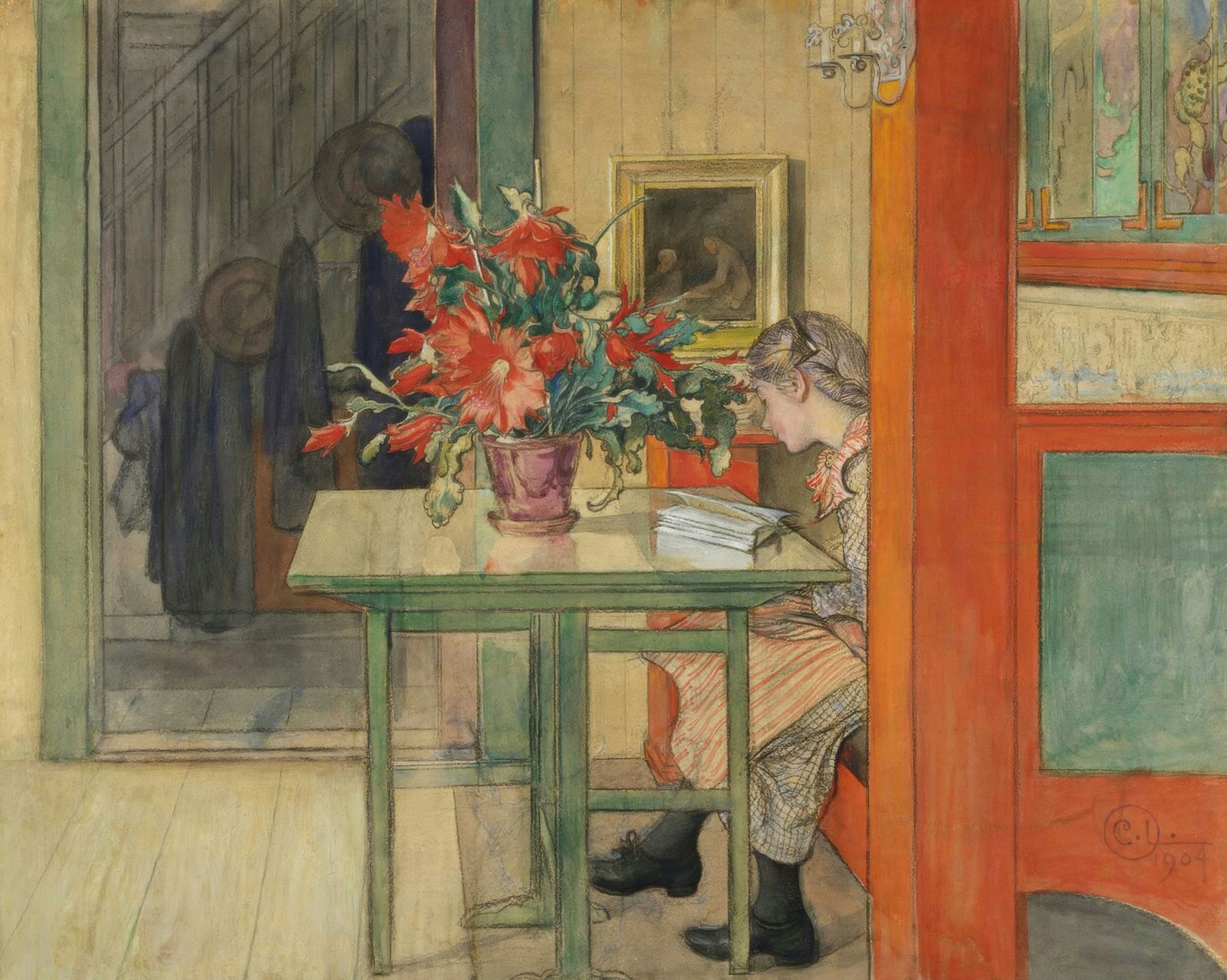
Lisbeth Reading · Carl Larsson · 1904 · Nationalmuseum, Stockholm
Larsson's Lisbeth Reading is a useful reference for considering an individual portrait alongside the two-person idea. Your sister may prefer to be pictured through her own interests. If she would enjoy a portrait of herself rather than a shared image, follow that preference. A gift for your sister need not prove the sibling relationship by putting both of you in every frame.
Explore your portrait · Explore this artwork
6. Remember the music you still share
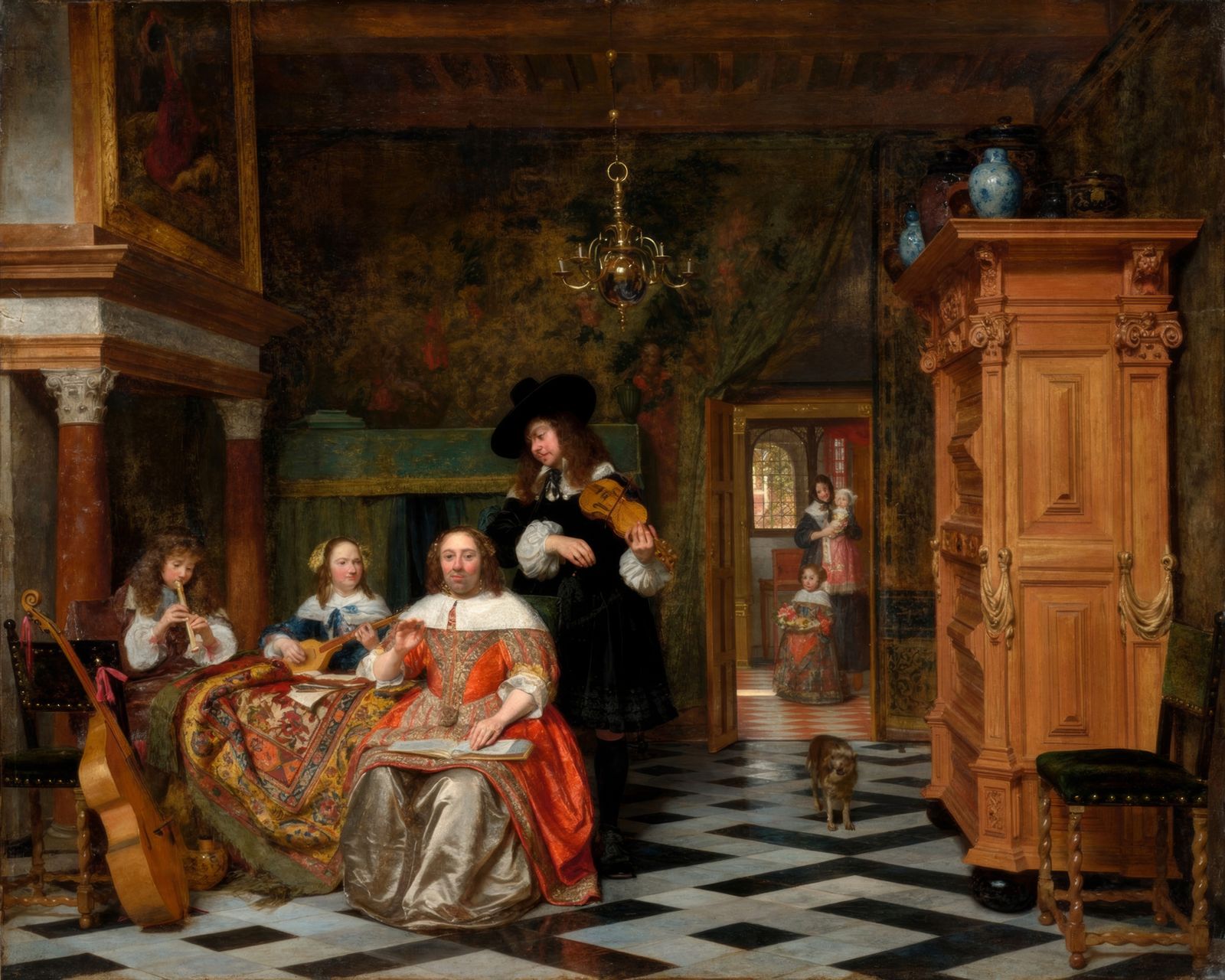
Portrait of a Family Playing Music · Pieter de Hooch · 1663 · Cleveland Museum of Art
De Hooch's family music portrait can prompt an image connected with a concert, a school performance or a song that has stayed with you. Choose a photograph with readable faces rather than the most dramatic stage lighting. The memory can be explained in a separate card. There is no need to ask the portrait to reproduce instruments or an entire event to keep the association.
Explore your portrait · Explore this artwork
7. A pet who belongs in the story
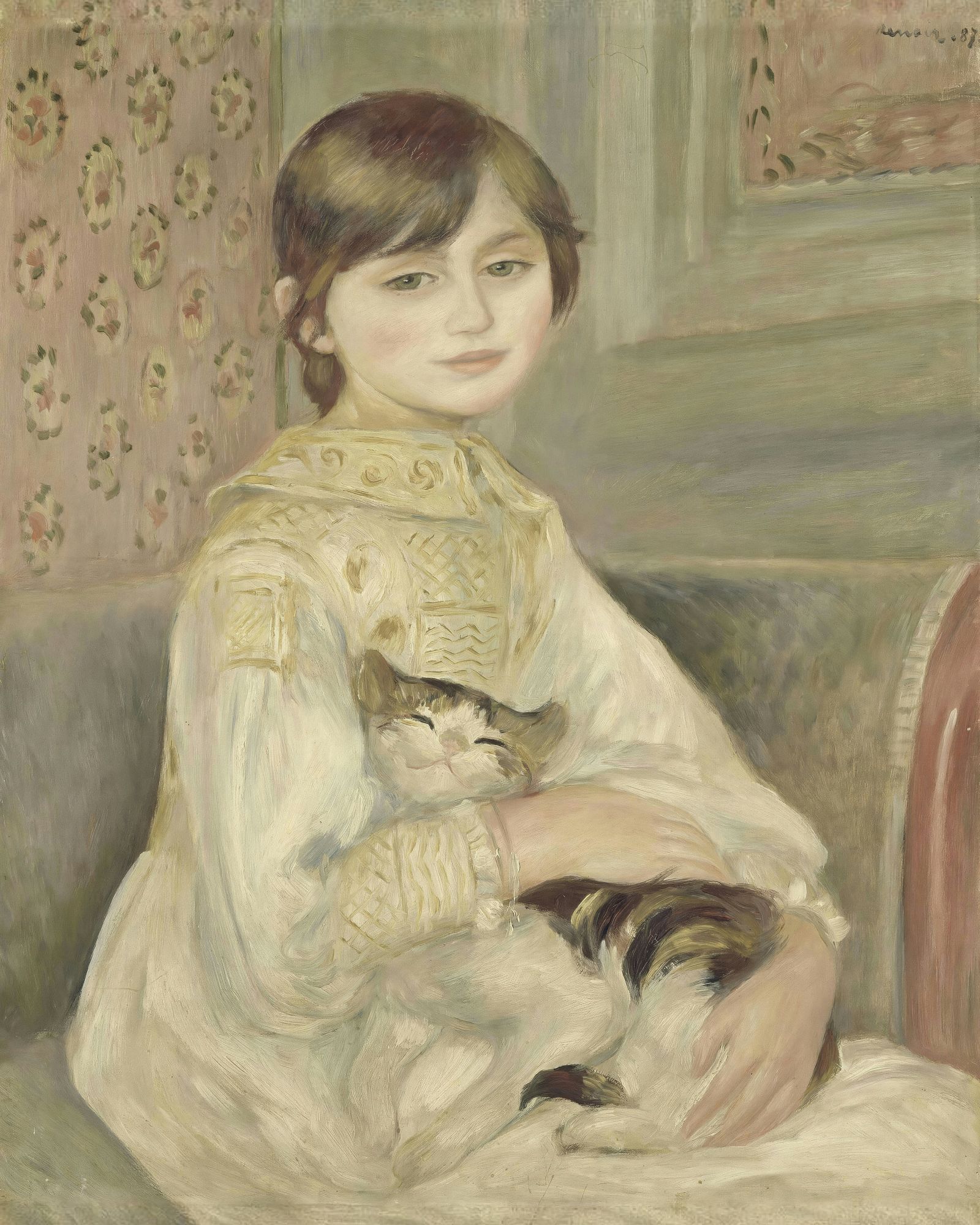
Julie Manet · Pierre-Auguste Renoir · 1887 · Musée d'Orsay, Paris
Renoir's Julie Manet can remind you to look at the animal photographs your sister chooses herself. A cat or dog may be a more welcome subject than another family portrait. If you continue with a sisters image, the pet can still be part of the memory you mention. Respect the animal as an animal, and keep any playful idea away from human costumes or uniforms.
Explore your portrait · Explore this artwork
8. A visit that became your own tradition
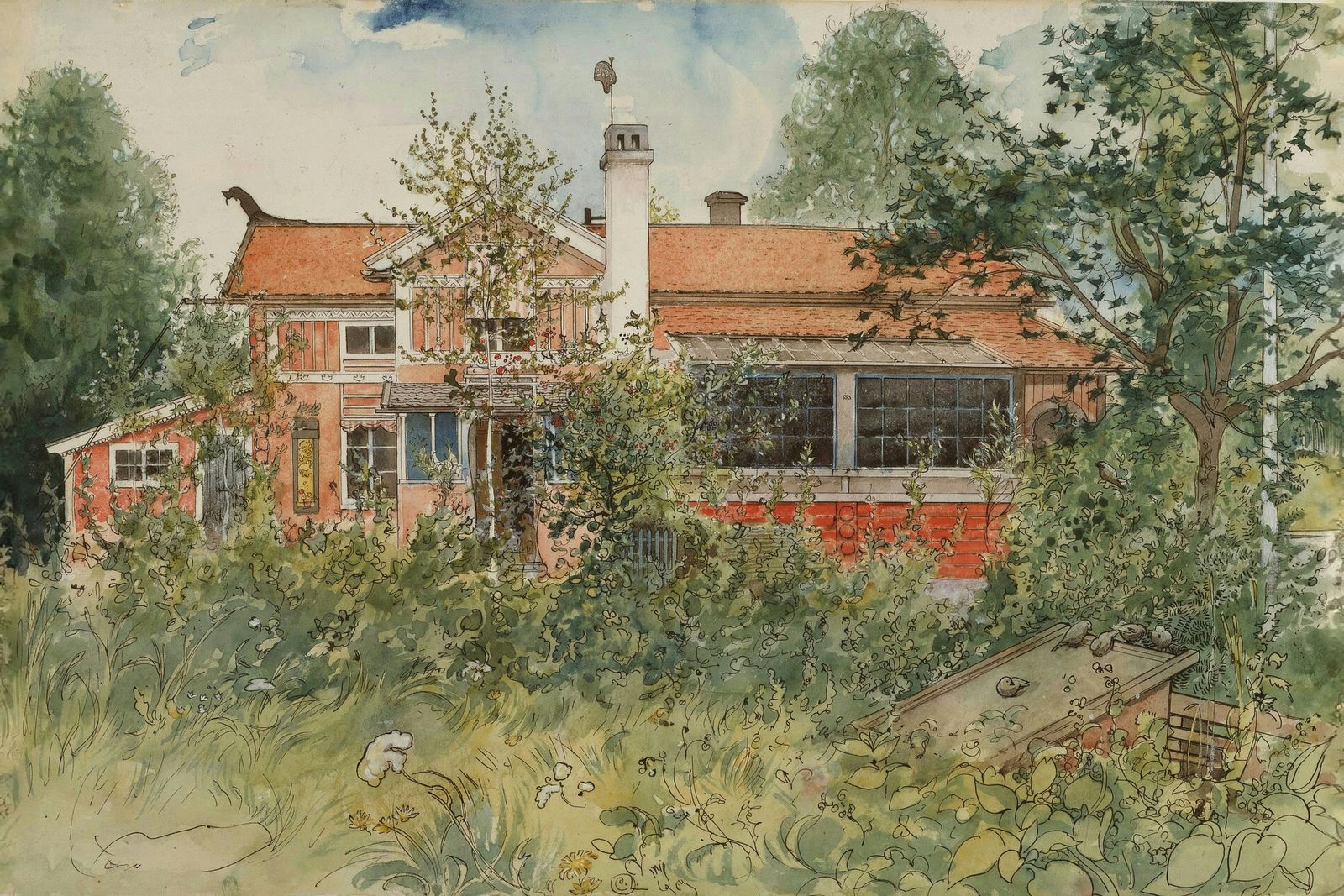
The Cottage (Stugan). From A Home · Carl Larsson · 1899 · Nationalmuseum, Stockholm
Larsson's home reference can prompt a portrait associated with the places you visit together. It might be a family house, one sister's flat or somewhere you meet each year. Choose the photograph for the people and explain the place in the accompanying note. A meaningful background is not a reason to begin with faces too small to identify clearly.
Explore your portrait · Explore this artwork
9. A gentler source from a difficult year
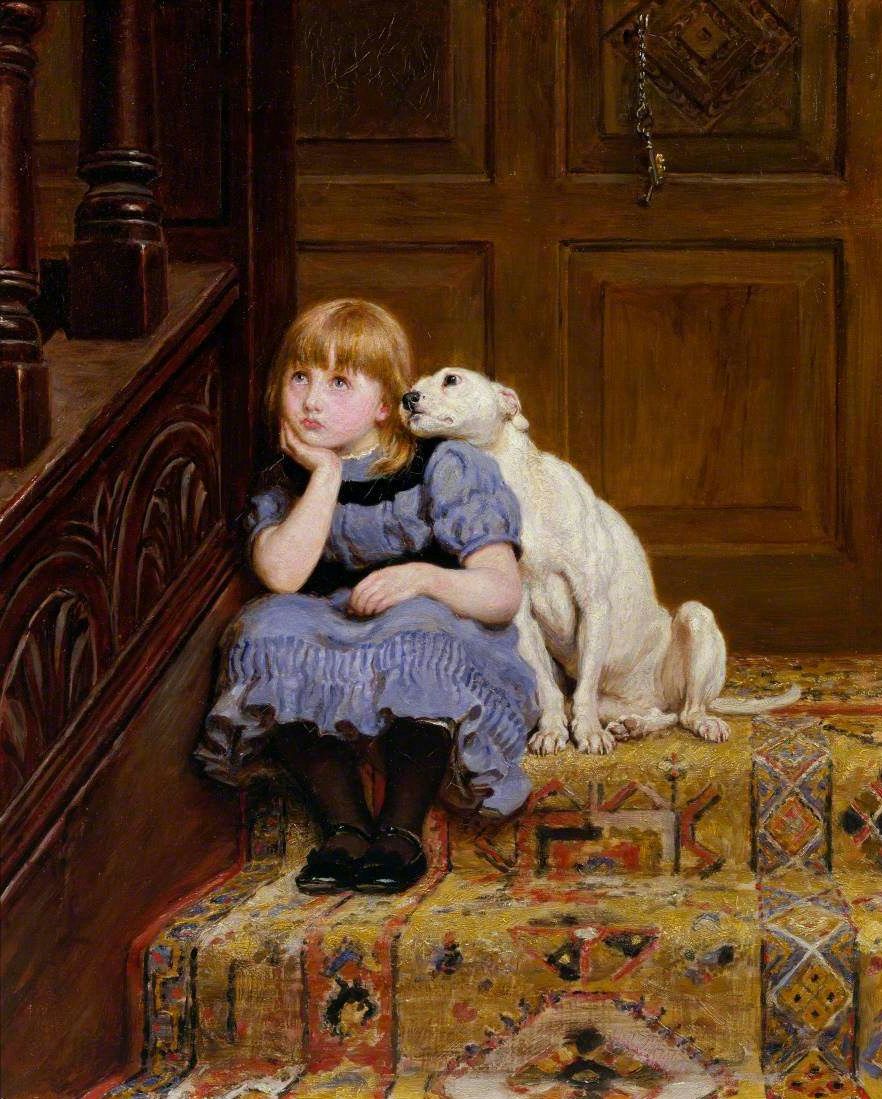
Sympathy · Briton Riviere · 1878 · Royal Holloway, University of London
Rivière's Sympathy offers a historical reminder that companionship is not confined to celebrations. If your sister has had a hard year, choose a photograph she finds comforting rather than making the gift a public account of what happened. Keep your note private and practical. She does not need to perform gratitude or explain her feelings in response to receiving the portrait.
Explore your portrait · Explore this artwork
10. The gathering you both actually enjoyed
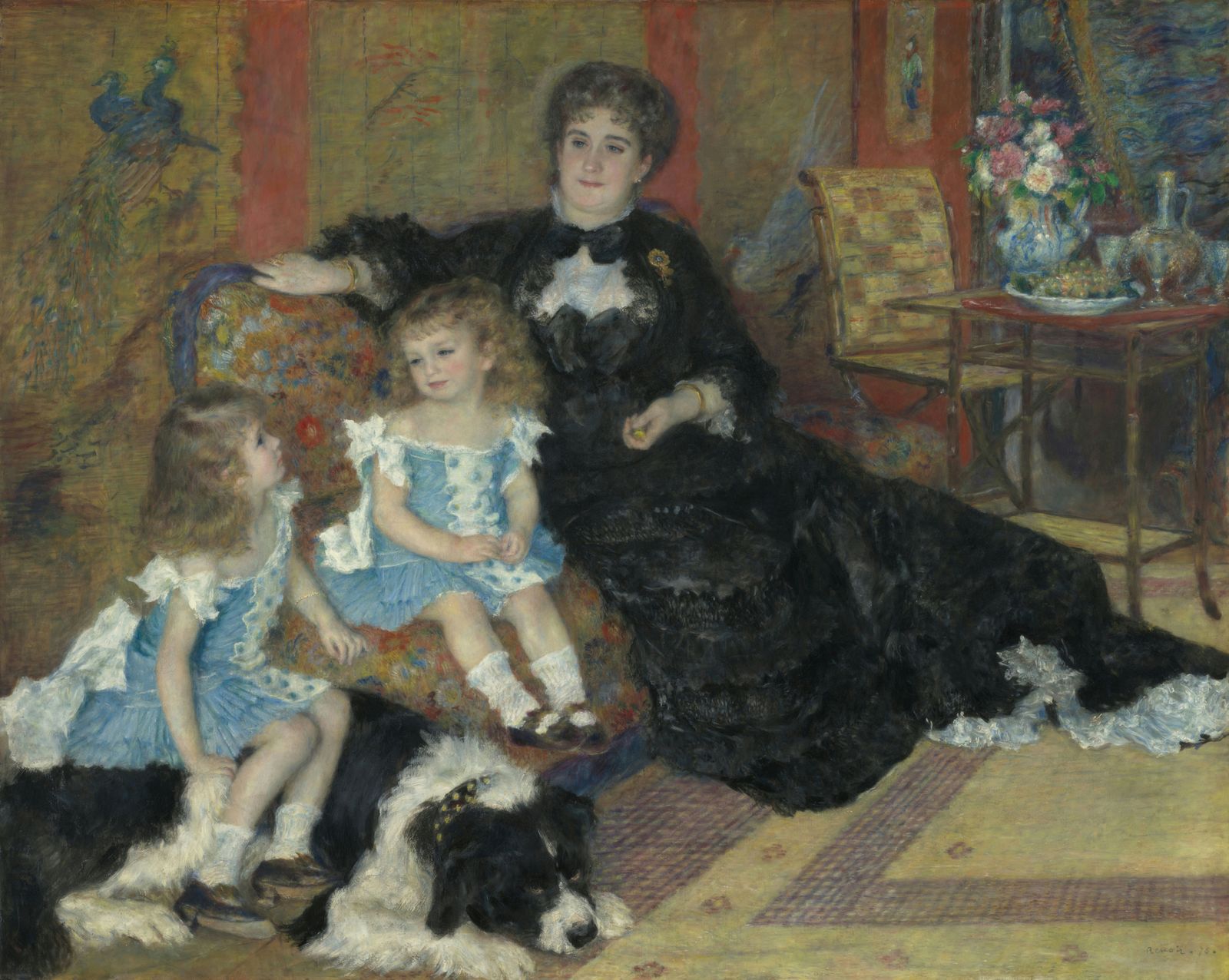
Madame Charpentier and Her Children · Auguste Renoir · 1878 · The Metropolitan Museum of Art
Renoir's family portrait can prompt a search beyond the official group photograph. Sometimes the image taken just before or afterwards holds more recognisable expressions. Look at your sister's face first, not only your own. If you are choosing a shared portrait, make the source decision with equal care for both people and leave the final display choice with the recipient.
Explore your portrait · Explore this artwork
Before choosing a source, separate a memory you share from one you merely remember about her. The first can make a thoughtful gift; the second may need a conversation. Ask whether she likes the photograph and whether she would enjoy keeping it as a portrait. Those questions do not have to spoil the occasion.
Open the sisters journey to choose from the current portrait styles. Bring the clearest photograph you can find, review the result and then explore any available purchase options. Check formats and delivery information on the live page, especially if the gift is intended for a particular birthday or holiday.
Gifts for your sister become more personal when they make room for the present. Choose a picture that honours the relationship you have now, even if its source was taken years ago. The note can tell her why that older moment still feels like yours.
- Should I choose a childhood photograph?
- Only if both of you enjoy it. A recent photograph can celebrate the adult relationship and may be easier to use if the older image is very small.
- Can a sister gift be a portrait of her alone?
- Yes. Her preferences should lead. An individual portrait or a pet image may suit her better than a shared sibling portrait.
- How do I choose between photographs?
- Look at both faces separately, check clarity and ask which image she likes. The photograph that is funniest to the family may not be the one she wants to keep.