A king and queen portrait, with a little theatre and two real people
king and queen portrait: Ten Love stories masterworks for a royal mood, from chivalric ceremony to a shared walk.
A king and queen portrait can be a playful way to make a joint portrait feel ceremonial. The most convincing starting point is still a clear photograph of two people who look like themselves. Fable's Love stories styles take their visual cues from real romantic masterworks; they do not grant royal status, reconstruct a historical court or turn a portrait into a certificate of rank.
The works below offer ten moods for a royal couple portrait, from chivalric ceremony to an elegantly composed walk. Some are explicitly theatrical; others suggest that a shared look can feel grand without a crown. Choose the mood together, then follow that masterwork's style page into creation. Keep both faces readable in the source photograph, and decide whether the result belongs in a private room or a more public part of your home.
1. Begin with The Accolade
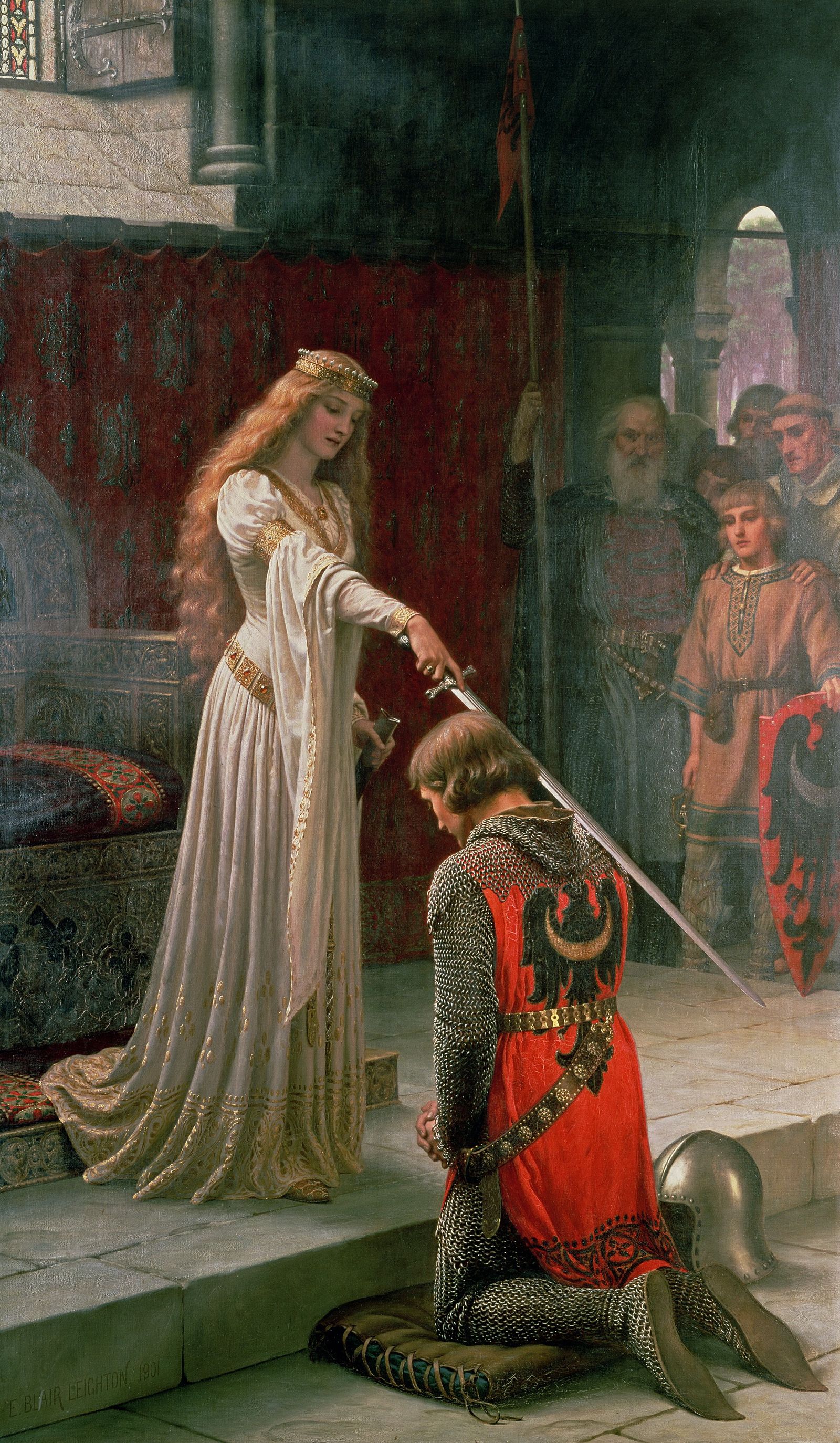
The Accolade · Edmund Blair Leighton · 1901 · Private collection
The Accolade is the clearest starting point if you want ceremony, chivalry and a sense of staged honour. Look at the full historical painting before choosing the linked style; it is the source work, not a finished Fable customer portrait. A natural photograph of the two of you supplies the identities. Check the style page for the current subject guidance rather than assuming that every historical pose can be recreated exactly.
Create a portrait in this style · Explore this artwork
2. Choose a composed pair rather than matching crowns
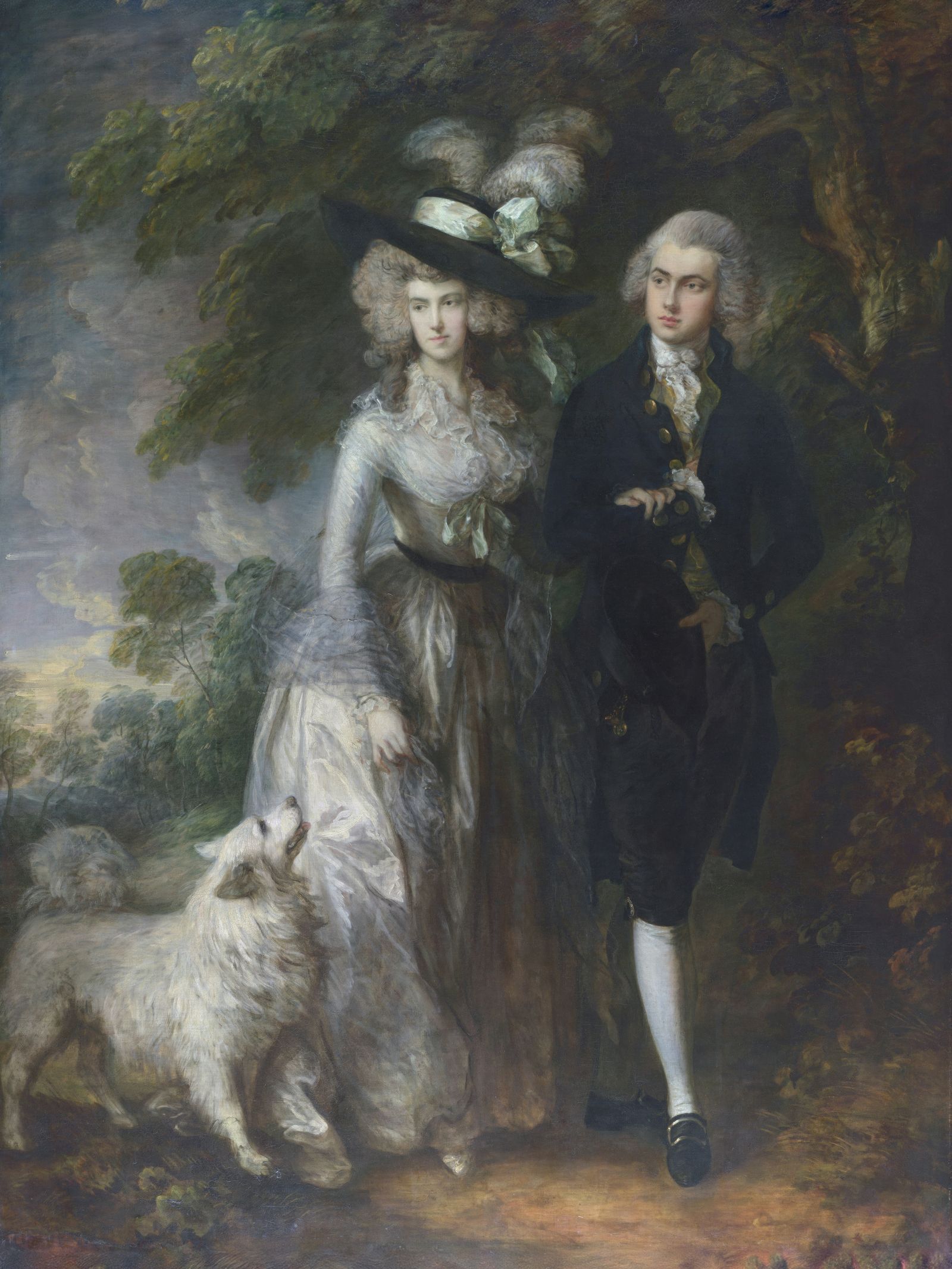
The Morning Walk (Mr and Mrs William Hallett) · Thomas Gainsborough · 1785 · National Gallery, London
The Morning Walk offers an elegant joint presence without making royal props the central idea. This may suit a couple who want a grand portrait that remains easy to live with after the joke has passed. Choose a photograph where both people occupy the frame comfortably. A royal mood can come from poise, scale and presentation, while the source still preserves the familiar expressions of two modern people.
Create a portrait in this style · Explore this artwork
3. Make the celebration romantic
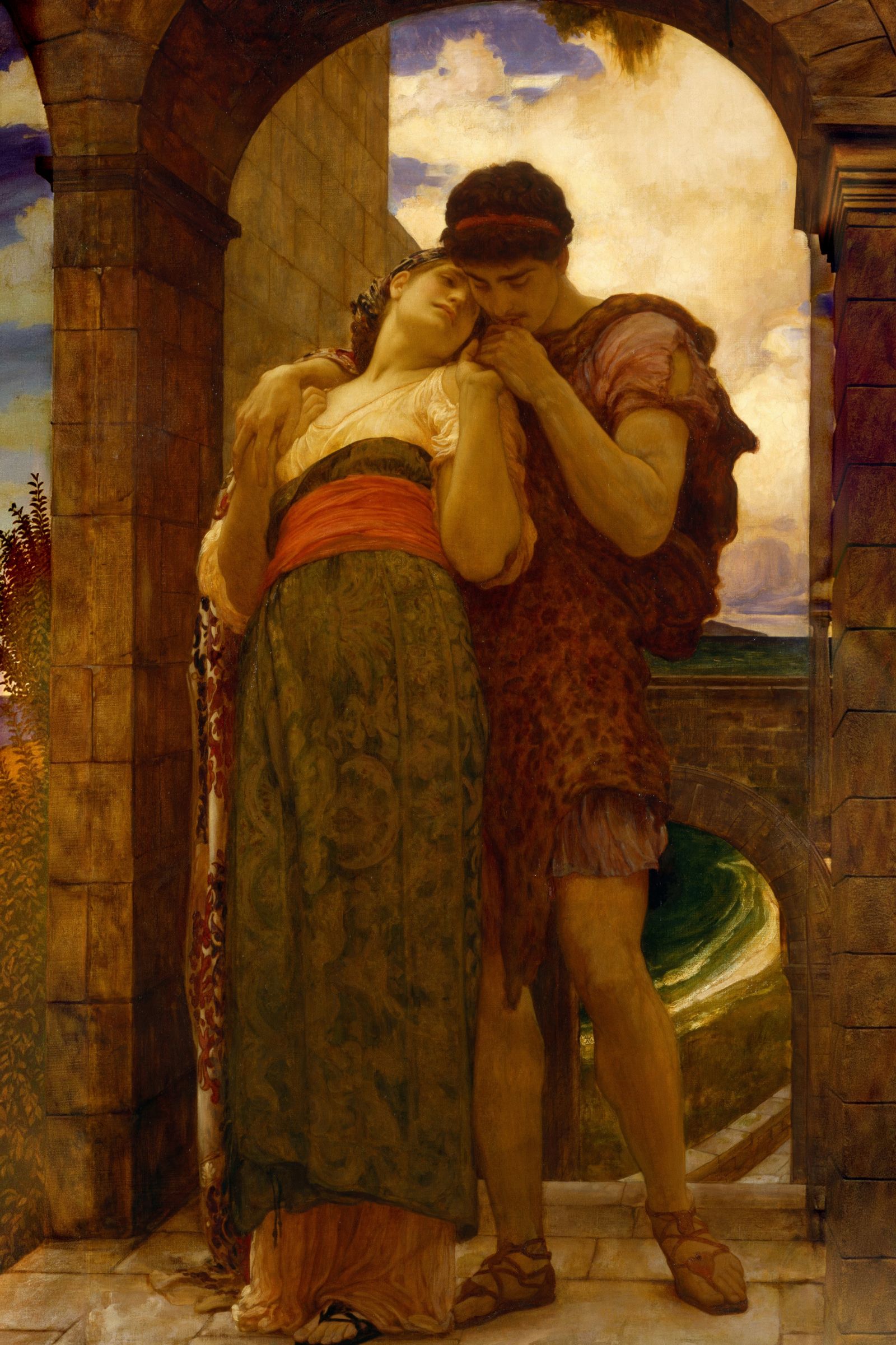
Wedded · Frederic Leighton · 1882 · Art Gallery of New South Wales, Sydney
Wedded suggests a ceremonial mood based on commitment. It is a useful alternative for a couple who would rather foreground their relationship than play two invented monarchs. Read the style's own page and compare the historical work with the photograph you plan to use. The gift can be affectionate and theatrical at the same time, without claiming to depict an actual wedding ritual or historical dynasty.
Create a portrait in this style · Explore this artwork
4. Let the double portrait feel established
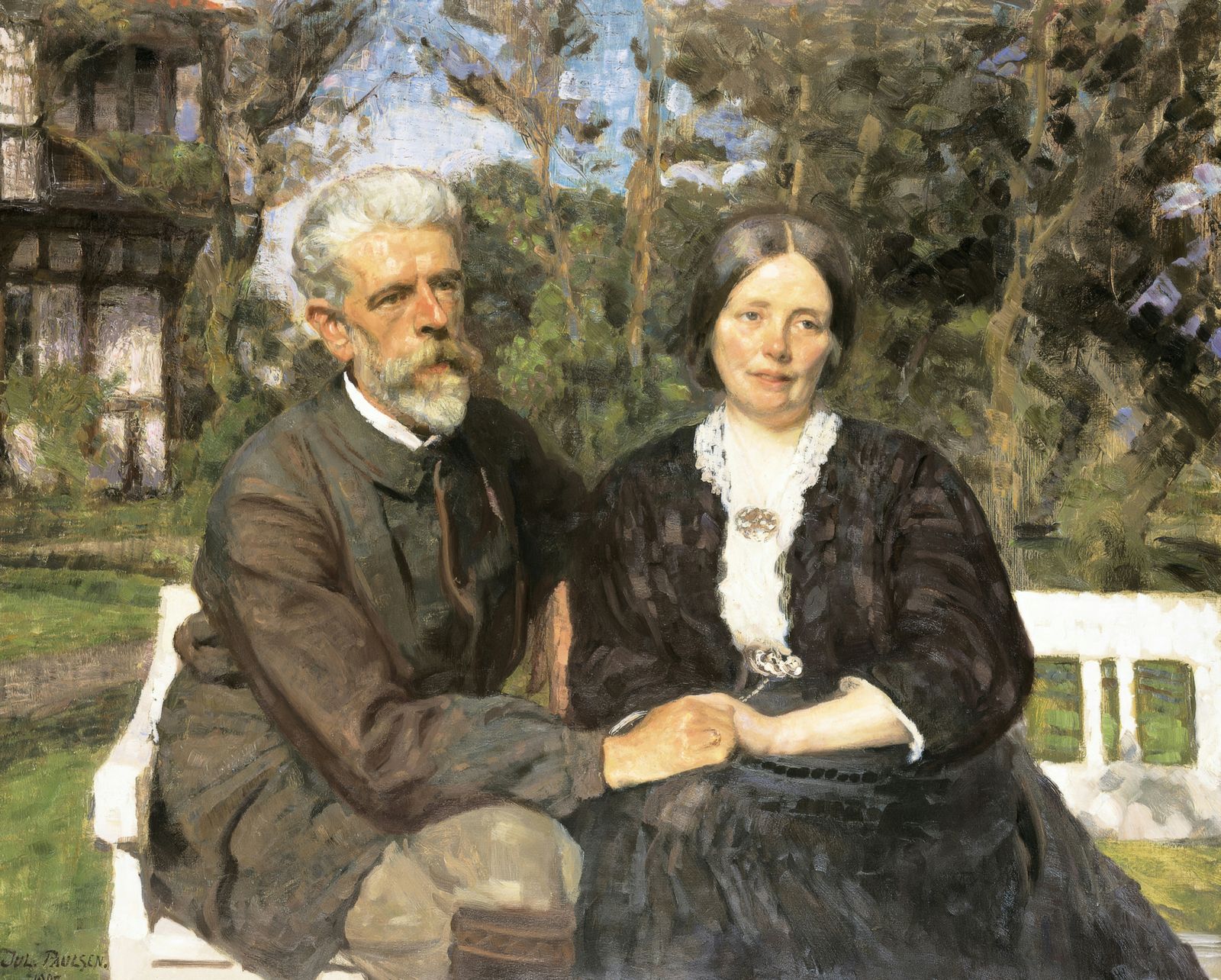
Double Portrait of Laurits and Frederikke Tuxen · Julius Paulsen · 1907 · Skagens Museum
A double portrait gives each partner a distinct presence. It may be the right starting point when the intention is “the two of us, together” rather than a role-playing scene. Check that the reference gives both faces comparable clarity. If one person is sharp and the other blurred, find a different photograph before deciding on a treatment. A composed picture begins with usable information for both subjects.
Create a portrait in this style · Explore this artwork
5. Give an evening out a courtly mood
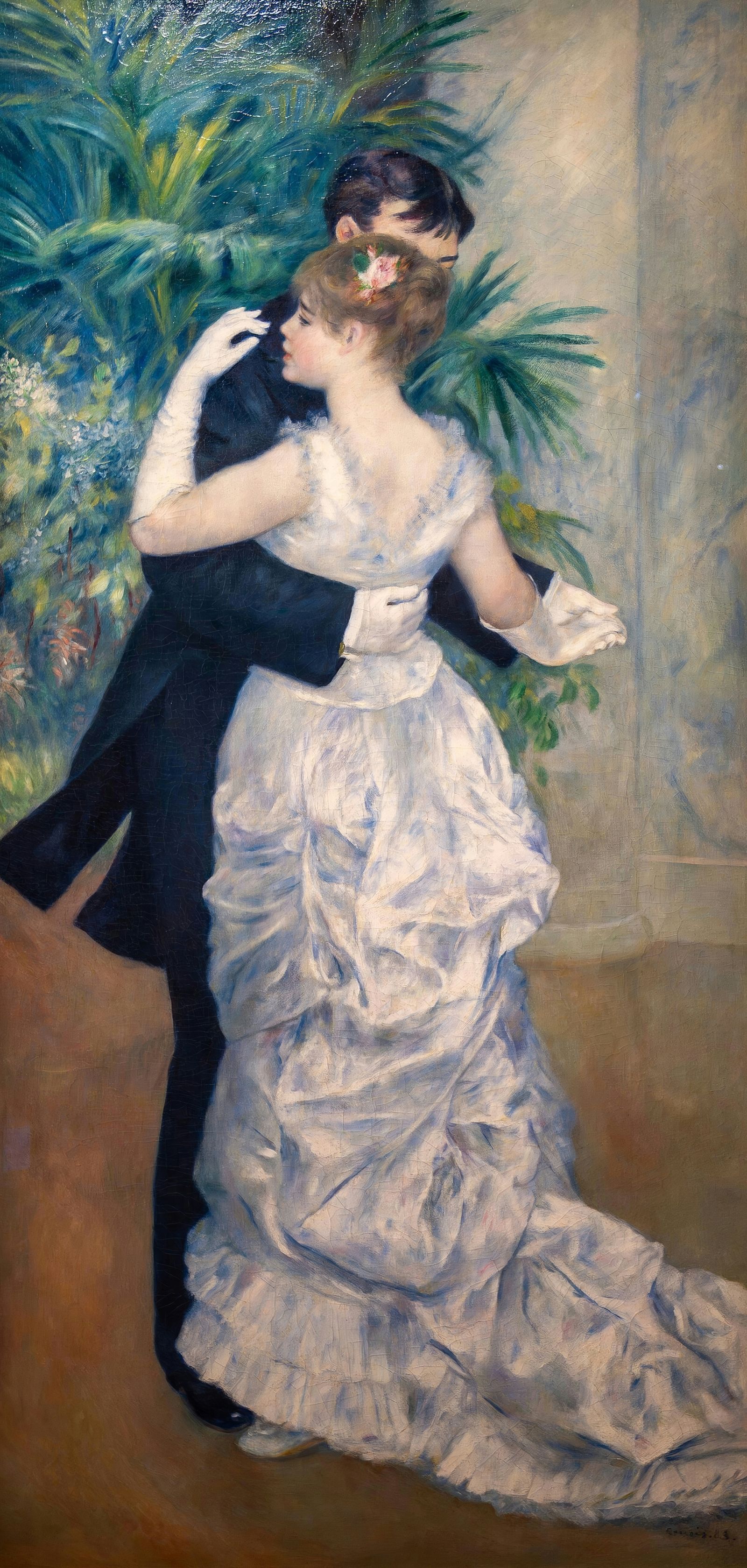
Dance in the City · Pierre-Auguste Renoir · 1883 · Musée d'Orsay, Paris
Dance in the City offers a celebratory route that can feel dressed for an occasion without adding thrones or insignia. It suits people whose favourite photograph already comes from a party, dinner or wedding. The clothing in the source need not tell the whole story, but the faces should be clear. Compare the style's treatment before choosing whether the finished portrait should be formal or lightly playful.
Create a portrait in this style · Explore this artwork
6. Keep the relationship close
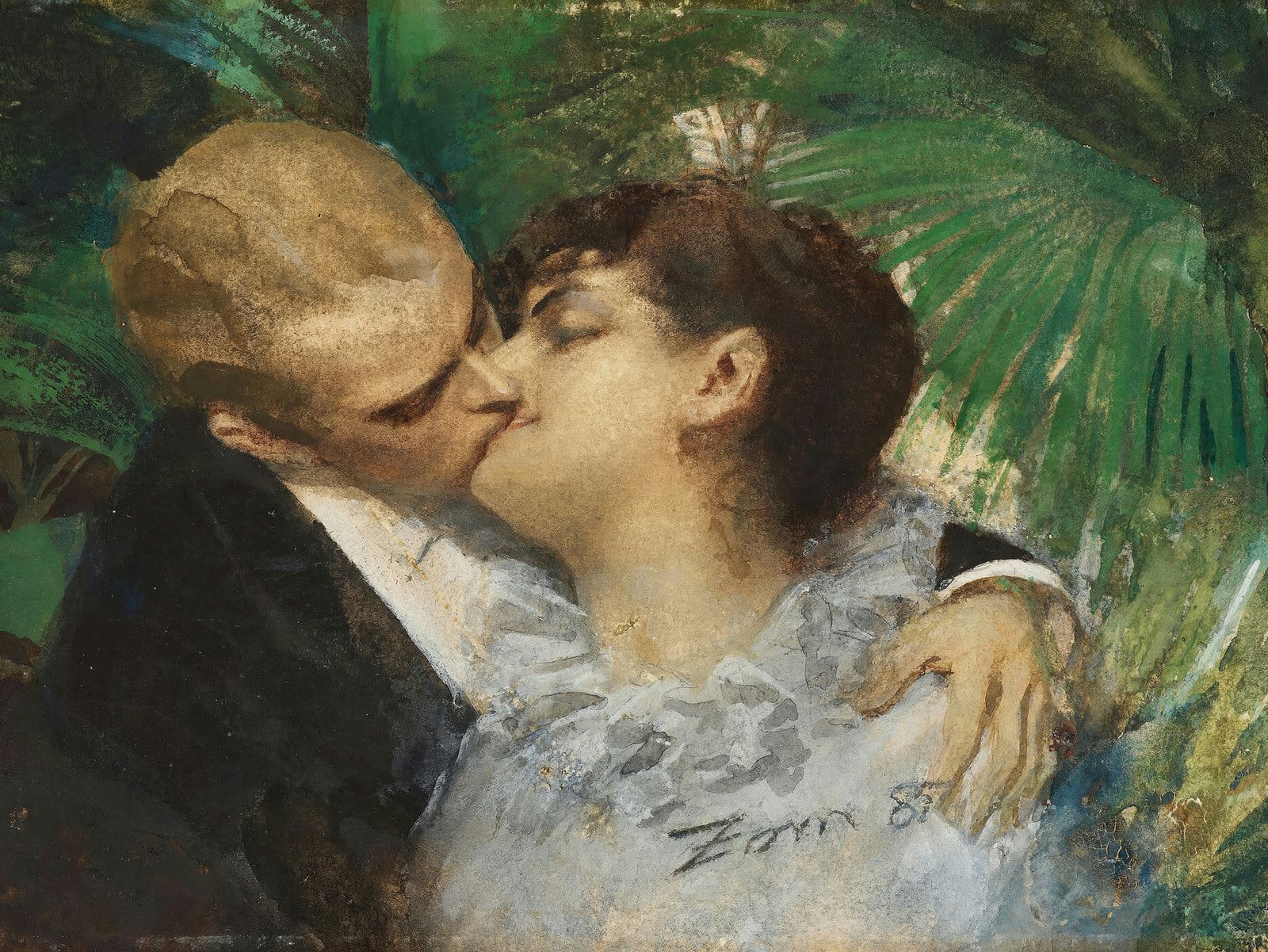
The Embrace · Anders Zorn · 1882–83 · Private collection
The Embrace is a reminder that a couple portrait can feel important through closeness instead of spectacle. Use it when the private relationship matters more than a royal costume idea. Ask both partners whether they would enjoy seeing that kind of intimacy displayed. The right portrait for a bedroom may be different from the one you want to hang in a shared hallway or give to relatives.
Create a portrait in this style · Explore this artwork
7. Try the romance of a walk
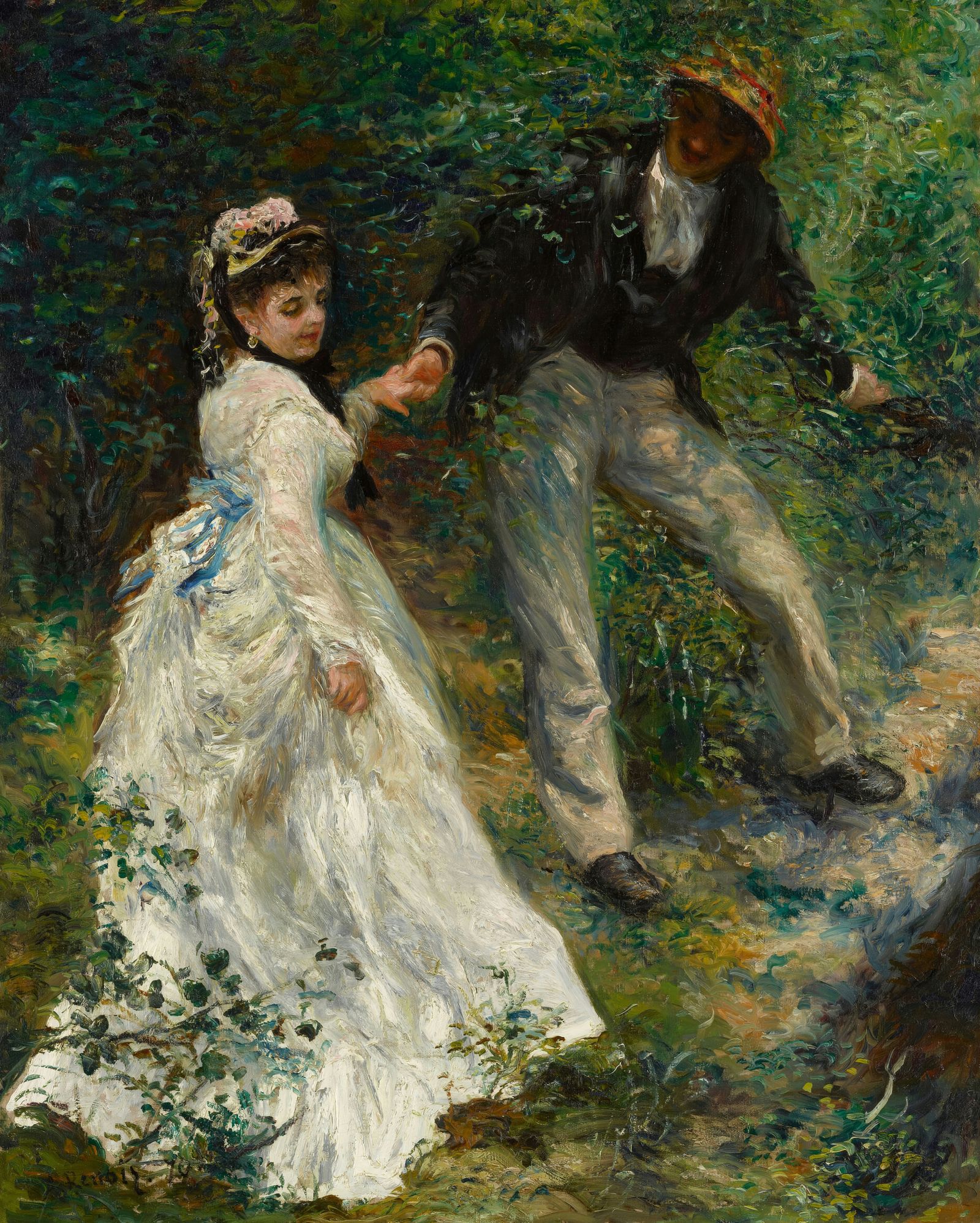
La Promenade · Pierre-Auguste Renoir · 1870 · J. Paul Getty Museum, Los Angeles
La Promenade offers movement and companionship as another route to a pair portrait. It can be useful when a rigid frontal photograph feels unlike either of you. Follow the actual photo guidance rather than trying to copy a historical pose at home. A style inspired by a masterwork should still begin with a reference that records your own proportions, faces and natural way of being together.
Create a portrait in this style · Explore this artwork
8. Let a favourite place replace a throne
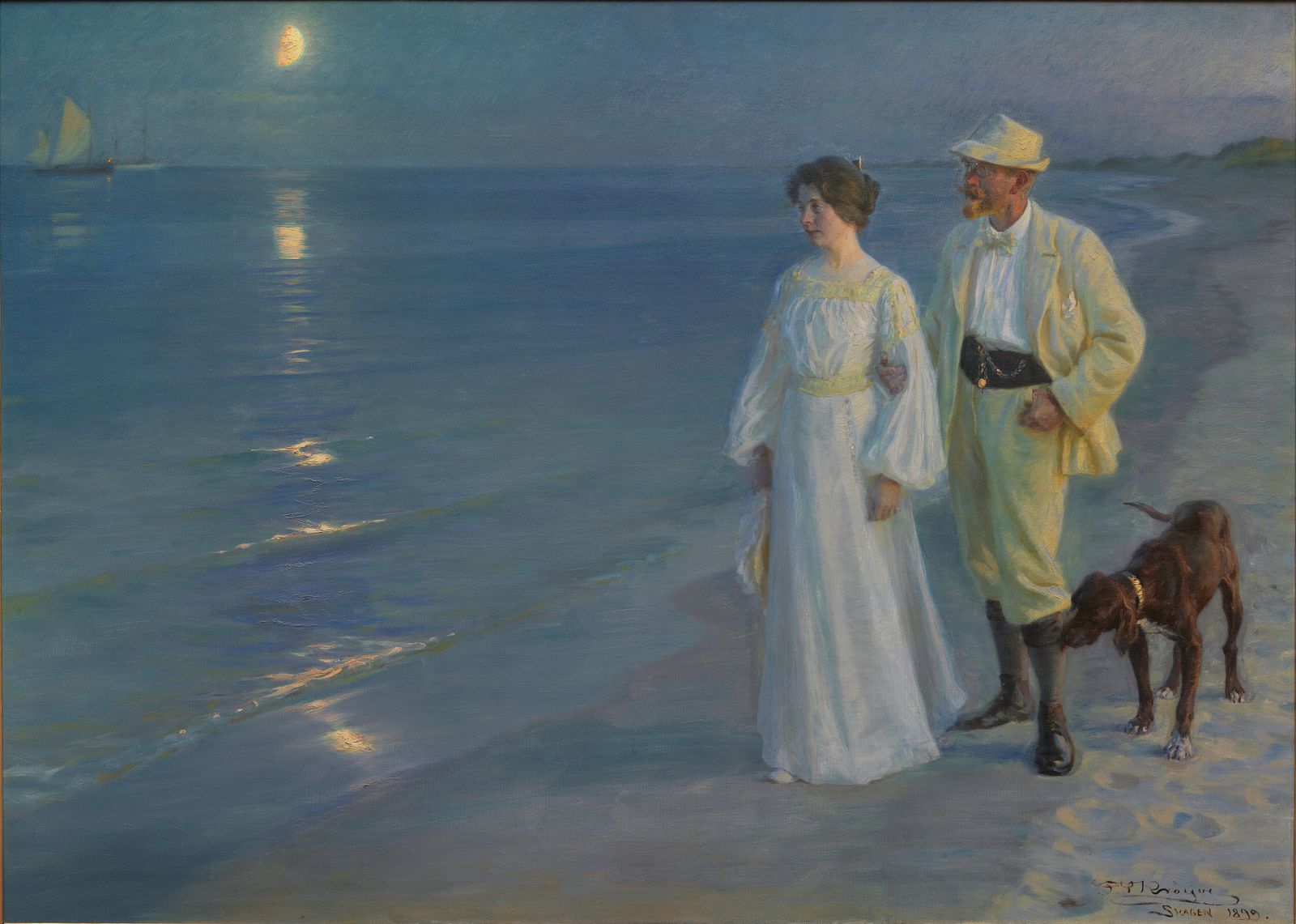
Summer Evening on Skagen's Beach · Peder Severin Krøyer · 1899 · Hirschsprung Collection, Copenhagen
A coastal mood may feel more personal than an imagined palace if the sea is part of your shared life. The grandness then comes from giving an ordinary relationship the attention of a large portrait. Choose the source for its people first and its scenery second. A beautiful distant landscape cannot compensate for faces too small or indistinct to supply a useful reference.
Create a portrait in this style · Explore this artwork
9. Build the gift around a shared activity
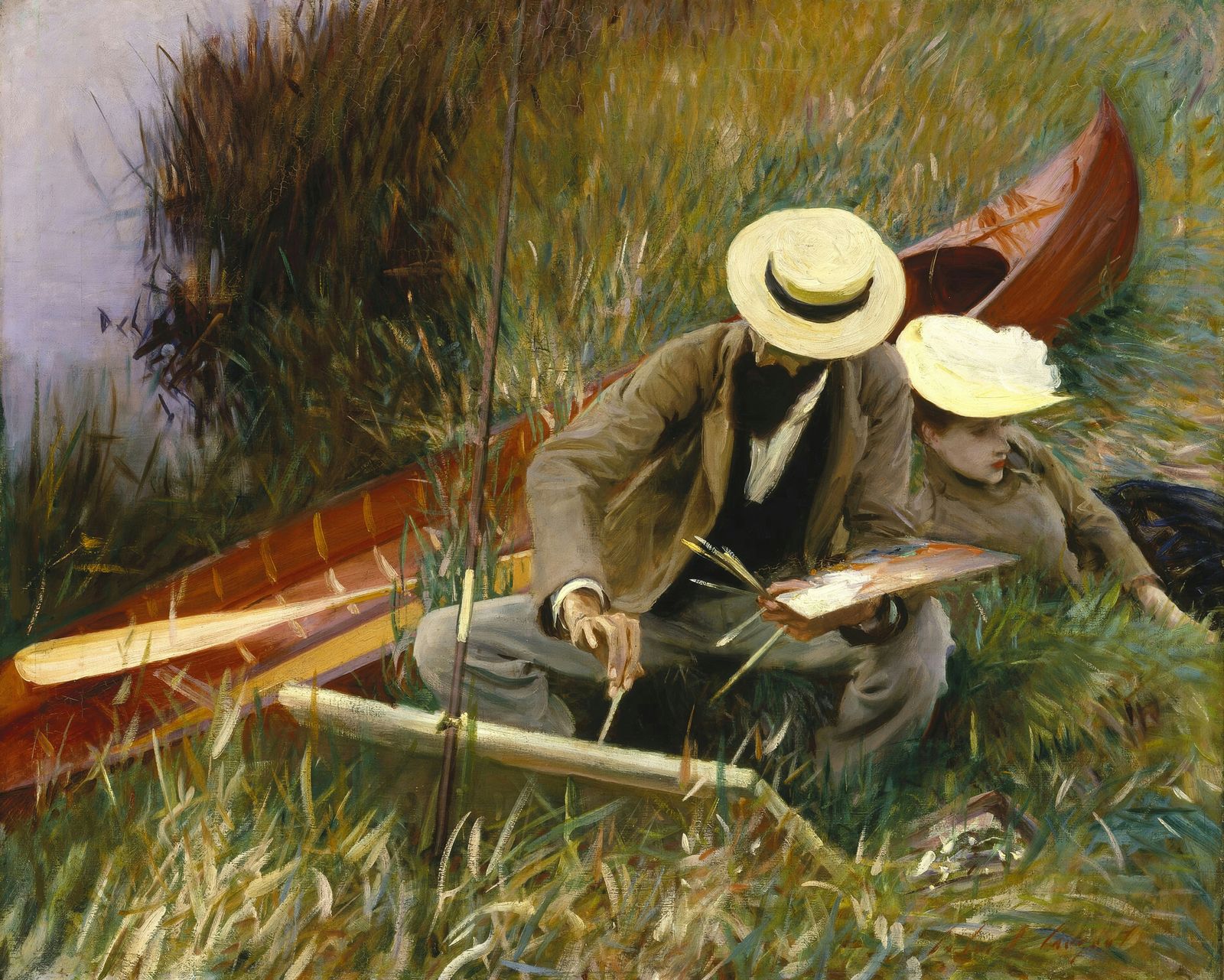
An Out-of-Doors Study (Paul Helleu and his Wife) · John Singer Sargent · 1889 · Brooklyn Museum
A couple who spend their time making, reading or exploring may prefer a portrait with that quieter intellectual feeling. This named double study provides a historical point of reference without requiring a crown. Keep the gift grounded in what the partners actually enjoy. The king-and-queen phrase can remain in the accompanying note if the image itself would be more welcome as an elegant, recognisable pair.
Create a portrait in this style · Explore this artwork
10. Use colour as the theatrical detail
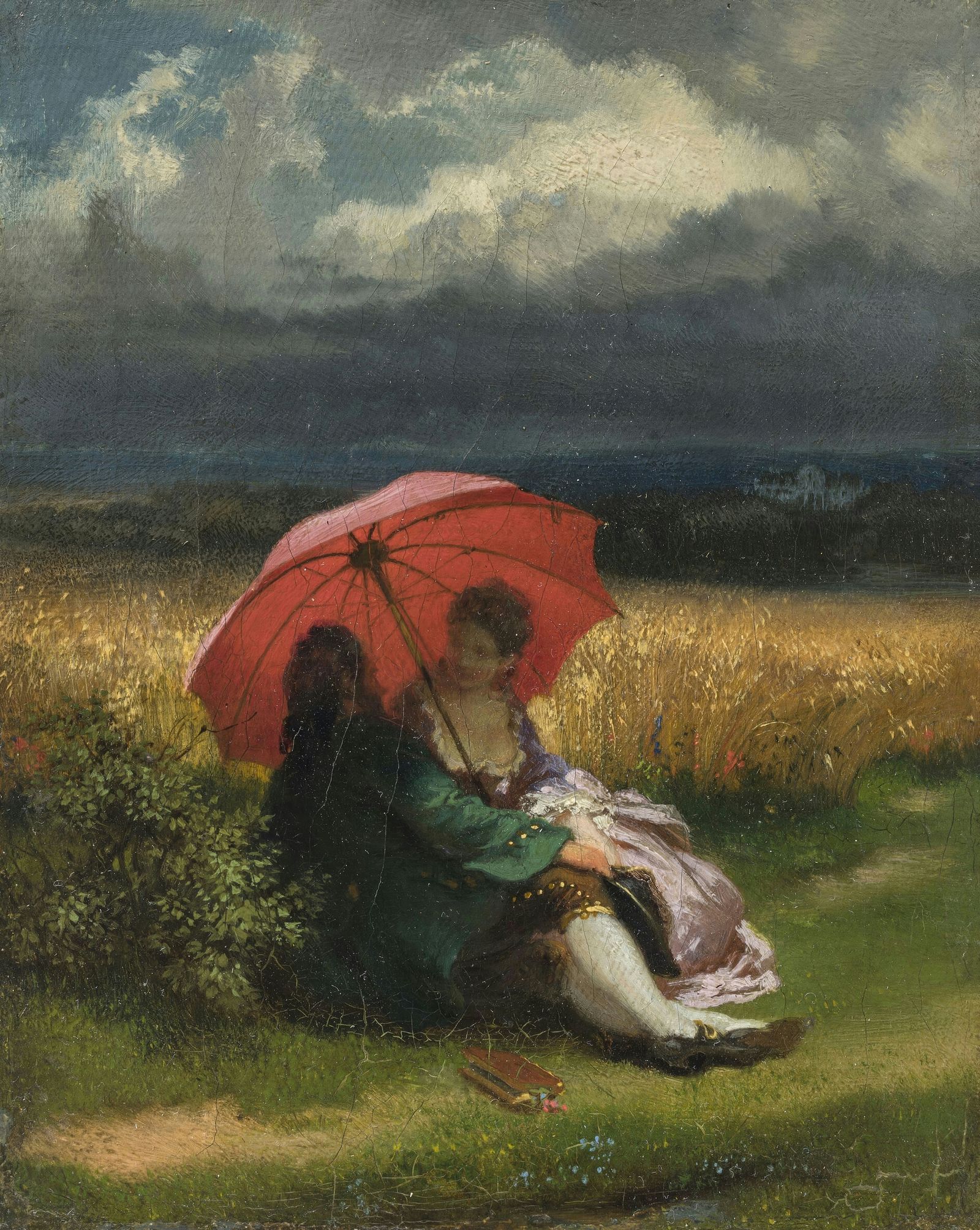
In the Summer (The Red Parasol) · Josef Mánes · 1855 · National Gallery Prague
The Red Parasol provides a different kind of visual emphasis: a named object and a vivid mood rather than heraldic ceremony. Choose it after looking at the complete masterwork and the linked style page. A portrait can feel festive through colour while retaining two natural faces. Review the result before ordering a print, and let the final dimensions follow the room rather than the fantasy of a palace wall.
Create a portrait in this style · Explore this artwork
Begin with The Accolade if the ceremonial idea is what you love, or choose another Love stories treatment if the relationship suggests a quieter mood. Open the style, bring a clear photograph and review the portrait before selecting a physical format. Current sizes, materials and prices appear in the live flow. If the portrait is a surprise, check that both people would enjoy its tone and its intended place in the home. The most enjoyable royal couple gift gives two real people a little ceremony while keeping their own character visible.
- Will a king and queen portrait reproduce a historical painting exactly?
- The linked style page describes the available portrait treatment. The historical masterwork is its reference, not a promise of an exact reconstruction. Review your own portrait before ordering and check the photo guidance for the chosen style.
- Do we have to wear costumes in the reference photo?
- Start with a clear photograph of both people and follow the style’s instructions. Faces and natural proportions matter more than a staged costume. Do not assume that a prop or outfit in a historical work is guaranteed in every result.
- Can this be a wedding or anniversary gift?
- It can suit a couple who enjoy a ceremonial or playful portrait. Choose the tone with their taste in mind and make sure they are comfortable with the photograph. Confirm current print and framing choices in the ordering flow.