Orange wall art: 12 paintings in amber and sunset
Hilma af Klint’s glowing Youth, Carl Larsson’s Lisbeth, van Dyck’s earl and a river of fire off Quebec: twelve paintings in tangerine, apricot and amber.
Orange is the most cheerful colour on the wheel: the warmth of red with the light of yellow. In a room it reads as sunshine, autumn and firelight, and it is having a revival, from burnt orange velvet to apricot walls.
Here are twelve paintings with orange at their heart, in three groups: tangerine and marigold, apricot and copper, and fire and sunset. One orange picture is often all a room needs to feel alive.
Tangerine and marigold
Bright, joyful oranges for kitchens, hallways and playrooms.
1. The Ten Largest, No. 4, Youth
Hilma af Klint, The Ten Largest, No. 4, Youth, 1907. Tempera on paper, mounted on canvas. Hilma af Klint Foundation, Stockholm.
Hilma af Klint painted The Ten Largest in 1907 as the stages of a human life; numbers three and four are Youth, painted in glowing orange.
Tangerine, rose and powder blue.
2. The Ten Largest, No. 3, Youth
Hilma af Klint, The Ten Largest, No. 3, Youth, 1907. Tempera on paper, mounted on canvas. Hilma af Klint Foundation, Stockholm.
The third of Hilma af Klint’s Ten Largest, each more than three metres tall, painted in a few months of 1907.
Marigold, saffron and sky blue.
3. The US Series, Group VIII, No. 6
Hilma af Klint, The US Series, Group VIII, No. 6, 1913. Oil on canvas. Hilma af Klint Foundation, Stockholm.
Hilma af Klint painted this symmetrical vision in 1913, setting light and dark, above and below, in balance.
Tangerine, black and cream: bold and graphic.
4. Angels Strewing Flowers over the Vatican
Gustave Moreau, Angels Strewing Flowers over the Vatican, by 1898.
Gustave Moreau left this vivid, freely painted sketch in his studio, now his museum in Paris.
Burnt orange, stone and grey blue.
Apricot and copper
Softer, warmer oranges for living rooms and bedrooms.
5. Lisbeth Reading
Carl Larsson, Lisbeth Reading, 1904. Nationalmuseum, Stockholm.
Carl Larsson painted his daughter Lisbeth reading at home in Sundborn in 1904.
Coral orange, sage and straw.
6. Robert Rich (1587–1658), Second Earl of Warwick
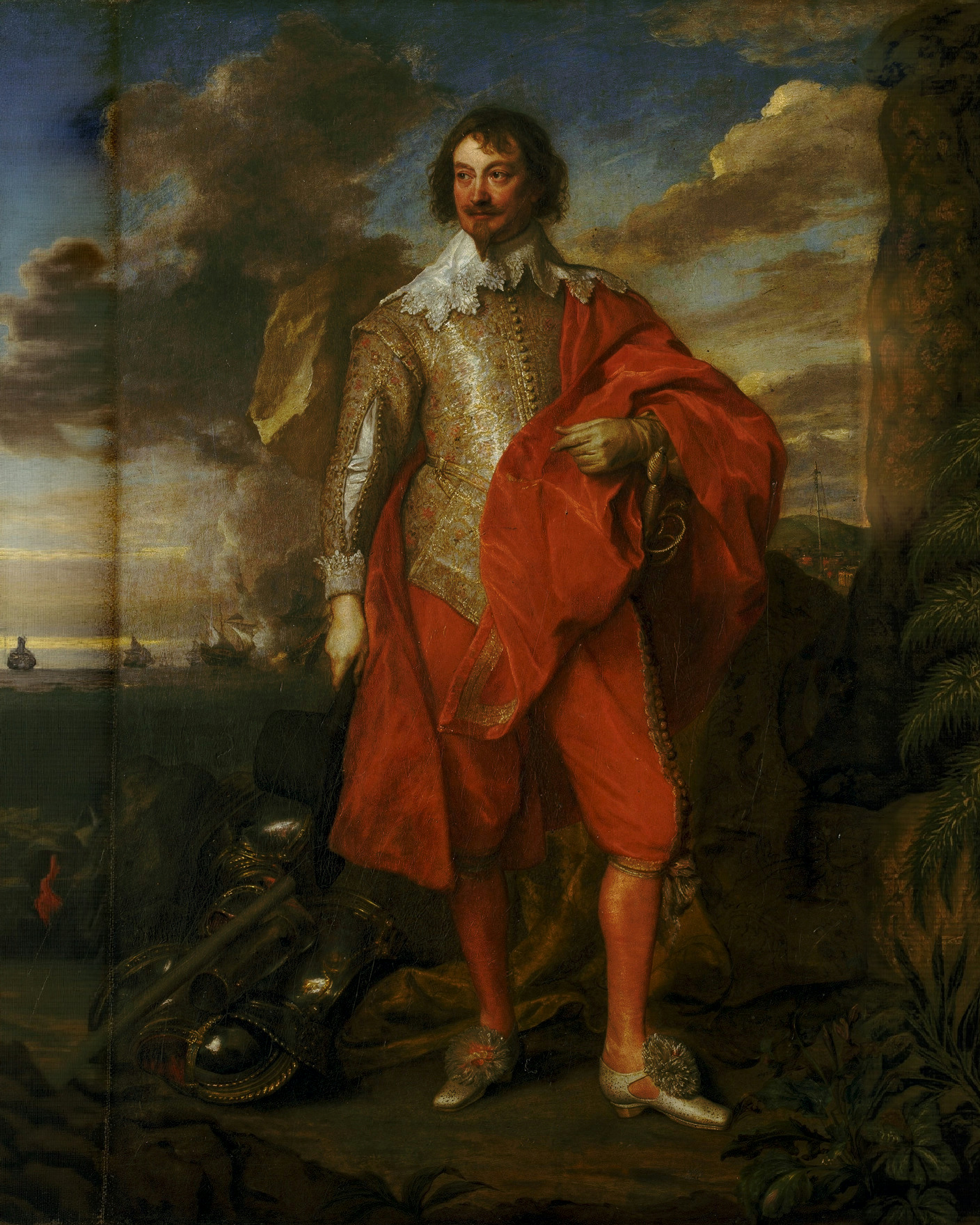
Anthony van Dyck, Robert Rich (1587–1658), Second Earl of Warwick, ca. 1632–35. Oil on canvas. The Metropolitan Museum of Art, New York.
Anthony van Dyck painted Robert Rich, admiral and colonist, around 1632–35, during his years at the English court.
Copper, umber and steel grey.
7. At Kiyomizu Temple
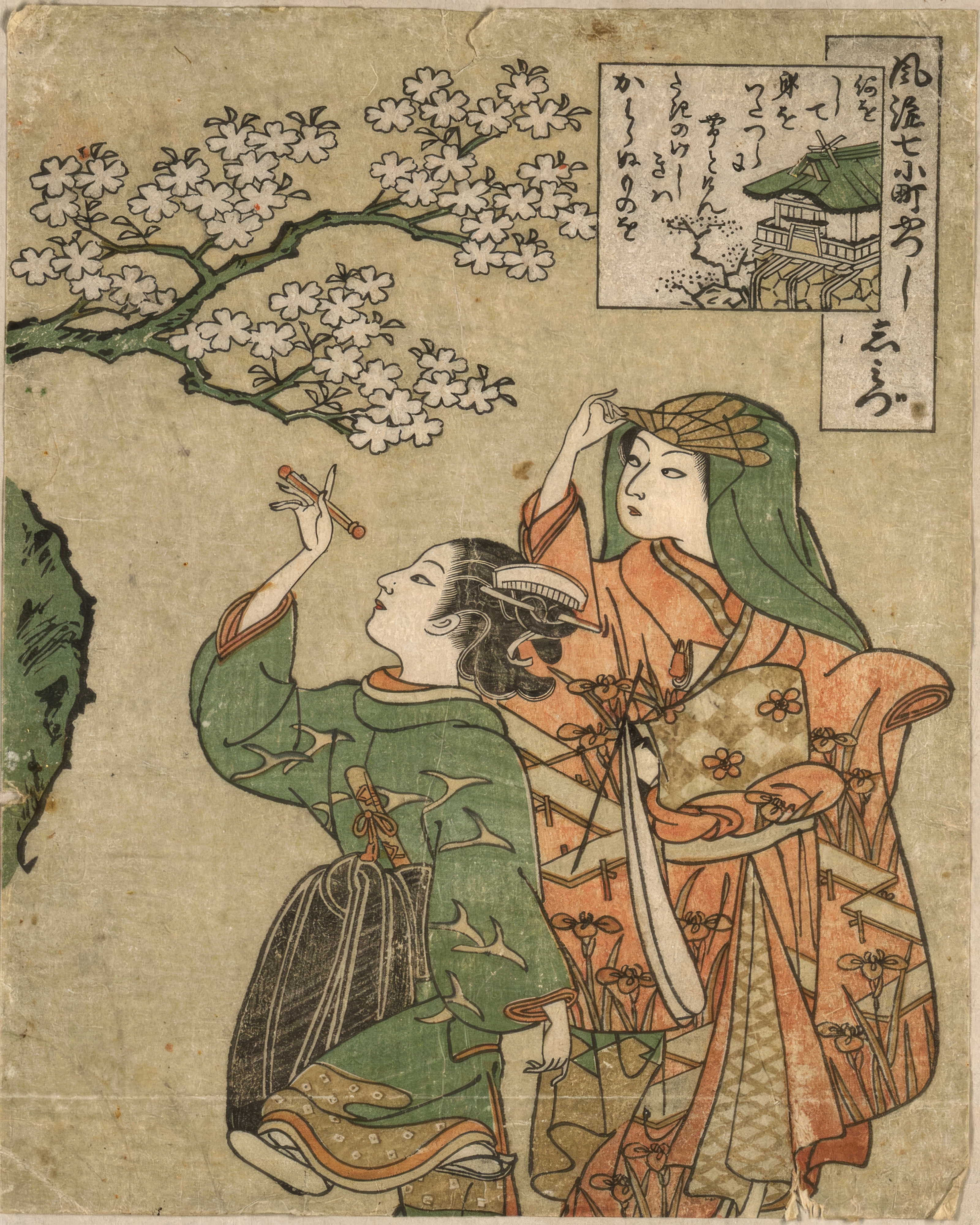
Suzuki Harunobu, At Kiyomizu Temple, 1766-1767 (Meiwa 3-4). Woodblock print (nishiki-e); ink and color on paper. Harvard Art Museums.
Suzuki Harunobu made this print in 1766–67 for a series that sets the poet Komachi’s legends in modern dress.
Apricot, sage and cream.
8. Kaoru of the Shin-Kanaya
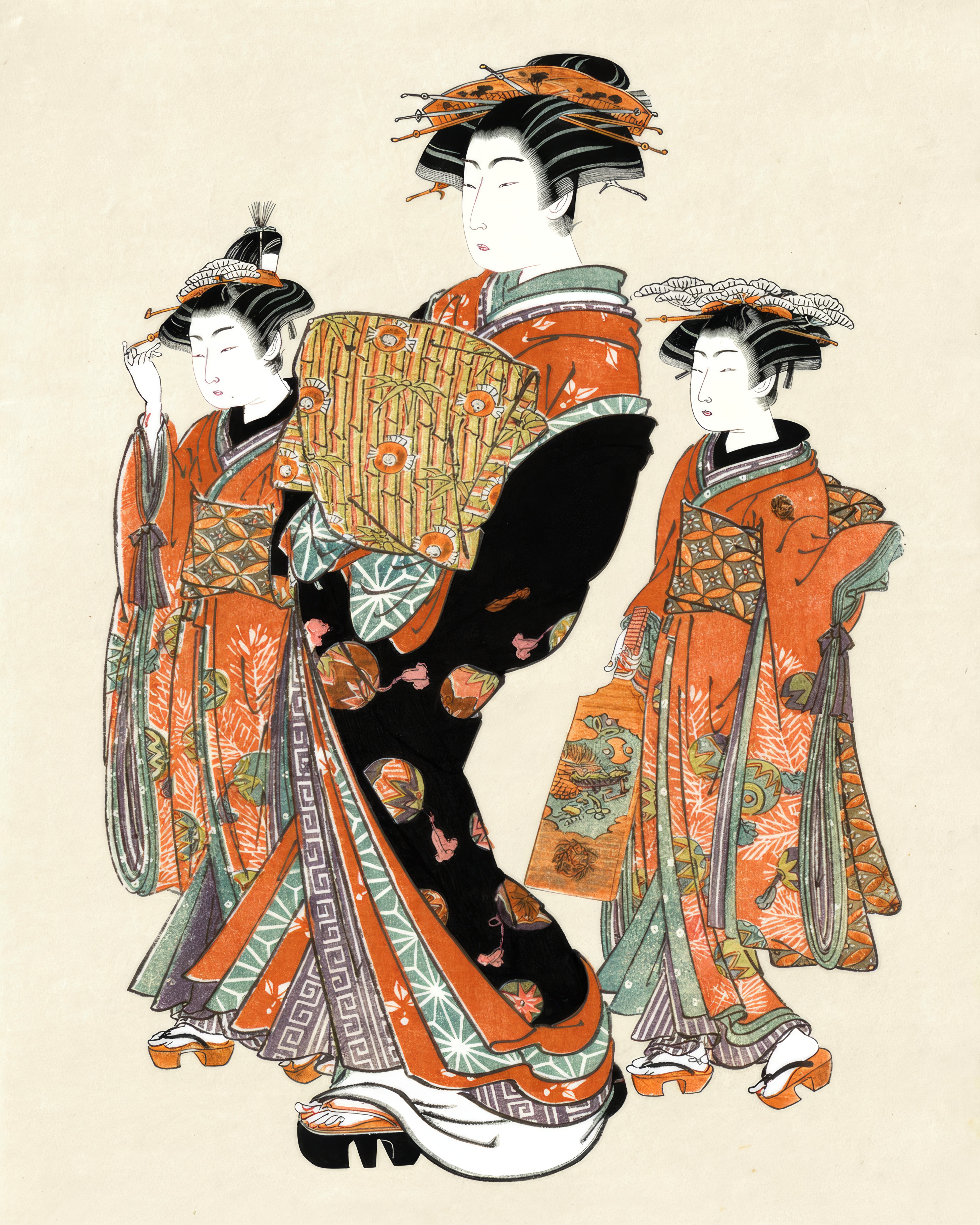
Isoda Koryusai, Kaoru of the Shin-Kanaya, 1780. Color woodblock print; oban. Art Institute of Chicago.
Isoda Koryūsai made this print in 1780 for Models for Fashion, a long series that showed off the newest kimono designs.
Persimmon, jade and ink.
Fire and sunset
Deep amber and flame for dramatic rooms.
9. Fire Rafts off Quebec
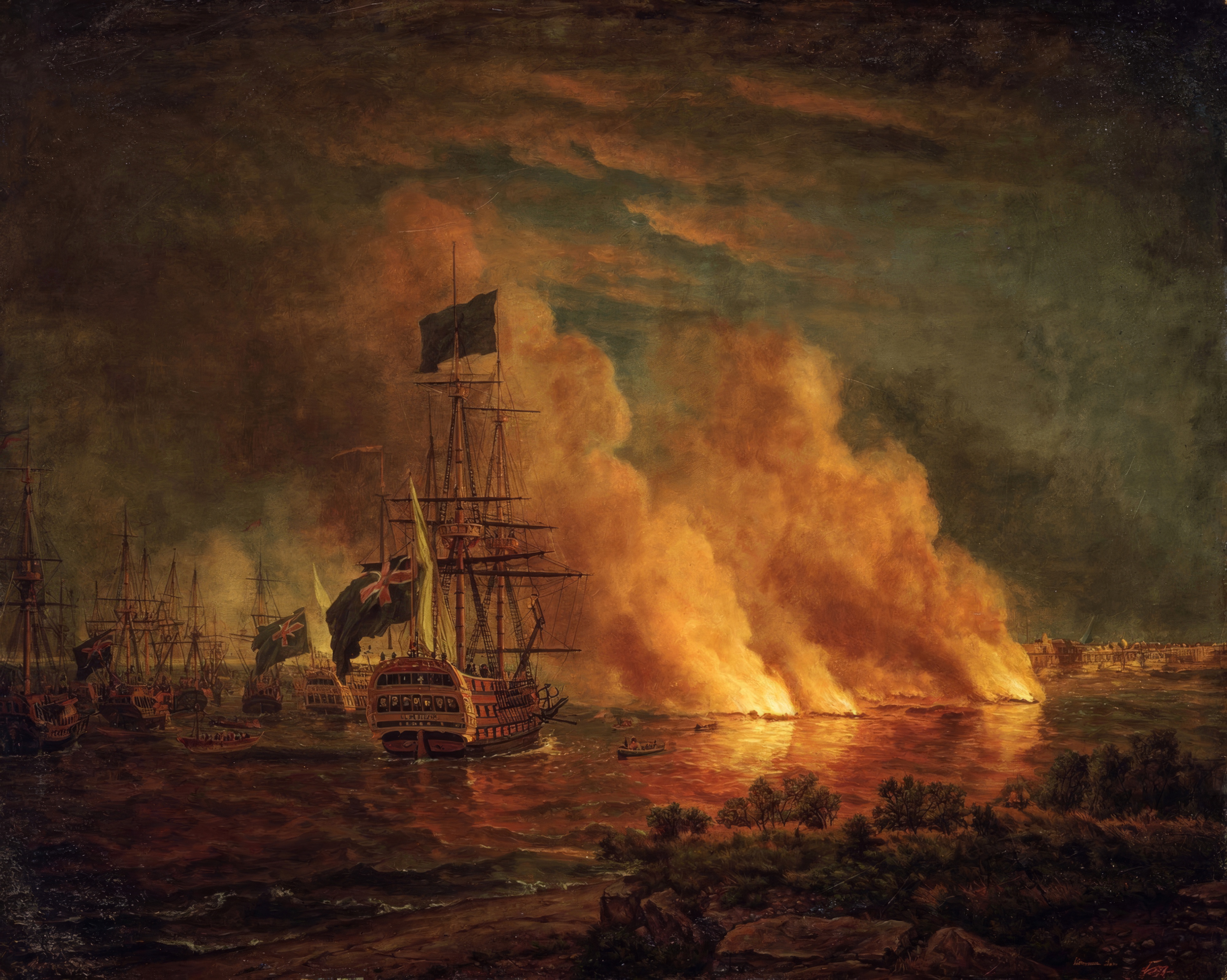
The Siege of Quebec by Fire, 1767.
This painting of 1767 records a night in 1759, during the siege of Quebec, when the French sent blazing rafts against the British fleet.
Flame orange and night black.
10. Rama and Lakshmana Fight Ravana
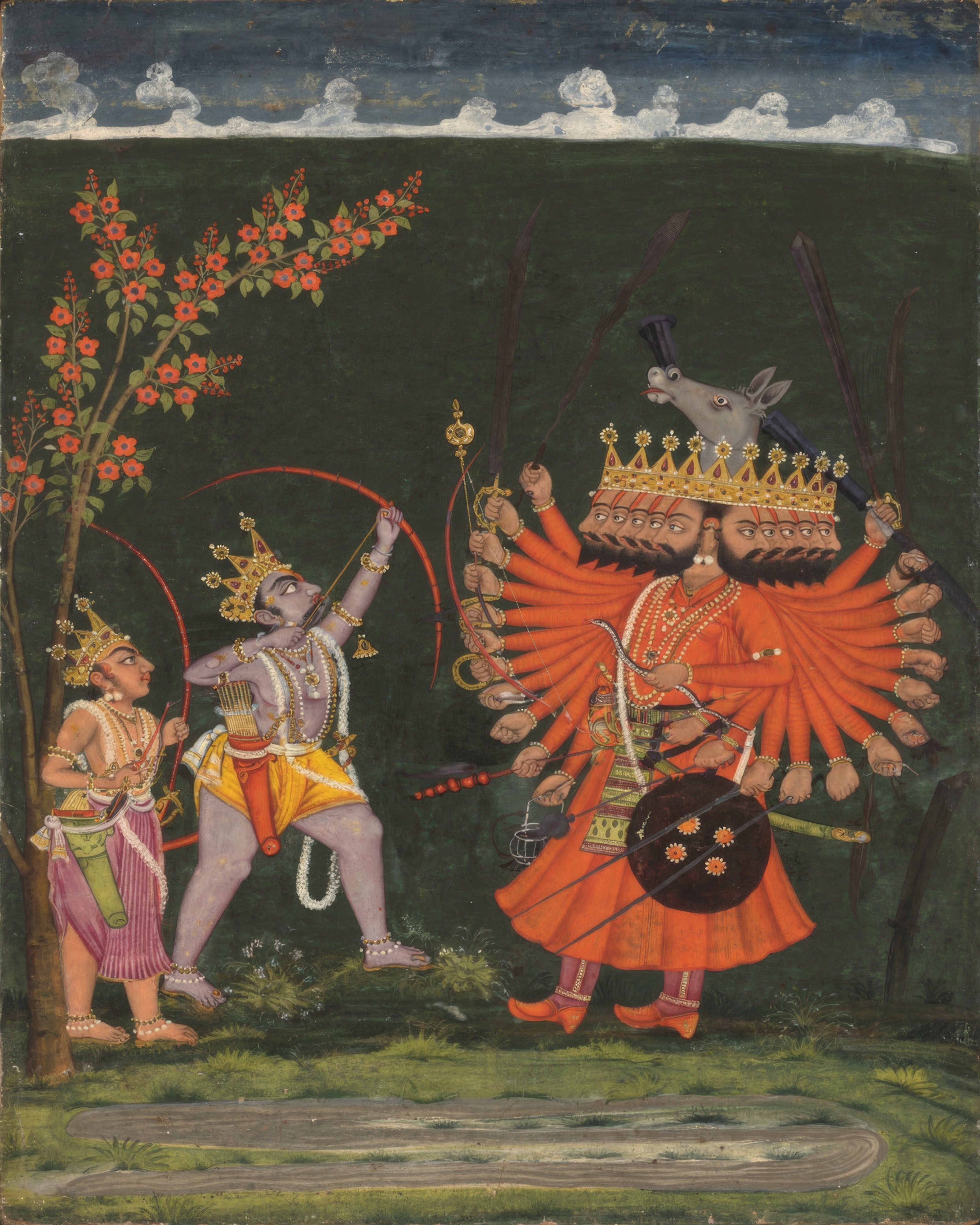
Indian painter, Rama and Lakshmana Fight Ravana, c. 1765. Gum tempera and gold on paper. Cleveland Museum of Art.
This page from a series on the ten avatars of Vishnu was painted in north India around 1765.
Saffron orange, forest green and slate.
11. Raiko (Minamoto no Yorimitsu) and the demon kite
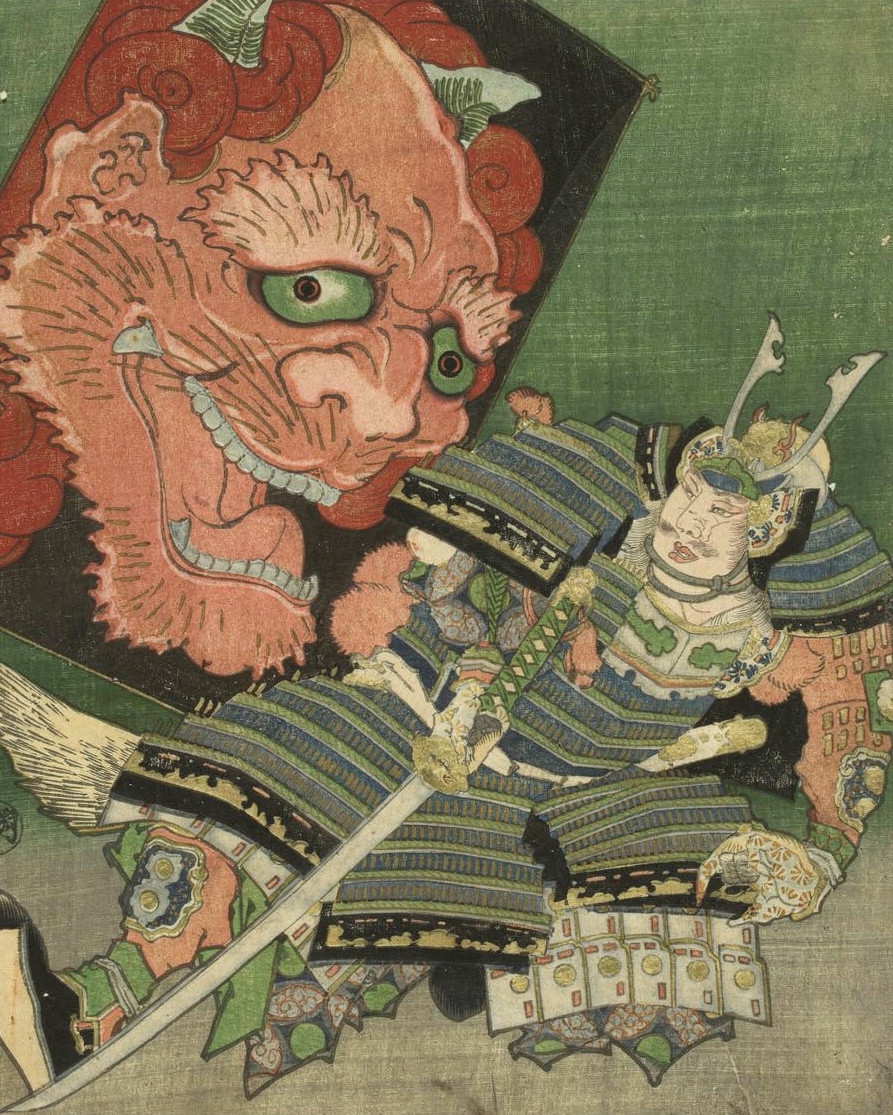
Totoya Hokkei, Raiko (Minamoto no Yorimitsu) and the demon kite, c. 1825. Color woodblock print; shikishiban surimono. Art Institute of Chicago.
Totoya Hokkei, a pupil of Hokusai, made this small surimono print around 1825.
Coral, jade and slate blue.
12. Gamayun, the Prophetic Bird
Viktor Vasnetsov, Gamayun, the Prophetic Bird, 1897.
Viktor Vasnetsov painted this legendary bird with a woman’s face in 1897.
Amber, honey and dark teal.
Orange pairs beautifully with navy, teal, deep green, cream and chocolate brown. Pale apricot suits bedrooms; tangerine suits kitchens, playrooms and hallways; burnt orange suits living rooms with wood and leather. For more, see terracotta wall art, art for blue walls and yellow wall art.
Questions
What colours go with orange art?
Navy, teal, deep green, cream, chocolate brown and brass.
What walls suit orange art?
Navy, teal and deep green walls make orange glow; white and cream let it sing.
Is orange art good for a living room?
Yes. Burnt orange and amber feel warm and sociable, especially with wood, leather and lamplight.
What frame goes with orange art?
Natural oak, walnut, brass, or black for a crisp modern look.