What makes an art print worth keeping? Giclée, paper and colour
Giclée, paper and colour, explained through paintings worth looking at closely. A practical guide to choosing an archival fine art print.
Begin with the picture
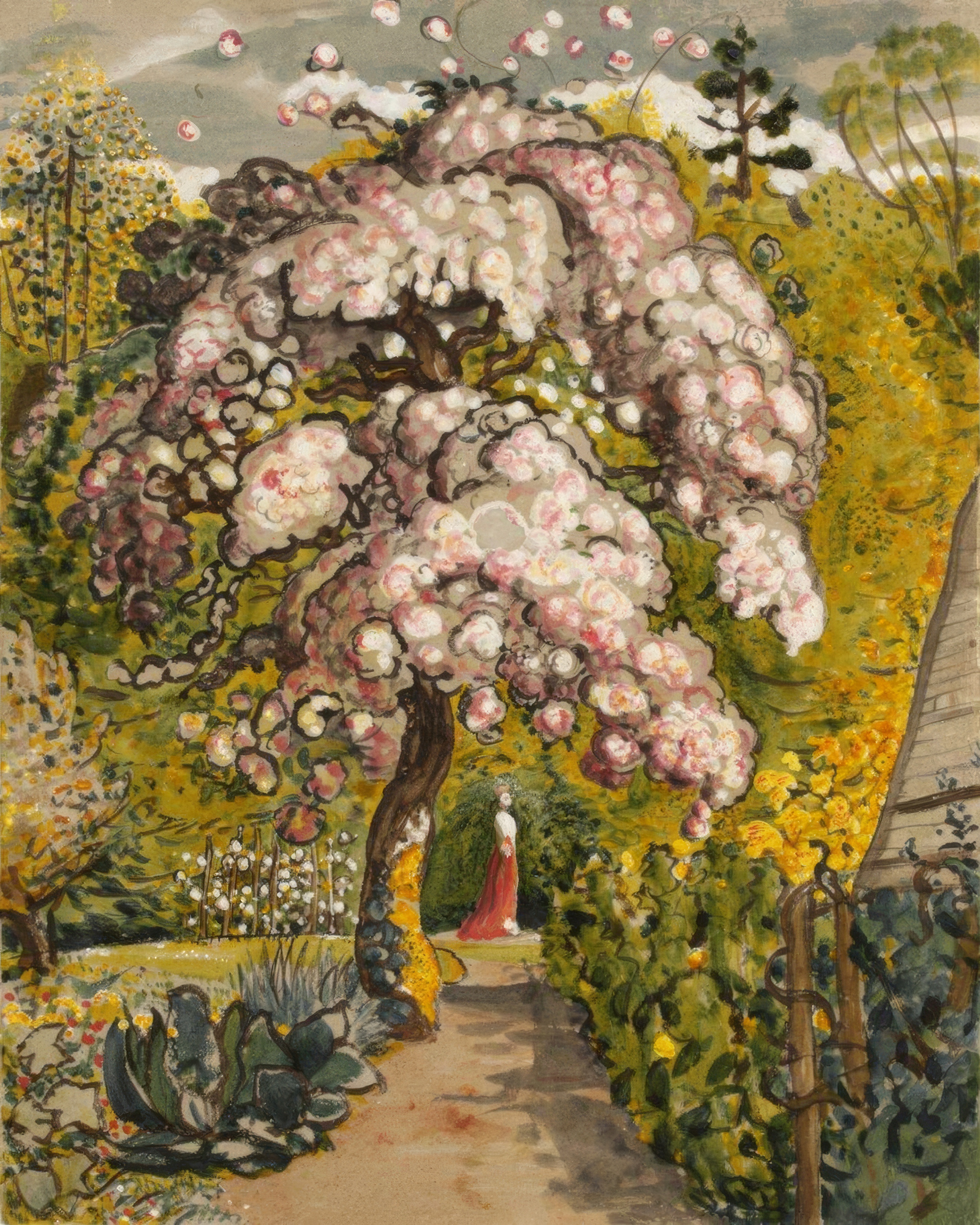
Fable catalogue edition after the historical work.
A print has to survive two distances: the glance from the doorway and the closer look beside the frame. Palmer’s flowering garden rewards both. Its bright canopy makes a strong shape across a room; near the paper, the branching forms and small figure give the eye more to discover. Before comparing specifications, choose a composition you want to keep looking at. A longer materials list cannot make an indifferent image feel personal.
What does giclée mean?
Giclée is a term used for fine-art inkjet printing. It describes a printing approach, rather than a single paper, an artistic movement or a guarantee that every print bearing the word has identical quality. Ask what paper and inks are used, and look at the image itself. A poster describes a kind of product or use, not one universal printing process. The useful comparison is between the actual materials and reproduction, not simply between two labels.
Paper is part of the image
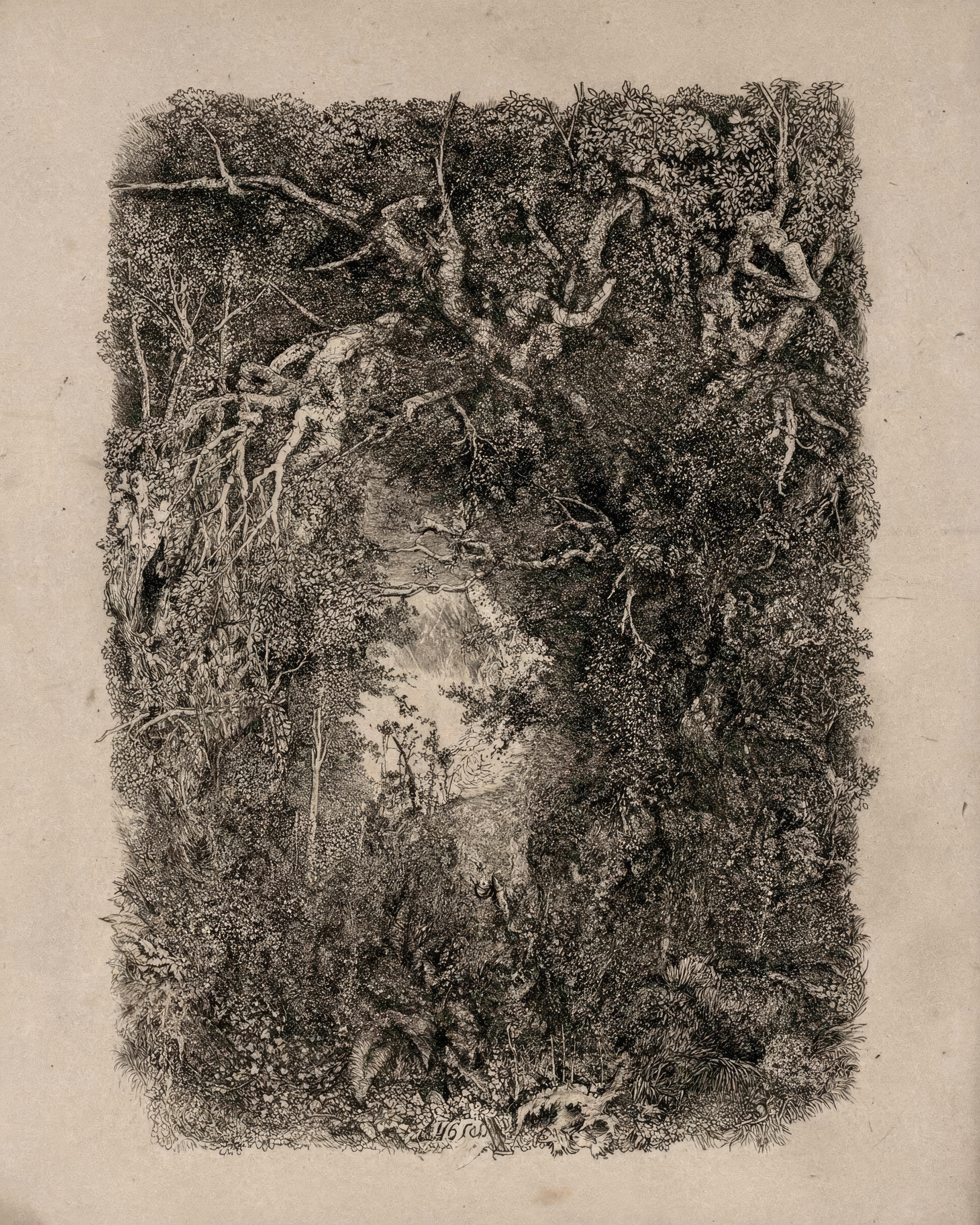
Fable catalogue edition after the historical work.
Bresdin’s forest makes paper easy to think about. The pale spaces between the lines carry as much atmosphere as the dark marks. A heavily textured surface can contribute character, while a smoother one can make delicate lines feel crisper. Matte paper reduces surface reflections, but it does not remove reflections from glazing. Fable describes its art prints as giclée prints on archival matte art paper with pigment inks; check the current product options for the work and size you choose.
Colour is a relationship
A luminous gold ground or a pink blossom changes when the colours around it change. Judge the whole image, not only its brightest detail. A phone screen emits light; paper reflects the light in your room. The two experiences will differ, particularly with a very bright screen or warm evening lighting. For an old artwork, distinguish the historical object from the contemporary reproduction or restored catalogue edition you are buying. The caption should make that relationship clear.
Choose the wall, then the size
Measure the available wall and mark the proposed outer dimensions before ordering. Leave room for the mount and frame you intend to use. For intricate work, consider how near you can stand: a print above a staircase will be read differently from one beside a desk. Keep framed paper away from direct sunlight, damp and heat. Archival materials support longevity, but care and display conditions still matter. Start with a picture that holds your attention, choose its current print options, and give it a place where you will actually see it.