Baroque art: 18 paintings of drama, light and gold
Rembrandt’s Aristotle, Velázquez’s Juan de Pareja, La Tour’s candlelit Magdalen and Rubens at full gallop: eighteen Baroque masterpieces, what makes them Baroque, and how to hang them.
Baroque art, roughly 1600 to 1720, is the art of drama. Painters learned from Caravaggio to throw a single beam of light across a dark room, and from Rubens to make bodies swirl across a canvas. Portraits became psychological, still lifes became theatre, and churches and palaces filled with movement and gold.
The eighteen paintings below show the range, from Rembrandt’s inward-looking Aristotle to Rubens’s queen arriving by sea. Each is available as a print.
1. Aristotle with a Bust of Homer
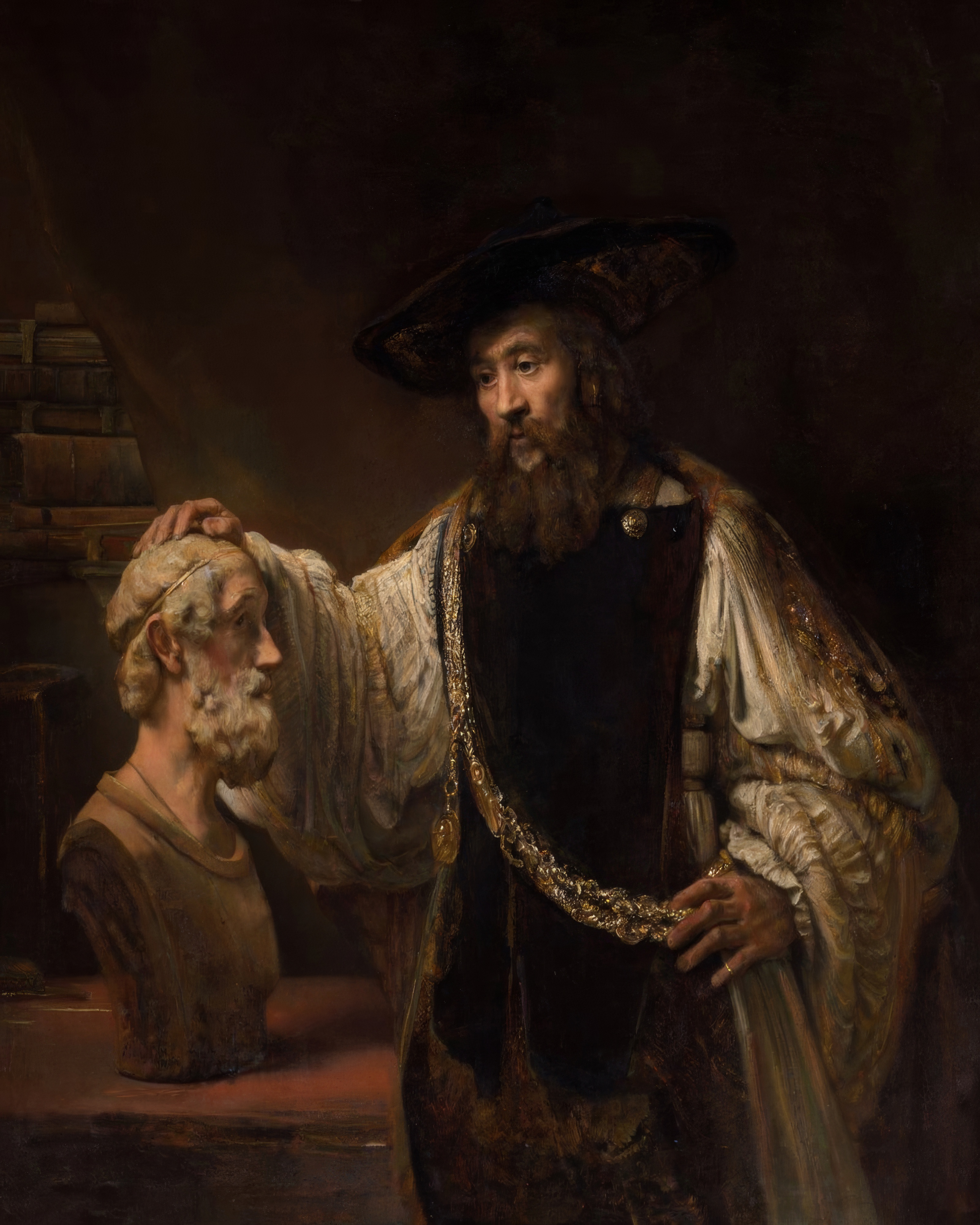
Rembrandt, Aristotle with a Bust of Homer, 1653. Oil on canvas. The Metropolitan Museum of Art, New York.
Rembrandt painted Aristotle in 1653, his hand on a bust of Homer and a gold chain from Alexander the Great across his chest. Fame, wisdom and doubt in one face. It is one of the treasures of the Met.
Hang it in a study or library, on a dark wall.
2. Flora
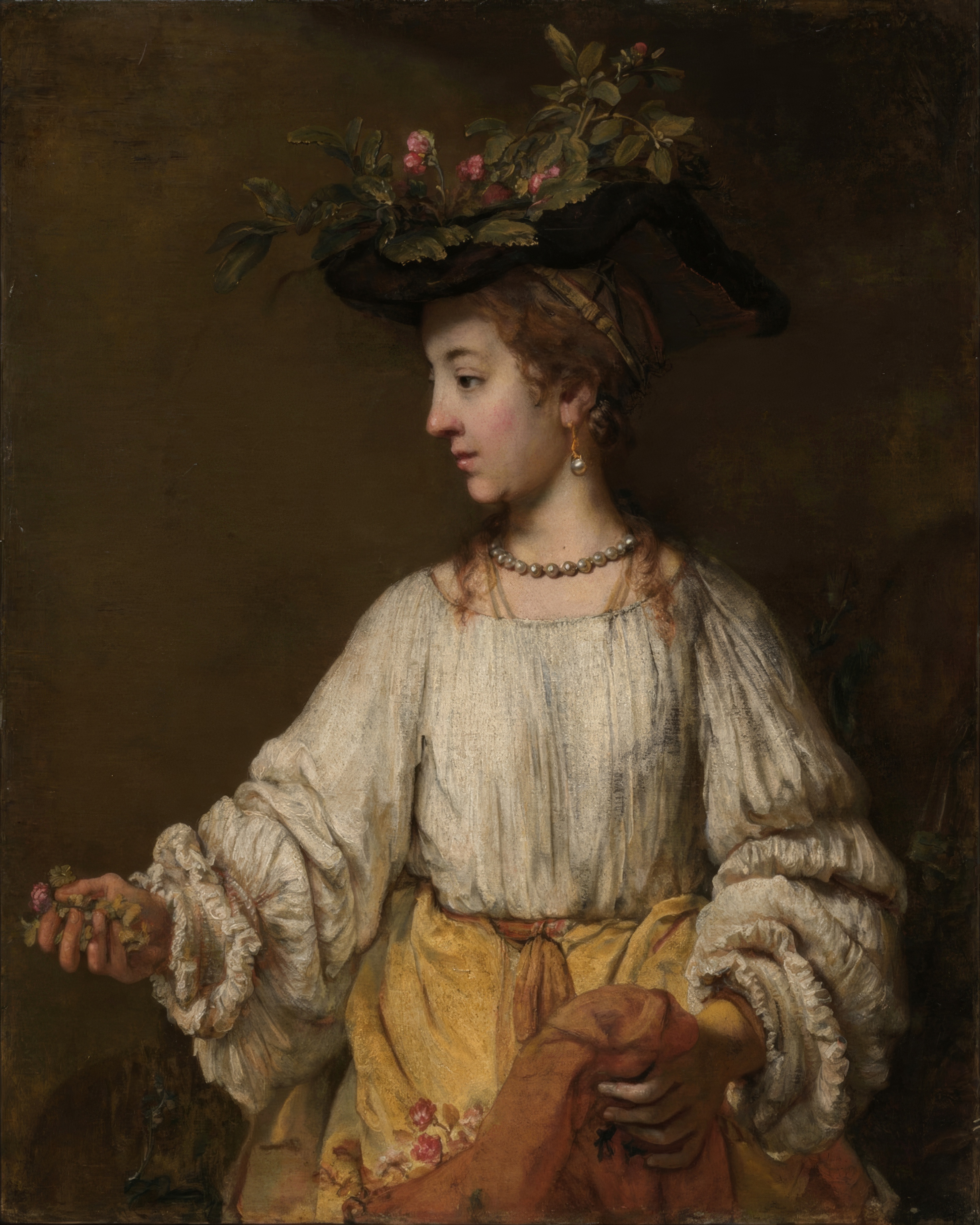
Rembrandt, Flora, ca. 1654. Oil on canvas. The Metropolitan Museum of Art, New York.
Rembrandt’s Flora, the goddess of spring, wears a wide hat and offers flowers from her apron. Painted around 1654, it may recall his late wife Saskia.
3. Juan de Pareja (ca. 1608–1670)
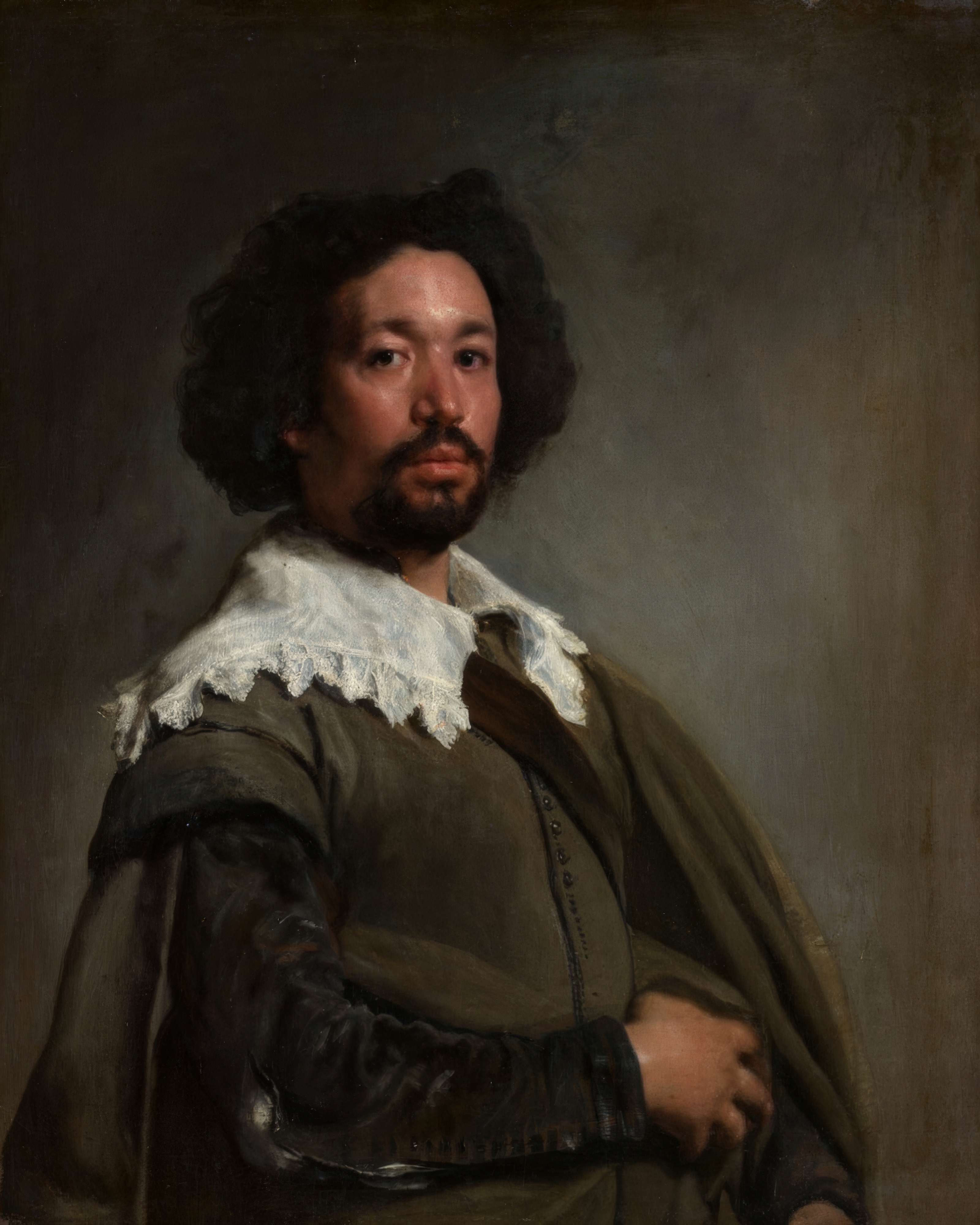
Velázquez, Juan de Pareja (ca. 1608–1670), 1650. Oil on canvas. The Metropolitan Museum of Art, New York.
Velázquez painted his assistant Juan de Pareja in Rome in 1650. When it was shown at the Pantheon, people said everything else looked like painting and this alone like truth. Pareja later became a painter himself.
4. The Magdalen with the Smoking Flame
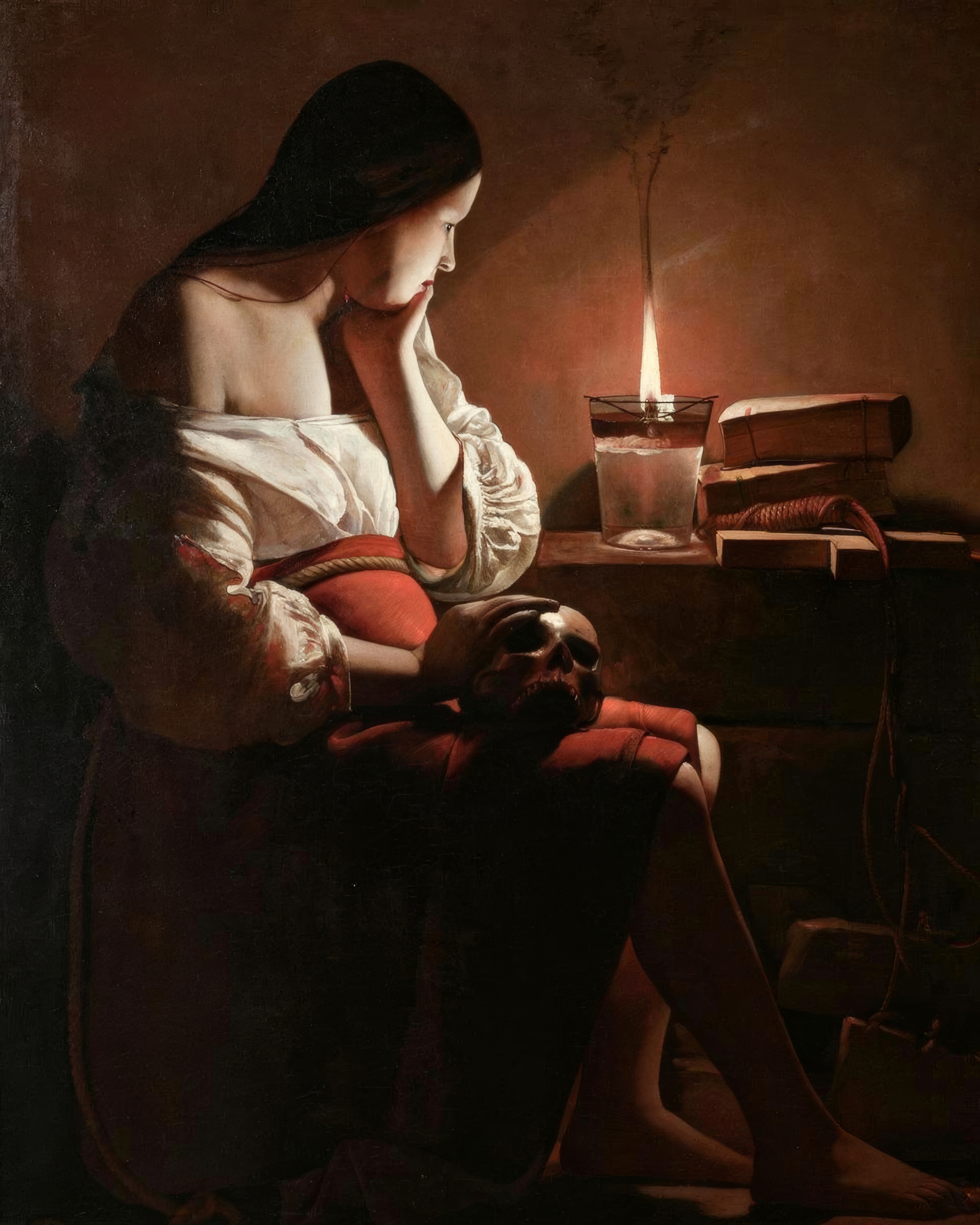
Georges de La Tour, The Magdalen with the Smoking Flame, c. 1635–37. Oil on canvas. Los Angeles County Museum of Art.
Georges de La Tour painted silence and candlelight. Mary Magdalene sits in the dark with a skull in her lap, staring at a single flame: one of the most meditative pictures of the seventeenth century.
A small, calm picture for a bedroom.
5. Atalanta and Meleager
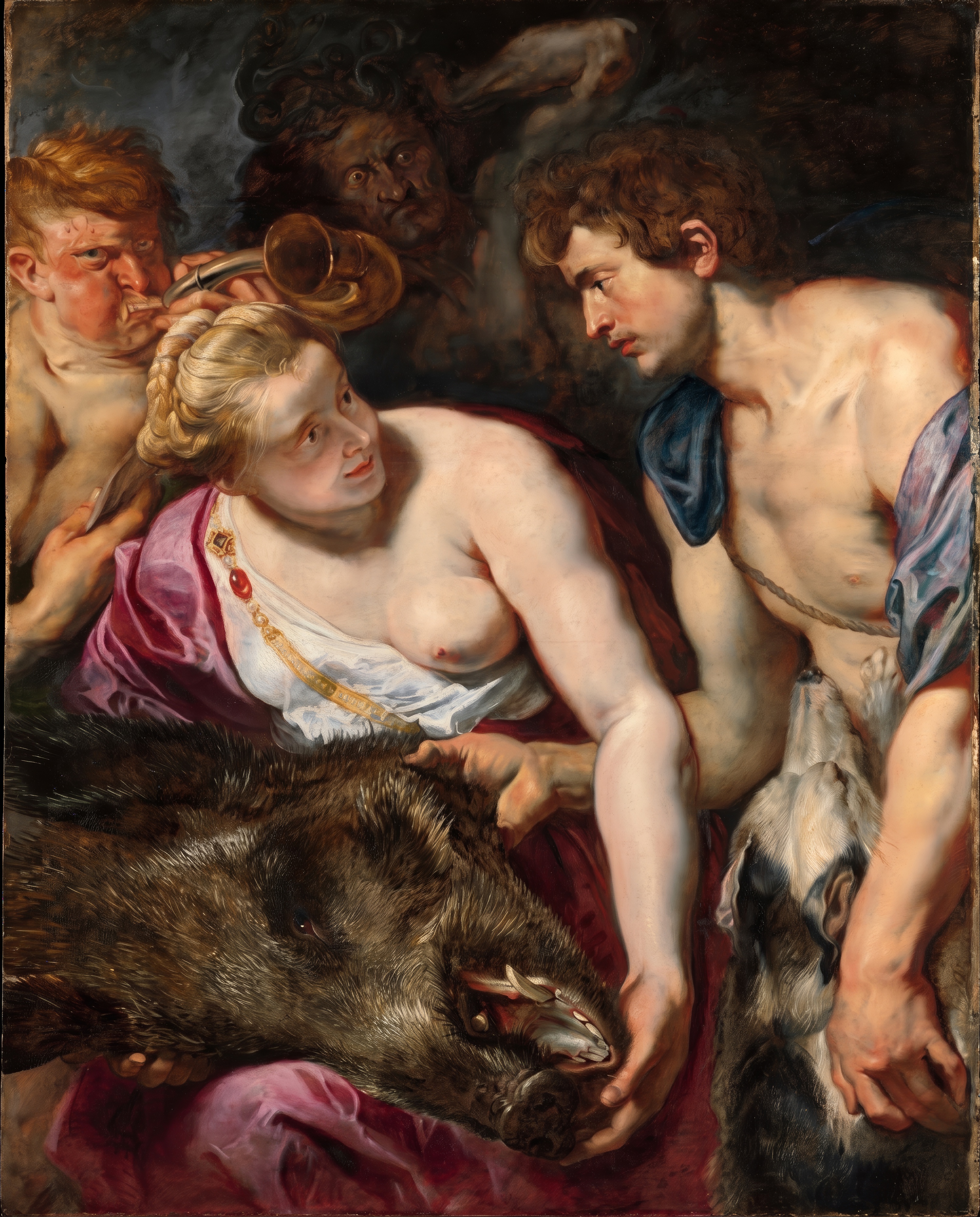
Peter Paul Rubens, Atalanta and Meleager, ca. 1616. Oil on wood. The Metropolitan Museum of Art, New York.
Rubens tells the myth of Meleager, who gave the head of the Calydonian boar to the huntress Atalanta. Bodies, dogs and drapery tumble across the canvas in his unmistakable energy.
6. The Disembarkation of Marie de' Medici at Marseilles
Peter Paul Rubens, The Disembarkation of Marie de' Medici at Marseilles, 1622–25. Oil on canvas. Musée du Louvre, Paris.
From Rubens’s great cycle of the life of Marie de’ Medici, painted for her palace in Paris: the queen arrives in France while sea nymphs, tritons and Neptune himself push the ship to shore.
7. Blind Orion Searching for the Rising Sun
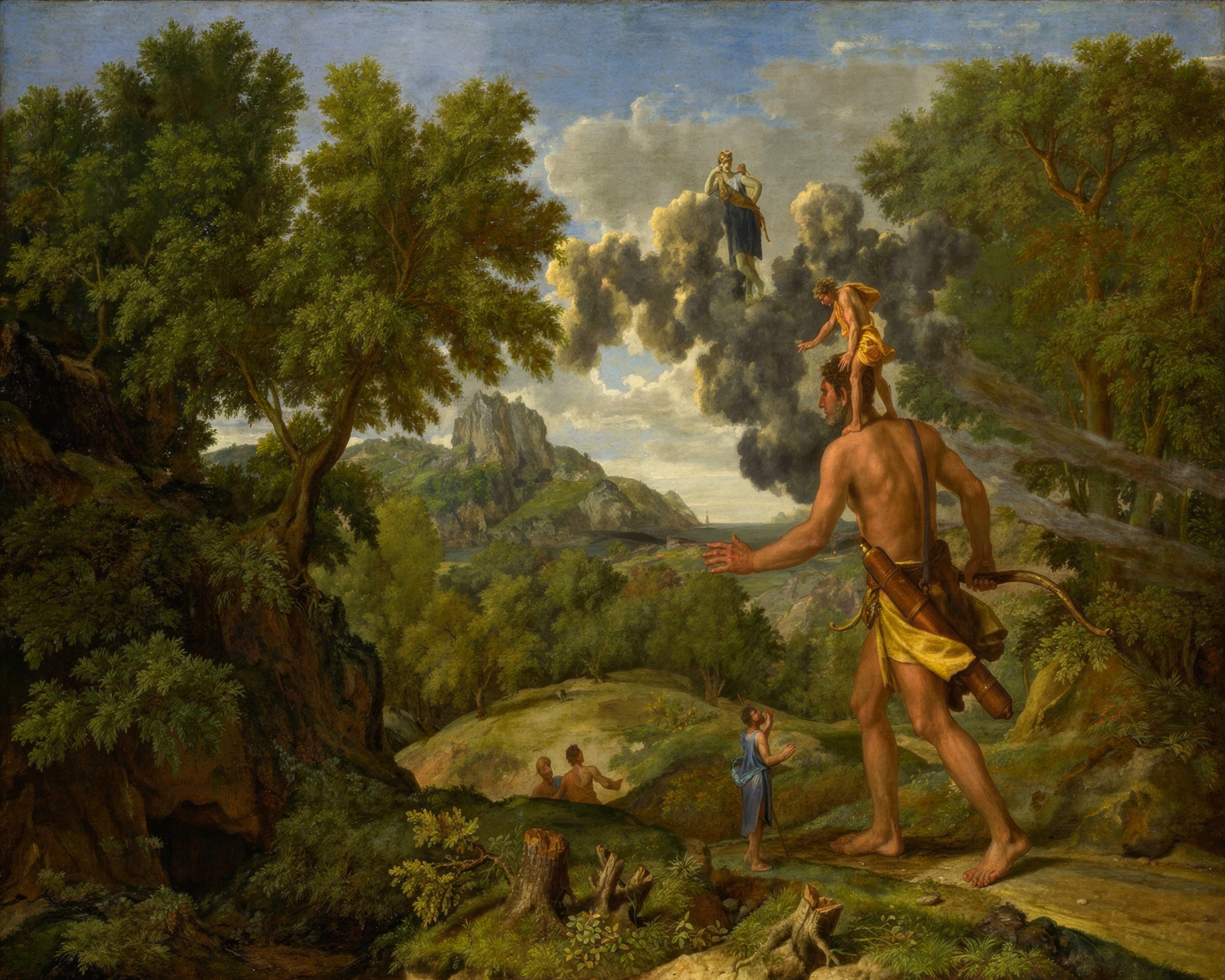
Nicolas Poussin, Blind Orion Searching for the Rising Sun, 1658. Oil on canvas. The Metropolitan Museum of Art, New York.
Poussin’s Blind Orion, painted in 1658, shows the blinded giant walking toward the sunrise to recover his sight, a small guide on his shoulders. The Baroque in its calm, classical form.
8. The Triumph of Neptune and Amphitrite
Nicolas Poussin, The Triumph of Neptune and Amphitrite, 1635–36. Oil on canvas. Philadelphia Museum of Art.
Poussin’s Triumph of Neptune and Amphitrite, painted for Cardinal Richelieu, is a sea festival of gods, nymphs and cupids.
9. Portrait of Nicolaes van Voorhout
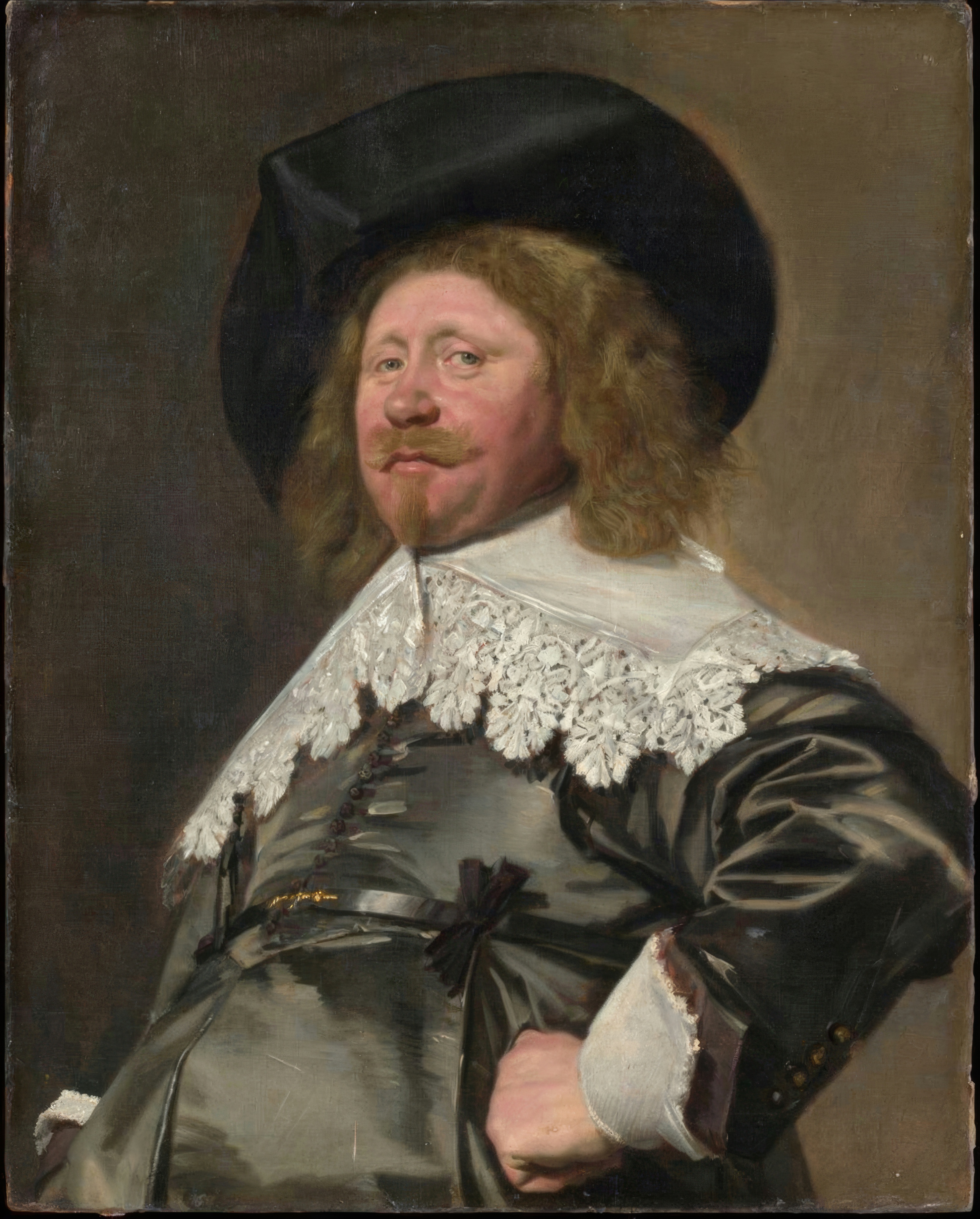
Frans Hals, Portrait of Nicolaes van Voorhout, ca. 1636–38. Oil on canvas. The Metropolitan Museum of Art, New York.
Frans Hals painted his sitters with quick, visible brushstrokes that seem to catch them mid-sentence. This Haarlem brewer, hand on hip, looks ready to argue.
10. Saint Jerome
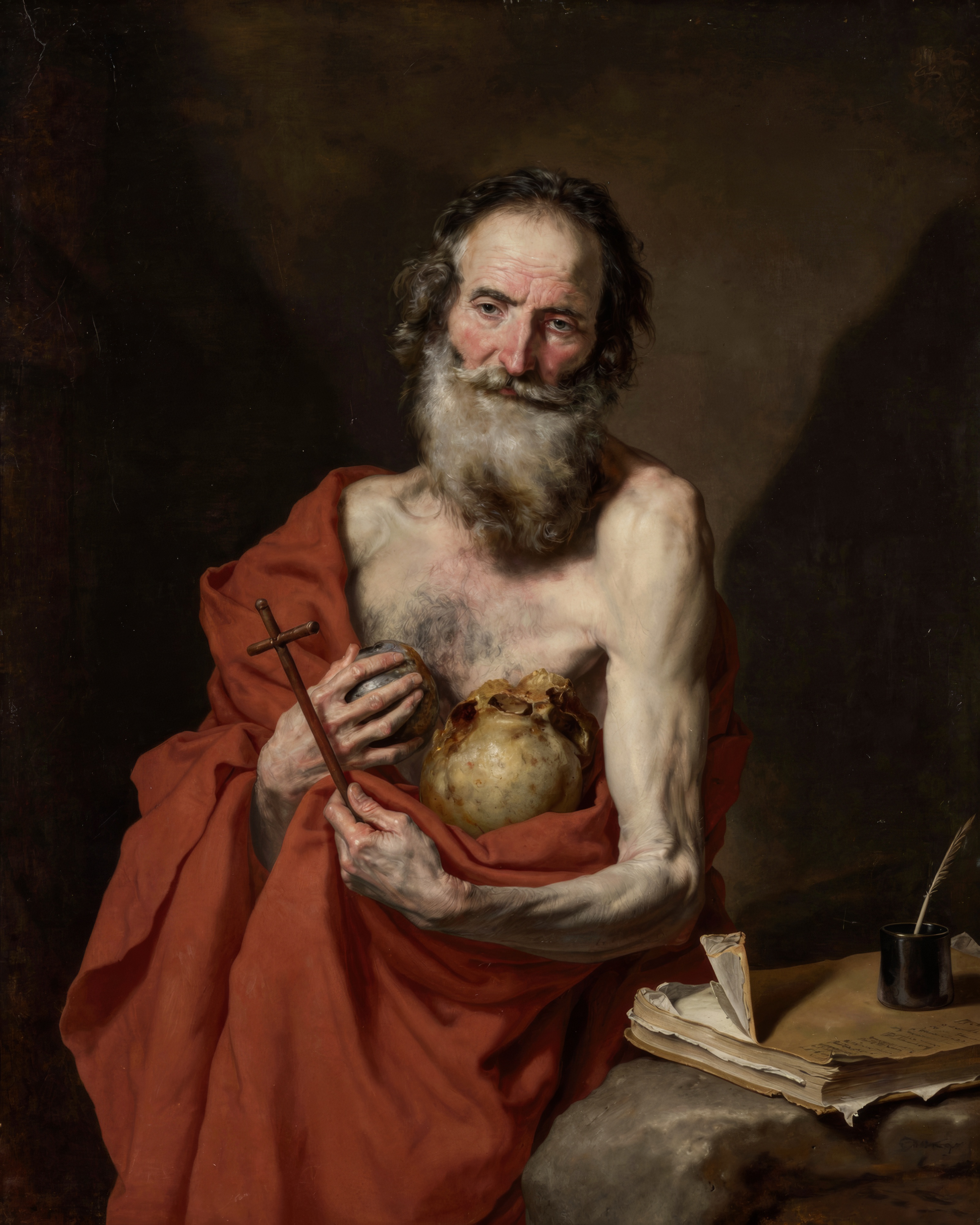
Jusepe de Ribera, Saint Jerome, c. 1638–40. Oil on canvas. Cleveland Museum of Art.
Jusepe de Ribera, a Spaniard working in Naples, painted old saints with wrinkled skin and real faces. His Saint Jerome is Caravaggio’s light at its most moving.
11. Hercules Fighting the Nemean Lion
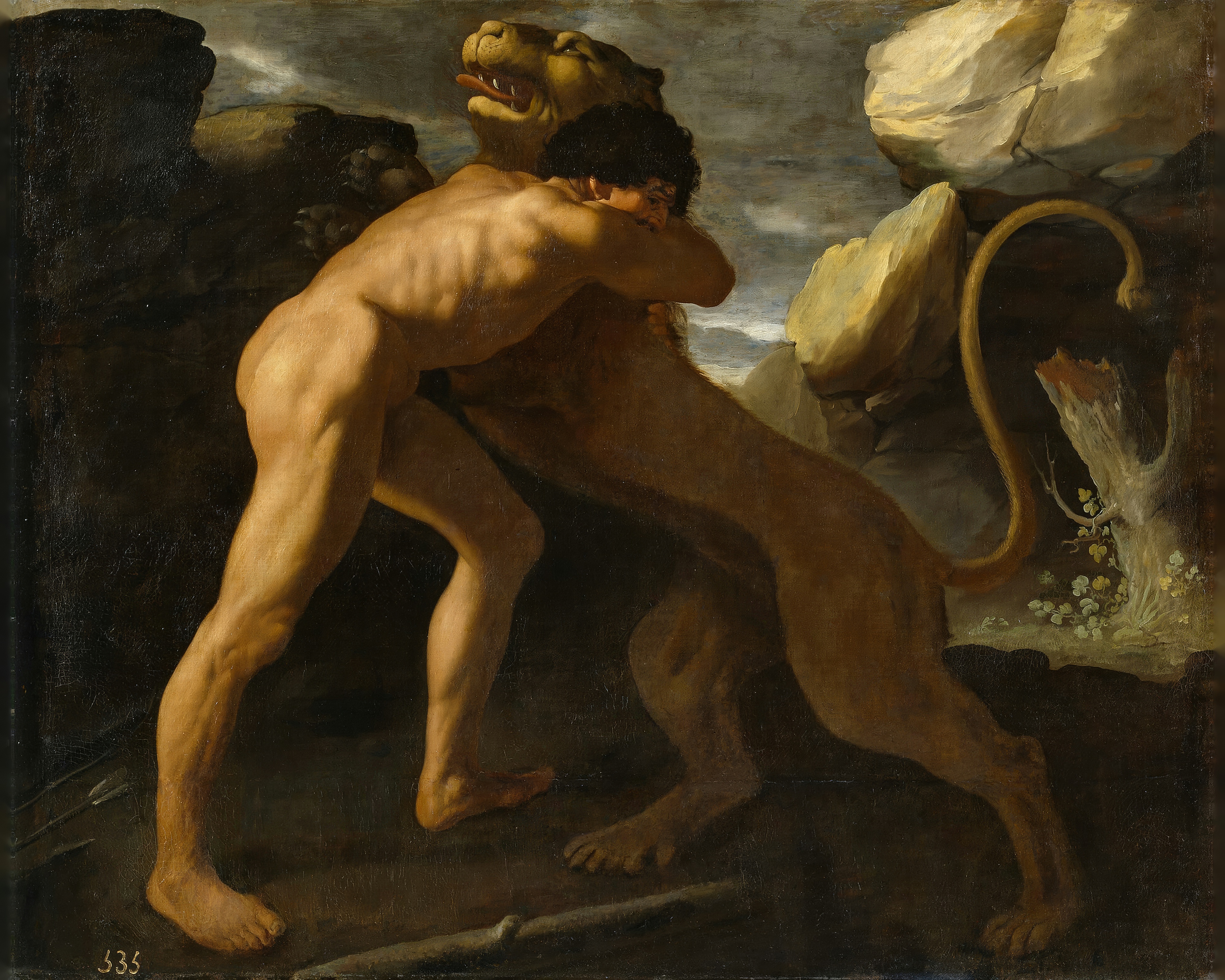
Francisco de Zurbarán, Hercules Fighting the Nemean Lion, 1634. Oil on canvas. Museo del Prado, Madrid.
Zurbarán painted the Labours of Hercules in 1634 for the Hall of Realms in Madrid’s Buen Retiro Palace. Hercules grapples with the lion, all muscle and shadow.
12. Charity
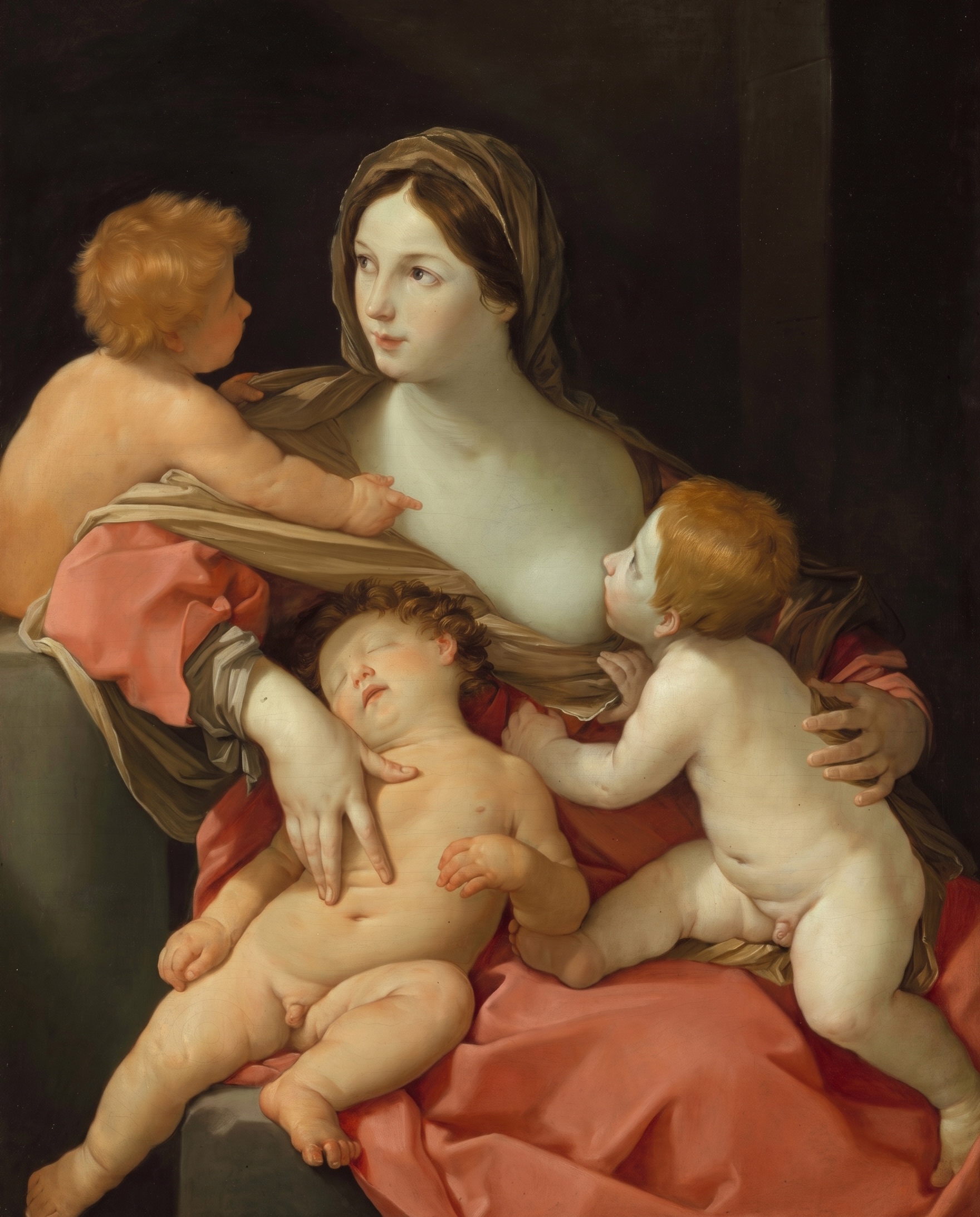
Guido Reni, Charity, ca. 1630. Oil on canvas. The Metropolitan Museum of Art, New York.
Guido Reni was the most admired painter in Italy for a century. His Charity, a young mother with three children, shows his soft colour and perfect grace.
13. Robert Rich (1587–1658), Second Earl of Warwick
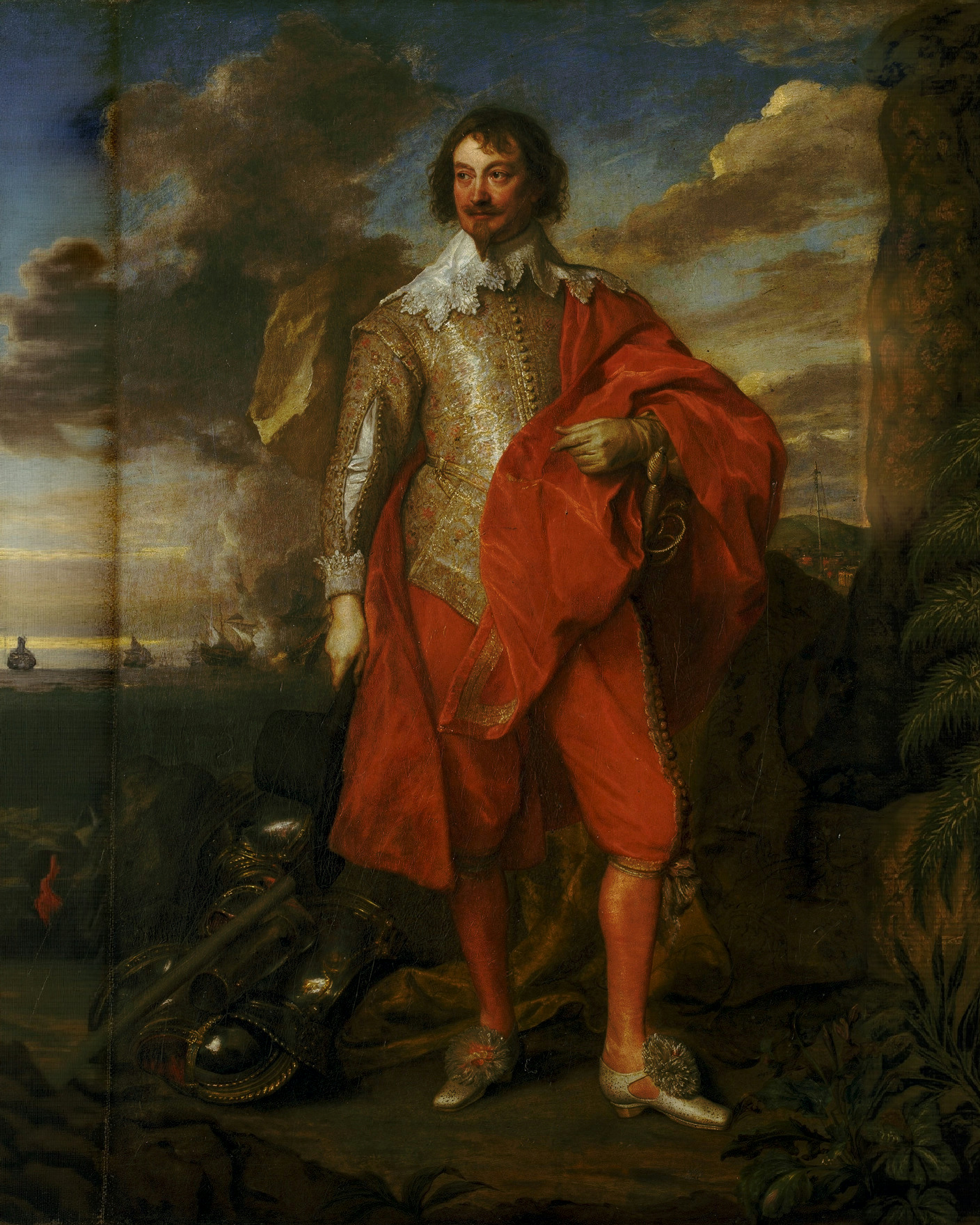
Anthony van Dyck, Robert Rich (1587–1658), Second Earl of Warwick, ca. 1632–35. Oil on canvas. The Metropolitan Museum of Art, New York.
Van Dyck painted the Earl of Warwick, admiral and adventurer, in splendid red silk beside a stormy sea. The swagger portrait at its finest.
14. Don Andrés de Andrade y la Cal
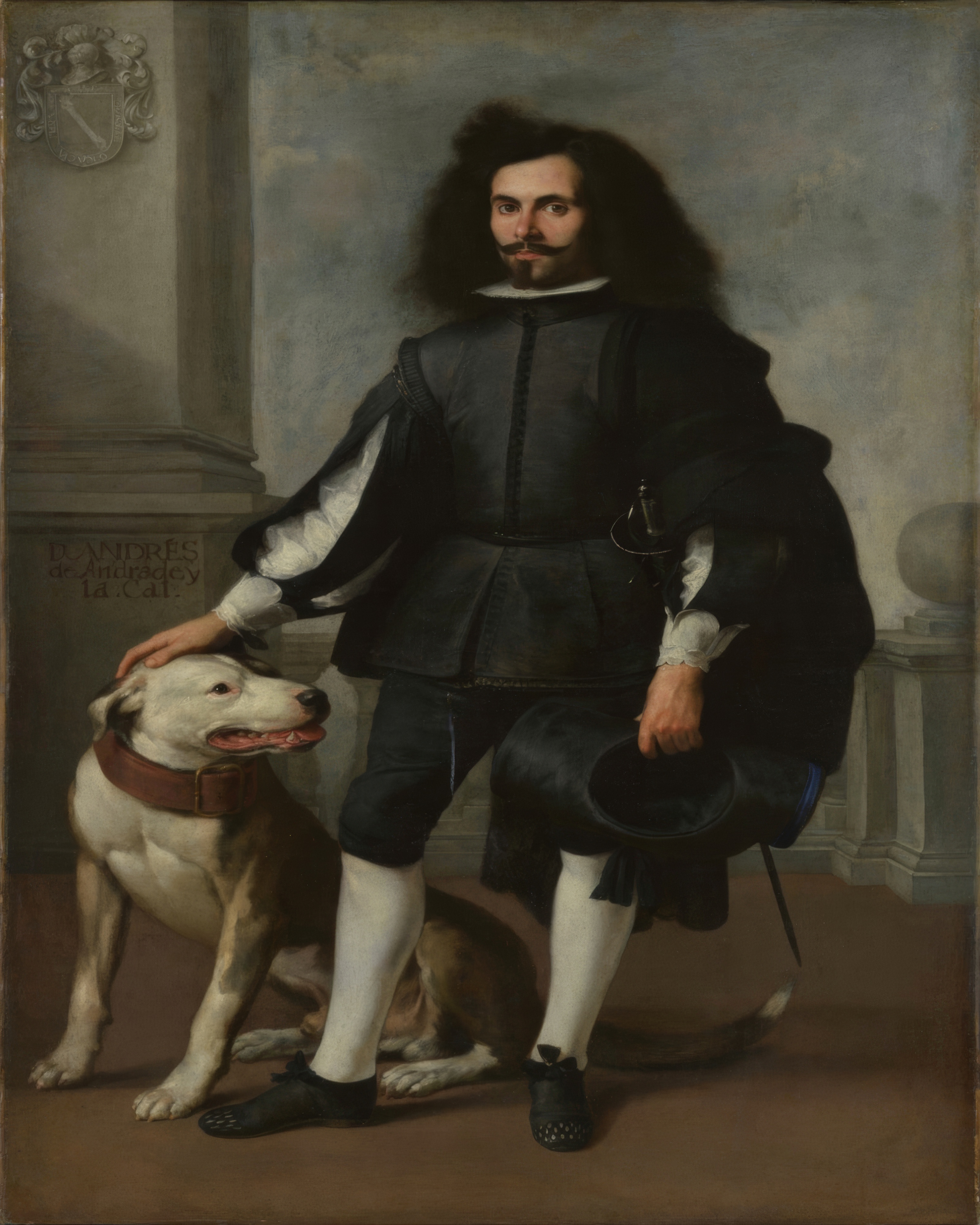
Bartolomé Estebán Murillo, Don Andrés de Andrade y la Cal, ca. 1665–72. Oil on canvas. The Metropolitan Museum of Art, New York.
Murillo painted Don Andrés de Andrade with his huge dog, both looking out of a carved stone doorway in Seville. The dog seems as dignified as the man.
15. The Family Concert
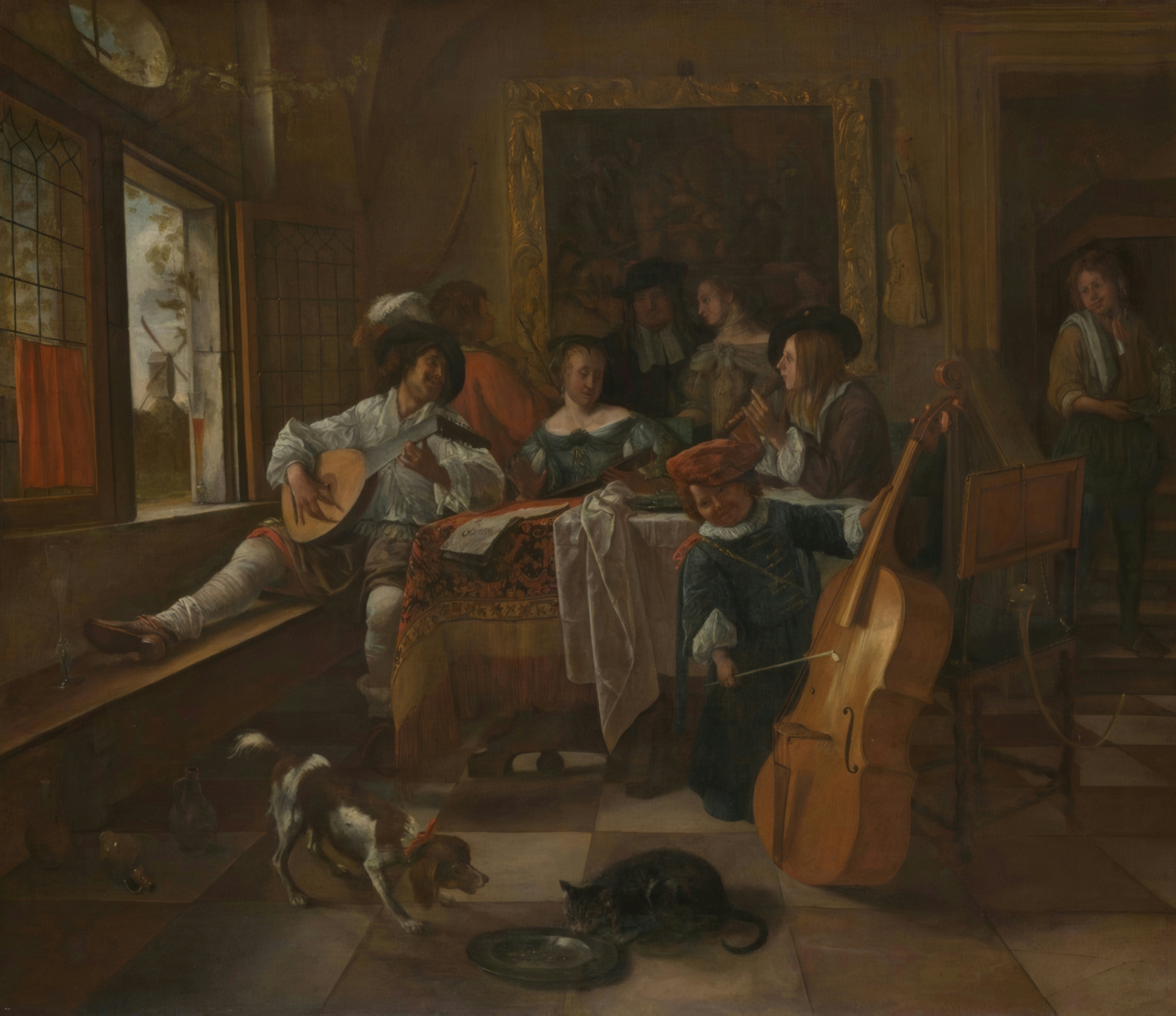
Jan Steen, The Family Concert, 1666. Oil on canvas. Art Institute of Chicago.
Jan Steen was the comic genius of Dutch painting. In The Family Concert a family plays and sings together, but as so often in Steen, the harmony is a little doubtful.
16. The Letter in the Entrance Hall
Pieter de Hooch, The Letter in the Entrance Hall, 1670. Oil on canvas. Rijksmuseum, Amsterdam.
Pieter de Hooch, the painter of Delft courtyards, shows a messenger handing a letter to a lady in a cool entrance hall. Quiet, sunlit and full of space.
17. The Forest Stream
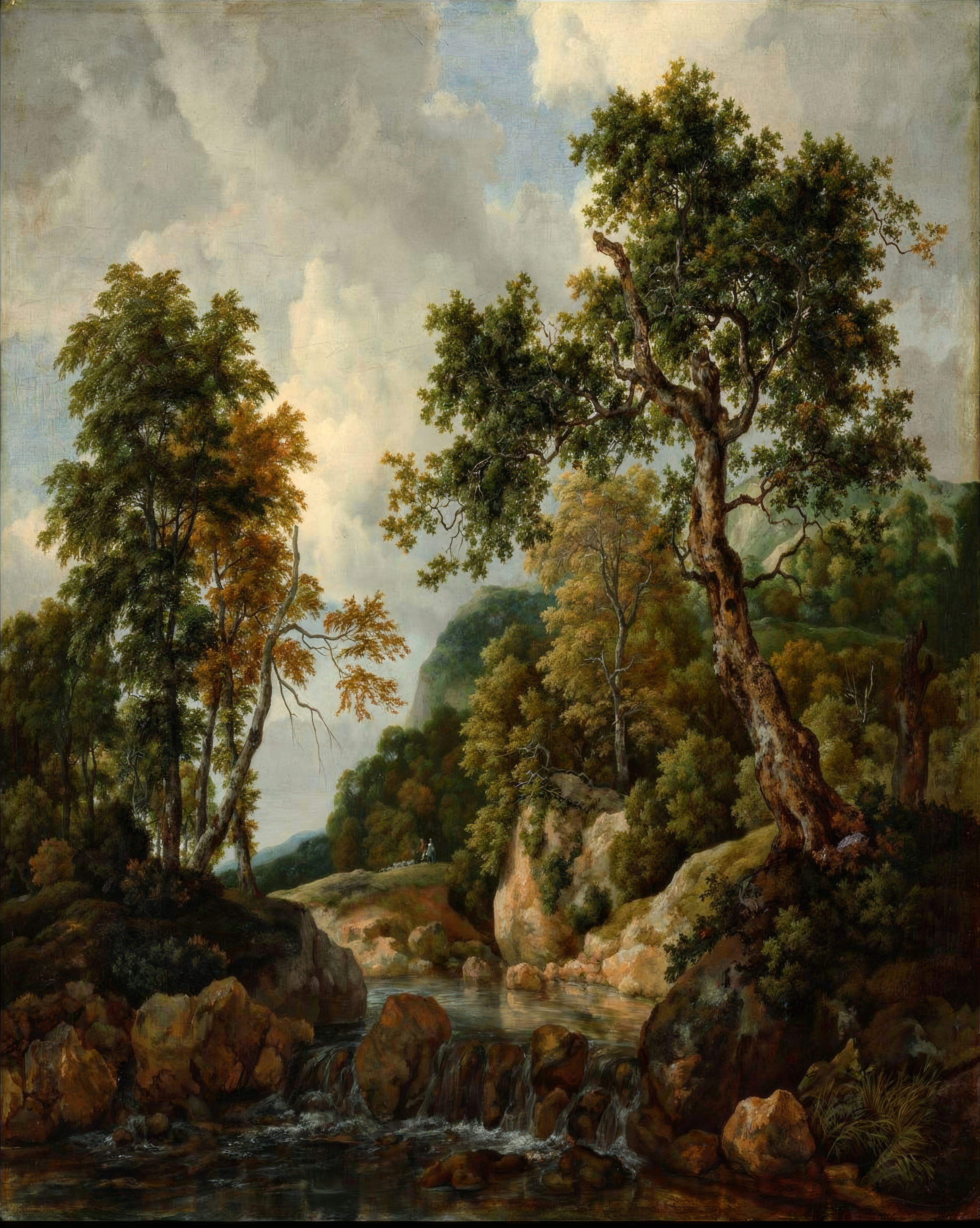
Jacob van Ruisdael, The Forest Stream, ca. 1660. Oil on canvas. The Metropolitan Museum of Art, New York.
Jacob van Ruisdael was the great poet of the Dutch landscape. His forest stream, with its dead tree and glinting water, is grandeur made from simple things.
18. Peacocks
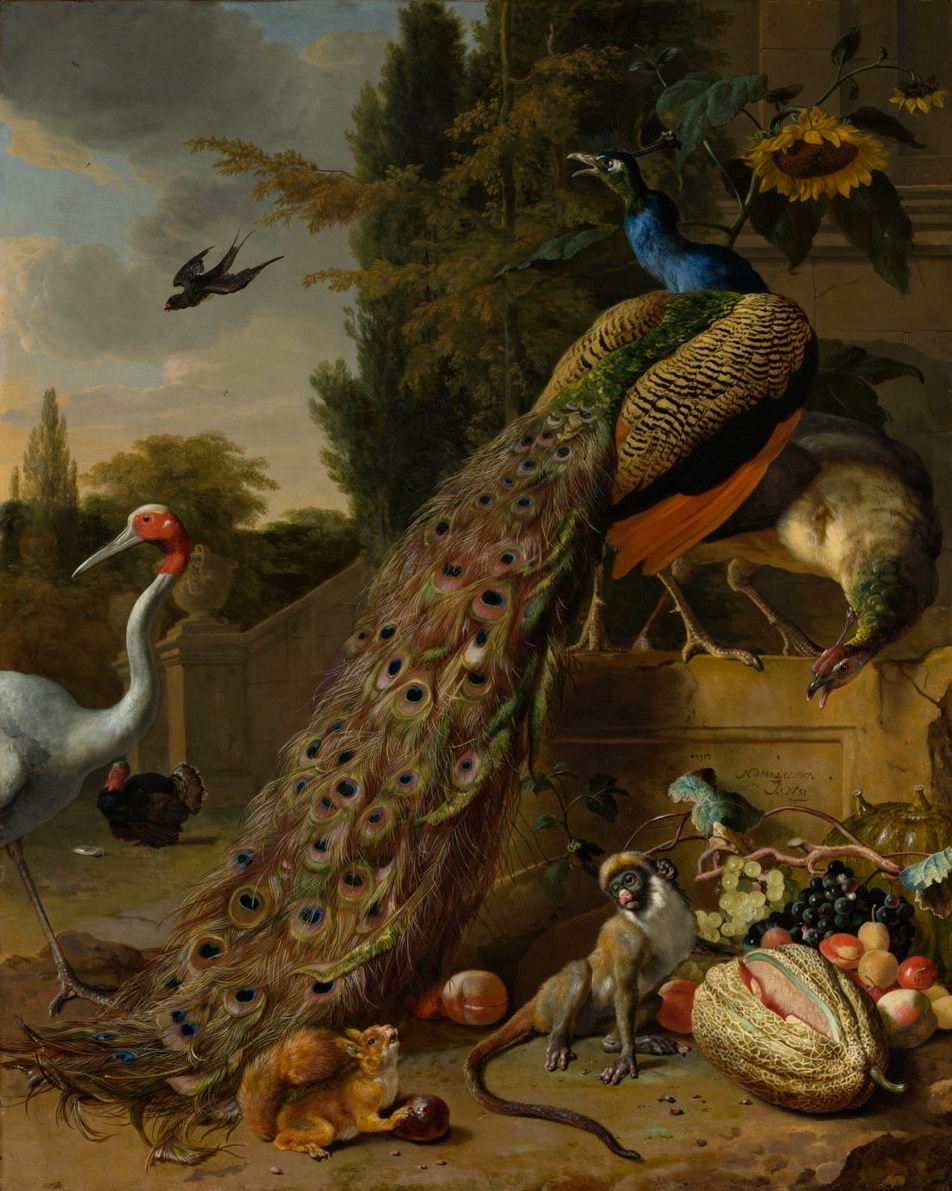
Melchior d' Hondecoeter, Peacocks, 1683. Oil on canvas. The Metropolitan Museum of Art, New York.
Melchior d’Hondecoeter painted birds for the parks of Dutch country houses. His peacocks, one white, show off on a stone ledge as dusk falls.
Superb above a sideboard in a dining room.
Baroque pictures love dark, rich walls: deep green, oxblood, navy or charcoal make their light glow. Hang one large picture as the centre of a room, or a tight group of portraits on a dark wall.
Questions
What defines Baroque art?
Strong contrasts of light and dark, movement, emotion and theatrical composition. Baroque painters wanted to move the viewer, whether in a church, a palace or a merchant’s house.
Who are the most famous Baroque painters?
Caravaggio, Rubens, Rembrandt, Velázquez, Vermeer, Bernini in sculpture, and Artemisia Gentileschi, Poussin and Frans Hals.
What is the difference between Baroque and Rococo?
Baroque is dramatic, dark and powerful; Rococo, which followed in the eighteenth century, is lighter, pastel and playful.