Christmas gifts for coworkers: ten quiet ways to say thanks
Art-led cards can acknowledge a colleague’s help without guessing at their private life, taste in décor or holiday plans.
Christmas gifts for coworkers work best when they stay proportionate to the relationship. A card can recognise a colleague’s help without asking them to display a joke, wear a personalised item or disclose how they spend the holiday. Check any workplace policy and keep participation voluntary if a group is organising an exchange.
The ten works below offer restrained visual directions for a greeting, from flowers to open landscapes. They are historical artworks rather than card-pack photographs. Choose an available design in the card maker and write about something you can name honestly: a patient explanation, a useful handover or support during a difficult project. Avoid making the message a performance review, and use a seasonal greeting that fits what you know about the recipient.
For a related starting point, read client gifts firm crest.
1. A thank-you with some colour
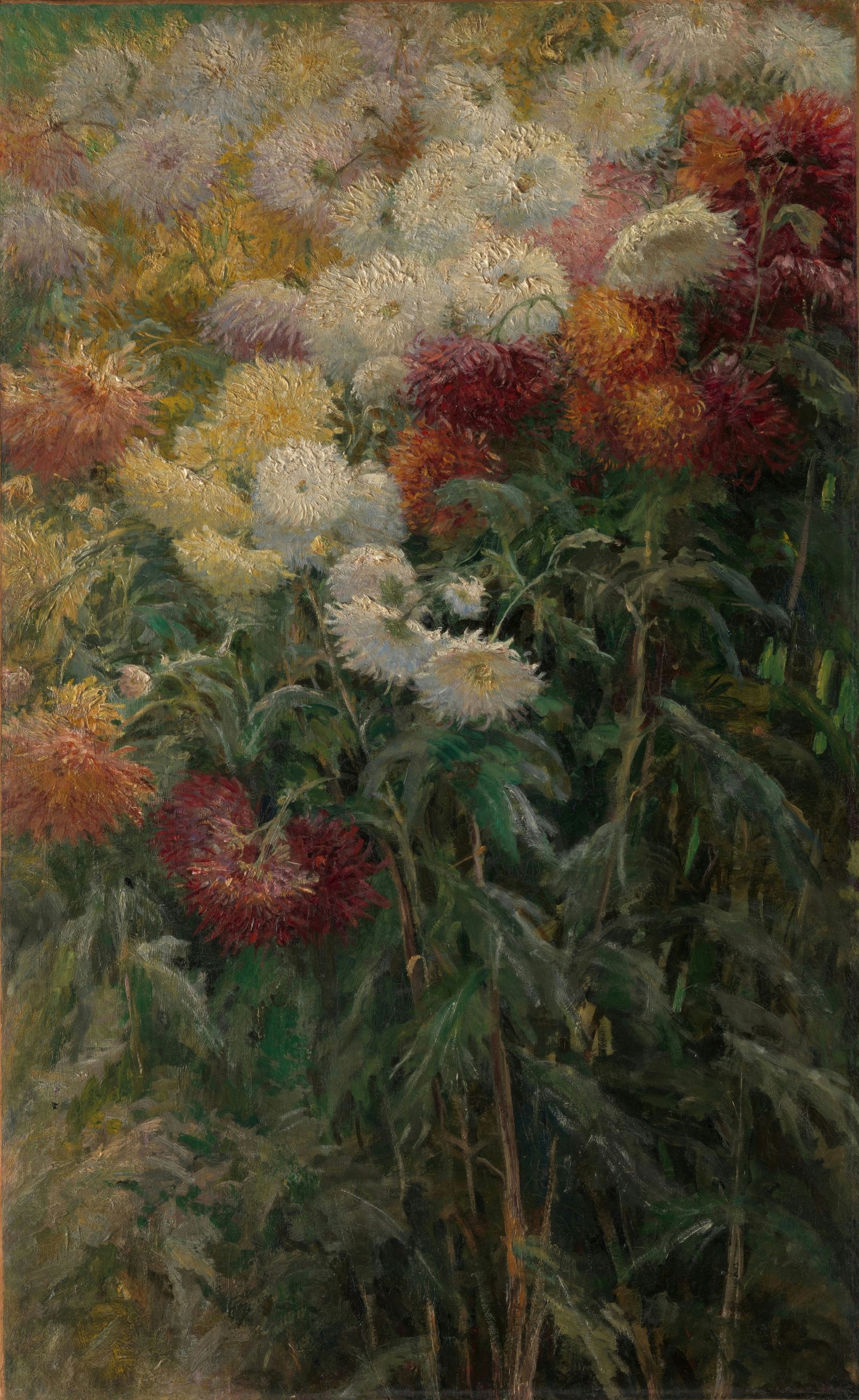
Chrysanthemums in the Garden at Petit-Gennevilliers — Gustave Caillebotte, 1893. The Metropolitan Museum of Art, New York. Prepared for print by Surrealium at Vaxholm Fortress, Sweden.
Caillebotte’s chrysanthemums fill the image with overlapping flowers and foliage, offering warmth without a private family theme. This direction can suit a colleague you know through work but not through their home life. A sentence about a particular contribution will make the card more individual than a generic compliment, while the picture supplies colour without requiring you to guess their favourite flower.
Explore Christmas cards · Explore this artwork
2. Room to step away
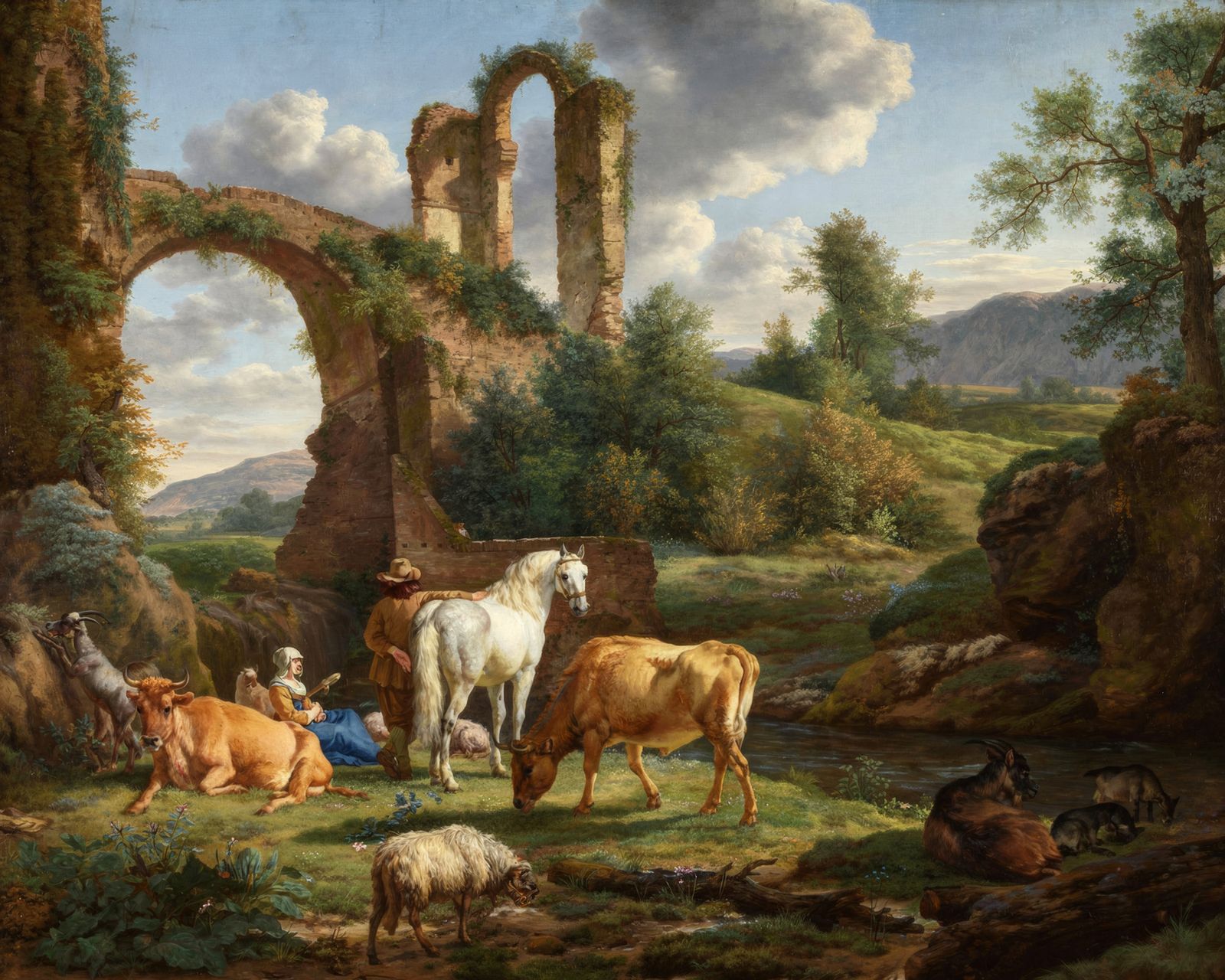
Pastoral Landscape with Ruins — Adriaen van de Velde, 1664. Art Institute of Chicago. Restored by Surrealium at Vaxholm Fortress, Sweden.
Van de Velde’s pastoral landscape places animals and figures among ruins beneath a wide sky. It suggests a visual pause rather than another image of work. Keep the greeting equally undemanding: wish the recipient a good break without asking where they are going, whether they have family plans or how quickly they will answer messages while they are away.
Explore Christmas cards · Explore this artwork
3. Something that has weathered time
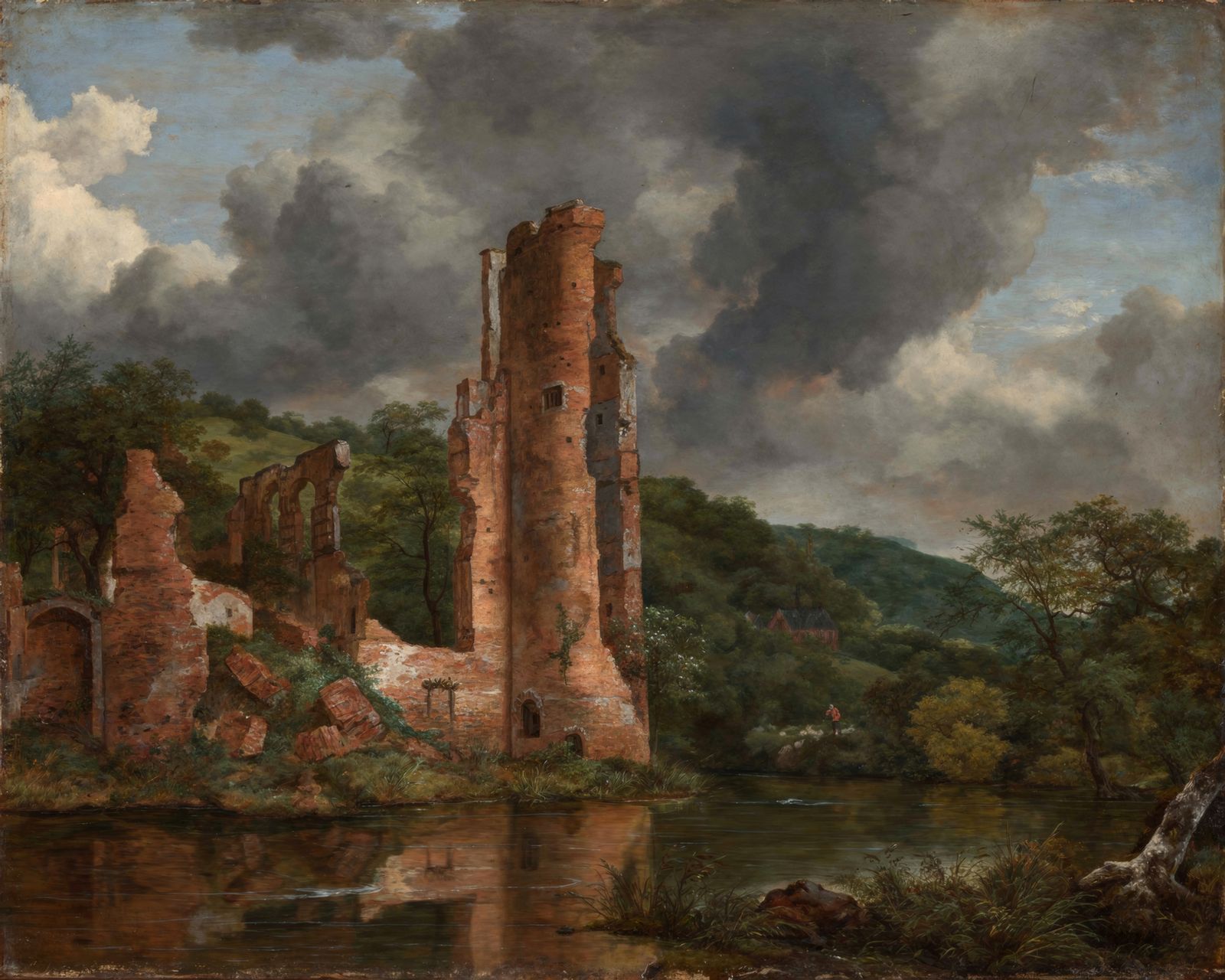
Landscape with the Ruins of the Castle of Egmond — Jacob van Ruisdael, 1650–55. Art Institute of Chicago. Restored by Surrealium at Vaxholm Fortress, Sweden.
Ruisdael’s castle ruins rise beside water, with broken masonry remaining prominent within the landscape. The image can appeal to a colleague interested in architecture or history, if that is something you actually know about them. Avoid turning the ruin into a joke about the office or the recipient’s age; the card should be a thank-you they could comfortably leave on a desk.
Explore Christmas cards · Explore this artwork
4. A lighter view of the everyday
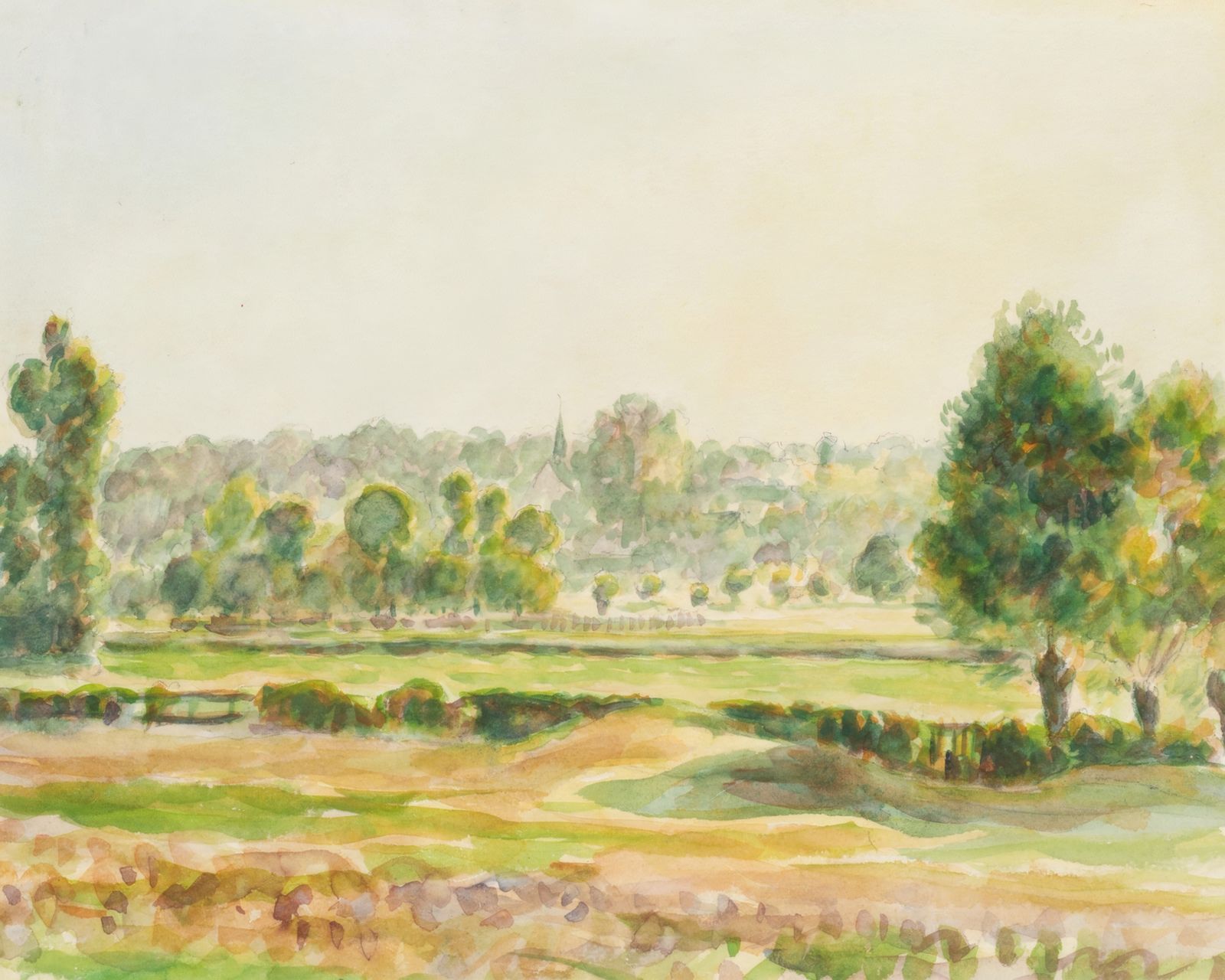
Landscape, Eragny — Camille Pissarro, 1890. Harvard Art Museums. Restored by Surrealium at Vaxholm Fortress, Sweden.
Pissarro’s landscape at Éragny uses open space and pale colour to give an ordinary place a distinct atmosphere. It is a useful direction when a card should feel friendly without becoming sentimental. Thank the person for an everyday habit that helps the team, such as making information easy to find, and avoid broad claims about being indispensable that can sound like a request for more work.
Explore Christmas cards · Explore this artwork
5. For a known interest in the outdoors
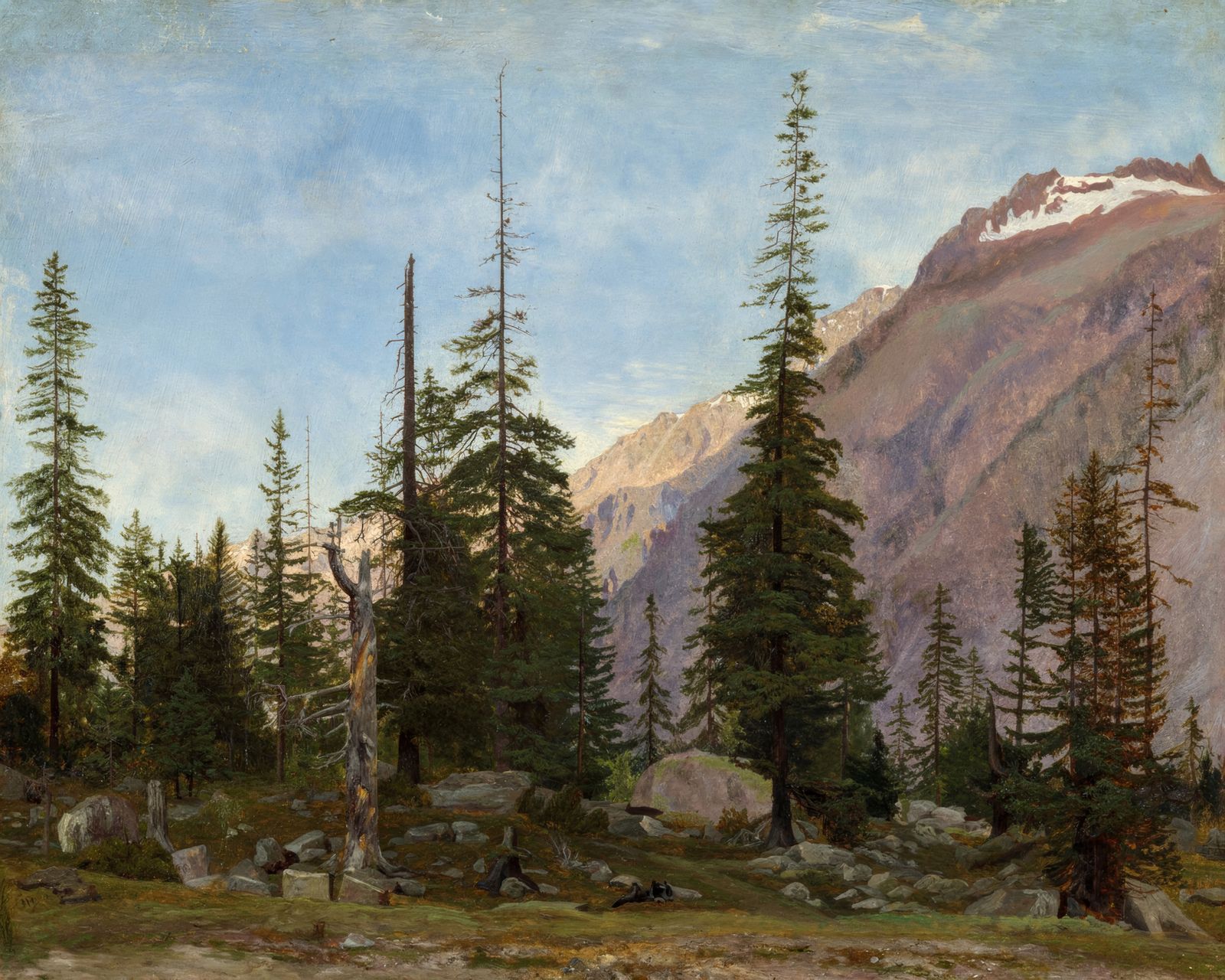
Alpine Landscape: The Handegg, Switzerland — Jean-Léon Gérôme, 1850s. Cleveland Museum of Art. Restored by Surrealium at Vaxholm Fortress, Sweden.
Gérôme’s Alpine landscape combines tall trees, rock and distant slopes, with the terrain giving the picture its structure. It can suit someone who has spoken about walking or mountains, but it need not become a prescription for how they should spend their leave. Acknowledge the interest lightly, and keep the main message connected to the professional kindness you want to recognise.
Explore Christmas cards · Explore this artwork
6. A place beyond the usual view
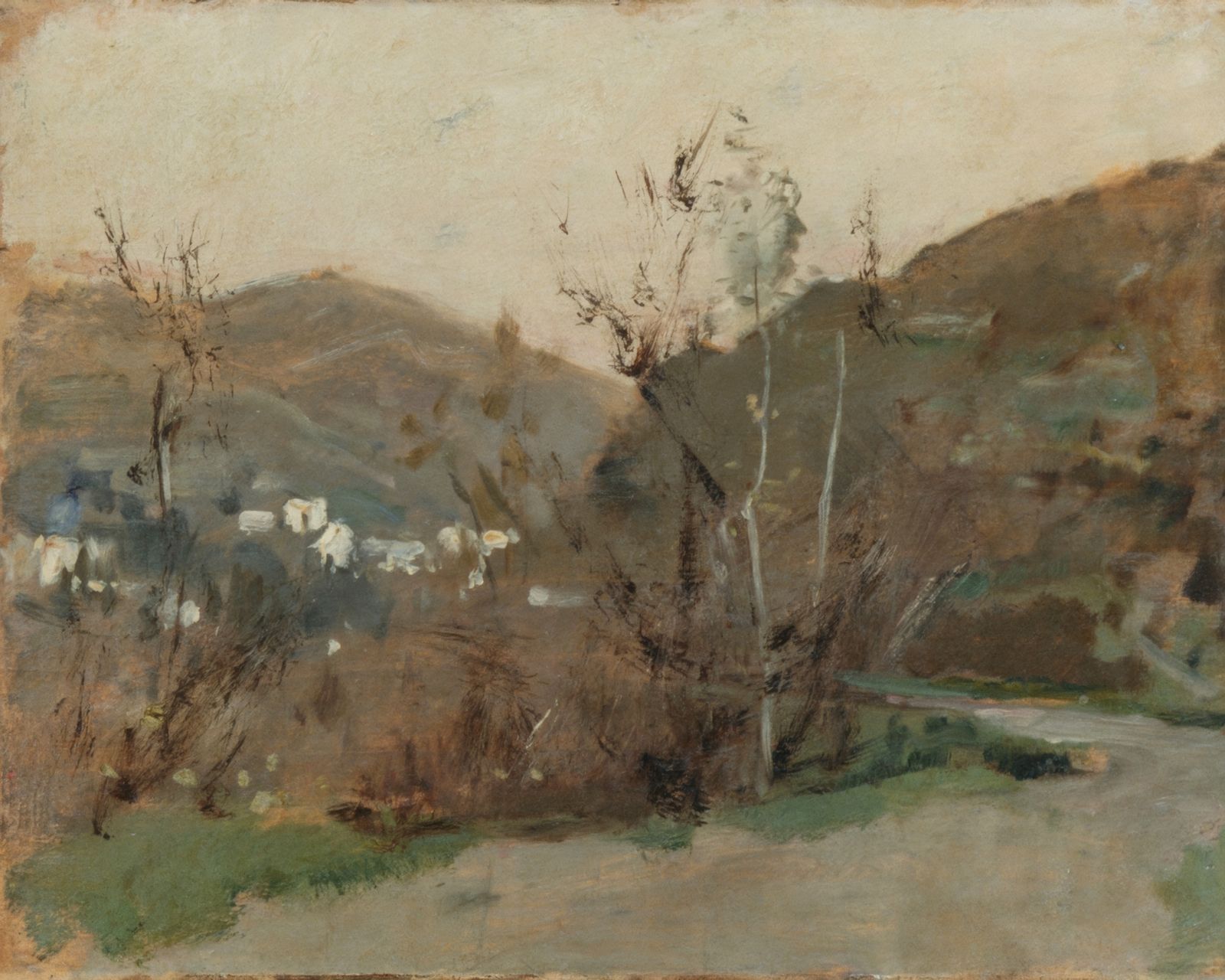
Spanish Landscape — John Singer Sargent, 1879–80. The Metropolitan Museum of Art, New York. Restored by Surrealium at Vaxholm Fortress, Sweden.
Sargent’s Spanish landscape offers rough ground, sparse trees and distant buildings rather than a spectacular tourist landmark. This direction suits a colleague who enjoys looking at places closely. If you mention travel, refer only to a shared conversation you remember; do not assume that a landscape means the recipient has visited the place or can afford to go there next year.
Explore Christmas cards · Explore this artwork
7. An unhurried path through the picture
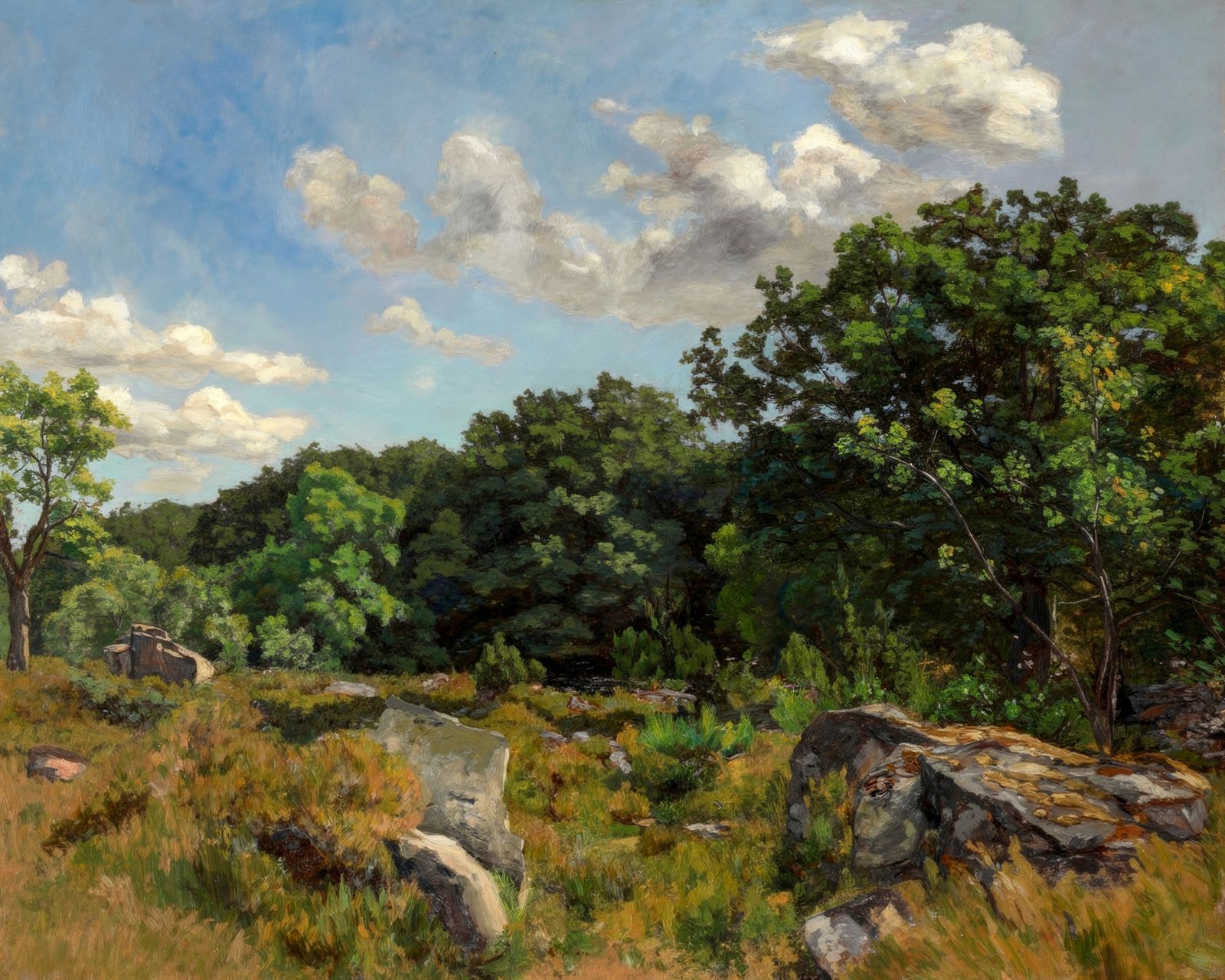
Landscape at Chailly — Frédéric Bazille, 1865. Art Institute of Chicago. Restored by Surrealium at Vaxholm Fortress, Sweden.
Bazille’s landscape at Chailly leads the eye through stones and vegetation towards trees and sky. It can suggest a calm card for a colleague who has helped you find your way through a task. Keep the comparison modest and the thanks specific, so the image remains something to enjoy rather than the basis of a complicated metaphor about productivity or career progress.
Explore Christmas cards · Explore this artwork
8. A landscape with a clear shape
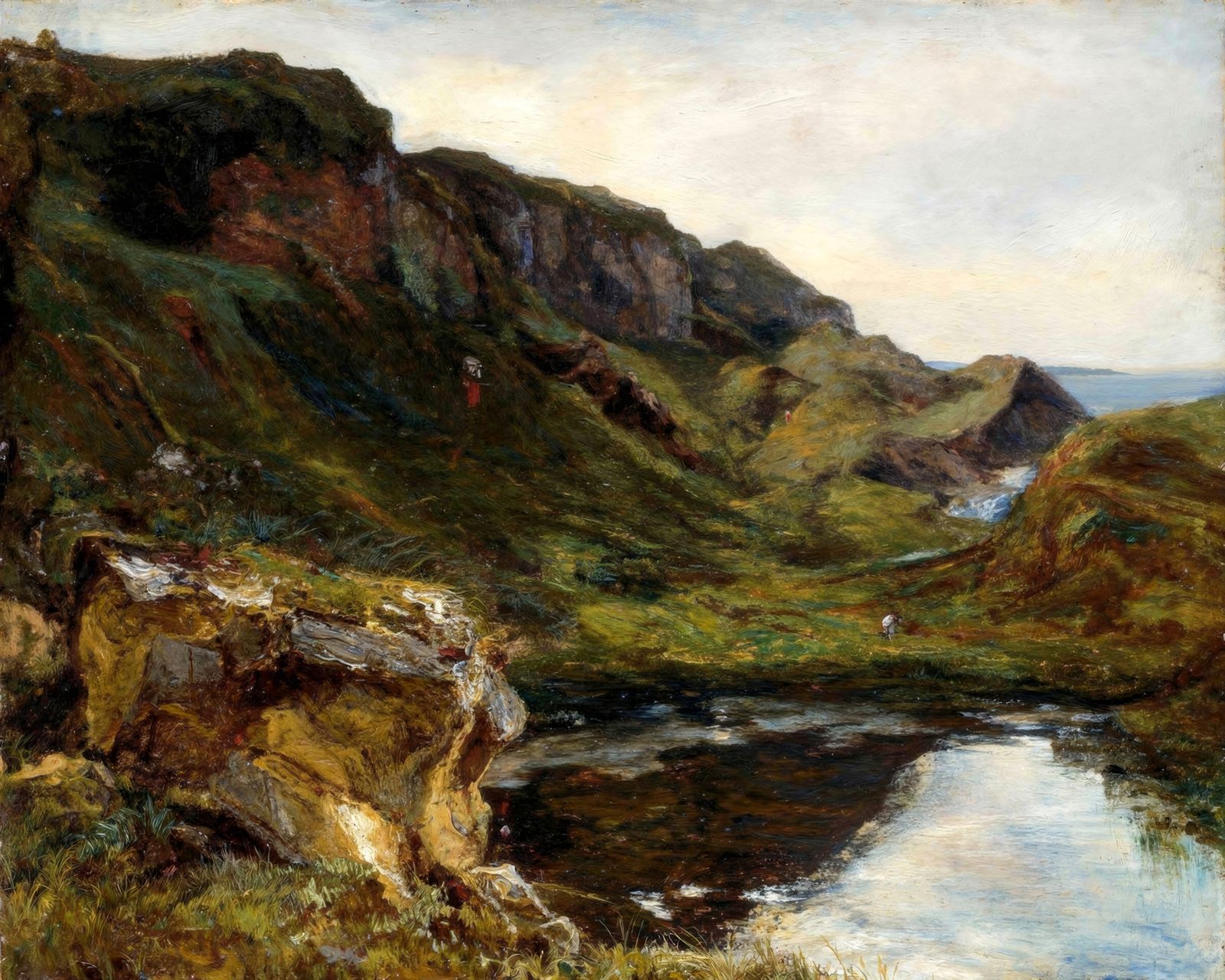
Landscape — Théodore Rousseau, c. 1835. Art Institute of Chicago. Restored by Surrealium at Vaxholm Fortress, Sweden.
Rousseau’s landscape gathers a rocky slope and water into a strong arrangement, with the reflection offering a second way into the scene. It is a direction for someone who likes art but whose preferred subjects you do not know well. Choose the card for its visual balance and leave the words plain, rather than explaining what you think the recipient ought to feel when looking at it.
Explore Christmas cards · Explore this artwork
9. A small settlement in the distance
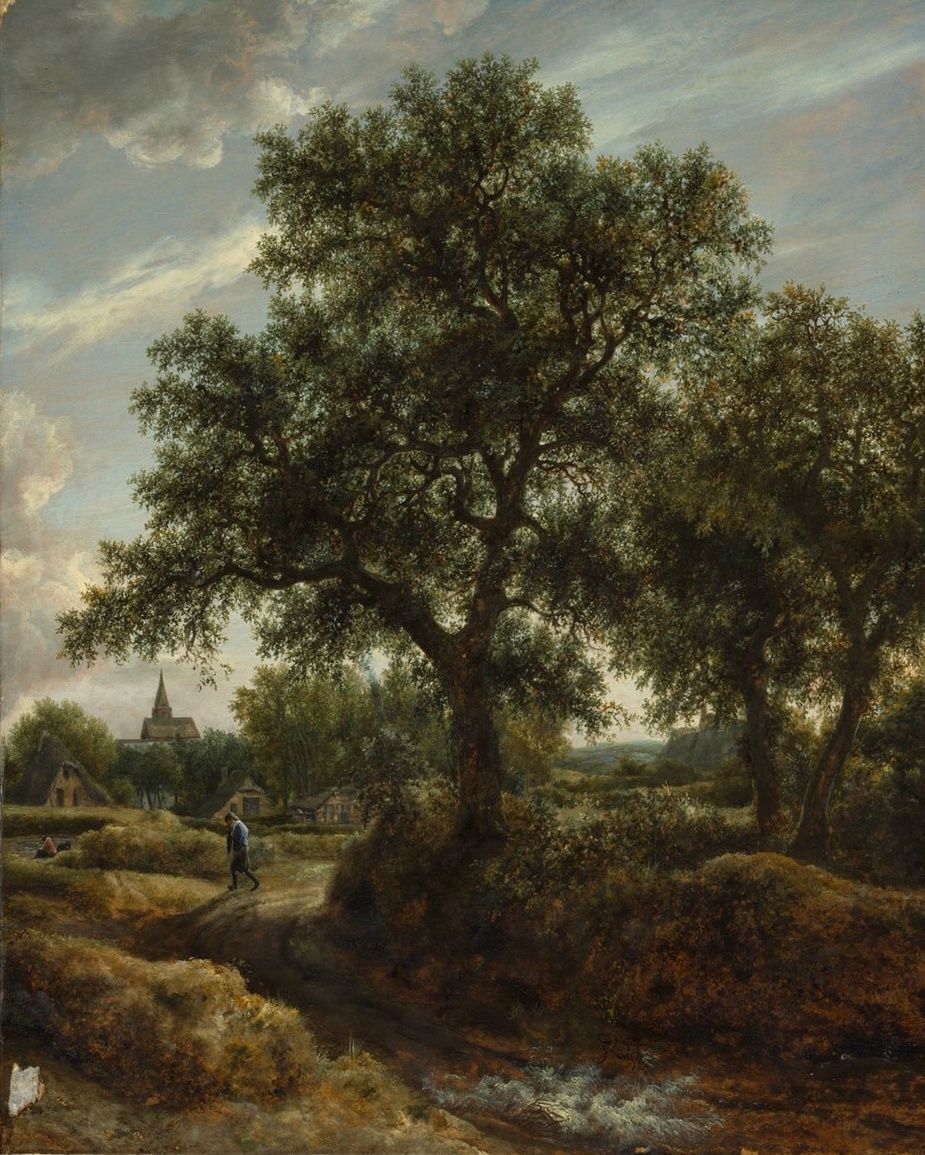
Landscape with a Village in the Distance — Jacob van Ruisdael, 1646. The Metropolitan Museum of Art, New York. Restored by Surrealium at Vaxholm Fortress, Sweden.
Ruisdael’s village landscape gives a large tree the foreground while buildings remain farther away. The separation can make a card feel spacious even when it is physically small. For a colleague moving to another team or workplace, a note about what you appreciated working together can fit this direction without implying that the painting illustrates their future or promising you know what comes next.
Explore Christmas cards · Explore this artwork
10. Weather without a lesson
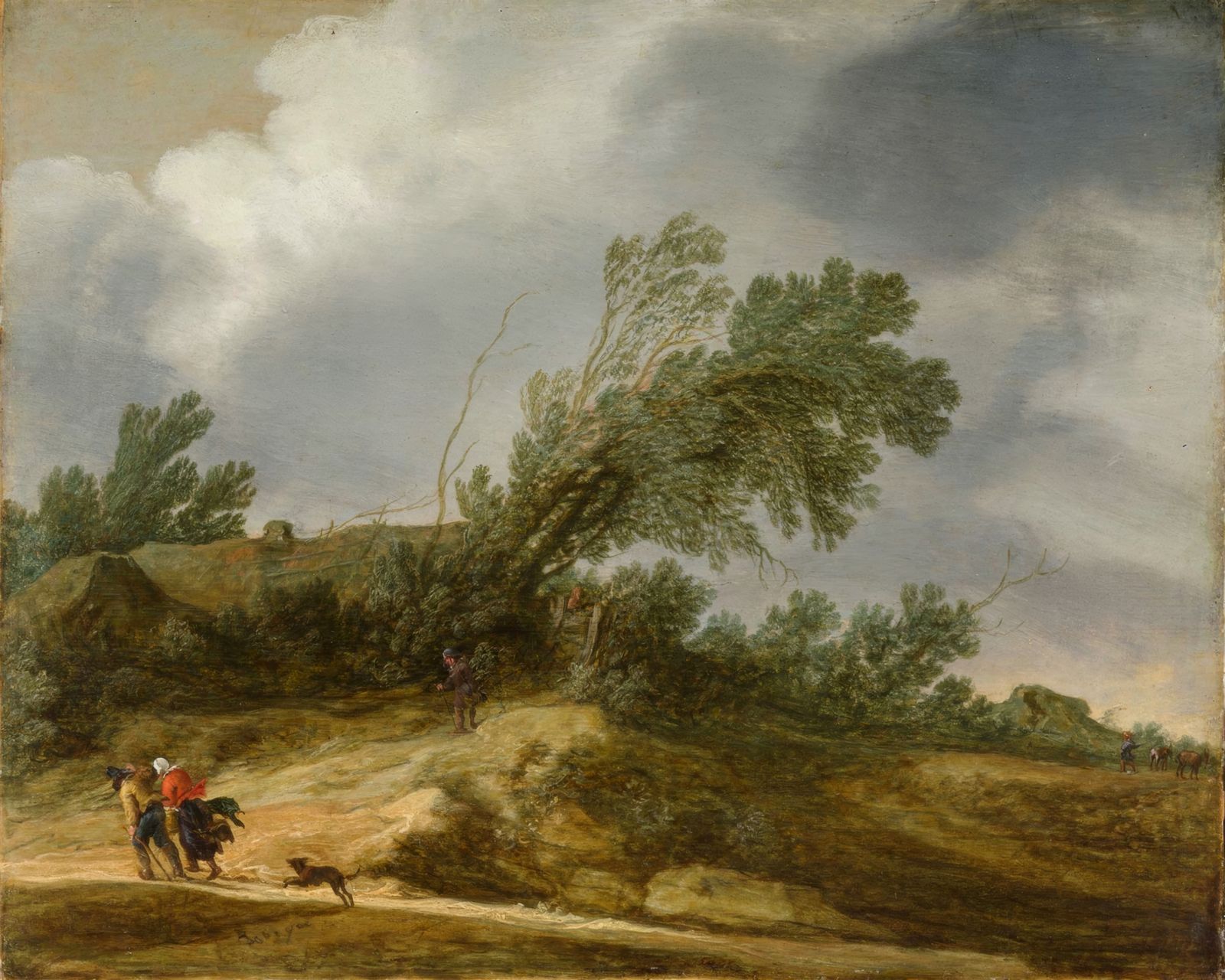
A Dune Landscape with Figures in a Storm — Pieter de Molijn, 1635-1645. Harvard Art Museums. Restored by Surrealium at Vaxholm Fortress, Sweden.
De Molijn’s dune landscape sets figures beneath moving clouds and wind-bent vegetation. It can carry a seasonal greeting without showing a specific religious celebration. Avoid using the storm as a coded reference to somebody’s difficult year unless they have invited that conversation; a simple, respectful wish and a clear signature let the recipient take the card at face value.
Explore Christmas cards · Explore this artwork
For a team exchange, choose a consistent level of attention rather than making the most senior person’s card conspicuously elaborate. Write names carefully, include remote colleagues through a channel they use, and leave people free not to participate. If the note is from you, use your own voice; if it is from a group, check that the wording represents the group fairly. The Christmas card collection is a practical next step once you have decided what you want to thank the person for.
Continue with family gift choices, Christmas gifts for friends.
- What is a suitable Christmas gift for a coworker I do not know well?
- A simple card with a specific professional thank-you can be enough. Avoid gifts that assume private preferences, beliefs or family circumstances. Follow workplace rules and keep any organised exchange voluntary.
- Should I give my boss a Christmas gift?
- Check workplace expectations and policy first. A brief, professional card can express thanks without creating an awkward exchange. Do not feel obliged to spend money or organise a collection because of someone’s seniority.
- Can I send the same card design to the whole team?
- Yes. Individualise the message where possible and keep the attention balanced. A shared design can feel coherent; a copied message that praises everyone for the same supposedly unique contribution can feel less sincere.
- What should a coworker Christmas message avoid?
- Avoid private jokes that could embarrass them, comments about age or relationships, and assumptions about holiday plans. Keep the note focused on a real contribution and a greeting the recipient can comfortably receive.