Dark art for a reading room
Myth, monsters and dream architecture offer different kinds of darkness for a room devoted to slow looking.
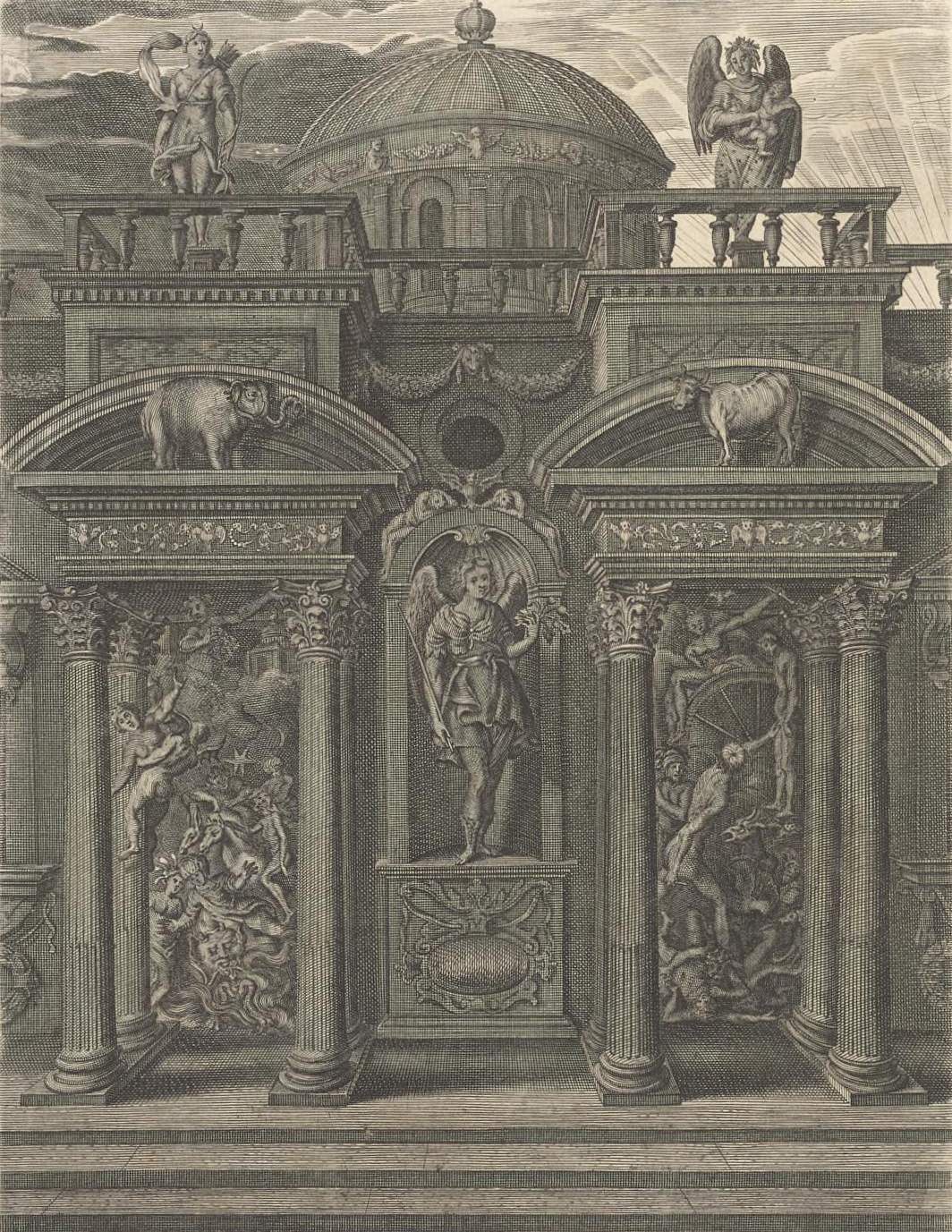
A reading room can hold a picture that takes time. The subject need not explain itself from the doorway. A strange silhouette, a sleeping figure or a building that seems to obey dream logic can become more interesting over months of looking.
Dark art works especially well with that kind of attention. Darkness can mean a palette, but it can also mean uncertainty: the sense that something in the image remains unresolved.
The Temple des Muses project at Fable approaches both through engravings whose stories are often stranger than their orderly page layouts suggest.
Dreams, shadows and imagined rooms
Buy-ready editions explore sleeping figures, apparitions and dream architecture. Portrait styles offer a separate way to make the room personal.
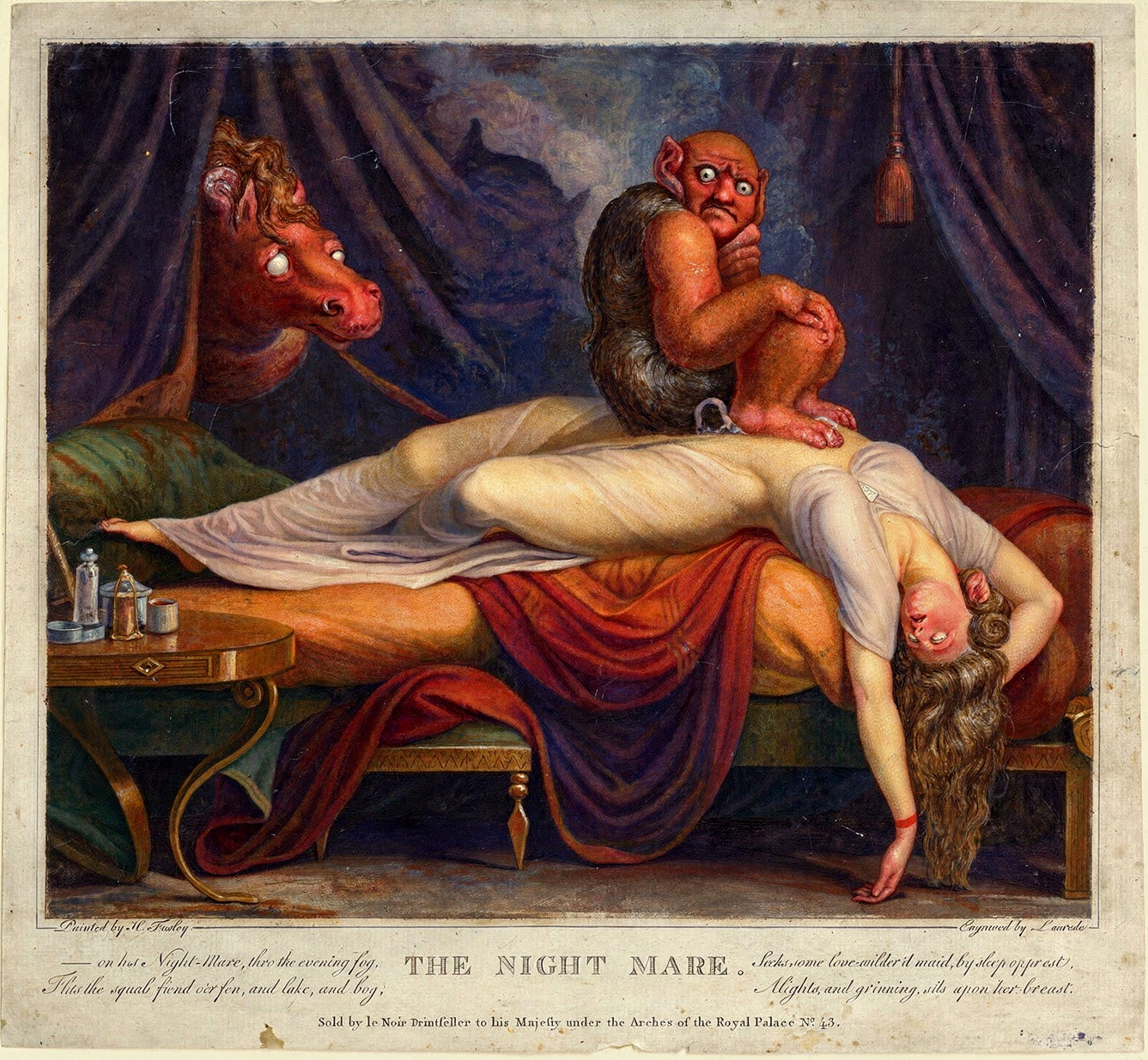
 Historical original
The Night Mare
Buy-ready print · Contemporary colour edition
A sleeping figure and an unsettling apparition make dream imagery the subject, not merely a dark palette.
From $39
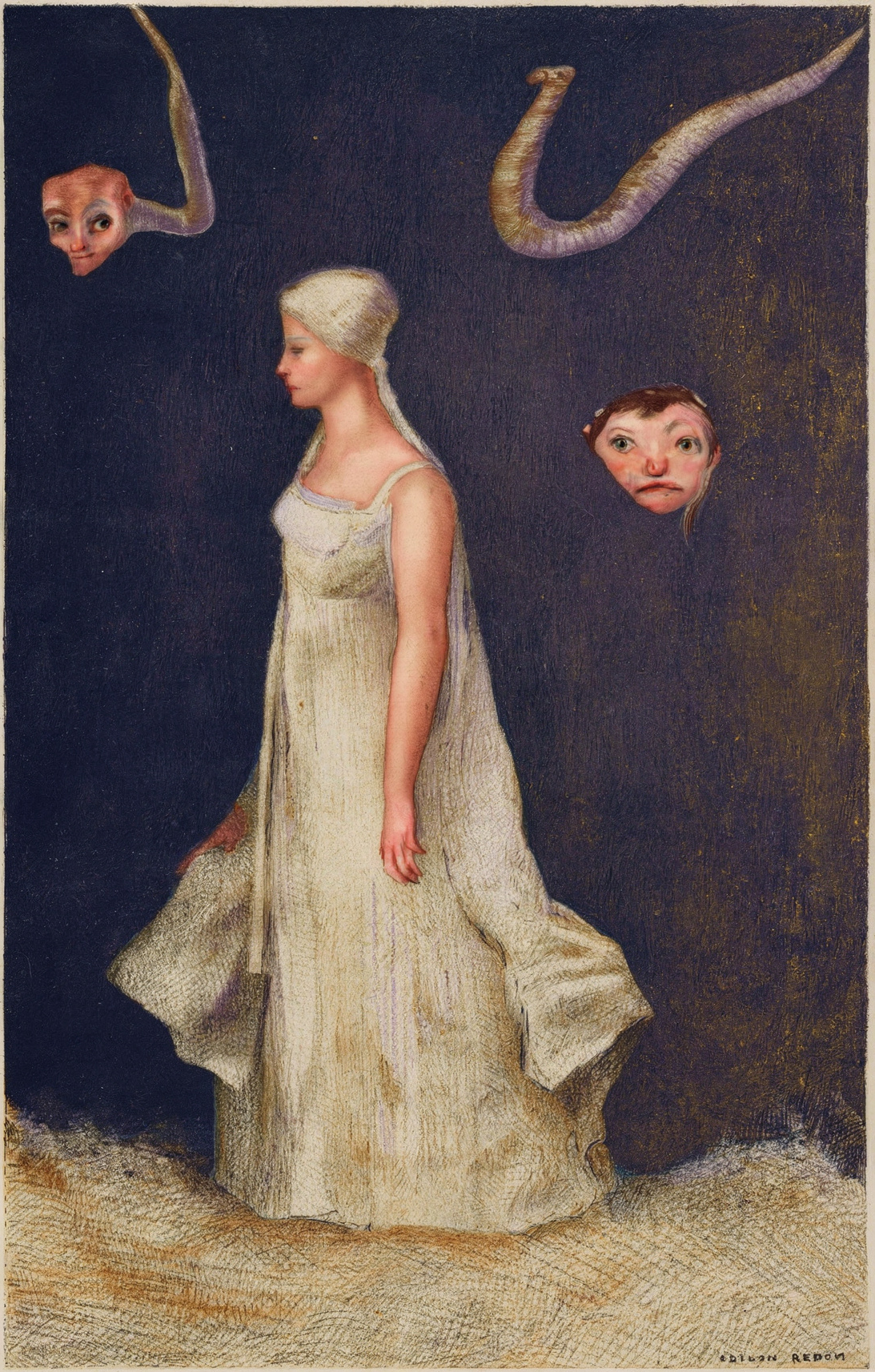
 Historical original
Haunting
Buy-ready print · Contemporary colour edition
An apparition gives a reading room a lingering ambiguity rather than a purely decorative dark ground.
From $39
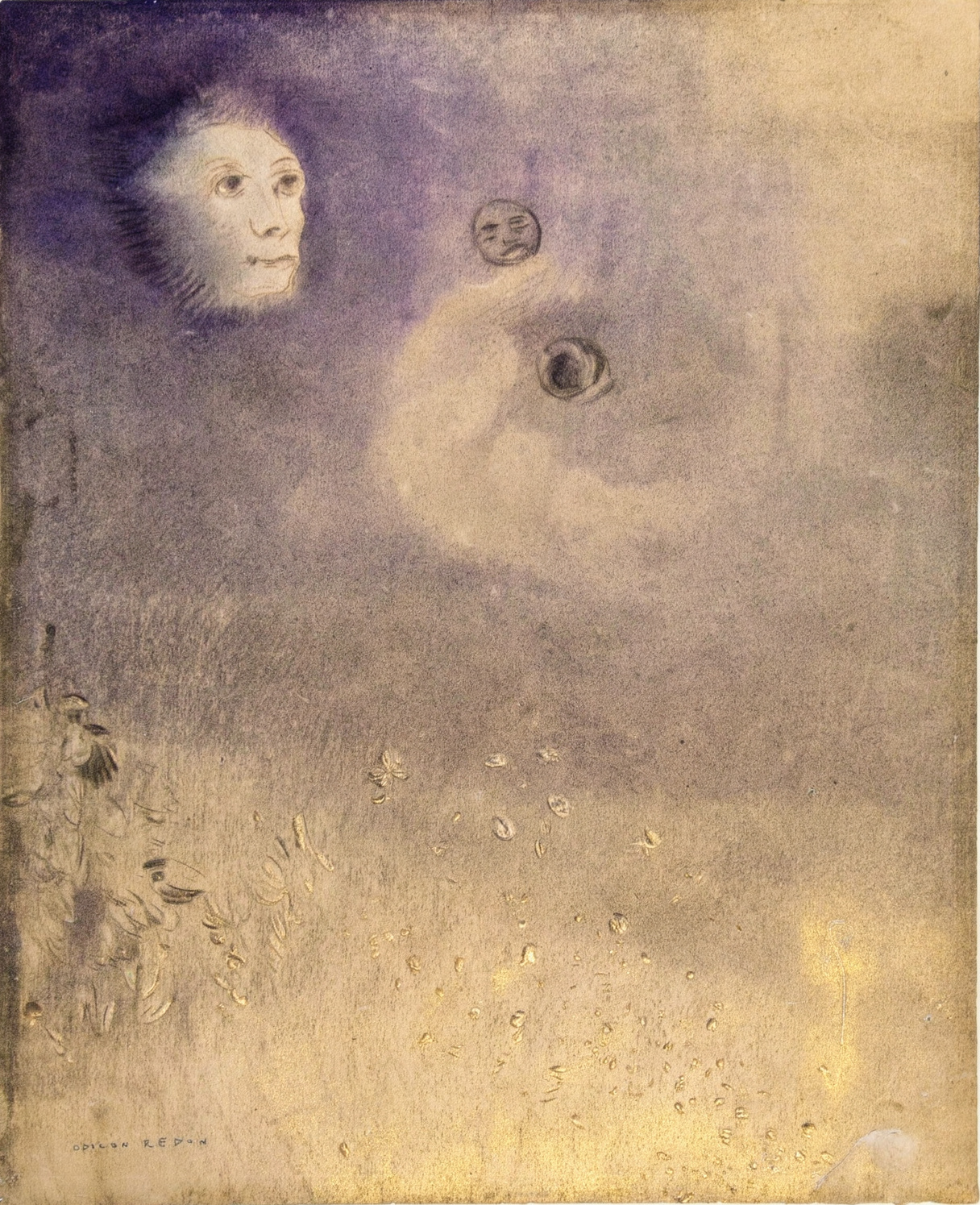
 Historical original
Hallucinations
Buy-ready print · Contemporary colour edition
An uncertain visionary scene suits the article’s interest in images that remain unresolved.
From $39
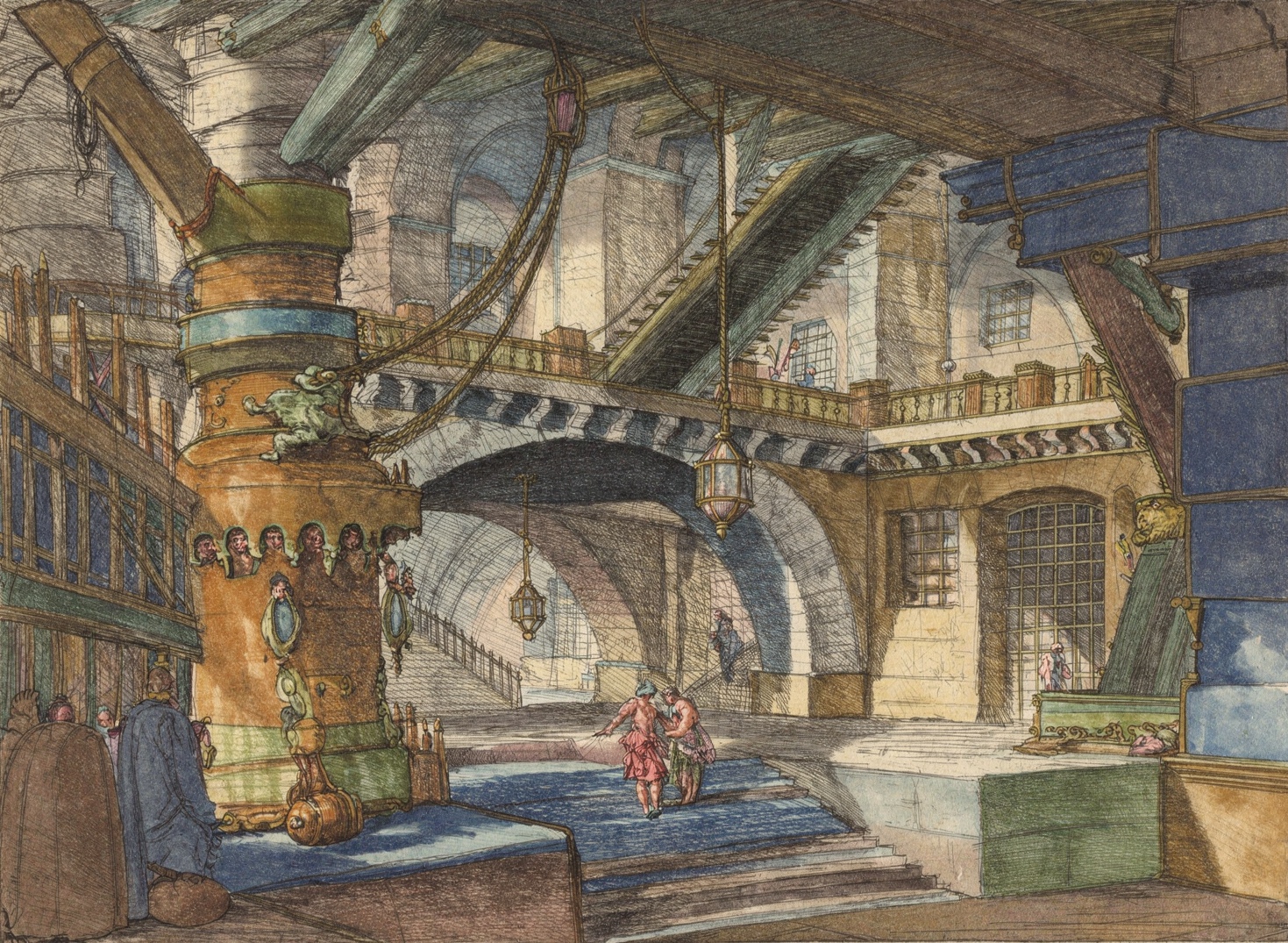
 Historical original
Imaginary Prisons: The Hall with Lanterns
Buy-ready print · Contemporary colour edition
Piranesi’s imagined interior answers the article’s interest in architecture that seems to obey dream logic.
From $39
 Historical original
Faust
Buy-ready print · Contemporary colour edition
A scholar, concentrated light and supernatural uncertainty connect naturally with a reading room and interpretive colour.
From $39
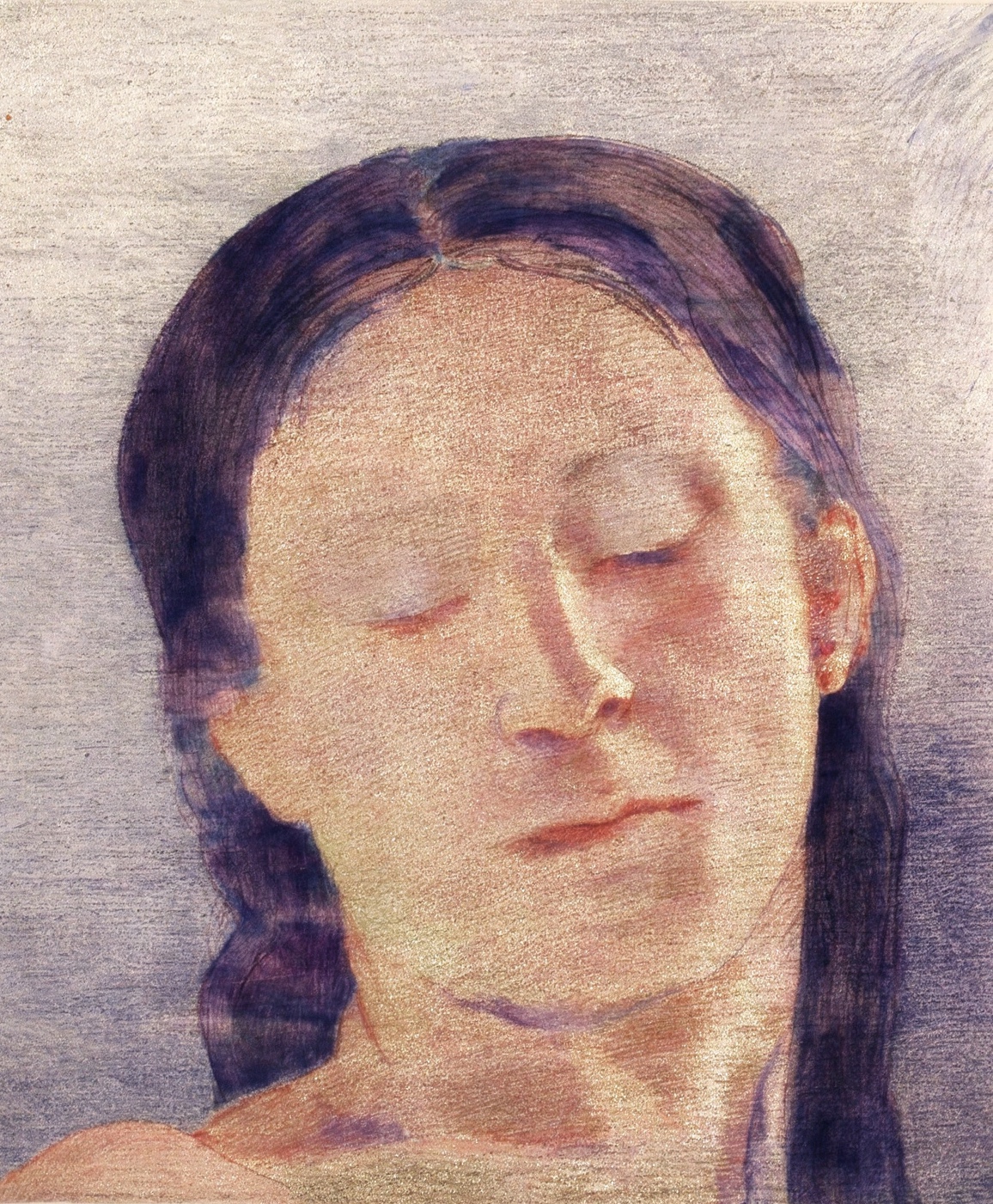
 Historical original
Eyes Closed
Buy-ready print · Contemporary colour edition
A face with closed eyes provides a quiet counterpoint to more disturbing visions of sleep.
From $39
Halloween — The Onyx Crown
Portrait style
A strong headpiece and dark veil offer a shadowed royal portrait for a room that welcomes theatrical art.
Halloween — Silver Apparition
Portrait style
A spectral figure and smoky dusk offer a dreamlike personal portrait rather than a ready-made print.
Start with the kind of darkness you enjoy
For cosmic disorder, consider Chaos, or the Origin of the World. Its chapter describes elements and constellations losing their proper relationships. The zodiac becomes part of the disturbance: Aquarius drenches Leo, while Sagittarius aims towards Gemini. It is a designed confusion, full of things to identify rather than an undifferentiated dark scene. Explore the description of Chaos.
For unease with an architectural form, The Palace of Sleep offers gates, nocturnal figures and dreams of uncertain truth. It rewards looking for symbols rather than following a single hero through an action. Read the Palace of Sleep chapter.
For the energy of a creature encounter, Bellerophon and the Chimera brings a winged horse into conflict with a composite monster. It may suit a reader drawn to fantasy and adventure more readily than a picture built around melancholy or sleep.
These are different moods. A room becomes more personal when its art reflects the one you actually enjoy.
Let the picture keep its detail
A dense engraving can compete with packed shelves, patterned wallpaper and several small objects. Give it a quieter area of wall if you want the image to be the place where the eye pauses.
A frame can provide a boundary between the picture and the room. Choose it after looking at the print’s dimensions and finish. A narrow dark frame may recede; a warmer wood may connect with furniture. Neither choice is automatically right for every scene.
Position matters as much as finish. Test the location from your usual chair, not only while standing directly in front of the wall. Check whether reflections or the room’s evening lighting make the darker areas difficult to read.
Build a conversation between pictures
If you want a pair, connect the works through an idea. Chaos and dream architecture both question the order of the world. A sleeping figure and Penelope at her work offer a quieter contrast between rest and persistence.
Matching every colour is less important than giving both works enough space to remain distinct. Begin with one picture you would choose on its own; let the second add something rather than merely fill a gap.
Keep the story with the print
Fable by Surrealium is developing contemporary colour editions from the book’s historical engravings. The project keeps the source image and surrounding textual context alongside the interpretation. That lets the picture become a point of conversation without turning its story into an invented marketing legend.
These are modern AI-assisted editions, with colour choices made for the new image. The eighteenth-century source gives them their subjects and visual structure.
Explore Fable’s available Atelier collection and compare the works slowly. For a reading room, the strongest choice may be the image that gives you another reason to look up from the page.