Father son gifts for the relationship beyond the family photograph
father son gifts: Father son gifts for the relationship beyond the family photograph.
The most personal father son gifts recognise a relationship rather than a role. A portrait can hold the first shared adventure, a current friendship between adults or an ordinary afternoon that has become important in memory. It does not need to make either person look heroic. The real historical works below offer ten ways to consider togetherness and a picture's place in a home. Start on Fable's father page with a source photograph that both people would be comfortable seeing, then compare the current portrait directions without letting the style overpower the memory.
1. The photograph where nobody was posing
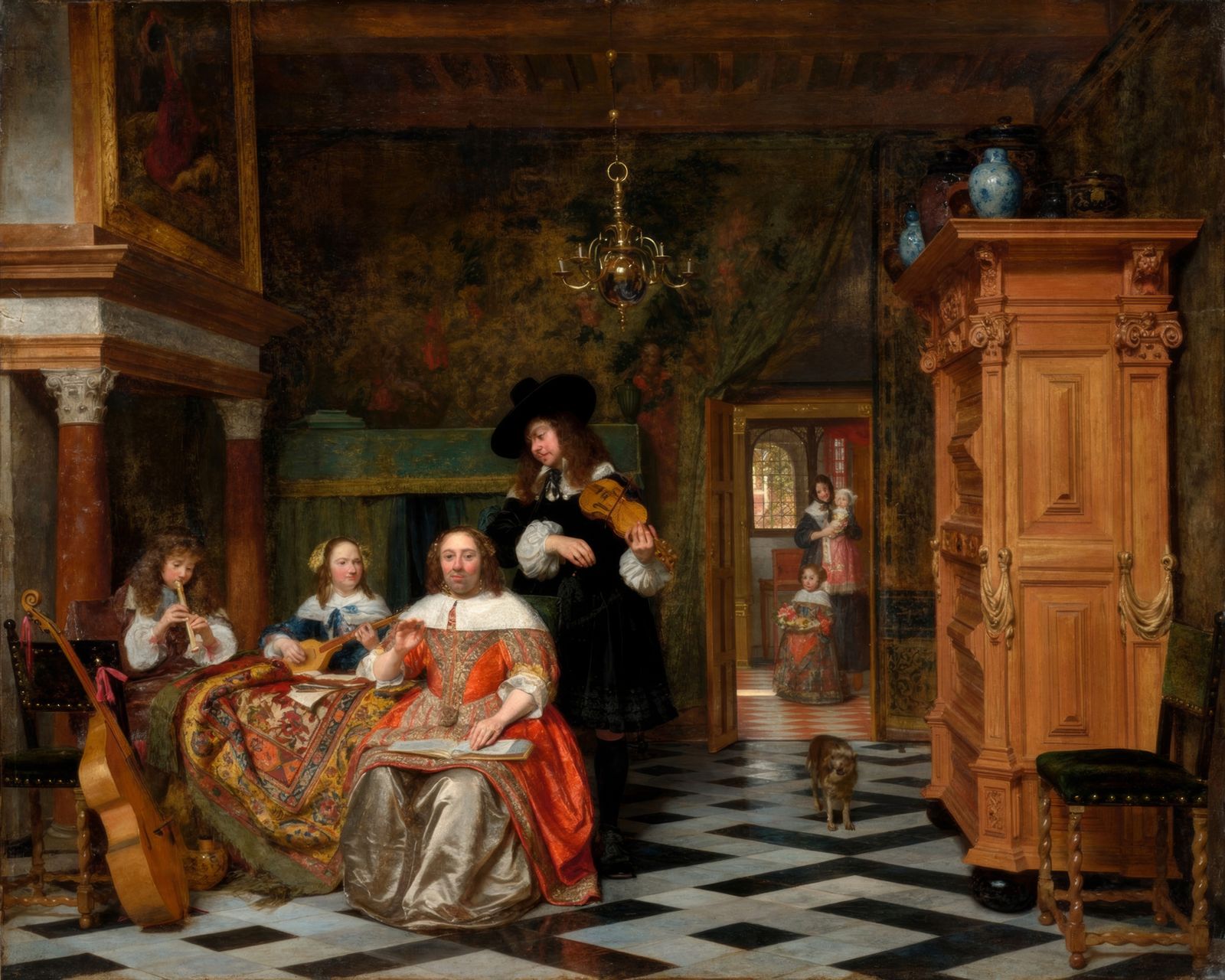
Portrait of a Family Playing Music · Pieter de Hooch · 1663 · Cleveland Museum of Art
Look for a moment when the two people were absorbed in being together. A small ordinary image can feel more personal than the formal family group. Keep facial clarity in mind, but do not reject every relaxed photograph simply because the background is less impressive than a ceremonial setting.
Explore your portrait · Explore this artwork
2. A son who is now an adult
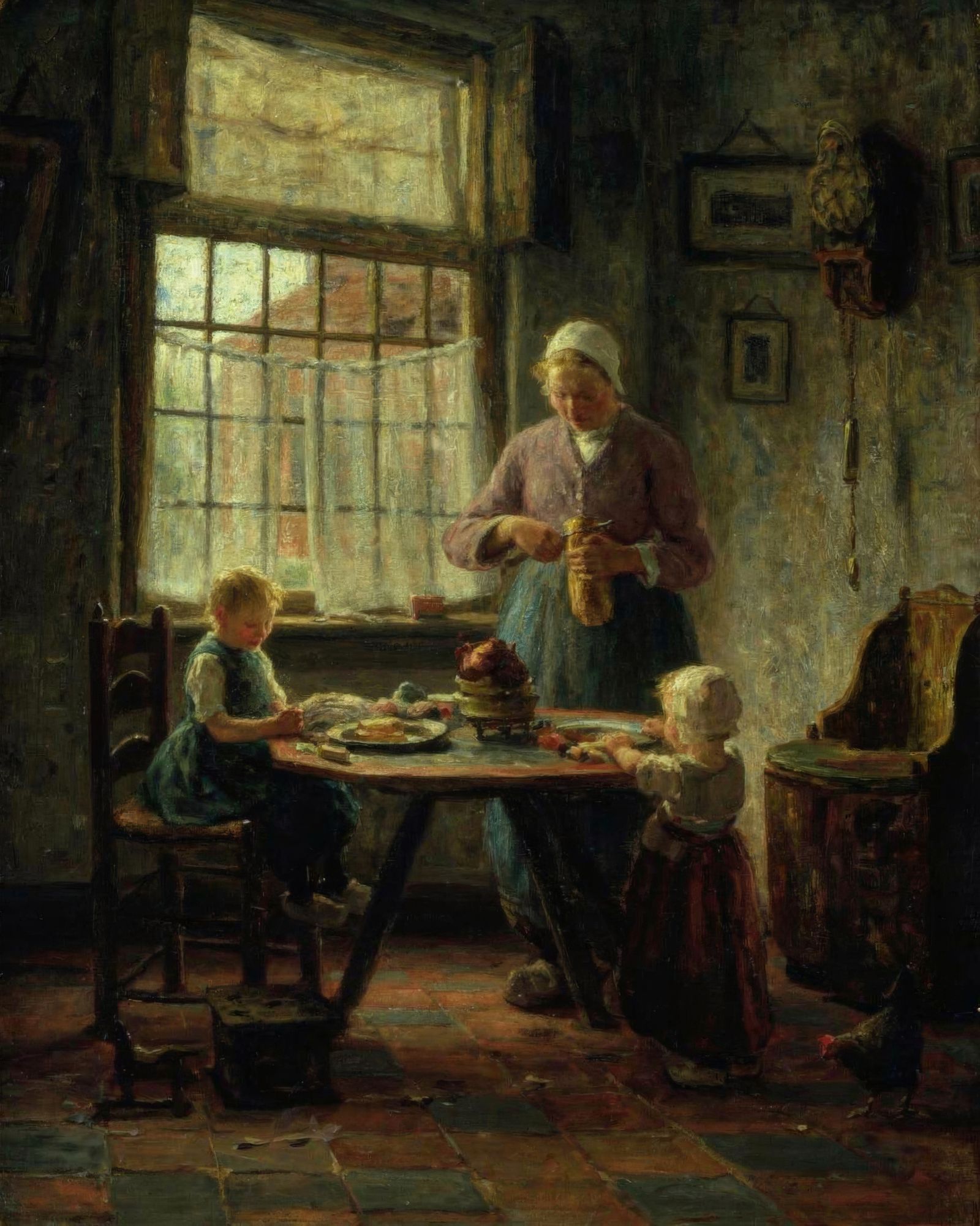
A Family Meal · Evert Pieters · 1890s (?) · Art Institute of Chicago
Choose a current picture if the relationship has become a friendship between adults. A childhood image can be meaningful, but it is not the only way to describe father and son. Ask what both people would enjoy displaying now rather than assuming nostalgia is always the strongest form of affection.
Explore your portrait · Explore this artwork
3. The first shared interest
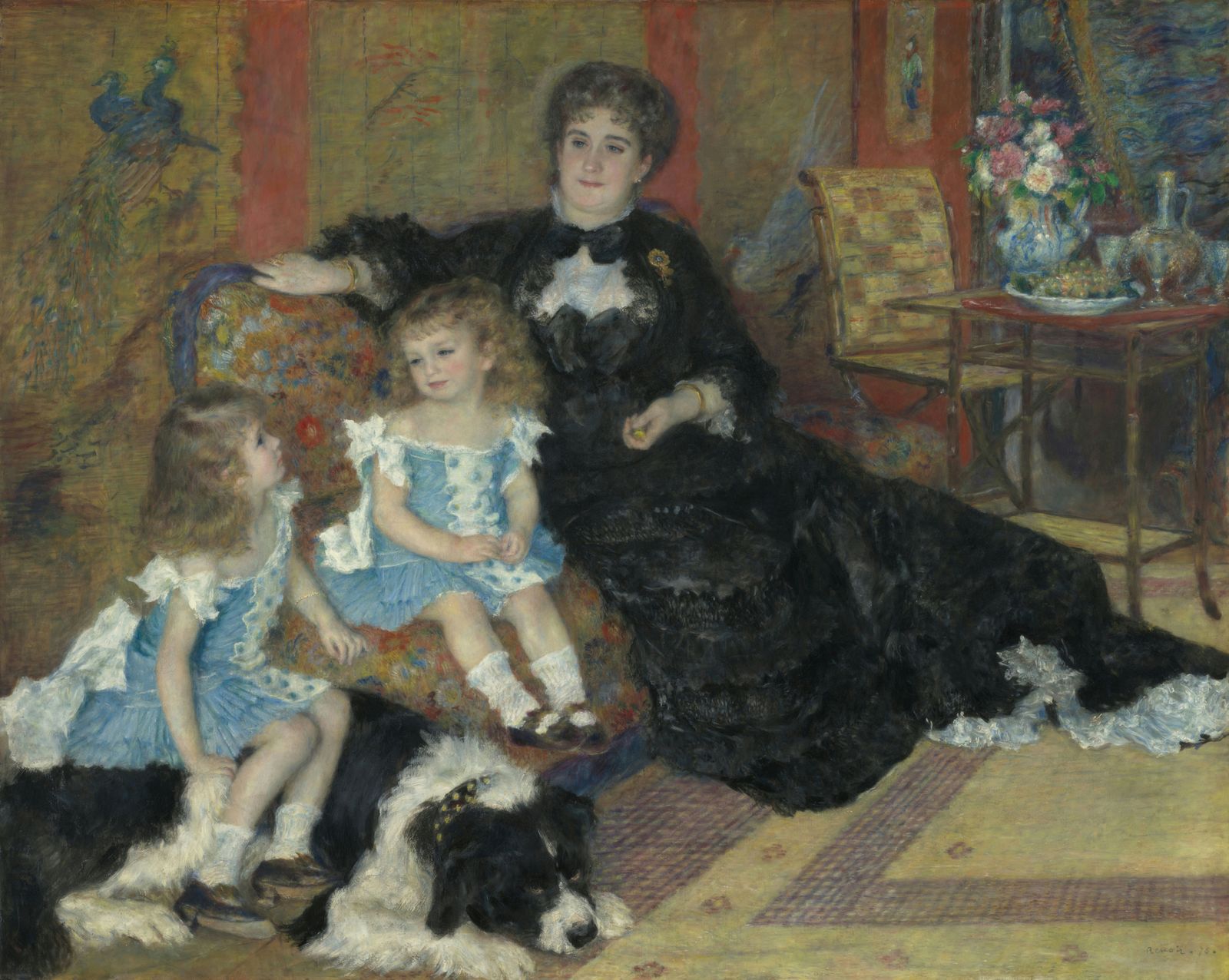
Madame Charpentier and Her Children · Auguste Renoir · 1878 · The Metropolitan Museum of Art
Music, a sport, a workshop or a regular walk may provide the memory behind the source photograph. Use that connection as the reason for the gift. Avoid adding a collection of objects to explain it; the note can carry the particular story while the portrait remains clear and visually calm.
Explore your portrait · Explore this artwork
4. The quiet family meal
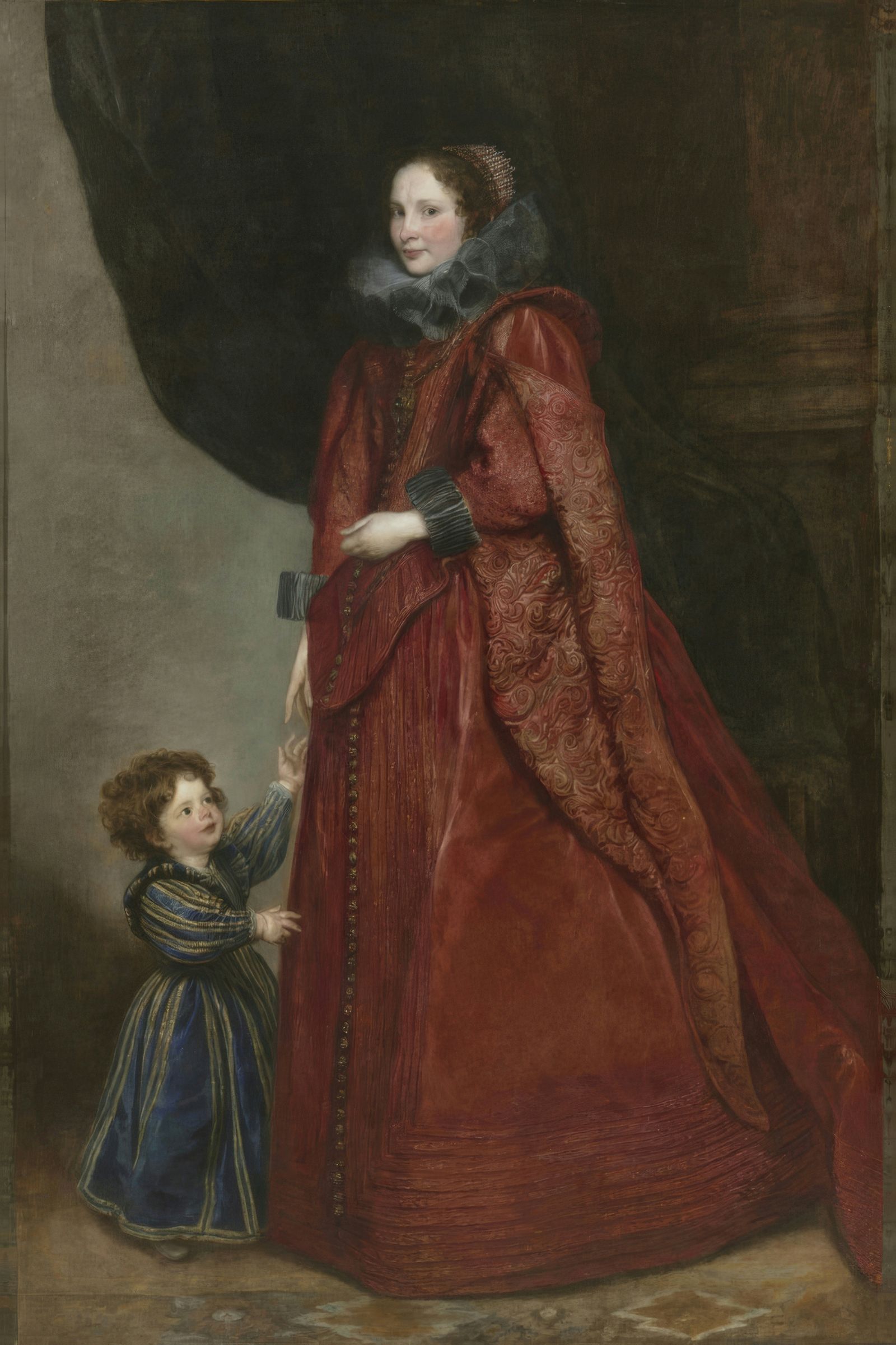
A Genoese Lady with Her Child · Anthony van Dyck · c. 1623–25 · Cleveland Museum of Art
A table can be where the relationship feels most natural. Choose a photograph where both people are visible and not caught mid-expression. The historical domestic reference offers a way to think about shared space, without requiring the new portrait to reproduce a particular room or every object in the original scene.
Explore your portrait · Explore this artwork
5. The father who dislikes fuss
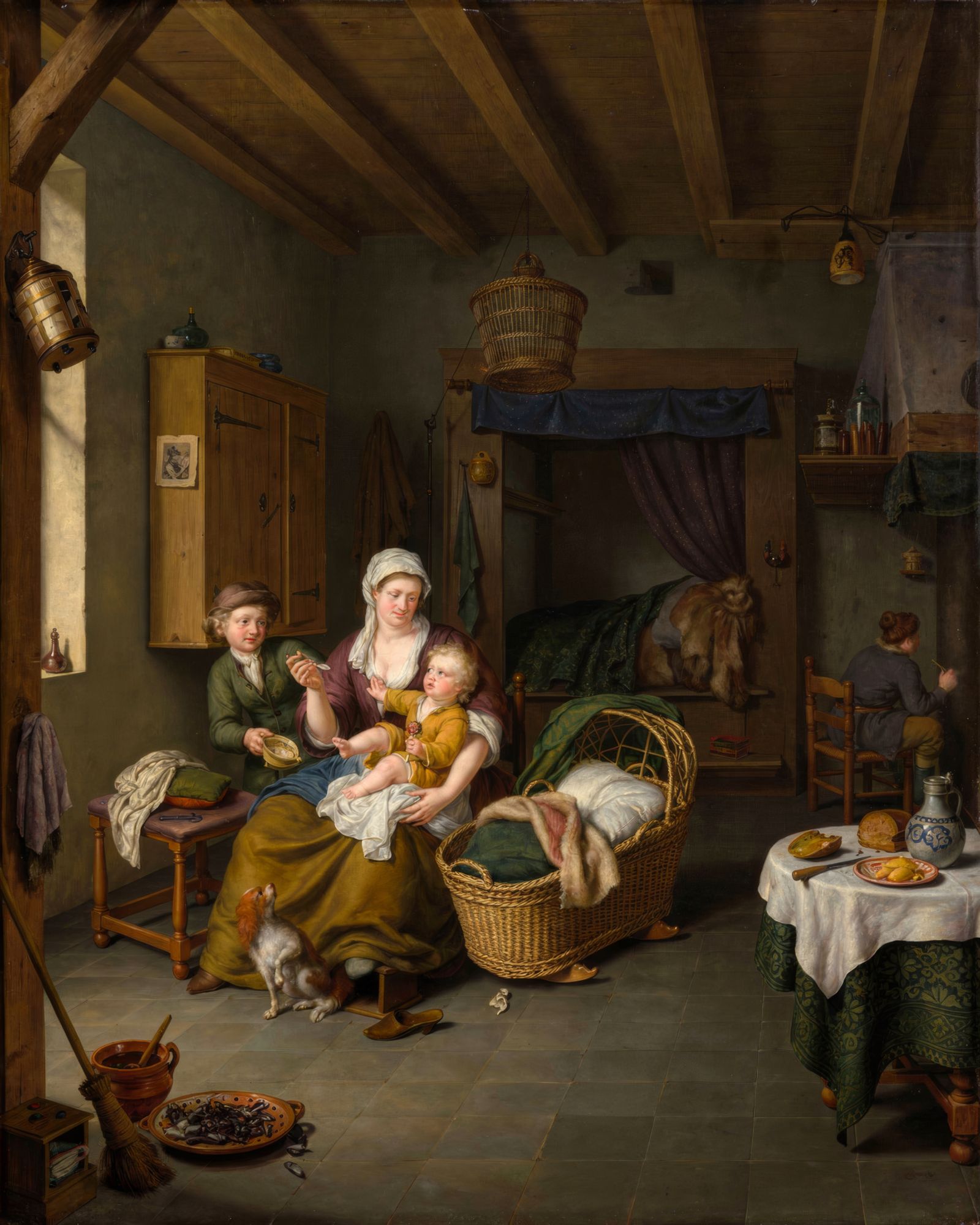
A Mother Feeding her Child (The Happy Mother) · Willem van Mieris · 1707 · Art Institute of Chicago
Keep the proposal modest. A quiet portrait or a historical print may suit him better than a large presentation with a speech. Ask about where the picture could go, or offer to choose together. The gift can recognise affection without requiring him to perform a public response to it.
Explore your portrait · Explore this artwork
6. A gift from a younger son
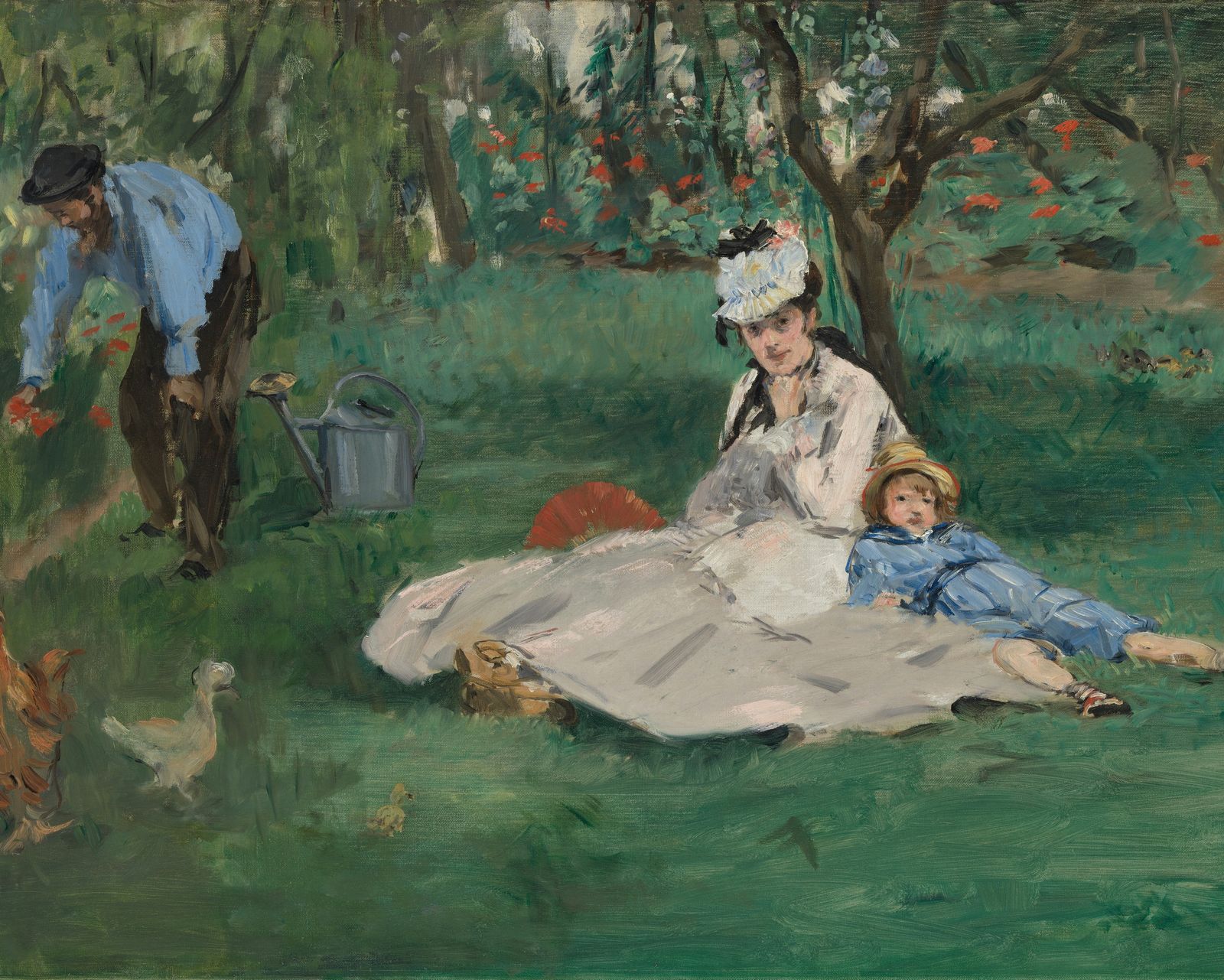
The Monet Family in Their Garden at Argenteuil · Edouard Manet · 1874 · The Metropolitan Museum of Art
Let the child make one real decision, such as choosing between two photographs or dictating a sentence for the card. An adult can handle the practical steps. That preserves the child's role in giving the present without expecting him to judge files, portrait styles or physical ordering details.
Explore your portrait · Explore this artwork
7. A picture for the son's home
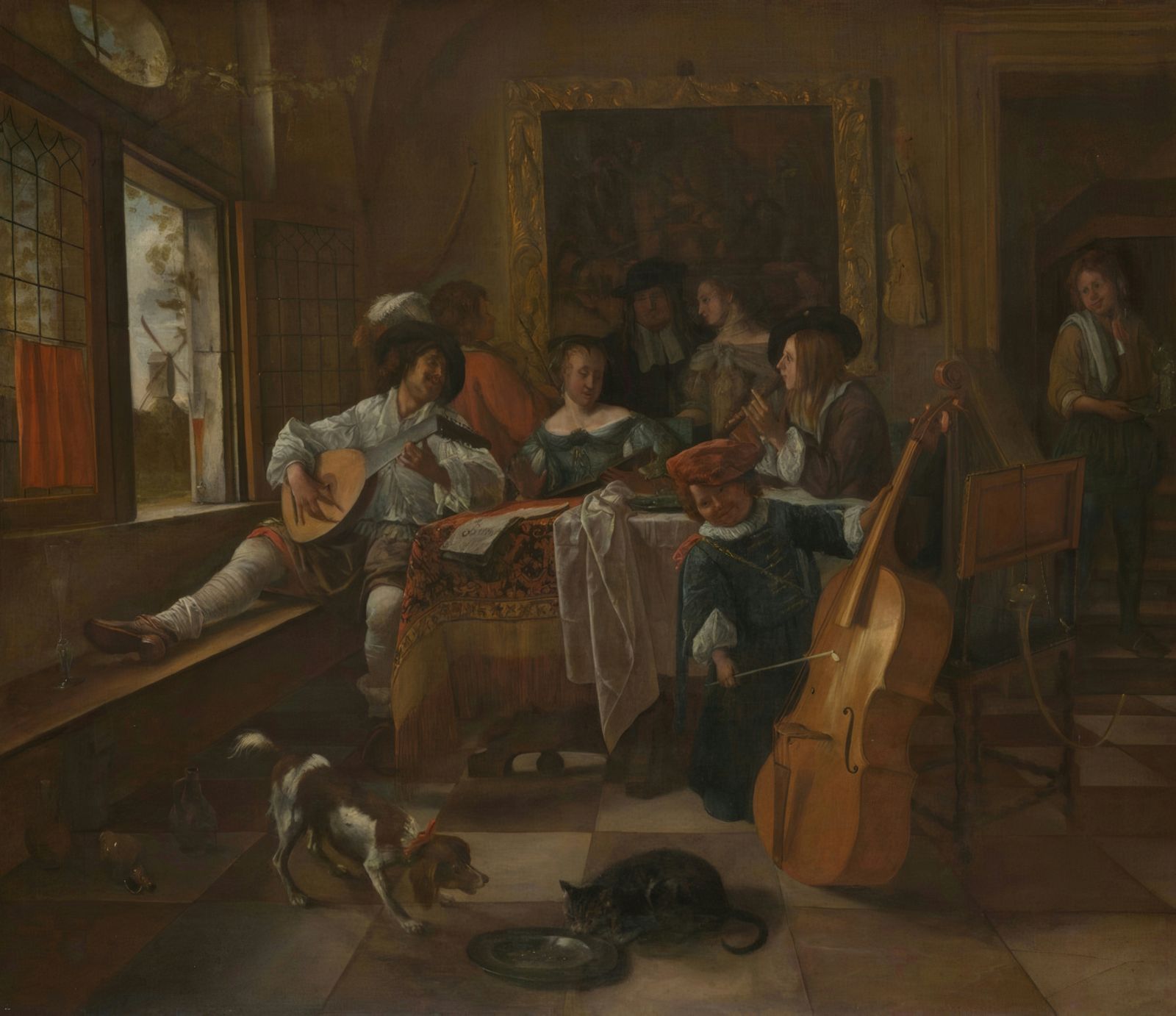
The Family Concert · Jan Steen · 1666 · Art Institute of Chicago
The gift can travel in either direction. A son living away may appreciate an image that keeps the relationship visible in his own space. Ask about his taste before choosing a physical format, and do not assume he wants the same scale or framing as the family home.
Explore your portrait · Explore this artwork
8. A complicated relationship, gently treated
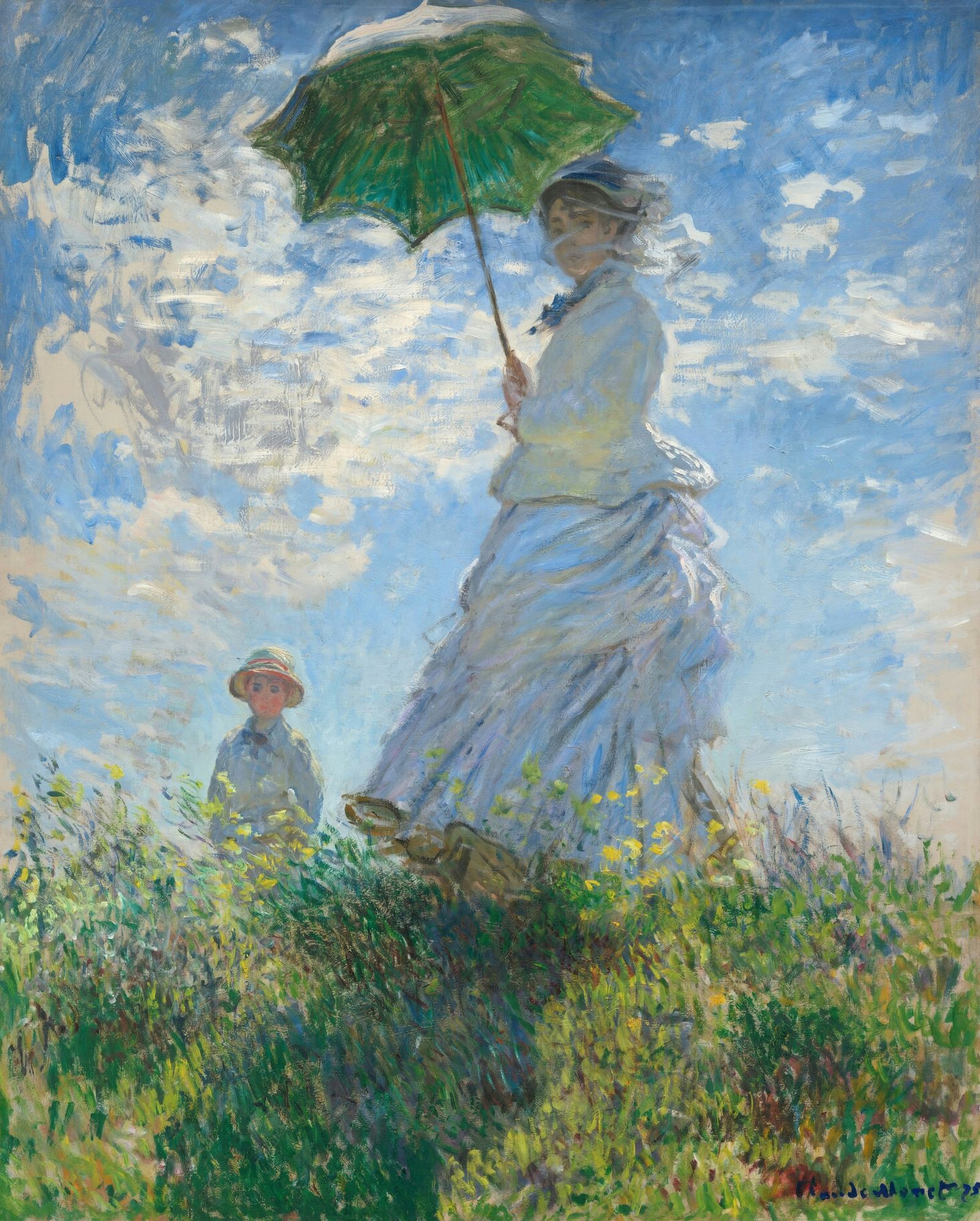
Woman with a Parasol – Madame Monet and Her Son · Claude Monet · 1875 · National Gallery of Art, Washington
A portrait should not ask two people to look closer than they feel. If the relationship is distant, choose a memory they both value or consider another kind of present. The gift can acknowledge what is good without claiming to repair what needs a conversation outside the image.
Explore your portrait · Explore this artwork
9. The ordinary words beside it
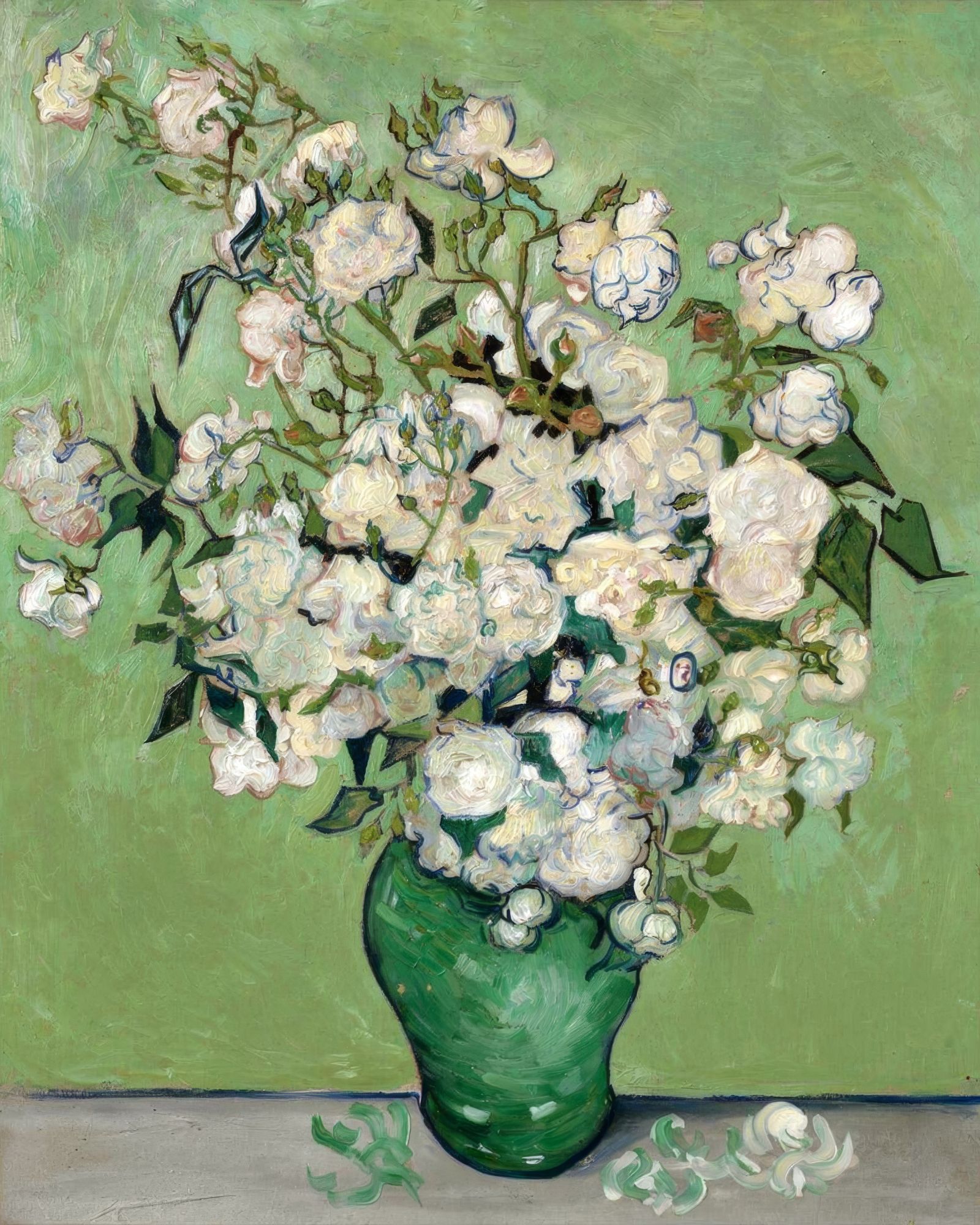
Roses · Vincent van Gogh · 1890 · The Metropolitan Museum of Art
Write about one particular thing you appreciate, not a general claim about the perfect father or son. A true memory can feel warmer than praise that nobody quite recognises. Keep the note separate from the portrait so the picture can remain easy to live with after the occasion has passed.
Explore your portrait · Explore this artwork
10. A new photograph together
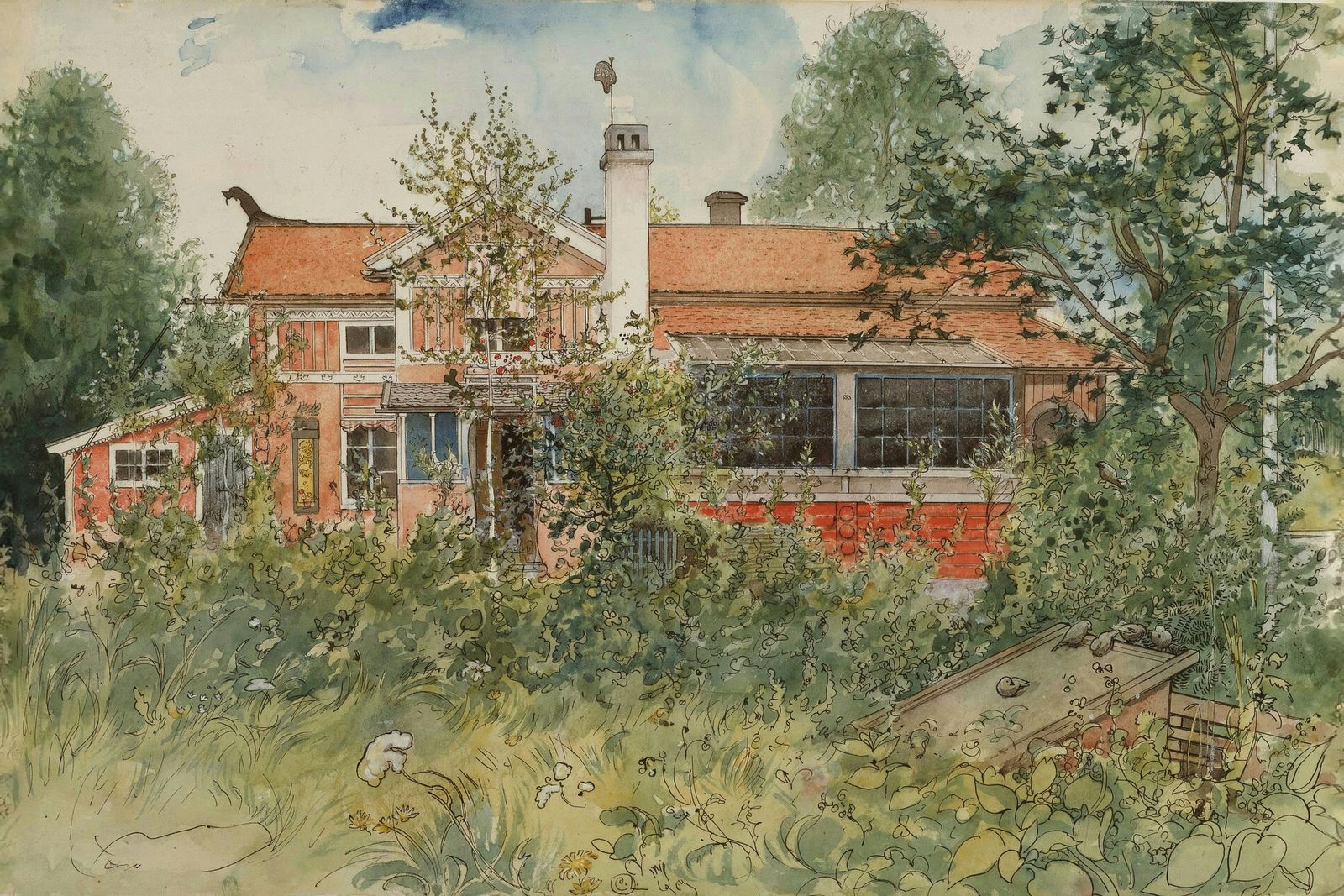
The Cottage (Stugan). From A Home · Carl Larsson · 1899 · Nationalmuseum, Stockholm
If all the existing images feel wrong, making a new one can become part of the gift. Choose gentle daylight, a comfortable pose and enough space around both faces. Keep the process relaxed rather than turning it into another formal obligation; the shared time may become the memory the portrait eventually holds.
Explore your portrait · Explore this artwork
Choose the photograph together if you can, then compare only a few portrait directions at a time. The father page is the next step for exploring the available flow with the actual image. Check its current options before assuming that a certain pose, prop or physical format will be included. A father and son portrait works best when it recognises the relationship that exists, with its own level of warmth and formality. It does not need to make a statement about every father, every son or every stage of family life.
If several siblings are contributing, keep the subject clear rather than widening the portrait until every relationship appears. A father and son image can be one gift among many expressions of family life. Explain the choice warmly and invite others to add memories to the card if that feels appropriate. Do not use the portrait to make claims about who inherited a talent, continued a legacy or became the man of the house. Those ideas can impose a role on the son. A particular shared moment is usually more generous because it leaves both people room to remain themselves.
- What if my father does not like sentimental gifts?
- Keep the idea quiet and specific, or choose a historical print he would enjoy. A gift does not need a large inscription or public presentation to be personal.
- Should a father and son portrait use a childhood photo?
- Only if that is the memory they want. A current image can recognise the relationship between two adults.
- Can choosing the photograph be part of the gift?
- Yes. Making or choosing a source image together can make the experience more comfortable and meaningful for both sitters.