A memorial gift for loss of mother, chosen gently
memorial gift for loss of mother: A memorial gift for loss of mother, chosen gently.
A memorial gift for loss of mother should begin with permission, not a surprise. A portrait can be comforting for one person and difficult for another, particularly soon after the death. Ask whether a picture would be welcome, and leave an easy way to say no or to wait. The historical works here offer quiet references for different kinds of image. They are not claims about how grief should look. If a portrait feels right, Fable's remembrance page for a mother gives you a place to explore the idea at your own pace.
1. The photograph they already keep nearby
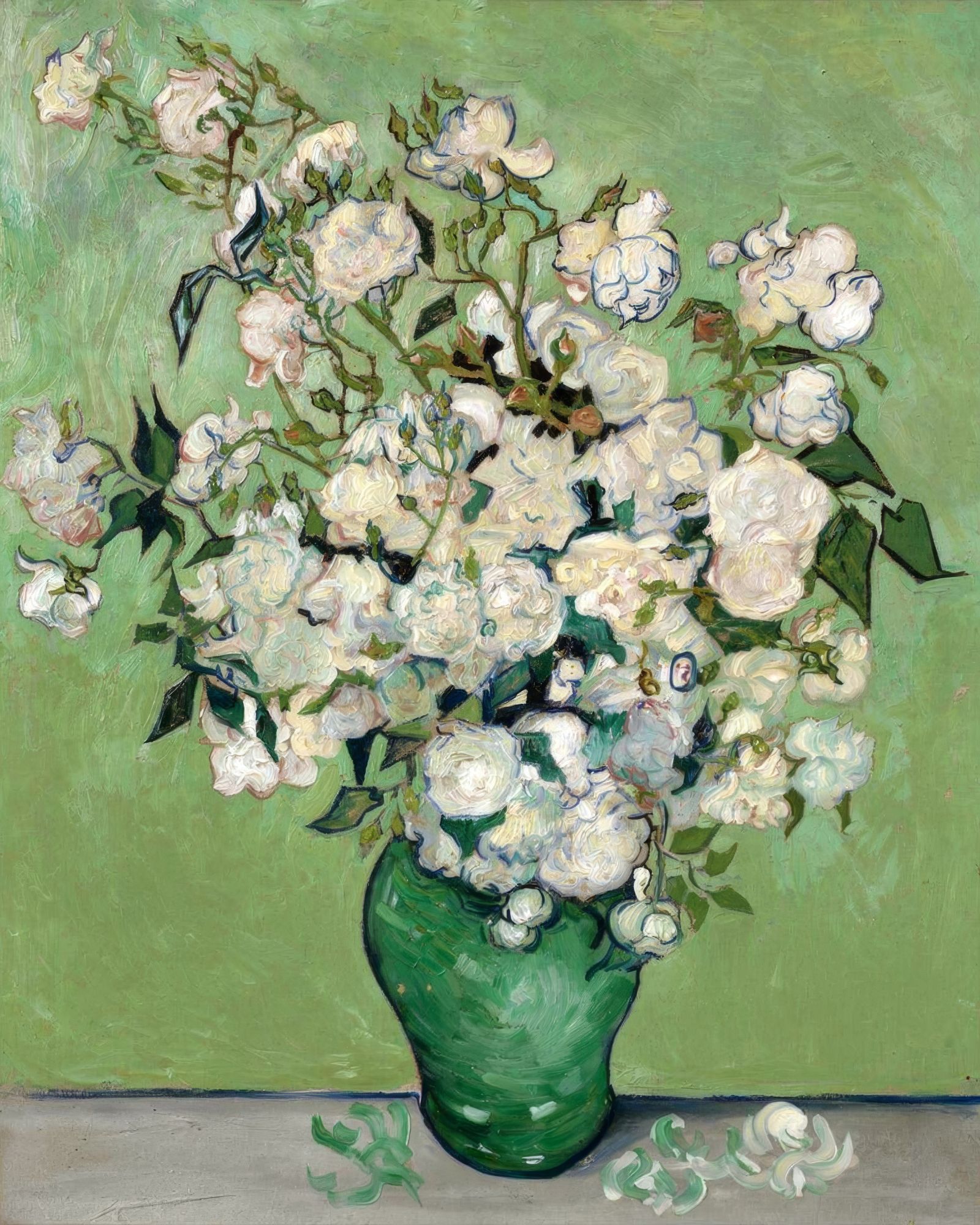
Roses · Vincent van Gogh · 1890 · The Metropolitan Museum of Art
Start by asking which photograph the bereaved person reaches for. It may be casual, imperfect or much older than you expected. Familiarity can matter more than formal quality. Offer to help find the original file, but do not remove or alter a photograph that is important to them without asking.
Consider a remembrance portrait · Explore this artwork
2. An image from before the illness
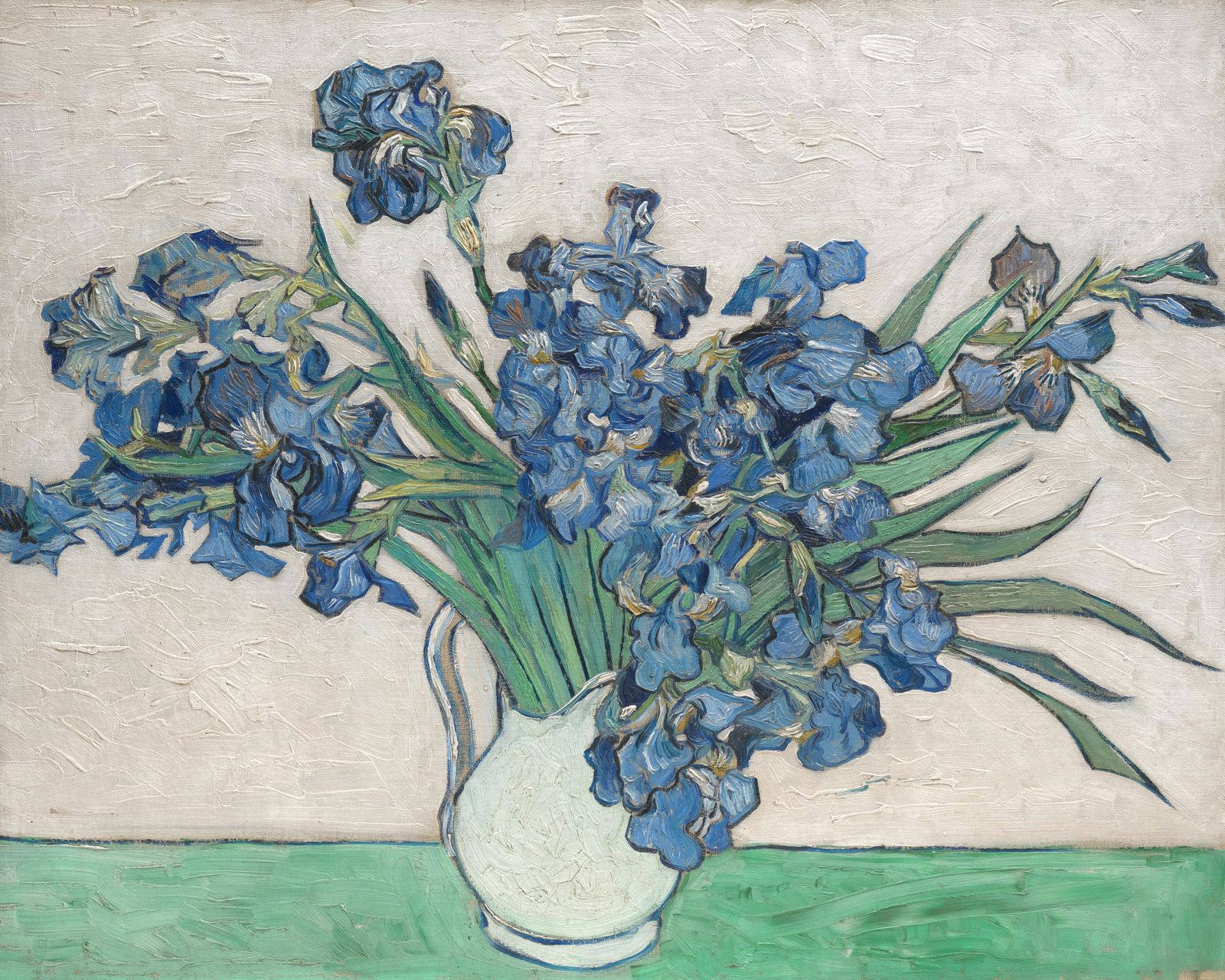
Irises · Vincent van Gogh · 1890 · The Metropolitan Museum of Art
Some families want a picture from a time when she felt most herself; others cherish a recent one. Neither choice needs defending. Invite the person to say what they prefer, and avoid language that treats age, disability or illness as something that should automatically be edited out of a memory.
Consider a remembrance portrait · Explore this artwork
3. Her on her own
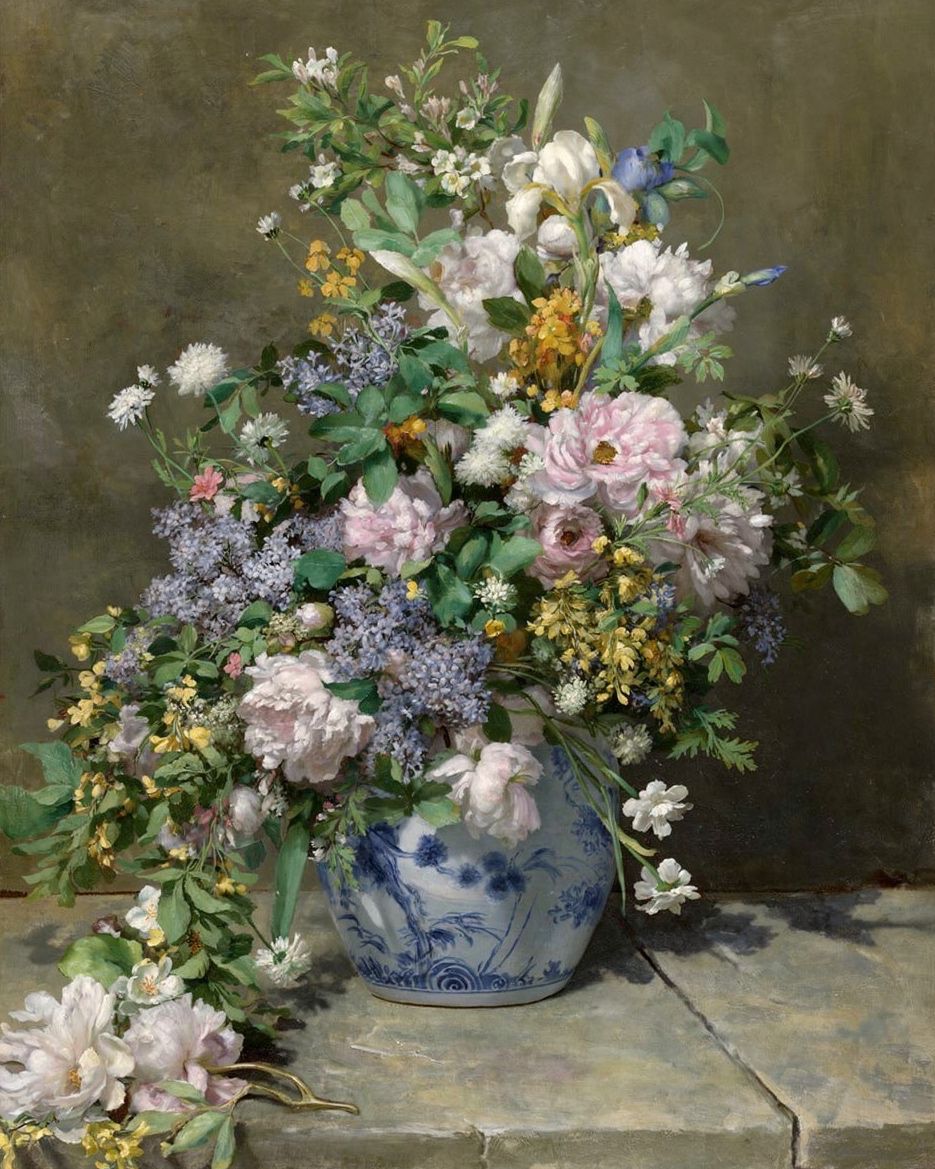
Spring Bouquet · Pierre-Auguste Renoir · 1866 · Harvard Art Museums
A single portrait can give a mother space to be remembered as a whole person. Ask whether the recipient wants a formal likeness or the expression they knew across a kitchen table. A quiet composition may be easier to live with than an image filled with symbols of loss.
Consider a remembrance portrait · Explore this artwork
4. A mother and child together
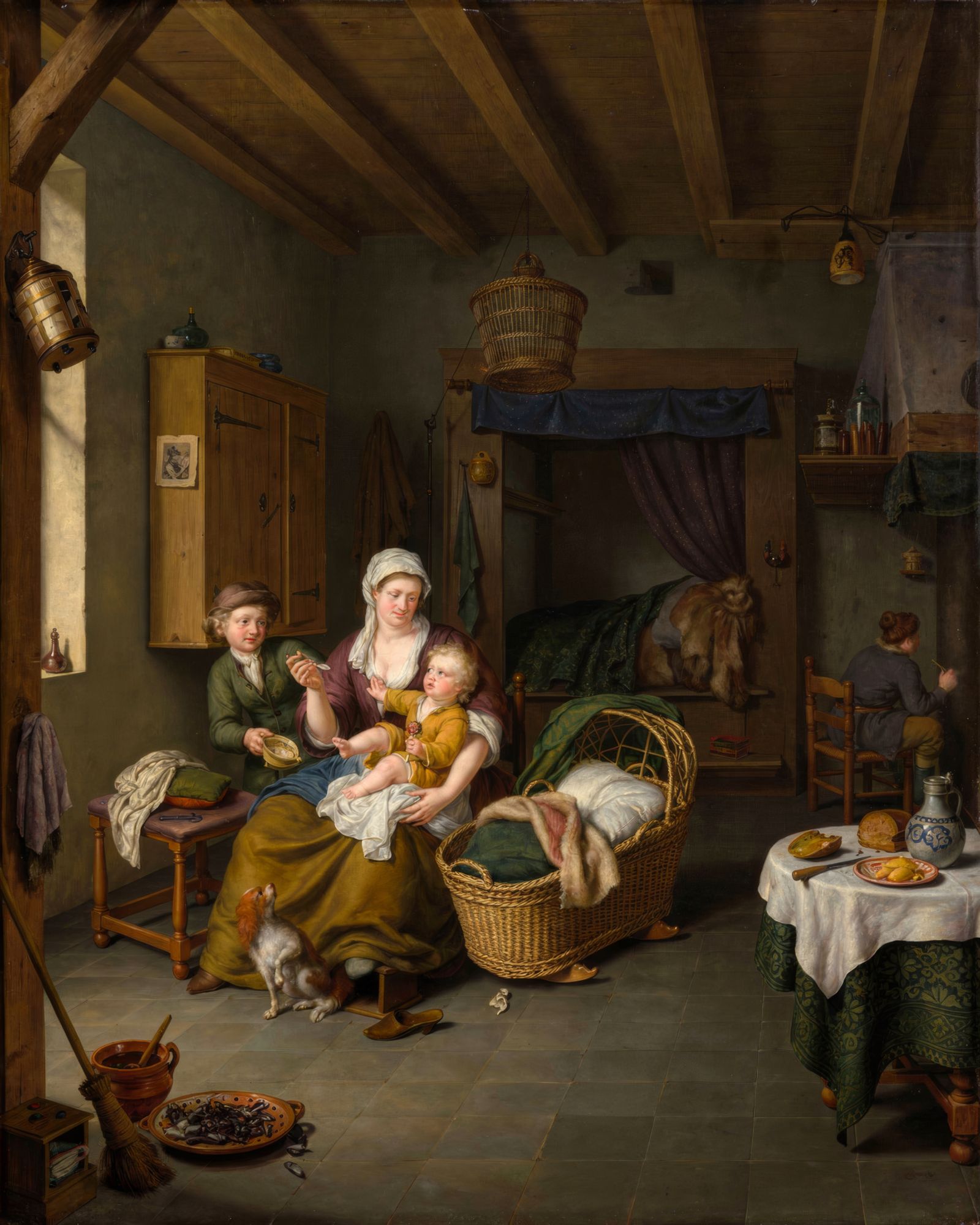
A Mother Feeding her Child (The Happy Mother) · Willem van Mieris · 1707 · Art Institute of Chicago
A shared photograph may be meaningful, but the relationship belongs to the person receiving the gift. Do not assume they want their own face included. Show them the possibility and allow them to choose whether the portrait should depict a shared memory or simply the mother they are missing.
Consider a remembrance portrait · Explore this artwork
5. A familiar home
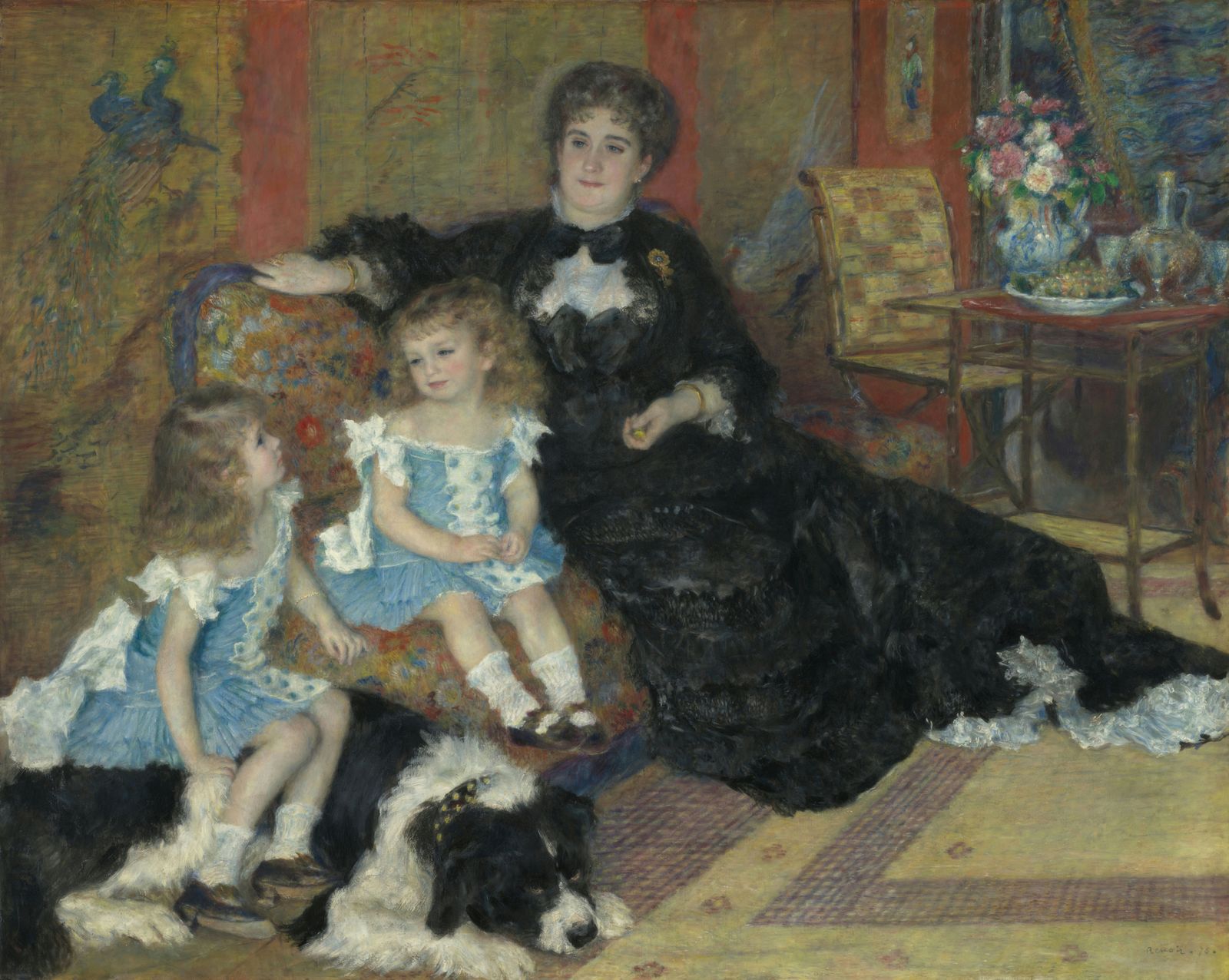
Madame Charpentier and Her Children · Auguste Renoir · 1878 · The Metropolitan Museum of Art
Sometimes a room, garden or view is easier to receive than a face. A historical domestic painting can help begin that conversation, without claiming to recreate her home. If a portrait is too immediate, offer the alternative of a print or simply keep the idea for a later date.
Consider a remembrance portrait · Explore this artwork
6. Flowers without a fixed message
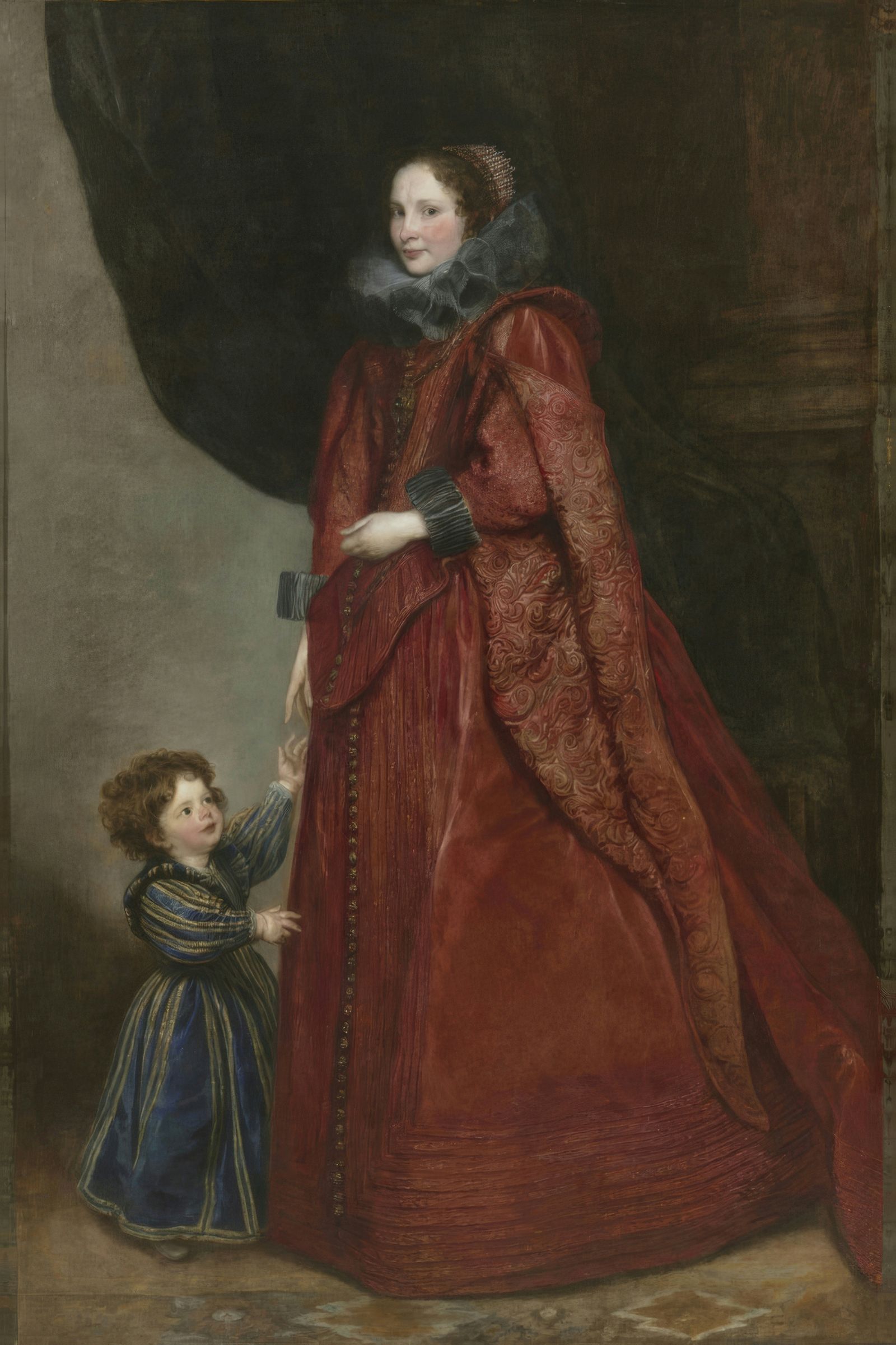
A Genoese Lady with Her Child · Anthony van Dyck · c. 1623–25 · Cleveland Museum of Art
A floral work can accompany a card without assigning a universal meaning to a particular bloom. Use flowers because she loved them, or because the recipient finds them peaceful. Avoid explaining the picture as a lesson about mourning; its role can be as modest as offering something gentle to look at.
Consider a remembrance portrait · Explore this artwork
7. An image for a private space
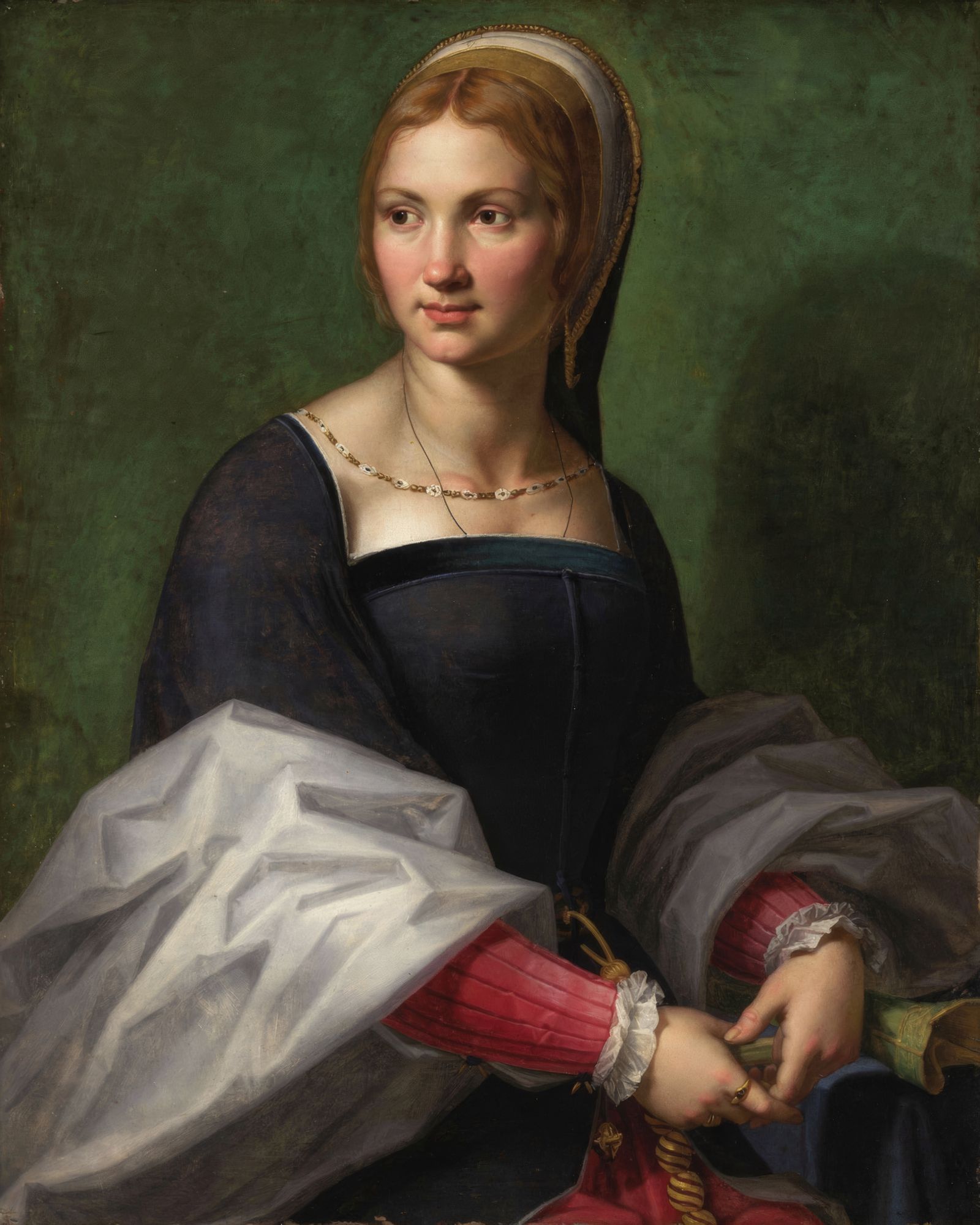
Portrait of a Woman · Andrea del Sarto · c. 1518 · Cleveland Museum of Art
Ask where a picture would feel comfortable. A bedside table or quiet corner may suit better than the main room, and there is no obligation to display a gift at all. If the location is uncertain, leave decisions about size, framing and placement with the person receiving it.
Consider a remembrance portrait · Explore this artwork
8. A note with her name
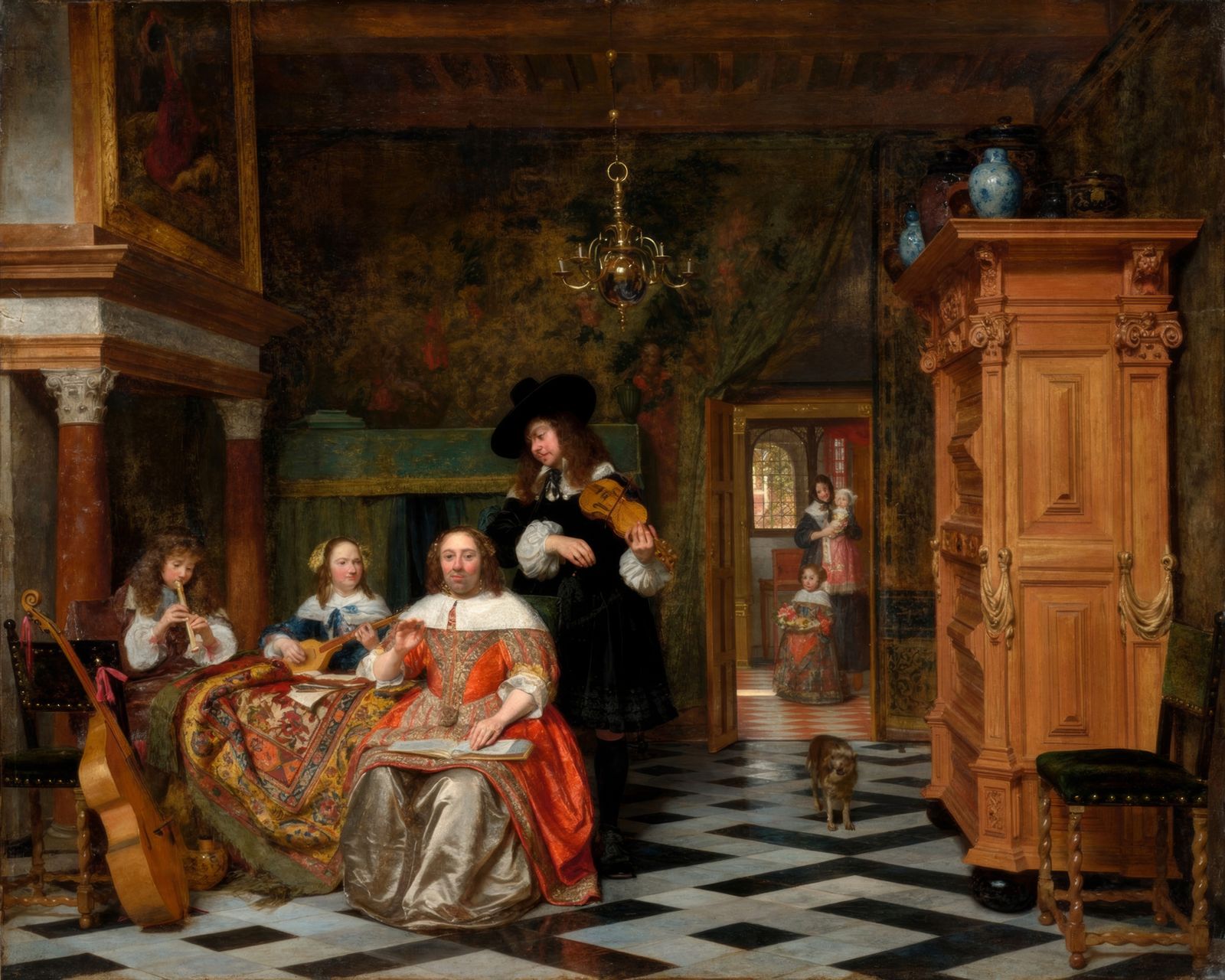
Portrait of a Family Playing Music · Pieter de Hooch · 1663 · Cleveland Museum of Art
Write her name and one true memory if you knew her. If you did not, say that you are thinking of the person left behind. Avoid assurances about a better place, a reason for the death or a timetable for healing. Simple words leave room for the recipient's own beliefs.
Consider a remembrance portrait · Explore this artwork
9. Practical help with the photograph
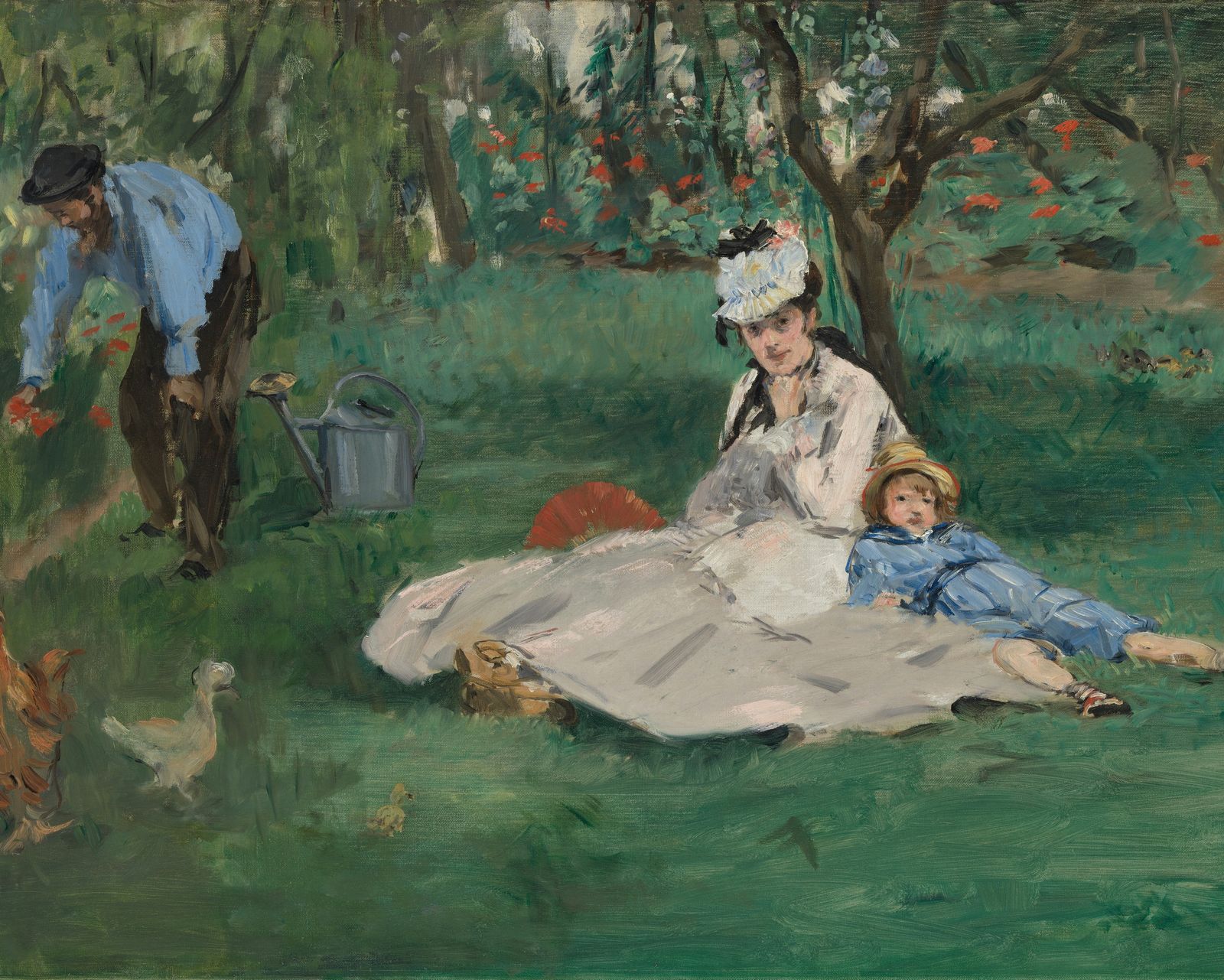
The Monet Family in Their Garden at Argenteuil · Edouard Manet · 1874 · The Metropolitan Museum of Art
Finding a usable file can become another task when someone is already overwhelmed. Offer specific help, such as scanning a print or locating a family album, with their agreement. Preserve the original and share a copy. Let the family decide how much alteration, if any, feels acceptable.
Consider a remembrance portrait · Explore this artwork
10. An invitation to wait
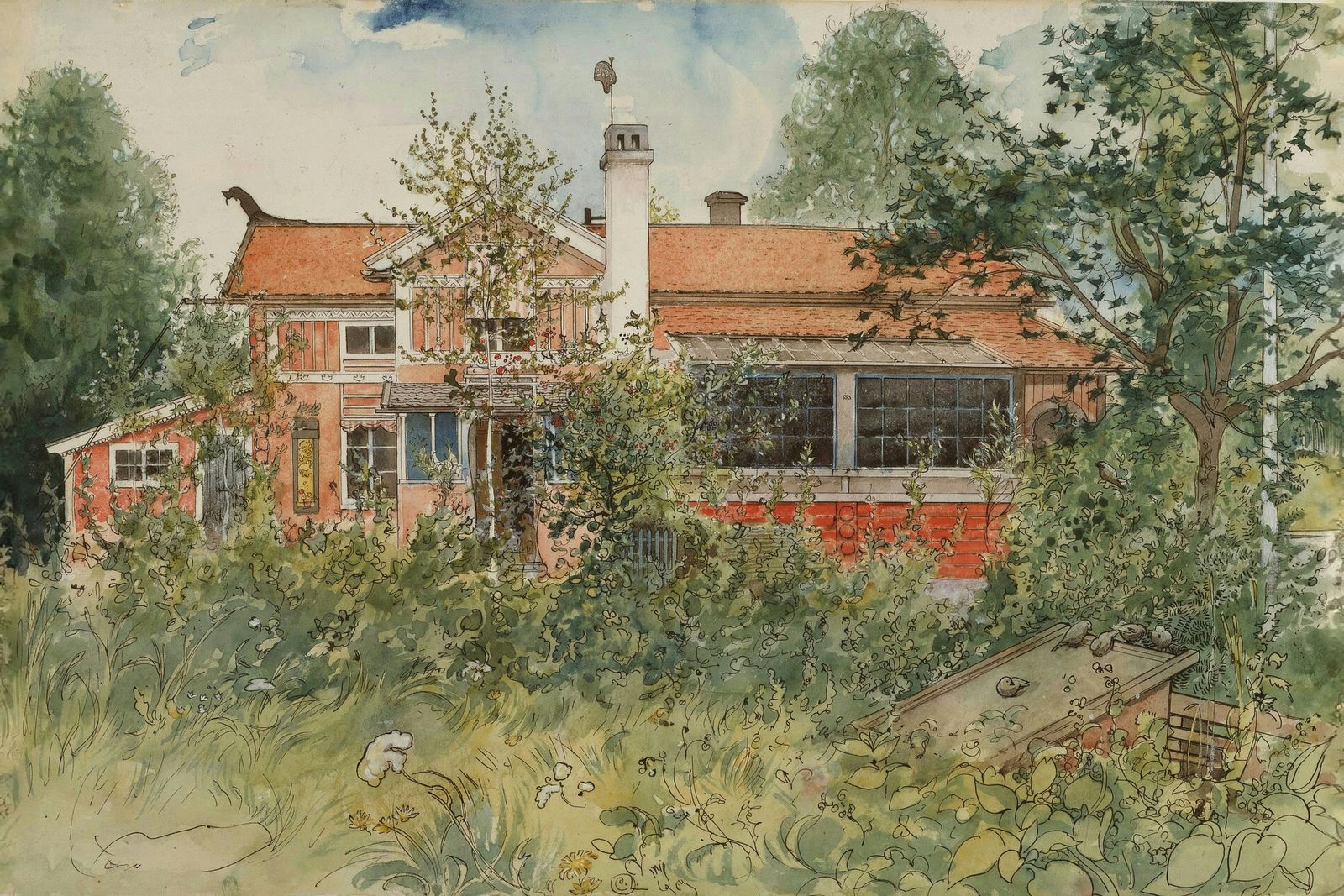
The Cottage (Stugan). From A Home · Carl Larsson · 1899 · Nationalmuseum, Stockholm
You can offer the idea now without asking for a decision. A note saying that you will help whenever they are ready may be more welcome than a finished object. Do not add a deadline or turn a seasonal occasion into pressure to move forward with a memorial portrait.
Consider a remembrance portrait · Explore this artwork
There is no correct moment to give a remembrance portrait. The recipient's preference matters more than a date on the calendar or the giver's wish to do something tangible. If they welcome the idea, open the mother remembrance page with them, choose a photograph carefully and review the available direction before proceeding. If they do not, a handwritten note or practical kindness is enough. A gift should make space for memory, without asking the person to feel a particular way when they receive it.
Keep the practical conversation small. Instead of asking the recipient to compare a long list of styles, offer one or two possibilities and ask whether either feels comfortable. Do not tell them that the portrait will help them heal or that they will treasure it forever. Those are feelings only they can know. If they accept help with an image, explain what you are doing and give them the opportunity to stop before any order is placed. A considerate process can matter as much as the object, particularly when other decisions already feel difficult to manage.
Consider a remembrance portrait
- Is a memorial portrait appropriate straight after a death?
- Ask first. Some people welcome a picture immediately; others would rather wait or avoid a portrait altogether. There is no timetable you need to follow.
- What should I write with a remembrance gift?
- Use her name, offer sympathy and include a true memory if you have one. Avoid explanations for the loss or promises that time will make everything easier.
- Can an old printed photograph be the starting point?
- It may be useful, but keep the original safe and work from a careful copy. Check the available creation options before deciding what can be done with a particular image.