Art restoration and the journey from museum image to print
art restoration: Art restoration and the journey from museum image to print.
Art restoration can mean care for a physical painting, preparation of a digital reproduction or a contemporary interpretation of an older image. Those activities should not be treated as interchangeable. A print made from a museum image does not repair the object in the museum, and adding colour to a historical engraving does not reveal colours its artist necessarily intended. This guide follows the questions worth asking as a historical work reaches a modern wall: where the source came from, what the edition changes and how to compare the result. The works shown are real catalogue examples, with their source identities preserved in the captions and on their own pages.
A physical object and an image of it
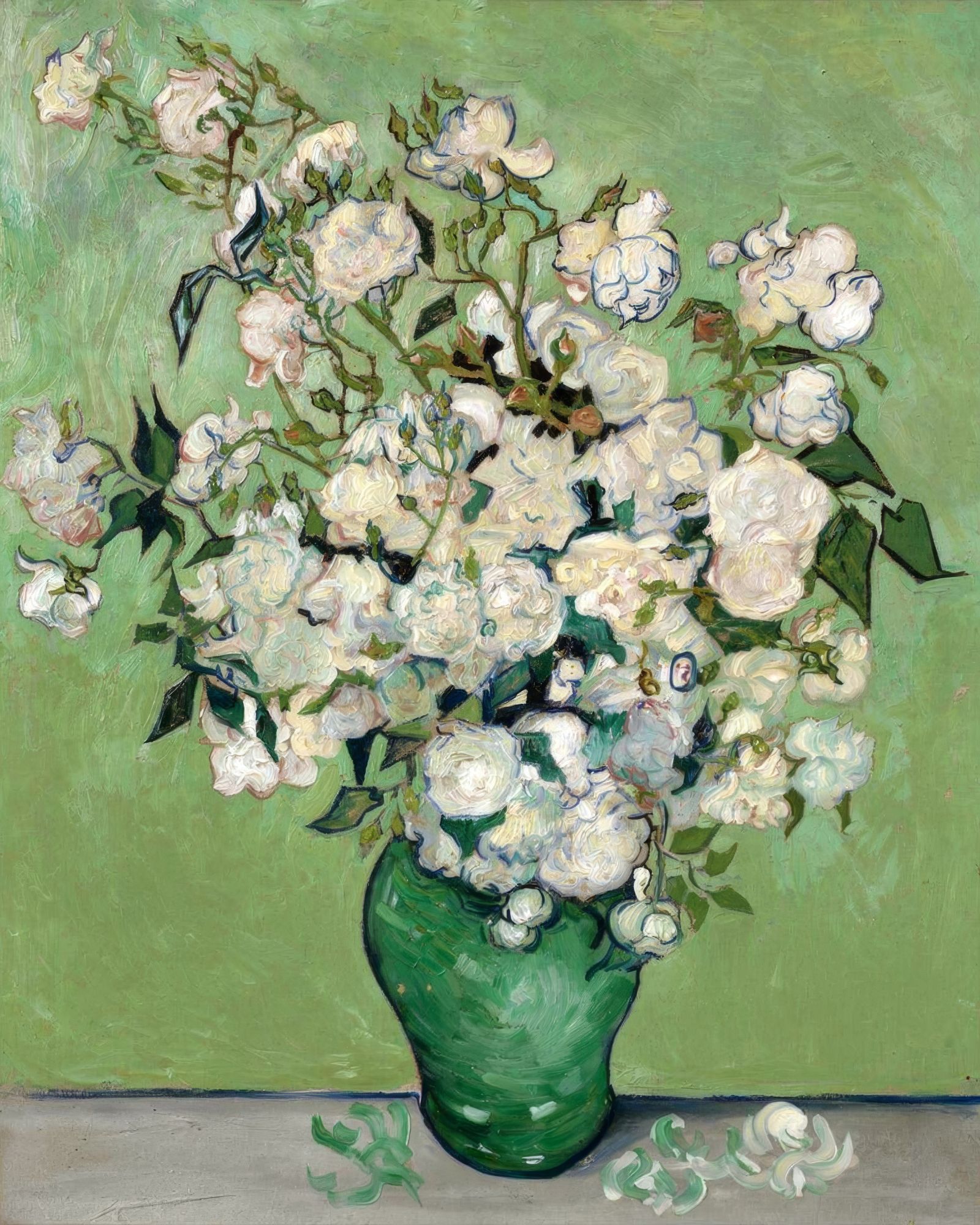
Roses · Vincent van Gogh · 1890 · The Metropolitan Museum of Art
A painting has a material life that a digital file cannot contain. The Metropolitan Museum of Art's introduction to conservation describes physical treatments such as securing flaking paint or mending a tear. Those are interventions in an object. Changing a reproduction file is a different activity, even when the two are discussed using the same word. When you read that an image has been restored for print, ask which activity is meant. A clearer digital picture may help you look, but it is not evidence that the museum object has received a new treatment. Keeping the distinction clear makes a reproduction easier to understand and a conservation claim easier to assess.
The source record before the attractive image
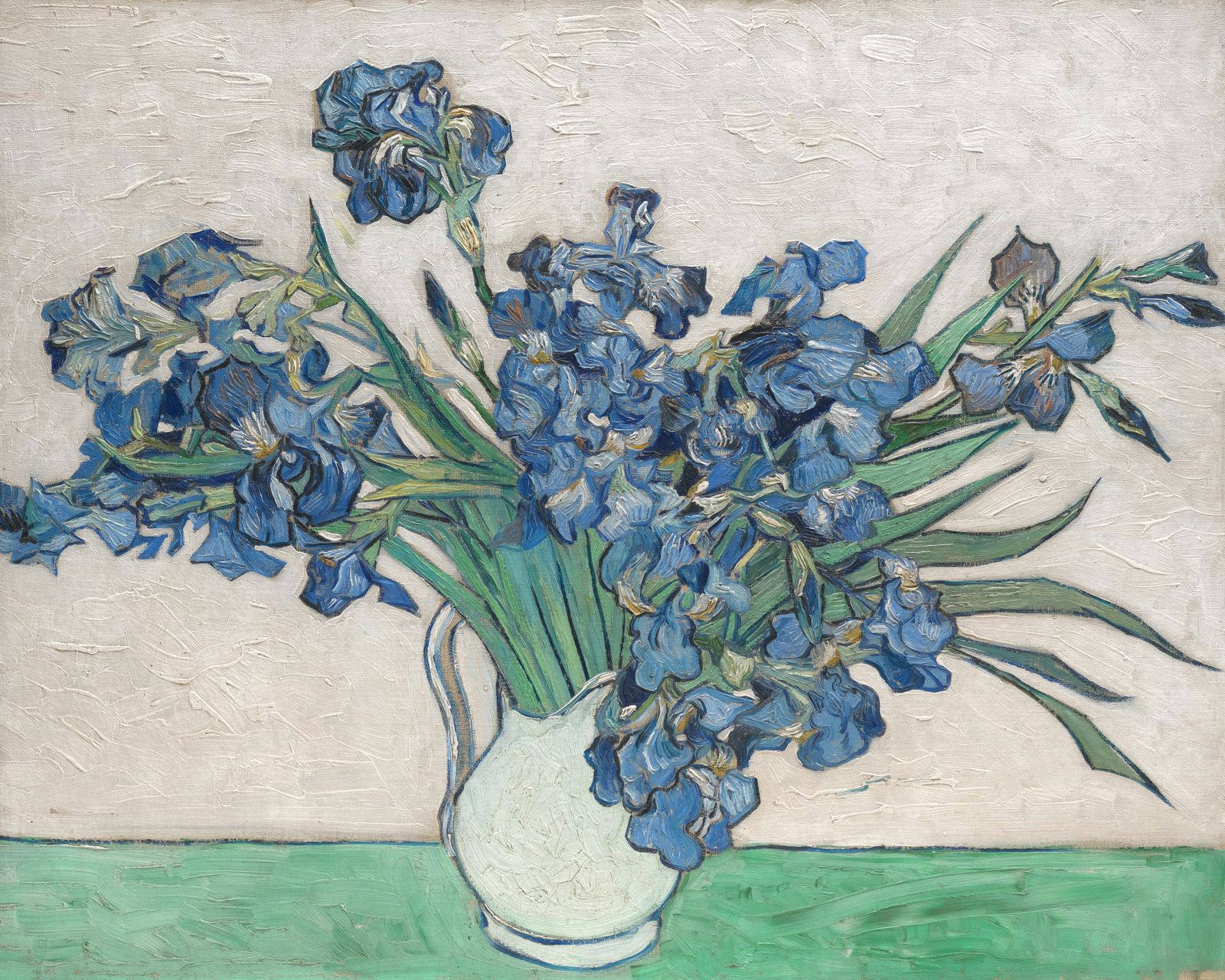
Irises · Vincent van Gogh · 1890 · The Metropolitan Museum of Art
Begin with the holding institution's record. It can establish the title, artist attribution, date, medium and collection, including uncertainties that an isolated image leaves behind. A confident caption should not silently turn an attributed work into a certain one or convert an approximate date into an exact year. Fable's catalogue links let you return to the source record for the work you are considering. Treat that record as part of the experience of looking, rather than an administrative detail at the end. An image without its identity may still be beautiful, but it is harder to judge what a new edition is claiming to reproduce.
Open access is a permission question
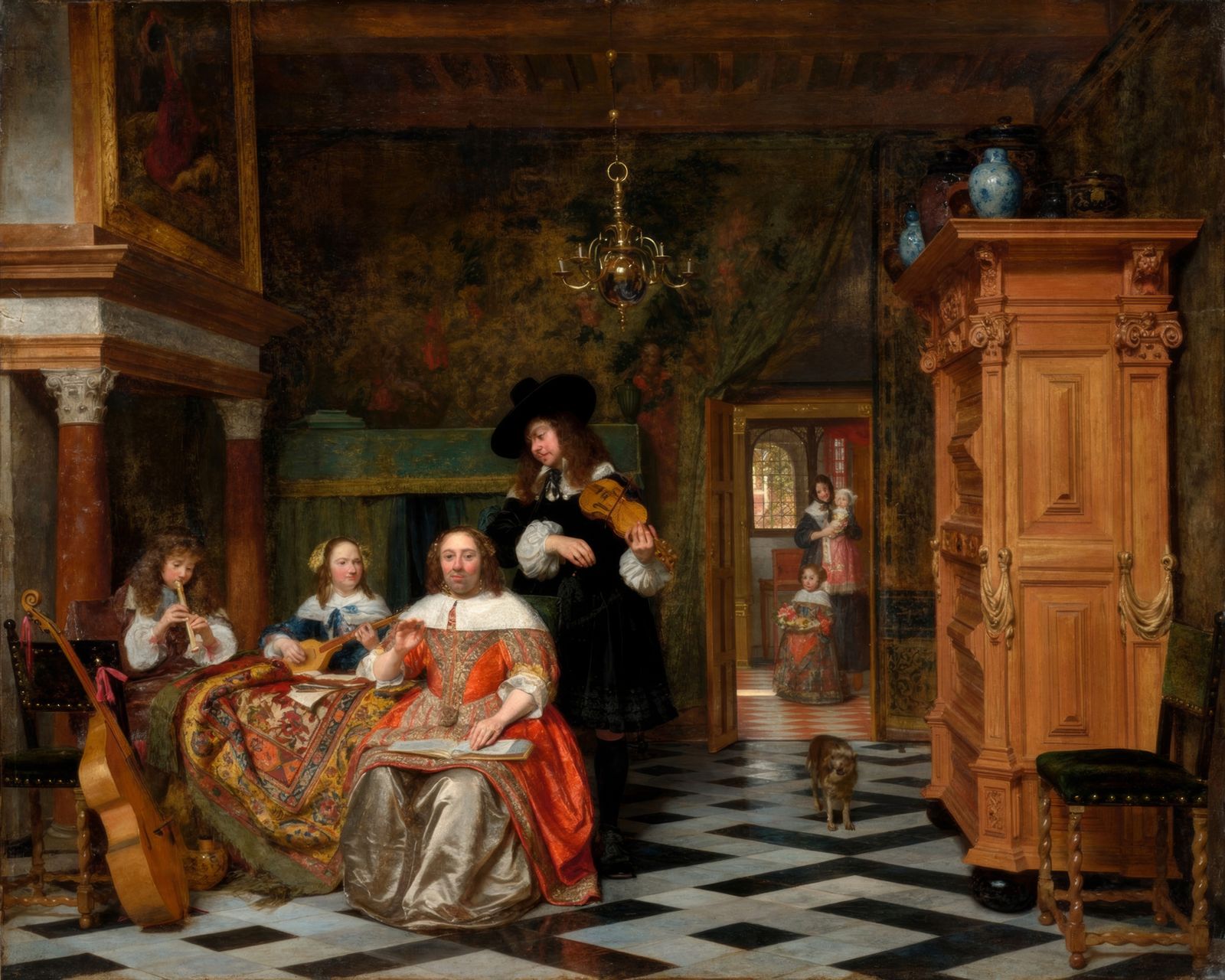
Portrait of a Family Playing Music · Pieter de Hooch · 1663 · Cleveland Museum of Art
An old artwork is not the same thing as an image available for any use. The holding institution's image policy and the status of the particular reproduction matter. The Cleveland Museum of Art explains that its open-access programme makes public-domain images and collection data available under a CC0 designation. That is an example of a stated policy, not permission to assume that every museum image has the same terms. Check the actual source and its information. A modern print can be a legitimate new object while still owing the viewer a clear account of which historical work and image it begins with.
The whole composition matters
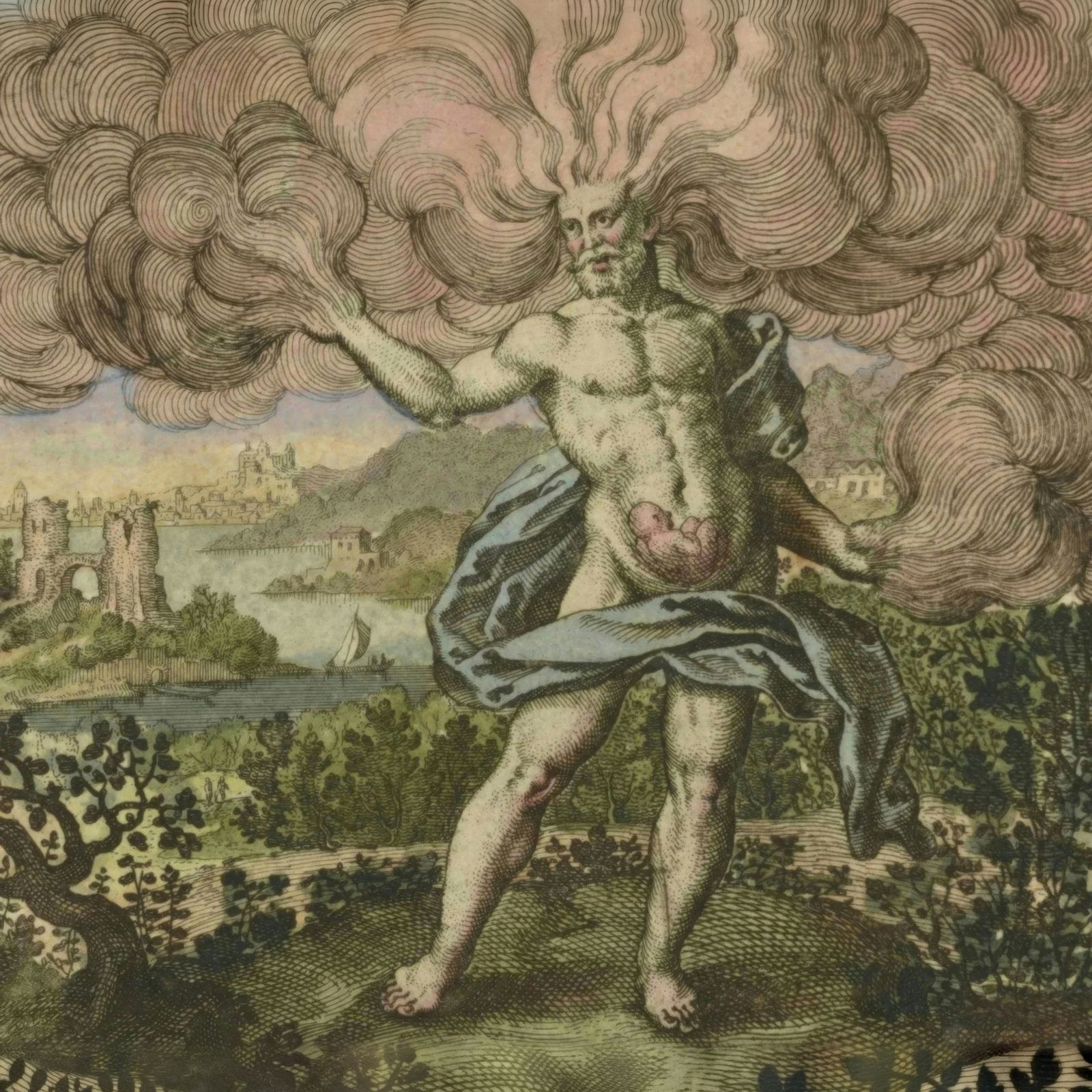
The Wind Carries Him · Matthäus Merian the Elder, after Michael Maier · 1618 · Science History Institute, Roy G. Neville Historical Chemical Library
A portrait, landscape or print has its own proportions. Making the image fit a convenient rectangle can remove part of what you are trying to see. For a reproduction shown as a work in its own right, inspect the edges as well as the centre: hands, instruments, inscriptions and small figures can live near a boundary. The illustrations in this story keep their pictures whole. When choosing a physical product, check its actual preview and presentation rather than assuming every format will show the image identically. A well-considered layout gives the art room to keep its own shape instead of requiring the composition to serve the frame.
Preparation is not a return to an untouched past
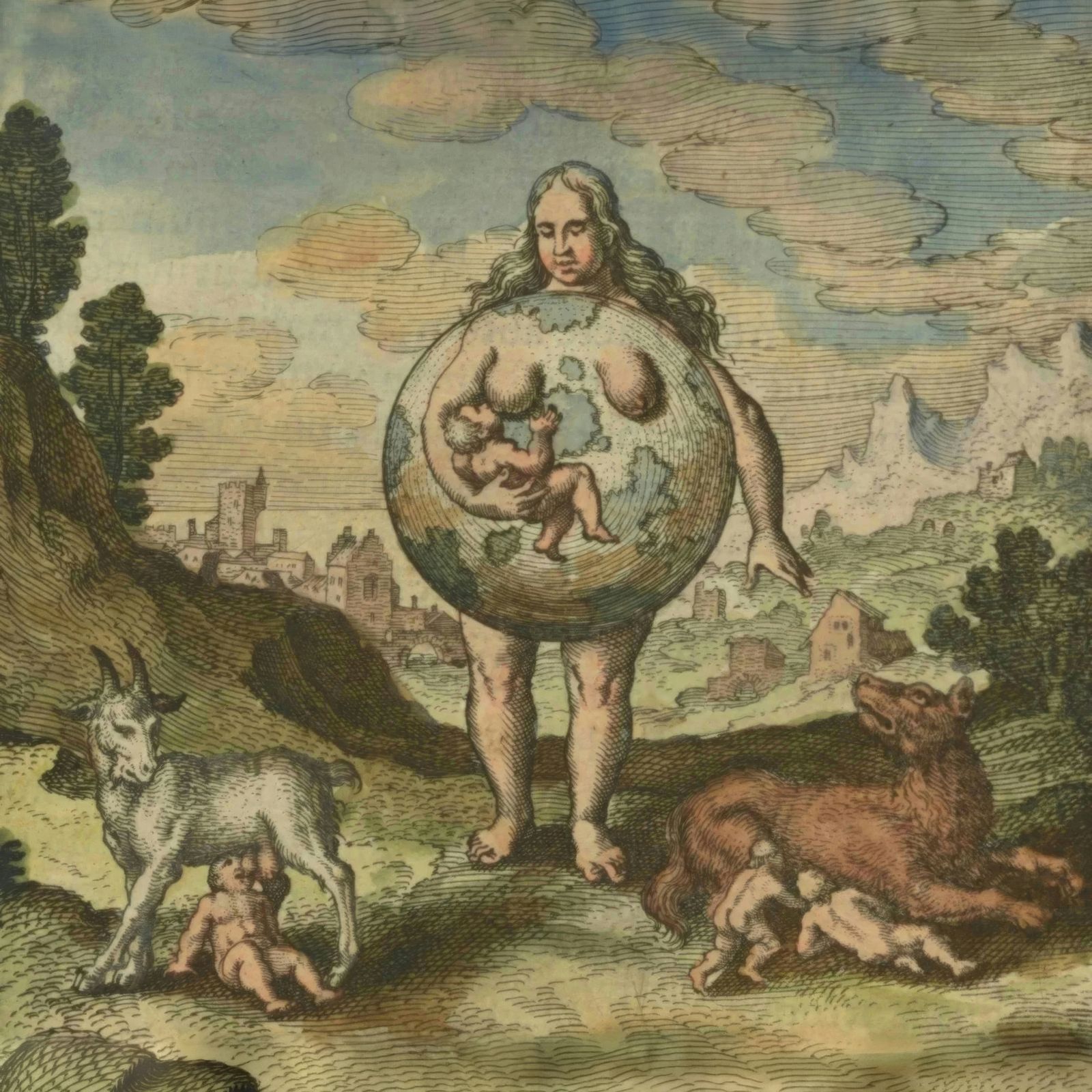
The Earth as Nurse · Matthäus Merian the Elder, after Michael Maier · 1618 · Science History Institute, Roy G. Neville Historical Chemical Library
A scan can include a surround, a border, paper outside an illustration or other material that a print edition handles separately. Deciding what belongs to the reproduced image requires attention to the source. Straightening or preparing a file should not be described as recovering a perfect original state. The physical work already has a history, and its photograph or scan records it under particular conditions. A modern edition can make useful presentation choices while remaining a reproduction of that record. Ask what has been retained and what has been changed, especially when the image is shown without the full page from which it came.
Colour carries a claim
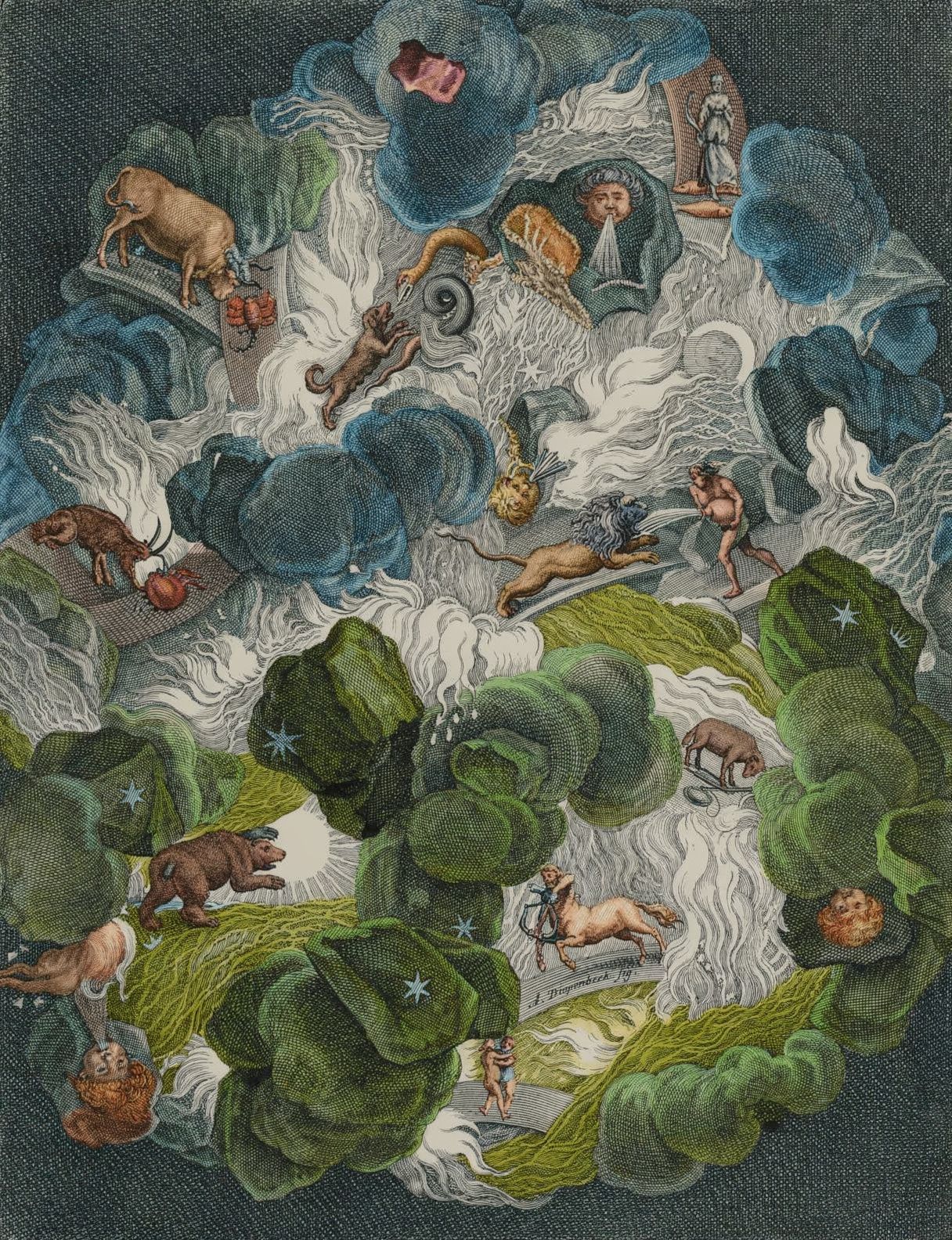
Chaos, or the Origin of the World · Bernard Picart and other engravers, Le Temple des Muses (1749 edition) · 1749 (publication) · Getty Research Institute · Fable contemporary colour interpretation after the historical work
A painting reproduced from a colour source and an engraving given contemporary colour are different propositions. A compelling palette does not make the second one historically original. Fable's catalogue includes editions identified as contemporary colour interpretations; their captions and comparisons should be read on that basis. The modern colour can be enjoyable in its own right without being presented as evidence about the historical print. If original colour matters to you, look for the source image and exact edition description before choosing. The question is not whether one version is inherently preferable, but whether the version is described accurately enough for you to decide what you want to live with.
Comparison is more useful than a promise
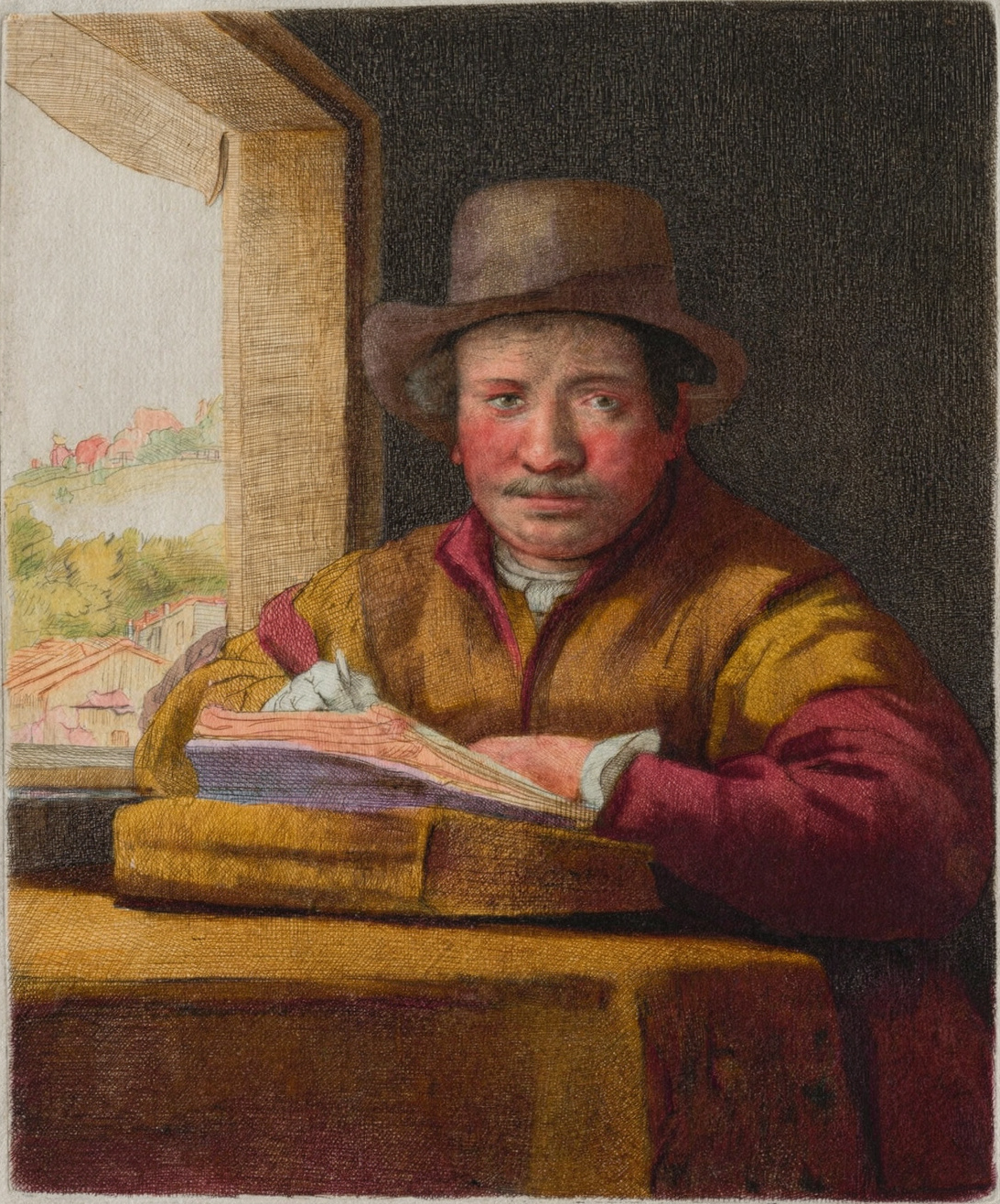
Self-Portrait Drawing at a Window · artist: Rembrandt van Rijn (Dutch, 1606–1669) · 1648 · Cleveland Museum of Art · Fable contemporary colour interpretation after the historical work
Place the source and edition in conversation. Look at the composition first, then the important features, and finally the tone and detail. A result can feel clearer while changing something you care about. A brighter image is not automatically more faithful, and a visible difference is not automatically a mistake if the edition is openly interpretive. Decide which kind of work you are looking for before making the comparison. The catalogue's source information helps keep the question concrete: what is this exact image, what is its relation to the historical work and what does the edition ask you to notice?
An edition is an exact choice
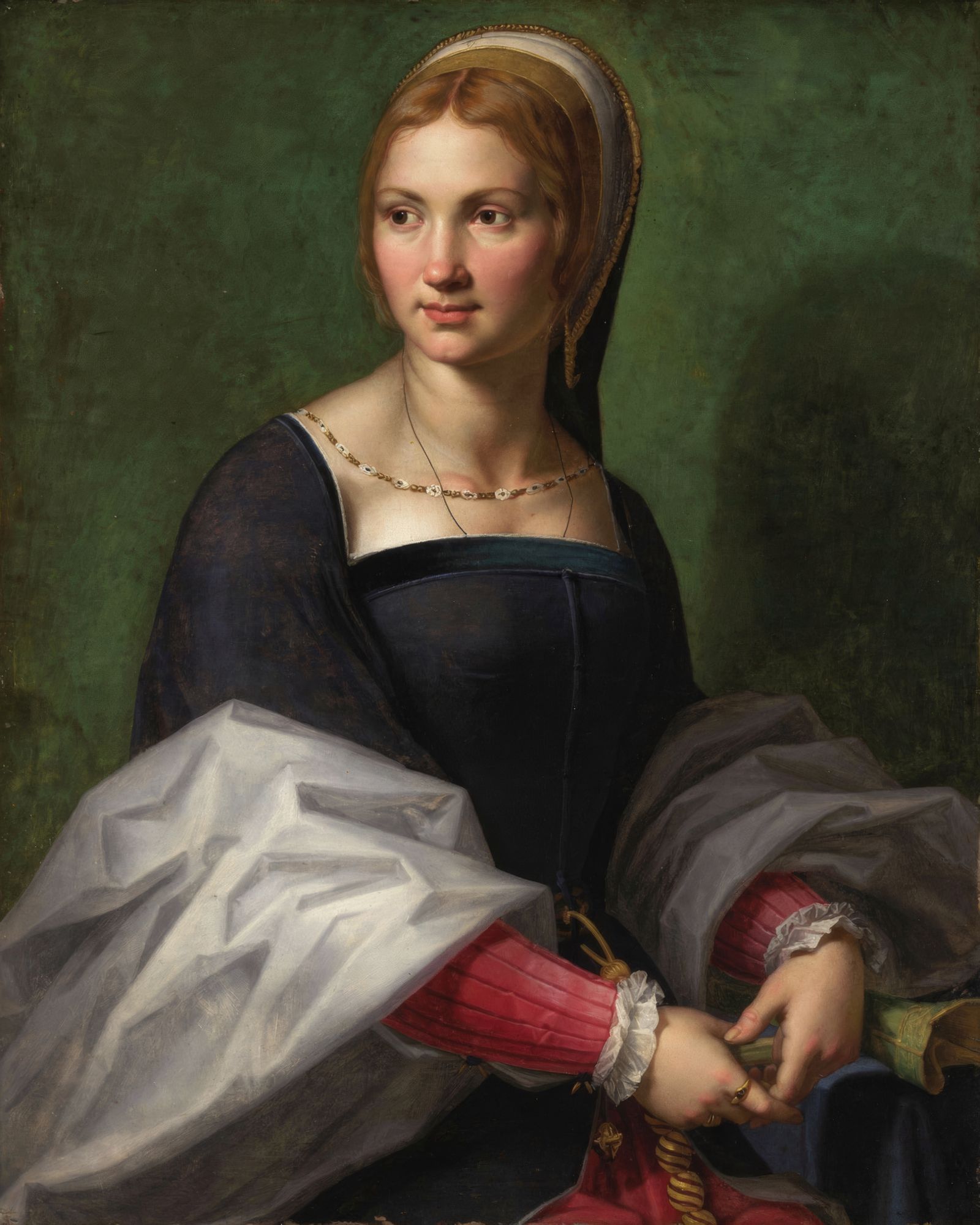
Portrait of a Woman · Andrea del Sarto · c. 1518 · Cleveland Museum of Art
A claim about one reviewed image should not be stretched to cover every possible variation of it. If the source, palette or composition changes, the relationship deserves another look. For a reader, the practical consequence is simple: inspect the version actually offered on the work's page. Do not rely only on a small article image or a general statement about the collection. A label that distinguishes a contemporary interpretation from a scan-based edition gives you something specific to evaluate. It also allows different versions to coexist without pretending they make the same historical claim or serve exactly the same taste.
From looking to a physical print
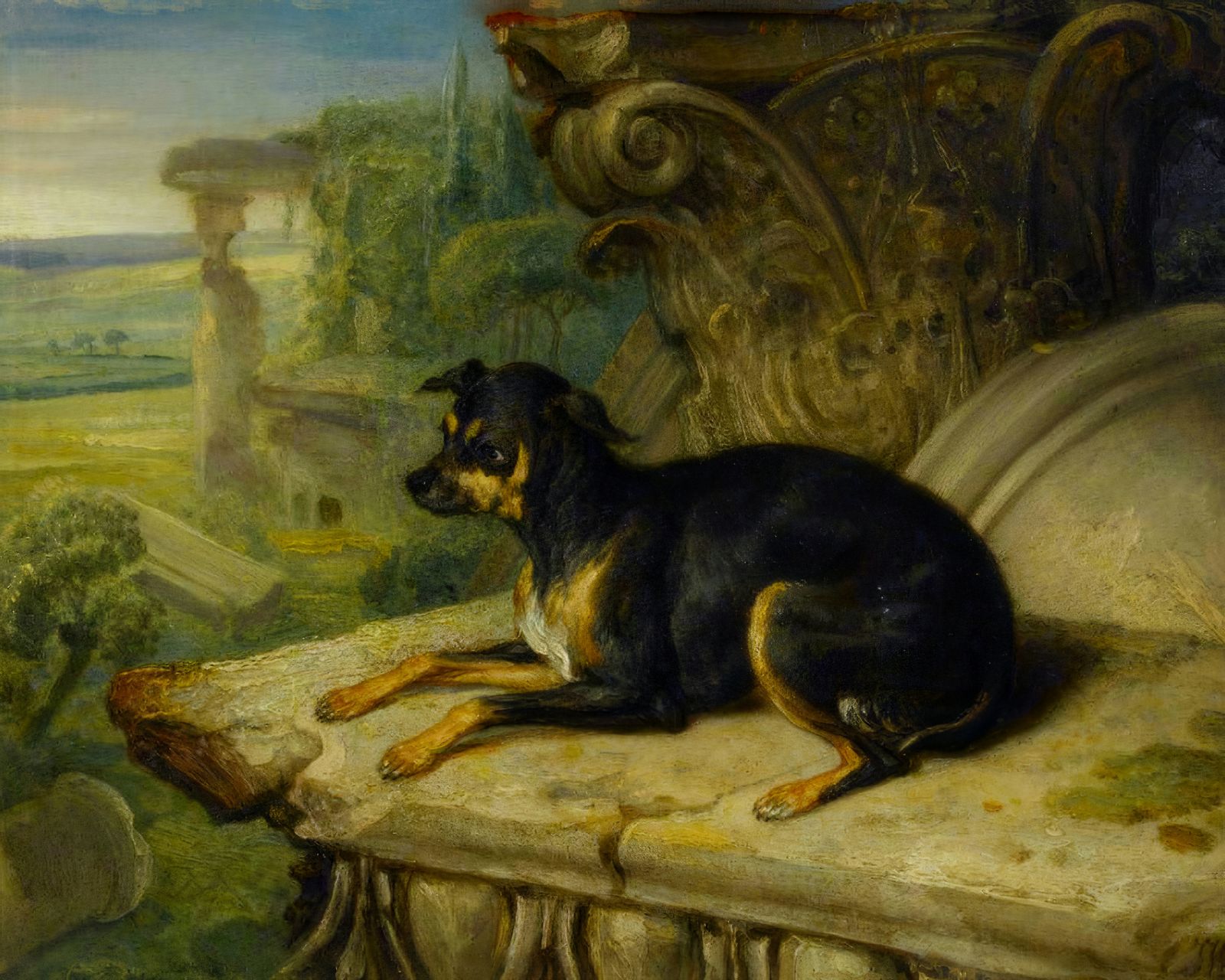
'Fanny', a Favourite Dog · James Ward · 1822 · Sir John Soane's Museum, London
Once the image feels right, consider the room and the actual product information. Measure the space, look at the available formats and read what the selected page says about the physical work. Do not infer a fibre, coating, frame, lifespan or delivery date from the appeal of the historical picture. A paper print and a canvas can both be ways of living with art, but they are material choices that need their own details. Keep the image and the product separate long enough to judge each one clearly. Then use the actual preview to understand how that particular edition is being presented in the format you choose.
Keep the route back to the source
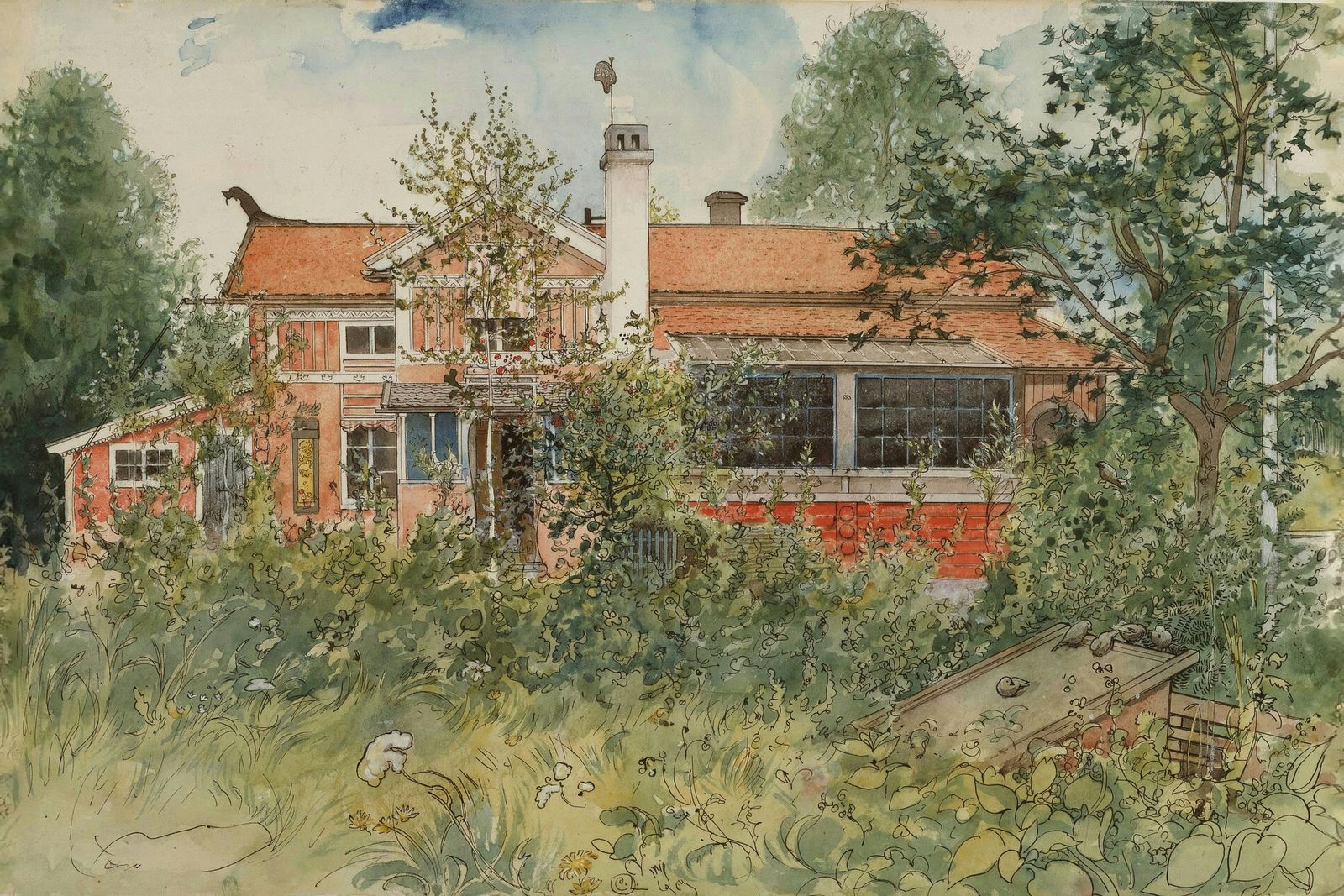
The Cottage (Stugan). From A Home · Carl Larsson · 1899 · Nationalmuseum, Stockholm
A print does not have to carry a long museum label on its face, but keeping the title and source record somewhere accessible is useful. Save the work's page or write a short note with the artist, title and edition description. If the image is a contemporary colour interpretation, preserve that wording too. It lets you return to the historical record and explain the work to someone who encounters it later. Living with a reproduction can become a way of looking more closely at the original, provided the new object's appeal does not erase the identity and history that gave it a starting point.
Begin in Masterworks with one image you want to understand better. Open its page, read the caption and source information, compare the available edition with its source where that comparison is offered, and inspect the current print options. There is no need to decide from a thumbnail. If a portrait from your own photograph is what you want, follow the separate creation route rather than treating it as the restoration of a museum object. Clear descriptions leave room for both historical fidelity and contemporary invention, while allowing you to choose deliberately between the different kinds of image.
- Does digital preparation restore the original painting?
- No. A digital reproduction is distinct from treatment of the physical museum object. Read a restoration claim in the context of the particular work and edition.
- Are contemporary colour interpretations historically original colours?
- No. They are modern choices made for an edition and should be described as such. Compare the source and the edition before deciding which you want.
- What should I check before ordering a masterwork print?
- Check the work's identity, source, edition description, whole composition and current physical product details. Inspect the exact version offered on its page.