Custom thank you cards that remember the kindness
Custom thank you cards begin with a kindness you remember. Choose art, write a specific message and review a card that feels personal.
Custom thank you cards become personal through what you notice. The host remembers that you came; the friend may not know you still think about the meal they brought or the afternoon they gave you. A good card names that kindness and lets the art set the tone around it.
The works below offer ten directions for choosing an image. They are historical references from the catalogue, not previews of finished cards. Open Fable Cards to see the available designs and create your message. If you prefer your own portrait, the card journey provides the place to explore the options currently offered.
For wedding thank you cards, start with the person before the occasion. Mention the gift, the help or the pleasure of their company. For everyday thanks, a short precise sentence is often enough. Personalization is useful when it makes that sentence easier to send, rather than making the greeting more elaborate.
1. Roses: thanks for a generous gesture
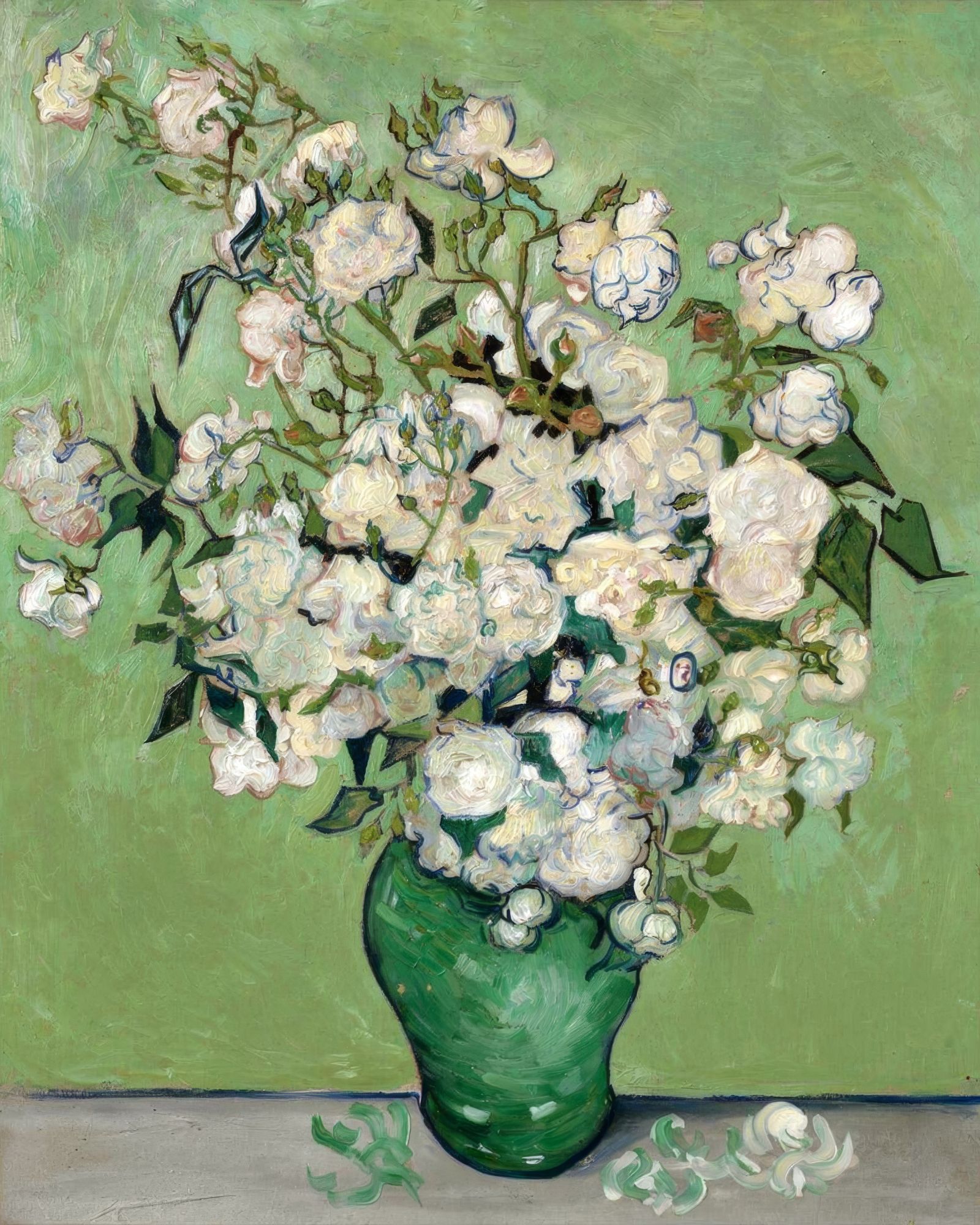
Roses · Vincent van Gogh · 1890 · The Metropolitan Museum of Art
A floral reference can give a thank-you card warmth without requiring a celebration. Consider it for someone who has helped quietly and might dislike a large public acknowledgement. Name what they did in the message. You need not make the painting stand for a universal meaning of flowers; its role is to accompany the very particular thanks you want to give.
Make a thank-you card · Explore this artwork
2. Still Life with Apples and Pears: thank the person who fed you
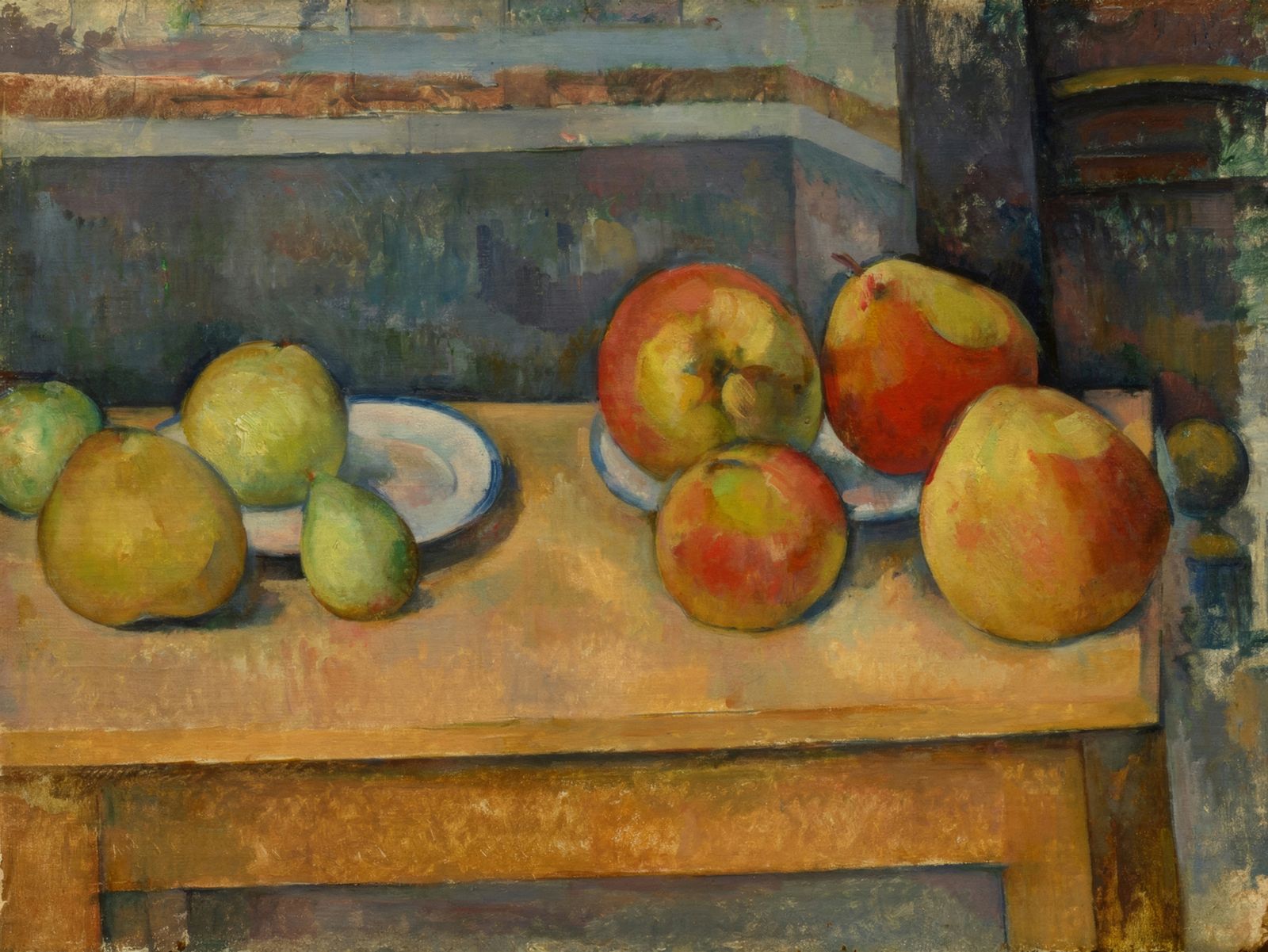
Still Life with Apples and Pears · Paul Cézanne · ca. 1891–92 · The Metropolitan Museum of Art
Cézanne's still life can prompt a note about hospitality, shared food or practical care. Write about the actual meal or kindness rather than reaching for a grand phrase. A line such as remembering the soup left at your door carries its own specificity. Choose a current card design that gives the image room and leaves the inside clear for your words.
Create your card · Explore this artwork
3. Corner of a Table: remember the gathering
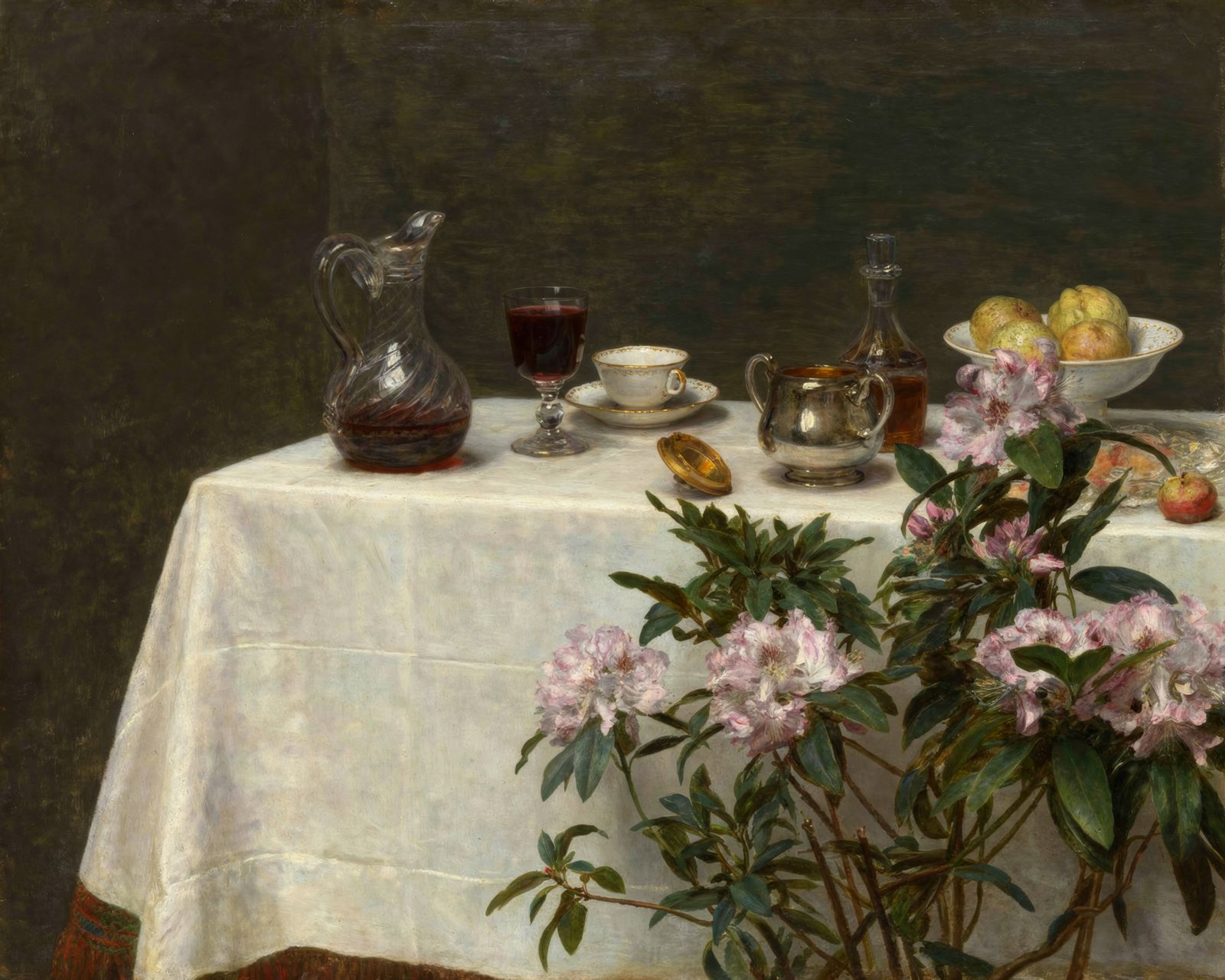
Still Life: Corner of a Table · Henri Fantin-Latour · 1873 · Art Institute of Chicago
Fantin-Latour's reference can accompany thanks after a dinner, a stay or an afternoon spent talking. Mention something you genuinely enjoyed, not merely that the event was lovely. If several people hosted, check that every name appears correctly. The practical proof matters: a beautifully chosen image feels less personal if the recipient has to overlook a spelling mistake inside.
Write a personal thank-you · Explore this artwork
4. The Cottage: thank someone for making room
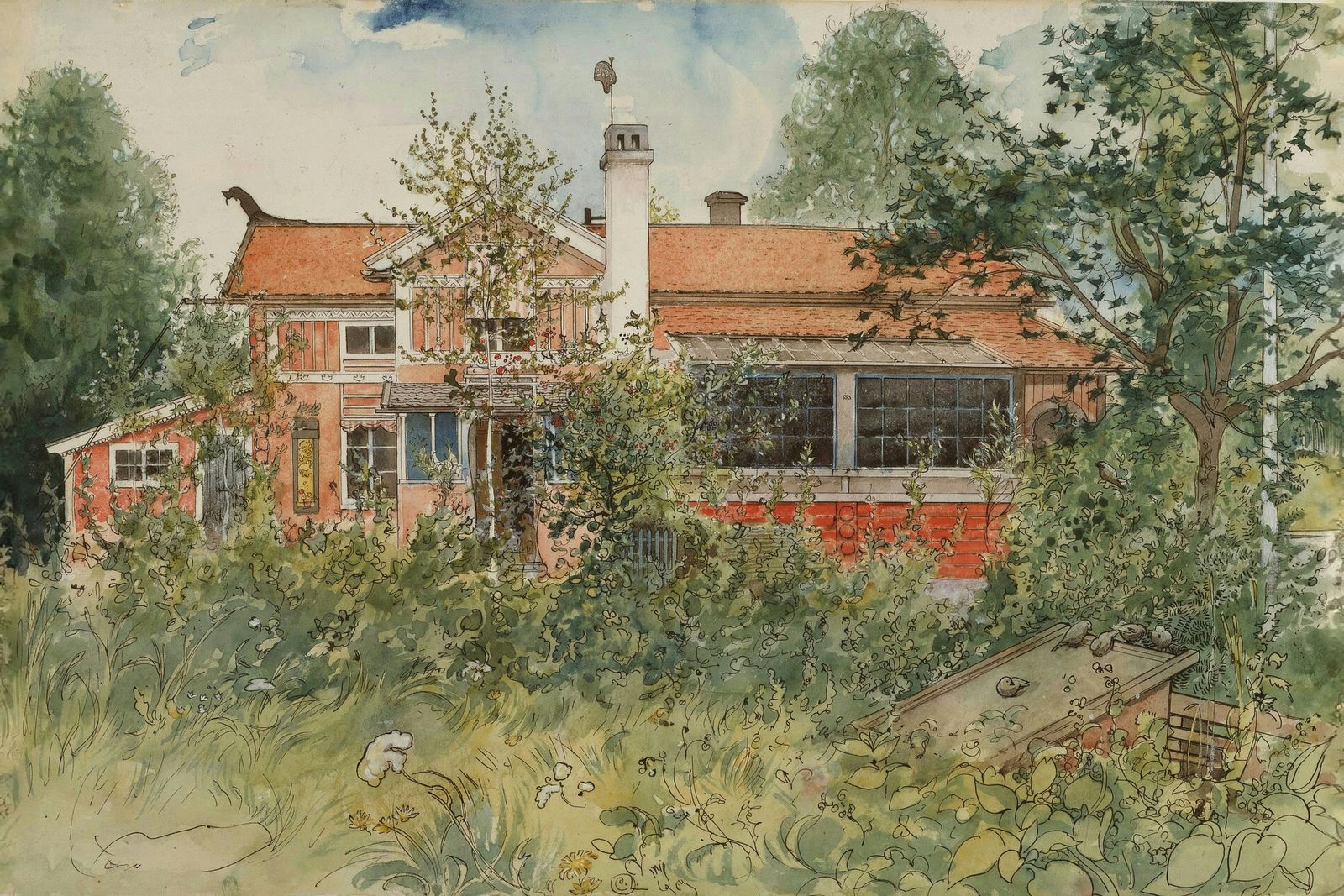
The Cottage (Stugan). From A Home · Carl Larsson · 1899 · Nationalmuseum, Stockholm
Larsson's domestic work offers a starting point for thanking a host who welcomed you into their home. Keep the message about their generosity rather than reviewing their house. One detail from the visit can make the card memorable: a breakfast, a walk or the space they made for you. Look at the complete card proof before choosing the available purchase option.
Make a card for your host · Explore this artwork
5. La Promenade: thanks for being there
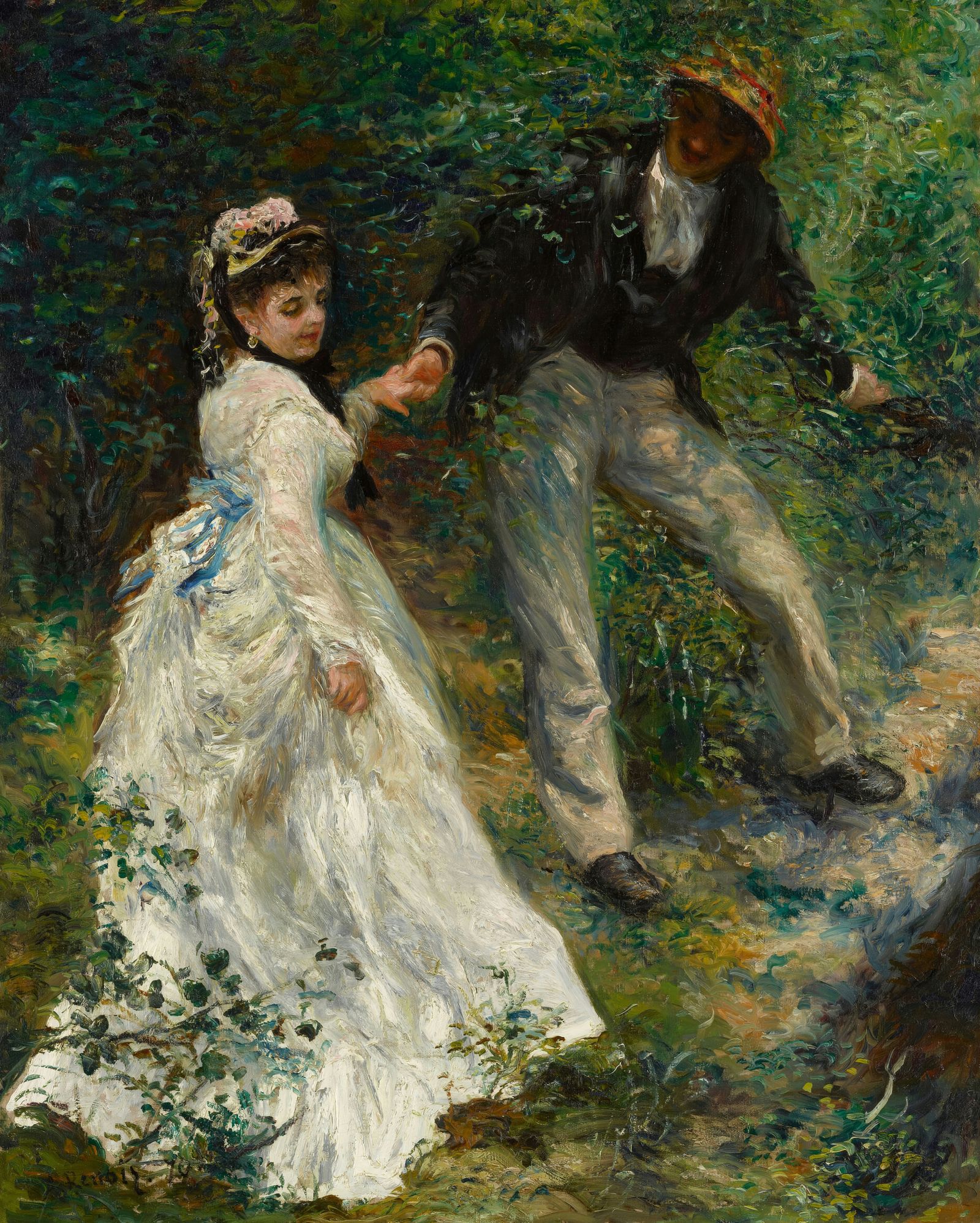
La Promenade · Pierre-Auguste Renoir · 1870 · J. Paul Getty Museum, Los Angeles
A shared walk can suggest companionship without requiring the message to be romantic. Renoir's reference may prompt a card to someone who listened or kept you company through a difficult stretch. Tell them what that time meant to you. If a romantic couple image would create the wrong impression, choose another available design; the recipient's reading matters more than your private association.
Choose a thank-you design · Explore this artwork
6. A Family Meal: acknowledge help with a household
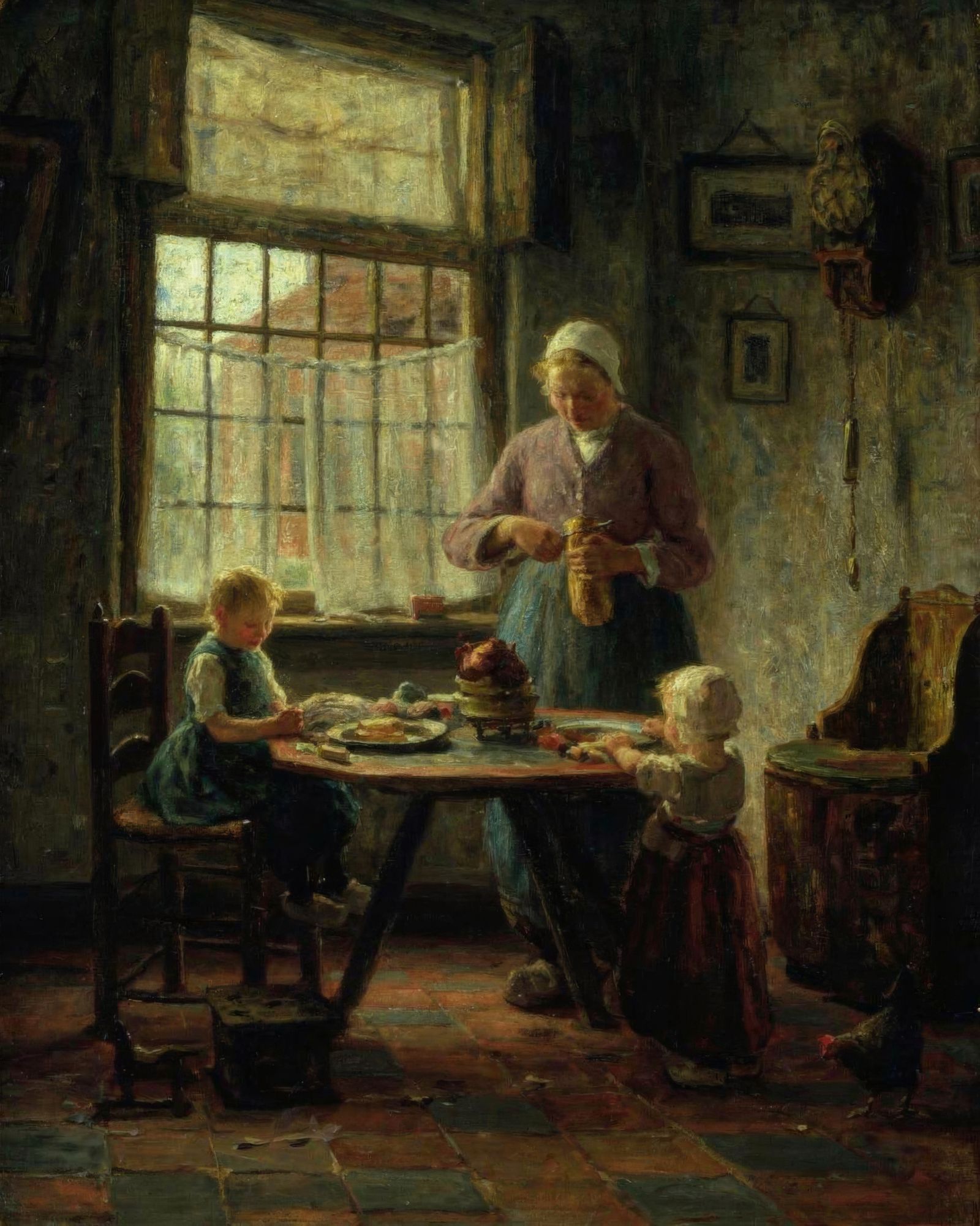
A Family Meal · Evert Pieters · 1890s (?) · Art Institute of Chicago
Pieters's family reference can accompany a thank-you after a new baby, a move or a period when the household needed support. Name the practical help that made a difference. Avoid turning the card into a report on how everything is now perfect. You can express gratitude for someone's contribution while acknowledging that the days are still complicated or unfinished.
Create a family thank-you card · Explore this artwork
7. Dance in the City: thank the wedding guest
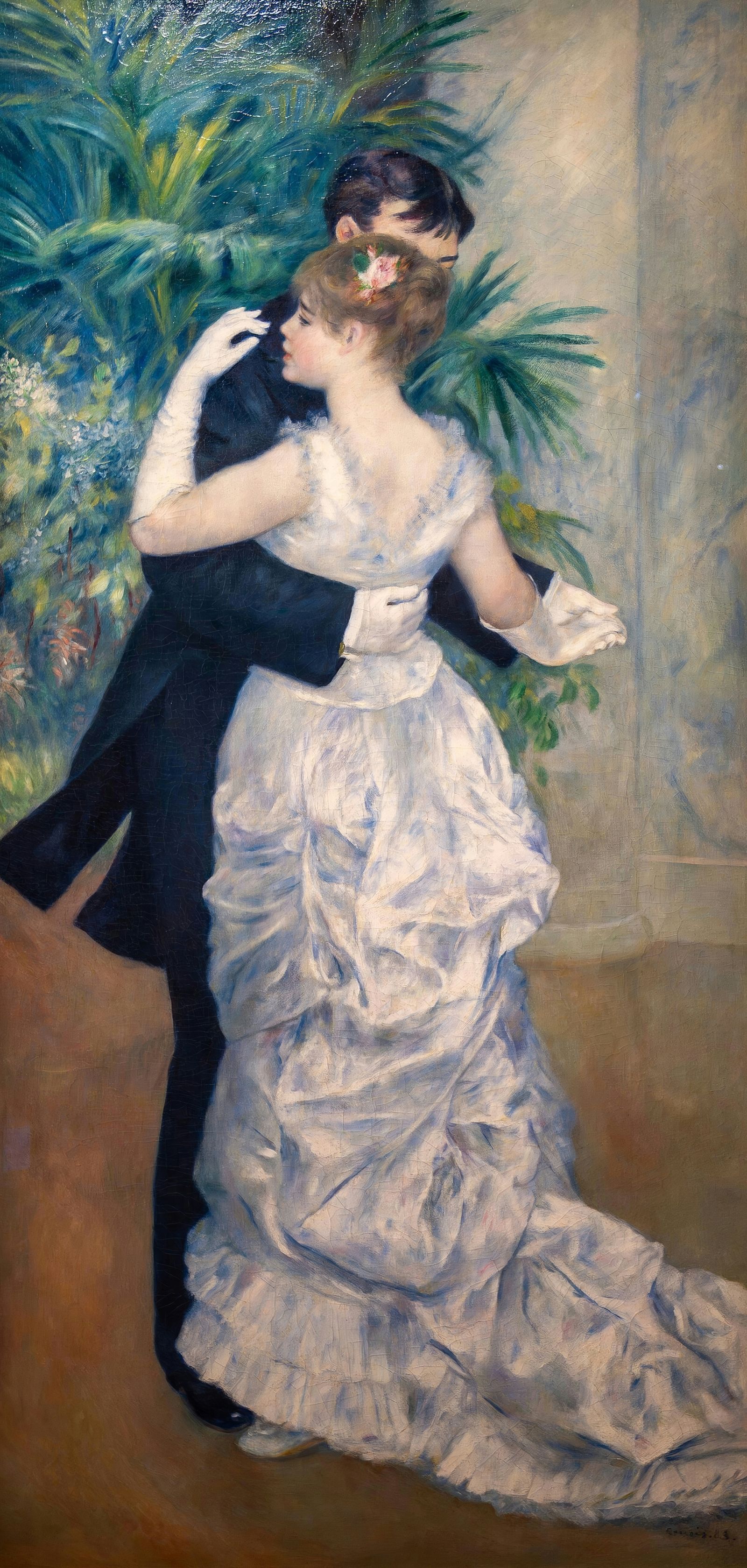
Dance in the City · Pierre-Auguste Renoir · 1883 · Musée d'Orsay, Paris
Renoir's dance offers a celebratory reference for wedding thanks. Write a separate line about the person’s presence or contribution rather than sending only a repeated general message. If you mention a gift, check the details against your own record. Personalized thank you cards are worth proofreading individually, especially when several guests have given similar presents or contributed together.
Make wedding thank-you cards · Explore this artwork
8. A Bouquet of Flowers in a Crystal Vase: make a formal note warm
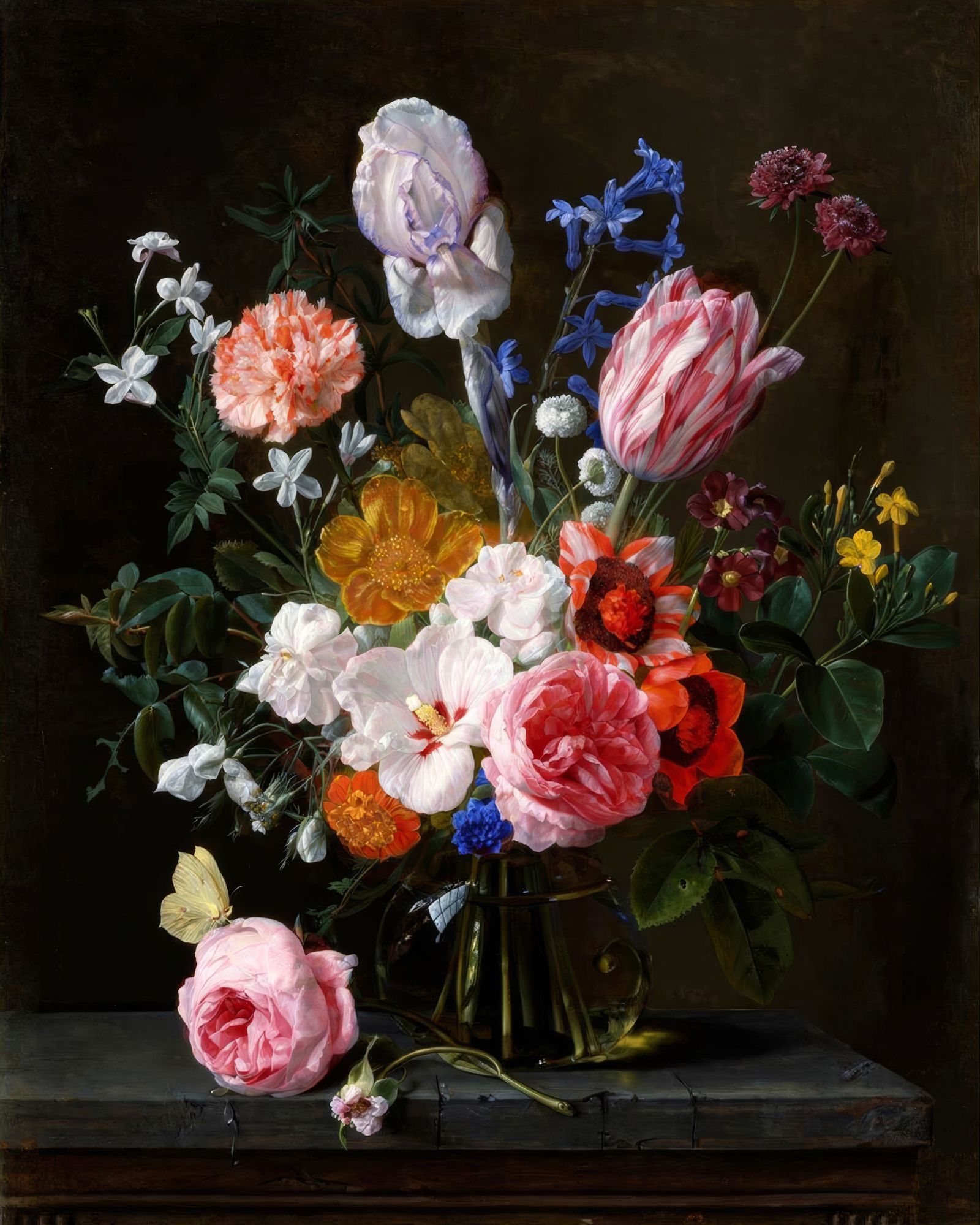
A Bouquet of Flowers in a Crystal Vase · Nicolaes van Veerendael · 1662 · The Metropolitan Museum of Art
A flower painting can suit a more formal thank-you to a colleague, teacher or neighbour. Keep the language courteous and concrete. There is no need to make the relationship sound closer than it is. A clear sentence about the time or effort they gave you can feel warmer than an extravagant compliment, particularly when the card is likely to be kept at work.
Choose art for your thanks · Explore this artwork
9. A Cart on the Snowy Road at Honfleur: thank someone after winter
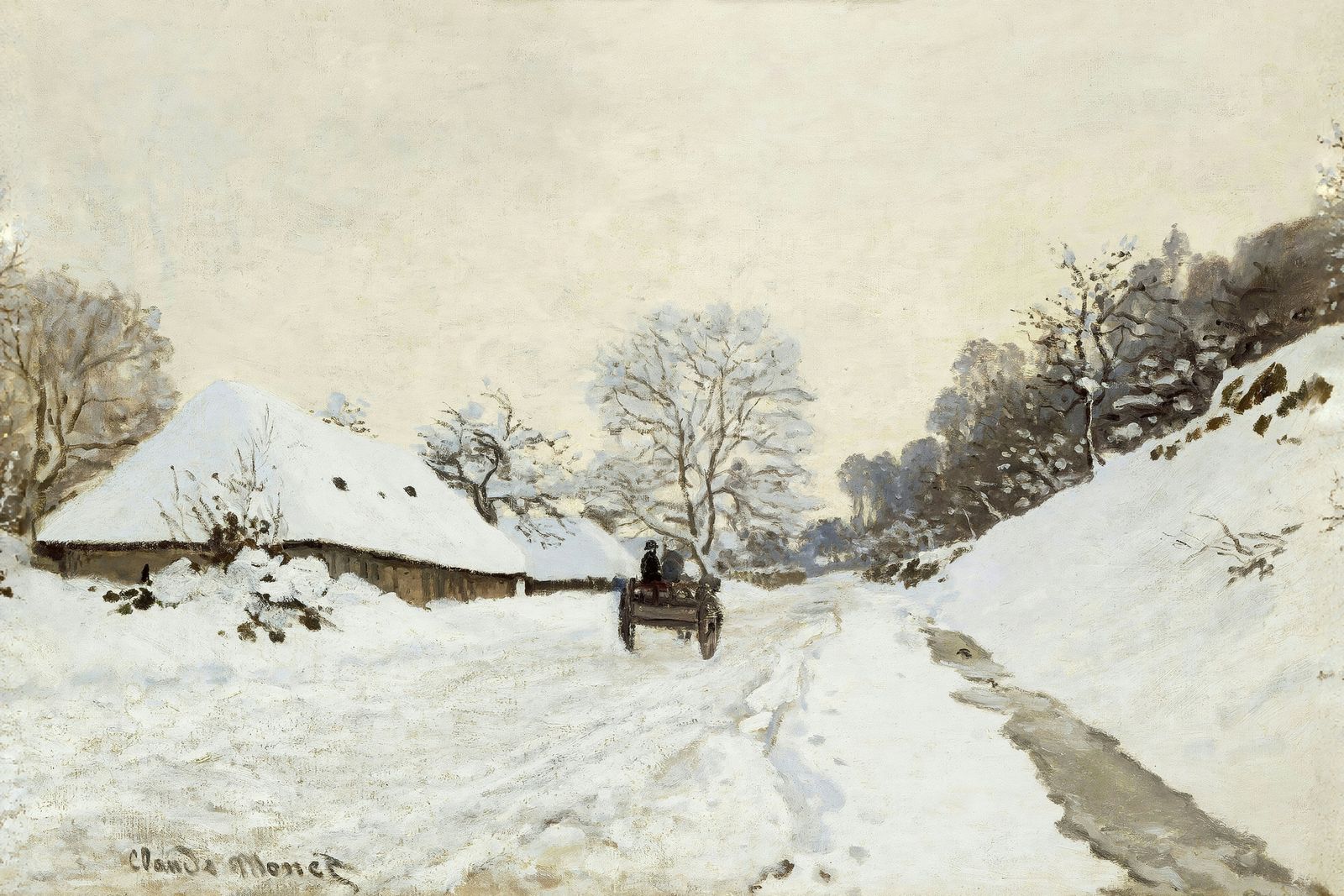
A Cart on the Snowy Road at Honfleur · Claude Monet · c. 1867 · Musée d’Orsay, Paris
Monet's winter reference can be a starting point for thanks after seasonal hospitality or help during the holidays. The note can arrive after the busy period; explain the kindness rather than apologising at length for the timing. Check the live card choices before planning around this exact work. An editorial example helps choose a mood, while the studio shows what can be made.
Explore the card studio · Explore this artwork
10. Irises: leave the recipient a picture to enjoy
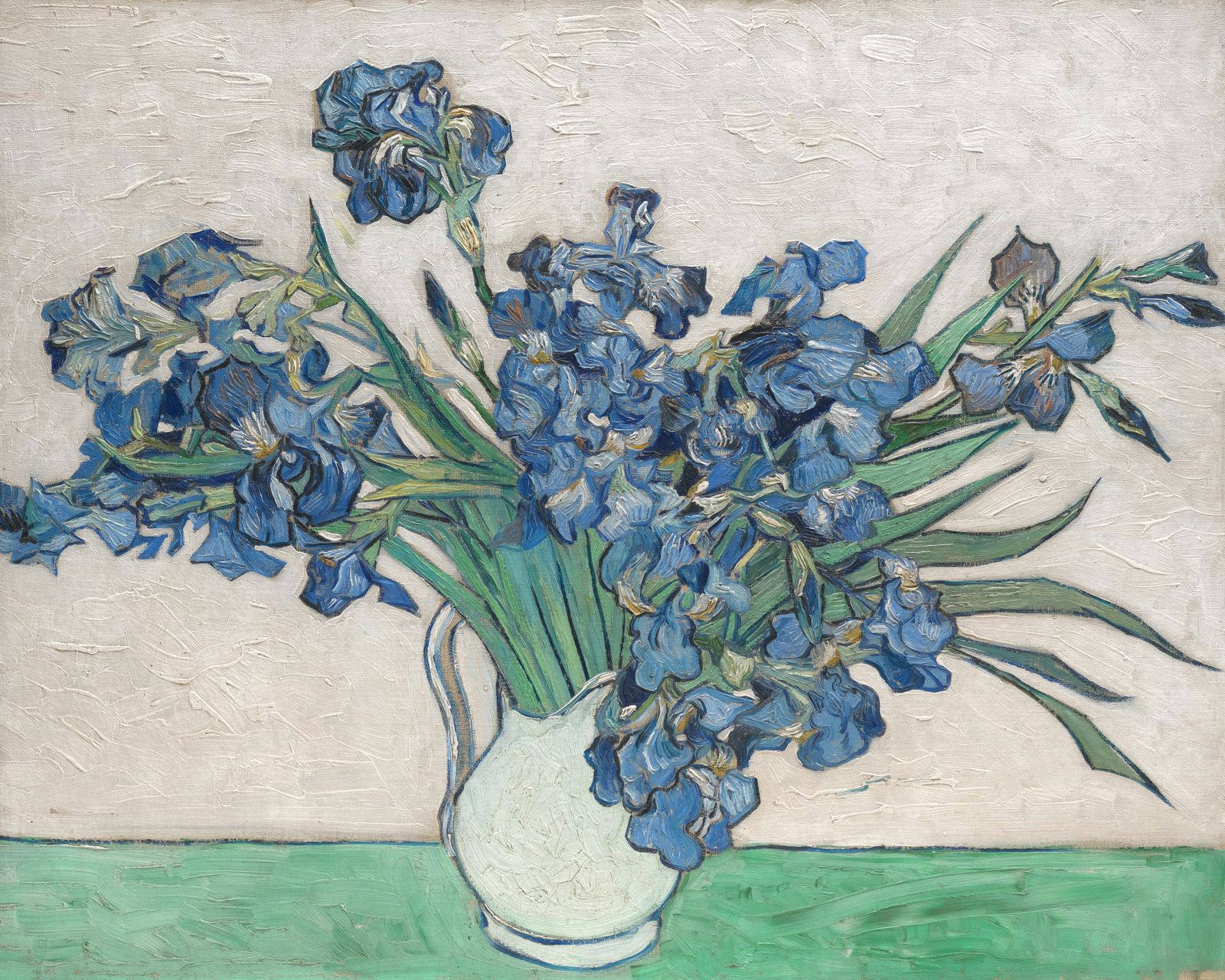
Irises · Vincent van Gogh · 1890 · The Metropolitan Museum of Art
Van Gogh's floral work reminds you that the front of a thank-you card can remain interesting after the message has been read. Choose an image the recipient might enjoy keeping, without assuming they will display it. Let your gratitude stand on its own. The card is an acknowledgement of something freely given, not a request for an ongoing role in your life.
Create a thoughtful card · Explore this artwork
A useful thank-you message has three parts: name the kindness, say what difference it made and close in your own voice. You do not need to fill the available space. For a wedding gift, mention how you expect to use it if you can do so honestly. For support during a hard time, it is enough to say that you remember.
Open Fable Cards to choose an available image or portrait direction. Add the words, review the front and message together, and check each recipient's name before purchasing. Current product information shows the formats and order details; this story does not assume every masterwork can be made into every card.
Custom thank you cards do not need to perform gratitude. A picture chosen with care and a sentence that could only be for that person will usually do more than a long message that could be sent unchanged to everyone.
- What should I write in a thank-you card?
- Name what the person did, say how it helped or what you enjoyed, then close naturally. A short specific message is more personal than a long general one.
- Can wedding thank-you cards share a design?
- Yes. You can keep a consistent image and still write a distinct sentence to each recipient. Check gift details and names against your own records.
- Can I use a portrait instead of a masterwork?
- Open the live card journey to explore the current portrait and design options. The historical works here are references for choosing a mood, rather than a guarantee of every format.