Pet sympathy cards: a small space for an animal much loved
pet sympathy cards: a small space for an animal much loved.
Choosing pet sympathy cards is easier when you stop looking for the perfect sentence. A simple image, the animal's name and a few honest words can offer company without trying to explain a death. Ask before using a photograph, particularly if the loss is recent. The historical works here are gentle visual references for ten approaches to the card; they are not examples of a finished Fable design. When the idea feels welcome, open Fable Cards to check the current card options and decide whether a pet portrait belongs on the front or whether words alone would be kinder.
1. The animal's own name
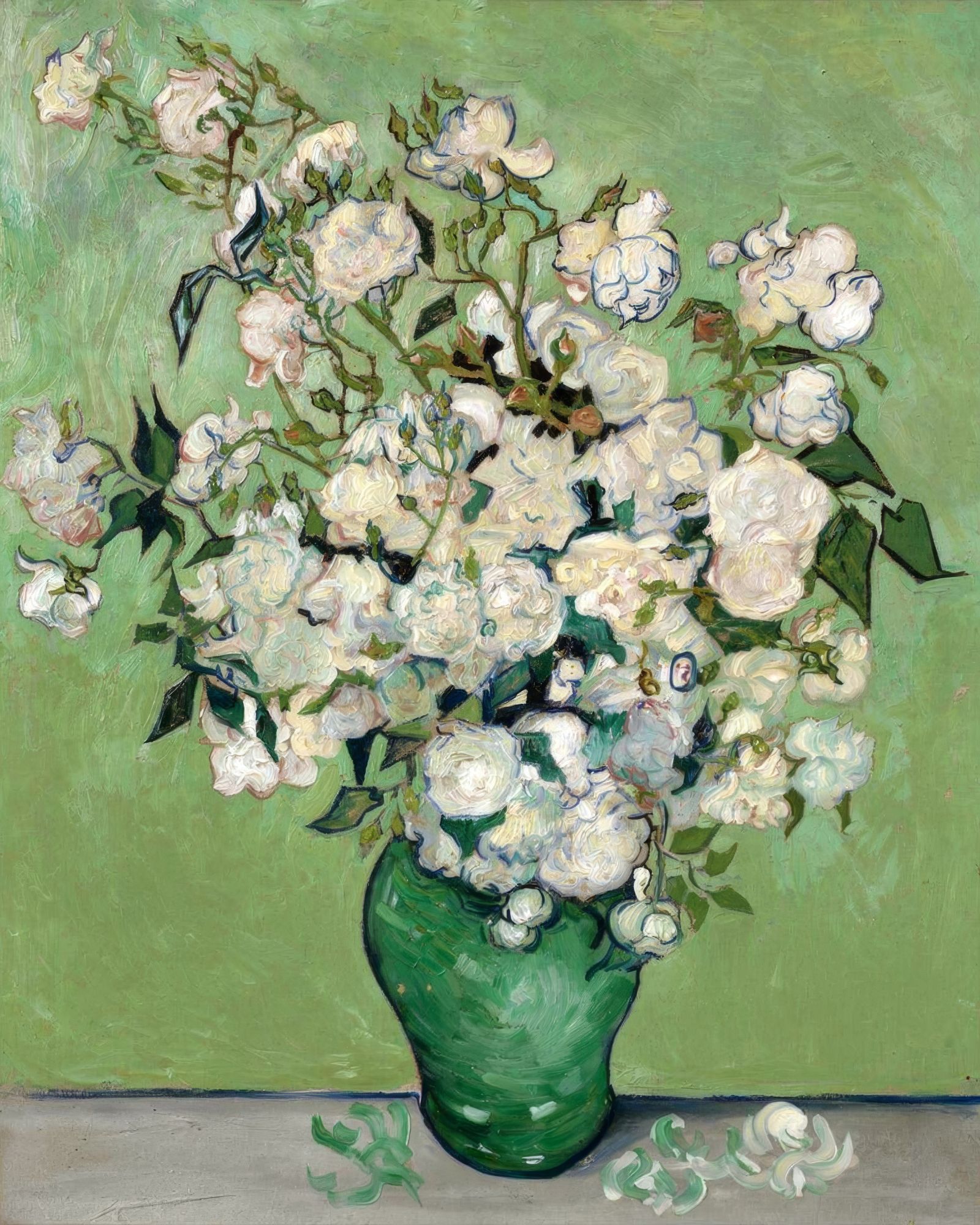
Roses · Vincent van Gogh · 1890 · The Metropolitan Museum of Art
Use the name the owner used, including its familiar spelling. That small act recognises the particular animal rather than speaking about pets in general. If you are unsure, ask someone close to the recipient rather than guessing. A card can be very simple when the name itself carries the connection.
Explore a thoughtful card · Explore this artwork
2. A photograph they already love
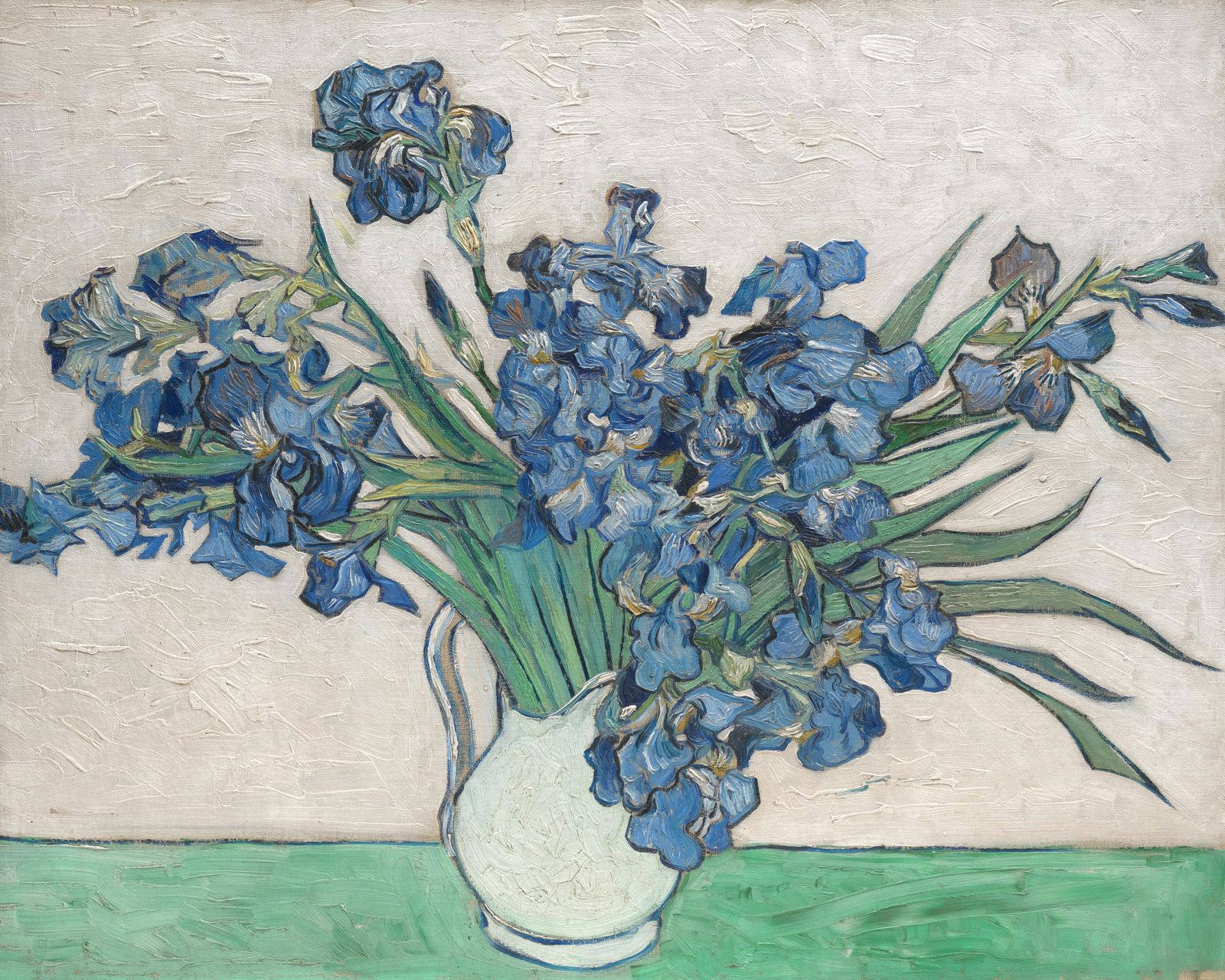
Irises · Vincent van Gogh · 1890 · The Metropolitan Museum of Art
Choose a photograph you know the owner likes, with their permission. It need not be the most recent one. Avoid surprising them with a newly found image if you cannot judge how it will feel to receive it. Offer the idea first and leave room to choose a different picture.
Explore a thoughtful card · Explore this artwork
3. One true memory
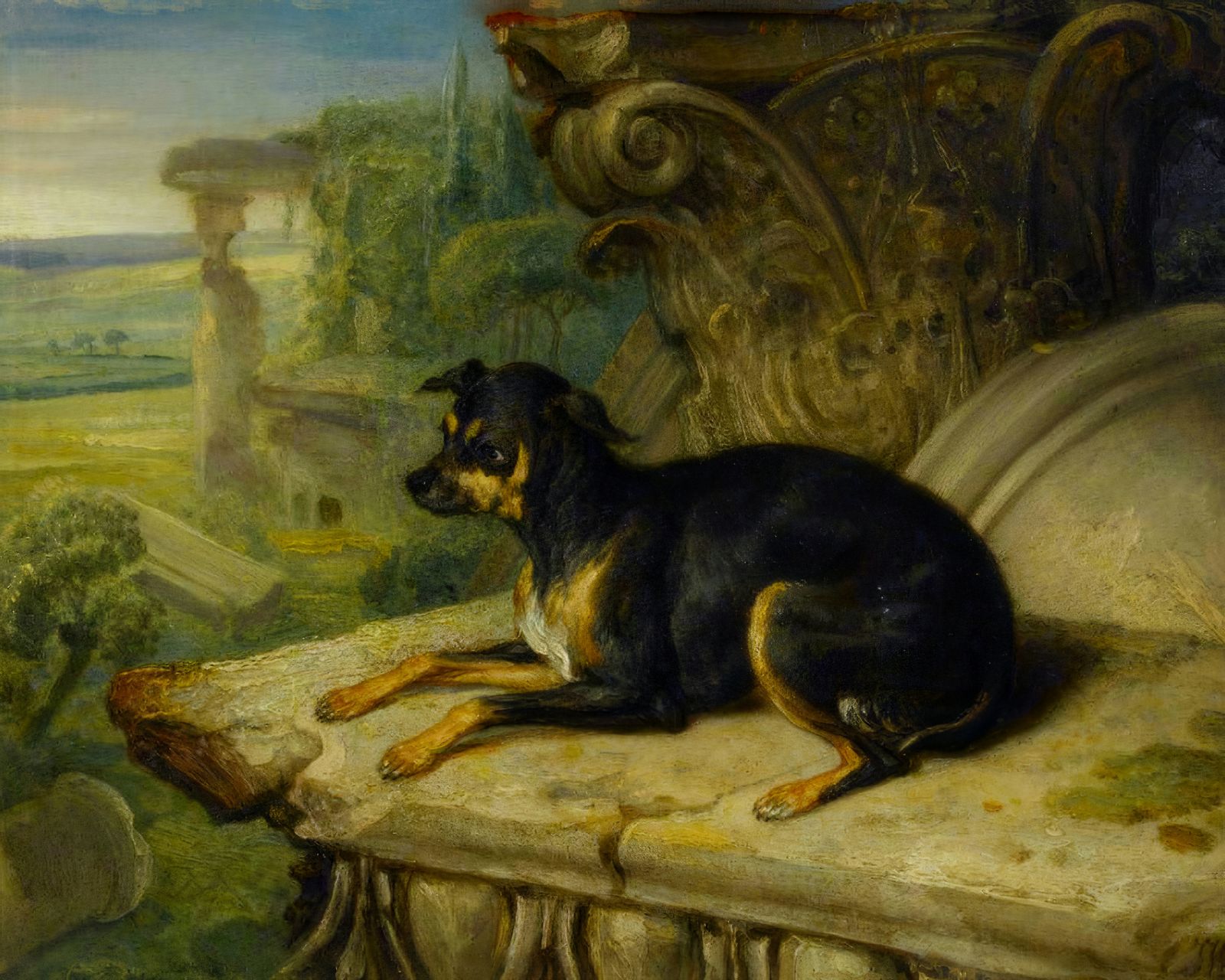
'Fanny', a Favourite Dog · James Ward · 1822 · Sir John Soane's Museum, London
If you knew the animal, write a small memory: the place it waited, the greeting at the door or the route it loved. Keep the detail true and specific. You do not need to turn it into a polished anecdote; the recognition may be what makes the note worth keeping.
Explore a thoughtful card · Explore this artwork
4. A quiet portrait
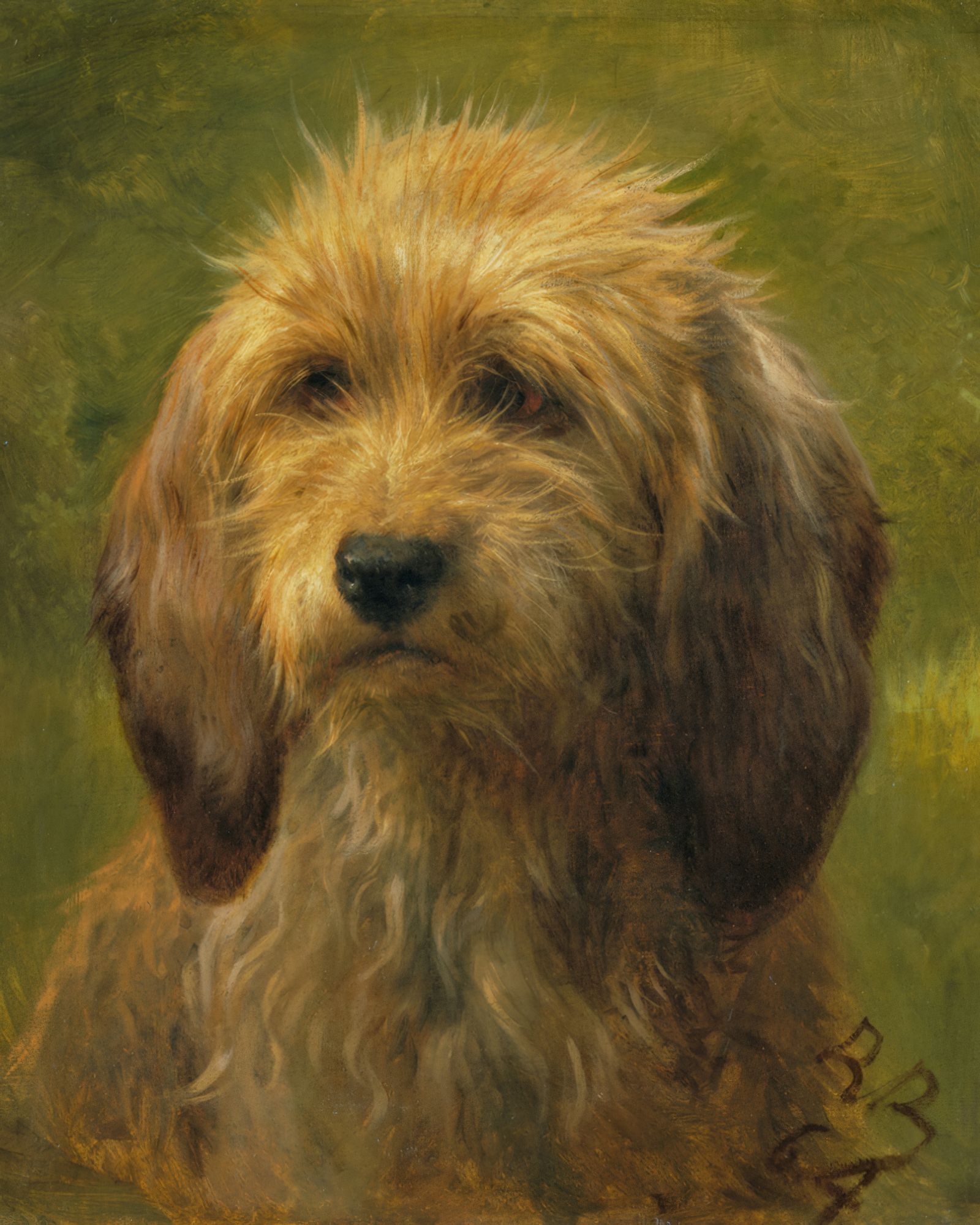
Brizo the dog · Rosa Bonheur · 1864 · Wallace Collection, London
A portrait can give the animal space without adding wings, halos or other symbols the owner has not chosen. Let the familiar expression be enough. The historical work shown here is a reference for how an animal can hold a picture, rather than a promise about the card's final appearance.
Explore a thoughtful card · Explore this artwork
5. Flowers when a face feels too much
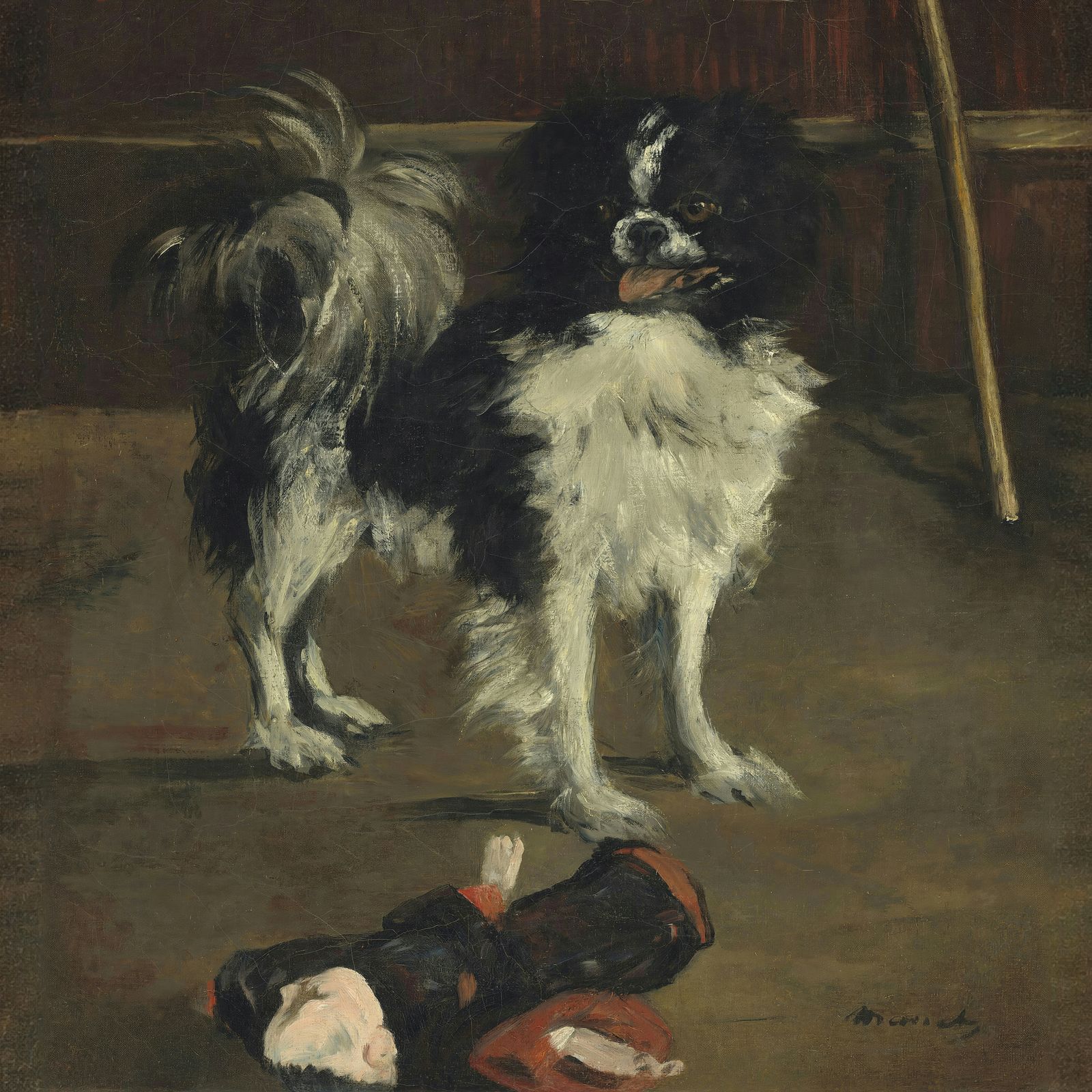
Tama, the Japanese Dog · Édouard Manet · c. 1875 · National Gallery of Art, Washington
A floral picture may be easier to receive than a portrait just after the death. Choose it for its gentleness or because the owner likes the flowers, not because a bloom supposedly dictates the right emotion. You can write the animal's name inside without putting a photograph on the cover.
Explore a thoughtful card · Explore this artwork
6. Words that acknowledge the loss
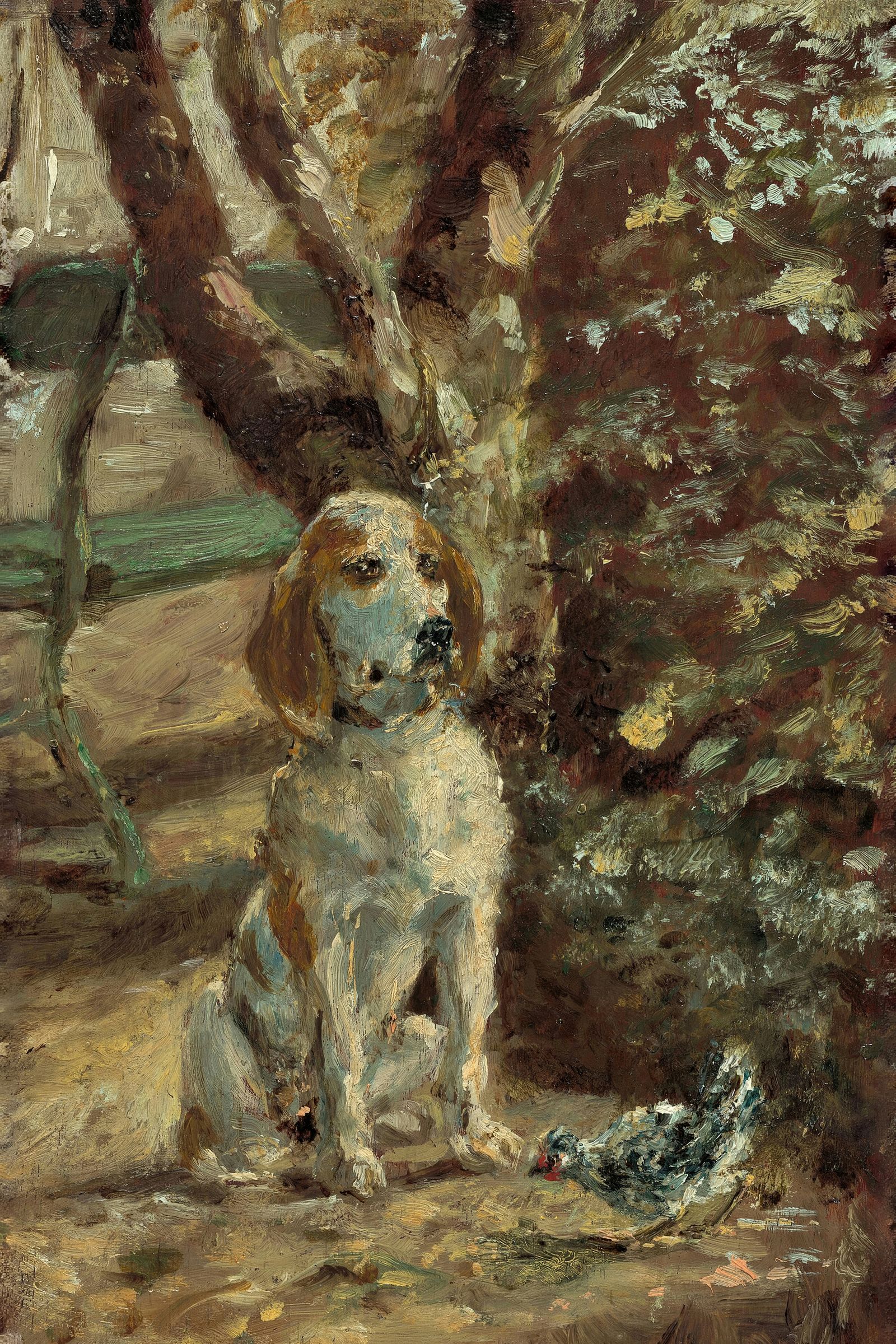
The Artist's Dog Flèche · Henri de Toulouse-Lautrec · c. 1881 · National Gallery of Art, Washington
Say that you are sorry and that you know the animal mattered. Avoid calling it just a pet, suggesting another animal will replace it or saying the owner should be grateful for the time they had. A short acknowledgement makes room for grief without asking the recipient to justify it.
Explore a thoughtful card · Explore this artwork
7. No explanation of what happened next
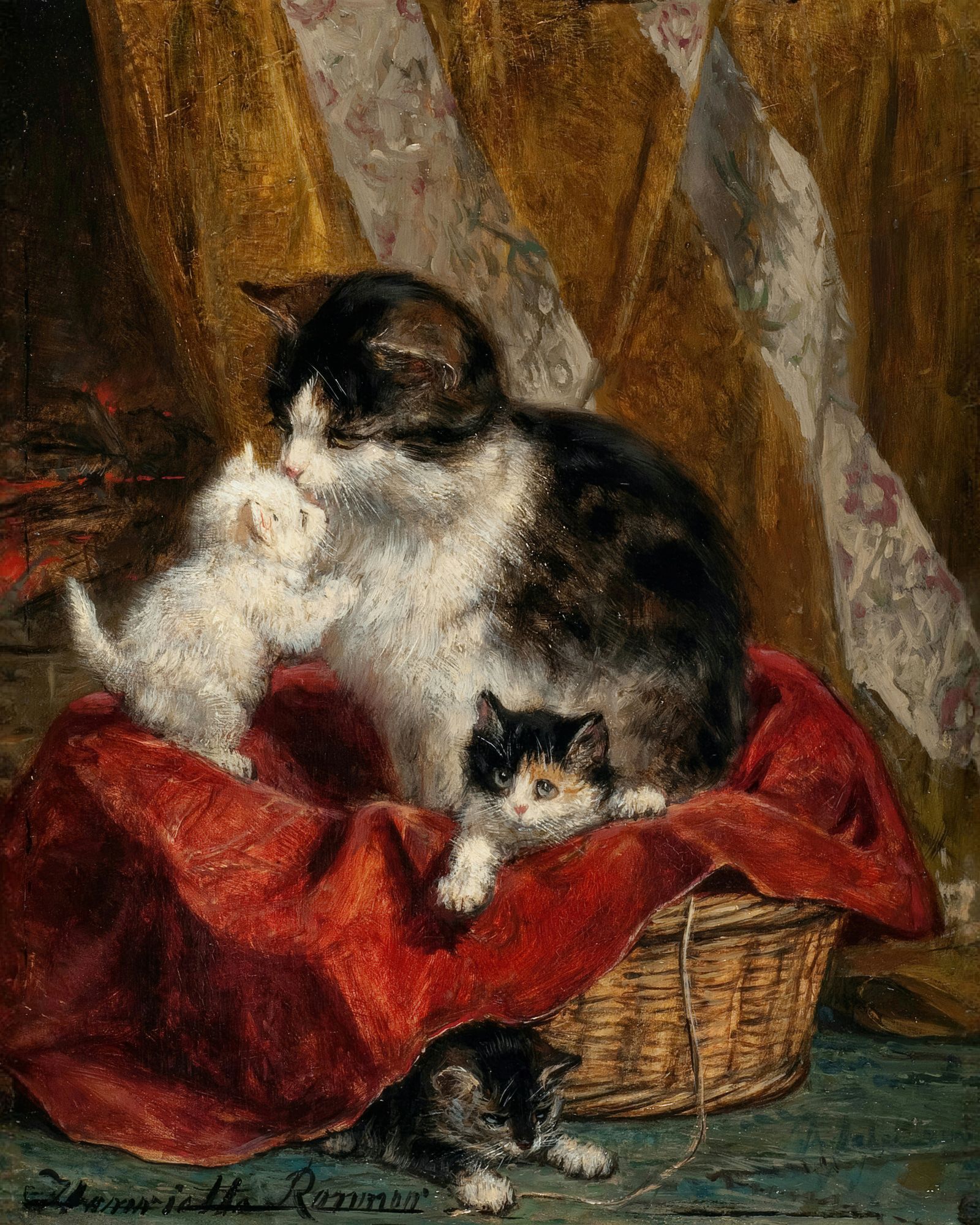
A Cat with Three Kittens · Henriëtte Ronner-Knip · 1889 · Cultural Heritage Agency of the Netherlands
Unless you know the person's beliefs, avoid making claims about an afterlife or a reason for the death. Even a well-meant phrase can feel distant from what they are experiencing. Offer your presence and a memory instead; those are things you can say without deciding the meaning of their loss.
Explore a thoughtful card · Explore this artwork
8. An offer that can be accepted
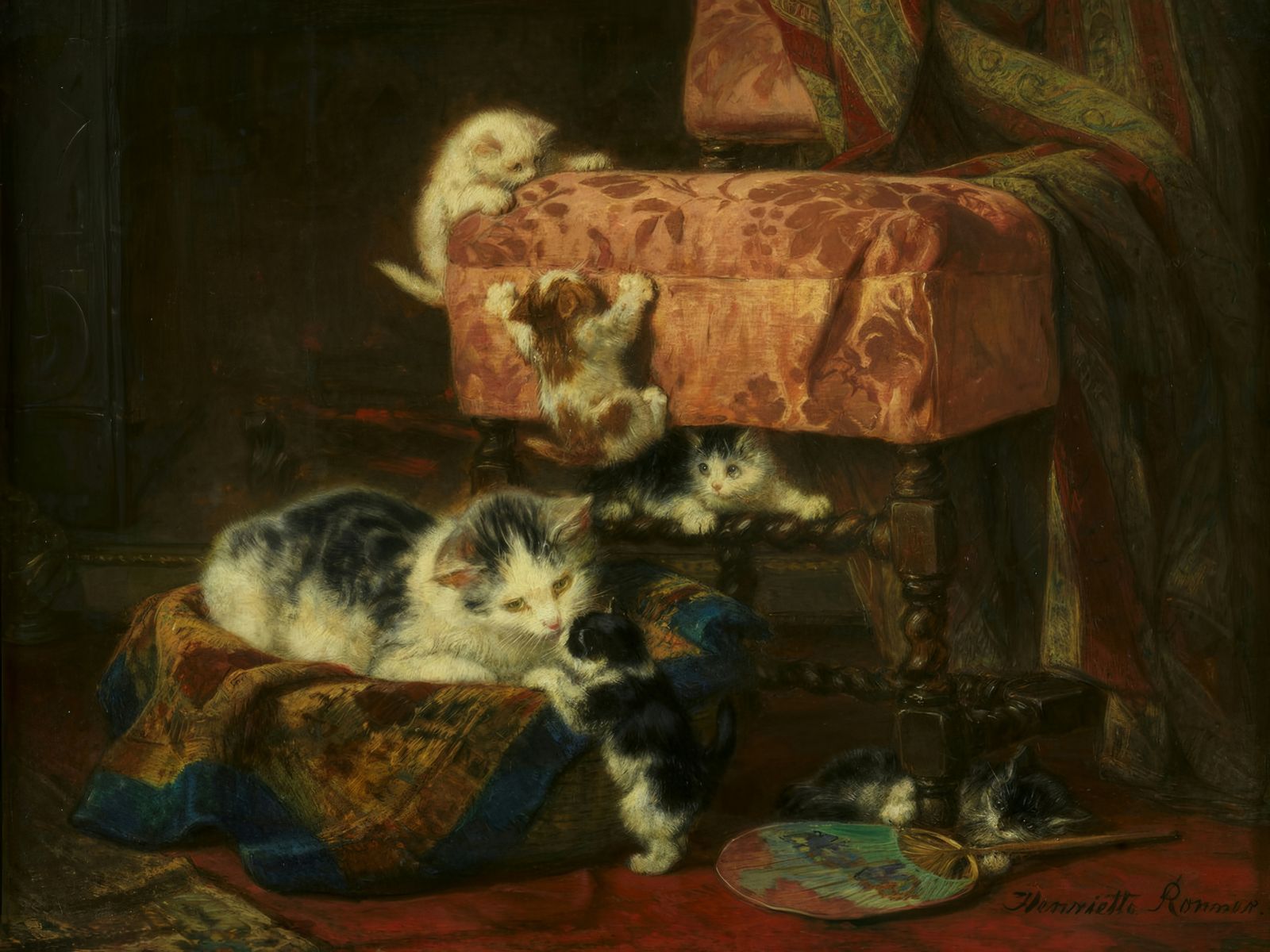
Cat with Five Kittens · Henriëtte Ronner-Knip · 1890 · Noordbrabants Museum
If you are close enough, add one specific practical kindness: a walk together, a meal or help with an errand. Make it easy to decline. The card should not become a task list or a request for a response; its purpose is to let the person know they are remembered.
Explore a thoughtful card · Explore this artwork
9. Room for more than one kind of grief
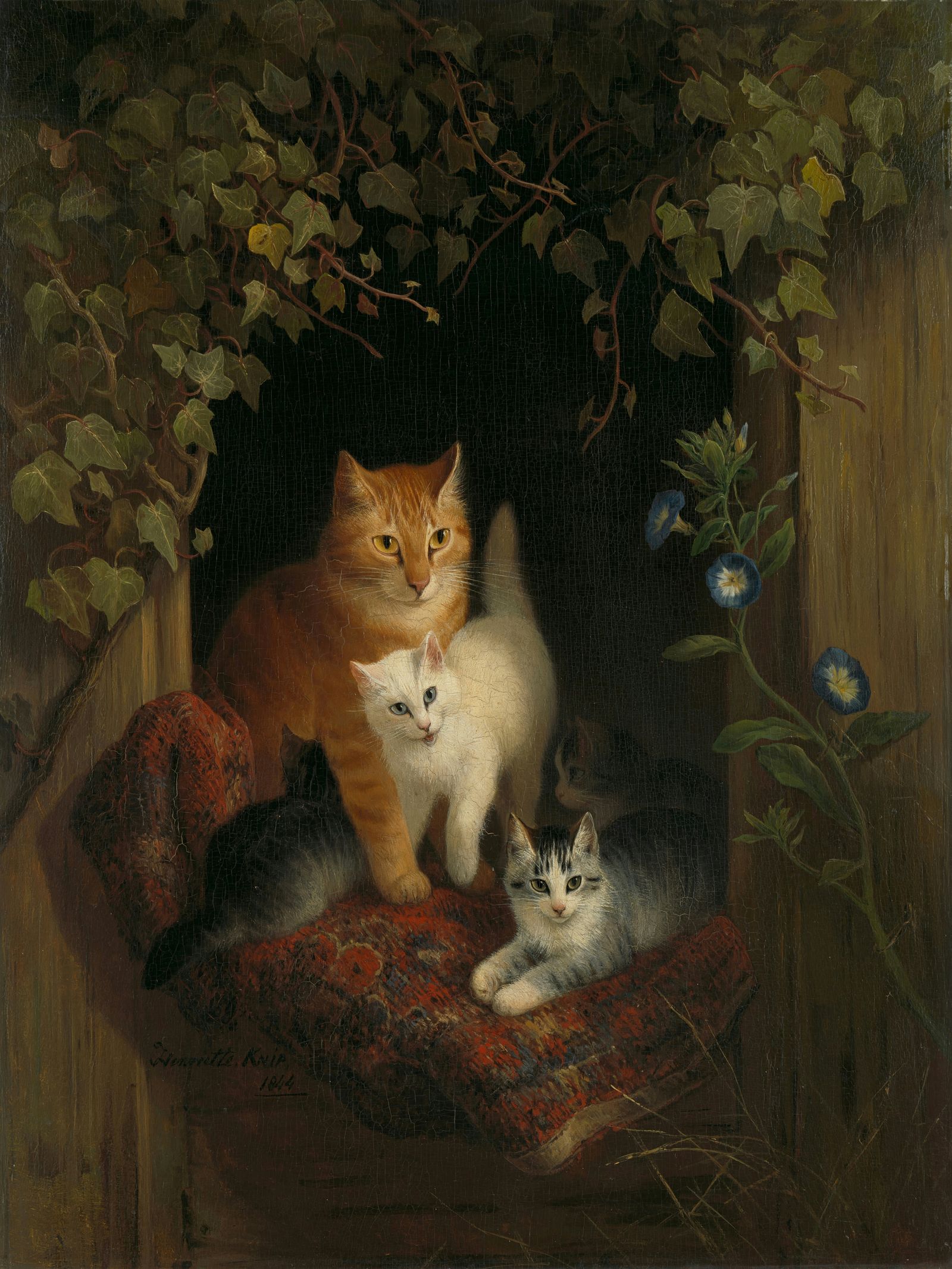
Cat with Kittens · Henriëtte Ronner-Knip · 1844 · Rijksmuseum, Amsterdam
A child, partner or other household member may feel the loss differently. Avoid writing as though there is only one correct response. If the card is for a family, address it warmly to the people you know, and do not ask anyone to be strong for someone else.
Explore a thoughtful card · Explore this artwork
10. A card sent later
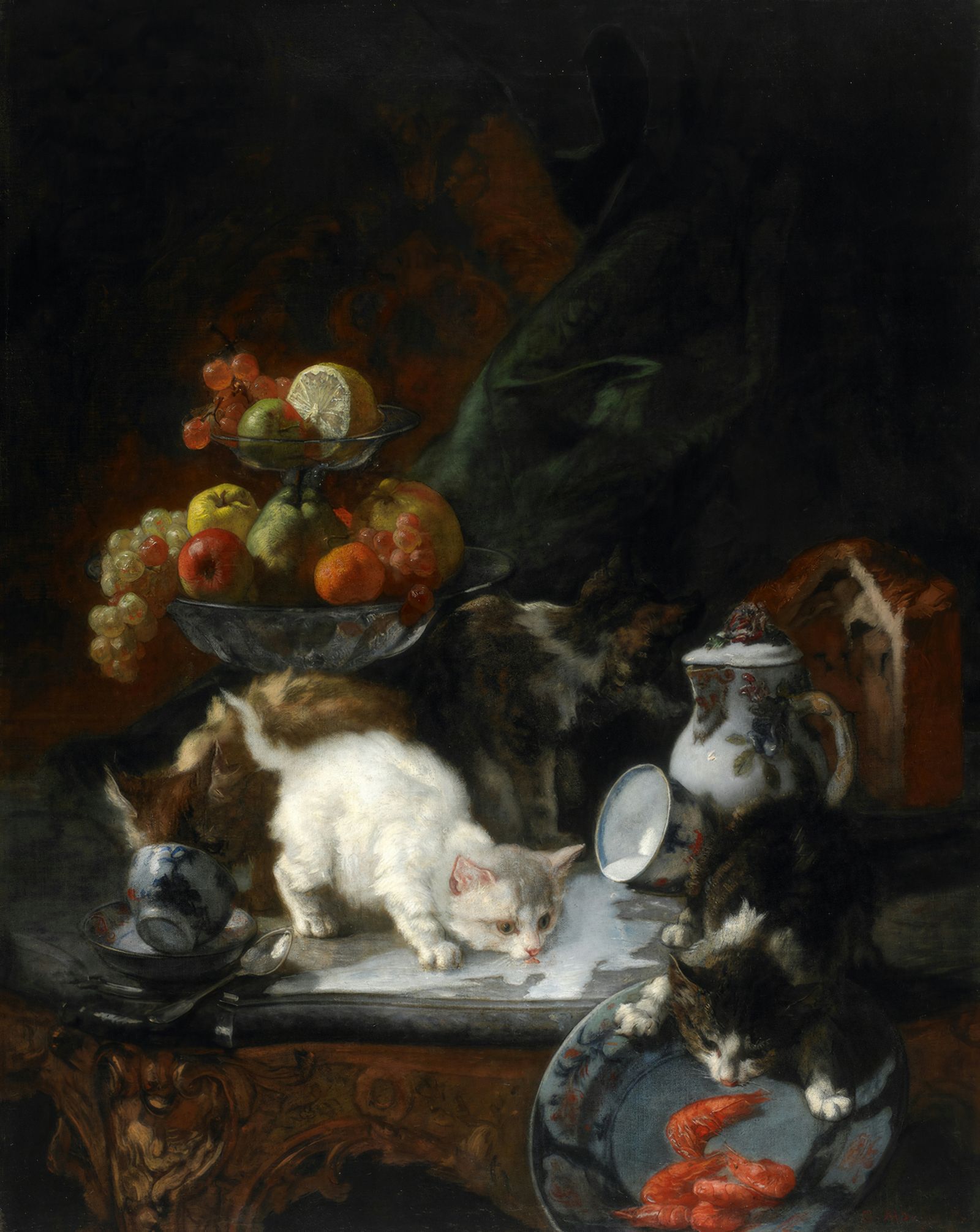
Cats on a Console · Charles Monginot · 1859 · Centre national des arts plastiques, Paris
Support can matter after the first messages have stopped arriving. A small note on an ordinary day may be welcome, but do not attach a deadline for feeling better. If you mention a remembered date, do so gently and without expecting the owner to commemorate it in the same way.
Explore a thoughtful card · Explore this artwork
Choose the words before choosing the format. That helps the card remain an act of care rather than an attempt to produce the most impressive object. If a portrait front feels appropriate, open Fable Cards, follow the current creation options and check the image and text in the preview. If it does not, send a plain note. A sympathy card does not need to solve grief or earn an answer. It only needs to recognise that an animal was loved and that the person missing it is not forgotten.
Read the note aloud once before sending it. Remove any sentence that tells the recipient how to feel, compares the loss competitively with another one or requires them to reassure you. If the card is from a group, let each person sign rather than adding a crowd of competing messages. A single clear acknowledgement can be easier to receive. Check the name and any photograph carefully in the preview, then leave the decision about keeping or displaying the card with its recipient. It is a gesture of care, and the response does not need to be visible to the person who sends it.
- What do you write in a pet sympathy card?
- Use the animal's name, say you are sorry and add a true memory if you have one. Keep the words simple and avoid explanations for the loss.
- Should I put a photograph on the card?
- Ask if you are unsure. A familiar photograph can be comforting, but a floral image or a plain note may feel gentler at a particular moment.
- Is it too late to send a card?
- There is no fixed deadline. A considerate note later can acknowledge that the animal is still remembered, without asking for a response.