Sympathy cards: quiet art and words that leave room
Sympathy cards can hold a truthful memory, a practical kindness or a few quiet words. Choose an image that suits the person receiving it.
Sympathy cards do not need to explain grief or make it smaller. Their purpose is simpler: to let someone know you remember the person who died and that they have not been left alone with the loss. A quiet image and a few honest words can be enough.
The historical works below offer different starting points for choosing art. They are not promises that a particular picture will comfort everyone. Beliefs, memories and personal tastes differ, and the same image can feel gentle to one person and difficult to another. Follow what you know of the recipient.
You do not have to create or buy a card to act on any of these ideas. A handwritten note is also a way to reach someone. If you would like to use Fable Cards, the link opens the current designs and message options, where you can take your time.
1. Roses: a simple image without an explanation
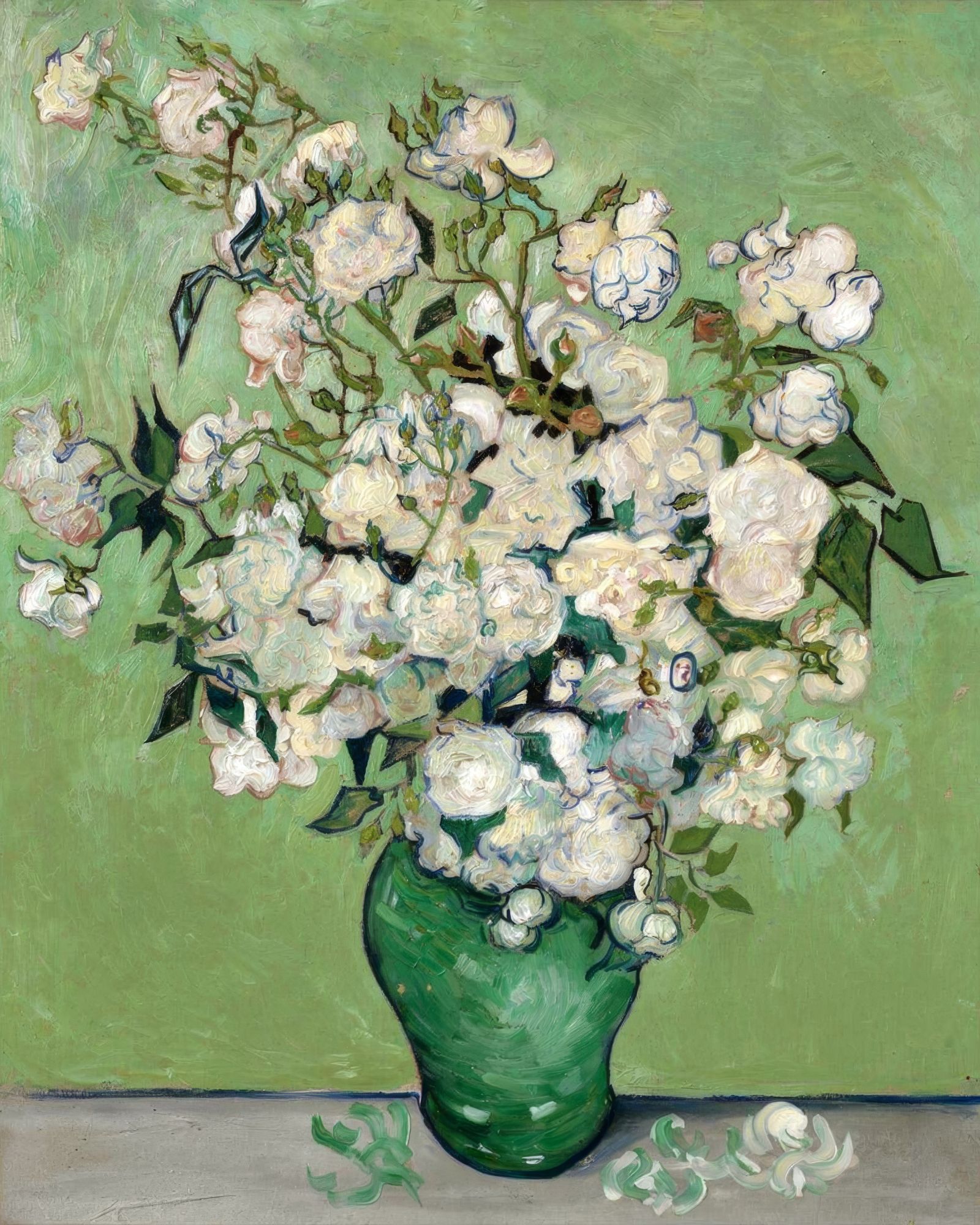
Roses · Vincent van Gogh · 1890 · The Metropolitan Museum of Art
A flower painting can accompany a message without assigning a meaning to the loss. You might write the person's name and one small memory, or simply say you are thinking of the recipient. Avoid saying that flowers, art or time will heal them. The picture does not have to solve anything; it can be a quiet place for your words to arrive.
See quiet card options · Explore this artwork
2. A Cart on the Snowy Road at Honfleur: space for a short note
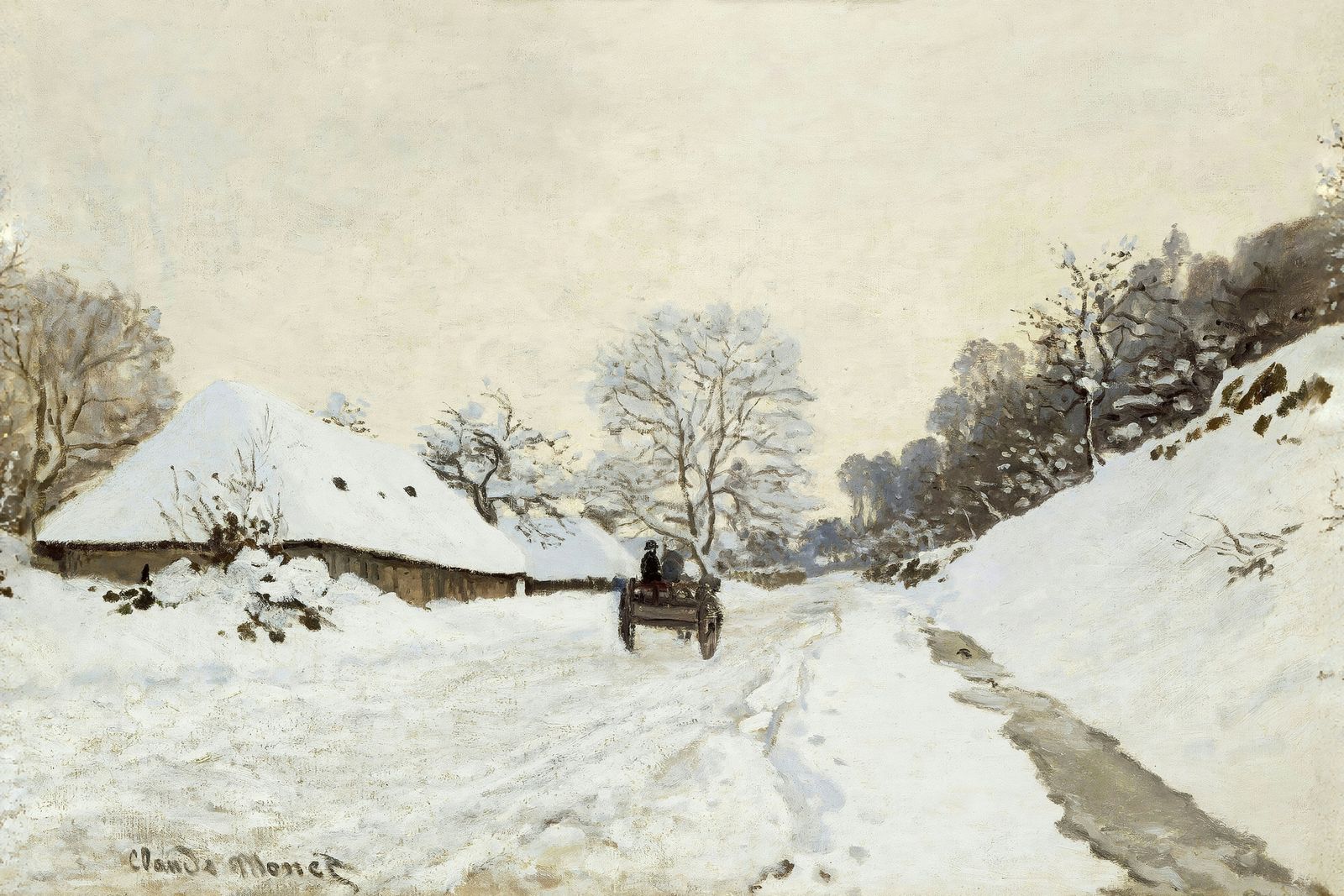
A Cart on the Snowy Road at Honfleur · Claude Monet · c. 1867 · Musée d’Orsay, Paris
A landscape may suit someone who would find an overtly symbolic image uncomfortable. Monet's winter reference leaves the message to do the personal work. Do not compare their grief to a season that will inevitably pass. Instead, offer a concrete kindness you can genuinely provide, such as bringing food or taking a familiar errand off their hands, without making a reply necessary.
Explore the card designs · Explore this artwork
3. The Cottage: remember ordinary life
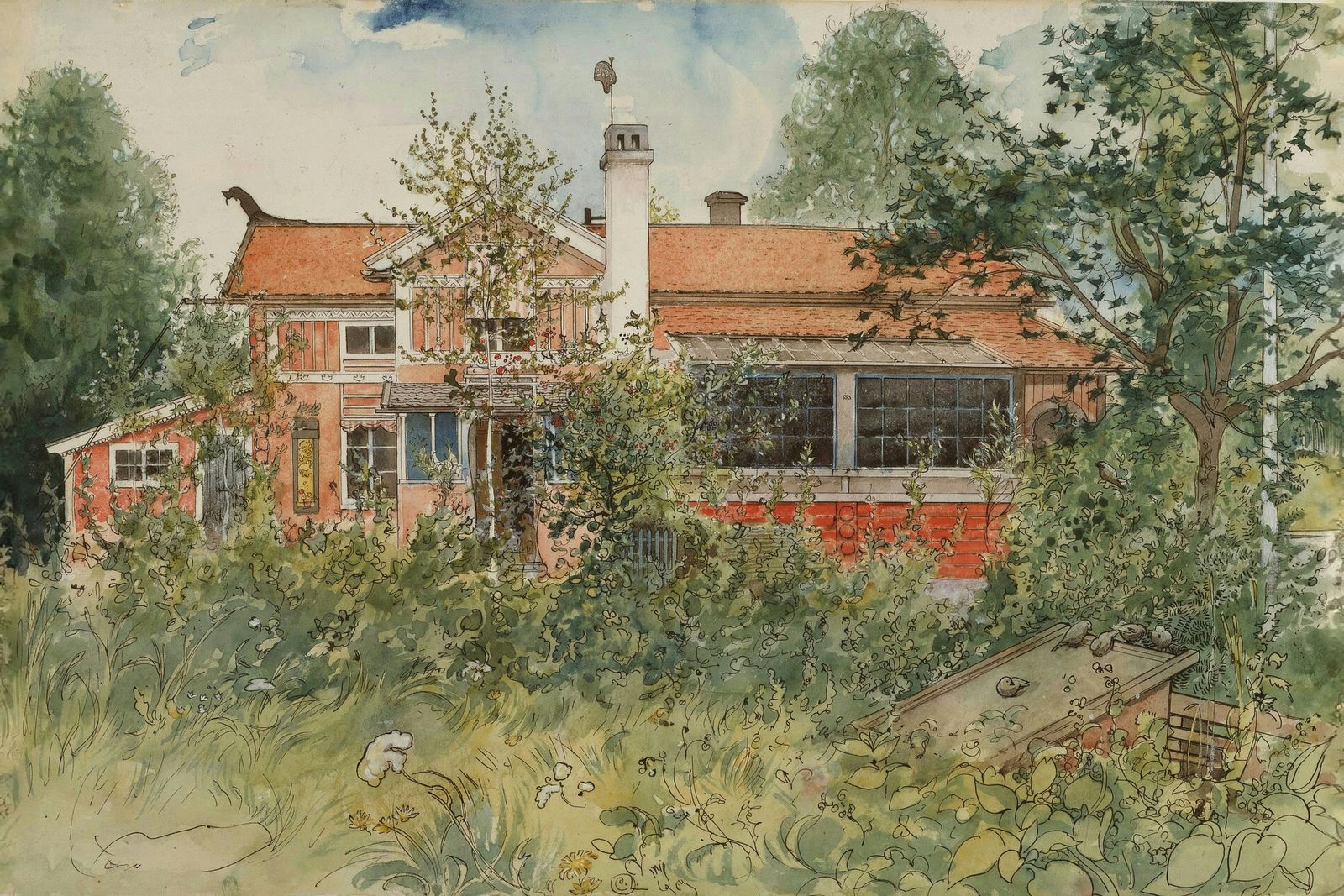
The Cottage (Stugan). From A Home · Carl Larsson · 1899 · Nationalmuseum, Stockholm
A domestic picture can prompt a memory of an ordinary kindness: being welcomed, sharing tea or sitting at a familiar table. If that memory concerns the person who died, name it plainly. Everyday recollections can mean more than general praise. Be careful with phrases about a home feeling whole again; the recipient should not be asked to accept a hopeful ending on your timetable.
Choose an understated card · Explore this artwork
4. Irises: let the image be simply an image
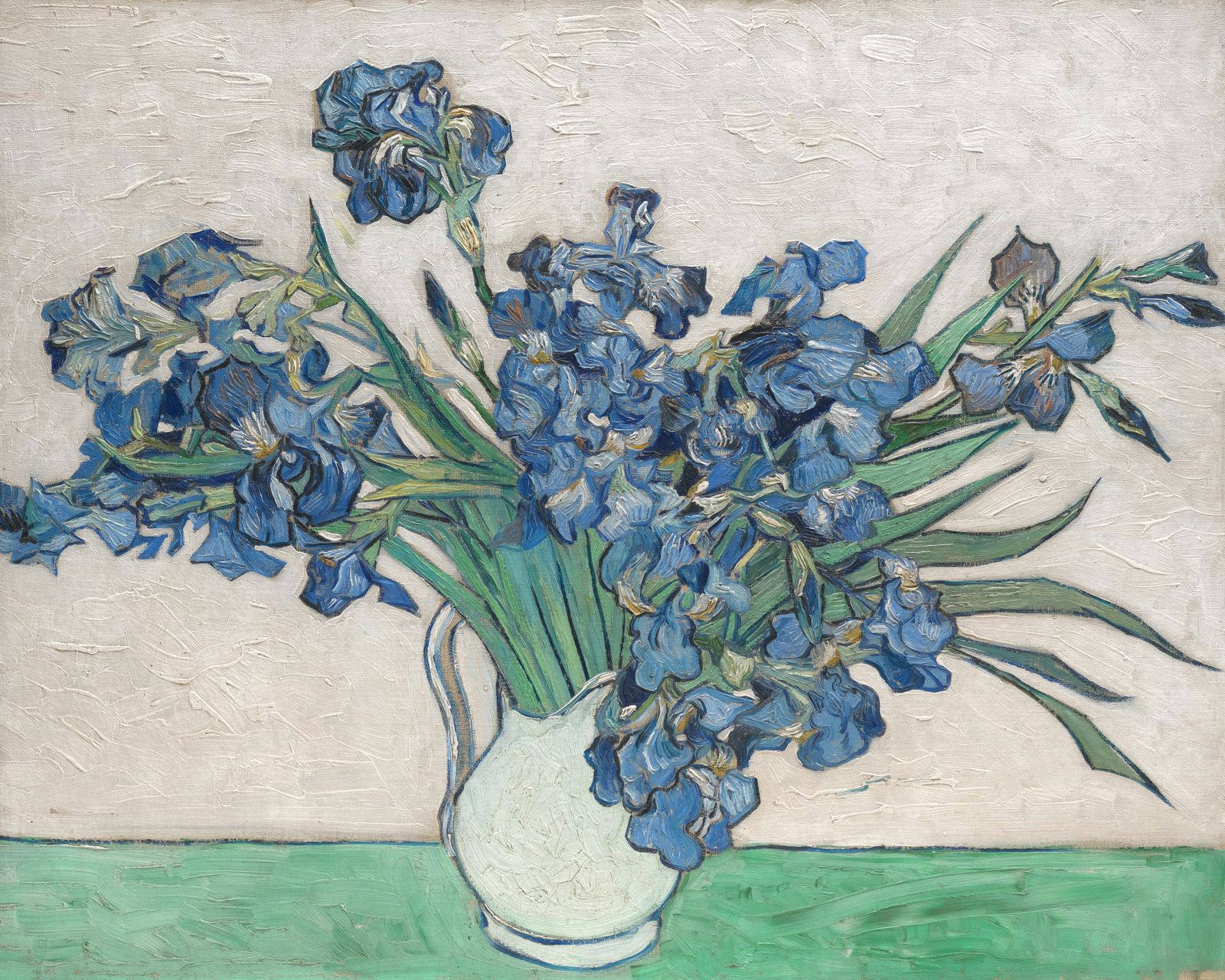
Irises · Vincent van Gogh · 1890 · The Metropolitan Museum of Art
You can choose Van Gogh's flowers because the recipient likes them, without attaching a universal symbolic message. A familiar taste is often a kinder guide than a supposed rule about sympathy colours. If you are unsure what to write, say that you are sorry and that you remember. There is no requirement to find words that make the loss comprehensible.
See available art cards · Explore this artwork
5. Still Life with Pansies: a smaller gesture
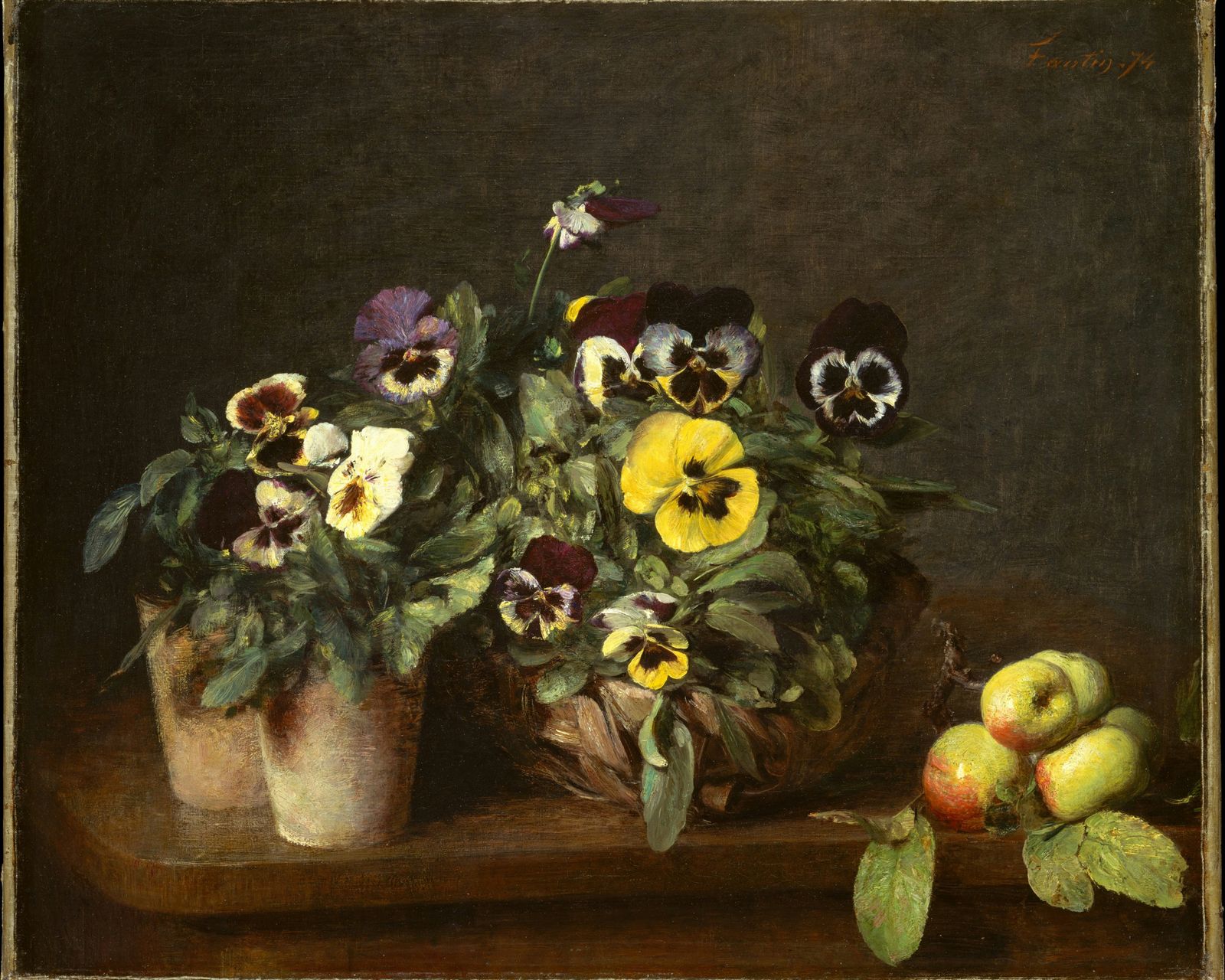
Still Life with Pansies · Henri Fantin-Latour · 1874 · The Metropolitan Museum of Art
A still-life reference can suit a modest note sent after the initial wave of messages. You may acknowledge that you are still thinking of the person weeks or months later. Avoid a lengthy apology for not writing sooner. The card can be about their loss rather than your uncertainty, and it need not ask the recipient to reassure you that you have said the right thing.
Find a quiet design · Explore this artwork
6. A Bouquet of Flowers in a Crystal Vase: formal condolences
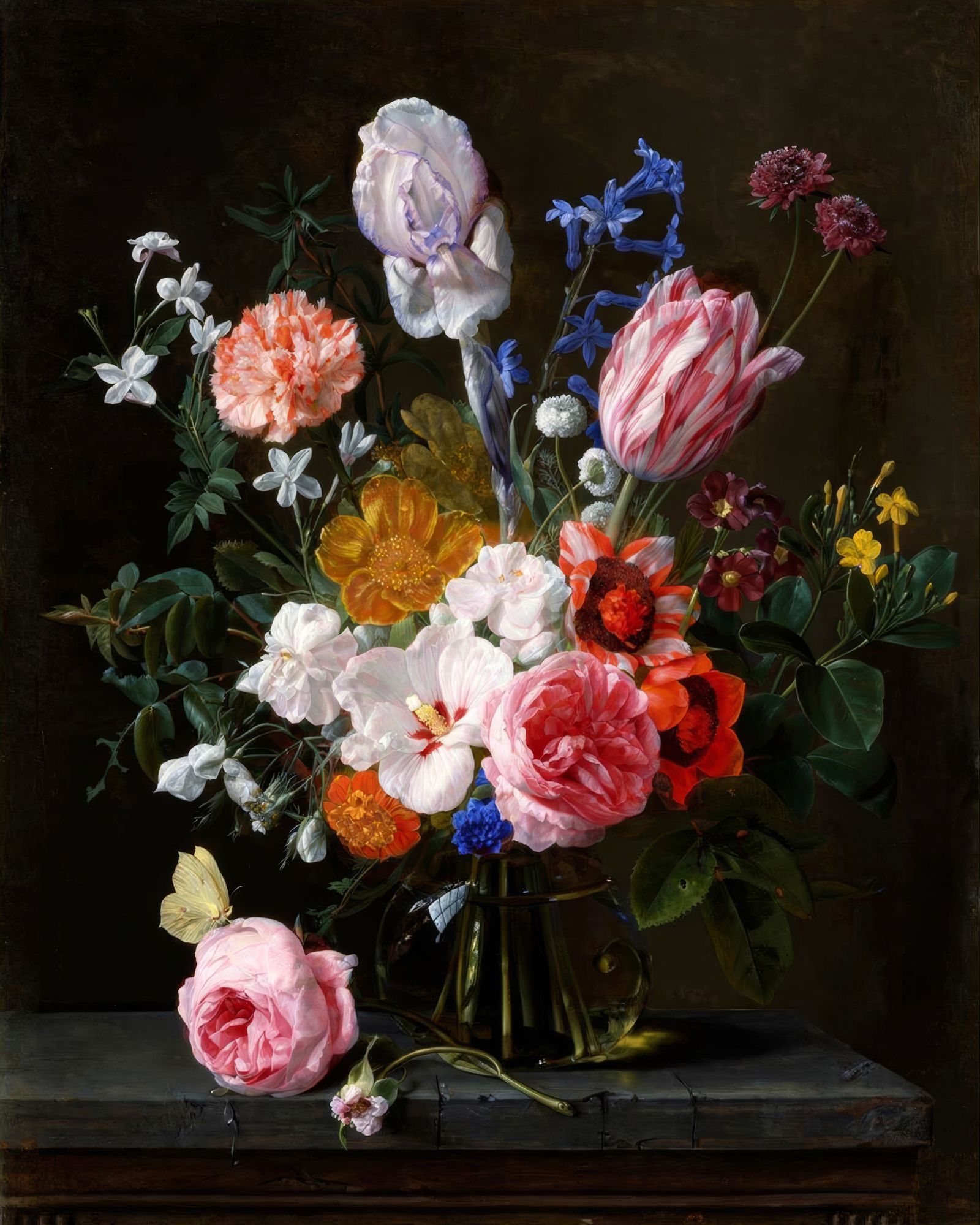
A Bouquet of Flowers in a Crystal Vase · Nicolaes van Veerendael · 1662 · The Metropolitan Museum of Art
For a colleague or someone you do not know closely, a restrained floral image can accompany a courteous message. Use the relationship you actually have. You need not invent a personal memory or claim to understand their experience. A clear expression of sympathy and a practical acknowledgement of their absence can be appropriate, especially when work arrangements have already been handled separately.
View card options · Explore this artwork
7. Villa on a Moonlit Night: allow quiet
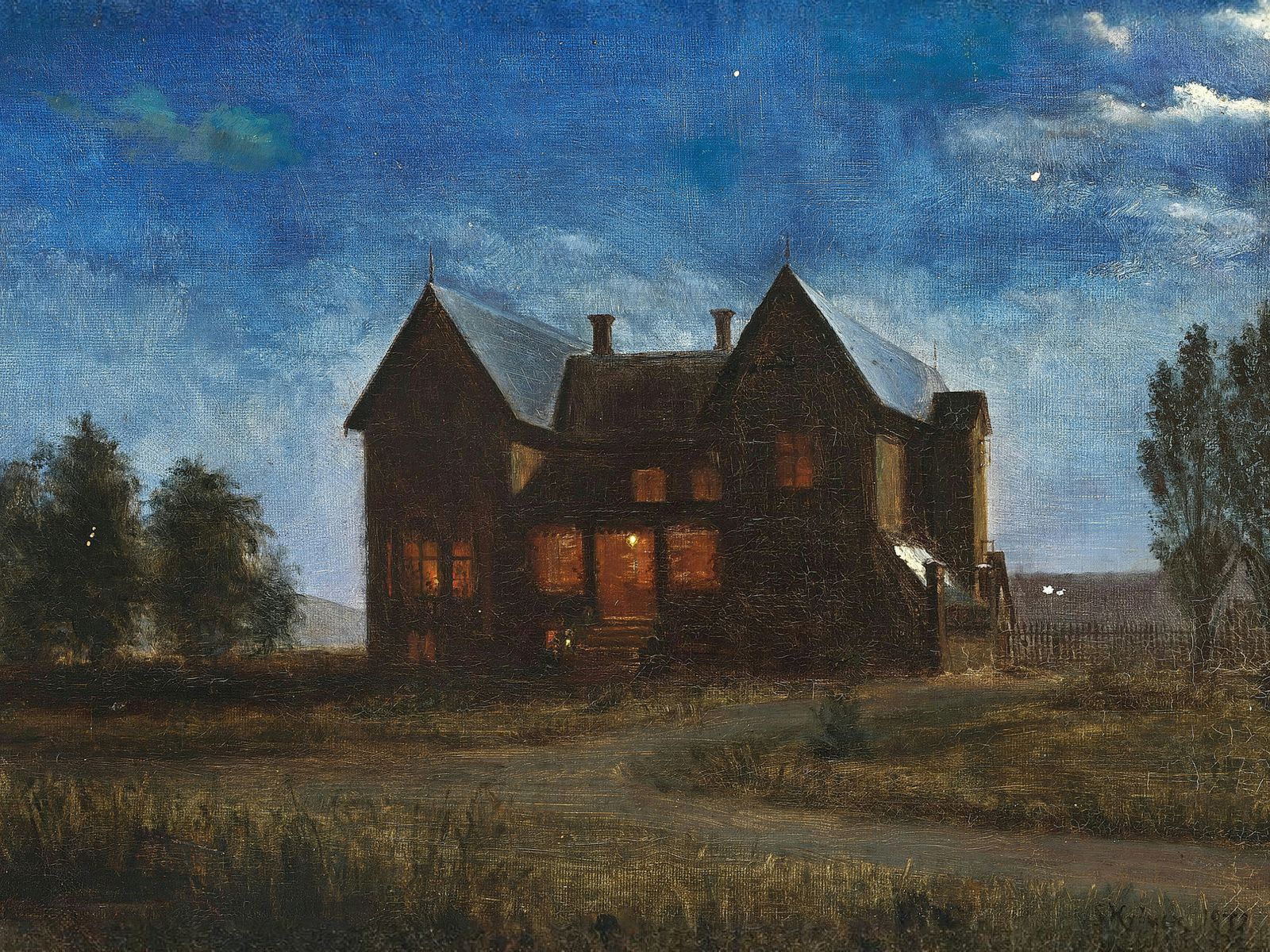
Villa on a Moonlit Night · Peder Severin Krøyer · 1872 · Collection not identified in the open-archive record
A night landscape may appeal to a recipient who prefers places to figures. Choose it for that preference, rather than suggesting darkness accurately describes their feelings. The note can say that no answer is expected. If you offer support, make it something specific and manageable; a general invitation to ask for anything can leave the hardest part of arranging help with the grieving person.
Explore a quiet art card · Explore this artwork
8. Corner of a Table: remember a shared meal
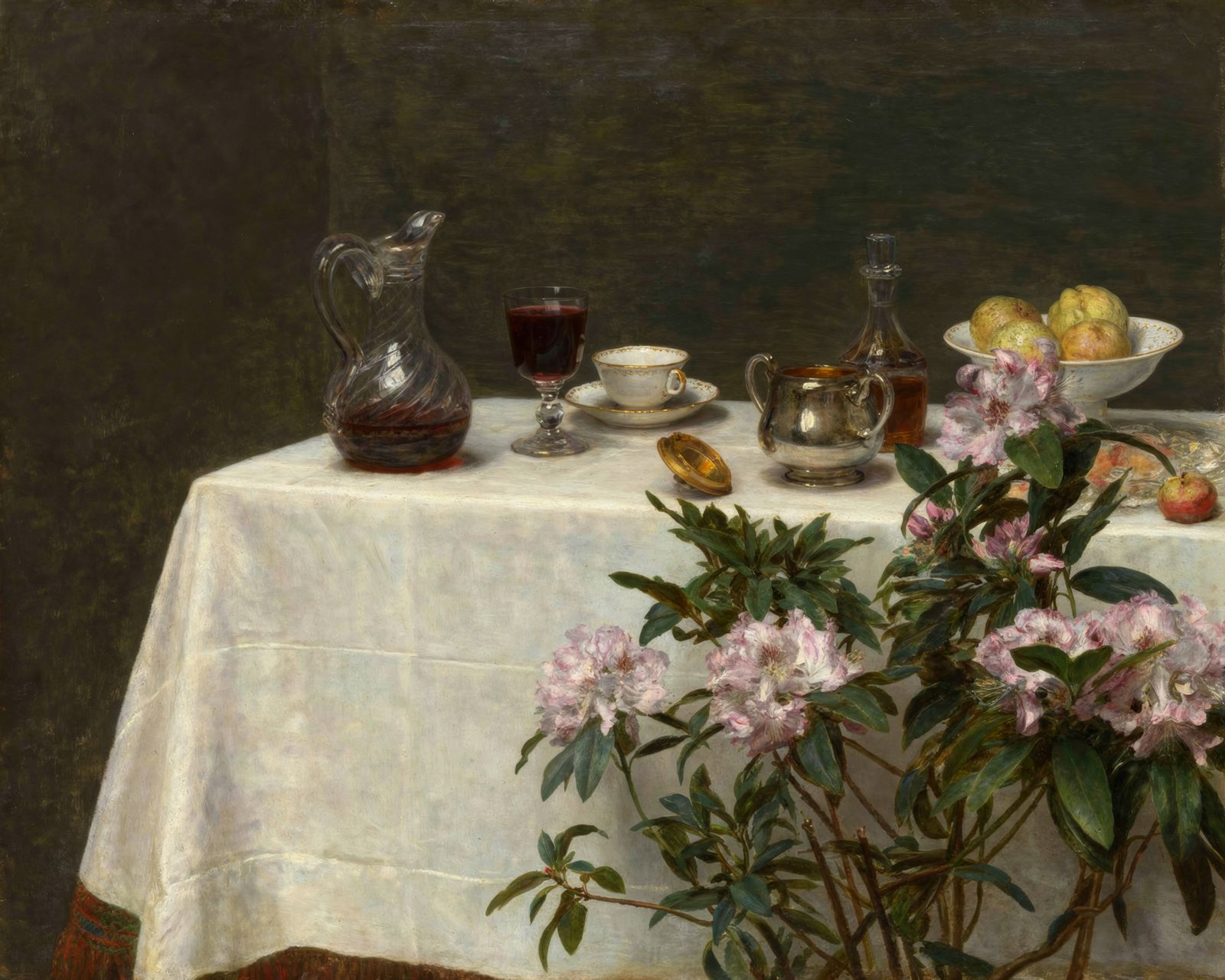
Still Life: Corner of a Table · Henri Fantin-Latour · 1873 · Art Institute of Chicago
A table picture can accompany a memory of hospitality, cooking or time spent in conversation with the person who died. Keep the memory short enough to be received easily. If the loss is recent, the recipient may have little energy for a long account. A vivid, truthful detail can be offered gently, without assuming that reading it will produce a particular feeling.
See the card studio · Explore this artwork
9. Spring Bouquet: use colour with care
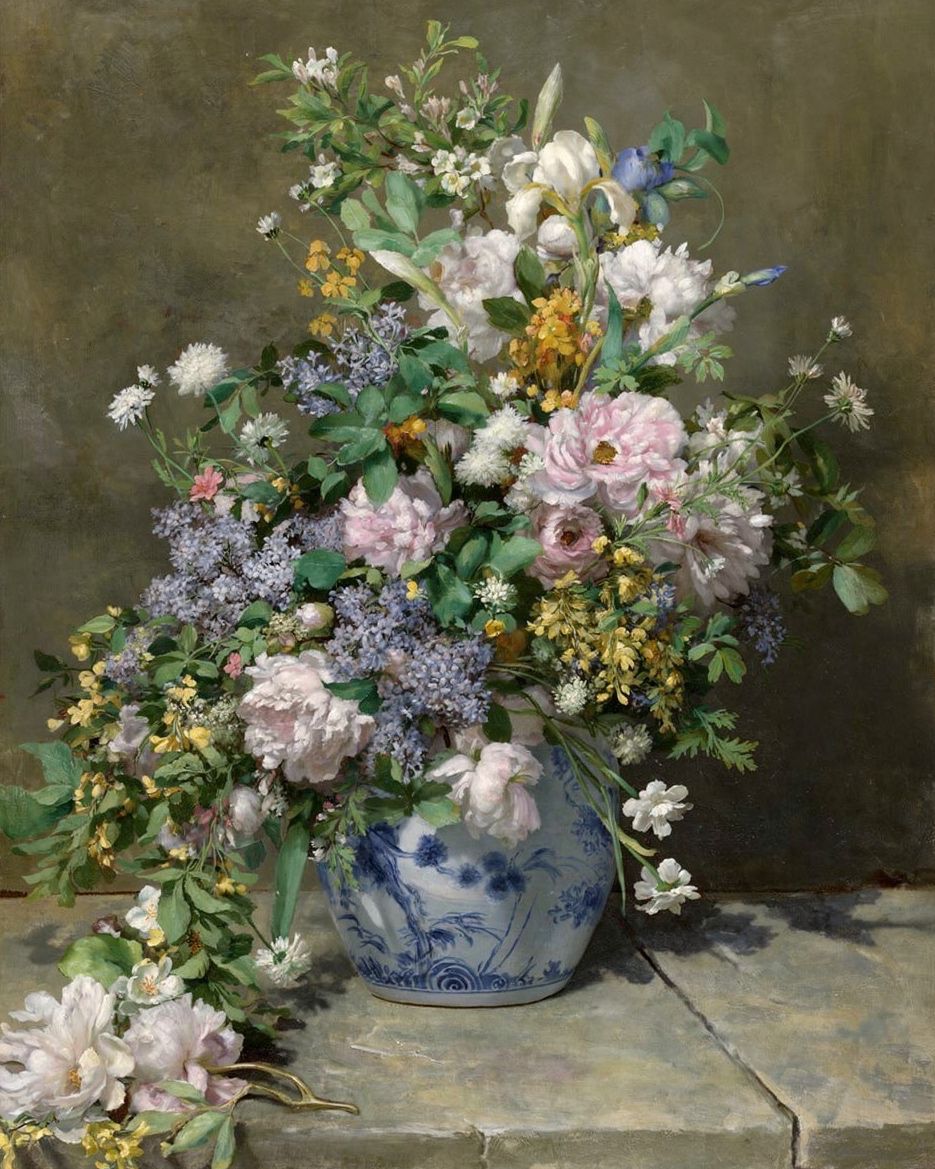
Spring Bouquet · Pierre-Auguste Renoir · 1866 · Harvard Art Museums
A brighter floral work may be appropriate if it reflects the recipient's taste or a genuine memory of the person who died. Sympathy does not have one compulsory palette. The words should still leave room for grief. Avoid insisting that the person would want everyone to be happy, and do not use the card to ask the recipient to celebrate before they are ready.
Choose a personal design · Explore this artwork
10. Still Life with Apples and Pears: a practical expression of care
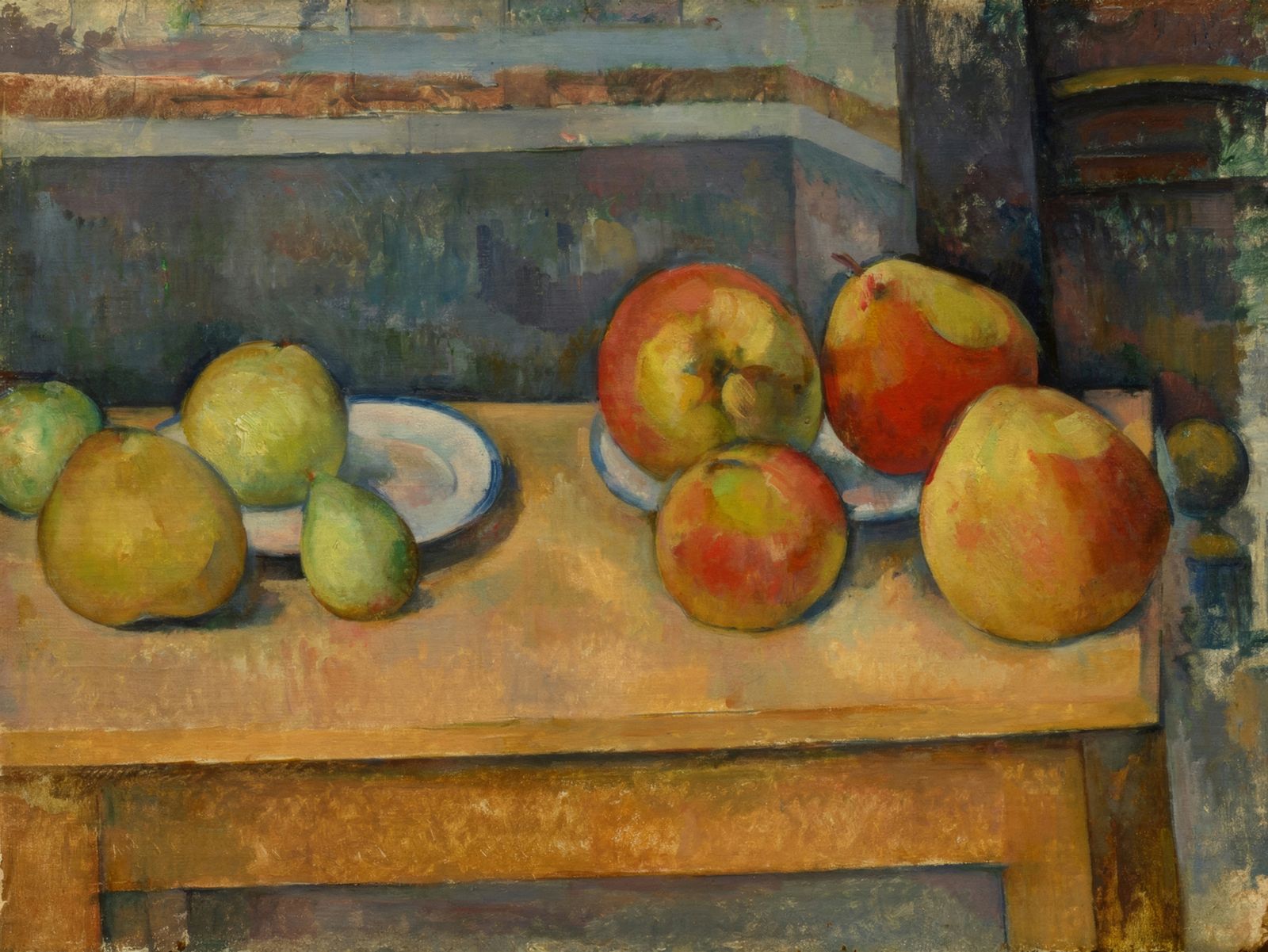
Still Life with Apples and Pears · Paul Cézanne · ca. 1891–92 · The Metropolitan Museum of Art
An everyday still life can sit beside an everyday offer: a meal on a particular day, a lift or help with shopping. Only write what you can follow through on. If you know the recipient well, a brief message about the practical arrangement may be more useful than an elaborate condolence. The card can hold care without making the recipient responsible for managing it.
View the available cards · Explore this artwork
If you knew the person who died, consider including their name and one truthful memory. If you did not, say that you are sorry and that you are thinking of the recipient. Avoid explanations for the death, comparisons with your own loss and phrases that tell someone how they should feel. Religious language is most considerate when you know it is welcome.
You can send a note after the funeral as well as before it. Anniversaries, ordinary weeks and the return to daily routines can also be moments to remember someone. A card does not need to mark a public occasion to matter.
If you choose to use Fable Cards, take your time with an available design and read the message once before continuing. Keep it simple. No reply needs to be requested, and there is no need to make the recipient feel that accepting your sympathy requires any other action.
- What can I write when I do not know what to say?
- A plain expression of sympathy is enough. You can say that you are sorry, name the person who died if appropriate, and let the recipient know you are thinking of them.
- Is it too late to send a sympathy card after the funeral?
- A note can still be welcome later. Acknowledge the loss gently without making the message mainly about why you did not write sooner.
- Should I offer help in the card?
- If you can, offer something concrete that you can actually do. Make it easy to decline and avoid asking the recipient to organise a vague offer of support.