A Regency portrait begins with the person, then the period
regency portrait: Thomas Lawrence and neighbouring British portraits as guides to a modern historical mood.
A regency portrait search often begins with a mood: a composed sitter, expressive clothing, a landscape behind the figure and the sense of being attended to by a portrait artist. Fable's Red Forest offers a modern portrait treatment in a British Romantic register. The historical works here help you look at that atmosphere without treating every Georgian or nineteenth-century portrait as if it belonged to the same brief period.
Thomas Lawrence is the most useful starting point in this selection, joined by earlier and neighbouring British portrait traditions. Their dates and identities remain those recorded in the catalogue. If you want a portrait from your own photograph, the aim is not to prove that you could have lived in a particular year. It is to choose a clear, recognisable image and a treatment whose formality feels like a version of yourself you would enjoy seeing.
Start with Lawrence, and look at a whole sitter
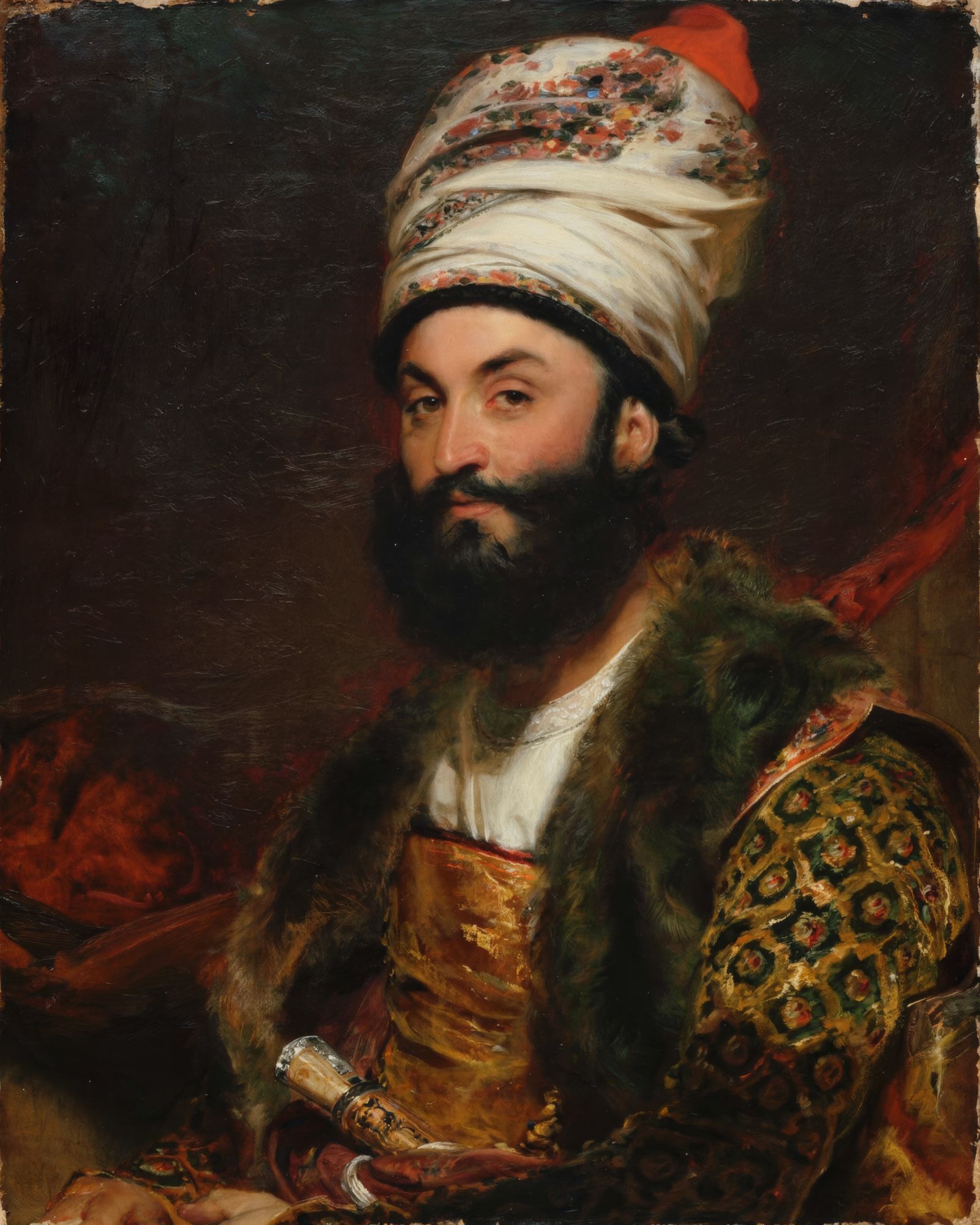
Mirza Abu'l Hassan Khan · Thomas Lawrence · 1810 · Harvard Art Museums
Mirza Abu'l Hassan Khan offers a named individual rather than a generic example of “Regency style”. Begin by looking at the complete work and reading the catalogue record. The sitter's identity, dress and context are specific; they should not be borrowed casually as decorative shorthand for an era. What you can carry into choosing a modern portrait is the habit of giving a person room and attention.
For your own reference, look for a face that remains clear at full image size. A confident photograph need not be theatrical. A natural expression and a comfortable posture give a portrait treatment more to work with than a costume that dominates the person.
Choose a mood without flattening the dates
A Georgian portrait, a Regency-period picture and a later Romantic work can share qualities without being historically identical. The catalogue dates are a more useful guide than a broad mood label. If the exact period matters to you, keep those dates in view while making your choice.
If you are instead looking for a Bridgerton portrait feeling, treat that phrase as a contemporary point of reference. It does not make a work a licensed connection to a television series, or turn every historical costume into an exact reconstruction. Red Forest has its own current style presentation; use that page to judge what is actually being offered.
Let a double portrait preserve two different people
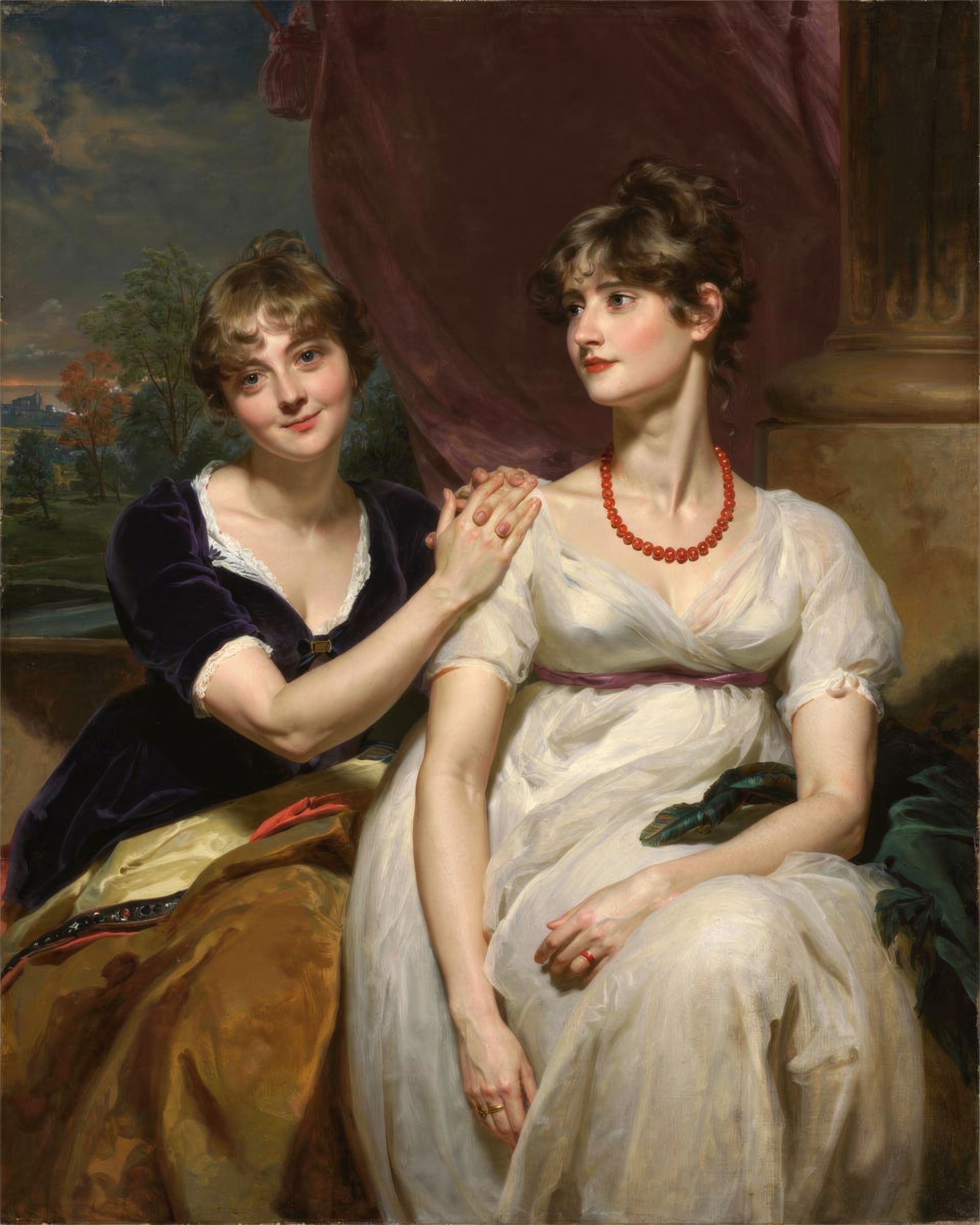
Portrait of Charlotte and Sarah Carteret-Hardy · Thomas Lawrence · 1801 · Cleveland Museum of Art
Lawrence's Portrait of Charlotte and Sarah Carteret-Hardy is a useful comparison when the aim is a shared portrait. Look at the complete work before deciding how close or formal you want your own figures to feel. The historical sitters retain their identities; your photograph supplies a different relationship.
For a custom group image, check the chosen flow's subject guidance. Each intended face should be visible and in usable focus. A photograph that works beautifully for one person but hides another is not an equal starting point. If choosing together is possible, let both subjects have a say in the expression they want to keep.
A single sitter does not need a full costume performance
The face is the practical centre of a modern portrait reference. Clothes and setting may contribute to its mood, but they cannot replace information the photograph does not show. Avoid a close phone angle that enlarges the nose or a strong overhead light that leaves the eyes in darkness.
An ordinary, well-lit photograph can be a better source than a carefully staged period outfit. Follow Red Forest's current guidance rather than guessing which accessories are necessary. If you enjoy dressing up, choose a comfortable image with the face still clear. The portrait should remain about the person who will recognise themselves in it.
Compare formality through a named portrait
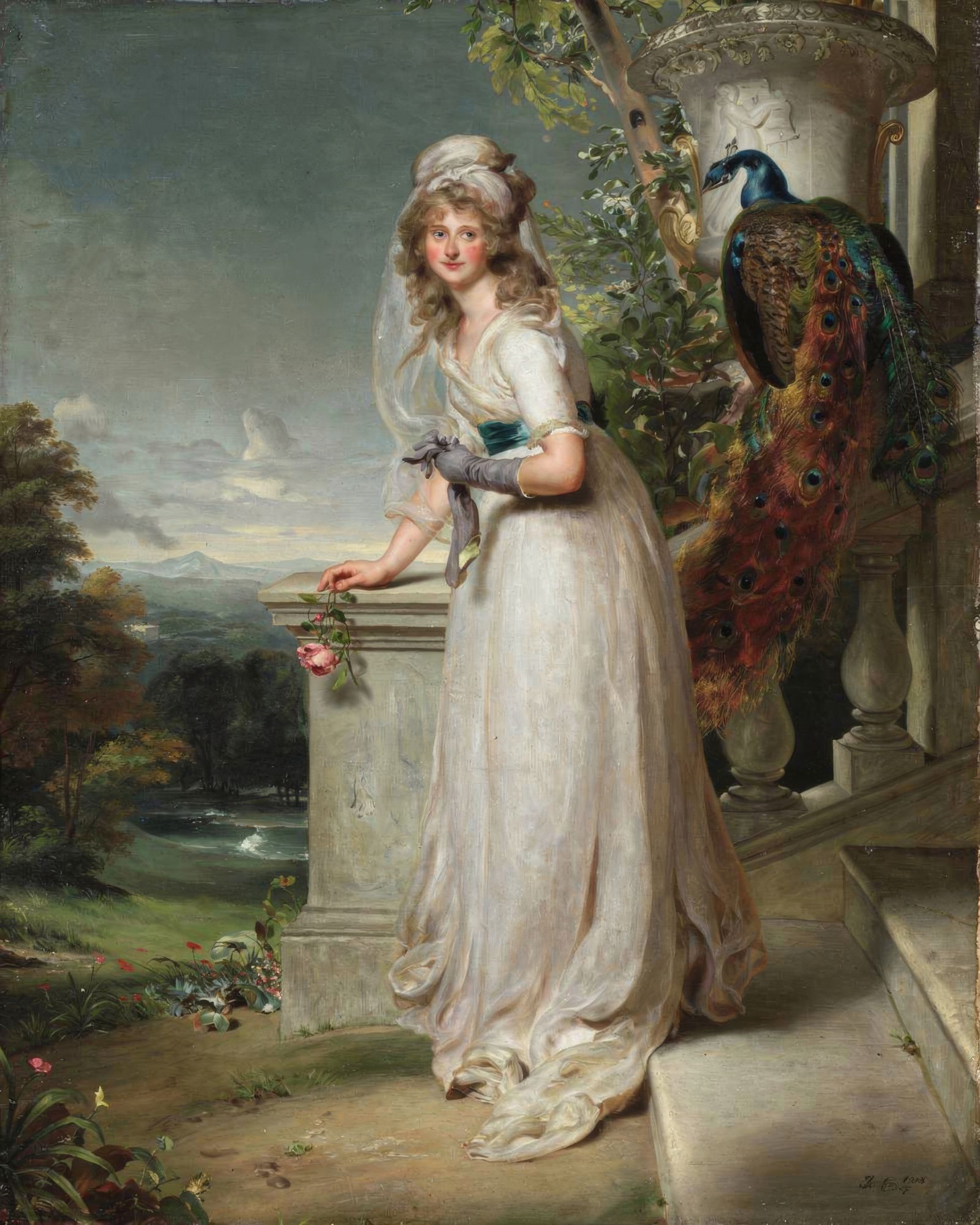
Portrait of Catherine Grey, Lady Manners · Thomas Lawrence · 1794 · Cleveland Museum of Art
Portrait of Catherine Grey, Lady Manners offers another Lawrence sitter for comparison. A formal picture is not simply a list of period objects. Its effect comes from the figure's presence within a complete composition. Look at how much space the historical image gives its sitter before deciding how imposing you want your own portrait to feel.
Think also about the room it will enter. A large hallway can take a different degree of ceremony from a small bedroom. Review your own portrait before choosing print dimensions, and use the live ordering options rather than assuming every size or frame finish is available.
Use earlier portraits as comparisons, with their identities intact
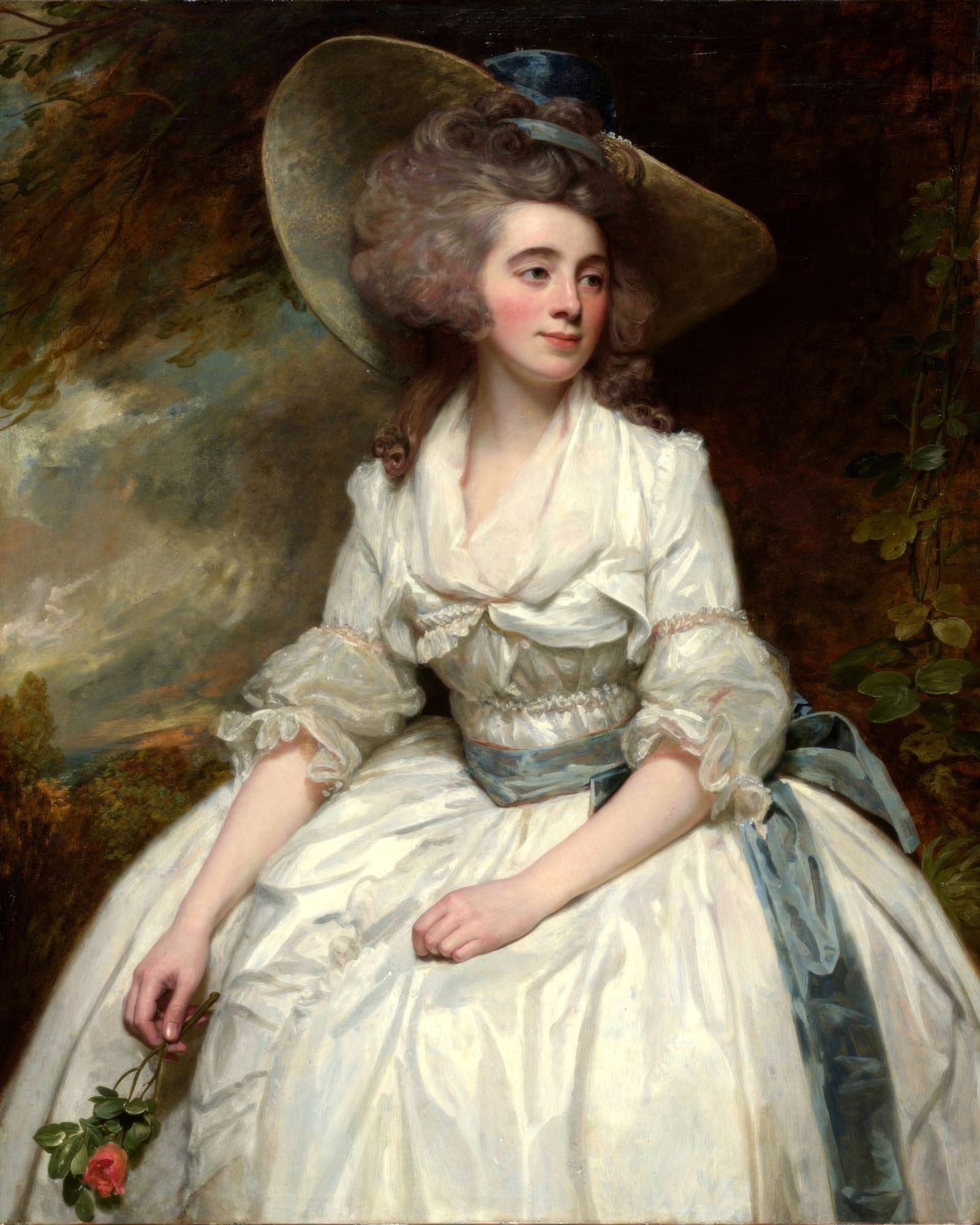
Mrs. Francis Russell · George Romney · 1785–87 · Art Institute of Chicago
Romney's Mrs. Francis Russell is a helpful neighbouring comparison, provided it remains Romney's named work rather than being relabelled as a Lawrence recipe. The value of looking across portrait traditions is that it clarifies your taste: more stillness, more movement, a closer figure or more surrounding space.
When you find a historical picture you like, decide whether you want that exact work on the wall or a personal portrait with a related mood. Those are two distinct next steps. The masterwork link is for the catalogue image; the closing Red Forest link begins with your photograph and its own style guidance.
A natural gesture can carry more than a prop
A sitter's ordinary way of standing or holding a hand may be more recognisable than a borrowed accessory. When choosing a reference, look for the gesture that people close to the subject know. Do not force a pose that makes the face tense or hides the hands if you want them included.
A portrait treatment can provide a historical atmosphere while your own reference preserves the human identity. Keep those roles clear. If you are making the image as a gift, ask whether the recipient would enjoy the mood and display context, especially when the finished portrait will be large or publicly visible.
Look at another British portrait tradition
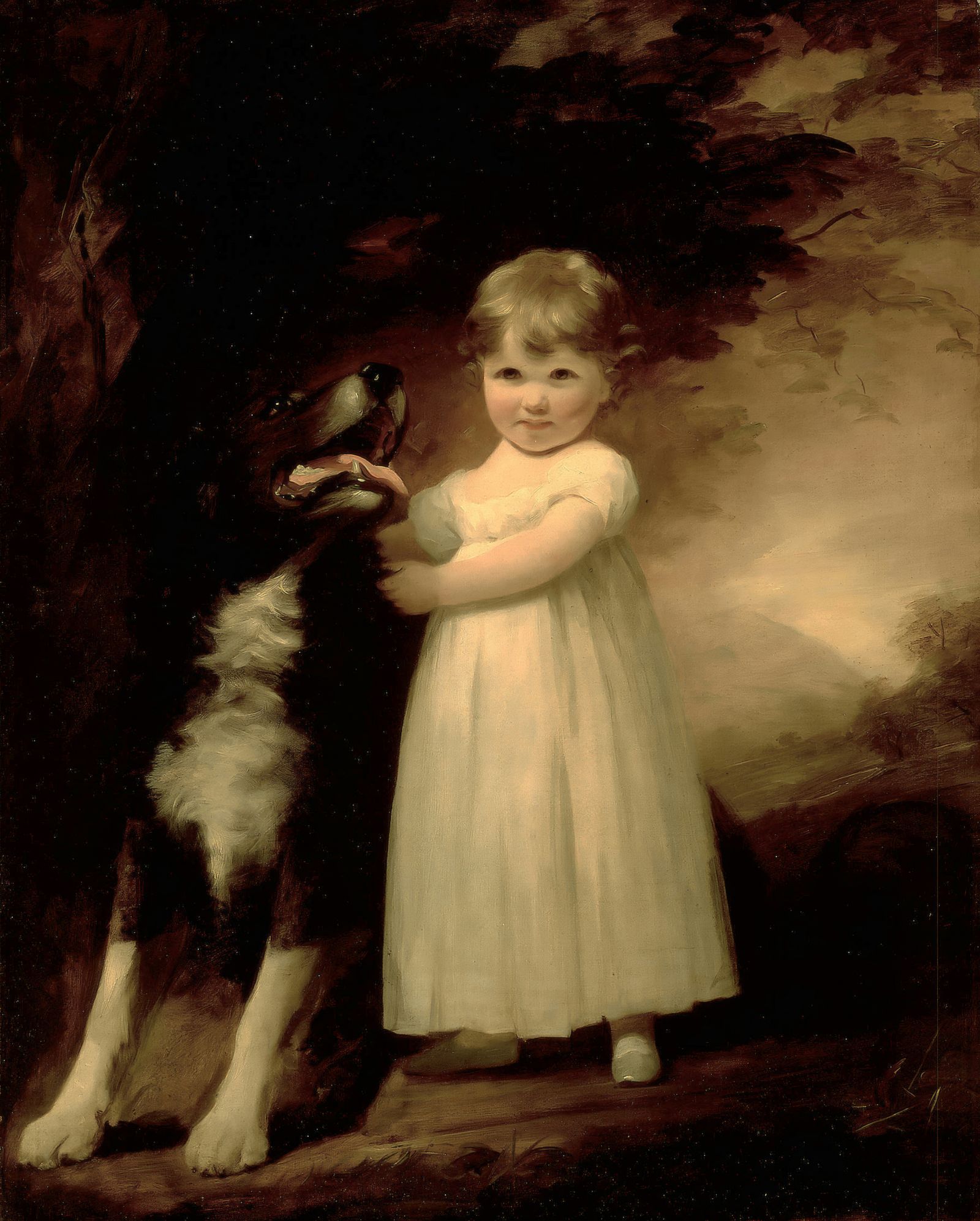
Eleanor Margaret Gibson-Carmichael · Henry Raeburn · 1802–03 · Art Institute of Chicago
Raeburn's Eleanor Margaret Gibson-Carmichael adds a different named painter and sitter to the comparison. The catalogue identifies the work; it should not be presented as proof that all British portraits share one period formula. Use it to sharpen your preference for an overall feeling, then return to the actual Fable style page you intend to choose.
For the physical picture, plan around the complete image. A period mood does not require a heavy frame or a crop that removes part of the artwork. Compare the portrait's proportions with the print options and the intended wall before deciding how it should be presented.
Choose a reference that belongs to the subject now
A modern portrait does not have to disguise the fact that its subject lives now. The photograph can preserve a current expression, hairstyle and familiar relationship between people. The historical treatment gives that reference another visual register rather than making a documentary claim about the past.
For older source photographs, begin with the clearest available original file and inspect the faces before uploading. A scan with too little detail cannot be made more informative by an elaborate style name. If several references are possible, choose the one that the subject recognises and feels comfortable seeing, rather than the one that seems most like a television still.
A quiet relationship to the historical source
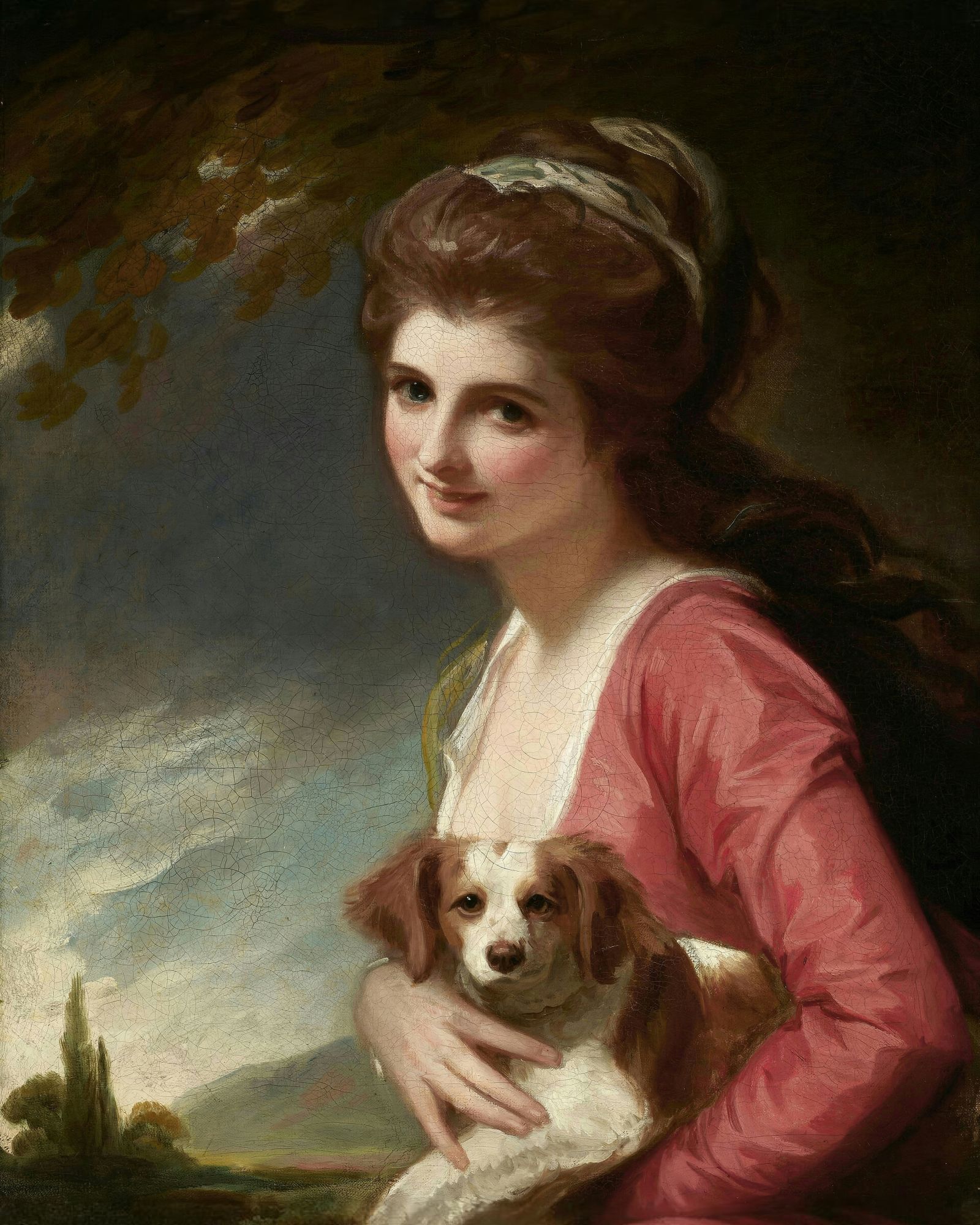
Lady Hamilton as 'Nature' · George Romney · 1782 · Frick Collection, New York
Lady Hamilton as 'Nature' gives one final named comparison from Romney. Its historical identity is part of its interest, and the catalogue link lets you explore it as a work in its own right. A personal portrait does not need to claim that identity for the sitter. It can simply make you more attentive to what a figure, a gesture and a companion bring to an image.
If a pet belongs in your own photograph, check the chosen style and creation route before proceeding. The animal should remain naturally itself, with its own proportions and behaviour. A historical register does not require dressing it as a human.
Open Red Forest to inspect its current portrait treatment and photo guidance. Choose a clear reference, review the result and then consider the print dimensions and presentation offered. If the work you love is one of the historical originals, use its masterwork page instead. The distinction makes the next step simple: a catalogue print begins with that named work, while your own portrait begins with your photograph. A Regency-inspired mood can be enjoyable without pretending to reconstruct a precise historical sitting. Let the person stay recognisable, and choose the degree of ceremony they would actually welcome.
Explore the Red Forest portrait style
- Is Red Forest an exact Regency reconstruction?
- It is a modern Fable portrait treatment in a British Romantic register. Inspect the style’s current presentation rather than assuming an exact historical costume, pose or date. The named works in this essay are historical comparisons with their own catalogue identities.
- Do I need to dress like a Regency sitter?
- Begin with a clear, comfortable reference photograph and follow the style’s guidance. A usable face and natural proportions matter more than a complicated outfit. If you enjoy costume, keep it from obscuring the person you want to recognise.
- Can I use the term Bridgerton portrait?
- It can describe the mood you are looking for, but it does not establish a licensed connection or an exact television costume. Judge the actual Fable style page, then review your own portrait before choosing a purchase.