A Rembrandt book to open often, and ten ways to choose it
rembrandt book: A checked 100-page Fable Edition, with sample pages and current ordering details on its own page.
A rembrandt book is worth choosing for the time you want to spend with it, not just for the name on its spine. Fable's Rembrandt: The Portraits is a hardcover Fable Edition whose catalogue describes fifty-three works by Rembrandt and his workshop from five museums. Its current format is 100 pages, in a 29.4 cm square hardcover. Orders are open at the time of this check; the edition page holds the live availability and purchase details.
The ten works shown below are catalogue illustrations for thinking about a Rembrandt art book. This is not a page-by-page promise that every pictured work appears in the volume. Inspect the edition's own contents, opening and sample pages before buying. A book and a wall print offer different ways to live with art: one gives you a sequence to return to, the other one image held in view.
1. Choose for sustained looking
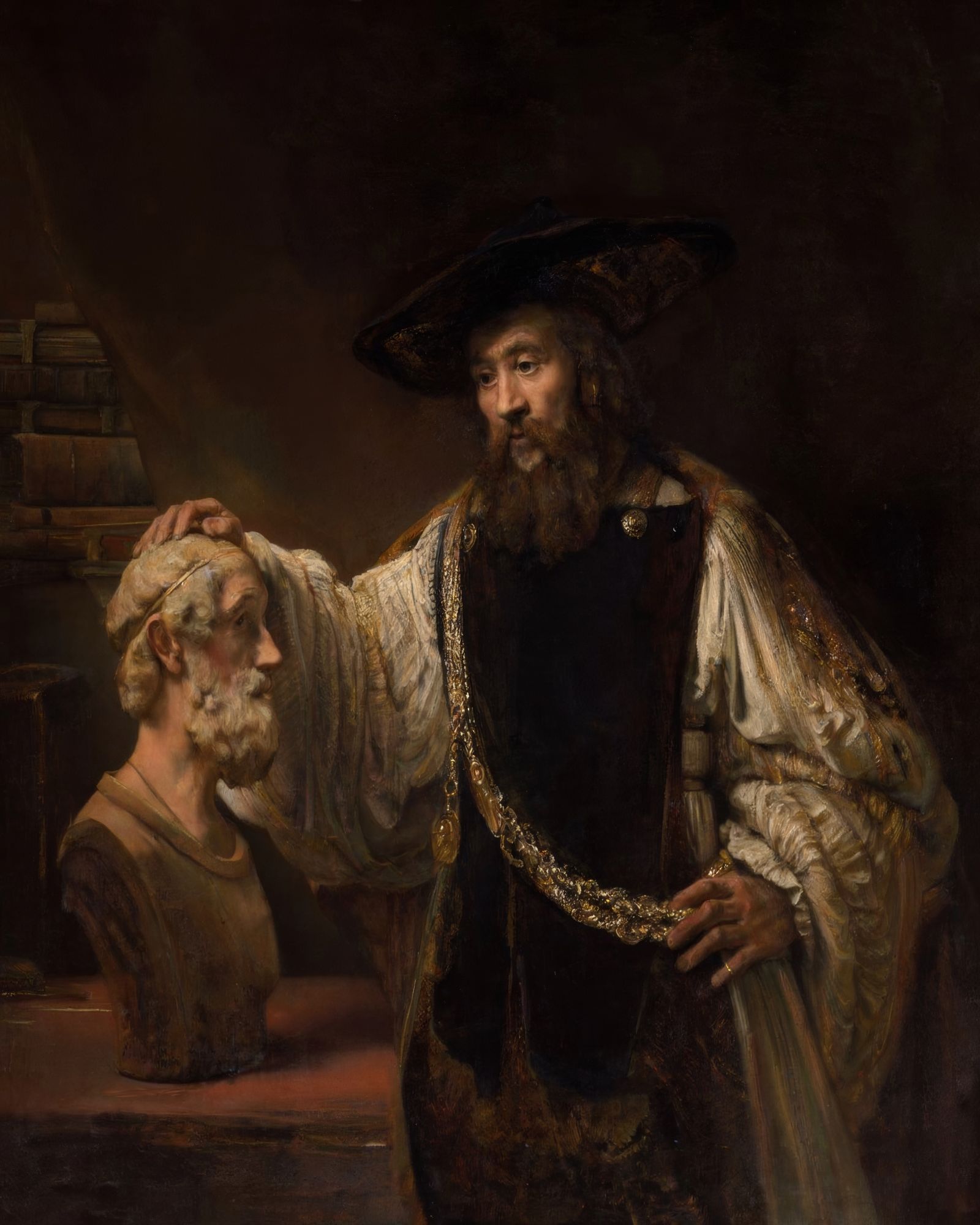
Aristotle with a Bust of Homer · Rembrandt · 1653 · The Metropolitan Museum of Art
Aristotle with a Bust of Homer is a useful prompt to think about attention. A book can let you return to a face, an object and the relation between them without finding wall space for every image. Open the edition's sample pages and judge whether you would enjoy that pace of looking. The subject illustrated here is a catalogue comparison, while the book's own preview identifies its actual contents.
Explore the Rembrandt edition · Explore this artwork
2. Think about the person who will read it
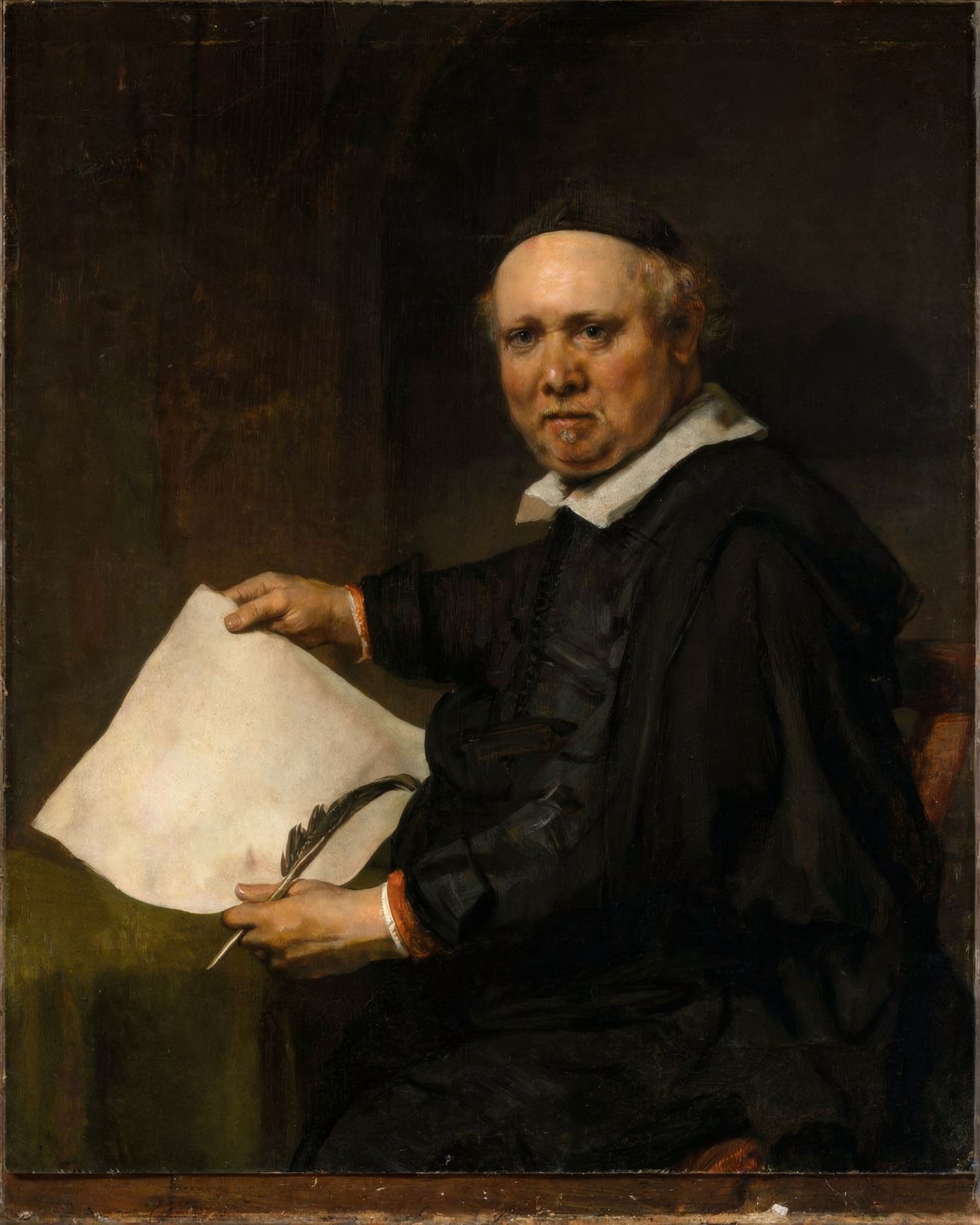
The Writing Master · Rembrandt (Rembrandt van Rijn) · date not stated in the current museum record · The Metropolitan Museum of Art
A writing subject may suggest a gift for a reader, teacher or someone who keeps a study. Let that real interest guide the choice. A large art book asks for a place to open it, so consider the recipient's table and habits as well as their taste in art. The edition page supplies the current format and purchase choices; inspect it before promising a particular personalised feature.
View the edition and sample pages · Explore this artwork
3. A portrait in the style of Rembrandt
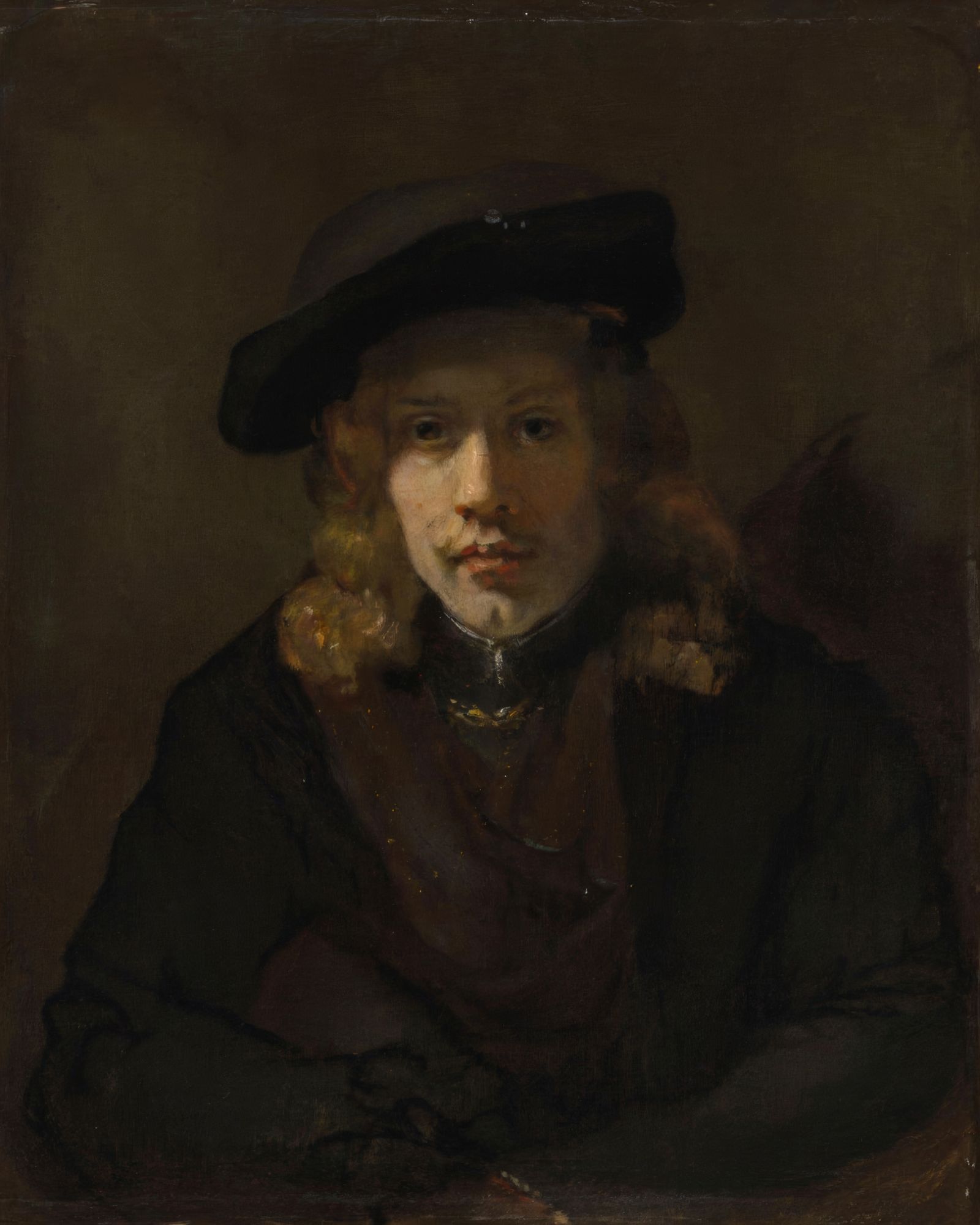
Man in a Beret · Style of Rembrandt · fourth quarter of the 17th century · The Metropolitan Museum of Art
The Metropolitan Museum attributes Man in a Beret to Style of Rembrandt. That makes it a useful prompt for reading labels carefully before choosing an artist monograph. The picture can be enjoyed on its own terms, while the book’s preview identifies its actual contents. Judge the page design and image scale in that preview rather than assuming the article’s comparison image guarantees a particular work in the volume.
Look inside the Rembrandt edition · Explore this artwork
4. Read the attribution, not just the famous name
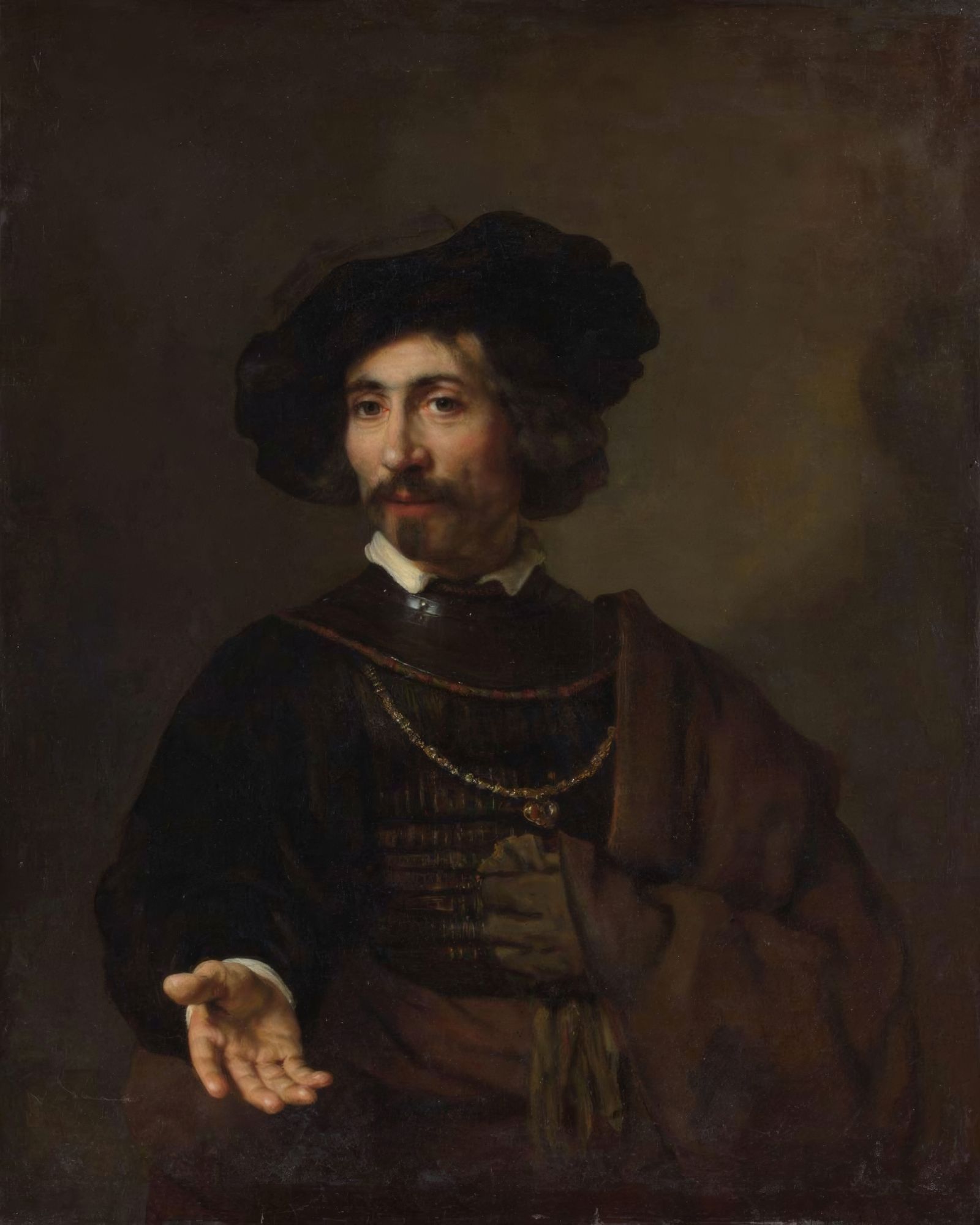
Man with a Steel Gorget · Style of Rembrandt · second or third quarter of the 17th century · The Metropolitan Museum of Art
The Metropolitan Museum attributes Man with a Steel Gorget to Style of Rembrandt, rather than Rembrandt himself. A careful art book keeps such distinctions visible. Fable’s edition description separately says Rembrandt and his workshop; inspect its contents and labels rather than assuming every related image in the shop belongs in the book. The famous name should help you begin looking, not replace the source information.
Read the edition description · Explore this artwork
5. Judge colour as part of the whole image
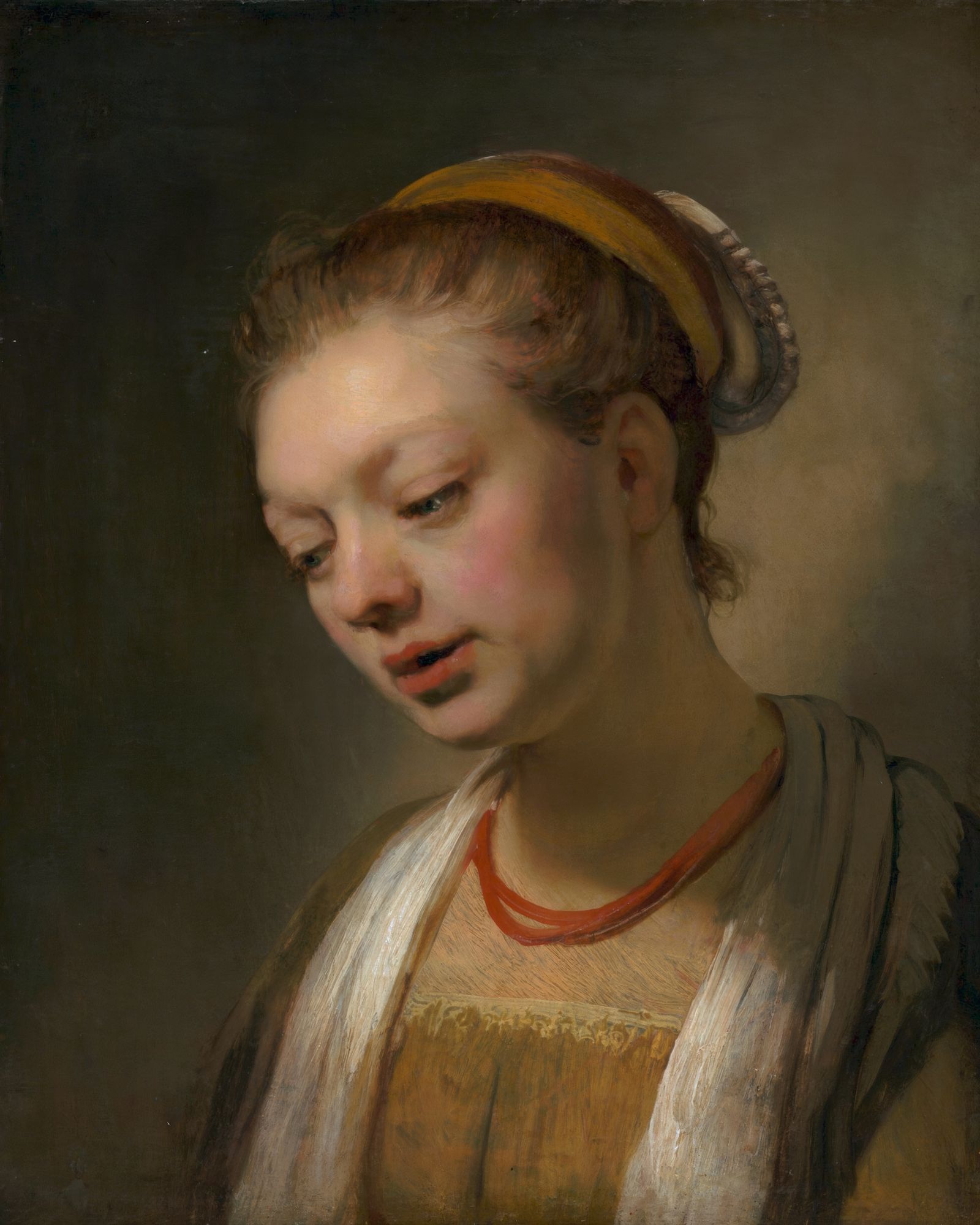
Young Woman with a Red Necklace · Rembrandt · ca. 1645 · The Metropolitan Museum of Art
A named red detail may catch the eye, but an art book has to make the complete picture satisfying. Compare the sample pages with the catalogue image and read the version descriptions. Avoid assuming that every Rembrandt-related image in the wider shop belongs in this book. The edition's own contents are the reference for the purchase, while these article pictures give you reasons to look more closely.
Inspect the book preview · Explore this artwork
6. Let the book suit a recurring interest
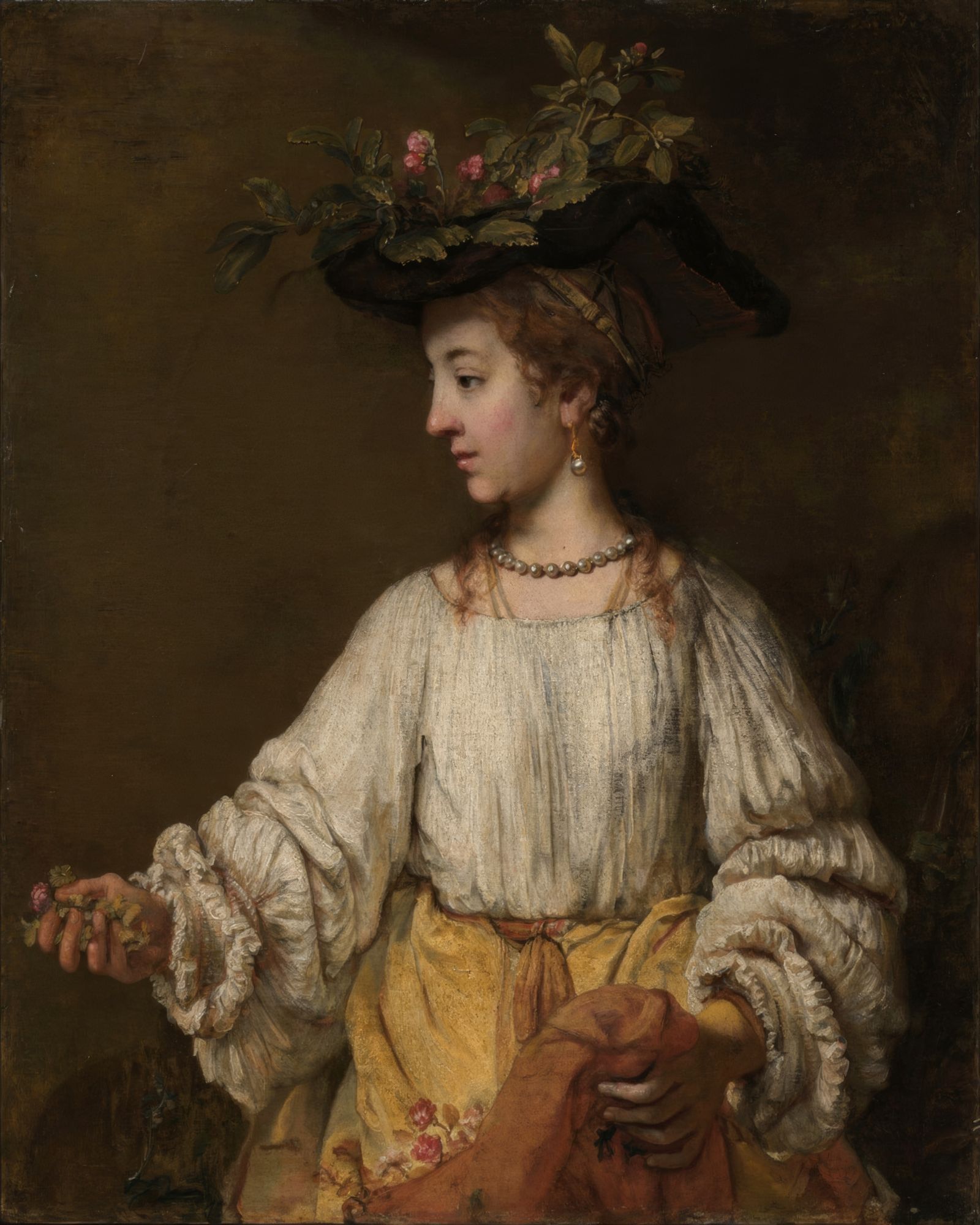
Flora · Rembrandt · ca. 1654 · The Metropolitan Museum of Art
Someone who enjoys portraits, historical dress or mythological subjects may find more to return to than a person chosen only because they “like art”. Flora illustrates one possible line of interest. Ask what the recipient already reads and collects. If their preference is for one particular painting rather than a broad sequence, a print may be the more fitting gift; the book should earn its place through use.
Explore the book’s contents · Explore this artwork
7. Consider the mood of the sequence
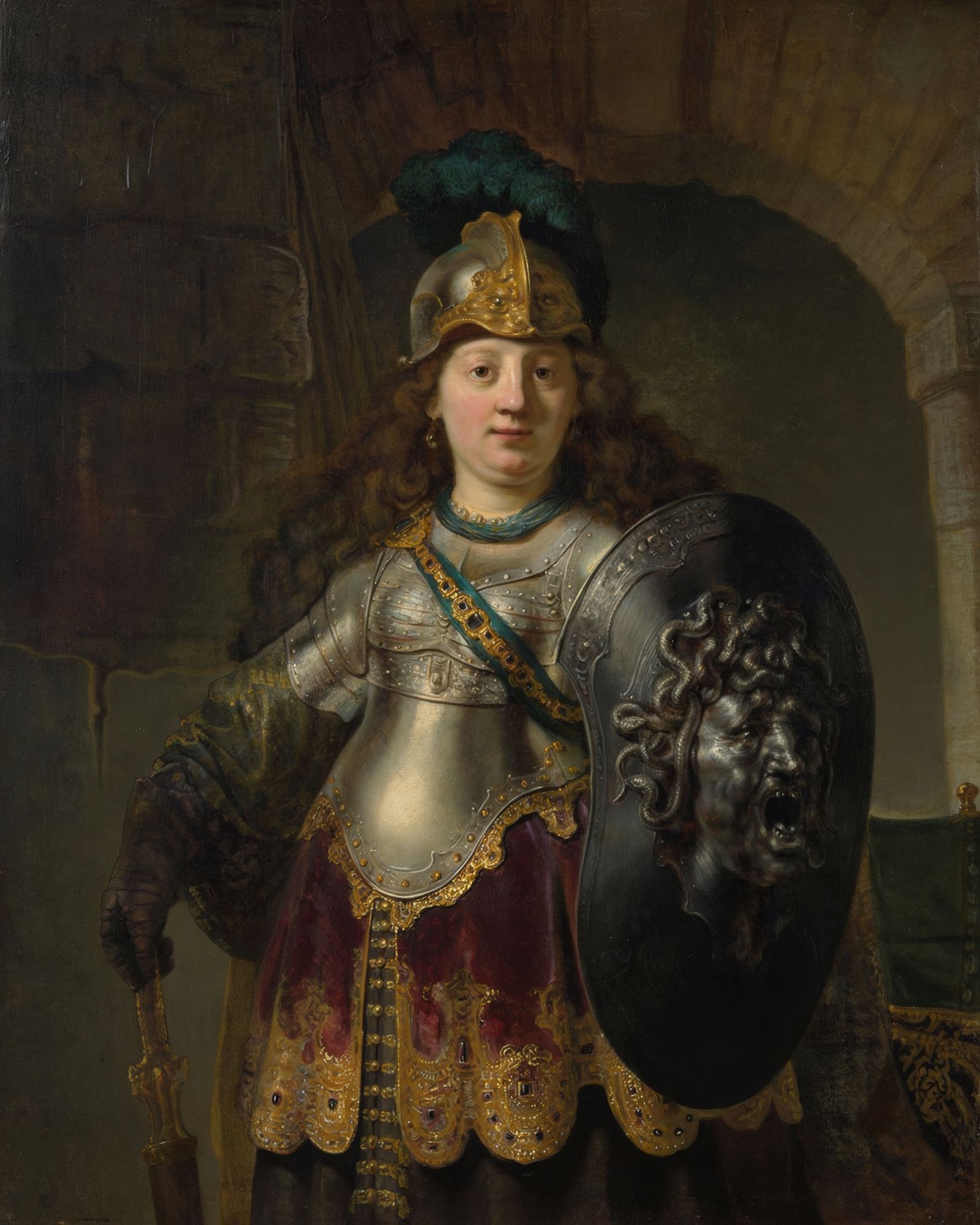
Bellona · Rembrandt · 1633 · The Metropolitan Museum of Art
A book can hold different kinds of figure without asking them to share one wall. That gives the reader freedom to spend longer with some images and pass quickly over others. Look through the edition's preview to see whether its subjects interest you as a sequence. Bellona is a catalogue illustration here, not a claim about a particular page number or guaranteed spread within the volume.
View the Rembrandt volume · Explore this artwork
8. Check whether you want portraits or a wider survey
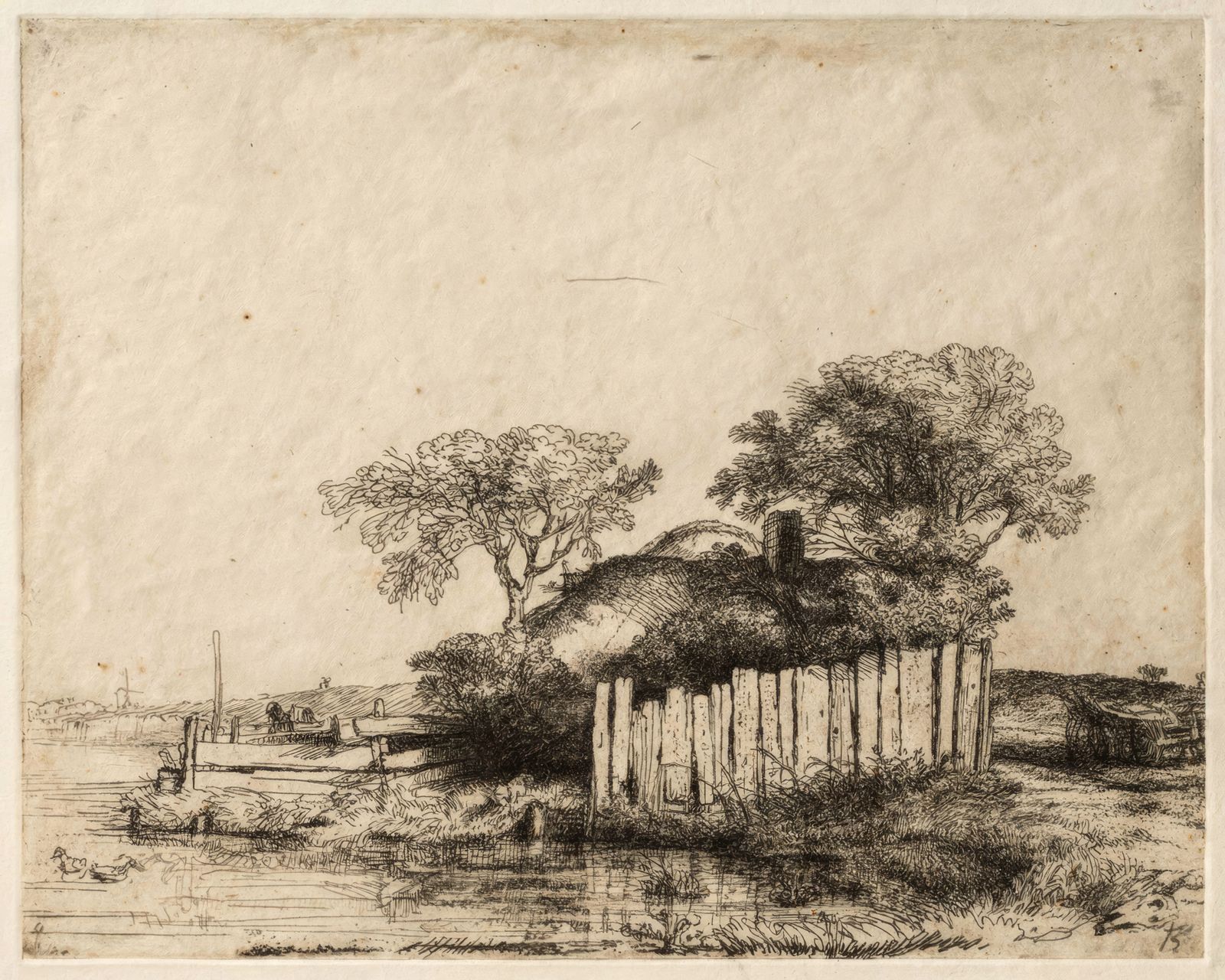
A Cottage with White Paling · Rembrandt van Rijn Dutch, 1606-1669 · 1648 · Art Institute of Chicago
A cottage print is a useful contrast to the portrait focus named in this edition's subtitle. If landscapes and etchings are your main interest, read the contents carefully rather than choosing a book from its artist's name alone. Rembrandt made different kinds of work, and a focused volume need not represent them all equally. Choose the book whose actual selection matches the time you want to spend with it.
Check the edition’s focus · Explore this artwork
9. Make the physical format practical
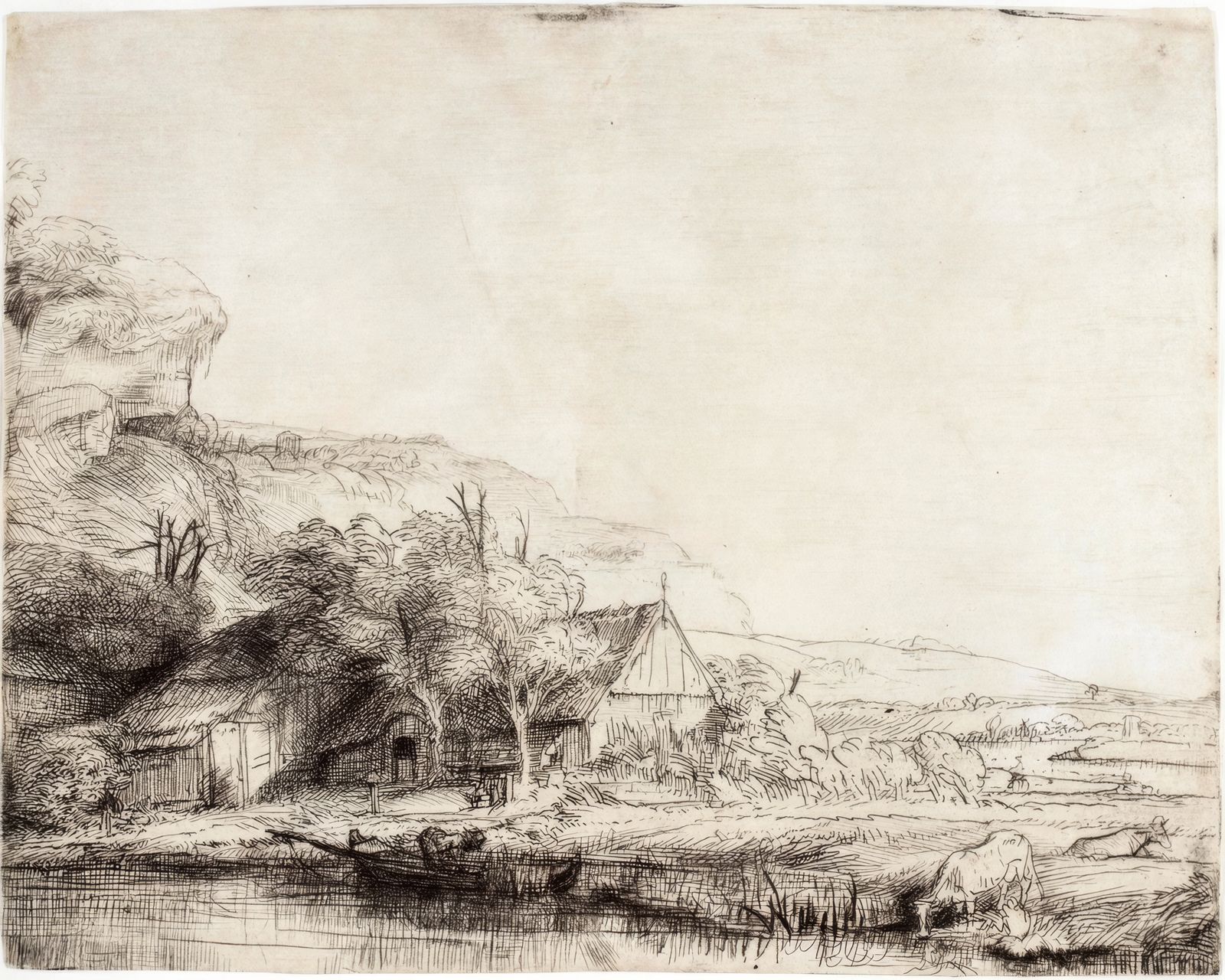
Landscape with a cow · Rembrandt van Rijn · ca.1650 · Victoria and Albert Museum
The current 29.4 cm square hardcover is a substantial object, so think about where it will be opened and stored. The format should suit the reader rather than function only as display furniture. Inspect the live edition page for the current specification before ordering. This landscape is included as a catalogue comparison; the book preview, not the article's illustrations, confirms the volume's actual page content.
Check the current book format · Explore this artwork
10. Choose a gift that leaves room for return visits
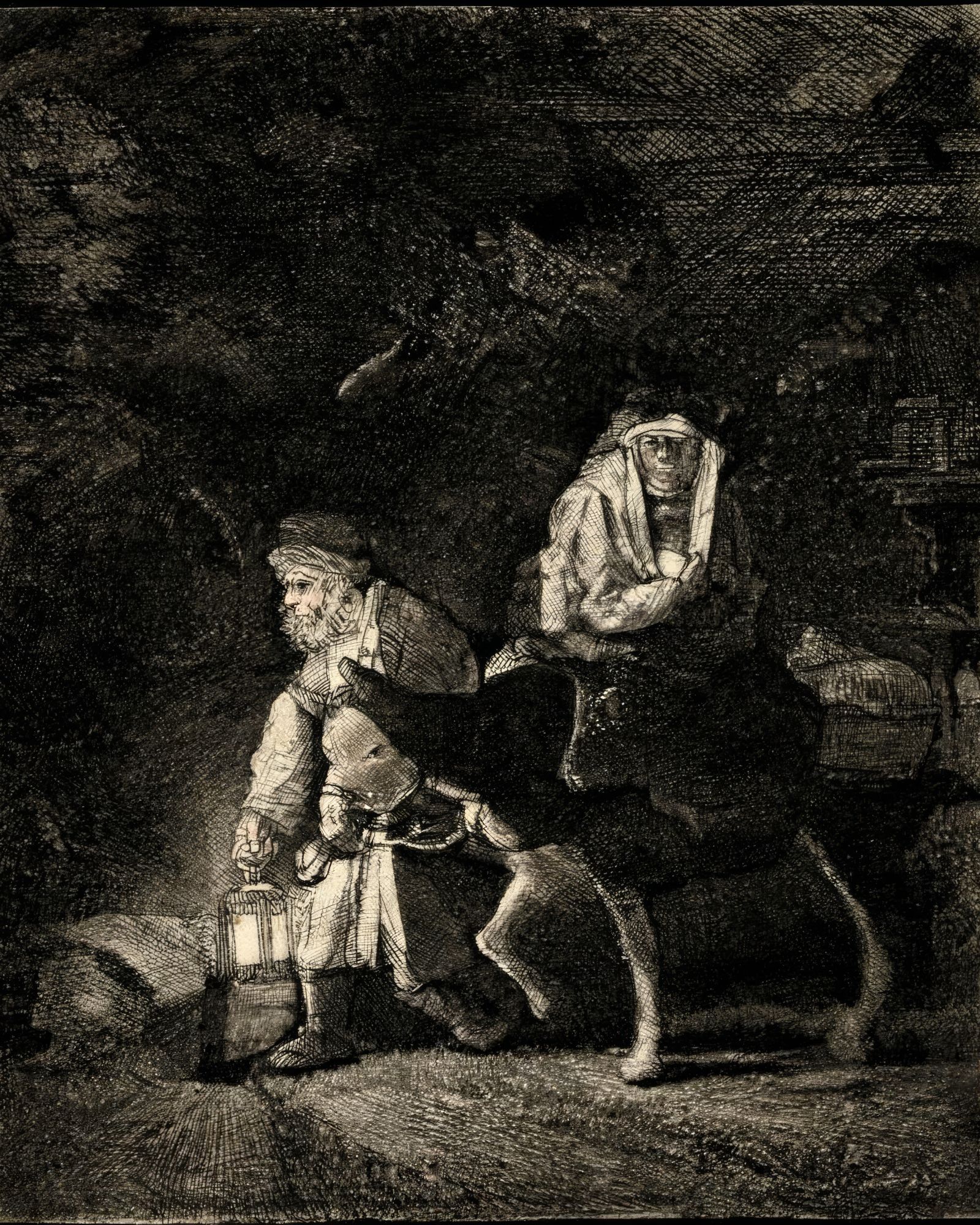
The Flight into Egypt: A Night Piece · van Rijn, Rembrandt Harmensz · 1650s · Smithsonian American Art Museum
A quieter image can be one reason a reader returns to a book after the first opening. The purchase is not simply a cover, but the prospect of spending time with the selection. If you add a dedication through the options offered, keep it personal and brief. Check the exact preview and order details before payment, including any current availability, rather than relying on a delivery assumption made in advance.
Choose the Rembrandt edition · Explore this artwork
Open Rembrandt: The Portraits to inspect its own sample pages, current contents and purchase options. The checked format is 100 pages in a square hardcover, while the live page remains the source for availability and prices. If you are buying for someone else, choose it because you know they will open it. A note about a conversation, a museum visit or a particular portrait can make the gift personal without adding an invented story about the volume. Let the book's actual sequence be the reason you keep returning.
Explore Rembrandt: The Portraits
- How many pages does the Rembrandt Fable Edition have?
- The checked site format specifies 100 pages in a 29.4 cm square hardcover. Confirm the current specification on the edition page before ordering. Prices and any available personalisation options are shown in the live purchase flow.
- Are all the illustrated works in this article in the book?
- This article uses catalogue works to discuss choosing a book. It is not a page-by-page contents list. Read the edition’s own description and sample pages to confirm the works and layouts included in the volume.
- Does the book contain only works attributed solely to Rembrandt?
- The catalogue description says Rembrandt and his workshop. Keep those attribution distinctions in mind and read the edition’s labels and preview. The famous name should not replace checking the actual contents.