Sentimental Christmas gifts, chosen with room for the recipient
Ten sentimental christmas gifts to consider gently, from a shared photograph to a place or companion that still matters.
The care behind sentimental christmas gifts lies partly in knowing when to choose and when to ask. A portrait of a happy family occasion may be welcome as a surprise. A picture connected with grief, a changed relationship or a home someone had to leave may need a conversation first. The same image can mean different things to different people.
The historical references below suggest ten subjects, without assuming that any one is the right present. Some lead to portraits and others to a historical print or card. Let the recipient choose the photograph and timing when the subject is sensitive. There is no requirement to turn every important memory into an object, and no reason for a Christmas gift to demand a particular emotional response.
1. The photograph everyone returns to
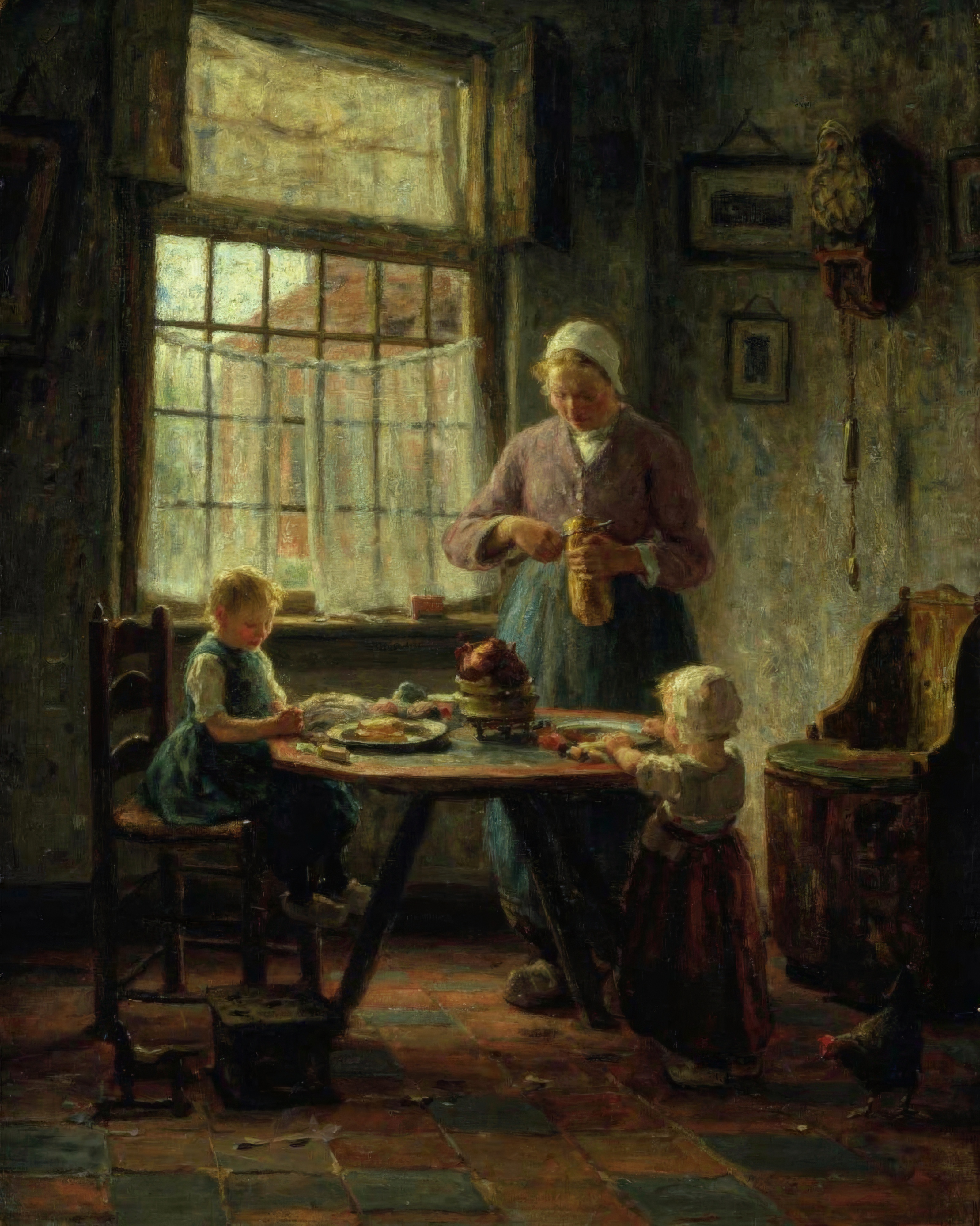
A Family Meal · Evert Pieters · 1890s (?) · Art Institute of Chicago
A familiar family photograph can be a good subject because its meaning is already shared. Ask which image people actually like instead of choosing the most formal one automatically. If a new portrait is welcome, review the group-photo guidance before beginning. Keep the gift note specific to the occasion in the photograph rather than asking the portrait to stand for every year of family life.
Explore a family portrait · Explore this artwork
2. A marriage remembered through an ordinary day
The Morning Walk (Mr and Mrs William Hallett) · Thomas Gainsborough · 1785 · National Gallery, London
A couple portrait can recognise the routines that make a long relationship particular. Choose the photograph for a shared day, not because it matches somebody else’s idea of romance. If the gift is for another couple, let them choose the source image. A picture of companionship should be equally comfortable for both people to receive and live with.
Explore a walking couple portrait · Explore this artwork
3. The old wedding photograph
Wedded · Frederic Leighton · 1882 · Art Gallery of New South Wales, Sydney
An older wedding photograph can be meaningful, but make sure it represents a memory the recipient welcomes. Do not assume every wedding image remains a simple subject for everyone in the family. If the idea is right, choose a clear source and preserve the story of who is represented. The historical reference introduces a style, not a claim about the outcome of restoring an old photograph.
Consider a wedding-memory portrait · Explore this artwork
4. A parent remembered in their own way
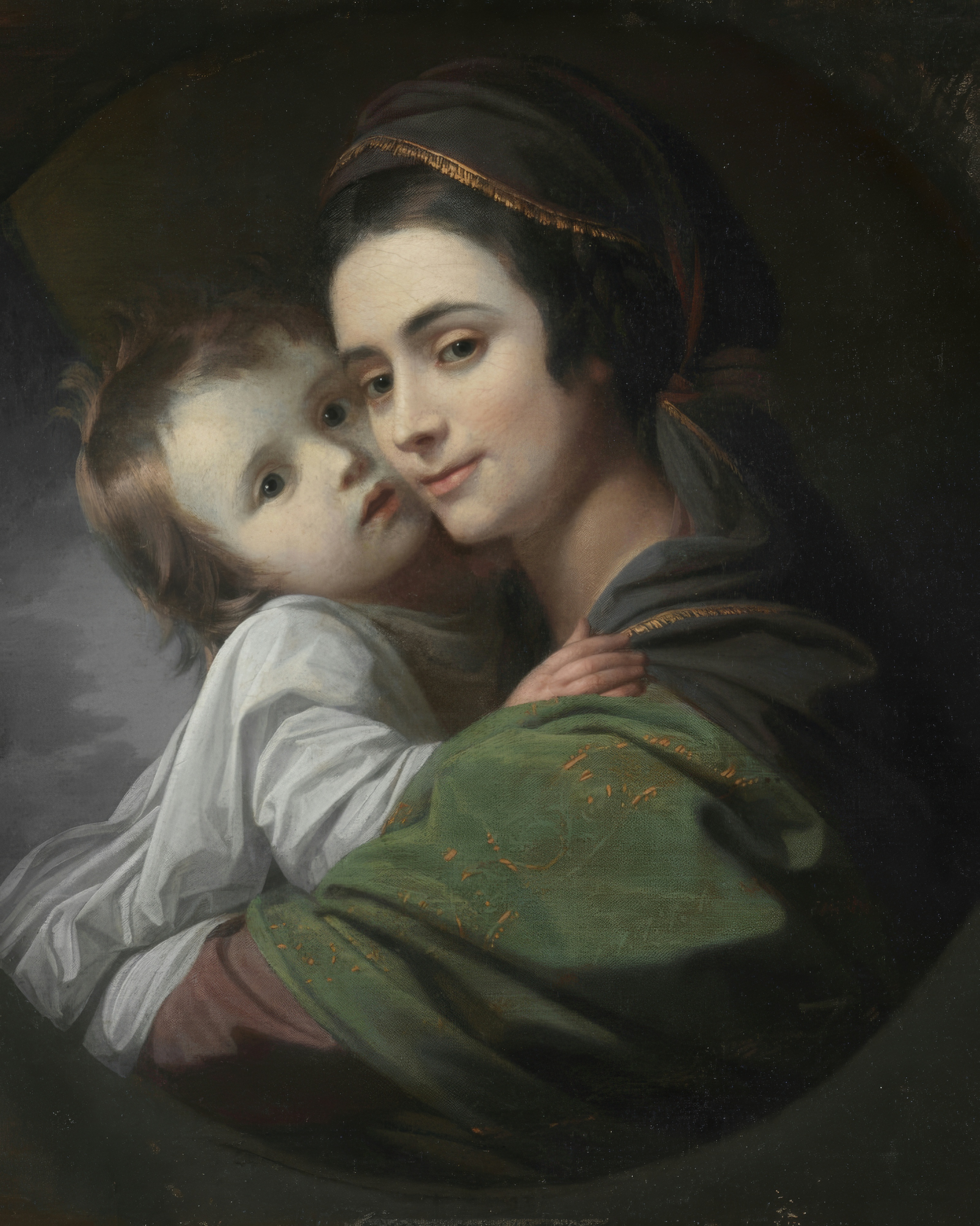
Elizabeth Shewell West and Her Son, Raphael · Benjamin West · c. 1770 · Cleveland Museum of Art
When remembering a parent, ask for the photograph that feels most like the person rather than the most ceremonial one. A portrait can be considered when the recipient wants it, with no need to finish the decision by Christmas. Leave space to wait or decline. A simple offer of help choosing a photograph may be the most useful part of the gesture.
Explore a portrait when it feels right · Explore this artwork
5. A beloved dog, with the owner choosing the moment
'Fanny', a Favourite Dog · James Ward · 1822 · Sir John Soane's Museum, London
For a remembered pet, let the owner decide whether a portrait would be comforting. They may prefer a photograph from the animal’s most active years or a quiet image from later life. Neither choice needs explanation. Keep the gift private and gentle, and avoid presenting it as a way to resolve grief or as something the recipient ought to display.
Consider a dog portrait · Explore this artwork
6. A cat whose place is still felt
Kitten Lying Down · Henriëtte Ronner-Knip · 1896
A familiar resting image can be a meaningful subject for a cat portrait if the owner welcomes the idea. Ask before creating a surprise connected with loss. The historical work here is a reference, not a memorial image of the recipient’s animal. The actual photograph, the timing and the decision to proceed all belong with the person who knew the cat.
Explore cat portrait choices · Explore this artwork
7. The house that holds a family story
The Cottage (Stugan). From A Home · Carl Larsson · 1899 · Nationalmuseum, Stockholm
A house portrait can recall a place without asking people to pose. Choose the view and period that matter to the recipient: a childhood entrance, a garden before it changed, a familiar everyday approach. If leaving the home was painful, talk first. The place may be important without being a subject they want to see framed at Christmas.
Explore this portrait style · Explore this artwork
8. A grandparent and a child together
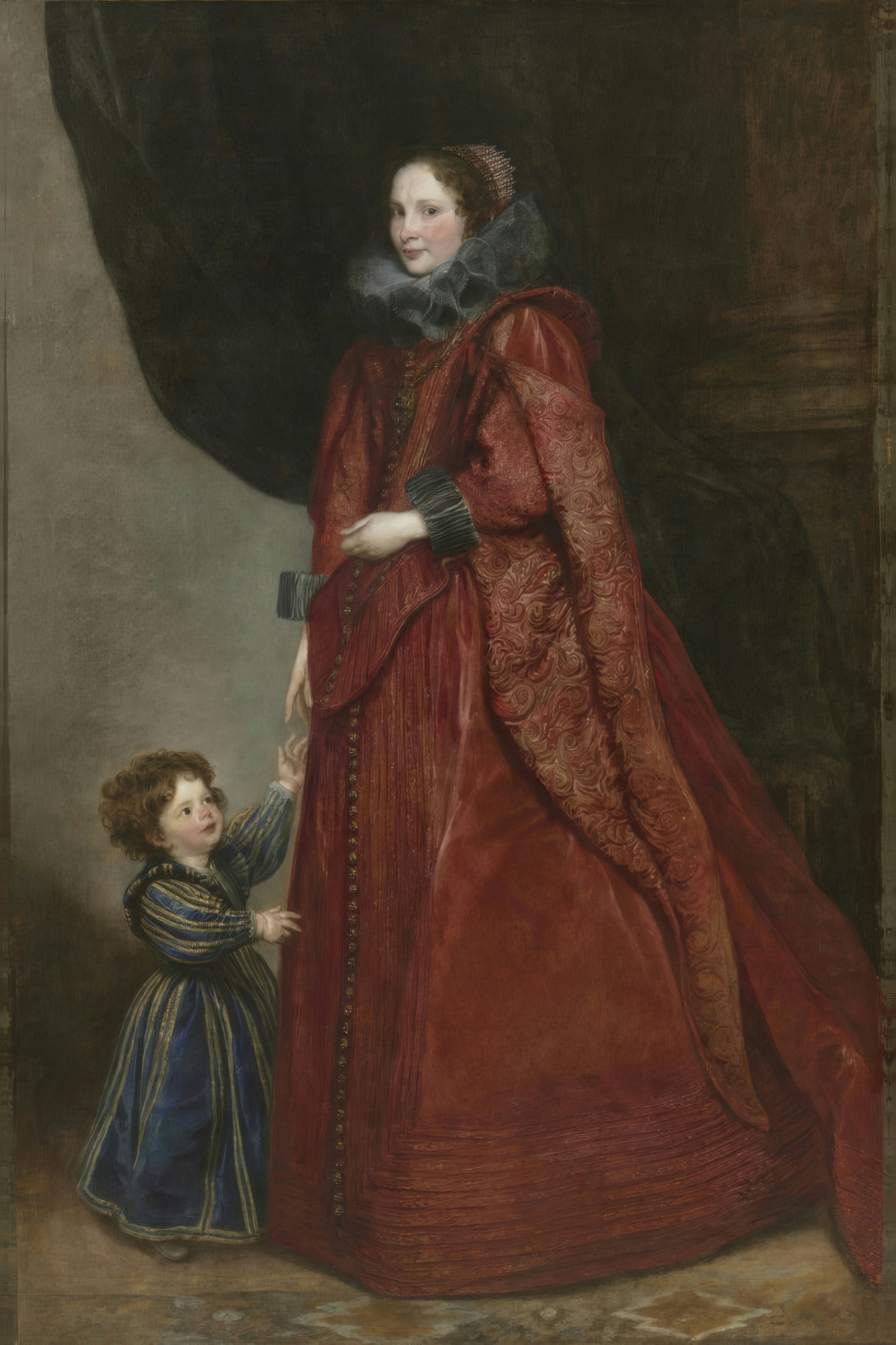
A Genoese Lady with Her Child · Anthony van Dyck · c. 1623–25 · Cleveland Museum of Art
A shared photograph can mark a relationship across generations without needing a large family group. Check that the people represented are comfortable with the gift and that the source image gives both faces enough clarity. Let the accompanying words name the actual relationship or memory. The historical work suggests a portrait subject; it should not be used to invent a family story.
Consider an intergenerational portrait · Explore this artwork
9. A card instead of a larger object
Between Christmas and New Year (A Home) · Carl Larsson · 1899 · Nationalmuseum, Stockholm
When a substantial present feels too much, a card and a sincere message may be more welcome. Choose an artwork suited to the recipient and write a specific sentence of affection or support. You do not need to promise that next year will be happier. Acknowledging the person and leaving room for their experience can be enough.
Choose a thoughtful art card · Explore this artwork
10. A landscape connected with a good conversation
A Cottage and a Hayrick by a River · Jacob van Ruisdael · about 1646–1650 · National Gallery, London
A historical print can be sentimental through the reason you choose it, even when it is not personalised. It might connect with a journey, a landscape the recipient loves or a conversation you remember. Describe that connection honestly in the note. The artwork does not need to depict their actual house or view to carry a considered personal meaning.
If one of these subjects feels right, follow its link and take the choice at the recipient’s pace. Bring a clear photograph when creating a portrait, and review the current product options before making a purchase. If the memory is sensitive, ask first and leave room for a different answer. A thoughtful Christmas gesture can be an offer, a conversation or a few words as readily as a finished picture.