Unique Christmas gifts that start with a particular person
Ten unique Christmas gifts to choose for a real interest, a remembered place or a photograph nobody else would have selected.
Searching for unique Christmas gifts can produce a long collection of novelties. A more useful definition of unique is specific: something chosen closely enough for this person that it would not make sense for everyone else. That could be a portrait of a dog, a historical print connected to a shared trip, or an art book by the painter they stop to look at.
The works below are historical references for ten different approaches. Some become starting points for a new portrait; others are worth choosing as prints in their own right. Follow the individual action into the relevant flow, then check its current options. The aim is not to make the most unusual object in the room, but to give a gift whose reason is easy to understand.
1. The dog with a serious portrait of its own
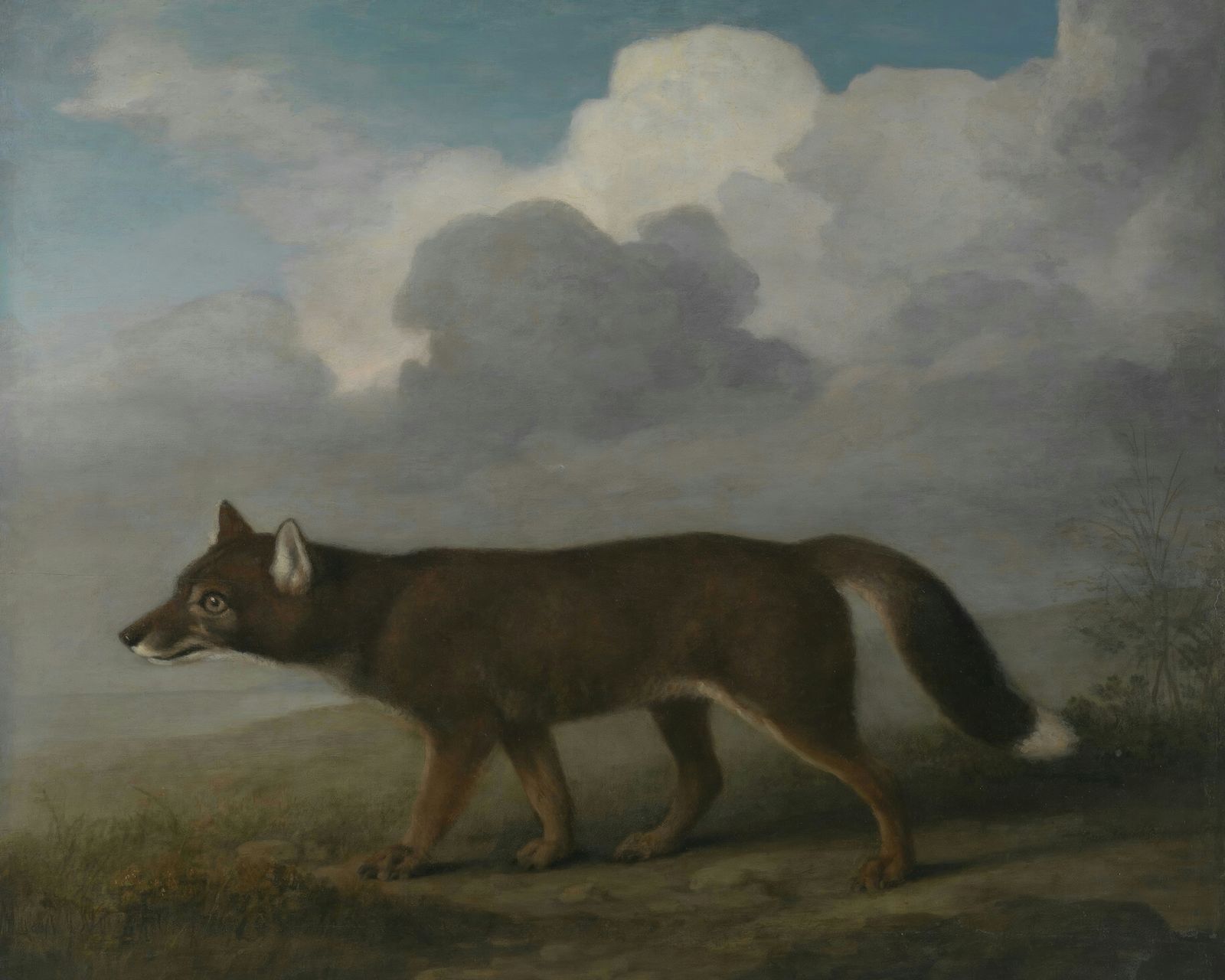
Portrait of a Large Dog · George Stubbs · 1772 · National Maritime Museum, Greenwich
An animal portrait can be distinctive precisely because it avoids novelty. Choose the real dog’s expression, markings and posture as the subject. Ask for a clear photograph from the owner if you need one, and keep the animal naturally posed. A good gift recognises the place the dog already has in the recipient’s life, without inventing a human role for it.
Create an individual dog portrait · Explore this artwork
2. A shared memory in a romantic style
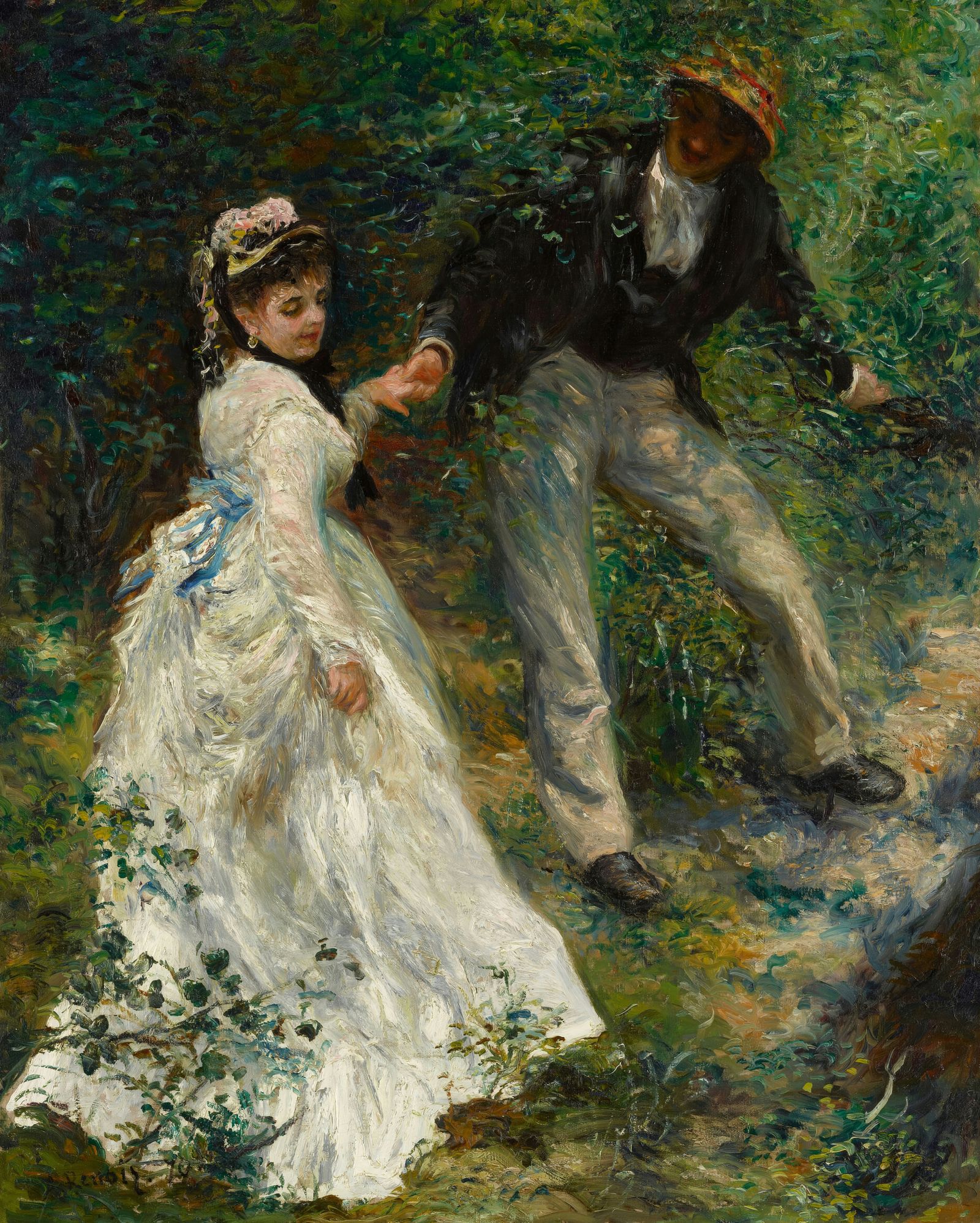
La Promenade · Pierre-Auguste Renoir · 1870 · J. Paul Getty Museum, Los Angeles
A couple photograph becomes a more particular gift when you know why that day mattered. Use a historical reference to choose the mood, then attach the actual memory in a few plain words. If buying for friends, invite them to choose their source photo; the image they like best may be quite different from the one you would have selected.
Create a shared-memory portrait · Explore this artwork
3. The house before everyone moved away
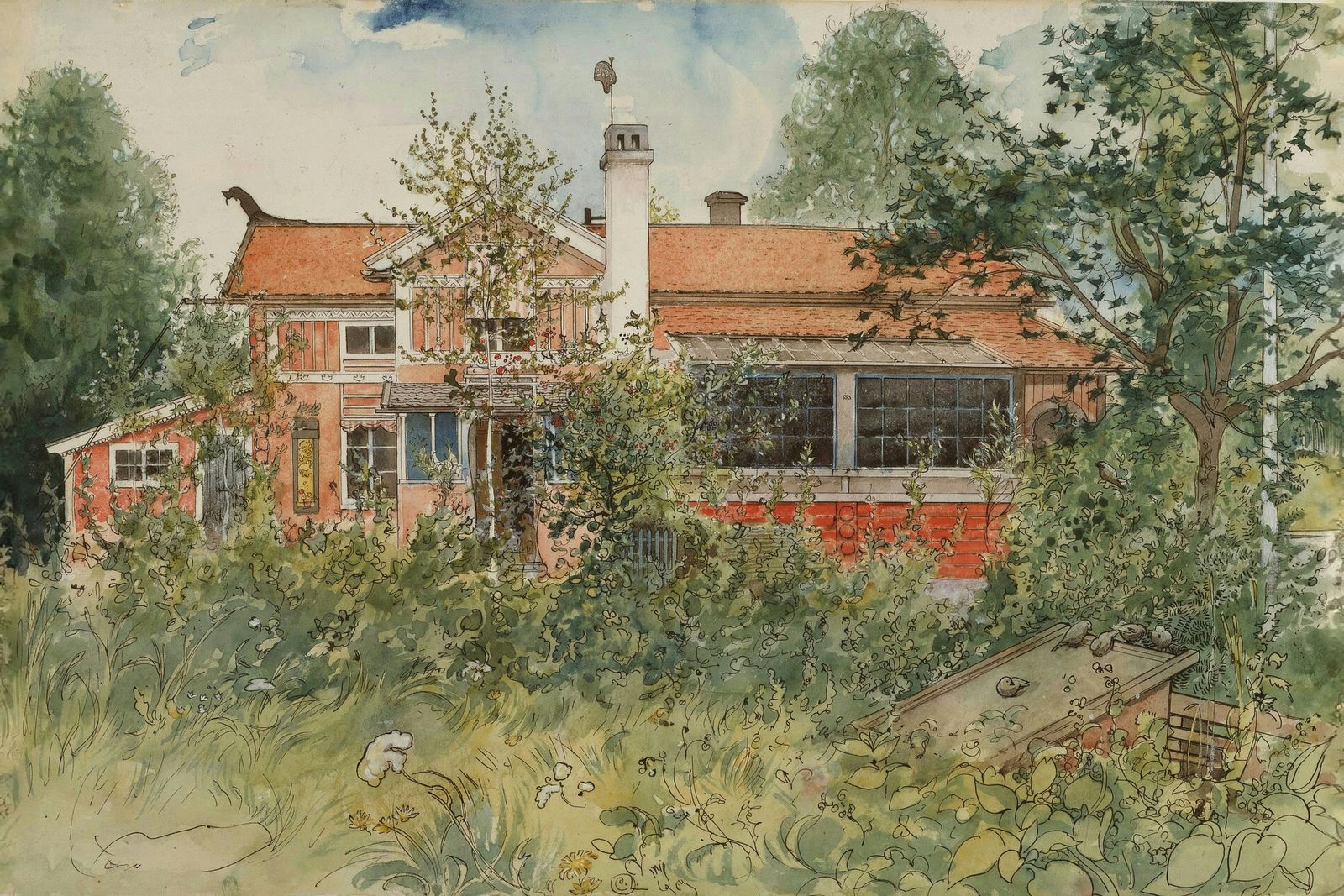
The Cottage (Stugan). From A Home · Carl Larsson · 1899 · Nationalmuseum, Stockholm
A house portrait can gather a family story without showing a single face. Look for a photograph from the period that matters to the recipient, including recognisable features around the entrance or garden. Do not improve the house into an anonymous grand residence. Its meaning lies in being the particular place they remember, with its own modest proportions.
Explore this portrait style · Explore this artwork
4. A celestial print with a real artwork behind it
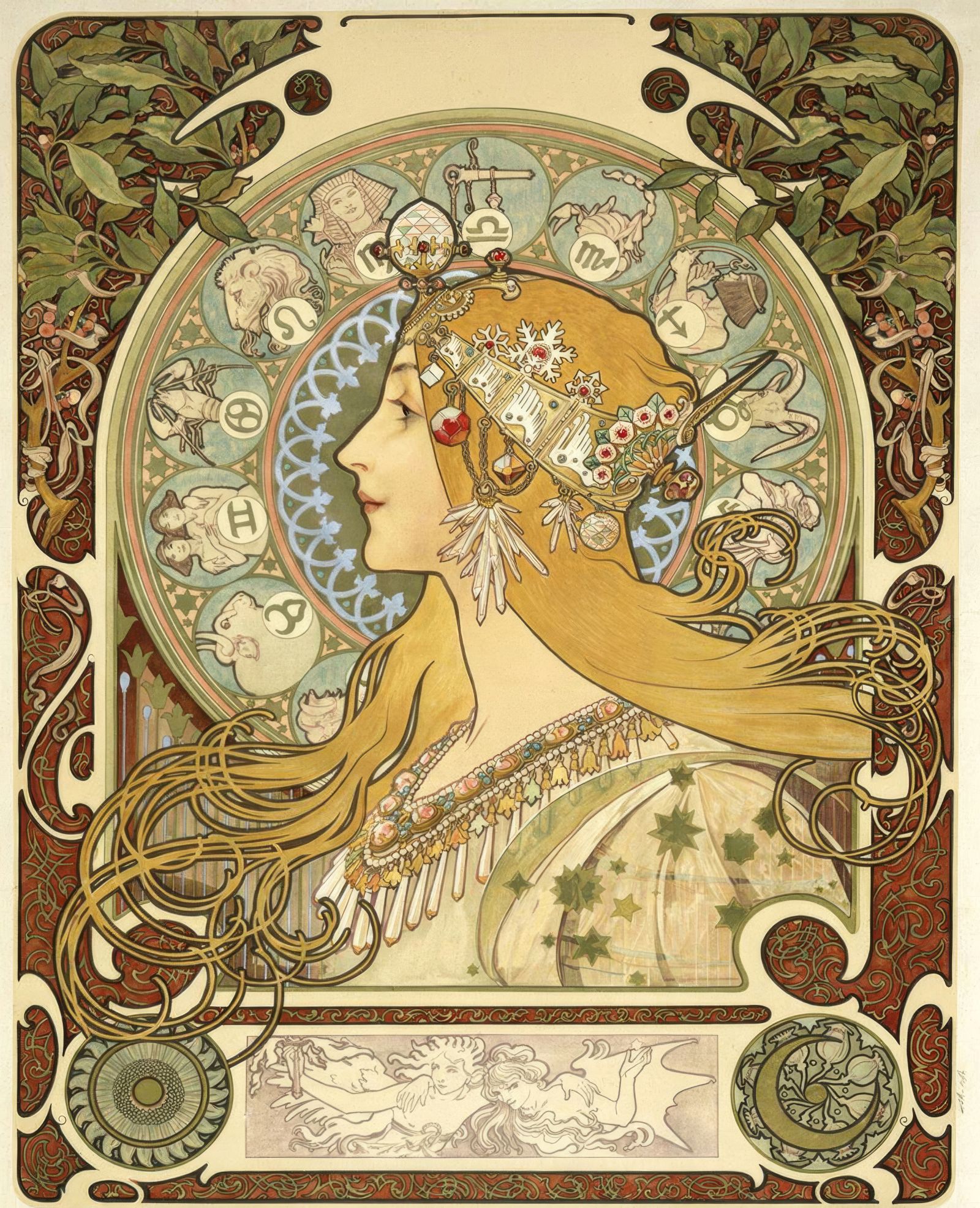
Zodiac · Mucha · 1896 · Victoria and Albert Museum
For someone interested in stars and symbolism, a historical celestial artwork offers more substance than a generic star-sign motif. Choose the print for its design and subject, then explain why it reminded you of them. Astrology can also be approached through Fable’s reading flow as symbolic reflection; neither the picture nor a reading should be presented as a prediction.
5. A reading offered as reflective time
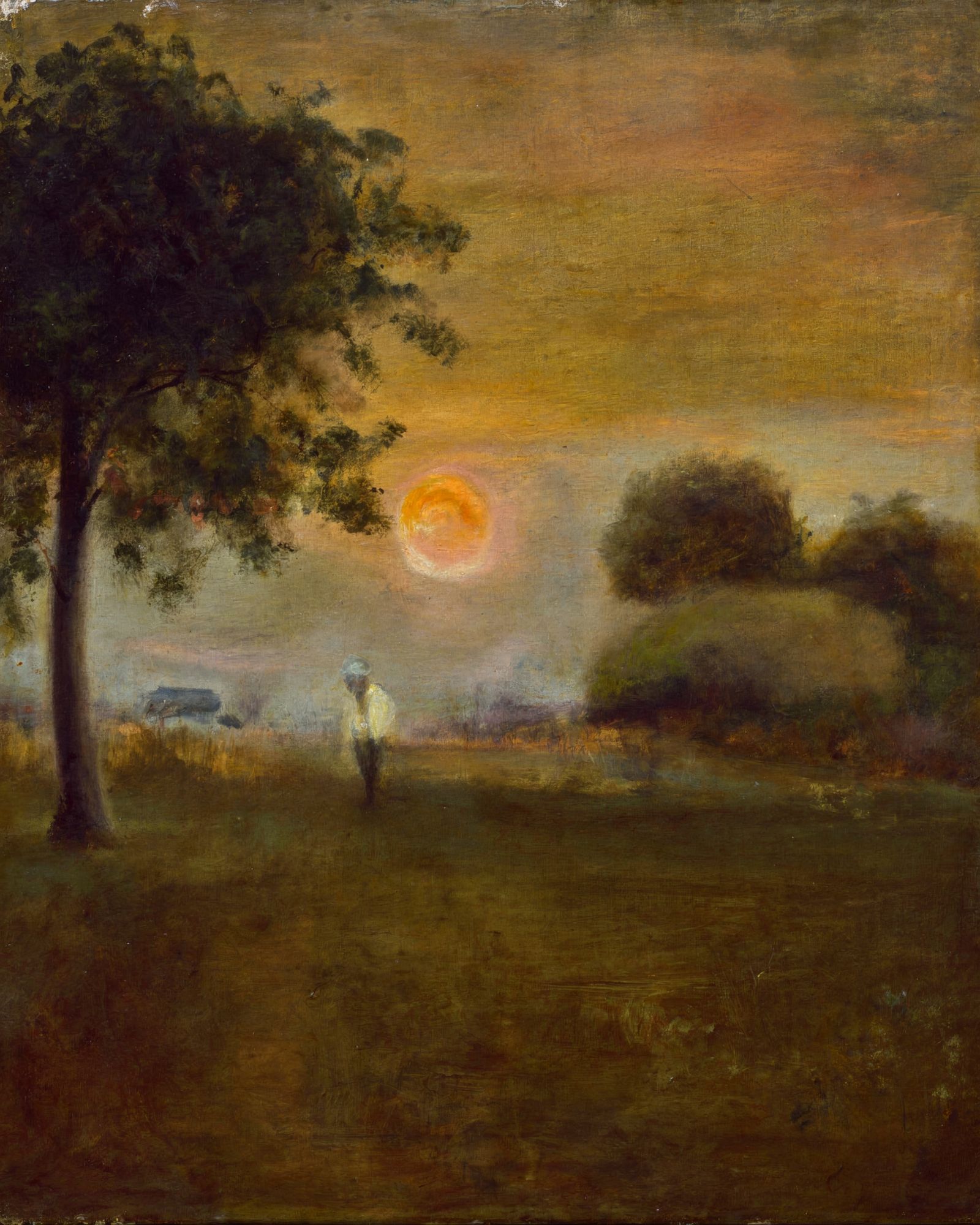
Moonrise · George Inness · 1891 · Art Institute of Chicago
A reading can be a Christmas invitation to pause and reflect, especially for someone who already enjoys symbolic traditions. Use the actual reading page to understand the experience and current portrait choices. The historical emblem here introduces a celestial theme; it is not an illustration of a specific recipient’s chart or a promise about what their reading will say.
Explore an astrology reading · Explore this artwork
6. A woven place for the household companion
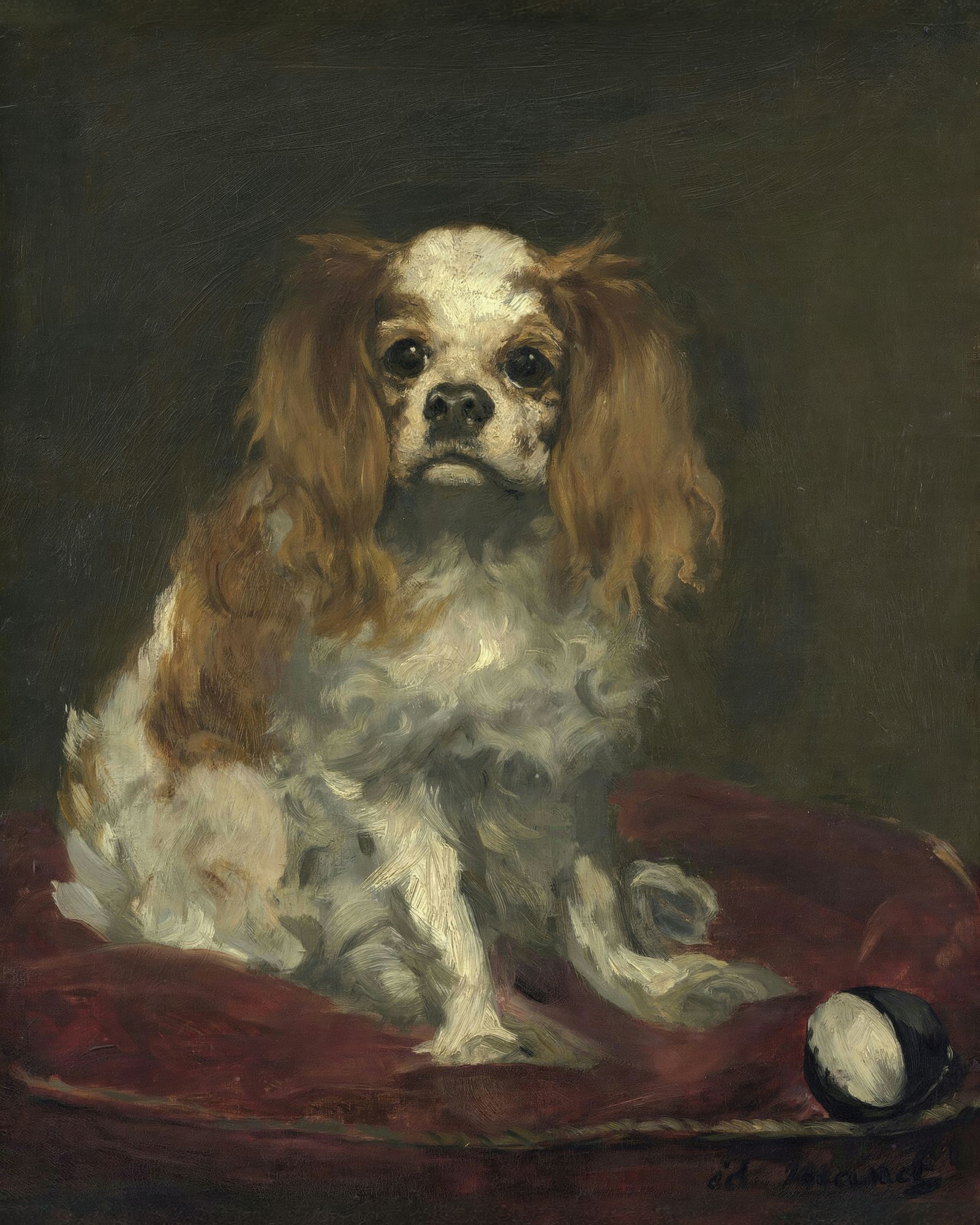
A King Charles Spaniel · Édouard Manet · c. 1866 · National Gallery of Art, Washington
A pet cushion combines a familiar subject with an object the recipient can use. Fable Home cushions are 43 × 46 cm, woven on both sides in a cotton and polyester blend. Choose one pet per cushion, optionally with a companion photo. The historical image is a reference for the animal subject, not a photograph of a delivered textile.
Create a pet cushion · Explore this artwork
7. A new family emblem

The Accolade · Edmund Blair Leighton · 1901 · Private collection
A crest or monogram can suit someone who enjoys symbols and family storytelling. Give the design a clear contemporary meaning: an animal, a place or a shared value chosen by the family. It remains a decorative emblem, not an official grant of arms. Presenting it honestly makes the design more interesting than borrowing an unsupported story about hereditary nobility.
Design a decorative emblem · Explore this artwork
8. A book chosen around the way someone looks at faces
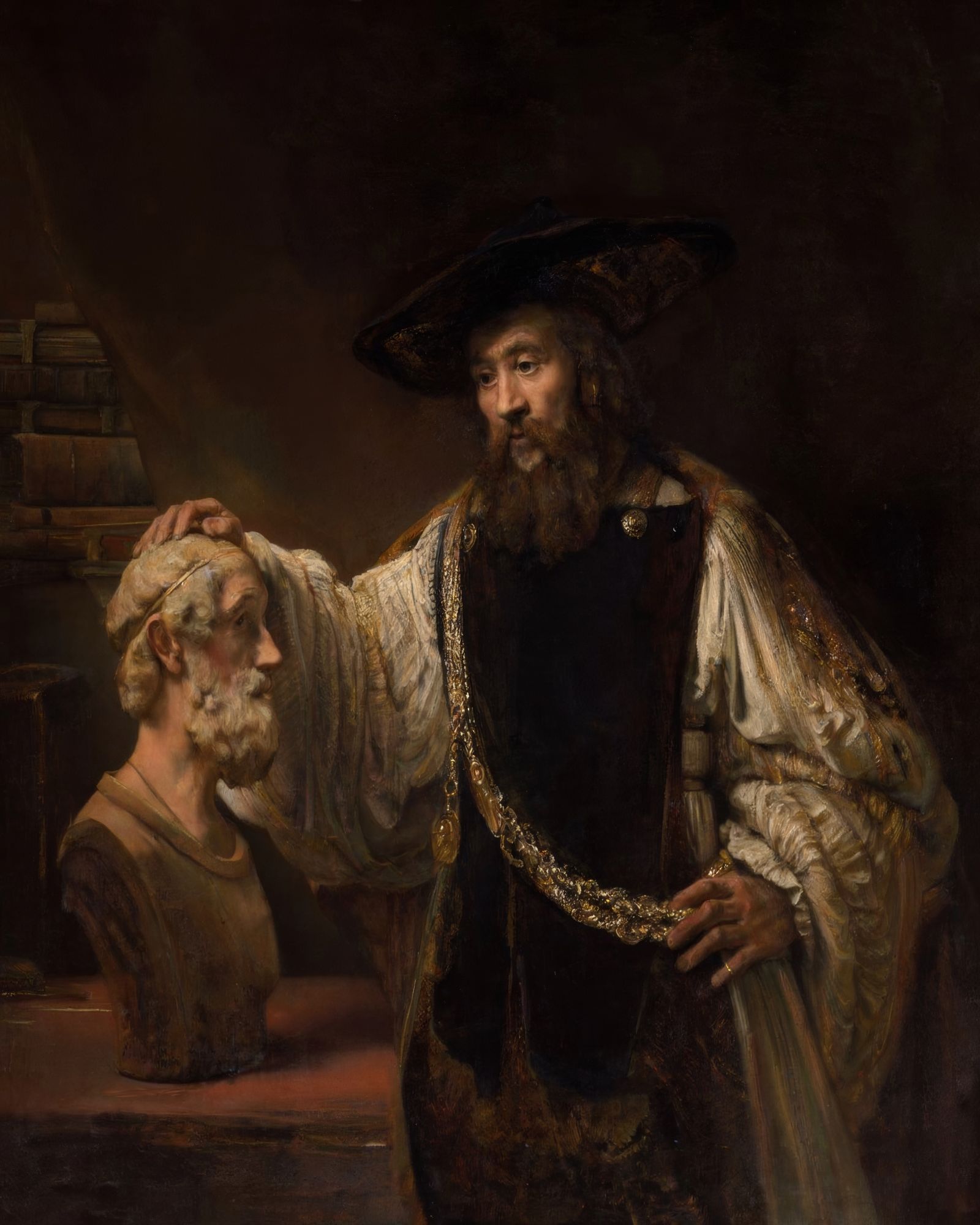
Aristotle with a Bust of Homer · Rembrandt · 1653 · The Metropolitan Museum of Art
For a recipient who studies people in pictures, choose a portrait-focused art book rather than a general decorative volume. Browse the Rembrandt edition’s sample material and current ordering options. A note about one face or group in the work can give them a starting point for looking. You are giving a sequence to spend time with, not merely a cover for a table.
See the Rembrandt edition · Explore this artwork
9. A card with an artwork they would keep
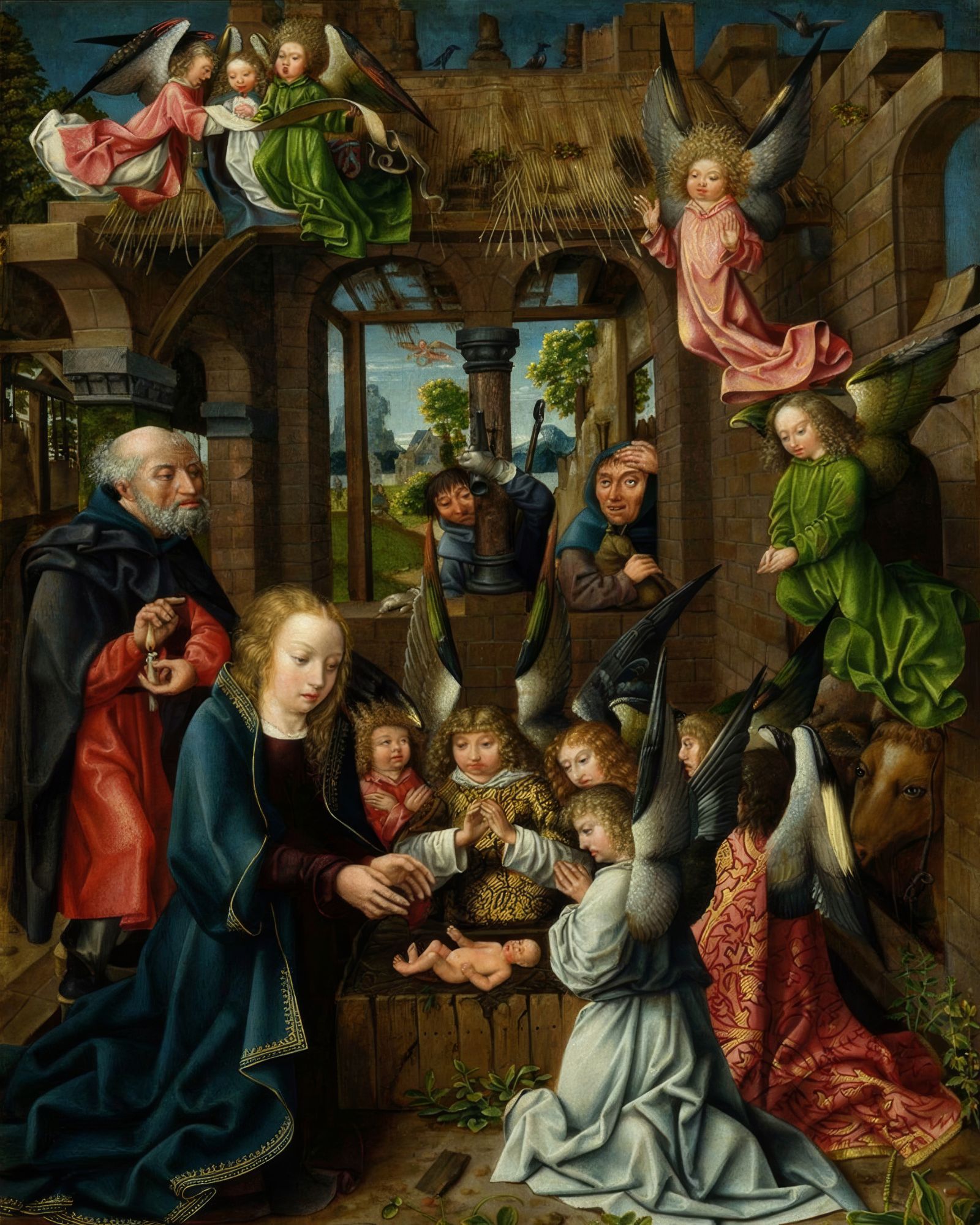
The Adoration of the Christ Child · Master of Frankfurt · possibly 1496–1502 · The Metropolitan Museum of Art
A card can be the entire gift when the image and words are chosen with care. Pick a subject appropriate to the recipient’s beliefs and tastes, then write a message that belongs to them. The card creation page shows current choices; do not assume that every historical artwork illustrated in a story is available in every card format.
Choose an artwork Christmas card · Explore this artwork
10. A landscape tied to a real conversation
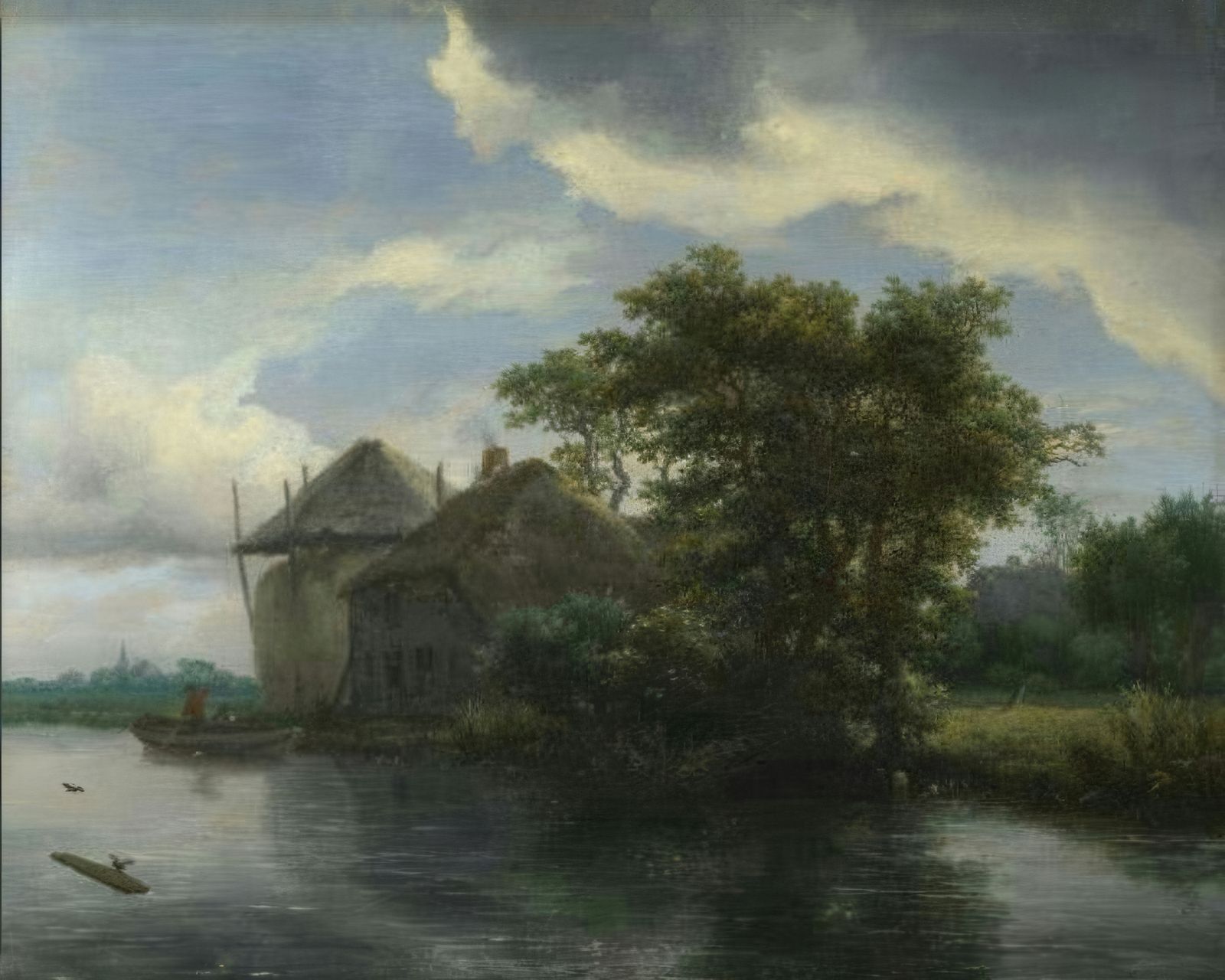
A Cottage and a Hayrick by a River · Jacob van Ruisdael · about 1646–1650 · National Gallery, London
If the recipient spoke about a place, a journey or a landscape they loved, that conversation can guide your print choice. Choose the historical work as itself rather than presenting it as their actual view. A short note explaining the connection gives the reproduction its personal reason, while the artwork page supplies the current shopping choices.
The useful next step is to choose one recipient and one reason for the gift. Then follow the relevant item directly into creation or shopping. Fable’s Christmas page can help compare the broader choices, but there is no need to browse indefinitely once you have found a subject that fits. A clear source photograph and a specific memory usually contribute more than another layer of decoration.
Choose your Christmas portrait
- How do I find unusual Christmas gifts without buying a novelty?
- Begin with something particular about the recipient: a pet, a place, an artist or a shared experience. Then choose a format that suits their home and habits. The result can be distinctive without depending on a joke or an object they would never choose themselves.
- Is a personalised gift always more thoughtful?
- No. A historical print selected for someone’s taste can be more thoughtful than a customised object in a style they dislike. Personal attention is the useful part. Customisation is one possible way to express it, rather than a requirement.
- Can I give an astrology reading as a prediction?
- No. Fable treats astrology and tarot as symbolic traditions for reflection, not as reliable predictions or substitutes for practical advice. Use the reading flow to understand the experience before giving it, and respect whether the recipient enjoys that kind of reflection.
- What if I cannot choose the final picture?
- Give a clear invitation to select it together. Bring the source photograph or explain the subject you had in mind, then let the recipient choose the reference and presentation. Leaving that decision open can show more care than making every choice in secret.