Colorize old photo: choosing a portrait rather than a promise
colorize old photo: choosing a portrait rather than a promise.
A colorize old photo search can mean two different things: wanting a historically faithful colour record, or wanting to see a familiar face in a new portrait. Fable's upload route is for exploring a portrait from your photograph. It should not be treated as evidence of the original colours of clothes, eyes or a room. A black-and-white image does not contain every answer. The historical works here offer ten ways to think about a new portrait while keeping the source photograph, its uncertainties and the person it records intact.
1. Keep the black-and-white original
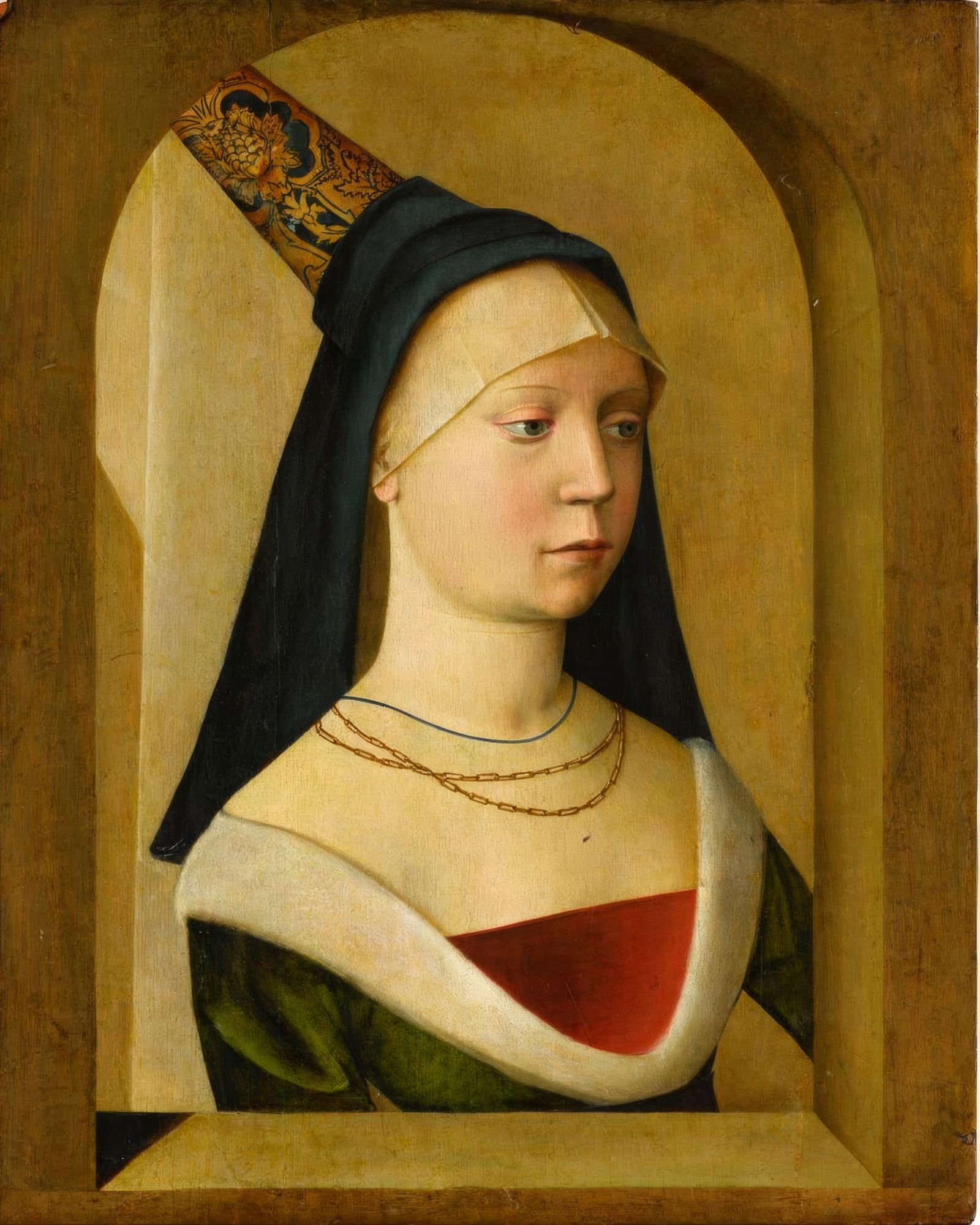
Portrait of a Woman · Netherlandish or French · ca. 1470–80 · The Metropolitan Museum of Art
Before doing anything else, save an untouched copy of the photograph or scan. Give the working file a different name so it cannot replace the family record accidentally. A new portrait can sit beside the original, allowing viewers to distinguish the surviving photograph from a contemporary interpretation made from it.
Explore your portrait · Explore this artwork
2. Begin with the best available copy
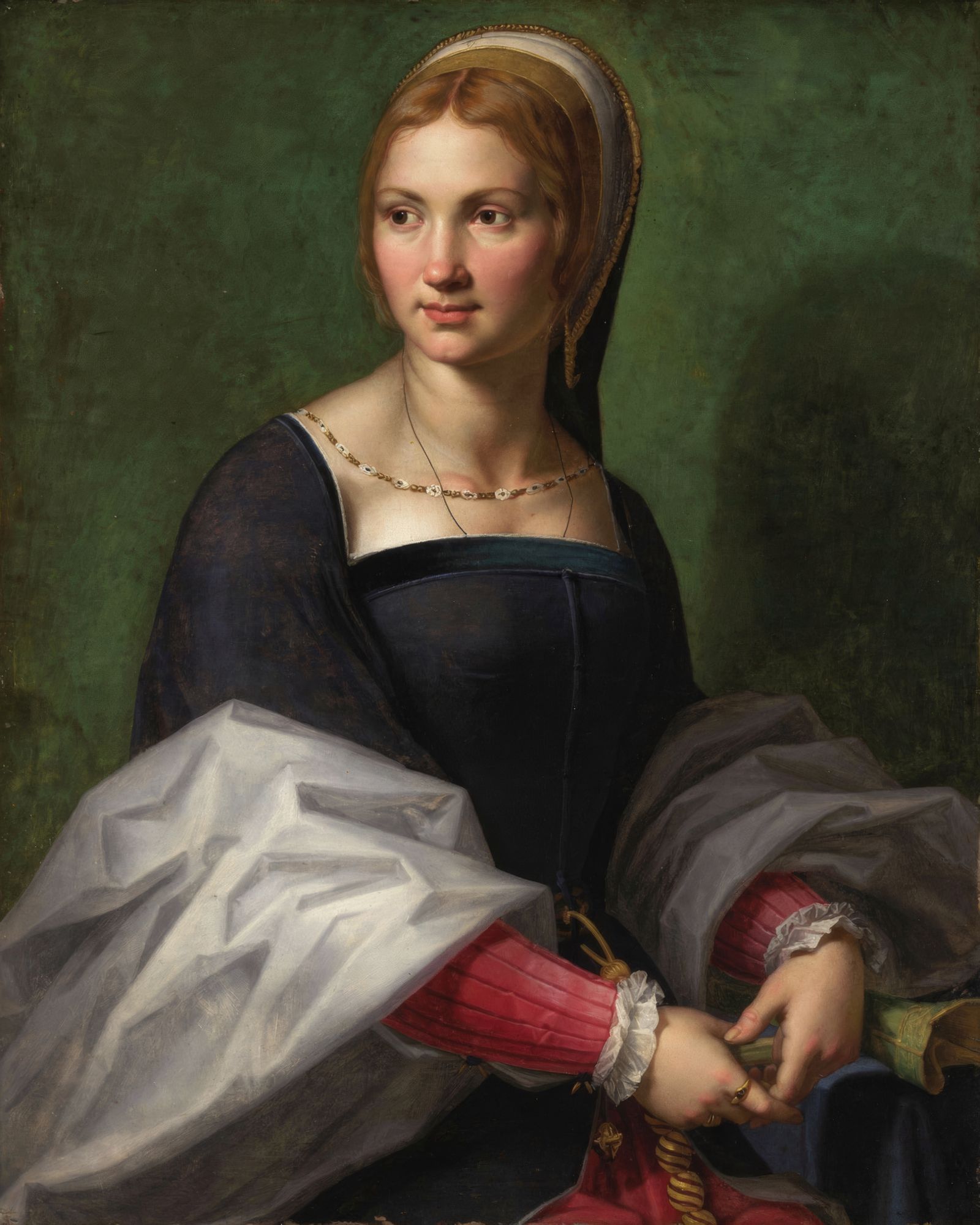
Portrait of a Woman · Andrea del Sarto · c. 1518 · Cleveland Museum of Art
If you have the print, photograph or scan it evenly with the whole image in view. Avoid glare and heavy sharpening filters. If several relatives have copies, compare them before choosing a source. A small improvement at this stage can be more valuable than asking a later process to invent missing detail.
Explore your portrait · Explore this artwork
3. Separate memory from evidence
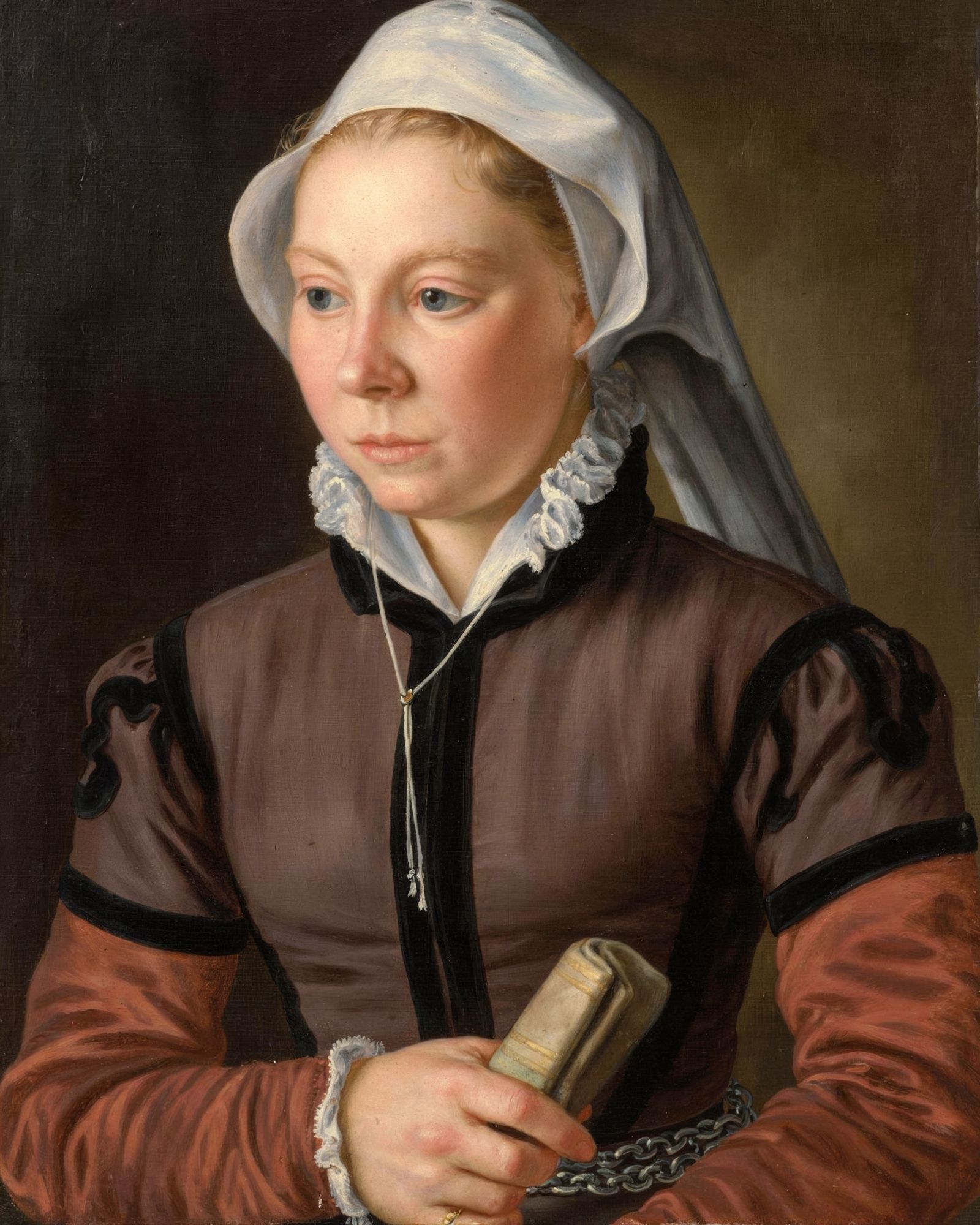
Portrait of a Young Woman · Joachim Beuckelaer · 1562 · Art Institute of Chicago
Someone may remember the coat as blue, while the photograph itself gives no clear answer. Record that as a family memory rather than a certainty established by the image. If colour accuracy matters, look for independent references and do not treat a visually persuasive portrait as proof that a recollection is correct.
Explore your portrait · Explore this artwork
4. Choose a portrait direction deliberately
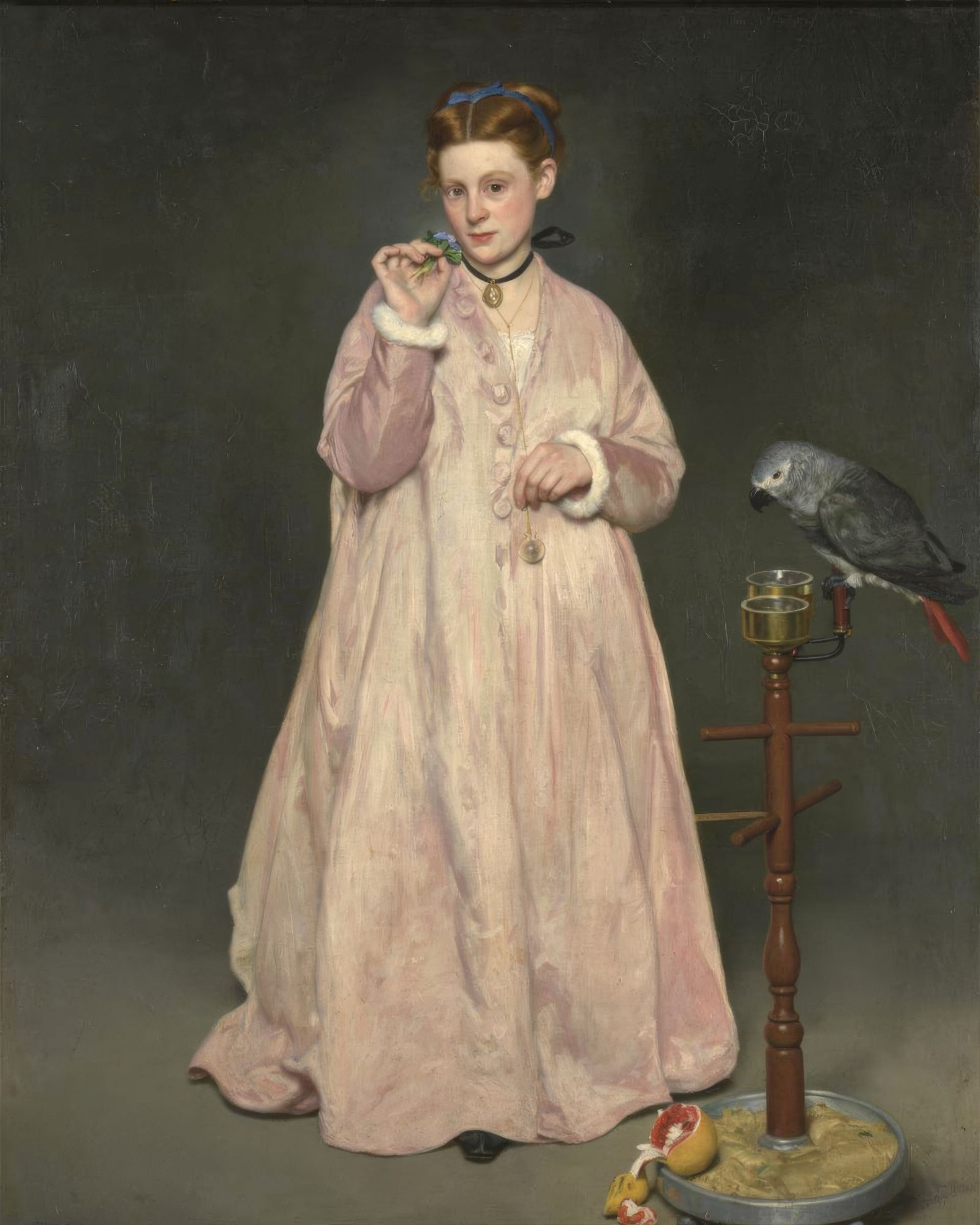
Young Lady in 1866 · Edouard Manet · 1866 · The Metropolitan Museum of Art
A contemporary portrait may be faithful to the face while taking its atmosphere from a historical style. Decide whether that is what you want before uploading. If your aim is documentary reconstruction of a photograph, a new portrait is a different kind of result and should be labelled honestly when you share it.
Explore your portrait · Explore this artwork
5. Preserve age and expression
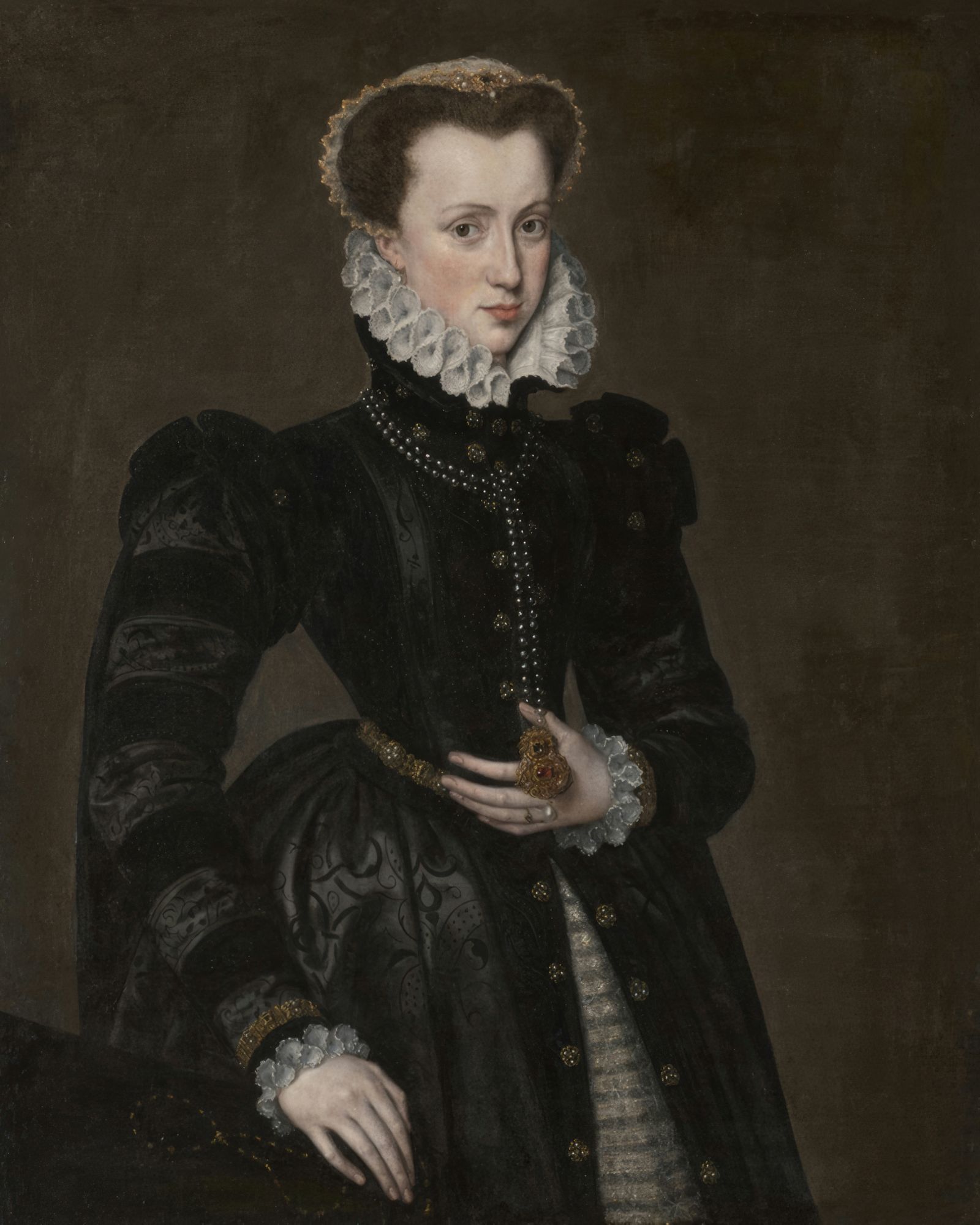
Portrait of a Court Lady · Follower of Antonis Mor · c. 1565 · Art Institute of Chicago
A familiar smile, wrinkle or asymmetry can be the reason a photograph matters. Avoid choosing a direction solely because it makes the person appear younger. Review the result against the source with attention to those recognisable qualities, and do not accept a more polished face just because the image looks finished.
Explore your portrait · Explore this artwork
6. Be cautious with damaged areas
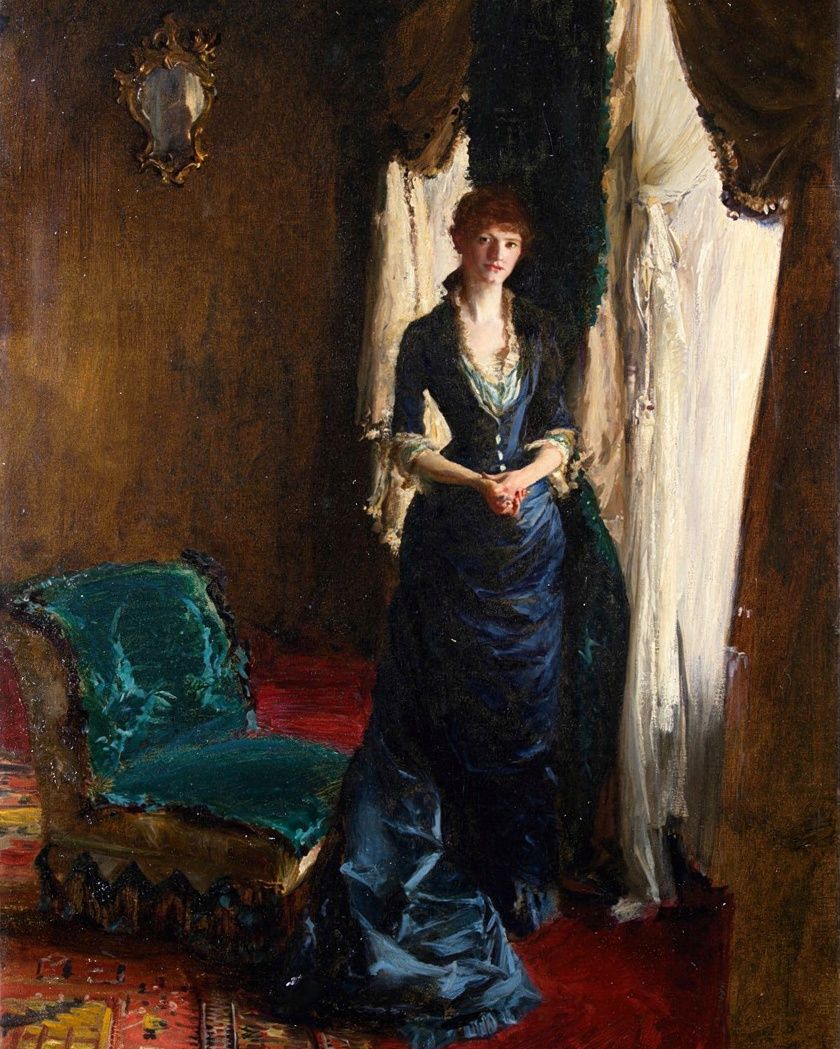
Madame Paul Escudier (Louise Lefevre) · John Singer Sargent · 1882 · Art Institute of Chicago
A tear across a face or a blurred eye removes information. Any convincing replacement may still be an interpretation. Keep that uncertainty visible in your own records, particularly if the portrait will be shared as family history. A less altered image can be preferable to a detailed one that suggests false confidence.
Explore your portrait · Explore this artwork
7. A group may need a different source
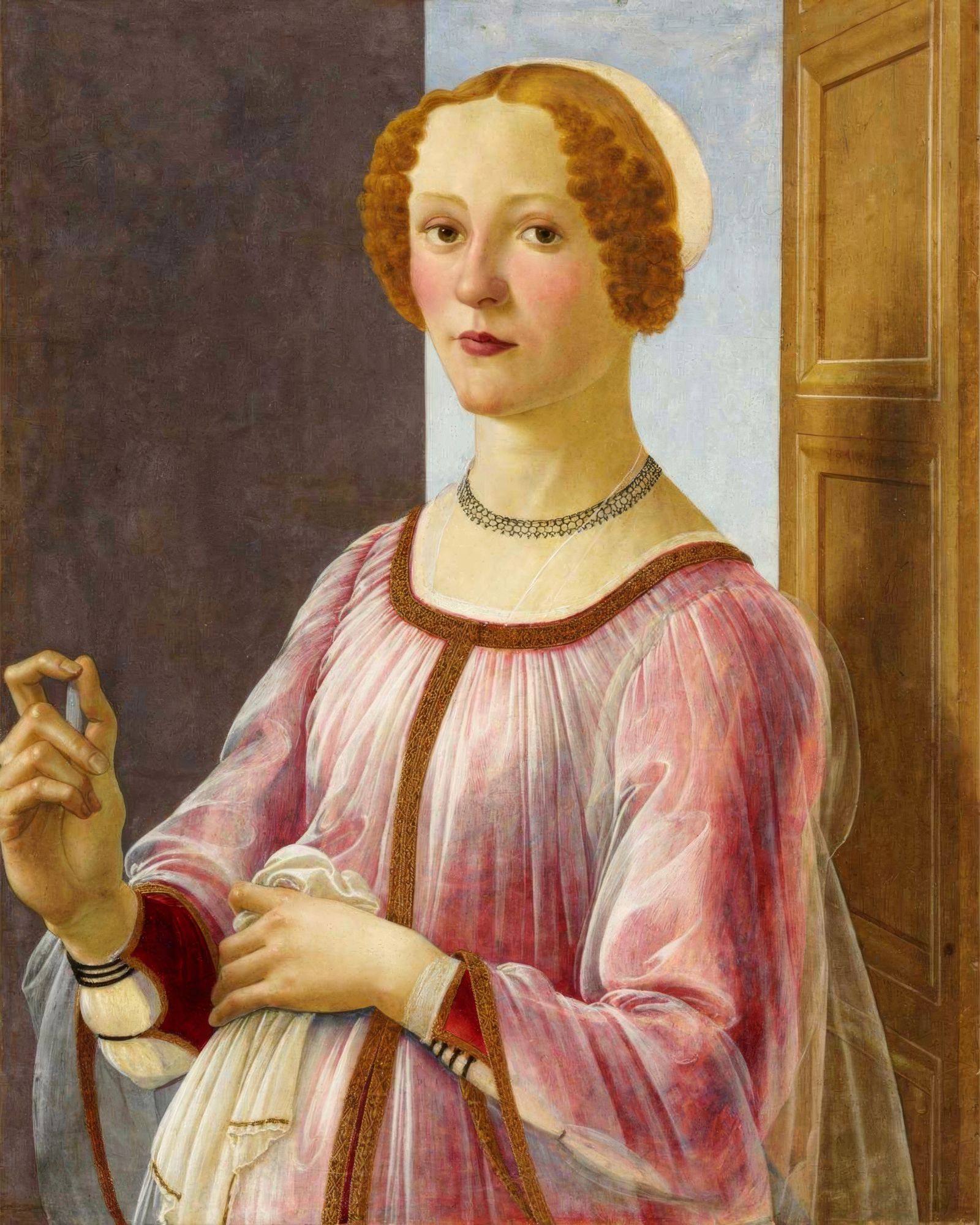
Portrait of a Lady known as Smeralda Bandinelli · Botticelli, Sandro · 1470-1480 · Victoria and Albert Museum
Very small faces in a large family photograph can be difficult starting points. Look for a closer image of the person if one exists. Do not crop away important context in the only surviving file; create a working copy and preserve the full original separately before making any changes.
Explore your portrait · Explore this artwork
8. Let the new work be new
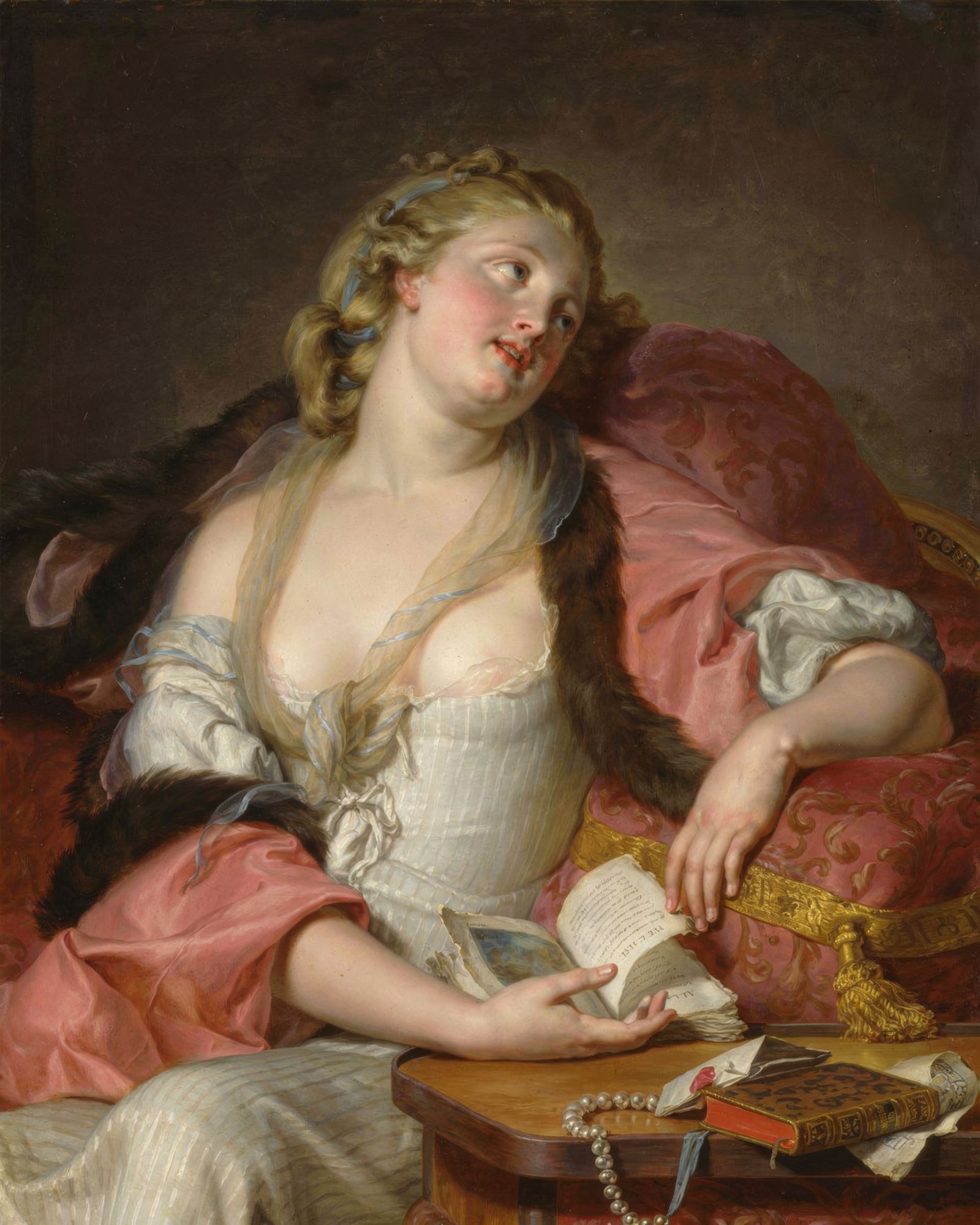
Lady Reading the Letters of Heloise and Abelard · Bernard d'Agesci · c. 1780 · Art Institute of Chicago
A portrait after a masterwork can be a meaningful way to reconnect with an old image. It does not need to pretend to be the photograph restored to its original state. Describe it as a contemporary portrait from a family photograph when you give it, display it or add it to an album.
Explore your portrait · Explore this artwork
9. Write down what is known
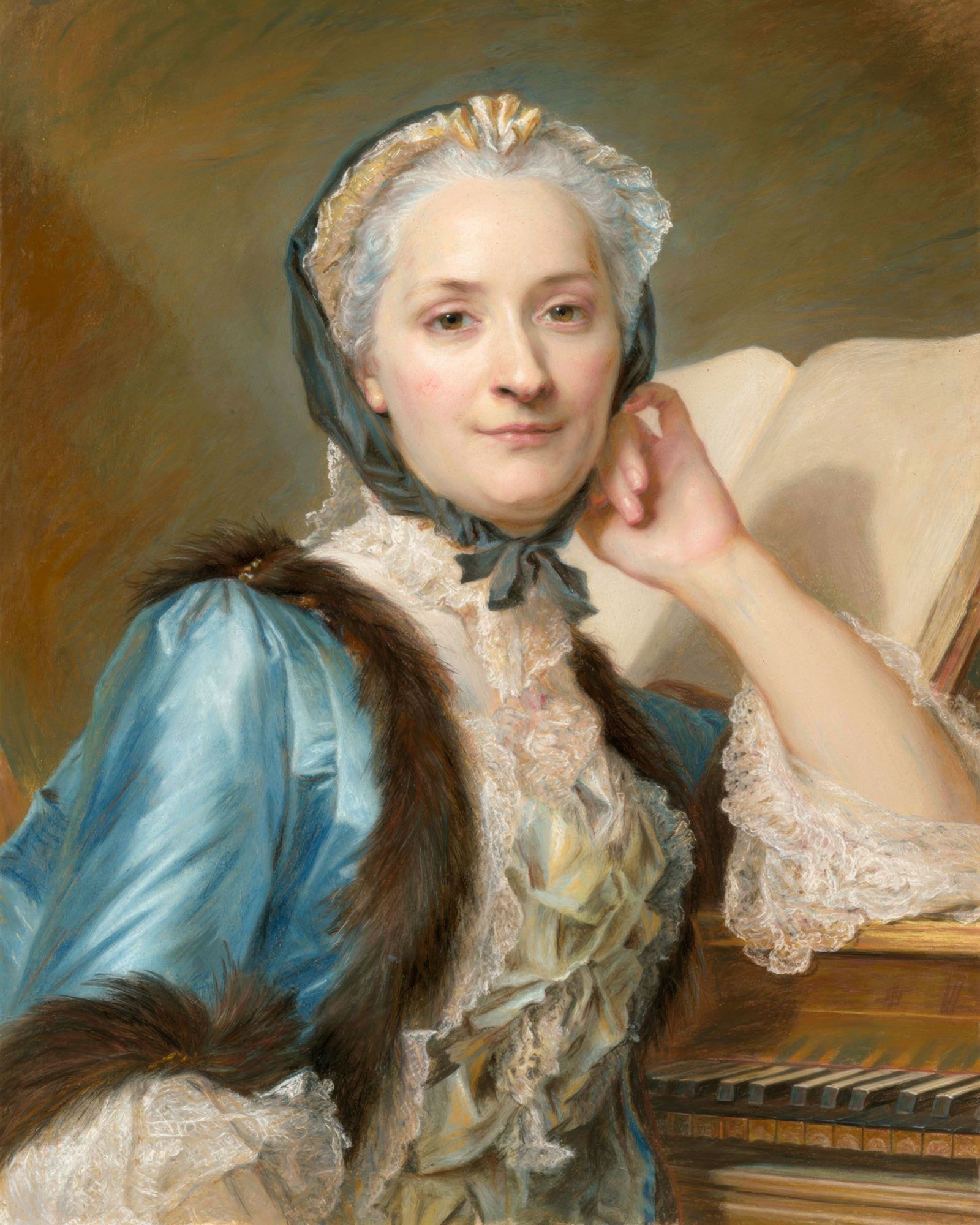
Portrait of Madame de Mondonville · Maurice-Quentin de La Tour · c. 1752 · Art Institute of Chicago
Keep the person's name, the approximate date and the source of the photograph in a note. Distinguish a confirmed date from an estimate. Those simple details may prove more useful to another generation than the chosen colour treatment, and they help prevent a later portrait from becoming detached from its origin.
Explore your portrait · Explore this artwork
10. Check the result beside the source
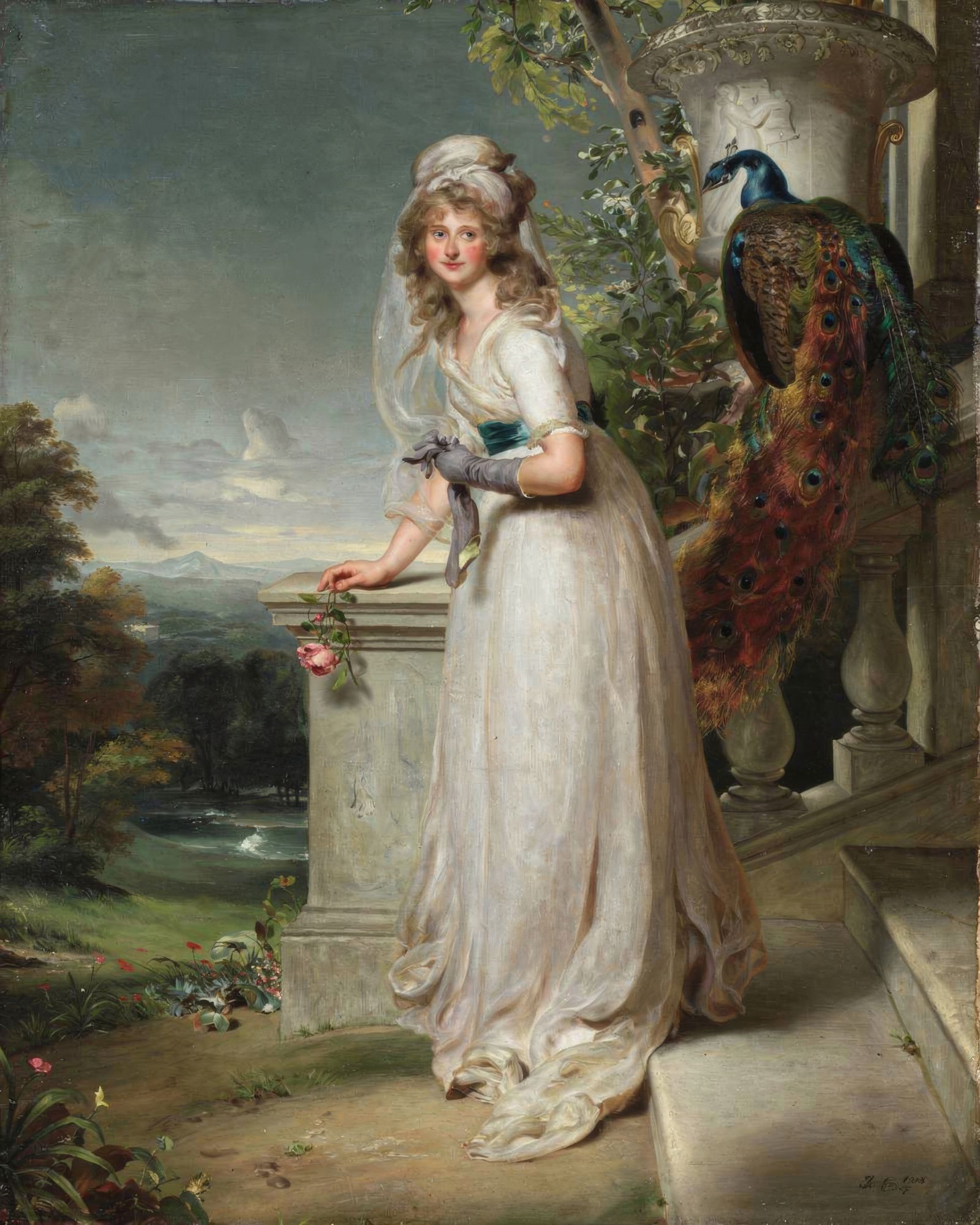
Portrait of Catherine Grey, Lady Manners · Thomas Lawrence · 1794 · Cleveland Museum of Art
Take time to compare facial proportions, expression and any important details. A persuasive image can feel familiar without matching the person closely. If it does not feel right, return to the source photograph or try another direction rather than treating the first output as the necessary version to keep.
Explore your portrait · Explore this artwork
Open the upload page when you are ready to explore a portrait from the photograph you have. Keep the source beside you, and decide in advance which features and memories matter most. Check the current options rather than expecting a one-click recovery of historic colour. If you create a new image, preserve it alongside the original and label the relationship clearly. A portrait can offer a fresh encounter with a familiar face while leaving the historical photograph and its unanswered questions fully intact.
When you share the new work, explain the source in one clear sentence: a contemporary portrait made from the family photograph, with colour and style interpreted for the new image. Keep that description with the file rather than relying on someone to remember the explanation years later. If the original date or identity is uncertain, preserve that uncertainty in the note too. Family images are often copied without their context, and a convincing new portrait can quickly acquire an authority it never earned. Honest labelling lets the image be enjoyed for what it is while keeping the surviving evidence available to anyone who wants to study it.
- Can an old black-and-white photo reveal its exact original colours?
- Not by itself. A new colour interpretation should not be presented as proof of historic colours without independent evidence.
- Is Fable's upload route a documentary photo restoration service?
- This article points to portrait creation from a source photograph. Treat the resulting image as a contemporary portrait, rather than an authenticated reconstruction of the photograph.
- Should I replace the old file with the new portrait?
- Keep both. Save an untouched original, a working copy and the new portrait separately, with a note explaining how they relate.