Renaissance art: 20 masterpieces and how to hang them
Bruegel’s Harvesters, Raphael’s Saint George, Titian’s Perseus, Arcimboldo’s vegetable emperor and Dürer’s rhinoceros: twenty Renaissance masterpieces from Italy and the North, and where each one looks best at home.
The Renaissance, roughly 1400 to 1600, is when European painters learned to make a flat panel feel like a window: real light, real space, real people. In Italy that meant perspective and the study of ancient sculpture; in Flanders and Germany it meant oil paint and astonishing detail.
The twenty works below cover both. They are arranged to read as a short history, from Memling’s glowing Annunciation to El Greco’s strange, elongated saints at the very end of the period. Each is available as a print, with a note on where it looks best.
1. The Annunciation
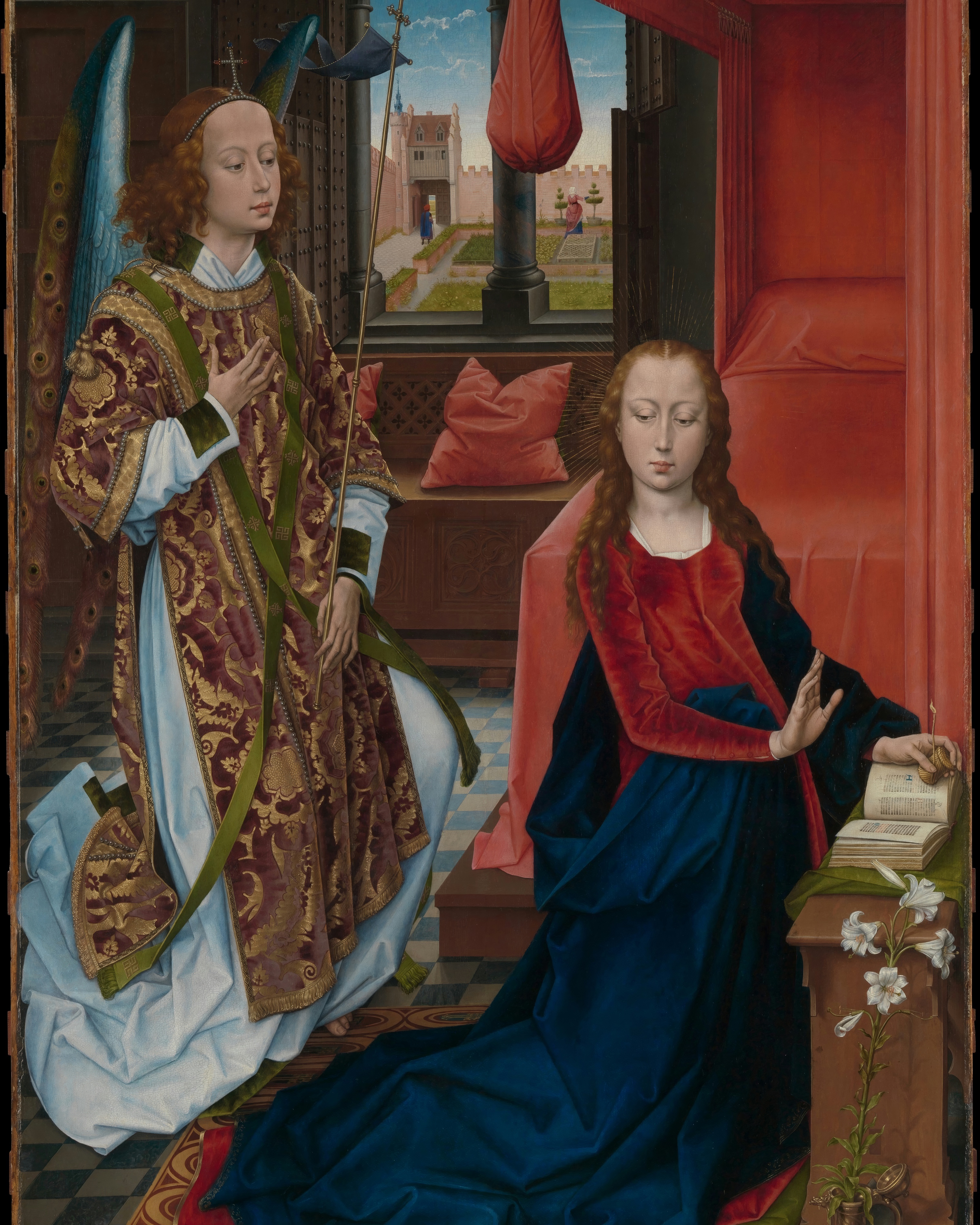
Hans Memling, The Annunciation, ca. 1465–70. Oil on wood. The Metropolitan Museum of Art, New York.
Hans Memling painted the Annunciation as a scene in a fifteenth century Flemish bedroom, every fold of cloth and gleam of brass exact. This is the Northern Renaissance at its most luminous.
Deep reds and blues; beautiful in a bedroom or a quiet corner.
2. Portrait of a Lady known as Smeralda Bandinelli
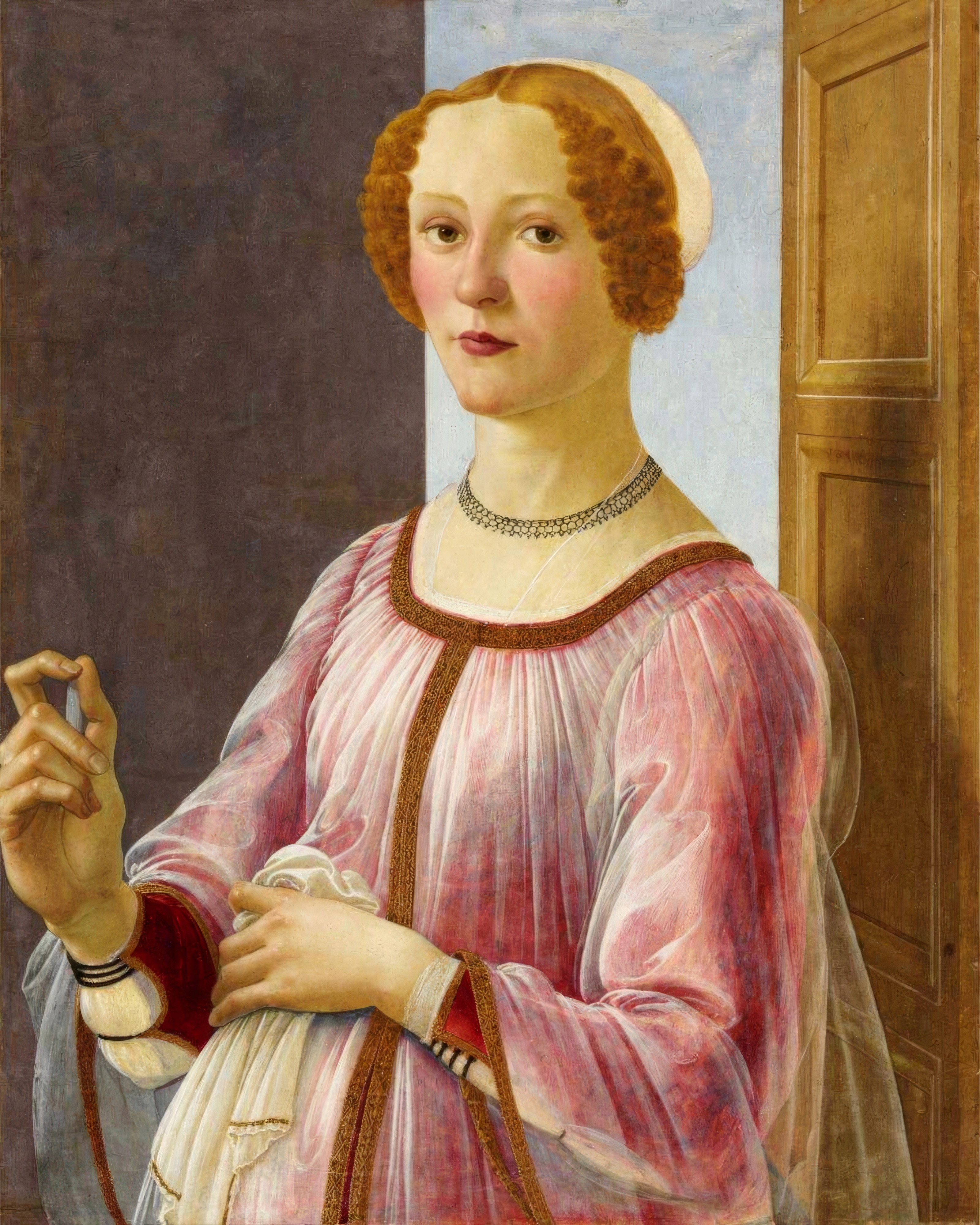
Sandro Botticelli, Portrait of a Lady known as Smeralda Bandinelli, 1470-1480. Victoria and Albert Museum, London.
Botticelli broke the rule of the profile portrait and turned his sitter to face us. The direct gaze still startles five hundred years later.
A single, intimate portrait for a bedroom or study.
3. Saint Nicholas of Bari
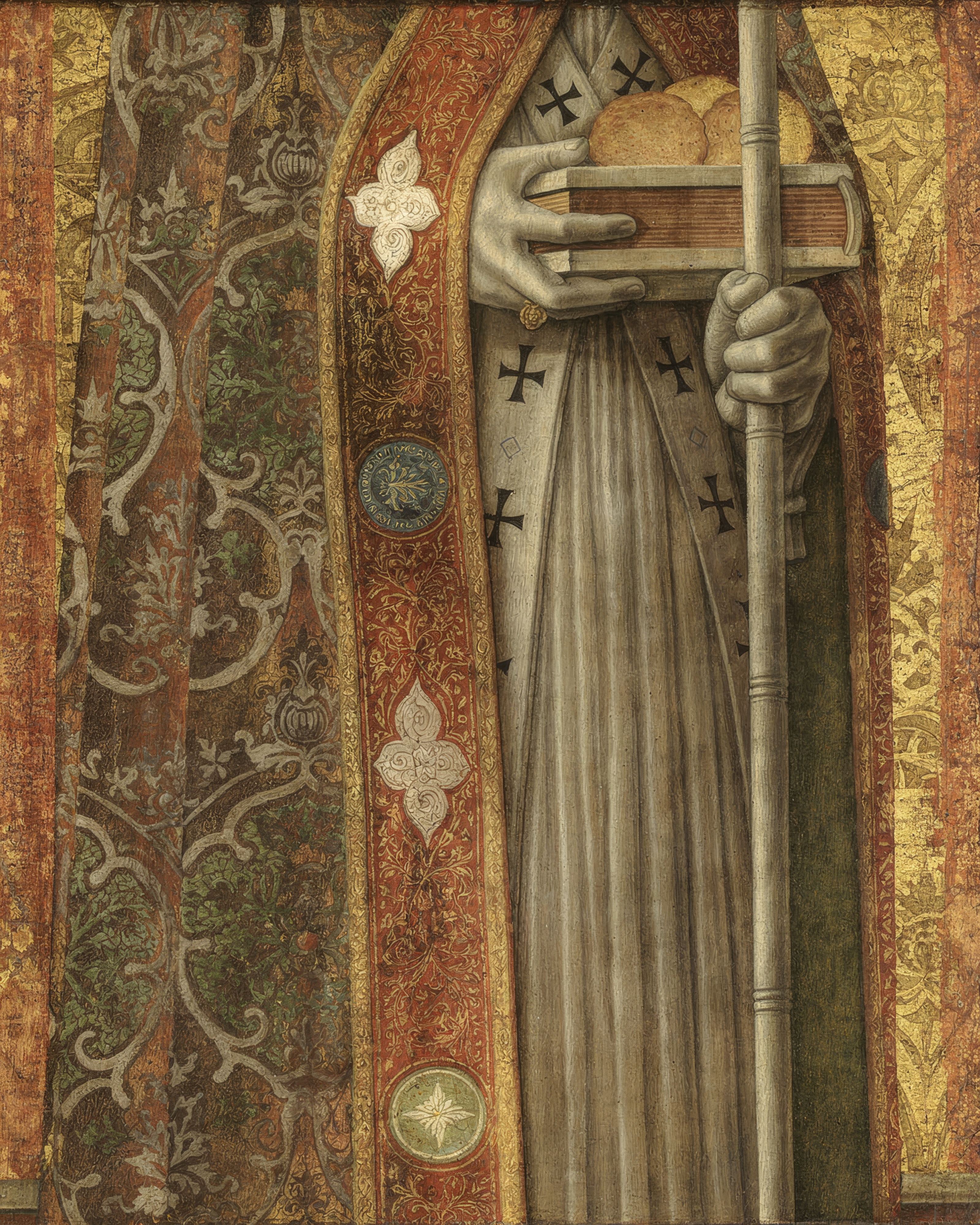
Carlo Crivelli, Saint Nicholas of Bari, 1472. Tempera and gold leaf on wood panel. Cleveland Museum of Art.
Carlo Crivelli painted saints like jewellery, with real gold leaf and patterns raised from the panel. His Saint Nicholas, the original Santa Claus, glows on its gold ground.
A spectacular Christmas print.
4. Christ Crowned with Thorns
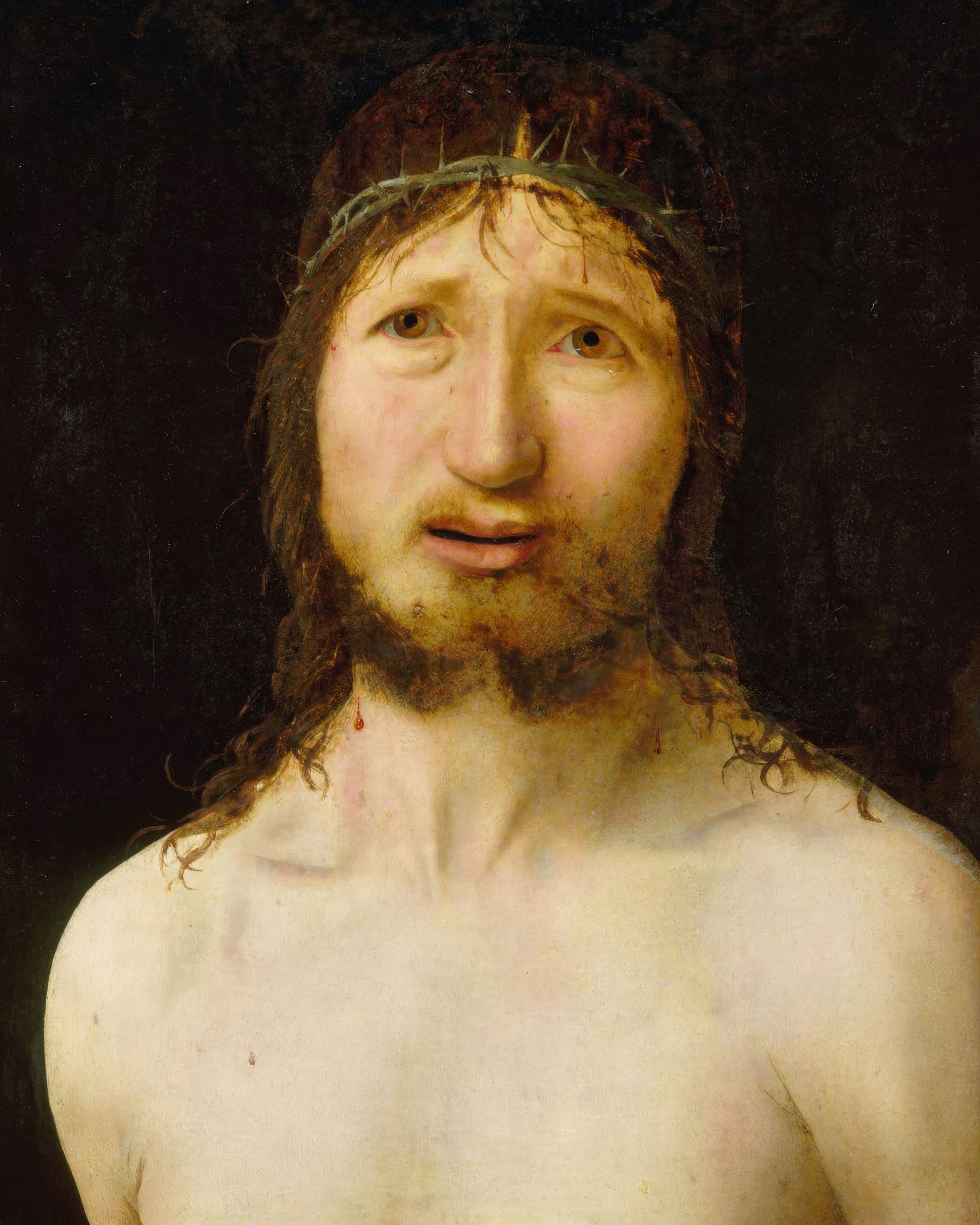
Antonello da Messina, Christ Crowned with Thorns. Oil, possibly over tempera, on wood. The Metropolitan Museum of Art, New York.
Antonello da Messina learned oil painting from the Flemish and brought it to Italy. This small panel of Christ, with tears painted drop by drop, shows why that mattered.
5. A Hunting Scene
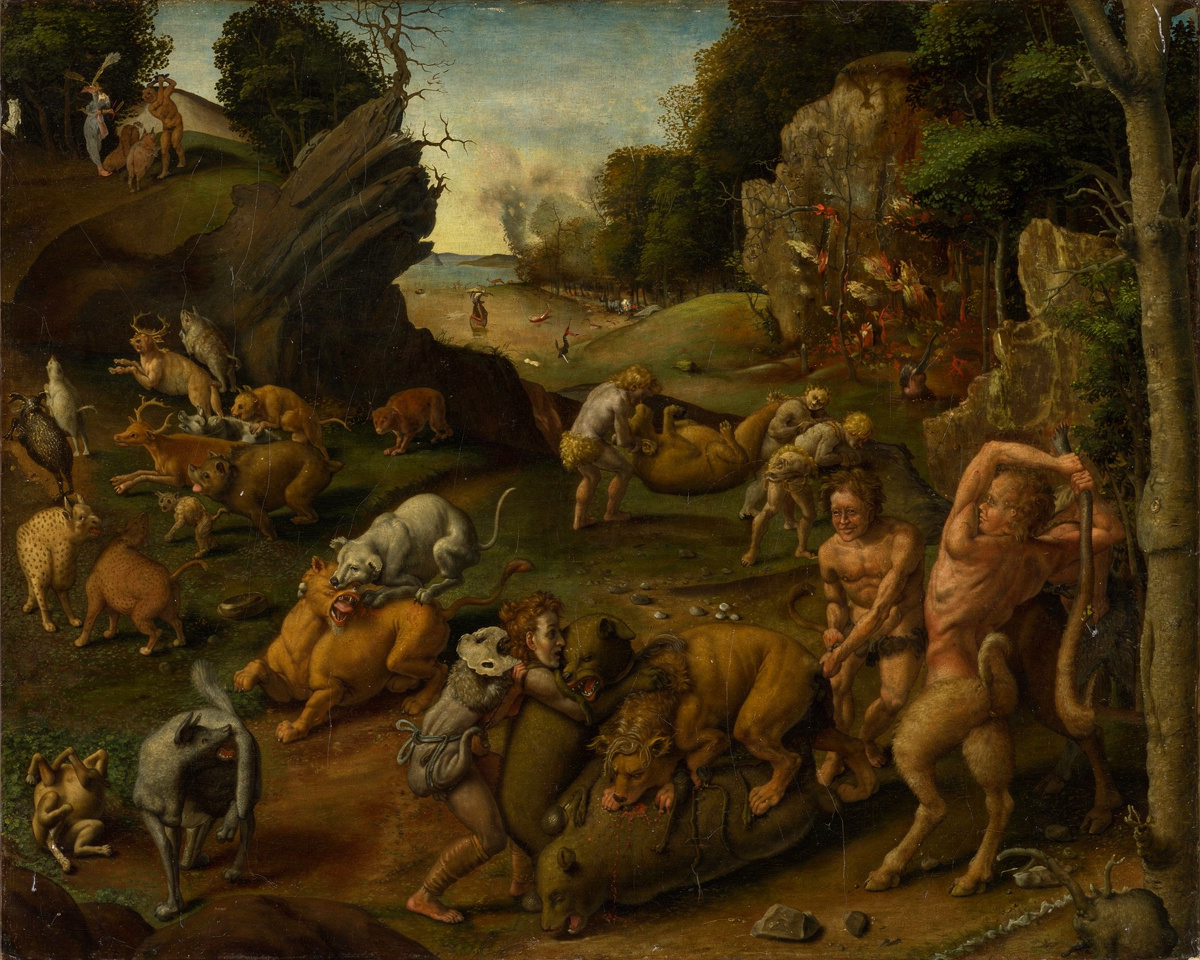
Piero di Cosimo, A Hunting Scene, ca. 1494–1500. Tempera and oil transferred to Masonite. The Metropolitan Museum of Art, New York.
Piero di Cosimo imagined the earliest days of humankind: cave dwellers, satyrs and centaurs hunting wild animals in a burning forest. One of the strangest and most vivid pictures of the Florentine Renaissance.
For a hallway or a long wall where people stop to look.
6. Saint George and the Dragon
Raphael, Saint George and the Dragon, c. 1506. Oil on panel. National Gallery of Art, Washington.
Raphael painted this small Saint George in his early twenties. The rearing horse, the twisting dragon and the calm princess are pure High Renaissance balance.
7. Saint George and the Dragon
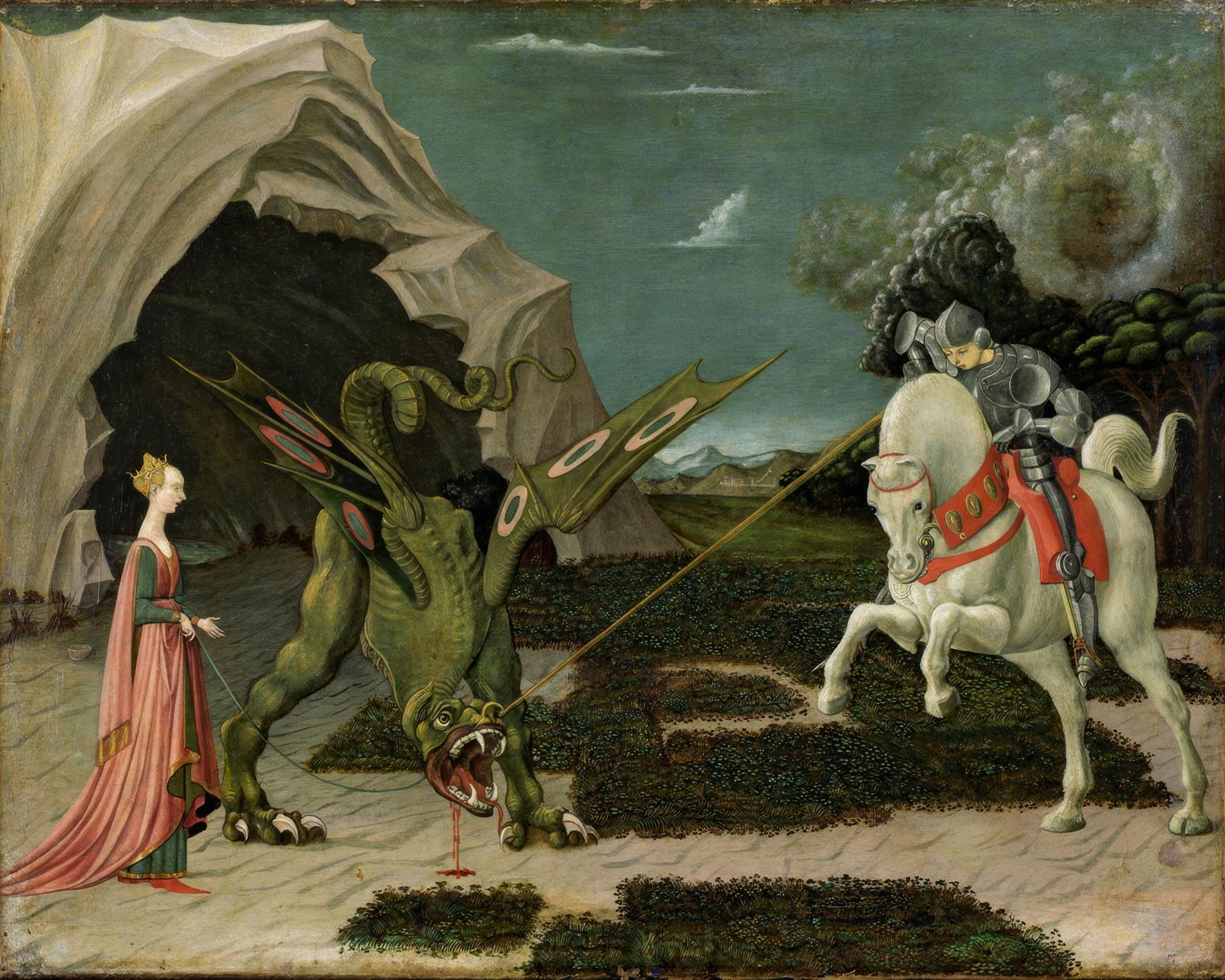
Paolo Uccello, Saint George and the Dragon, c. 1470. Oil on canvas. The National Gallery, London.
Uccello’s version, painted around 1470, is a fairy tale: the princess has the dragon on a lead like a pet, and the knight charges in front of a storm. It is one of the best loved pictures in London’s National Gallery.
Pairs wonderfully with the Raphael.
8. Head of the Virgin
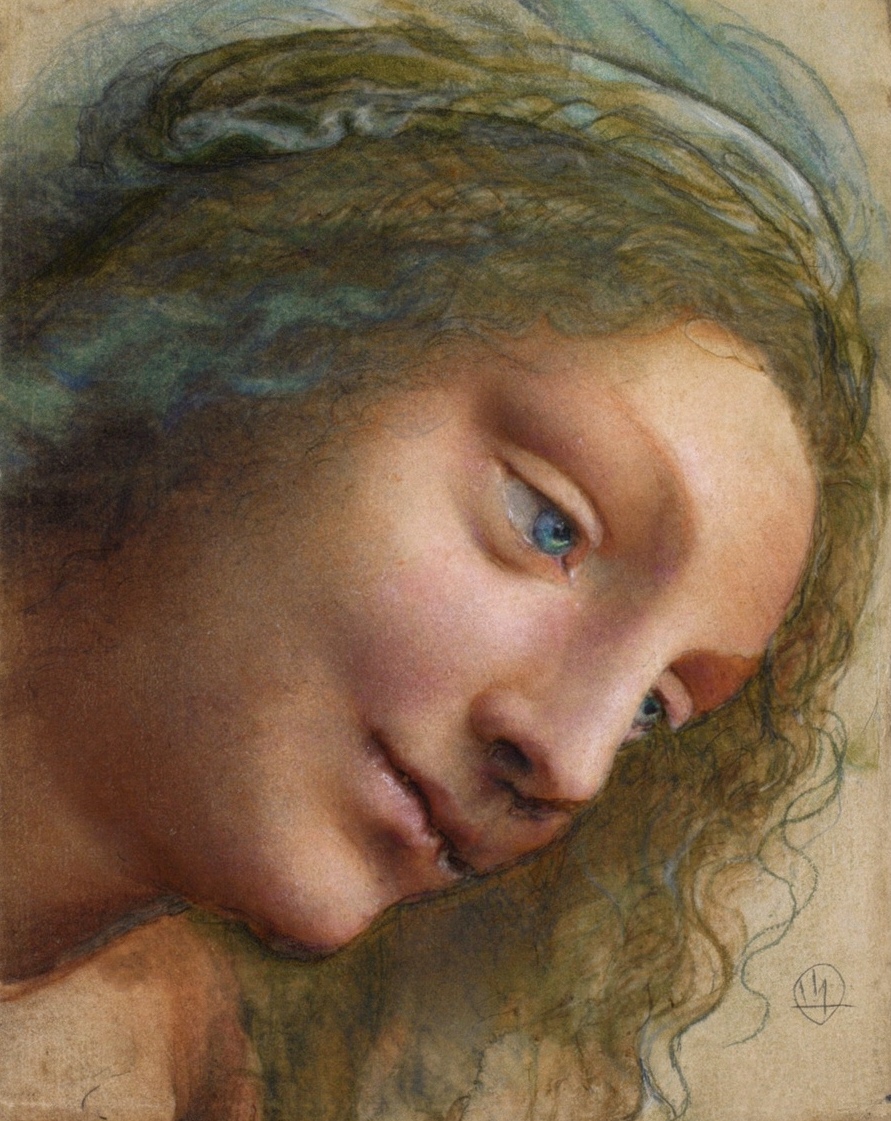
Leonardo da Vinci, Head of the Virgin, 1510–13. Atelier colour edition of the chalk drawing. The Metropolitan Museum of Art, New York.
Leonardo drew this head of the Virgin around 1510 for his painting of the Virgin and Saint Anne, now in the Louvre. The softness of the shading, his famous sfumato, is all here.
A quiet, intimate piece for a bedroom or study.
9. The Three Ages of Humans
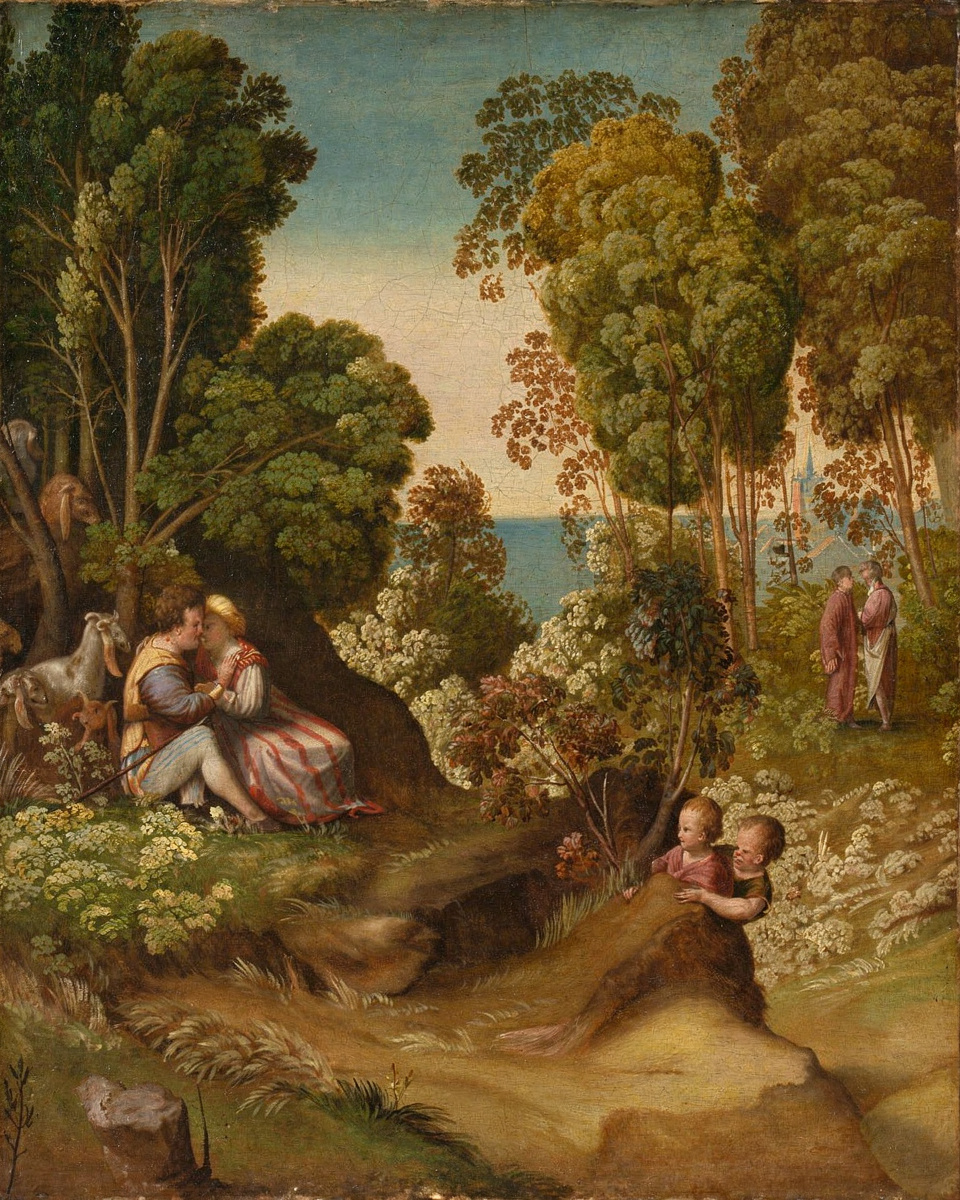
Dosso Dossi, The Three Ages of Humans, ca. 1515. Oil on canvas. The Metropolitan Museum of Art, New York.
Dosso Dossi, court painter in Ferrara, turned the three ages of life into a dreamy green landscape of lovers, shepherds and old age. Venetian in colour, poetic in mood.
10. Adam and Eve
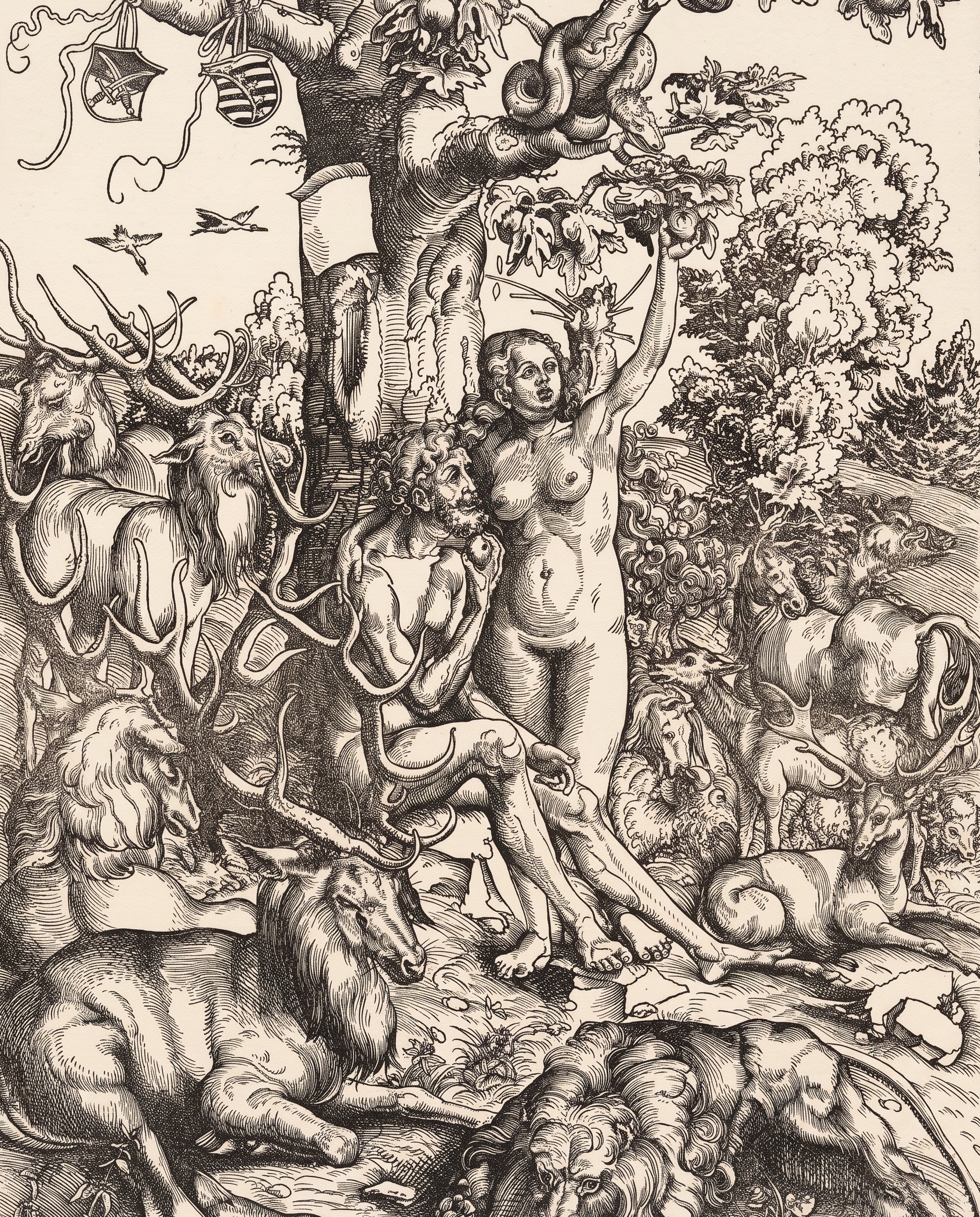
Lucas Cranach the Elder, Adam and Eve, 1509. Woodcut on off-white antique laid paper. Harvard Art Museums.
Cranach made this chiaroscuro woodcut of Adam and Eve in 1509, printing it from more than one block to get light and shadow. A deer, a lion and the serpent watch the fateful apple.
11. The Rhinoceros
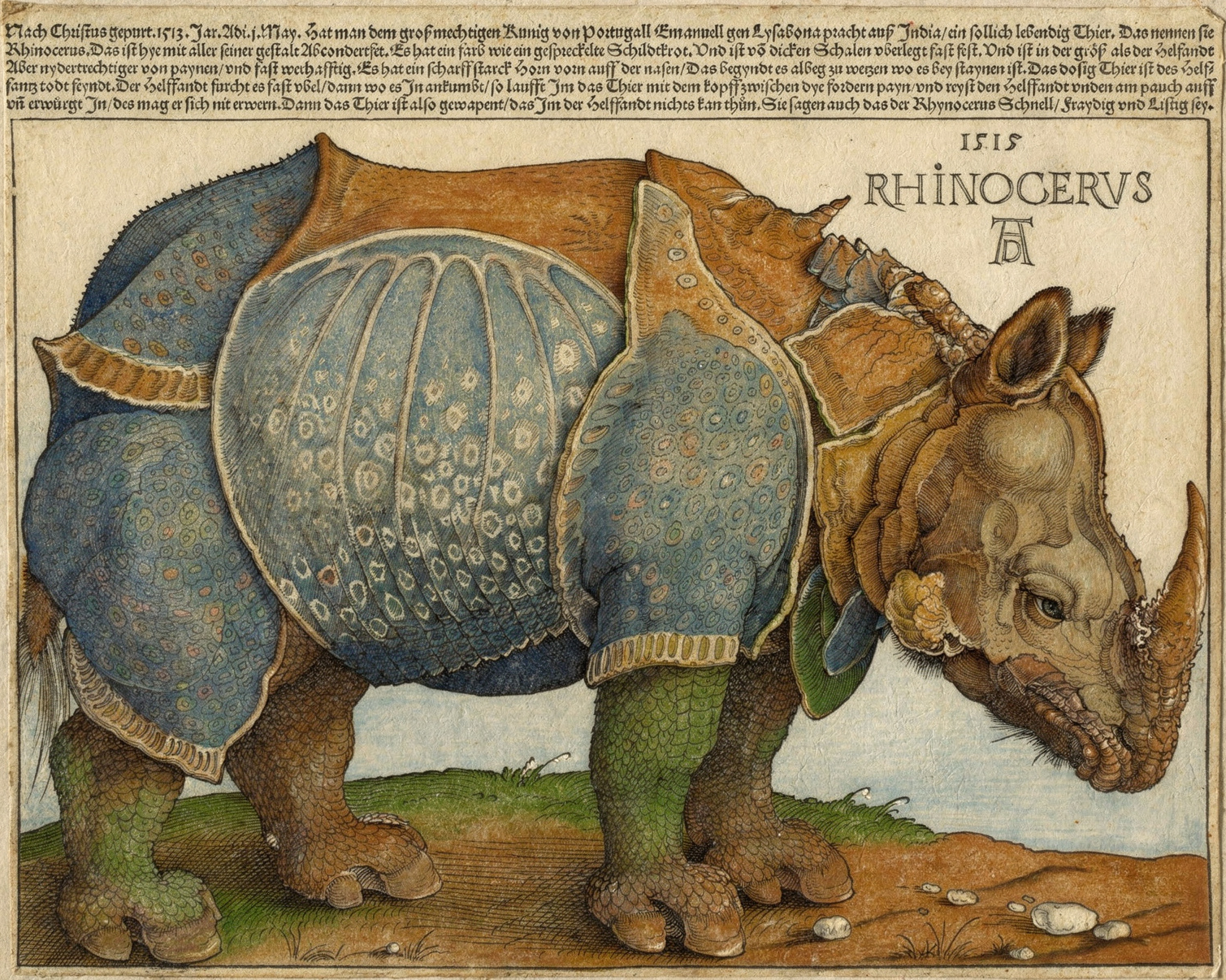
Albrecht Dürer, The Rhinoceros, 1515. Atelier colour edition of the woodcut. Cleveland Museum of Art.
Dürer never saw a rhinoceros. He drew this one in 1515 from a written description of an animal sent to Lisbon, and gave it plates of armour. It remained Europe’s picture of a rhino for two centuries.
A witty piece for a study or a child’s room.
12. The Witches
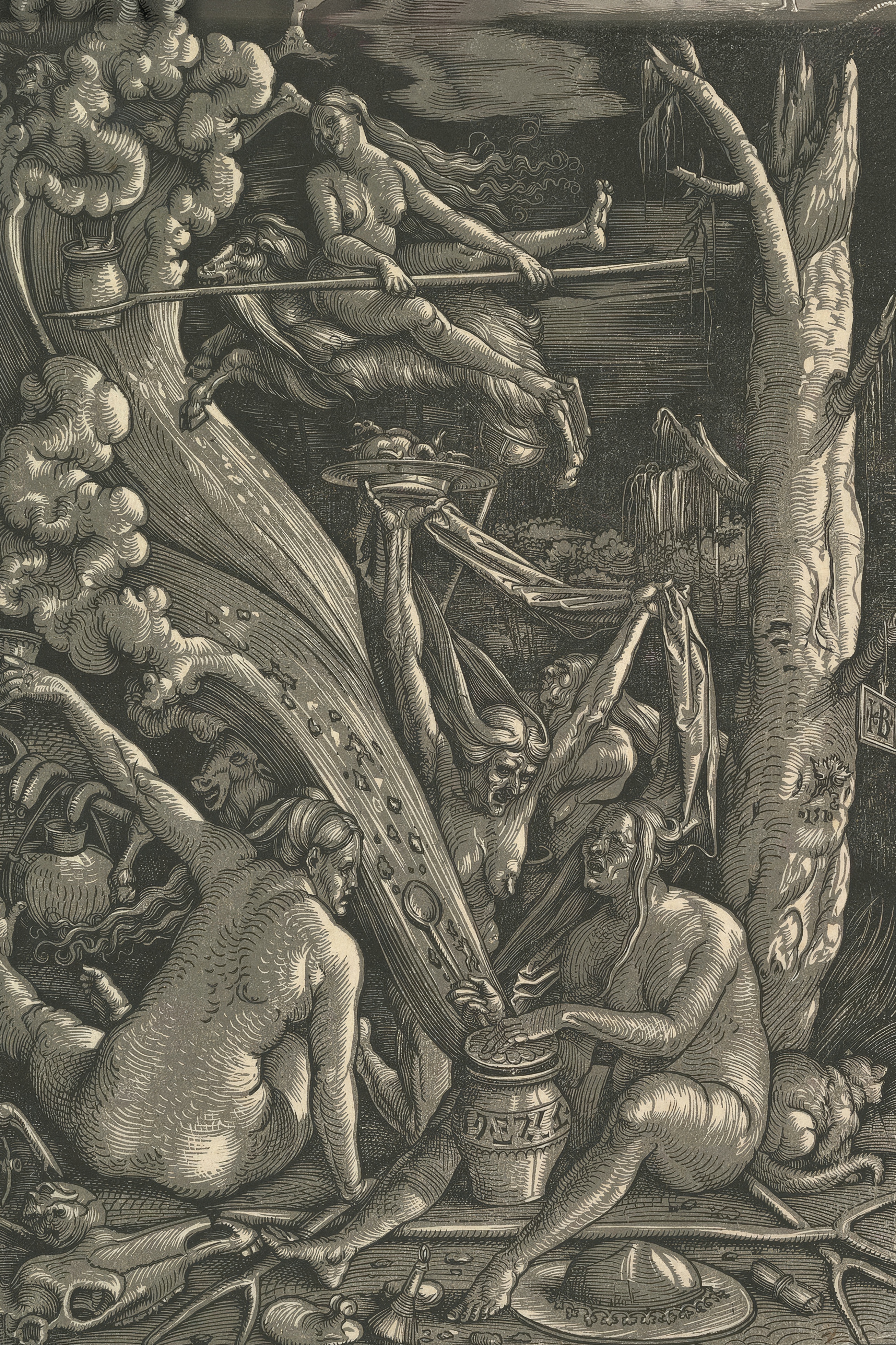
Hans Baldung Grien, The Witches, 1510. Chiaroscuro woodcut printed from two blocks. The Metropolitan Museum of Art, New York.
Hans Baldung Grien’s Witches of 1510 is one of the most famous prints of the German Renaissance. Printed from two blocks, its greys and blacks make the steam and smoke almost move.
13. Vertumnus
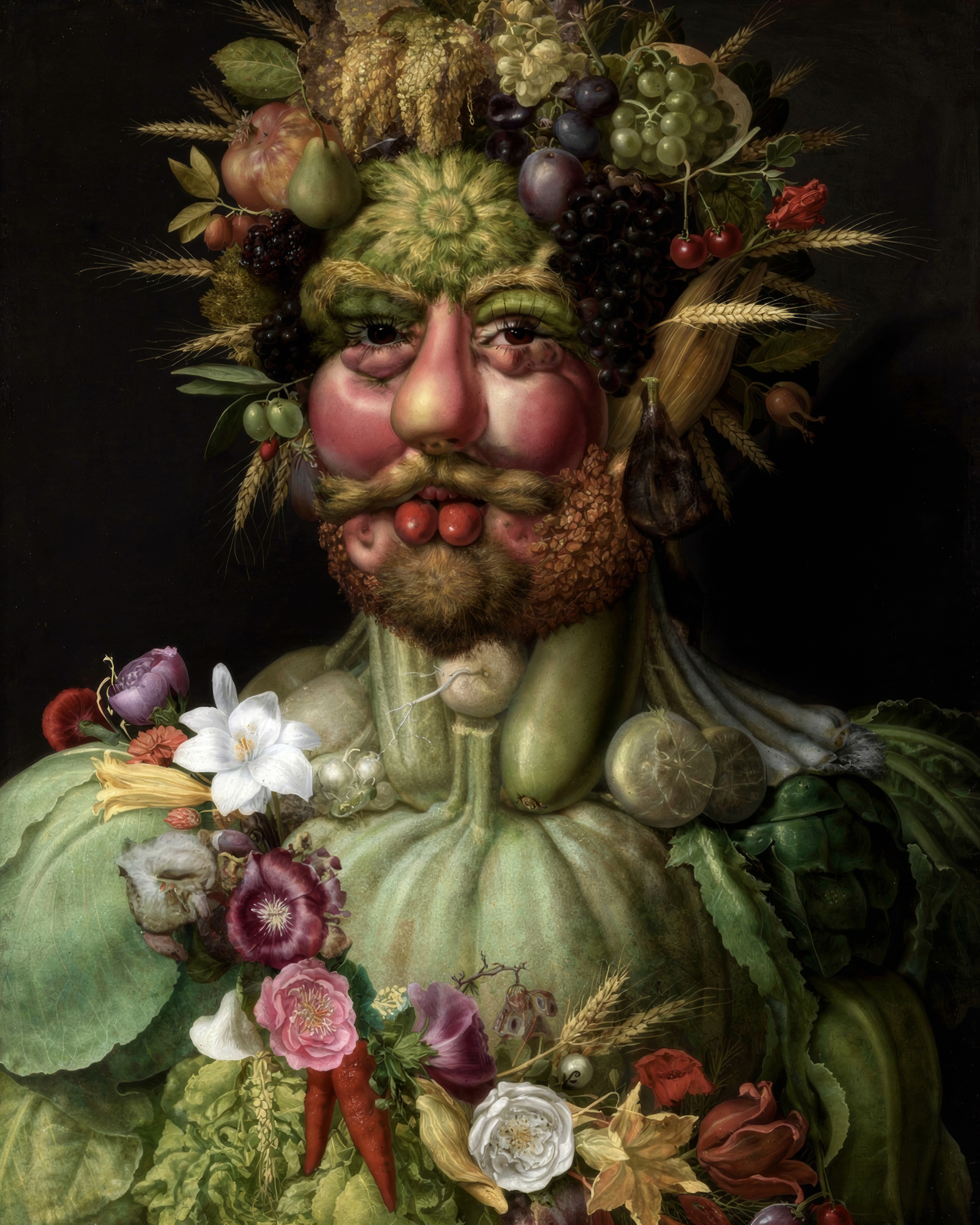
Giuseppe Arcimboldo, Vertumnus, 1591. Oil on panel. Skokloster Castle, Sweden.
Arcimboldo painted Emperor Rudolf II as Vertumnus, the Roman god of the seasons, entirely out of fruit, flowers and vegetables. The emperor loved it. Today it hangs at Skokloster Castle in Sweden.
Made for a kitchen or dining room.
Create your portrait in this style
14. Perseus and Andromeda
Titian, Perseus and Andromeda, 1554–56. Oil on canvas. The Wallace Collection, London.
Titian painted this myth for King Philip II of Spain in the 1550s: Perseus plunging headfirst from the sky to save Andromeda from the monster. Pure Venetian colour and drama.
15. The Harvesters
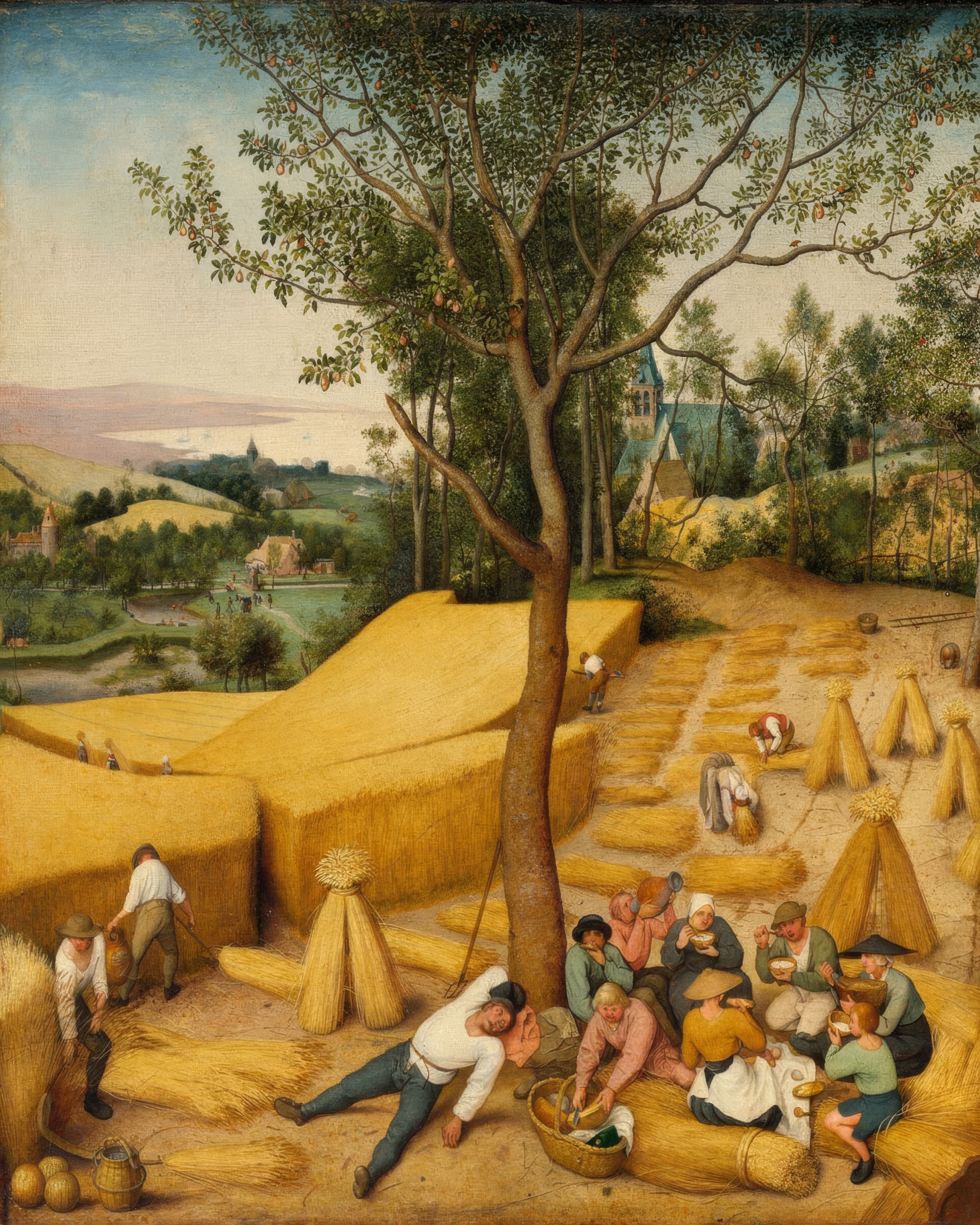
Pieter Bruegel the Elder, The Harvesters, 1565. Oil on wood. The Metropolitan Museum of Art, New York.
Bruegel painted The Harvesters in 1565 as part of a series of the months. Peasants nap and eat lunch in a wheat field while the landscape rolls away to the sea: one of the first great landscapes in Western art.
Give it a wall of its own; it rewards a long look.
16. The Nativity
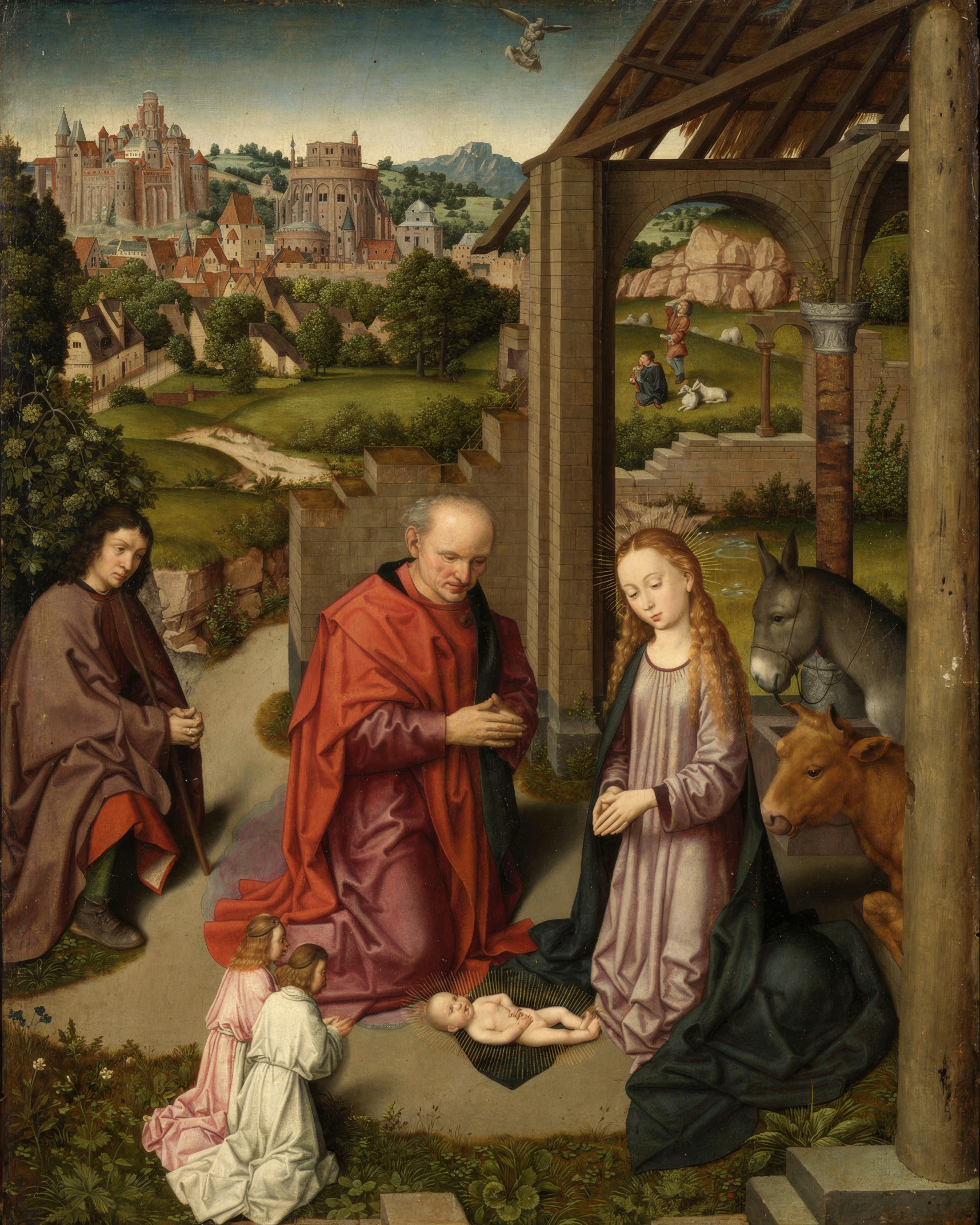
Gerard David, The Nativity, c. 1485–90. Oil on wood panel. Cleveland Museum of Art.
Gerard David was the last great painter of Bruges. His Nativity is quiet and tender, set in a ruined stable as dusk falls.
17. Still Life with Flowers, a Snail and Insects
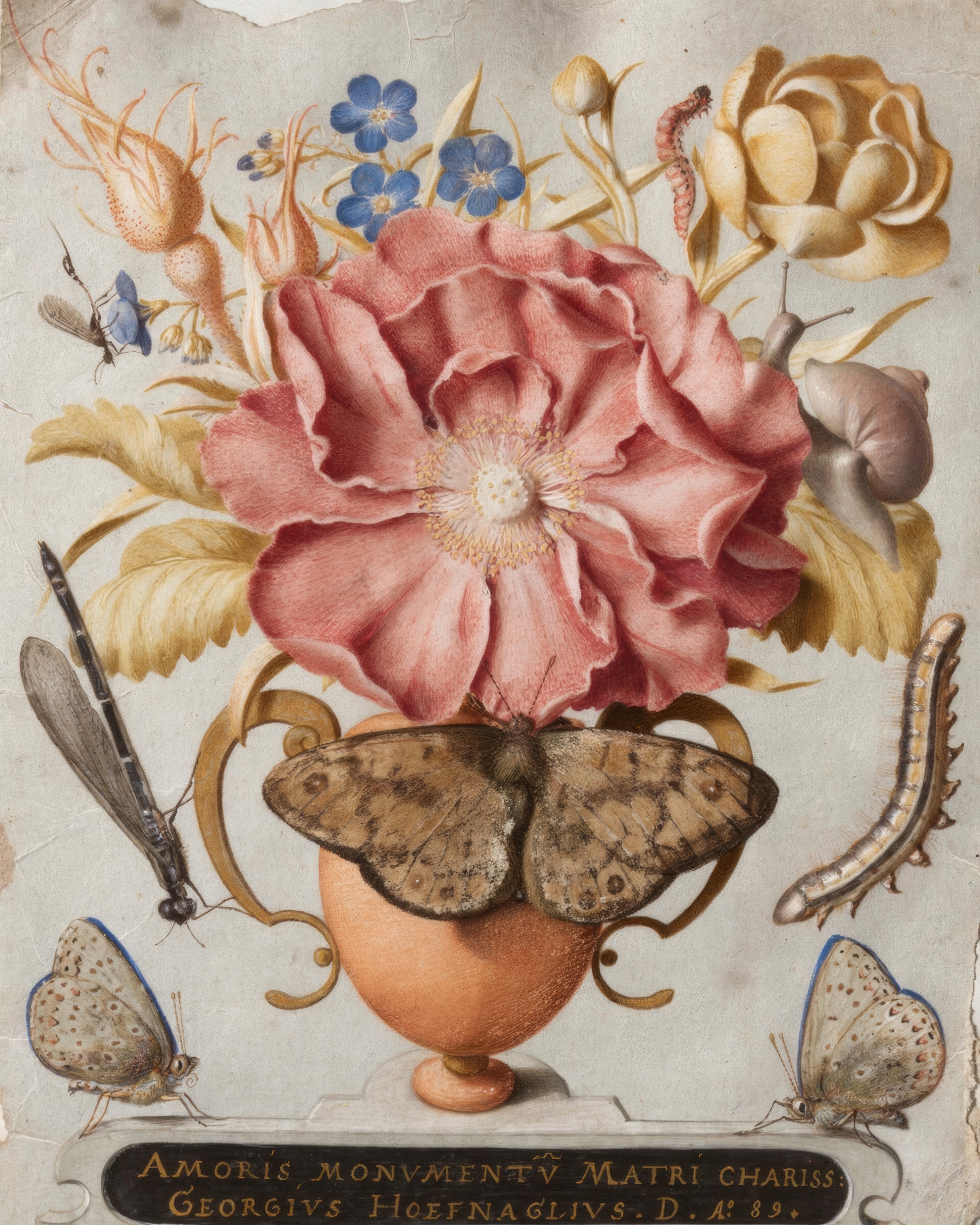
Joris Hoefnagel, Still Life with Flowers, a Snail and Insects, 1589. Watercolor, gouache, and shell gold on vellum. The Metropolitan Museum of Art, New York.
Joris Hoefnagel painted flowers and insects for emperors, in watercolour and shell gold on vellum. This 1589 still life is one of the first true flower pieces in European art.
18. Portrait of Guidobaldo II della Rovere
Agnolo Bronzino, Portrait of Guidobaldo II della Rovere, 1531. Oil on canvas. Palazzo Pitti, Florence.
Bronzino, the cool master of Florentine Mannerism, painted the young Duke of Urbino in armour with his dog. It is also one of Fable’s portrait styles, so you can be painted in the same pose.
Create your portrait in this style
19. Boy with a Greyhound
Paolo Veronese, Boy with a Greyhound, possibly 1570s. Oil on canvas. The Metropolitan Museum of Art, New York.
Veronese painted this young nobleman and his greyhound with the silvery Venetian light he was famous for. It too is a Fable style, ideal for a child with a tall dog.
Create your portrait in this style
20. Saint Martin and the Beggar
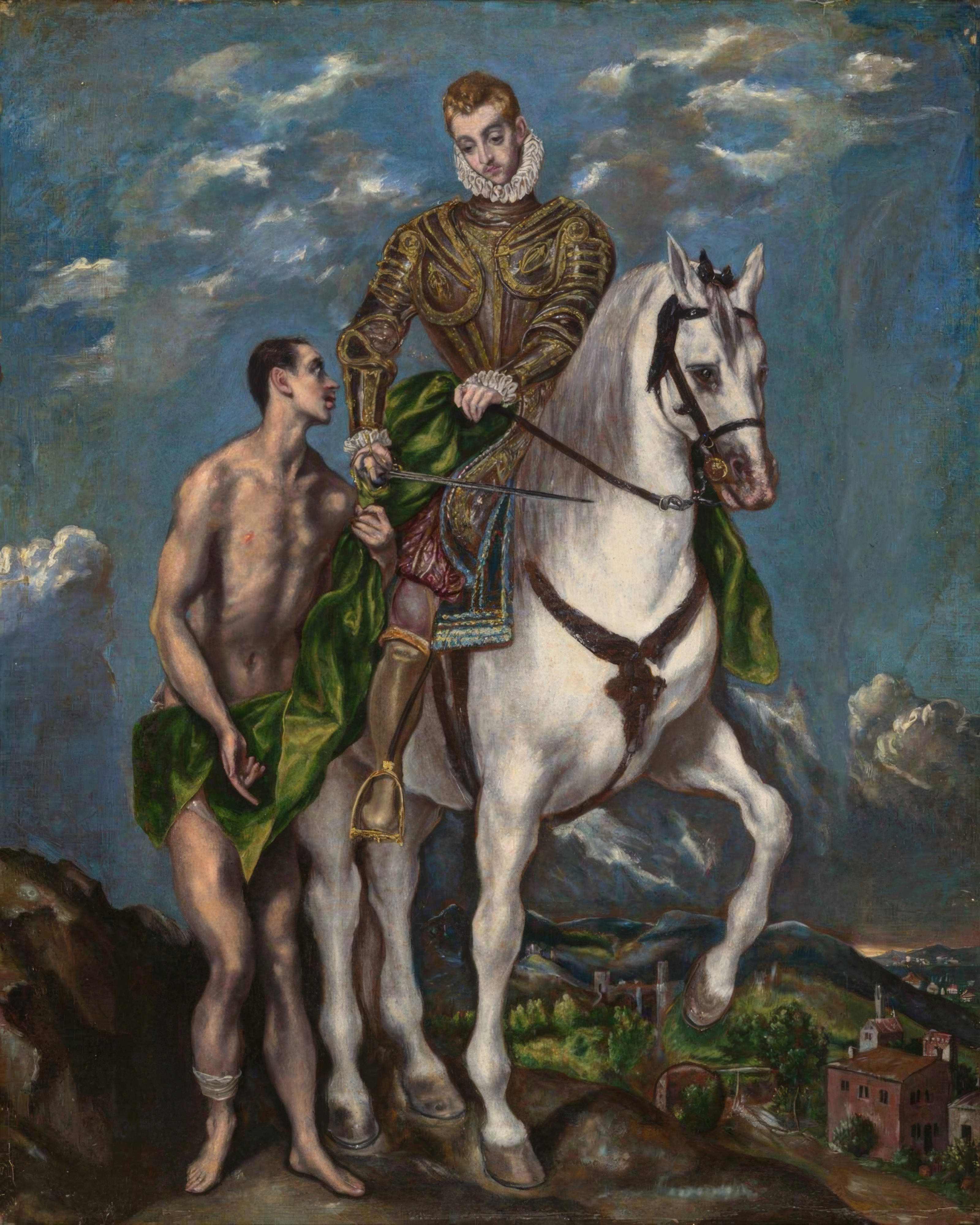
El Greco, Saint Martin and the Beggar, c. 1597–c. 1600. Oil on canvas. Art Institute of Chicago.
El Greco brings the Renaissance to its strange end: elongated bodies, an unearthly white horse and a sky of moving cloud. Saint Martin shares his cloak with a beggar in a moment of pure charity.
A tall picture for a tall wall or a stairwell.
Renaissance pictures were made to be looked at closely, so hang them at eye level and in good light. Small panels love a narrow wall or a pair; big landscapes like Bruegel’s want a wall of their own.
Questions
What are the most famous Renaissance paintings?
Leonardo’s Mona Lisa and Last Supper, Botticelli’s Birth of Venus, Michelangelo’s Sistine ceiling and Raphael’s School of Athens are the best known. Bruegel’s Harvesters, here, is among the most loved in America.
What is the difference between the Italian and Northern Renaissance?
Italian painters focused on perspective, ideal beauty and classical subjects; Northern painters such as Van Eyck, Memling and Dürer focused on minute detail, glowing oil colour and everyday reality.
Do Renaissance prints suit a modern home?
Yes. A single Renaissance portrait or landscape gives a modern room warmth and depth, especially against plain walls and simple furniture.