A royal portrait from your photograph, with room to be yourself
royal portrait: A royal portrait from your photograph, with room to be yourself.
A royal portrait can be playful, ceremonial or simply a way to give a face more presence. Historical court portraiture offers a language of scale, pose and dress, but a modern portrait does not need to make claims about ancestry or status. The works below are real historical references, with ten practical ways to consider a portrait from your own photograph. Begin with the person and the kind of image they would enjoy. Fable's Royal autumn style lets you explore a direction, while the source photograph keeps the sitter at the centre.
1. Presence before regalia
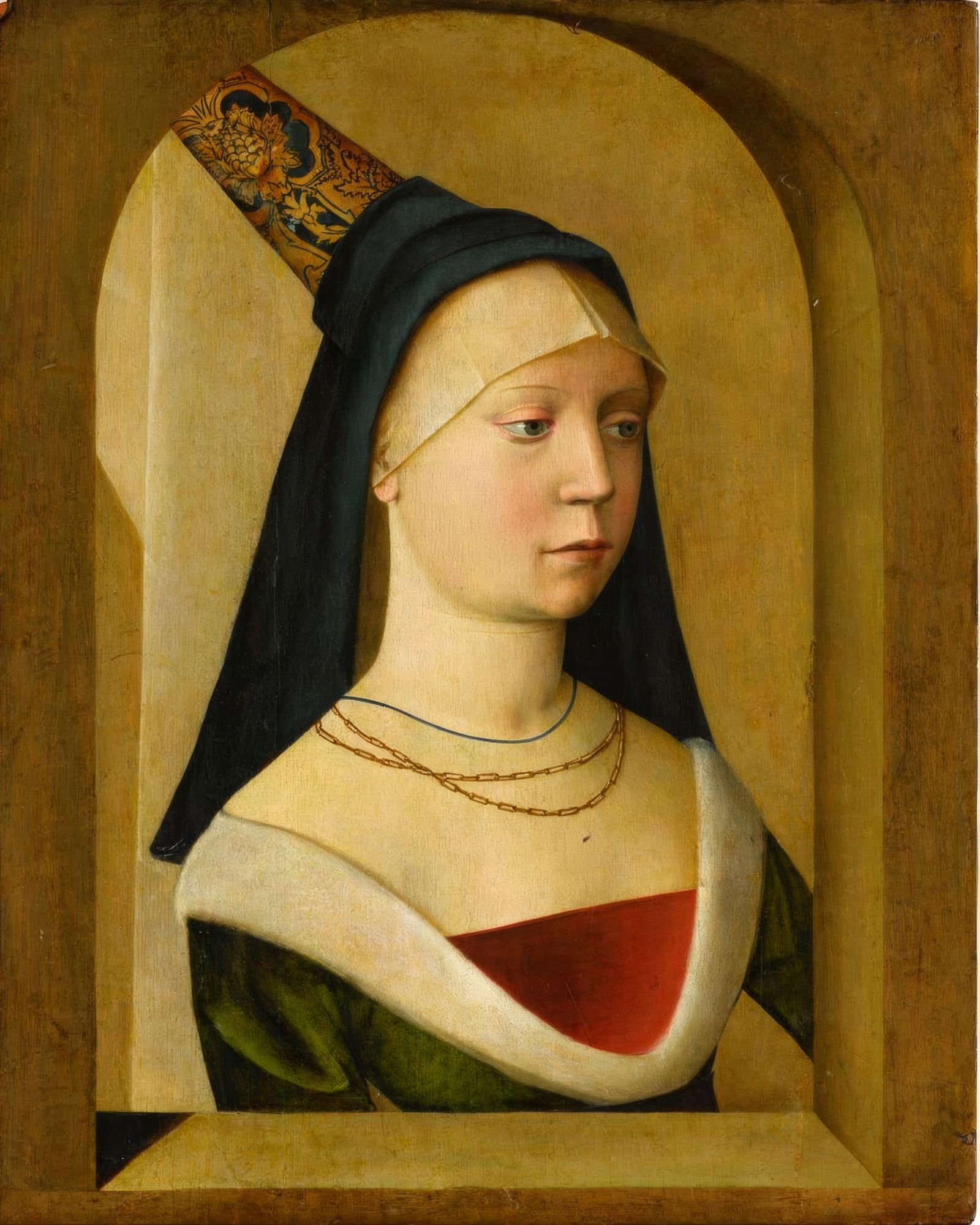
Portrait of a Woman · Netherlandish or French · ca. 1470–80 · The Metropolitan Museum of Art
Ask what you mean by royal: dignity, theatrical clothes, a formal pose or a particular historical atmosphere. Those are different aims. A picture can feel assured without piling symbols around the sitter. Choose the level of ceremony deliberately, especially if the portrait is a gift for someone whose taste you know only partly.
Explore Royal autumn · Explore this artwork
2. A face they recognise
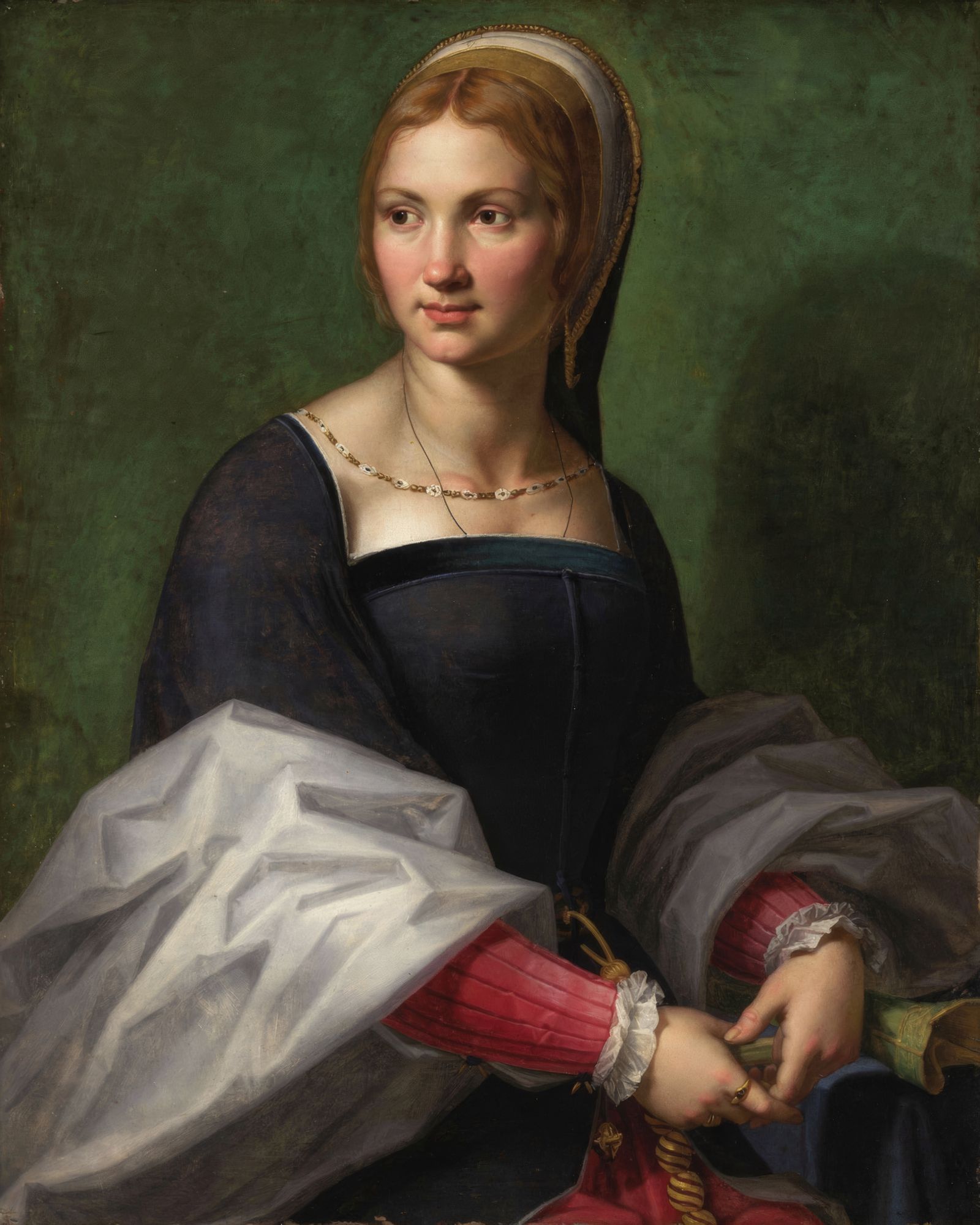
Portrait of a Woman · Andrea del Sarto · c. 1518 · Cleveland Museum of Art
The source photograph should be clear and comfortable for the sitter. Do not choose an image solely because its camera angle seems grand. A familiar expression is what makes the result a portrait of that person rather than an anonymous character wearing elaborate clothes. Compare several possible sources before deciding.
Explore Royal autumn · Explore this artwork
3. The sitter's own choice
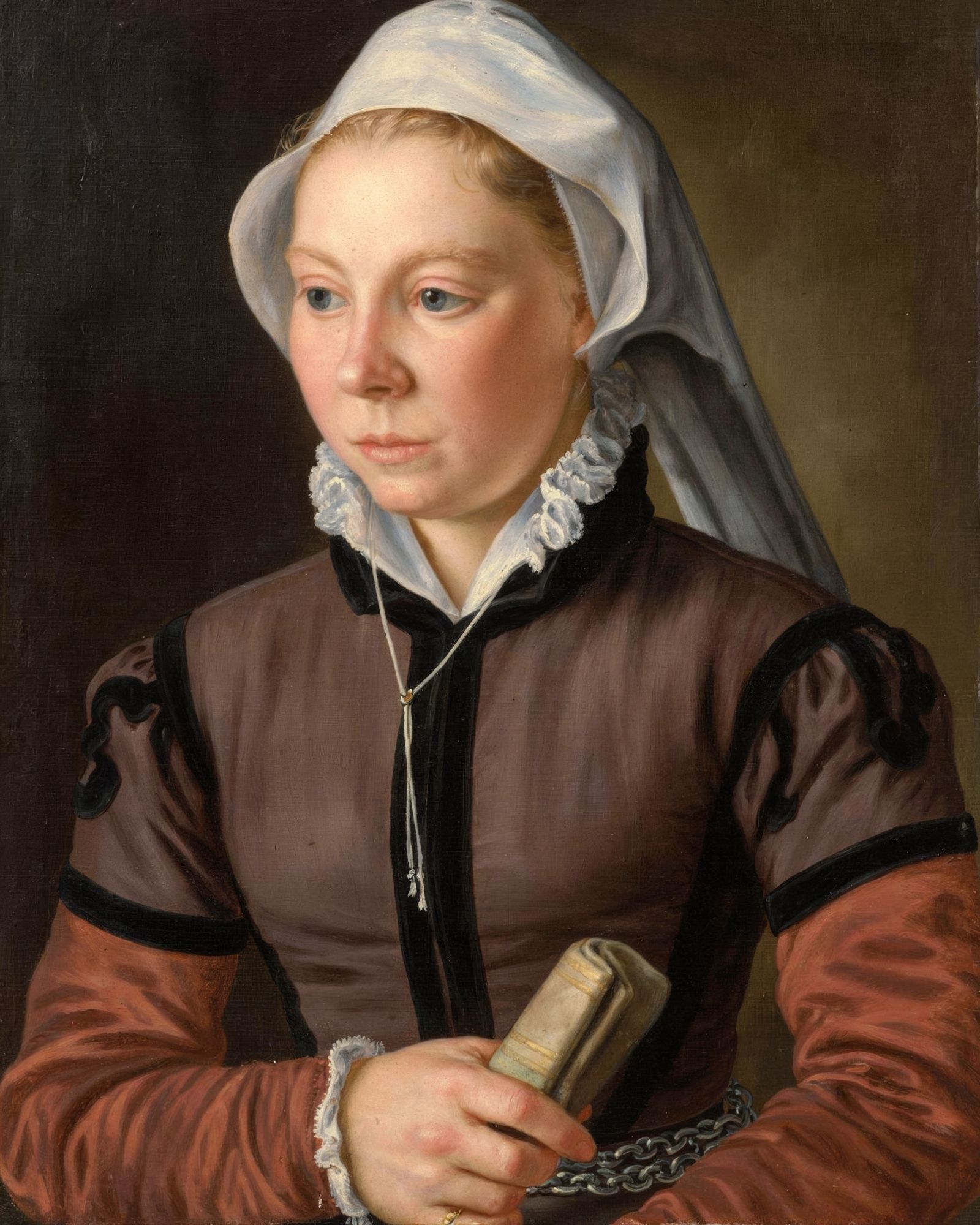
Portrait of a Young Woman · Joachim Beuckelaer · 1562 · Art Institute of Chicago
A formal portrait can be enjoyable when the person wants it and awkward when it is imposed. Offer a few style references and let them say how theatrical they would like the image to be. Their answer may be quieter than you expected, and that is useful information rather than a limit on the gift.
Explore Royal autumn · Explore this artwork
4. A modest amount of colour
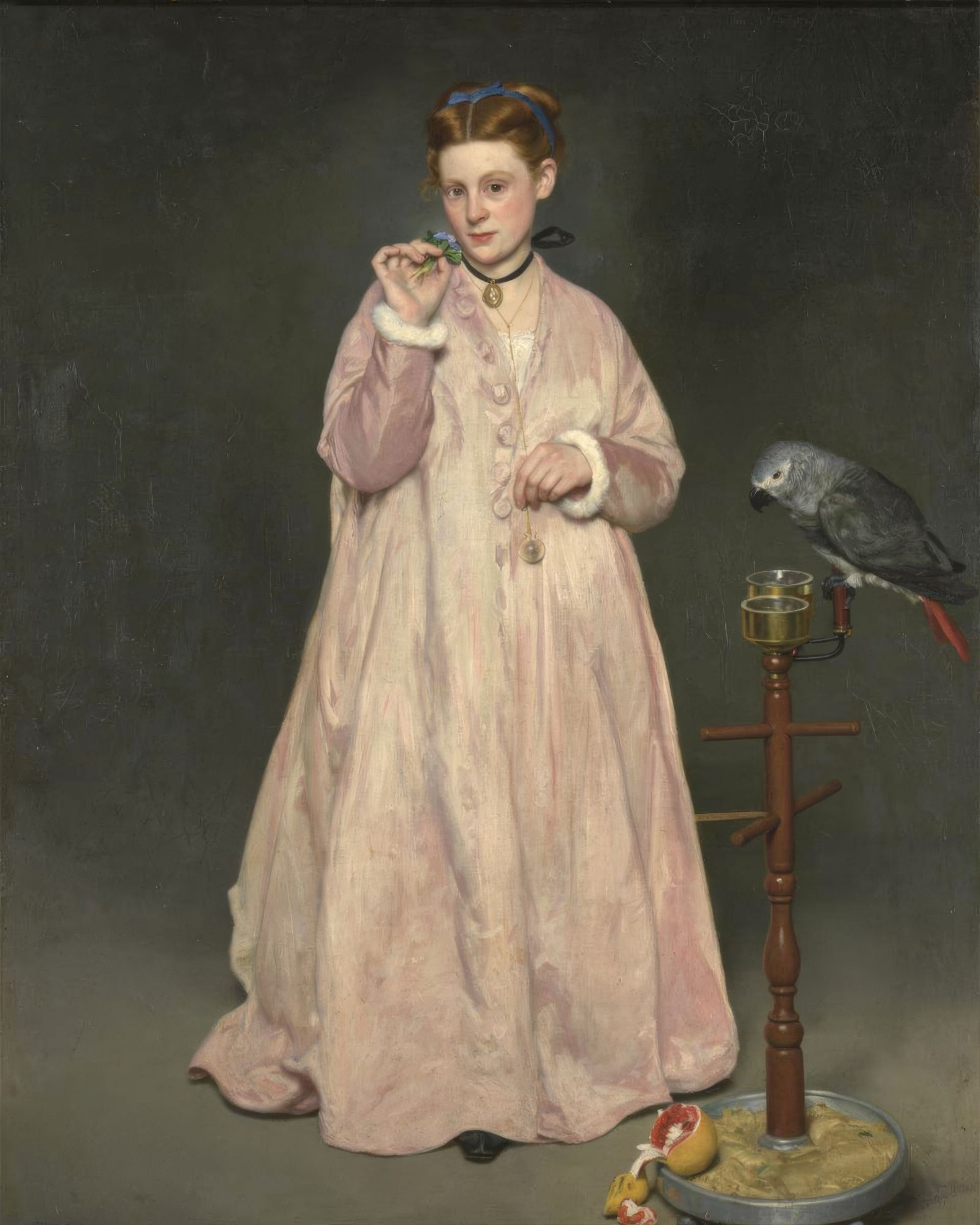
Young Lady in 1866 · Edouard Manet · 1866 · The Metropolitan Museum of Art
Rich colour can be part of the appeal, but it should belong in the room where the picture will live. Look at the sitter's existing art and furnishings before choosing a direction. If the work is a surprise, leave the physical presentation open so they can decide where and how to display it.
Explore Royal autumn · Explore this artwork
5. Clothes as an interpretation
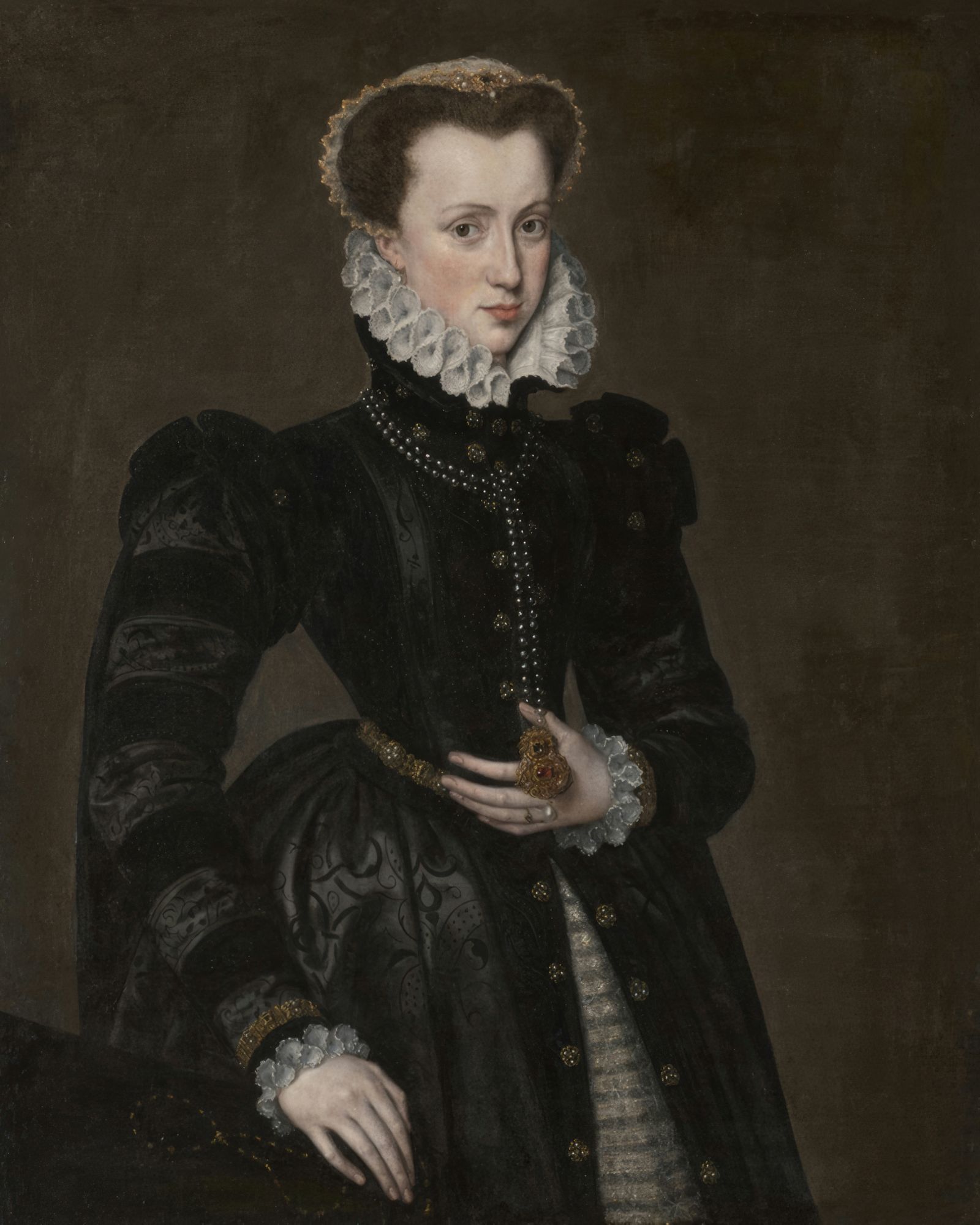
Portrait of a Court Lady · Follower of Antonis Mor · c. 1565 · Art Institute of Chicago
Historical dress in a new portrait is a creative choice, not evidence that the sitter belongs to a particular court or family. Describe the finished work honestly if you share it. A playful image does not need an invented biography, title or coat of arms to justify its place on the wall.
Explore Royal autumn · Explore this artwork
6. A portrait without the costume
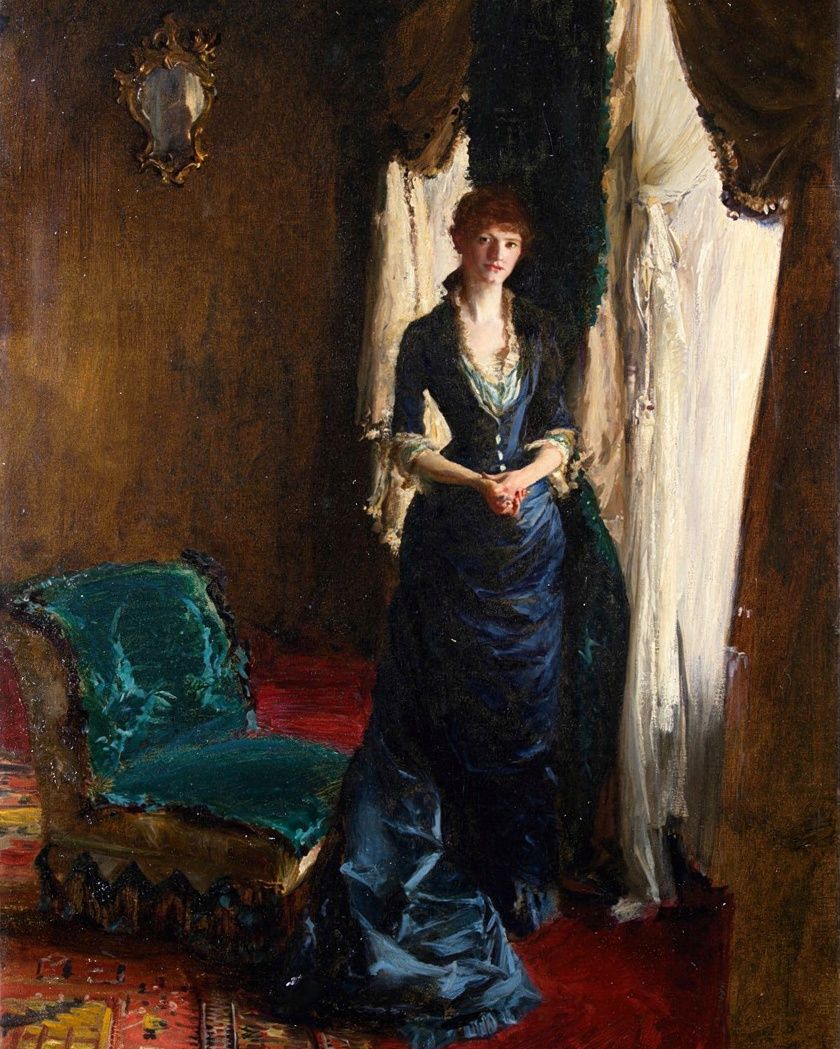
Madame Paul Escudier (Louise Lefevre) · John Singer Sargent · 1882 · Art Institute of Chicago
If elaborate robes do not suit the person, consider a direction that borrows the compositional confidence of historical portraiture instead. The scale of a figure, the space around it and the level of formality can carry the idea. Check the actual style options rather than assuming any reference can be copied literally.
Explore Royal autumn · Explore this artwork
7. A gift for someone who enjoys history
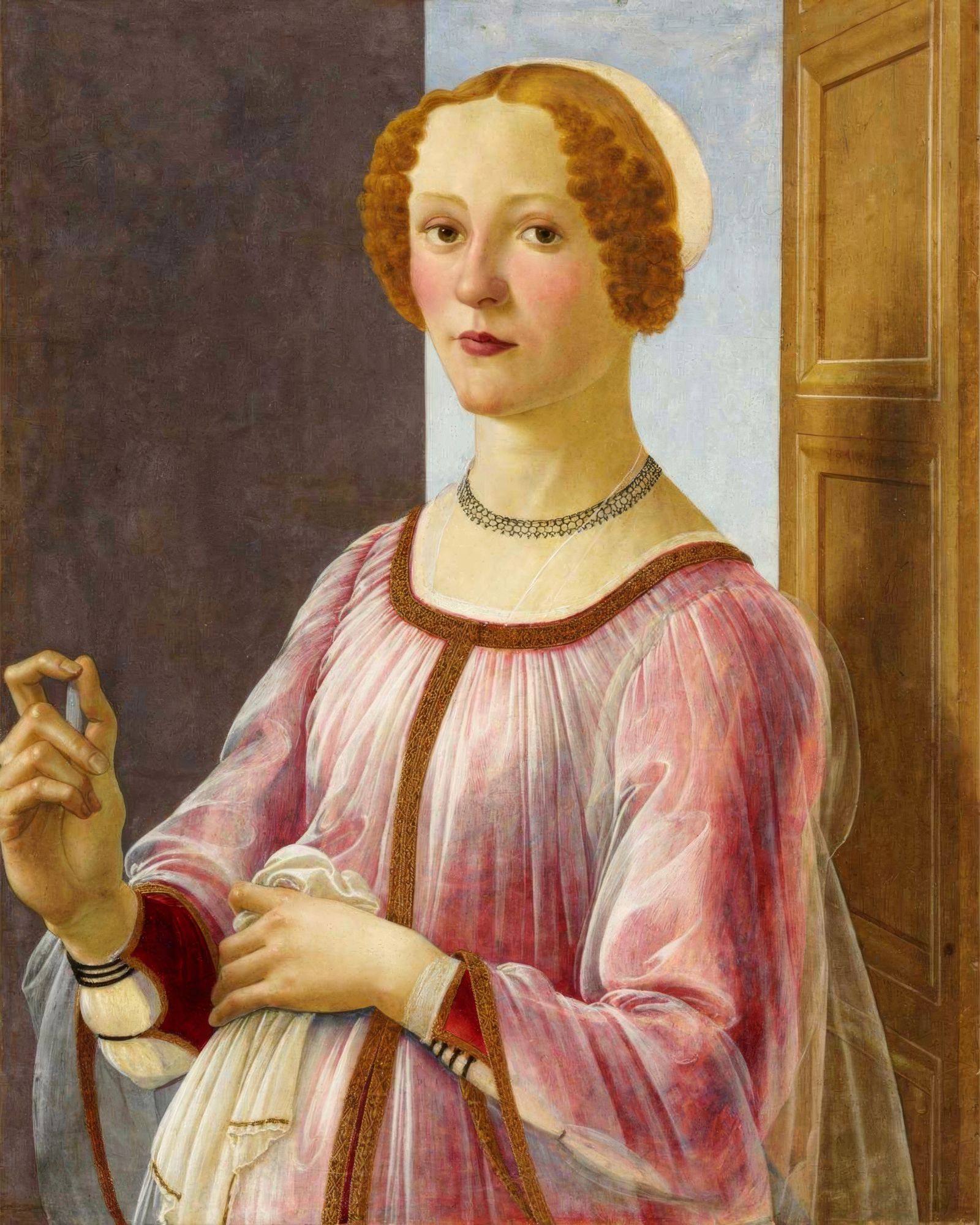
Portrait of a Lady known as Smeralda Bandinelli · Botticelli, Sandro · 1470-1480 · Victoria and Albert Museum
Let their particular interests guide the choice. An interest in one period does not mean every royal-looking image will appeal. Ask which portraits or museums they like, then use that as a starting point for browsing. A little knowledge of their taste is more useful than adding more decorative symbols.
Explore Royal autumn · Explore this artwork
8. The original as a print
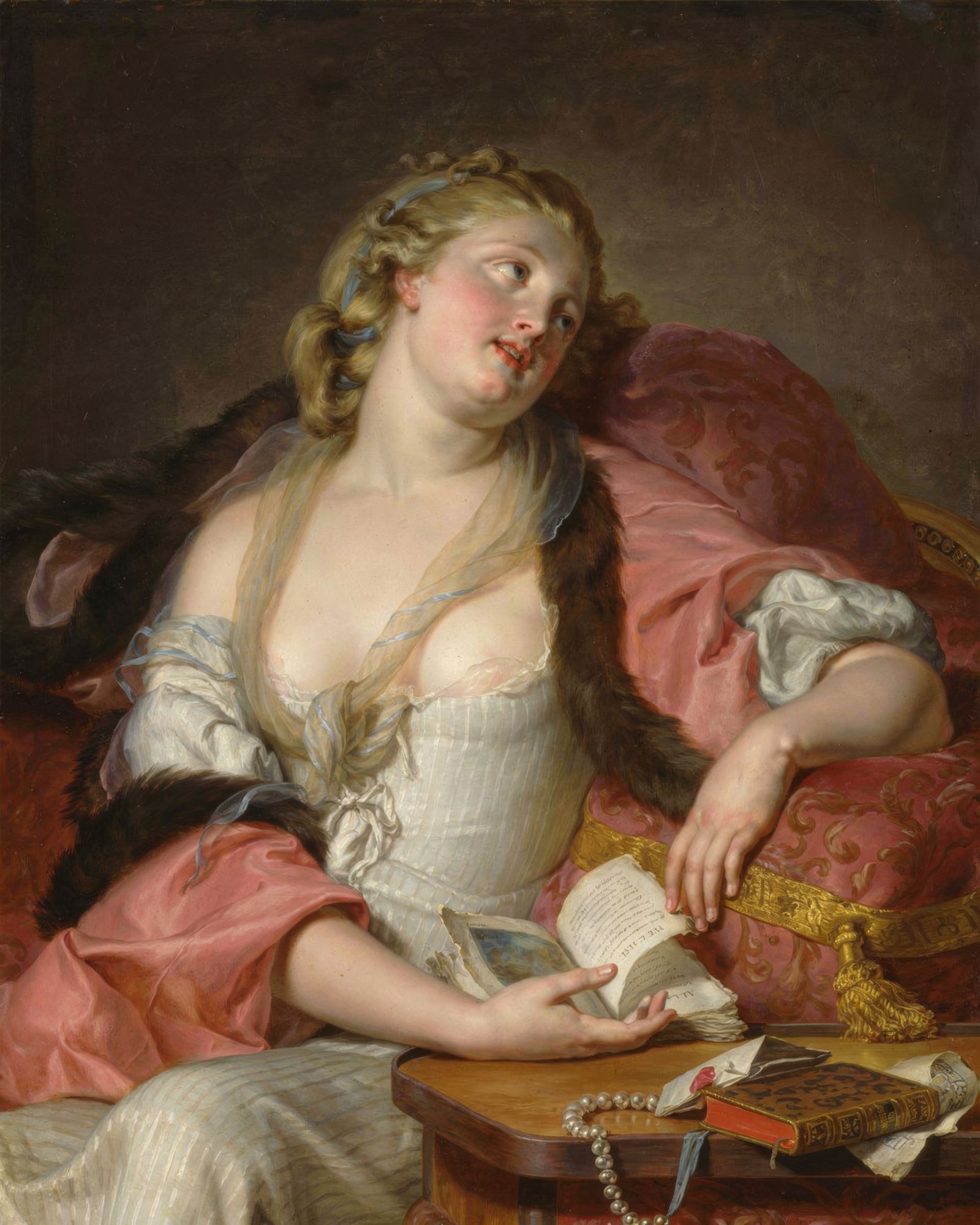
Lady Reading the Letters of Heloise and Abelard · Bernard d'Agesci · c. 1780 · Art Institute of Chicago
A historical portrait may be the right gift in its own right. Follow the work's page to inspect the current print options if the recipient would rather look at the art than appear in it. The portrait reference can become the chosen object without a need to personalise every gift.
Explore Royal autumn · Explore this artwork
9. A pair treated as a pair
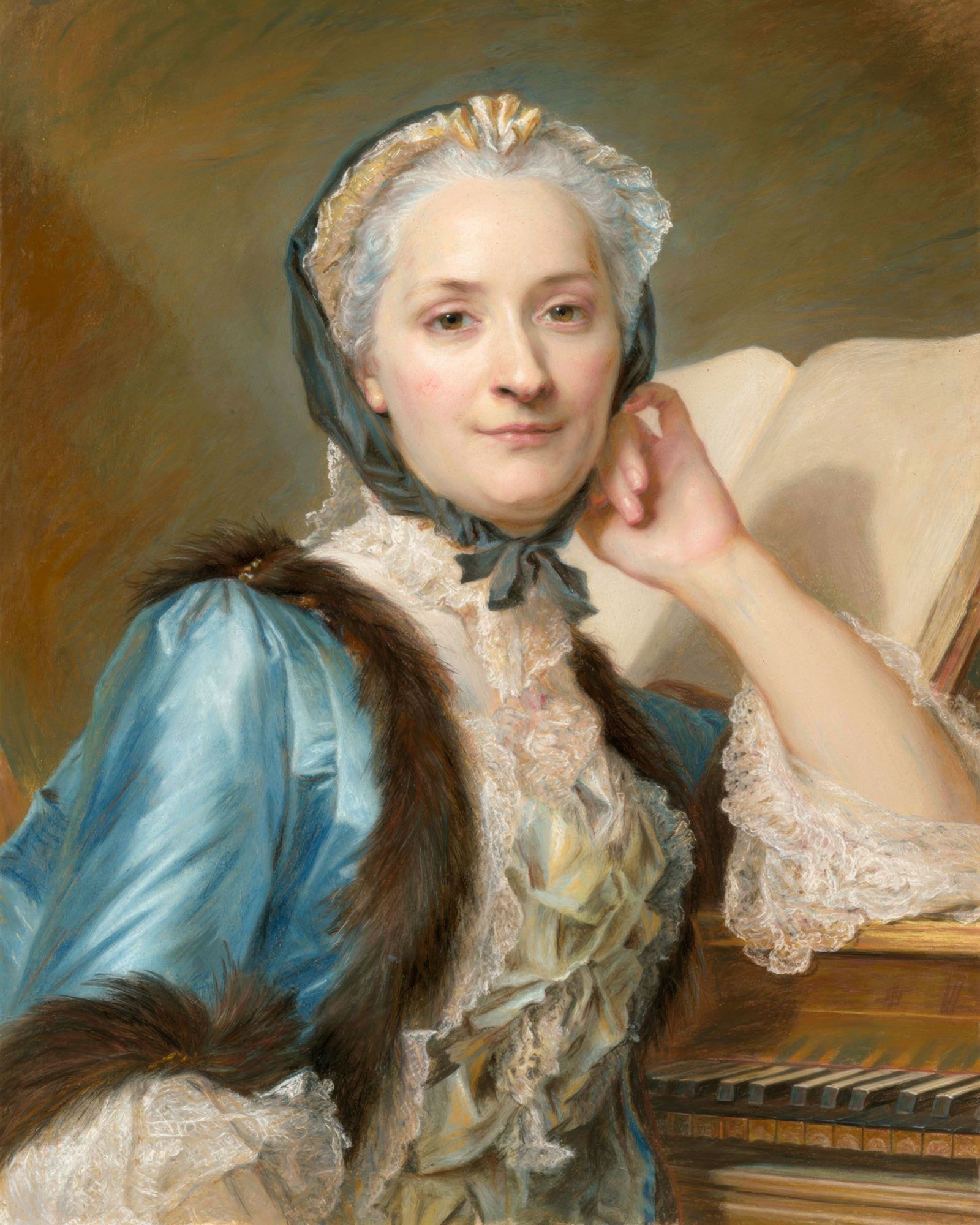
Portrait of Madame de Mondonville · Maurice-Quentin de La Tour · c. 1752 · Art Institute of Chicago
If the idea is for two people, move to Fable's Love stories references and let both sitters choose the direction. Avoid putting one person in charge of the other's appearance. A couple portrait works best as a shared image, rather than two unrelated role-playing portraits forced into one composition.
Explore Royal autumn · Explore this artwork
10. An inscription kept separate
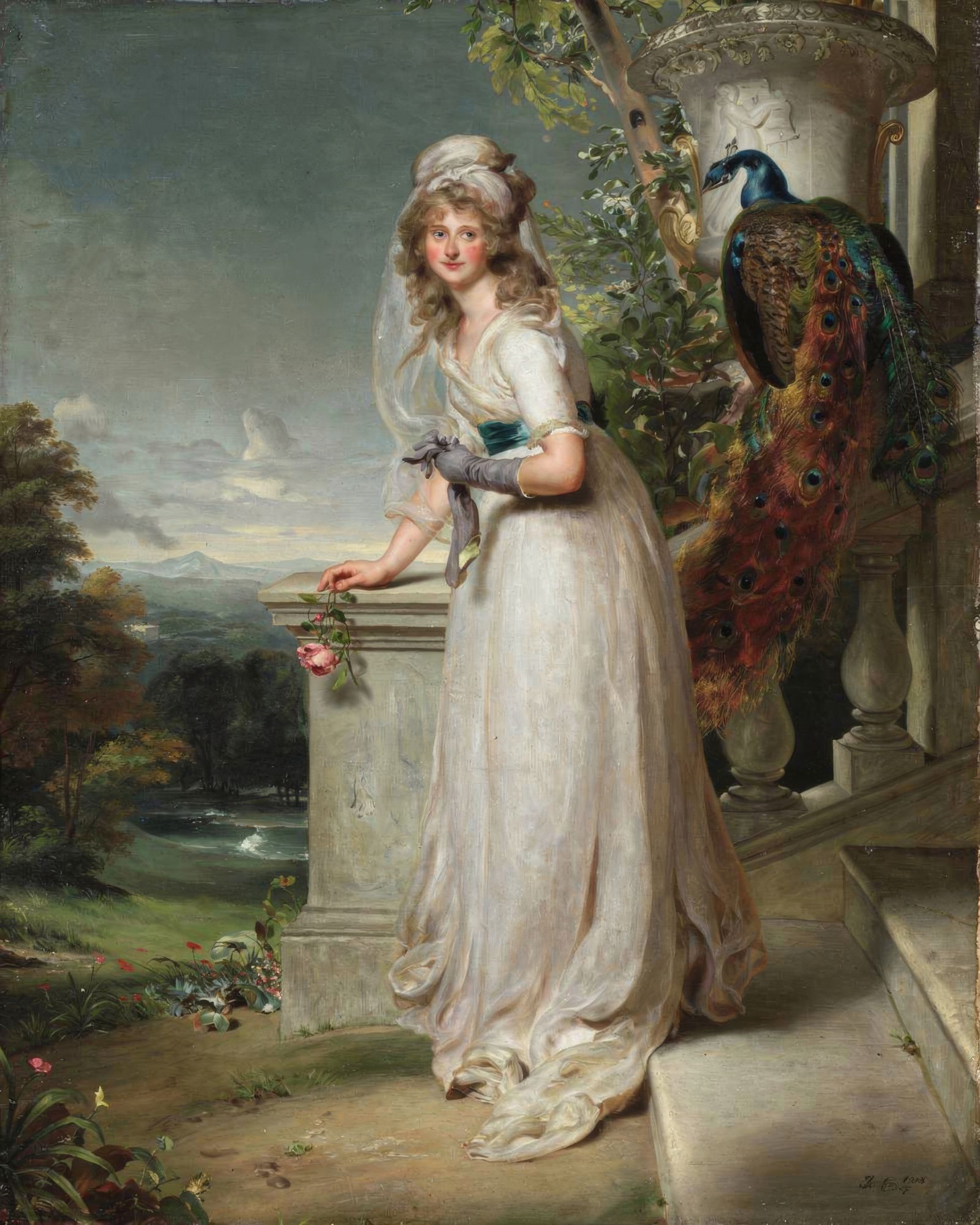
Portrait of Catherine Grey, Lady Manners · Thomas Lawrence · 1794 · Cleveland Museum of Art
A mock title or private joke can be fun in the card without becoming permanent lettering on the portrait. Think about how the image will feel after the birthday or celebration. A simple work can remain enjoyable in a room even when the joke has done its part on the day.
Explore Royal autumn · Explore this artwork
Choose what the sitter should feel when they see the portrait: recognition, amusement, confidence or a particular kind of ceremony. Then compare the live portrait styles with that aim in mind. Check the current options on the selected style page before expecting a specific costume, object or physical format. Browse the current style library to find the portrait direction you would enjoy. The historical works are a source of visual ideas; the person in your photograph remains the reason to make the portrait.
A historical reference can also prompt questions about the society that made it: who was represented, who could commission a portrait and what kind of authority the image displayed. Those questions are worth keeping distinct from the playful purpose of a modern gift. You can borrow a visual atmosphere without endorsing every value associated with a court or claiming that its symbols belong to you. If the portrait is intended for public sharing, describe it as a contemporary creative portrait from your photograph. Clear language leaves room for the pleasure of the image without inventing a history for the sitter.
- Does a royal portrait imply noble ancestry?
- No. A contemporary portrait in a courtly style is a creative image, not evidence of ancestry, rank or a grant of arms.
- Can a royal portrait be understated?
- Yes. Formal presence can matter more than crowns or elaborate dress. Choose a direction that the sitter would actually enjoy seeing at home.
- Where should I begin choosing a portrait style?
- Start in the live style library, compare the historical references and select a portrait direction that suits the sitter. Inspect its current options before deciding.