50th birthday gift ideas for men, through art
Ten historical pictures suggest gifts built around a person’s interests, without treating fifty as a personality.
Useful 50th birthday gift ideas for men start with the individual, not a joke about getting older. A portrait, a print or a decorative crest can refer to something specific: a place, an animal, a craft, a habit of looking. Fifty supplies the occasion; it does not tell you whether the recipient wants a grand image, a quiet one or no surprise at all.
The ten historical works below are prompts for that choice, not examples of customer commissions. Some suggest how a portrait could feel; others point toward a ready-made artwork that might suit an interest better. If you want the wider approach, read personalised gifts. The companion guide to a fiftieth birthday for women follows the same principle: notice the person before turning a milestone into a theme.
1. For someone happiest outdoors
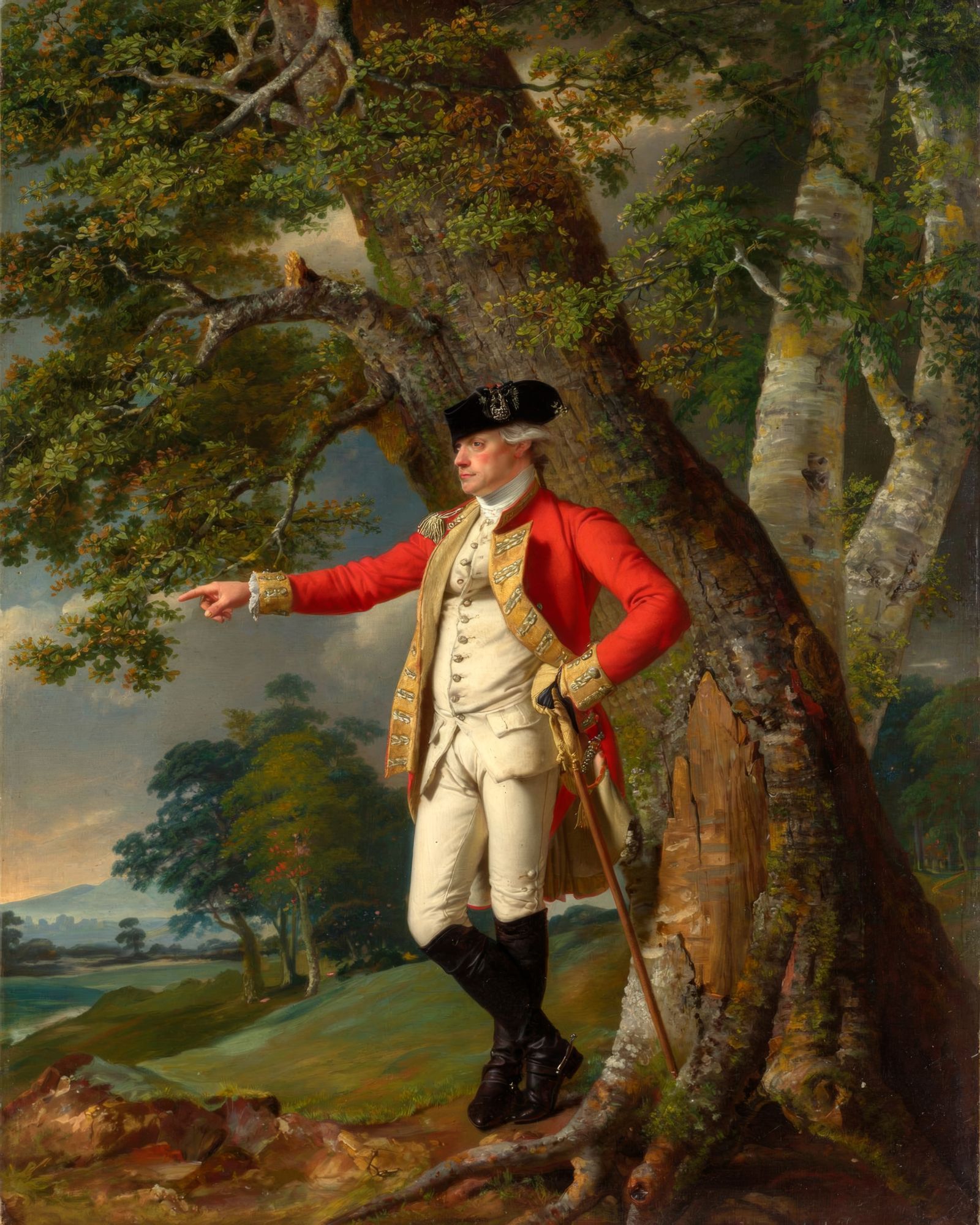
Portrait of Colonel Charles Heathcote · Joseph Wright of Derby, c. 1771–72 · Cleveland Museum of Art. Restored by Surrealium at Vaxholm Fortress, Sweden.
Wright’s Colonel Heathcote stands beneath a tree in a red coat, with a wide landscape behind him. The figure belongs to a place rather than floating against a blank background. For a modern gift, the useful idea is that relationship to surroundings: choose a photograph connected with a walk, a garden or a familiar landscape, and avoid assuming that historical rank or costume says anything about the recipient.
2. For a reader, writer or maker
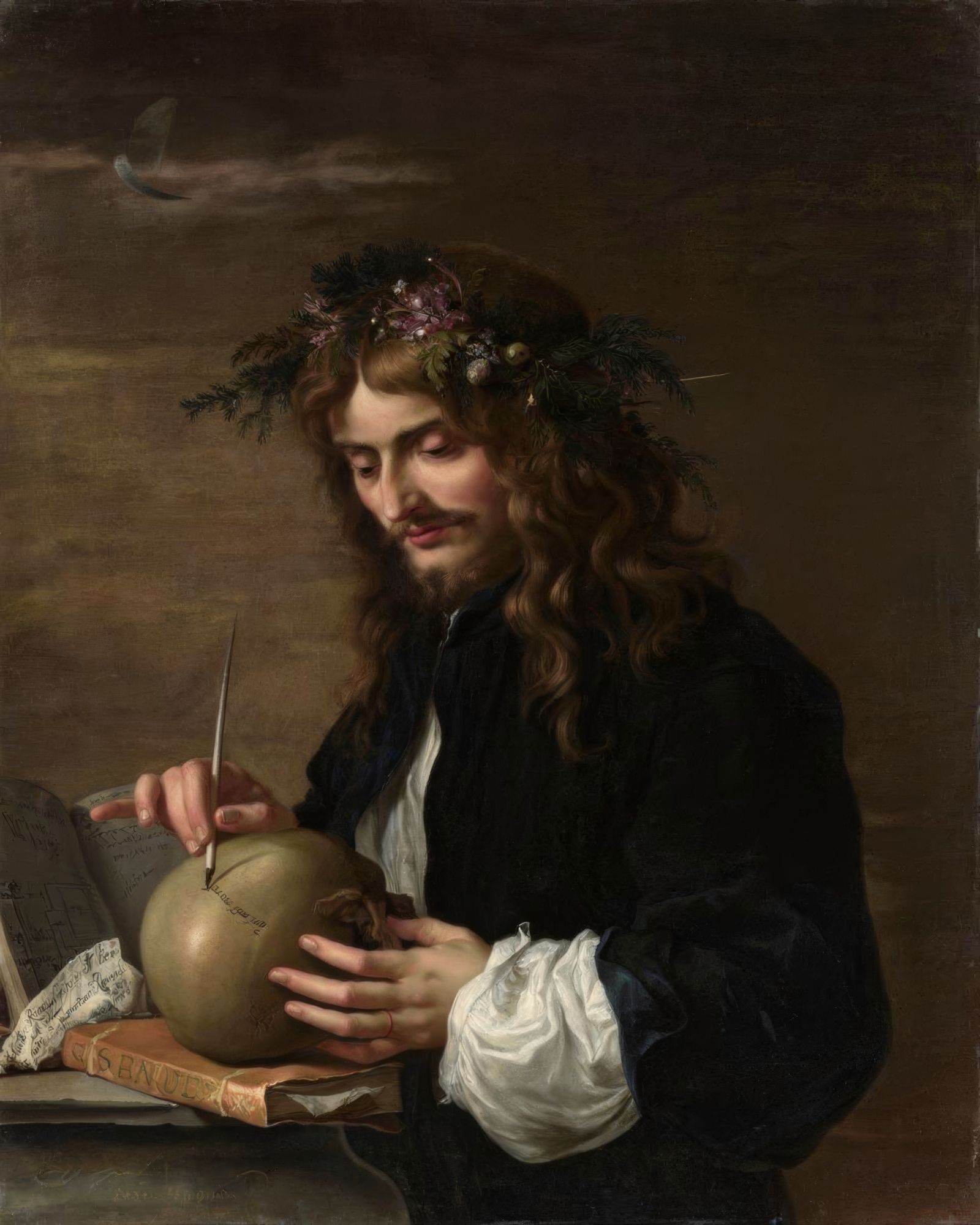
Self-Portrait · Salvator Rosa, ca. 1647 · The Metropolitan Museum of Art. Restored by Surrealium at Vaxholm Fortress, Sweden.
Salvator Rosa’s self-portrait includes a working hand, a book and an object that gives the pose a reflective quality. The historical accessories belong to this particular image, so they should not become a list of props to impose on someone else. A more personal gift begins with what the recipient actually makes or reads, perhaps accompanied by a short note about a conversation or project you remember.
3. For someone who prefers a direct portrait
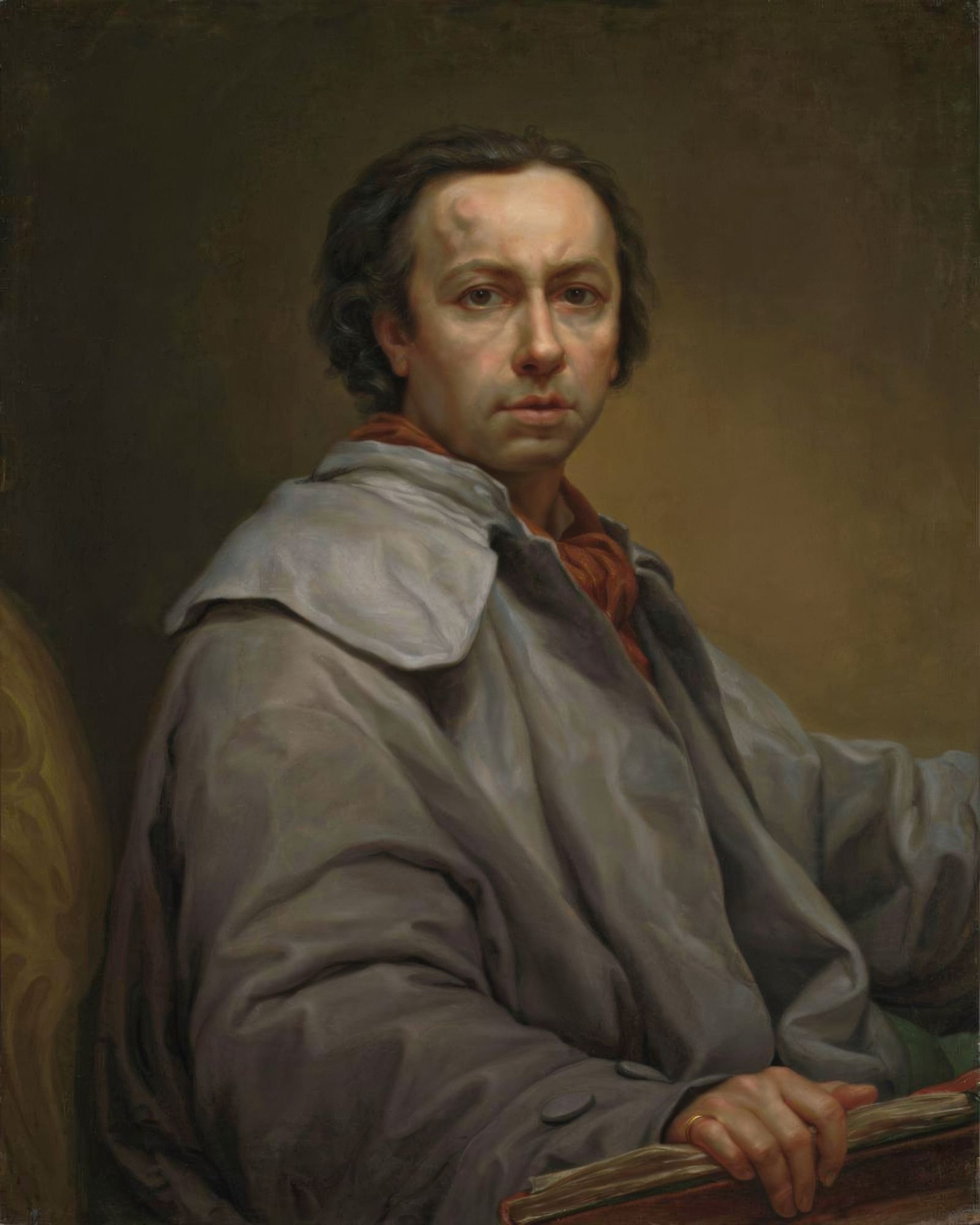
Self-Portrait · Anton Raphael Mengs, 1776 · The Metropolitan Museum of Art. Restored by Surrealium at Vaxholm Fortress, Sweden.
Mengs meets the viewer without a large setting competing for attention. The turned body, draped clothing and steady face give the composition enough variation to remain alive. If the recipient dislikes elaborate presentations, this suggests a useful direction: a clear photograph with a recognisable expression, a restrained background and a choice they can review before the gift is treated as finished.
4. For a lover of strong colour and fabric
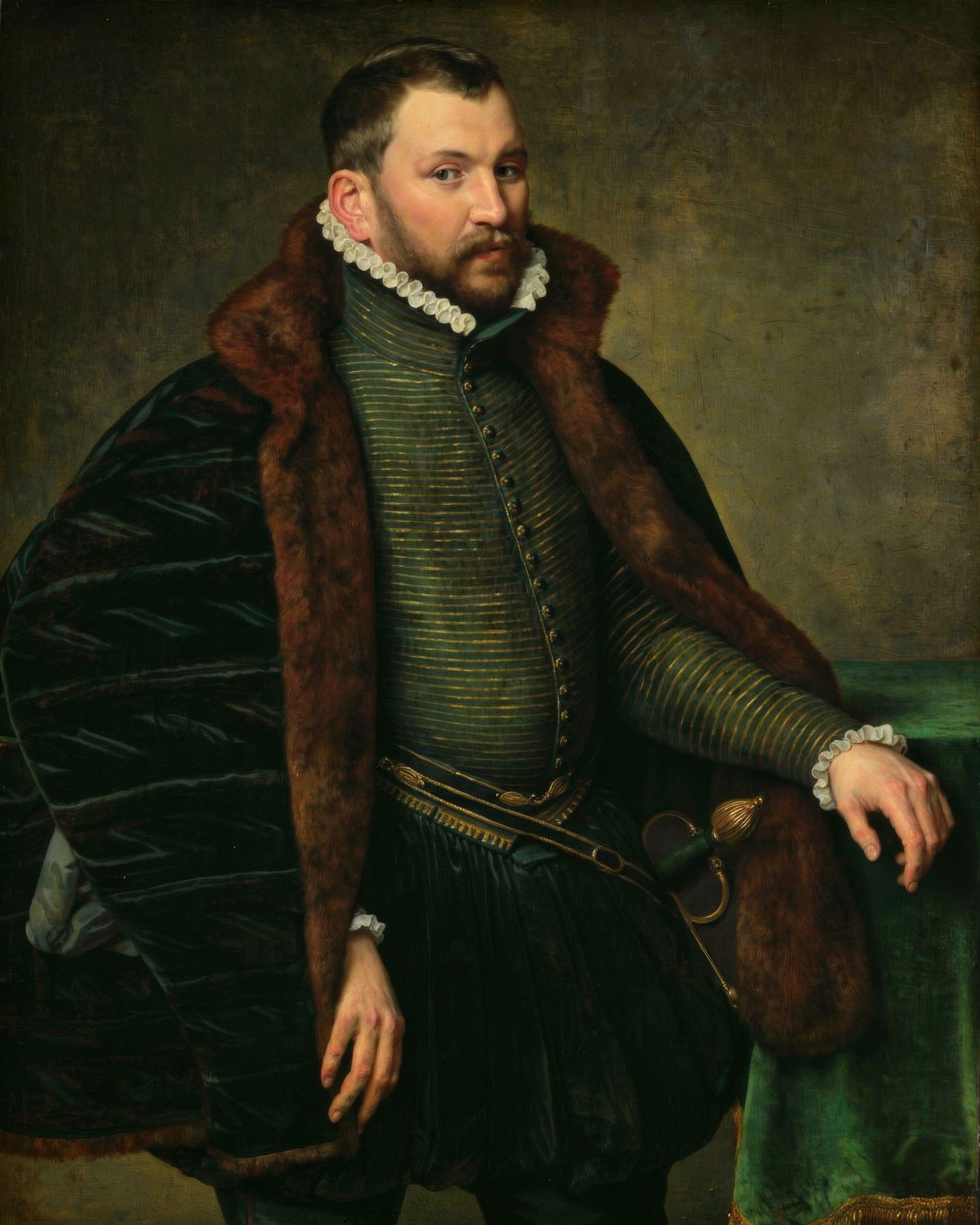
Portrait of a Man · Attributed to Antonis Mor, c. 1565 · Art Institute of Chicago. Restored by Surrealium at Vaxholm Fortress, Sweden.
The man in Mor’s portrait wears deep green and warm fur against a dark setting. The interest lies in the balance between an alert face and substantial clothing, not simply in the age of the picture. Choose it for someone who already enjoys historical portraiture or rich materials; it would be less thoughtful to infer that a formal male portrait automatically suits every man reaching fifty.
5. For someone who likes an understated image
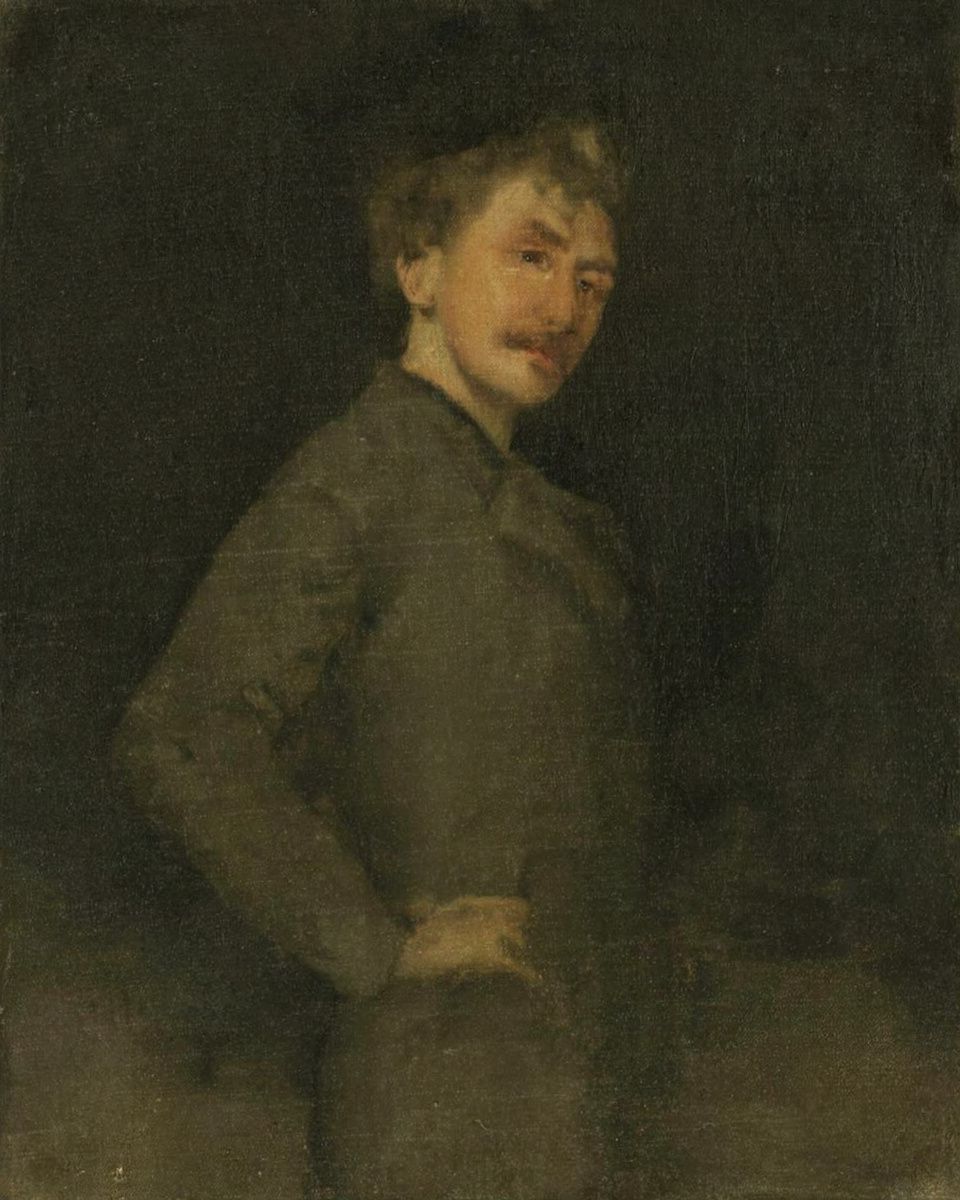
Self-Portrait · James Abbott McNeill Whistler, c. 1893-1899 · Harvard Art Museums/Fogg Museum, Bequest of Grenville L. Winthrop. Restored by Surrealium at Vaxholm Fortress, Sweden.
Whistler’s self-portrait holds the figure close within a restrained range of tones. The head turns toward us while the surrounding space remains quiet, so small changes in the face matter. This is a good prompt for thinking about scale: a modest portrait can feel deliberate and personal without becoming the largest object in the room or requiring a ceremonial unveiling at a birthday gathering.
6. For the person who notices small details
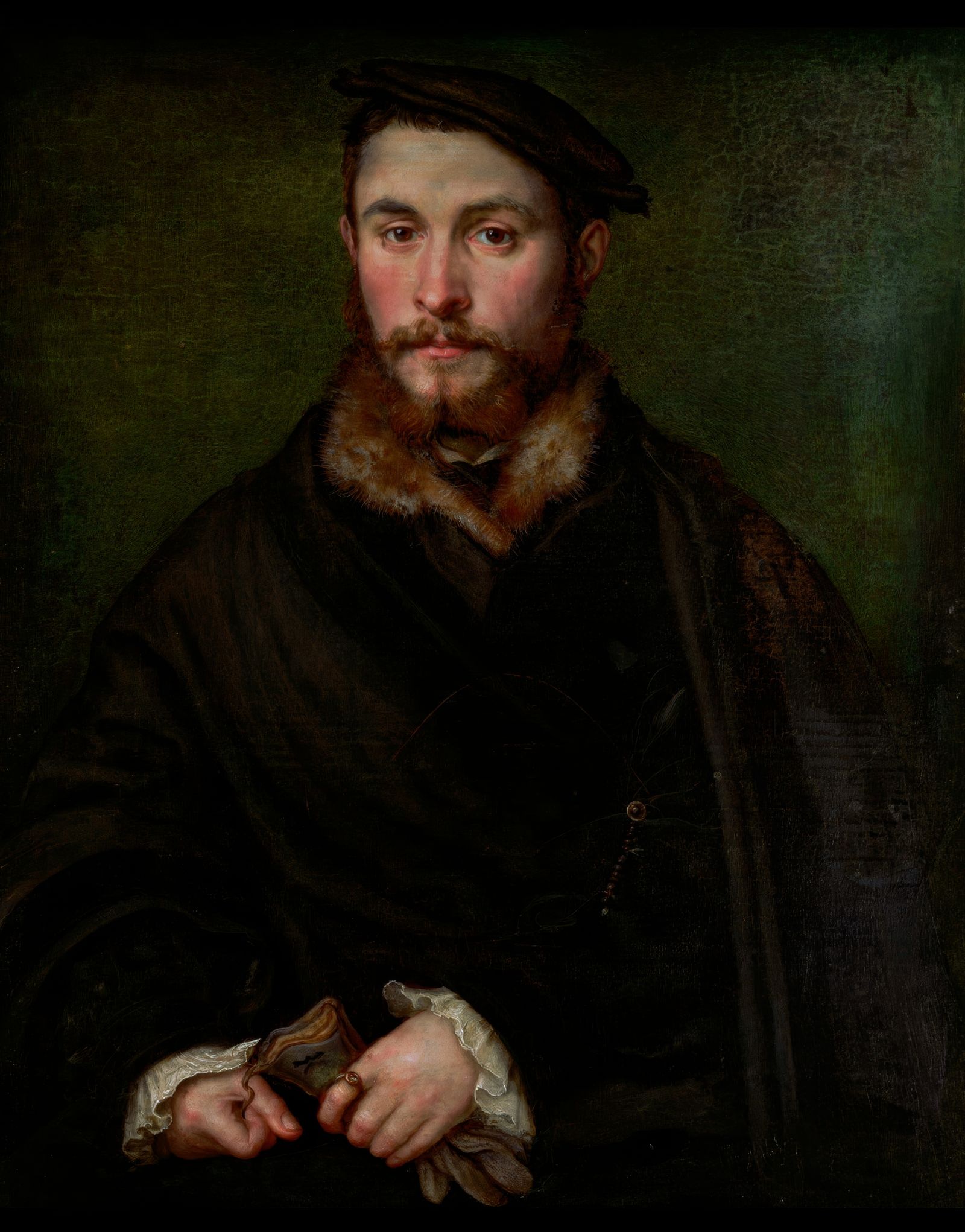
Portrait of a Man with Gloves · Corneille de Lyon, ca. 1535 · The Metropolitan Museum of Art. Restored by Surrealium at Vaxholm Fortress, Sweden.
Corneille de Lyon’s sitter holds gloves at the lower edge while the face remains sharply present above dark clothing. The hands offer character without overwhelming the composition. A gift can work in the same way: choose one meaningful detail, whether a remembered colour or a familiar expression, and resist loading the accompanying note with every achievement of the recipient’s first five decades.
7. For a craftsperson
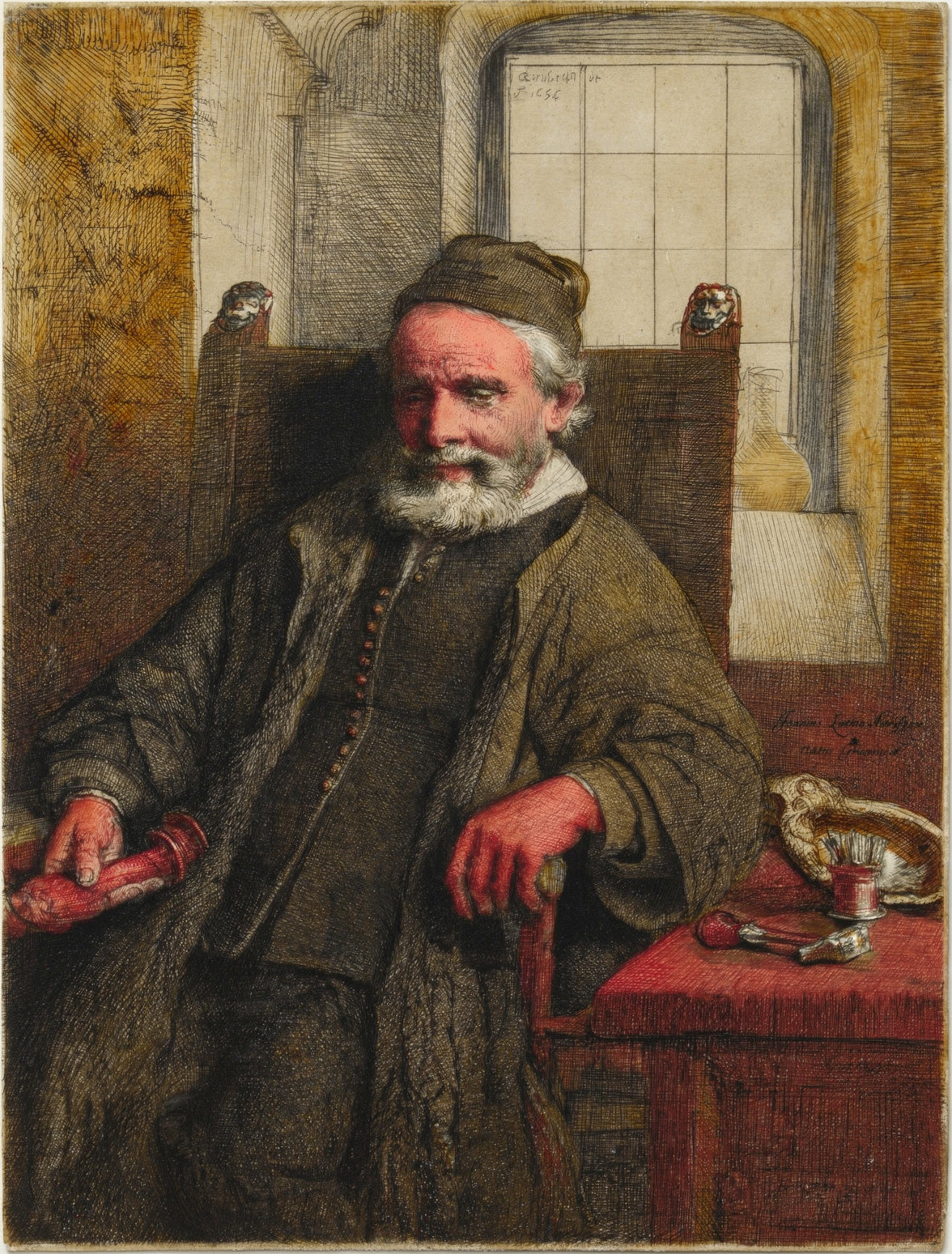
Jan Lutma, Goldsmith · Rembrandt van Rijn, 1656 · Cleveland Museum of Art. Contemporary Fable colour edition after the historical print. Restored by Surrealium at Vaxholm Fortress, Sweden.
Rembrandt’s portrait of Jan Lutma gives space to hands, tools and the chair around a seated figure. Fable’s version adds contemporary colour to the historical print, so the colours should not be attributed to Rembrandt. The underlying idea is useful for a maker’s birthday: recognise patient skill and the place where it happens, rather than choosing an impersonal object merely because it can be engraved with a name.
8. For someone whose dog belongs in the story
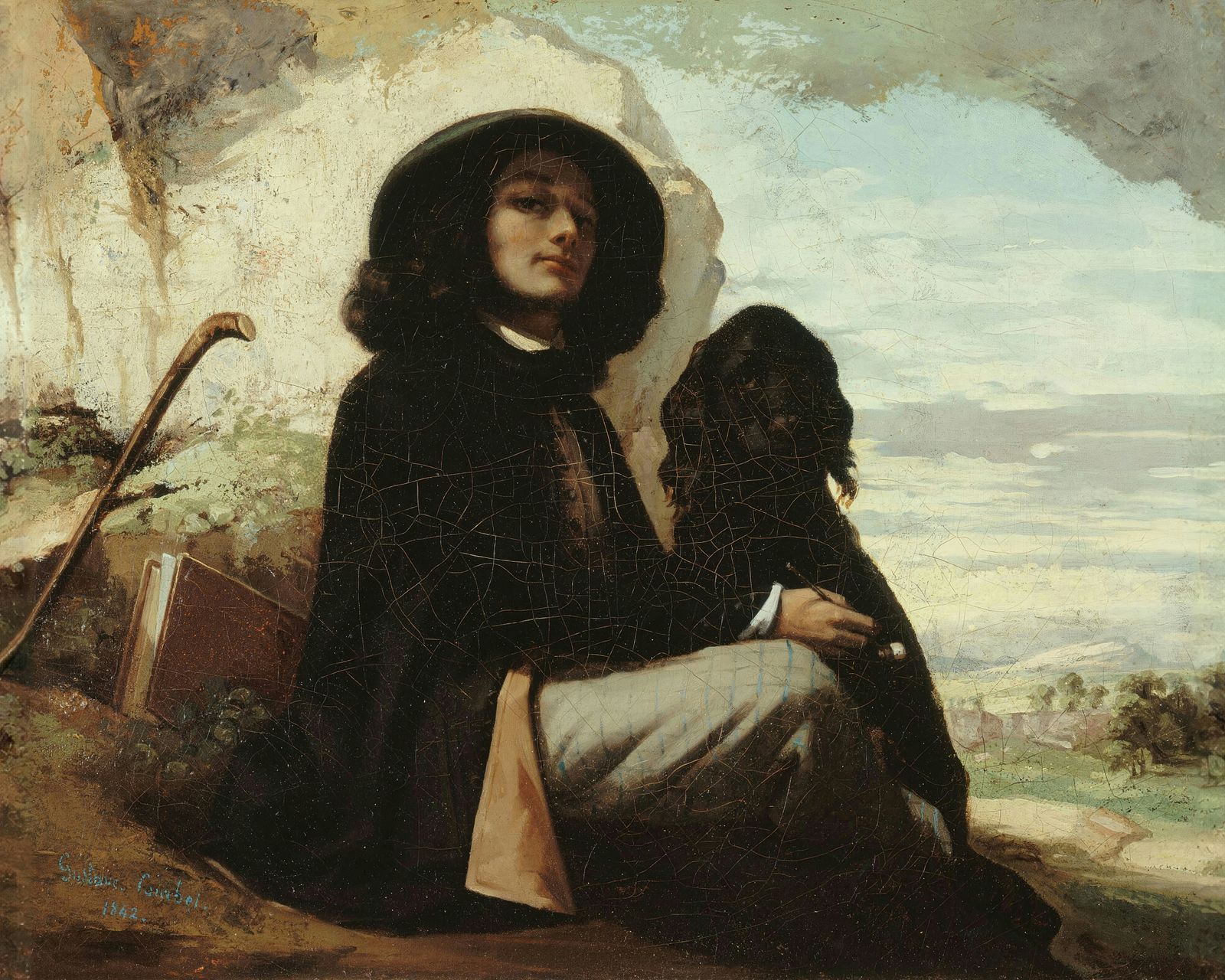
Self-Portrait with a Black Dog · Gustave Courbet, 1842 · Petit Palais, Paris. Restored by Surrealium at Vaxholm Fortress, Sweden.
Courbet sits outdoors with a black dog beside him, the two bodies sharing the picture’s centre. The animal is present as an animal, with its own shape and attention. If companionship is central to the recipient’s life, consider a photograph in which both person and pet are clearly visible, and let that existing relationship matter more than a dramatic costume or invented scene.
9. For a sailor or a person attached to the coast
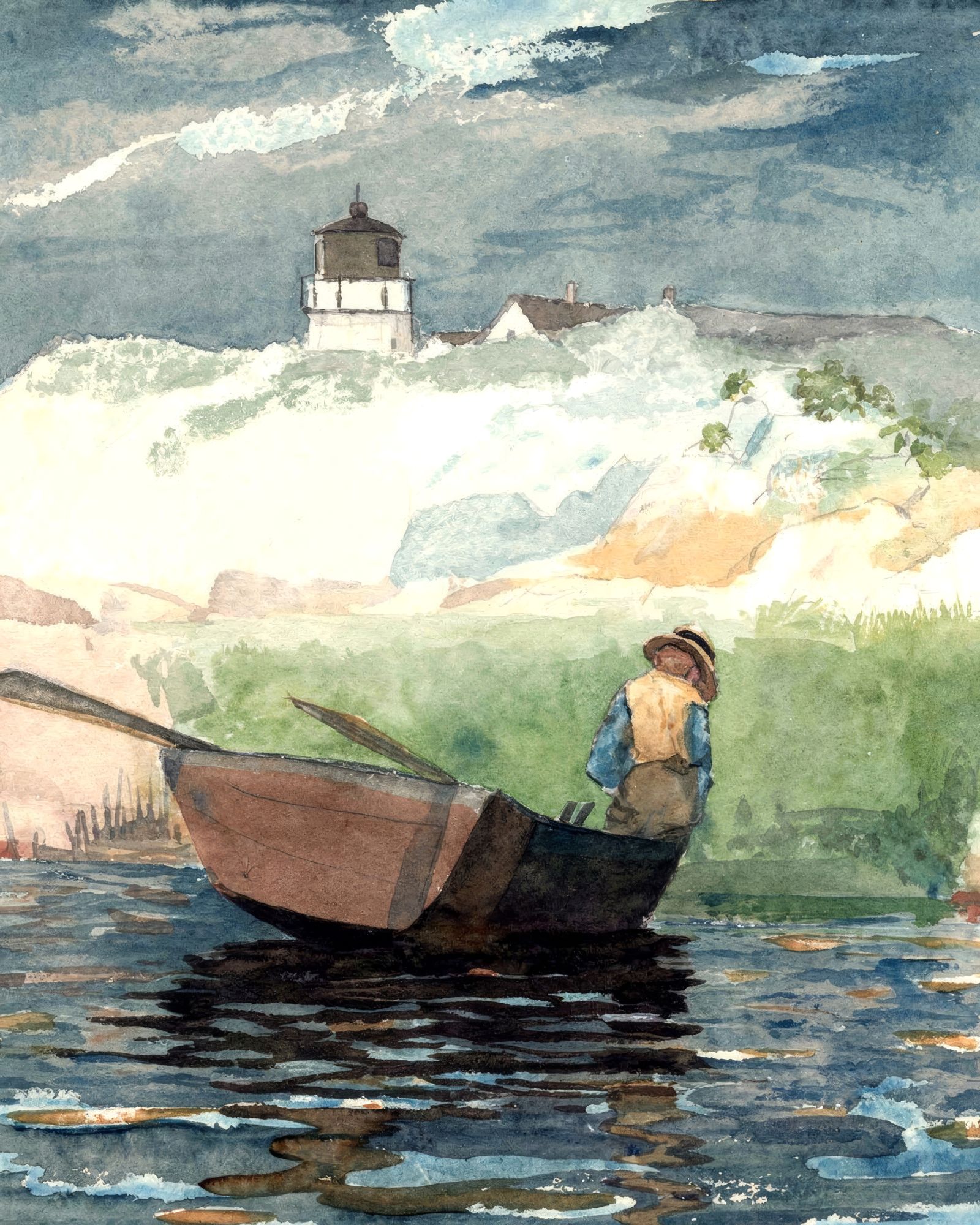
Boy in Boat, Gloucester · Winslow Homer American, 1836-1910, 1880/81 · Art Institute of Chicago. Restored by Surrealium at Vaxholm Fortress, Sweden.
Homer places a small boat near shore, with water, sand and a distant building sharing the light. It is an alternative to commissioning a face: a picture of a valued activity can be just as personal. Choose a coastal work because the recipient likes the sea or this particular image, and say which memory led you to it instead of claiming the historical location is their own.
10. For a traveller who remembers places through pictures
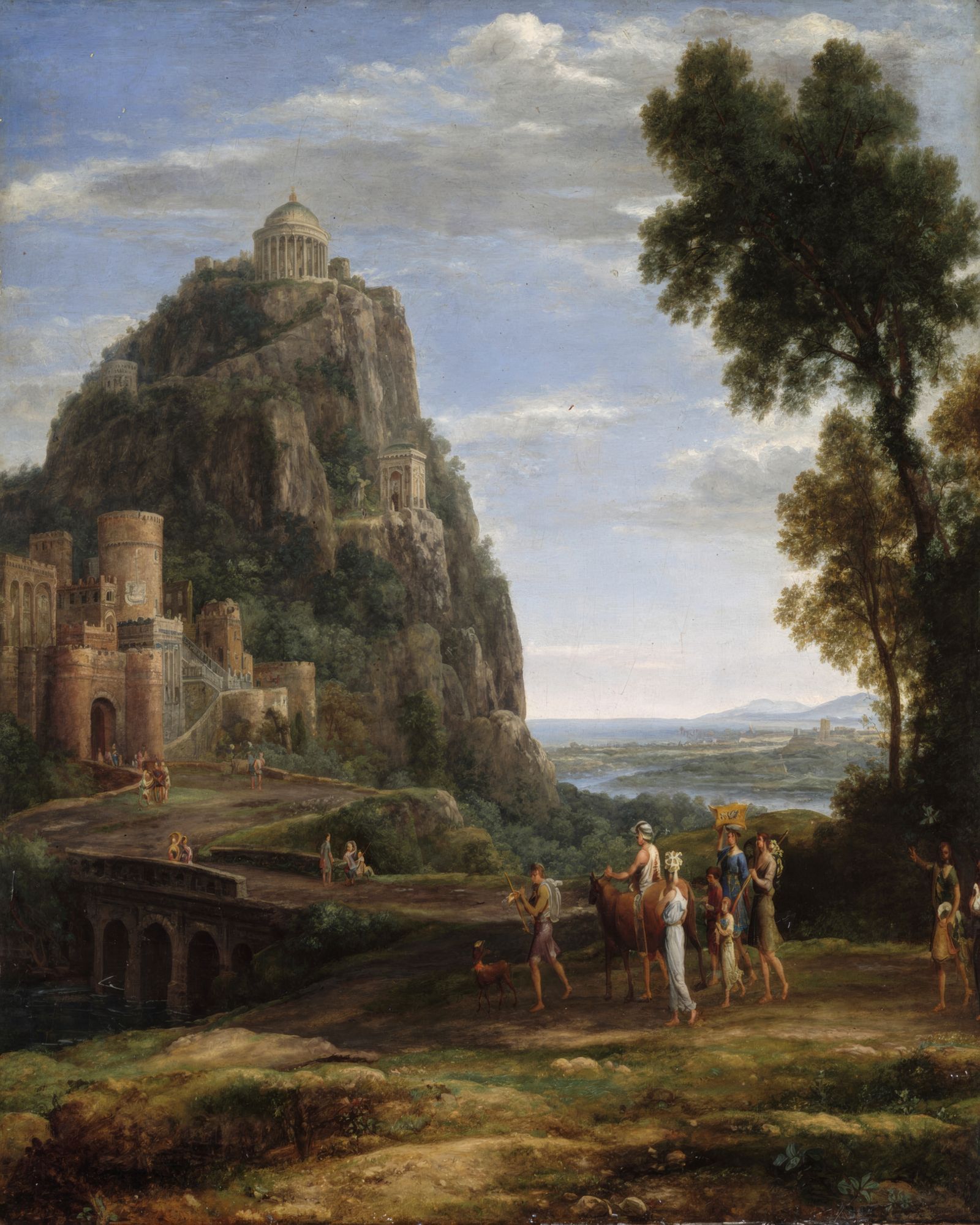
View of Delphi with a Procession · Claude Lorrain, 1673 · Art Institute of Chicago. Restored by Surrealium at Vaxholm Fortress, Sweden.
Claude’s view of Delphi gives architecture, vegetation and a procession room to unfold together. It invites wandering attention rather than a quick recognition of a face. A landscape print may suit someone who already collects memories of places, but select the scene with care: a destination you want them to visit is different from a place they have told you they love.
A good shortlist needs only two or three directions. Ask whether the recipient would enjoy choosing the final picture, and whether there is a clear photograph they would be comfortable using. Our custom portrait guide helps with that route; Masterworks offers an alternative when the historical work itself is the gift.
Keep the birthday message concrete: mention an afternoon, a skill, a friendship or a place. You do not need to turn the number fifty into a judgement about the person’s life. If a decorative emblem seems more appropriate, the guide to what a coat of arms means explains the distinction before you explore the available gifts. Let the recipient’s preferences govern the final choice and the moment of giving.
- What is a thoughtful fiftieth-birthday gift for a man?
- One that reflects a known interest or relationship. A portrait may suit someone who likes personal images; a print may suit someone who has a clear taste in art. Ask before arranging a prominent surprise for a person who prefers privacy.
- Should the gift include the number fifty?
- Only if the recipient would enjoy it. A dated note can record the occasion while letting the artwork remain useful after the birthday. There is no need to make the milestone part of the picture itself.
- Can I use these paintings as examples of finished Fable portraits?
- No. These are historical artworks used as visual references and gift prompts. A new portrait begins with the recipient’s photograph and the current creation options; it should be reviewed on its own merits.