Fables told in Fable
Aesop's fables and old legends, told again one at a time in portraits made with Fable.
Aesop's fables are among the oldest stories still told. They were already old when Greek writers began collecting them, more than 2,500 years ago, and they have been retold by La Fontaine, by countless nursery books, and by every parent who has ever needed a moral before bedtime. We wanted to tell them again, one at a time, in portraits.
That is Fables told in Fable: a short film for each story, made frame by frame from portraits made with Fable, and a page where you can read it slowly.
No. 1: The Lion and the Mouse
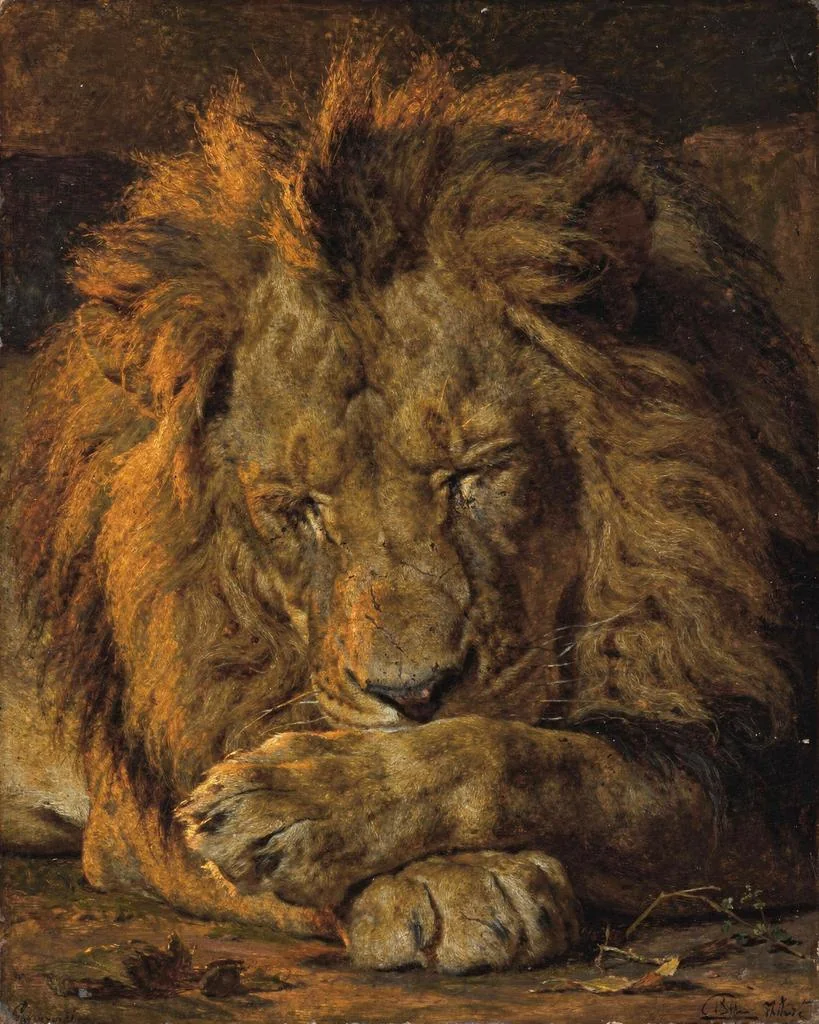
A lion spares a mouse, laughs at her promise to repay him, and is saved by her when a hunter's net closes over him. We told it in Presence, the style we made for animals: the dark, quiet light of a nineteenth-century animal portrait, so the lion looks like a lion, never a person in a mane.
The moral is the one everybody remembers: no kindness, however small, is ever wasted.
Watch and read The Lion and the Mouse
No. 2: The Fox and the Grapes
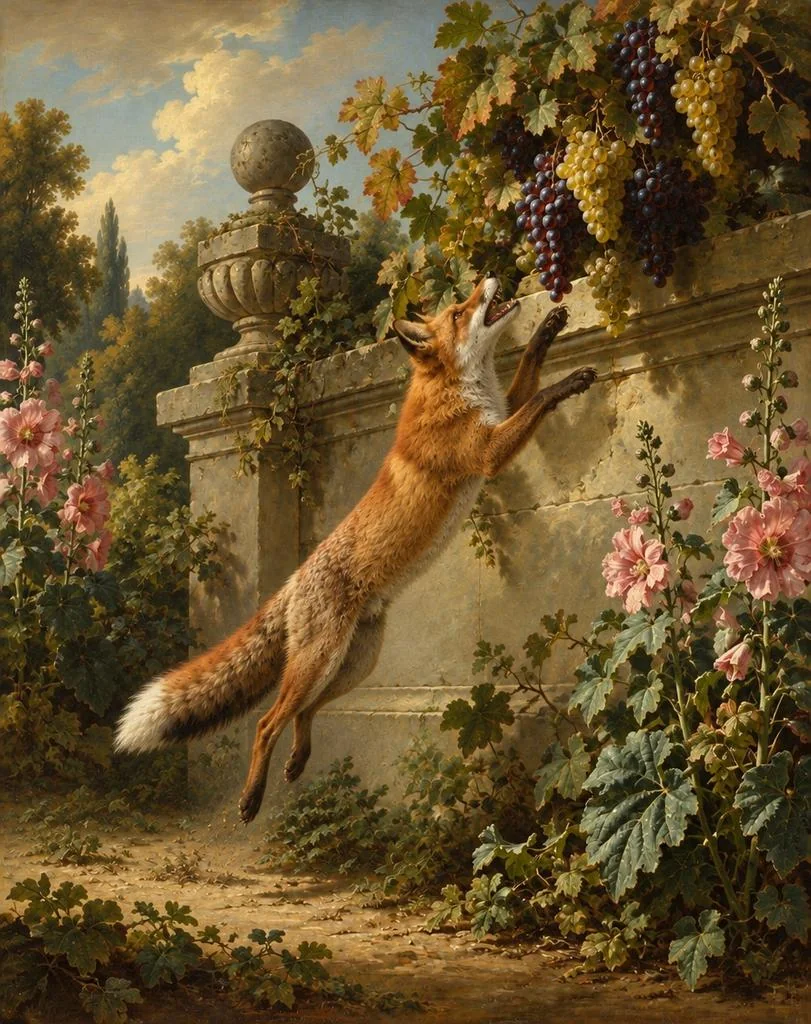
A hungry fox leaps for grapes he cannot reach, again and again, and then walks off saying they were sour anyway. The story gave us the phrase "sour grapes". We told it after Jean-Baptiste Oudry, the eighteenth-century painter of animals who also drew a famous set of illustrations for La Fontaine's fables, so the garden glows the way his do.
Watch and read The Fox and the Grapes
No. 3: The Two Wolves
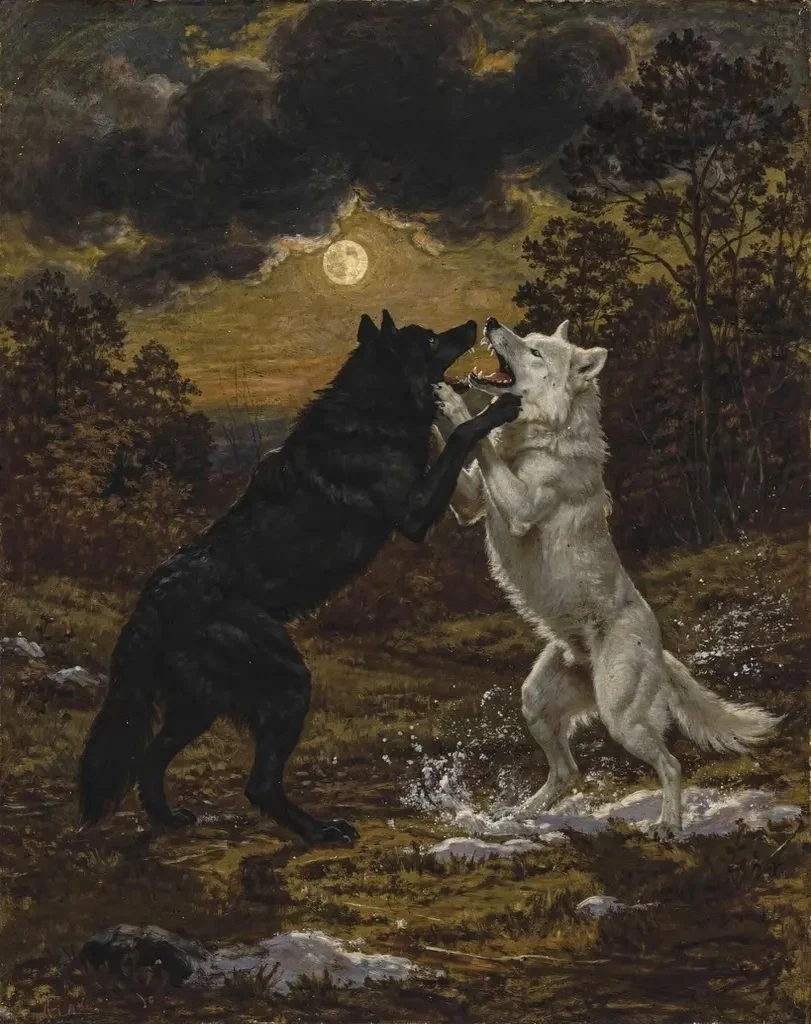
One winter night a young wolf comes home snarling, and an old wolf tells him about the fight inside every heart. One wolf is dark: anger, envy and pride. The other is light: joy, peace and kindness. "Which one wins?" the young wolf asks. The old wolf answers softly: "The one you feed."
This one is not one of Aesop's. It is an old legend, often told as a Cherokee story, though nobody knows for certain where it began. We told it after Ralph Albert Blakelock, the American painter of moonlit nocturnes, whose Indian Encampment glows with the same firelight a story like this is told by. The film has a narrator, music and the sounds of the night, so turn the sound on.
Why portraits
A fable lives on one small moment: the paw lifting, the leap that falls short. A portrait is good at exactly that. Each film is built like stop motion, from a handful of poses per scene, so you can see the hand that made it. On the website the same pictures hold still, one sentence under each, and the animal moves only as you scroll.
What comes next
No. 4 is on its way. If there is a fable you would like us to tell, tell us on Instagram, where each film appears first.