A funeral portrait: choosing an image for the service and afterwards
funeral portrait: choosing an image for the service and afterwards.
Choosing a funeral portrait can be one of the practical decisions that arrives when a family has very little space for decisions. Start with the photograph the people closest to the person recognise, then check what the service actually needs. A new portrait may be appropriate, or the original photograph may be the better choice. The historical works below offer calm visual references for ten considerations. Fable's funeral page is one place to explore a portrait, but the family's wishes, the venue's requirements and the time available should guide what you do.
1. Choose recognition before formality
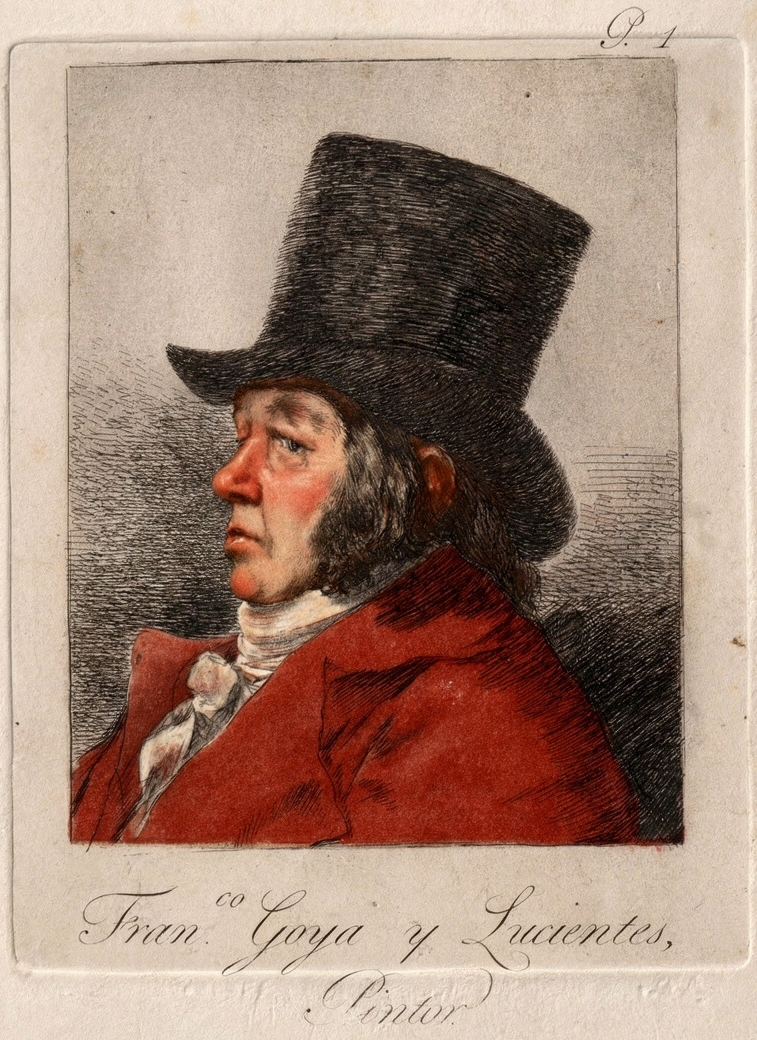
Goya: Self-Portrait · artist: Francisco de Goya (Spanish, 1746–1828) · 1799 (printed c. 1855) · Cleveland Museum of Art · Fable contemporary colour interpretation after the historical work
The best image is often the one that makes relatives say that is them. A formal photograph is not automatically more appropriate than an everyday one. Ask the closest family members which expression feels familiar and avoid changing age, clothing or character simply because the image is intended for a service.
Consider a remembrance portrait · Explore this artwork
2. Ask the venue what it needs
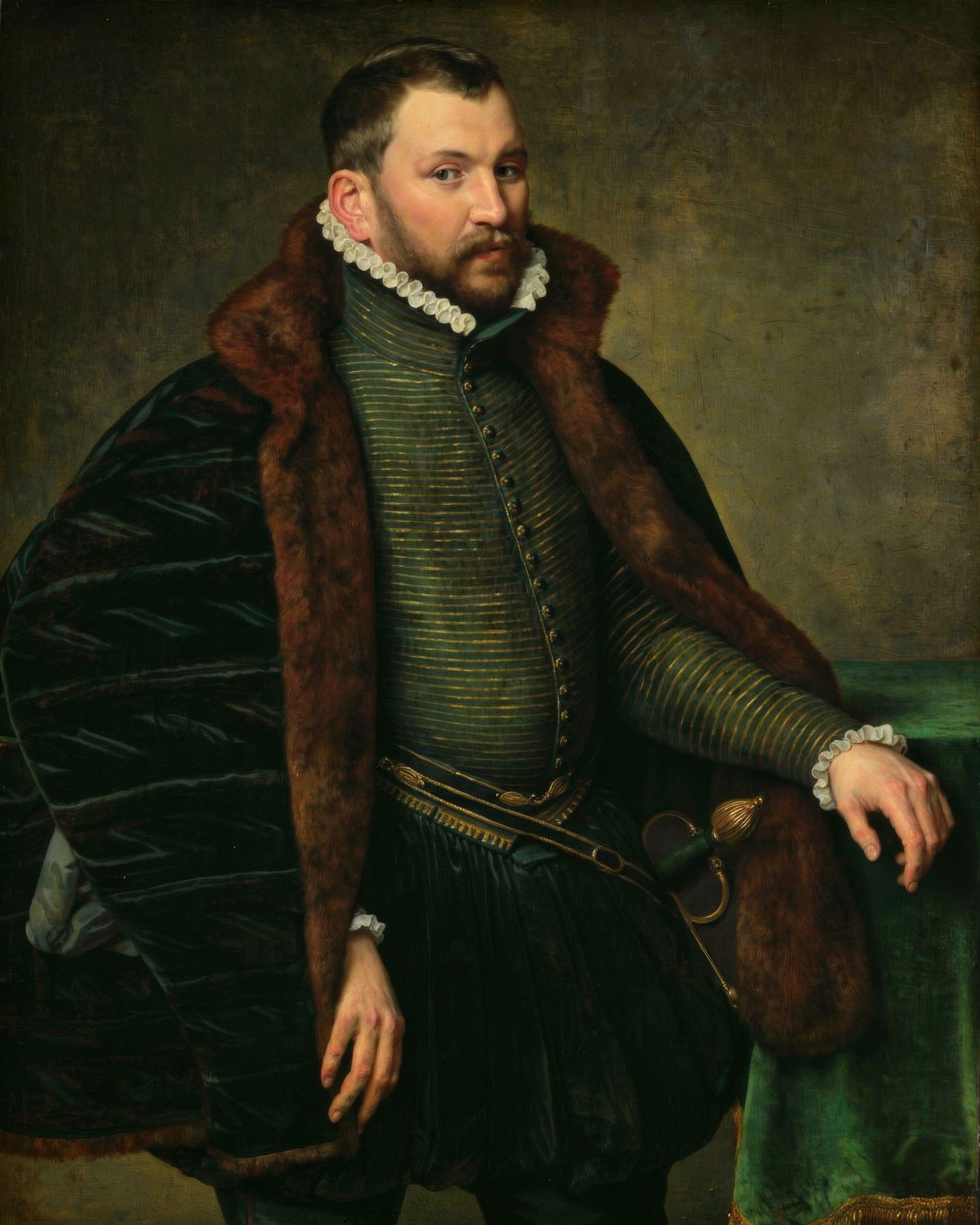
Portrait of a Man · Attributed to Antonis Mor · c. 1565 · Art Institute of Chicago
A printed display, a screen and a service booklet can need different image shapes and file sizes. Confirm the requirements with the organiser before creating anything. Keep the image separate from the text where possible so it can be placed without forcing a crop through a face or an important part of the photograph.
Consider a remembrance portrait · Explore this artwork
3. Find the original file
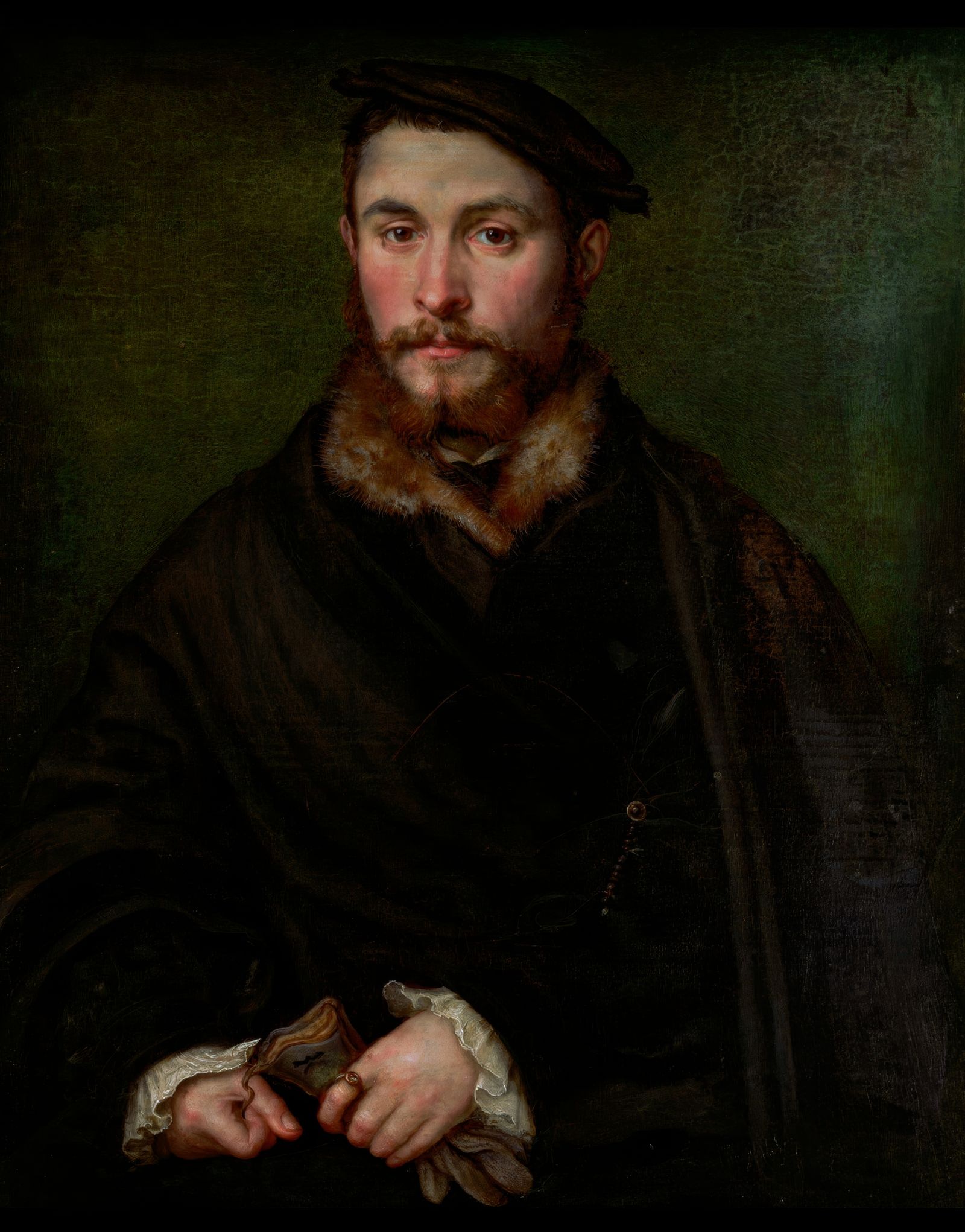
Portrait of a Man with Gloves · Corneille de Lyon · ca. 1535 · The Metropolitan Museum of Art
Look for the photograph before it was sent through messages or social media. If the source is a print, make a careful, evenly lit copy and preserve the original. Do not feel obliged to fix every mark; a familiar photograph can be more meaningful than an extensively altered image.
Consider a remembrance portrait · Explore this artwork
4. Agree on who decides
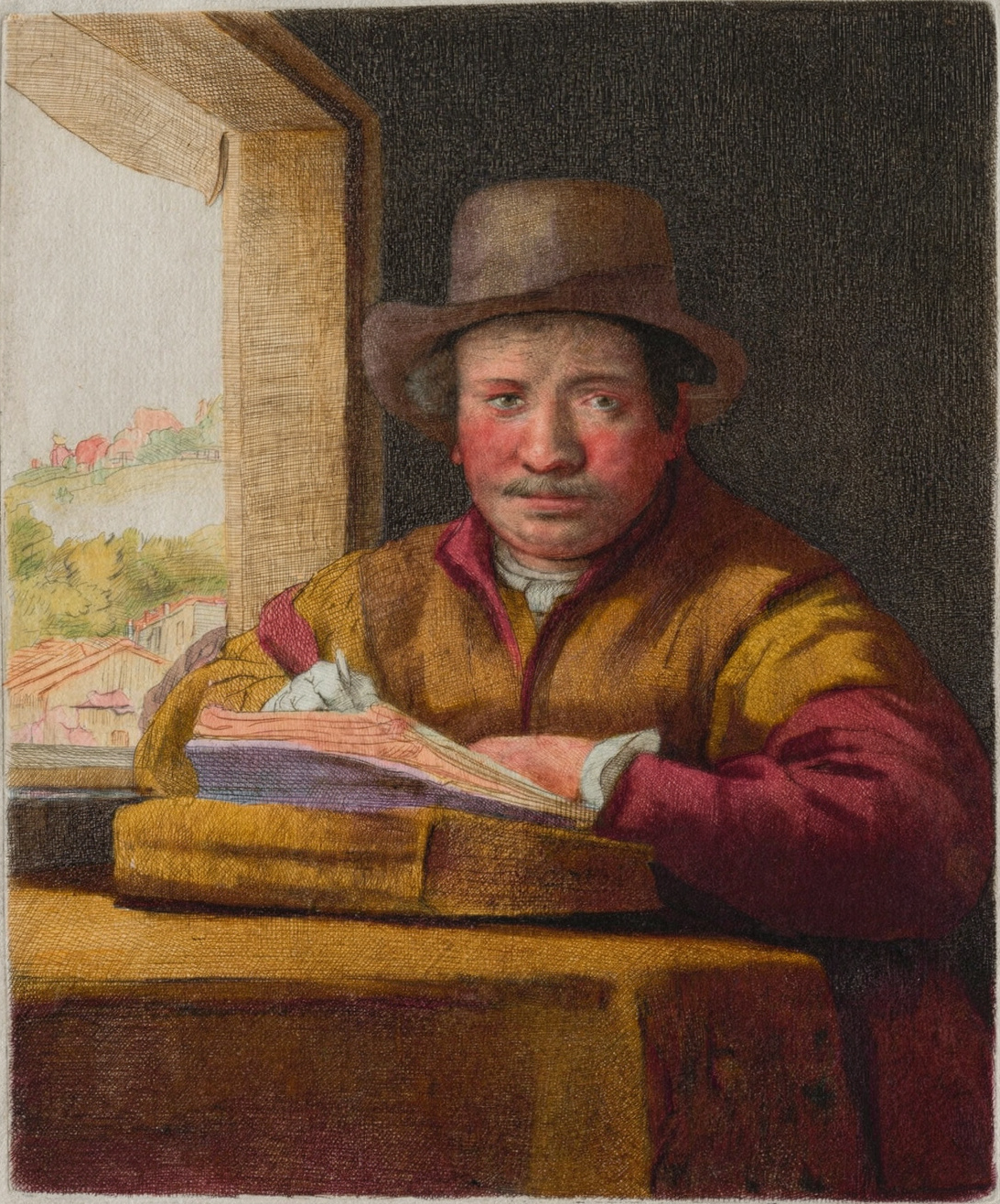
Self-Portrait Drawing at a Window · artist: Rembrandt van Rijn (Dutch, 1606–1669) · 1648 · Cleveland Museum of Art · Fable contemporary colour interpretation after the historical work
Invite the people closest to the person to choose a small number of options, then agree who will make the final practical decision. A clear process can reduce the burden of revisiting every image. Avoid sending a large gallery to everyone if it will create another difficult family task.
Consider a remembrance portrait · Explore this artwork
5. A portrait on its own
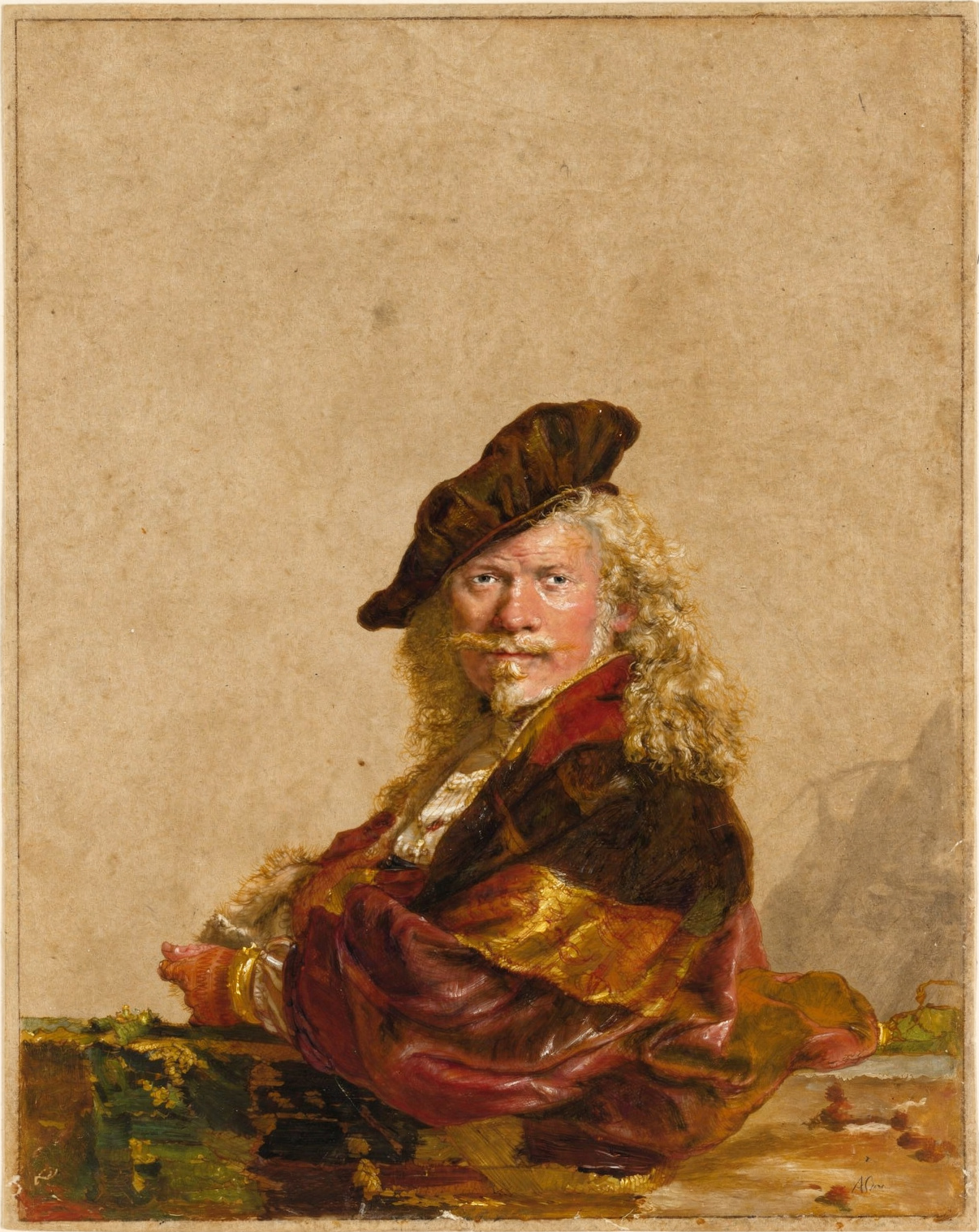
Self-Portrait Leaning on a Stone Sill · Artist: Rembrandt (Rembrandt van Rijn) · 1639 · The Metropolitan Museum of Art · Fable contemporary colour interpretation after the historical work
A simple single portrait may be easiest for a service display. It gives the person space without requiring a viewer to understand a larger scene. If the source is a group photograph, consider whether a separate image exists before asking a new portrait to supply details that were never visible.
Consider a remembrance portrait · Explore this artwork
6. A photograph with someone loved
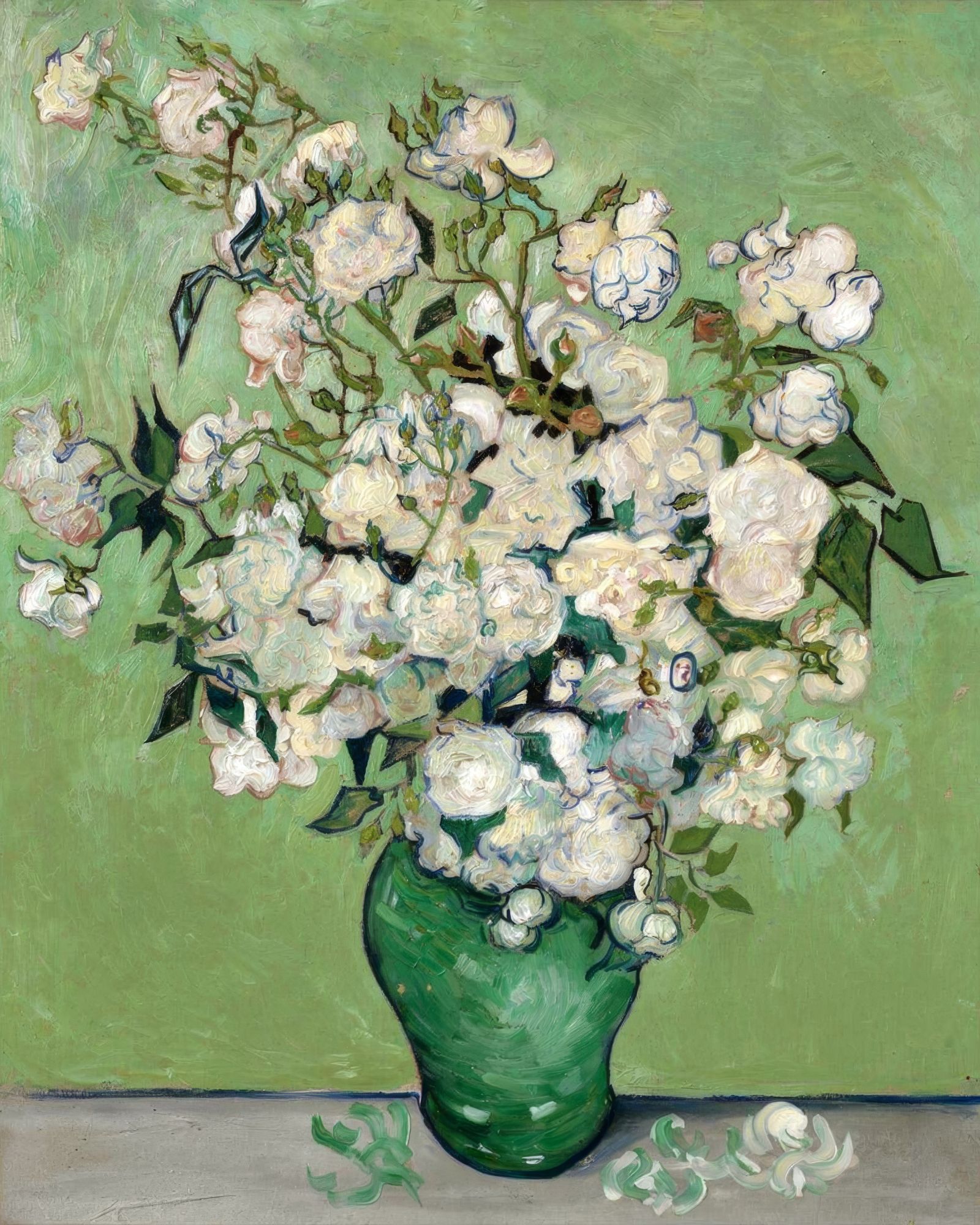
Roses · Vincent van Gogh · 1890 · The Metropolitan Museum of Art
A shared image may carry the right memory, but check that everyone pictured is comfortable with its use. A person in the photograph may find public display difficult. The family can choose a private shared picture for home and a different single portrait for the service without making either less meaningful.
Consider a remembrance portrait · Explore this artwork
7. Keep the atmosphere gentle
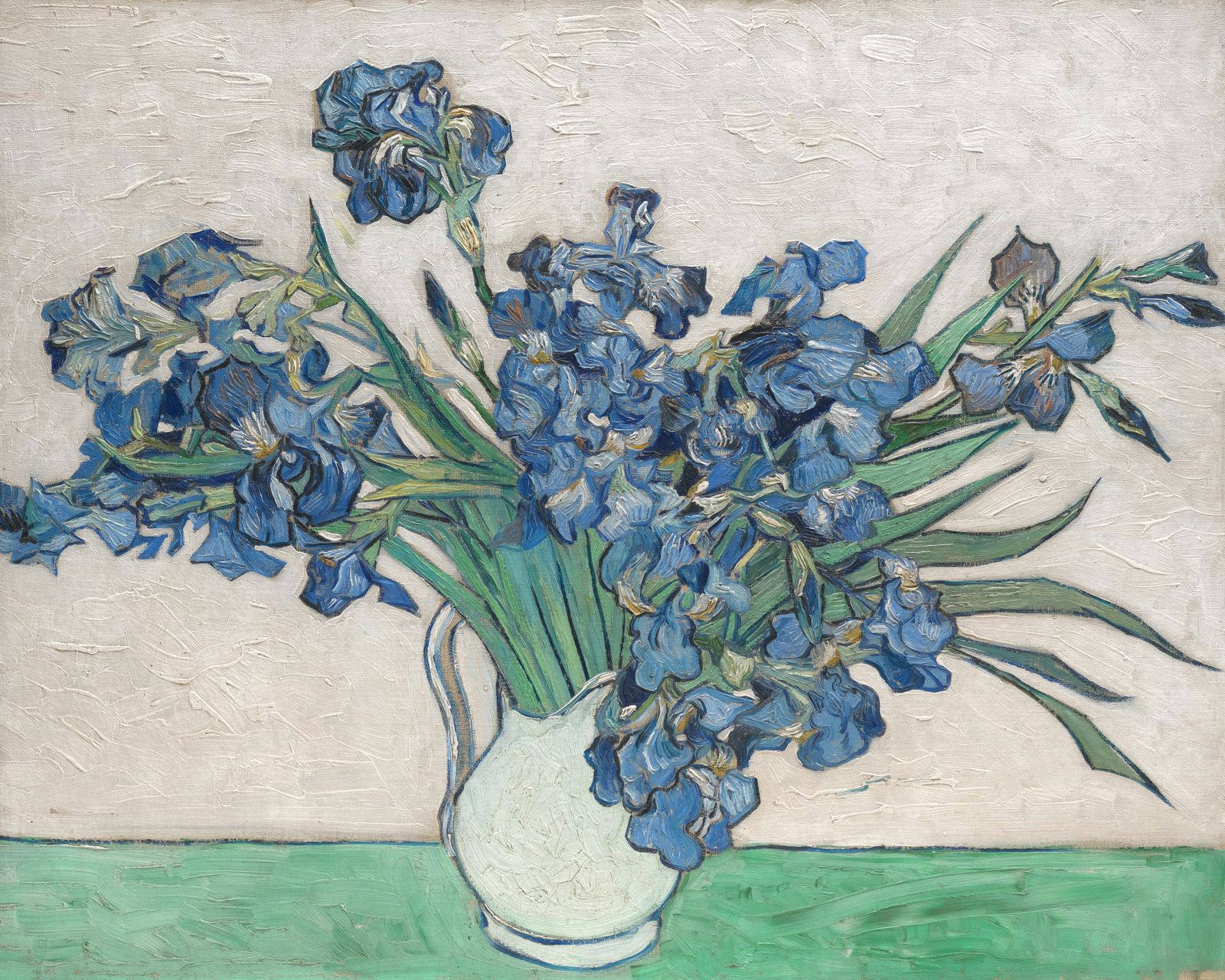
Irises · Vincent van Gogh · 1890 · The Metropolitan Museum of Art
A historical reference can help compare levels of formality, but it should not impose a story on the person being remembered. Avoid dramatic symbols of death unless the family actively wants them. A calm, recognisable image can leave room for different memories and beliefs among the people who attend.
Consider a remembrance portrait · Explore this artwork
8. Check the image at its intended size
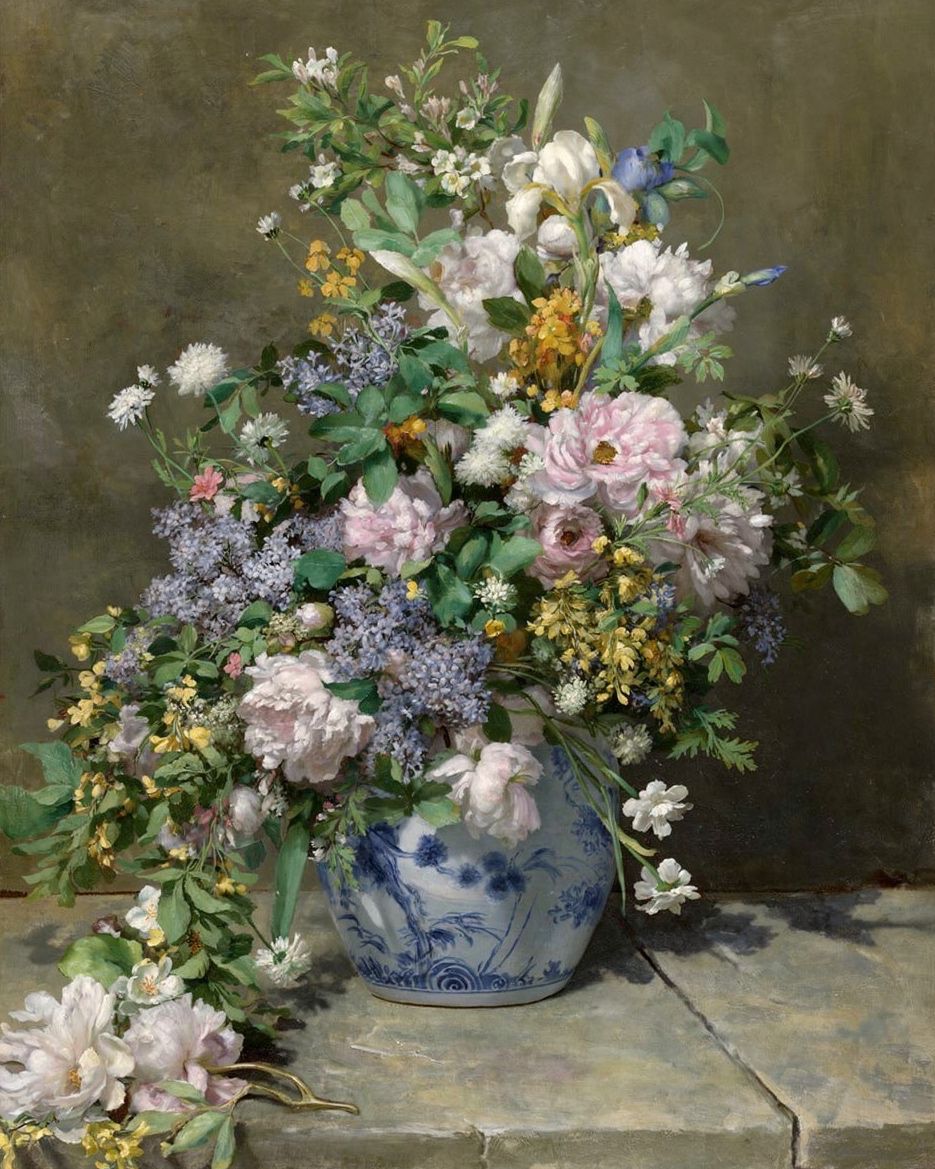
Spring Bouquet · Pierre-Auguste Renoir · 1866 · Harvard Art Museums
A picture that looks clear on a phone may behave differently on a large display. Ask the printer or venue to assess the actual file and preview the layout before proceeding. Do not assume that a new portrait will make every small or damaged source suitable for every physical size.
Consider a remembrance portrait · Explore this artwork
9. Decide what happens afterwards
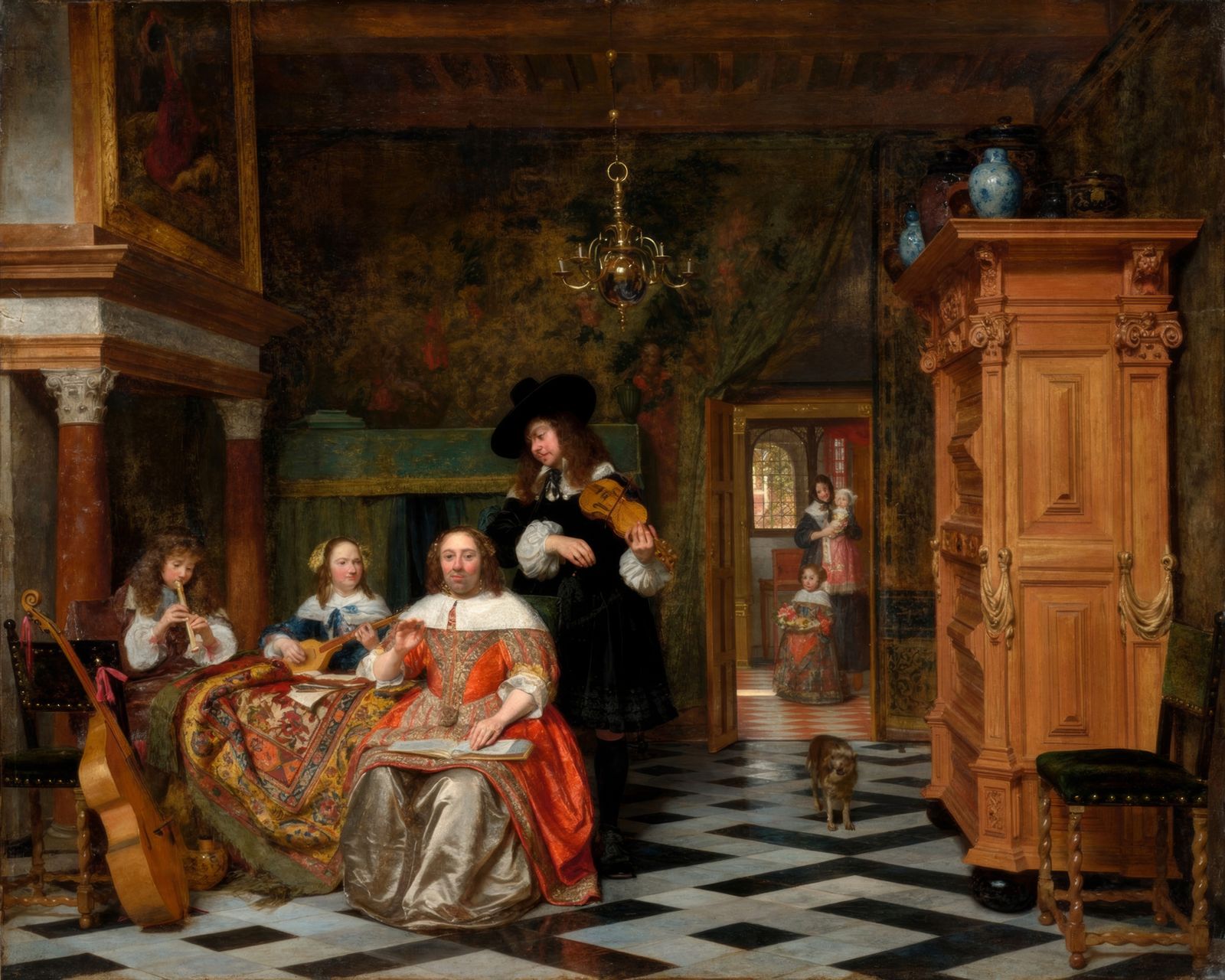
Portrait of a Family Playing Music · Pieter de Hooch · 1663 · Cleveland Museum of Art
A service display may later belong in a family home, or it may be kept privately. Ask before choosing a large object on someone else's behalf. Leaving the portrait's presentation simple can make later decisions easier, without expecting the family to know immediately where every remembrance object should go.
Consider a remembrance portrait · Explore this artwork
10. Leave room to use the photograph unchanged
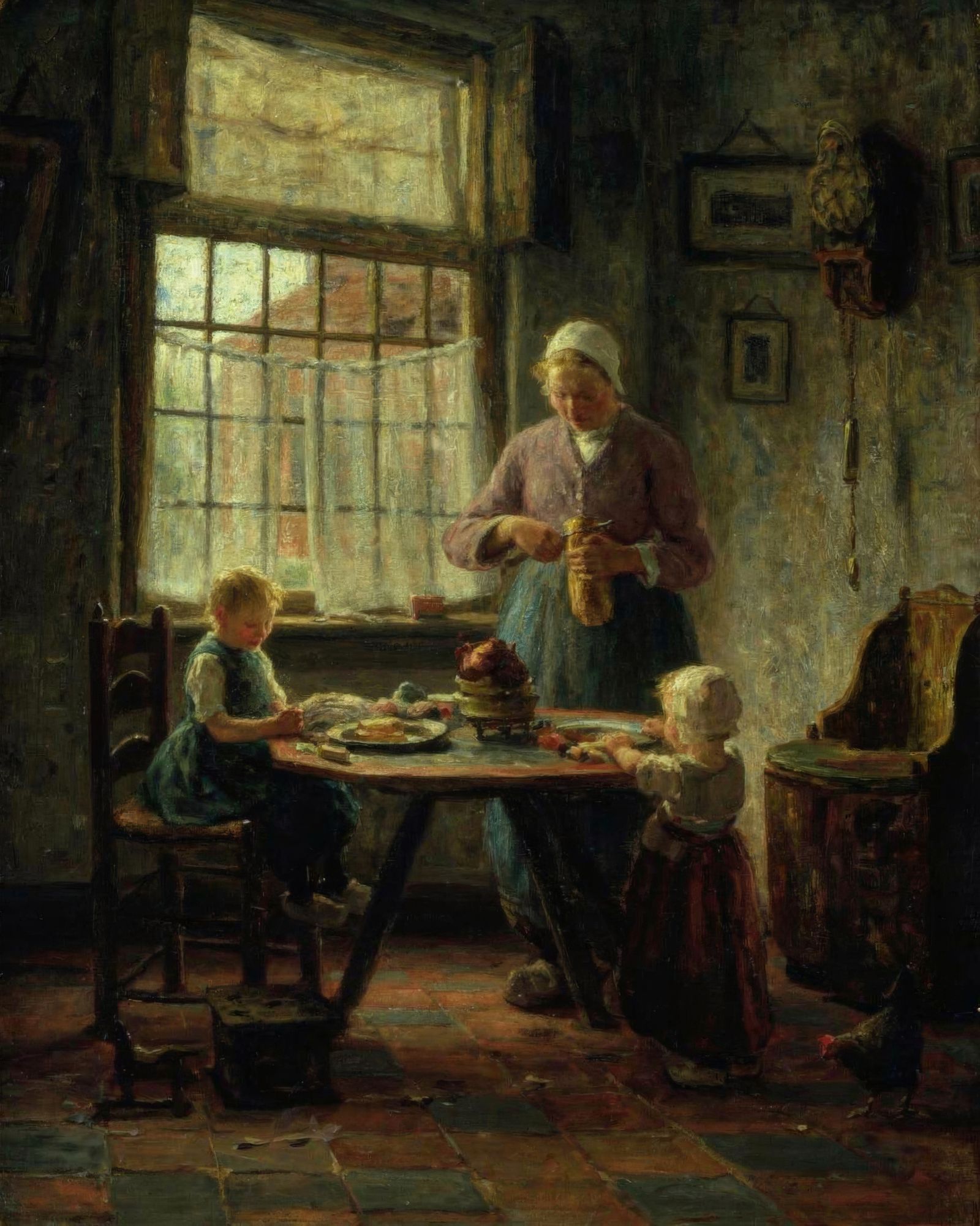
A Family Meal · Evert Pieters · 1890s (?) · Art Institute of Chicago
A new portrait is optional. If the deadline is close, the source is meaningful or the family prefers it, use the original photograph. You can consider a portrait later if the idea remains welcome. The practical task is to honour the person clearly and kindly, not to complete an elaborate creative process.
Consider a remembrance portrait · Explore this artwork
Gather the family's preferred photograph and the venue's requirements first. If there is time and the idea feels right, open the funeral portrait page to inspect the current creation options with that actual image. Keep the original available throughout, and do not rely on an unverified delivery promise for a service date. A portrait can be considered later as well. The most respectful choice is the one the family recognises and can manage, whether that is a new image or the photograph they already love.
If the family is working to a close deadline, avoid adding an unfamiliar process unless someone has the capacity to manage it. Confirm which file will be used, who will approve the layout and when the printer or venue needs it. Those practical agreements can prevent avoidable stress. Keep a copy of the approved original available even if you explore a new portrait, so there is a familiar alternative. There is no obligation to improve a much-loved photograph simply because a different kind of image could be made. The family's recognition of the person remains the most important test.
Consider a remembrance portrait
- Which photograph works best for a funeral portrait?
- Start with the image the closest family recognises and prefers. A natural expression can matter more than formality.
- Should the image be vertical or horizontal?
- Ask the venue, printer or service-booklet organiser what the intended display requires before choosing a layout or physical size.
- Do I need a new portrait for a funeral?
- No. The original photograph may be the right choice. A portrait can be explored later if the family wants one.