A memorial gift for loss of father that leaves the choice with them
memorial gift for loss of father: A memorial gift for loss of father that leaves the choice with them.
A memorial gift for loss of father is most considerate when the person receiving it can shape the idea or decline it. A portrait may offer comfort, but it can also feel too immediate. Begin with a gentle offer to help choose a photograph, without expecting a decision. These historical works suggest ten ways to think about memory and an image's place in a home. They are references, not instructions for grieving. Fable's father remembrance page is there to explore if and when the family feels ready.
1. The expression they recognise
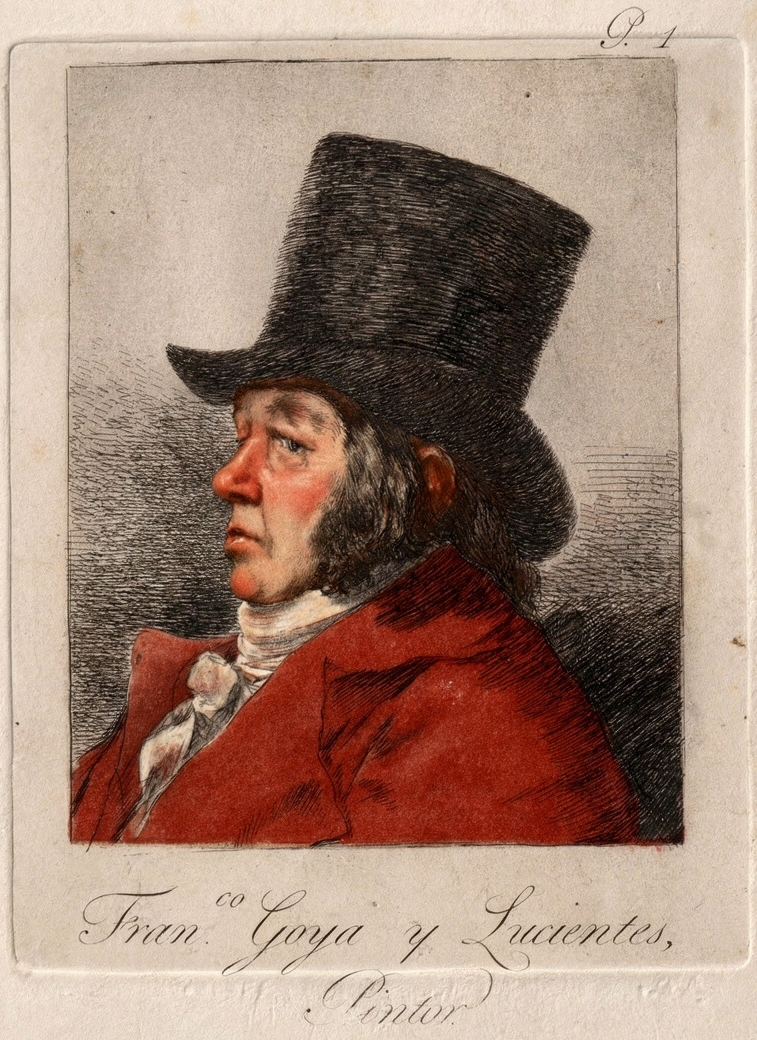
Goya: Self-Portrait · artist: Francisco de Goya (Spanish, 1746–1828) · 1799 (printed c. 1855) · Cleveland Museum of Art · Fable contemporary colour interpretation after the historical work
Ask which photograph feels most like him. It might be a quiet smile at a table rather than a formal portrait. Choose familiarity over an idea of how a father ought to look. If the person receiving the gift wants time to decide, keep the offer open without asking repeatedly.
Consider a remembrance portrait · Explore this artwork
2. The clothes he chose
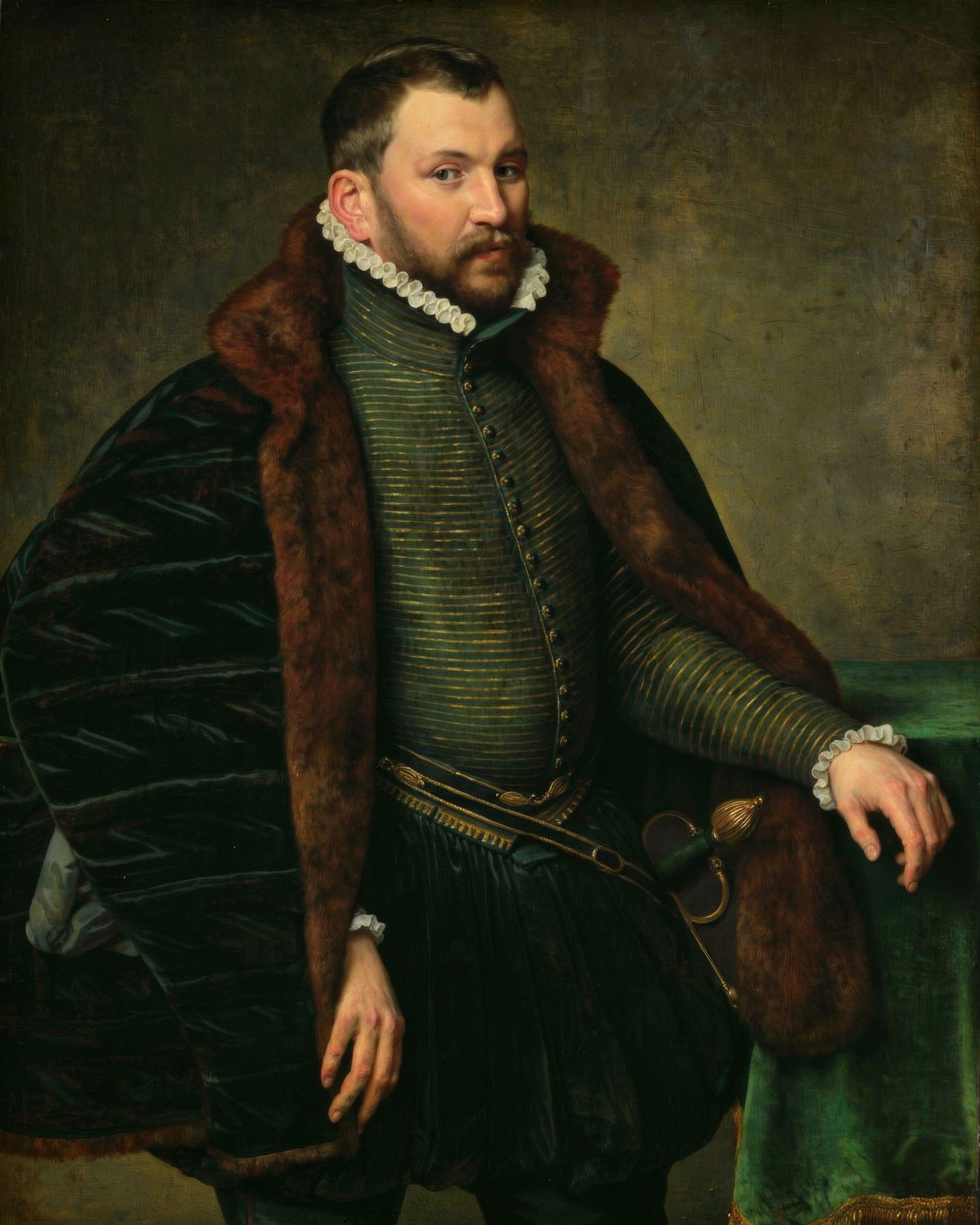
Portrait of a Man · Attributed to Antonis Mor · c. 1565 · Art Institute of Chicago
A favourite jumper, work shirt or jacket may be more recognisable than ceremonial dress. Do not assume that a memorial portrait needs to make him look grander. Historical portrait references can help compare atmosphere, but the family should decide how much change feels appropriate to a face and a memory they know.
Consider a remembrance portrait · Explore this artwork
3. A memory shared with one child
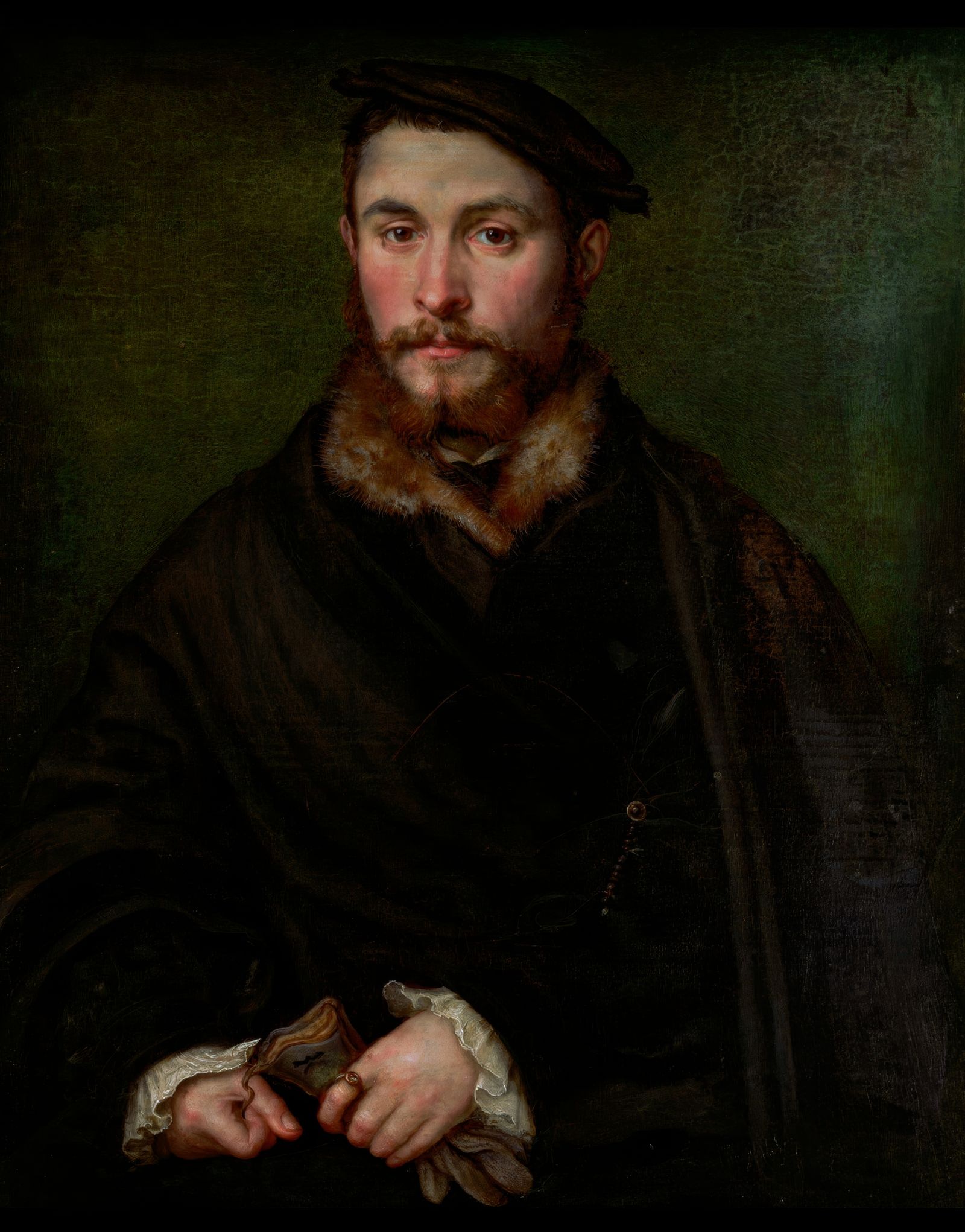
Portrait of a Man with Gloves · Corneille de Lyon · ca. 1535 · The Metropolitan Museum of Art
A father and child photograph can hold a particular relationship. Ask before using it, especially if other relatives are giving the gift. The recipient may prefer an image of him alone, and that preference does not need an explanation. The portrait should not become a public statement about who was closest.
Consider a remembrance portrait · Explore this artwork
4. A photograph from ordinary life
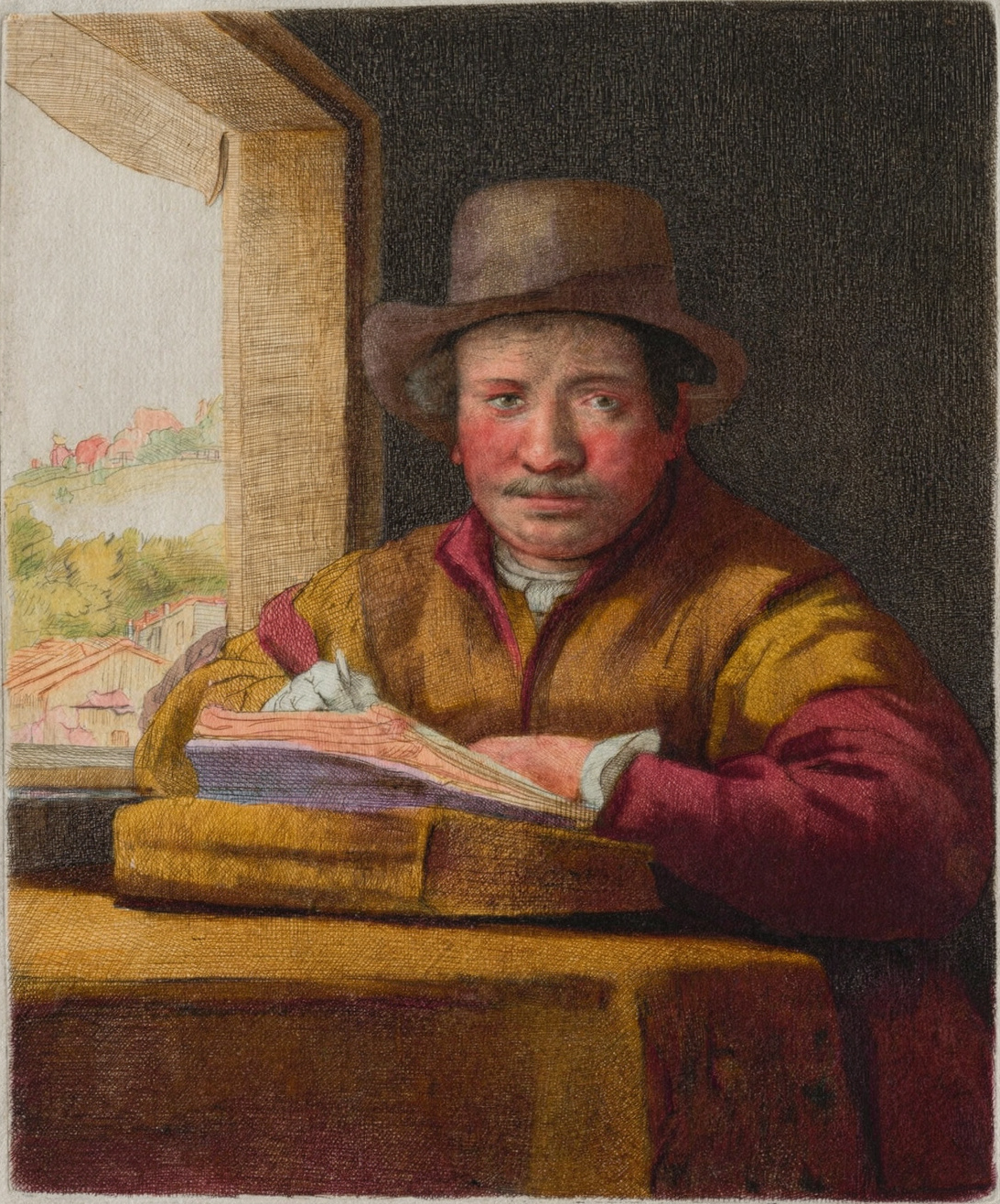
Self-Portrait Drawing at a Window · artist: Rembrandt van Rijn (Dutch, 1606–1669) · 1648 · Cleveland Museum of Art · Fable contemporary colour interpretation after the historical work
A garden chair, a walk or an afternoon at home can feel more personal than the official occasions. Find the original file if possible and preserve the full source. Avoid removing meaningful context automatically; ask which details the family associates with him before deciding how a new portrait should approach them.
Consider a remembrance portrait · Explore this artwork
5. The older photograph
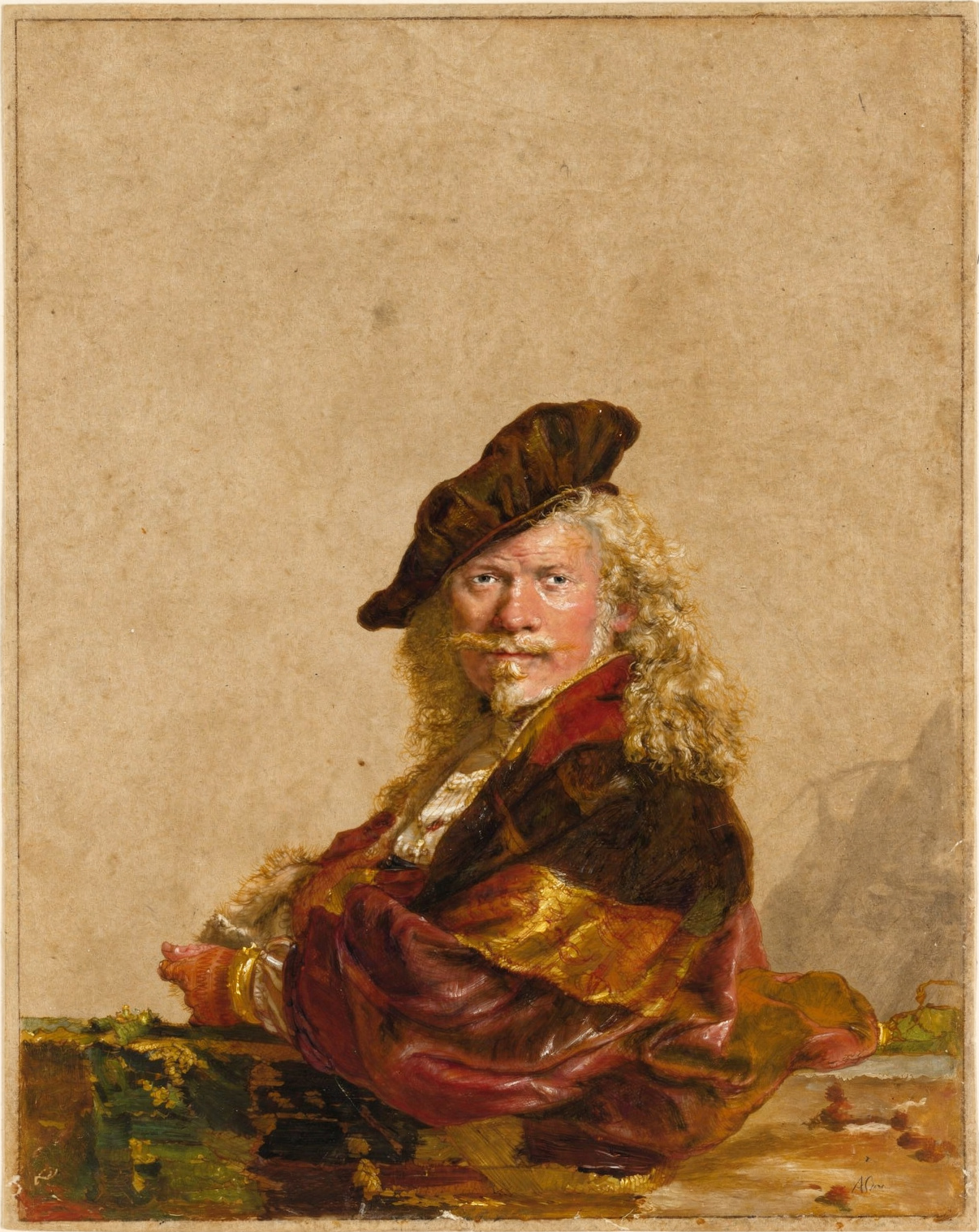
Self-Portrait Leaning on a Stone Sill · Artist: Rembrandt (Rembrandt van Rijn) · 1639 · The Metropolitan Museum of Art · Fable contemporary colour interpretation after the historical work
An earlier image may be the one a child remembers most clearly. Treat that choice respectfully without implying that later years matter less. If the source is a small print, offer practical help making a careful copy and keep any uncertainty about dates or details separate from the portrait itself.
Consider a remembrance portrait · Explore this artwork
6. A place associated with him
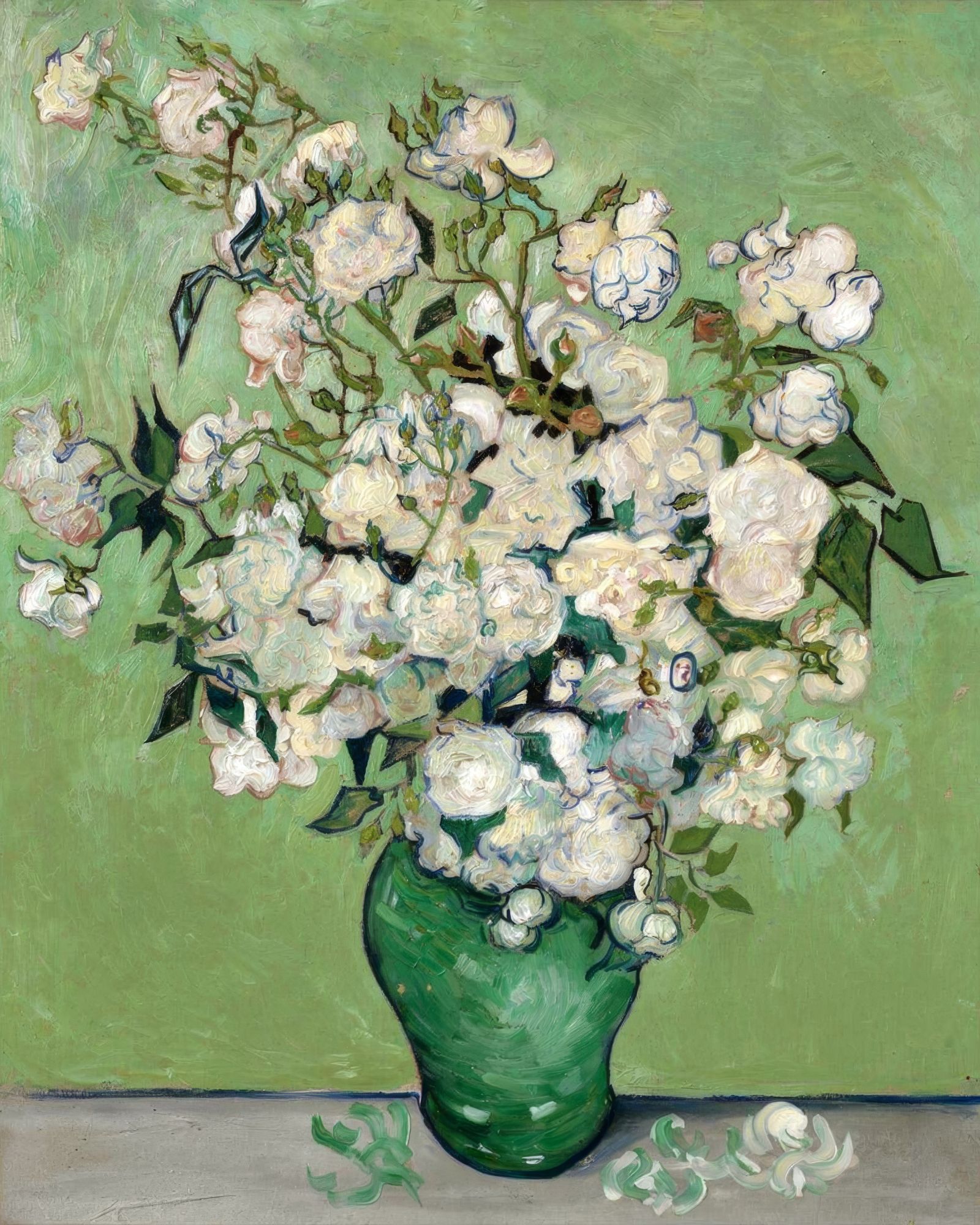
Roses · Vincent van Gogh · 1890 · The Metropolitan Museum of Art
Sometimes a landscape or home is easier to receive than a likeness. A historical work can help the family name an atmosphere they find comforting, without pretending to show his actual house. A print can be an option in its own right, or the portrait idea can simply wait.
Consider a remembrance portrait · Explore this artwork
7. A picture kept privately
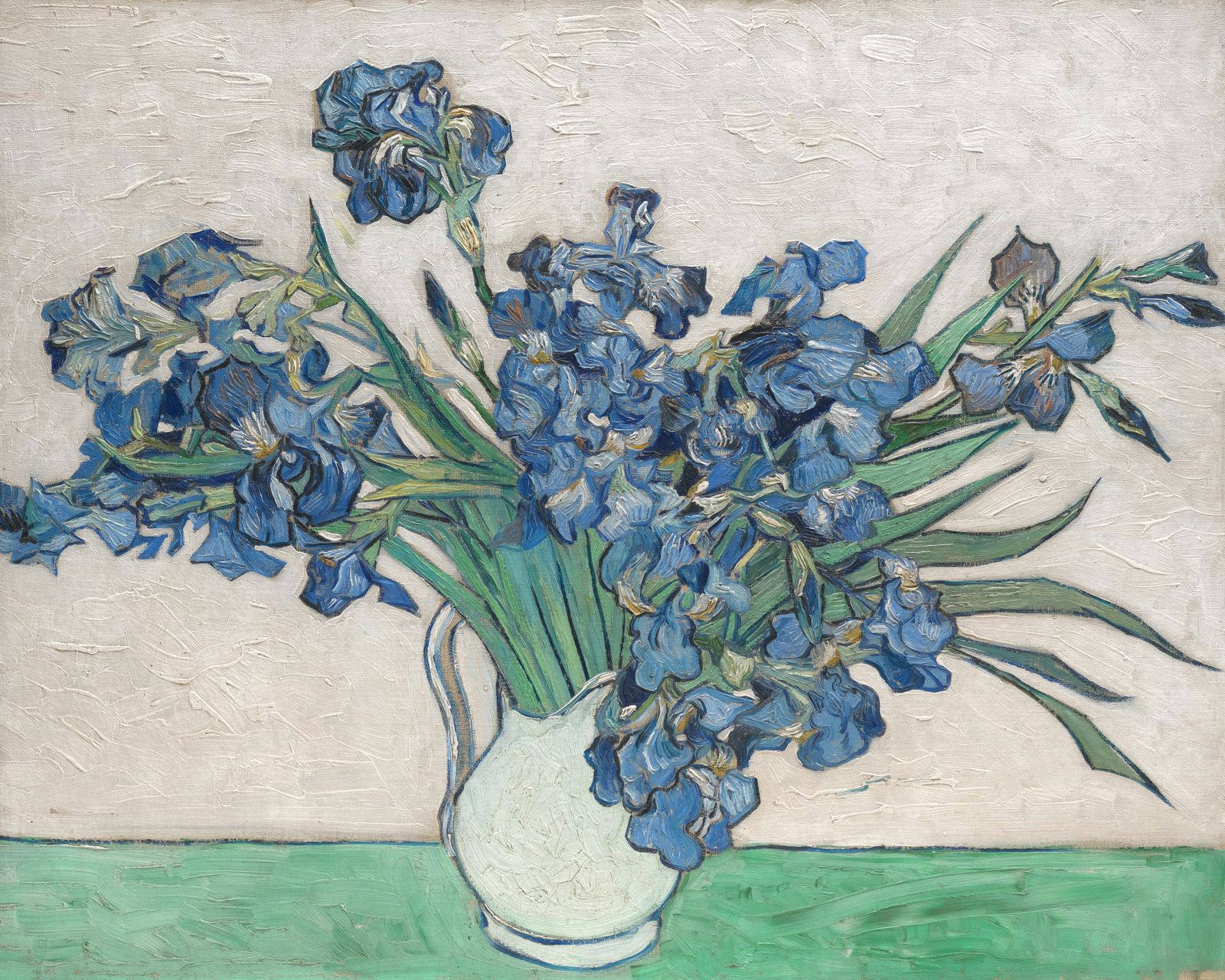
Irises · Vincent van Gogh · 1890 · The Metropolitan Museum of Art
Not every memorial image belongs in the main room. Ask whether the person wants something for a quiet corner, a bedside place or no display at all. Leave the decisions about scale and physical presentation open until they know where the image would feel comfortable in their life.
Consider a remembrance portrait · Explore this artwork
8. The handwritten memory
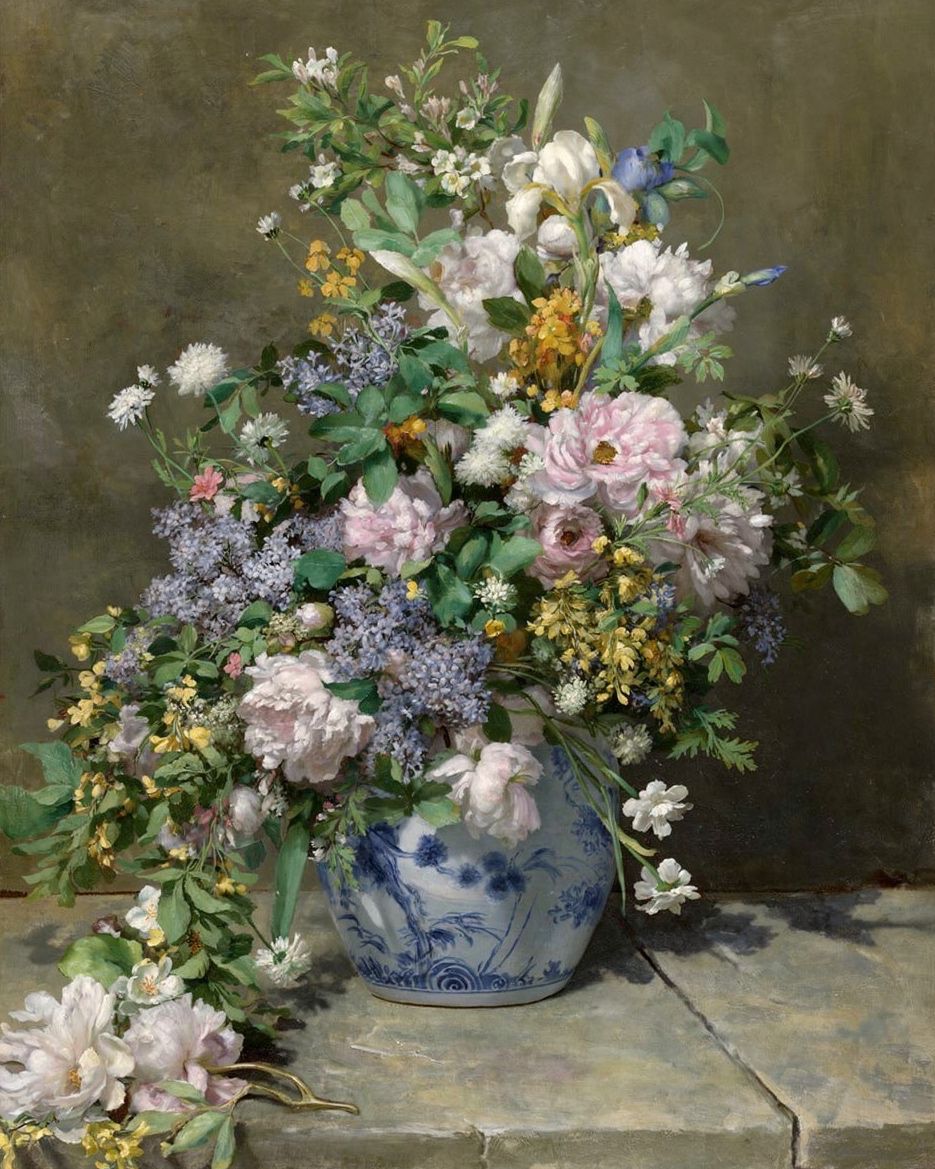
Spring Bouquet · Pierre-Auguste Renoir · 1866 · Harvard Art Museums
If you knew him, include one true detail you remember. A habit, phrase or kindness is enough. If you did not, say that you are thinking of the person who misses him. Avoid explaining the death, making assumptions about belief or asking the recipient to take comfort in a particular lesson.
Consider a remembrance portrait · Explore this artwork
9. Help that does not add another task
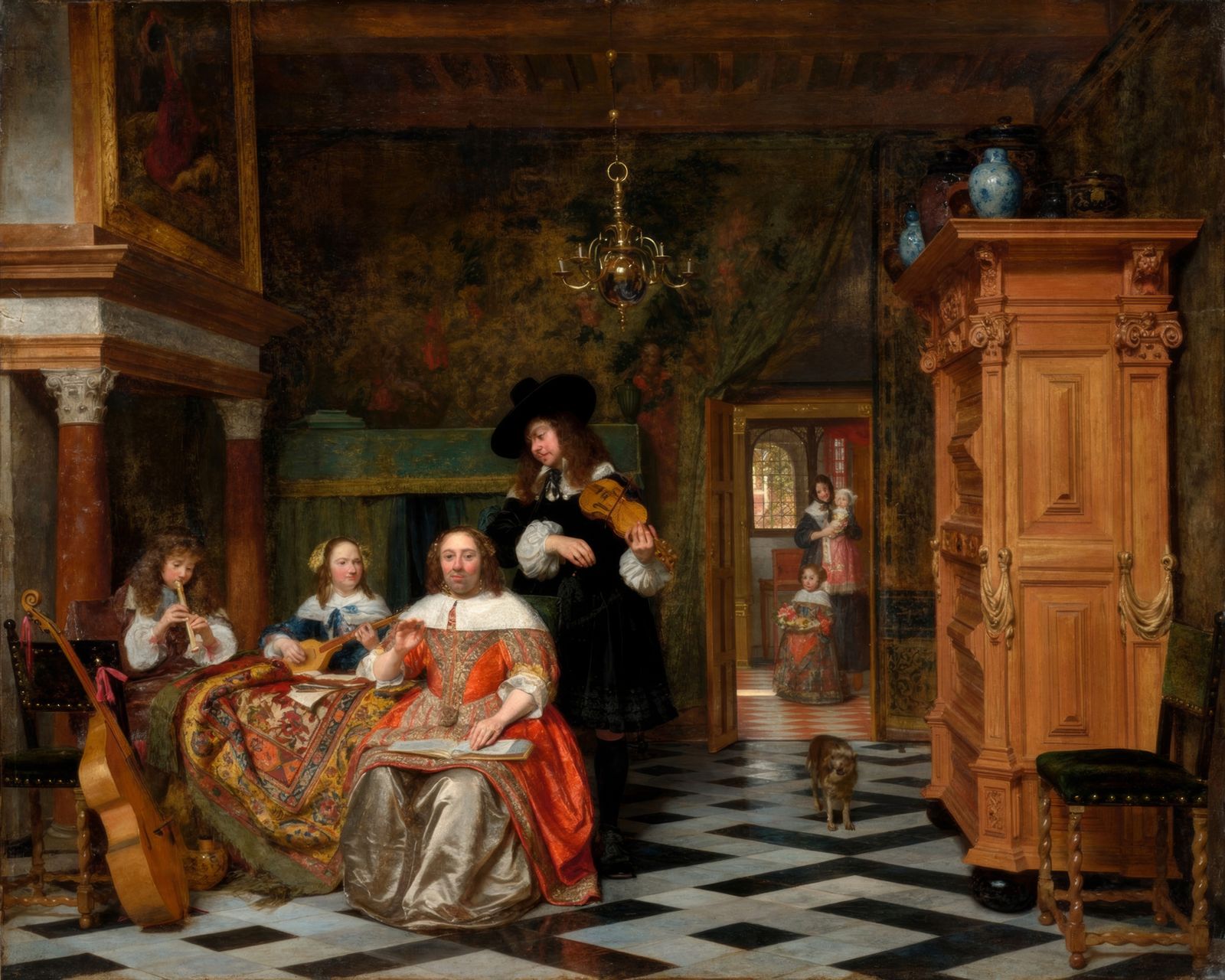
Portrait of a Family Playing Music · Pieter de Hooch · 1663 · Cleveland Museum of Art
Offer something specific: locating an album, asking a relative for a file or making a careful scan. Ask permission before doing it and return any original promptly. The help is useful only if it lightens the practical load; it should not create a deadline for deciding on the gift.
Consider a remembrance portrait · Explore this artwork
10. The option of nothing yet
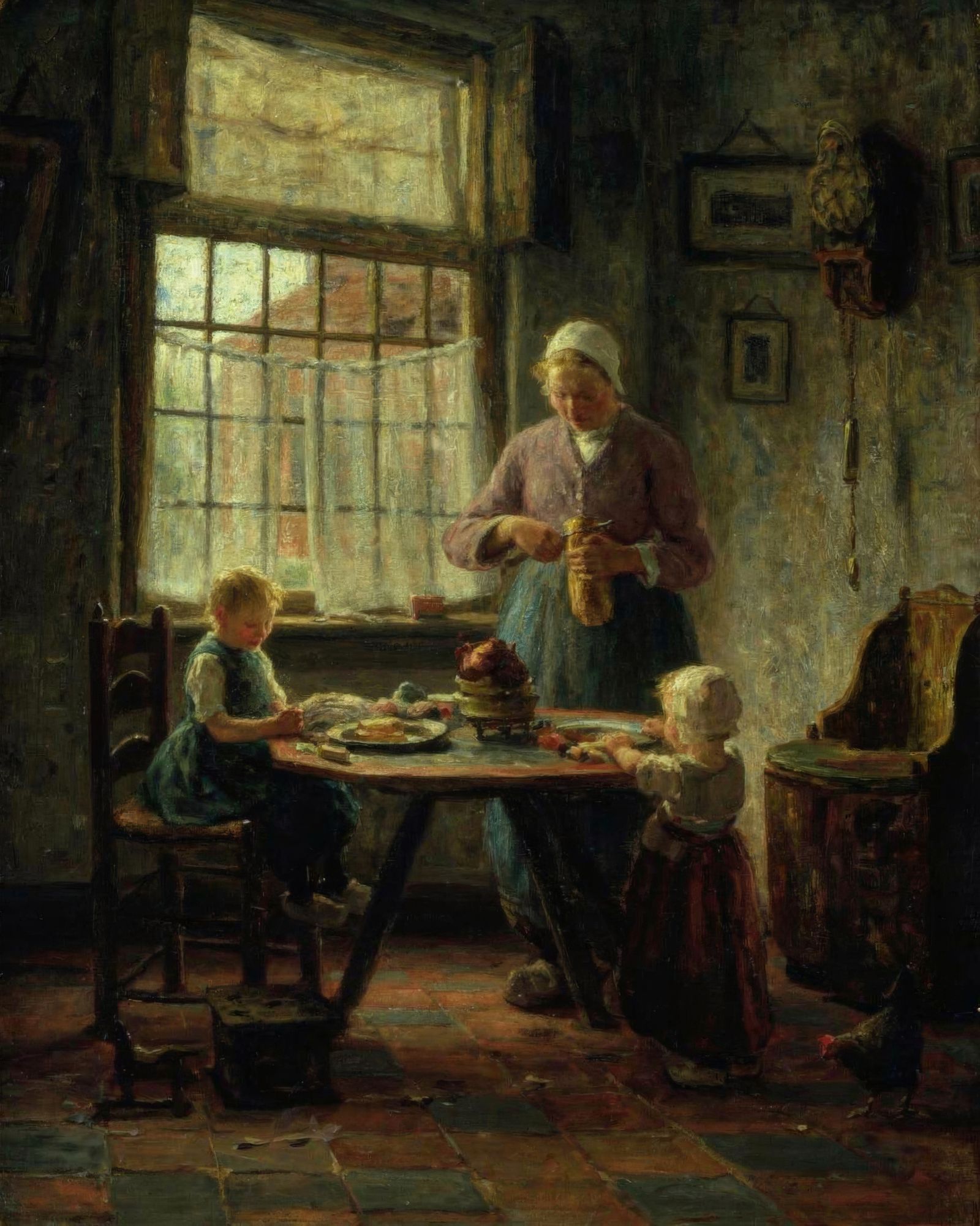
A Family Meal · Evert Pieters · 1890s (?) · Art Institute of Chicago
A memorial portrait can be considered months or years later. If the idea is unwelcome now, a note or ordinary practical support may be more appropriate. Do not turn a birthday, holiday or anniversary into pressure to complete the image. Remembering someone does not require a particular object or timetable.
Consider a remembrance portrait · Explore this artwork
If a portrait is welcome, begin on the father remembrance page and look at the options with the person who will live with it. Choose the source photograph slowly, preserve the original and make sure any change in atmosphere feels acceptable. A historical reference can suggest a direction without replacing the family's knowledge of the person. If the idea is not welcome, set it aside. The care lies in giving the recipient choice and company, not in ensuring that a particular present is made.
Keep the gift separate from decisions about the service, belongings and family photographs unless the recipient wants them connected. A memorial portrait for home does not need to be chosen at the same time as a service image. If several relatives want copies, discuss that later and with permission rather than making the first recipient responsible for everyone else's wishes. One person may want a current image and another an earlier one. Different choices can coexist without deciding which version of him is the right one to remember, and without turning a gift into an argument about memory.
Consider a remembrance portrait
- When is the right time to give a memorial portrait?
- There is no fixed time. Ask gently and allow the person to wait, choose another kind of gift or decline the idea.
- What photograph should I use?
- Use the image the recipient recognises and likes. An everyday photograph can be more meaningful than a formal one.
- What can I offer if a portrait feels too much?
- A personal note, a true memory or specific practical help may be welcome. Keep the offer easy to decline and do not expect a reply.